Equine Encyclopedia
Riding Horses
Riding horses are selected primarily for mounted work, from family leisure riding to demanding sport disciplines. Depending on the breed, they can offer very different profiles in balance, movement quality, responsiveness, comfort, trainability and overall suitability for a rider's level and goals.
Riding Horses at a Glance
DefinitionHorses primarily developed for riding and mounted disciplines.
UsesLeisure riding, dressage, jumping, eventing, endurance and trail riding.
TemperamentRanges from calm and forgiving to reactive and highly sport-oriented.
Key pointsBalance, quality of gaits, rideability, mindset and athletic suitability.
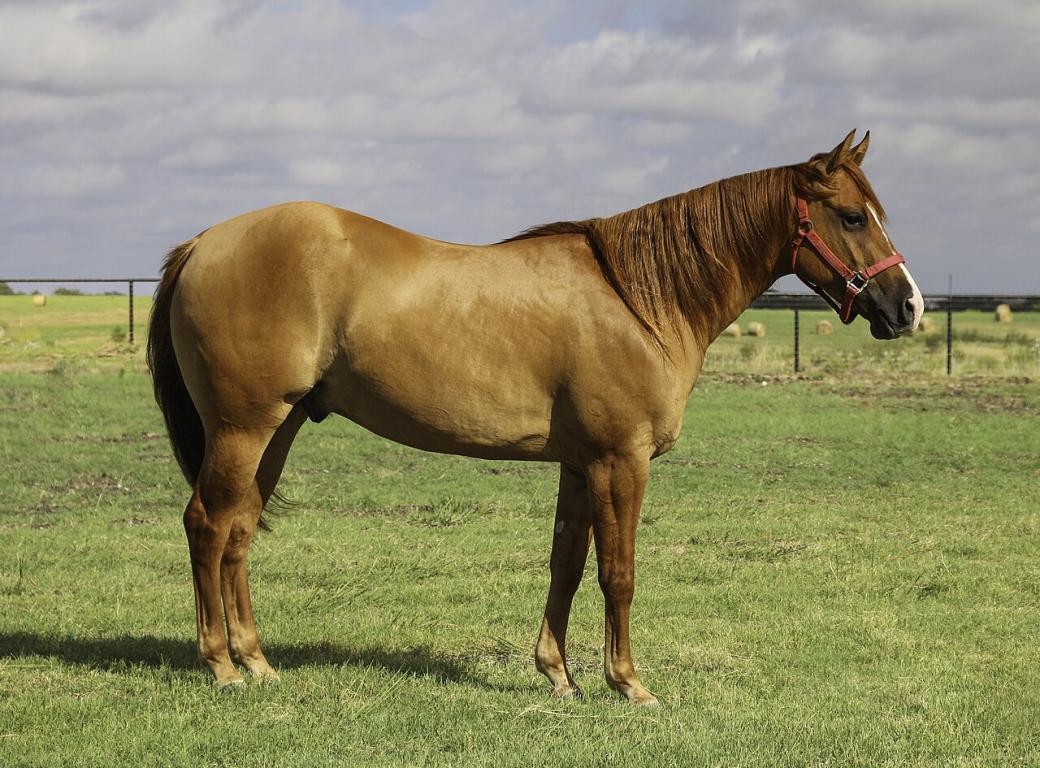
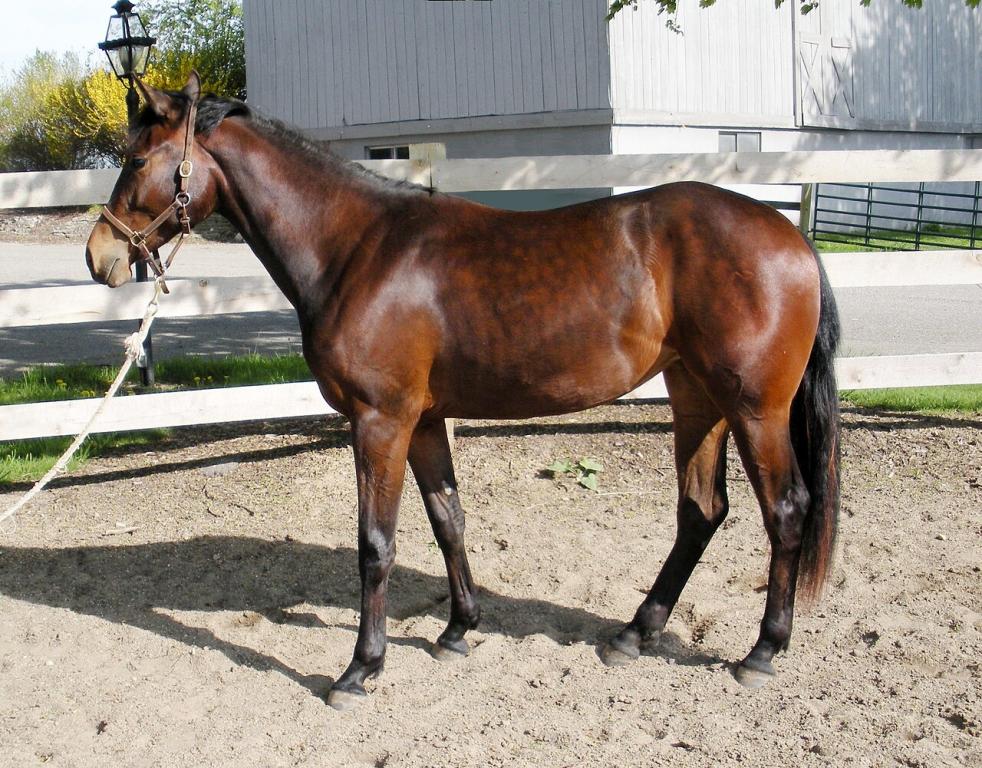
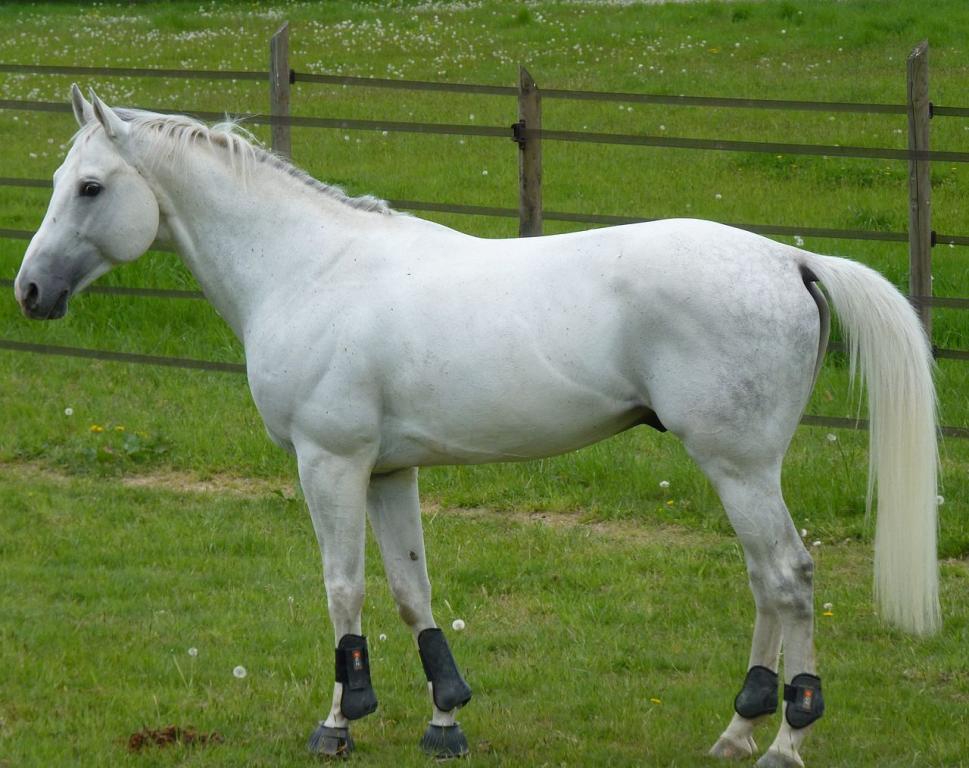
Comparison of Riding Horse Breeds
Riding horse breeds cover a wide range of goals and rider profiles. This comparison offers quick orientation points, but your final choice should always include the individual horse's temperament, education, soundness and compatibility with the rider.
| Breed | Origin | General Type | Frequent Uses | Particularity |
|---|---|---|---|---|
| Selle Francais | France | Sporty, powerful | Show jumping, eventing | Top-level sport profile. |
| Thoroughbred | United Kingdom | Fine, fast | Racing, sport crossing | Speed and stamina. |
| Hanoverian | Germany | Balanced, elegant | Dressage, jumping | Versatile sport horse. |
| KWPN | Netherlands | Modern, athletic | Dressage, jumping | Strong performance selection. |
| Lusitano | Portugal | Compact, collected | Dressage, refined work | Excellent rideability. |
How to Choose a Riding Horse
For a first horse, prioritize a safe, educated and consistent individual over pure pedigree prestige. A horse with a suitable mindset and training level is usually a better long-term match than a very talented, more difficult horse.
If you have sport ambitions, define your main discipline first, then assess your full budget (purchase, boarding, veterinary care, farriery, training and equipment). Reliability and compatibility are often more important than raw performance potential.
Before purchase, test the horse in different contexts when possible, request transparent history, and perform a pre-purchase veterinary exam with a trusted professional.
All Riding Horse Breeds
131 results
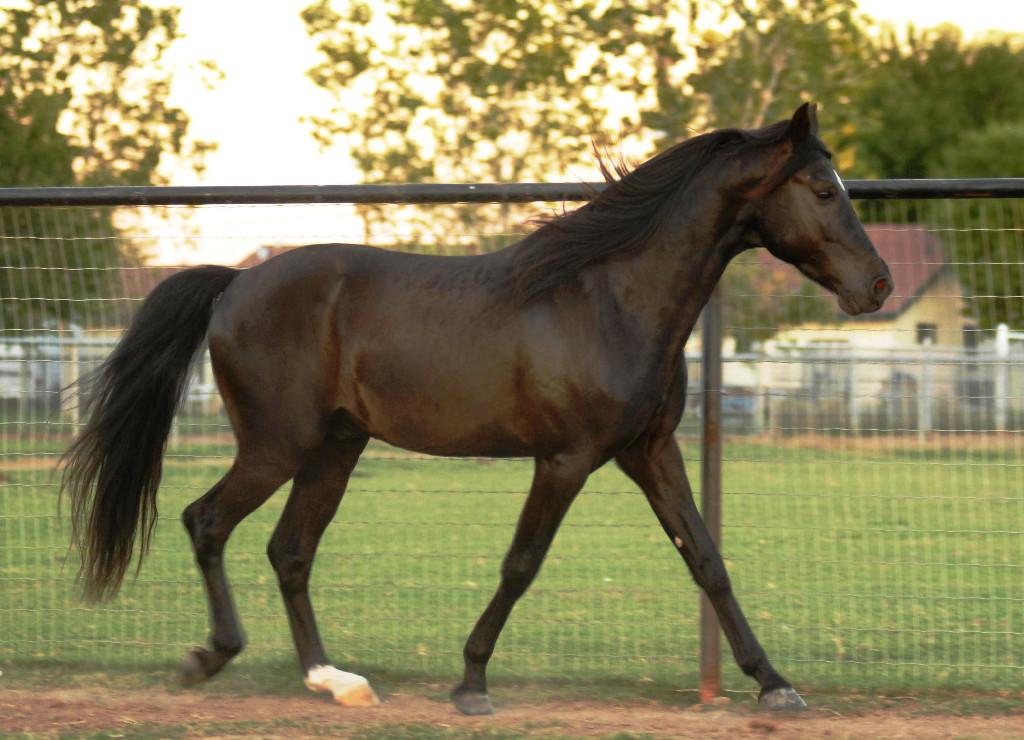
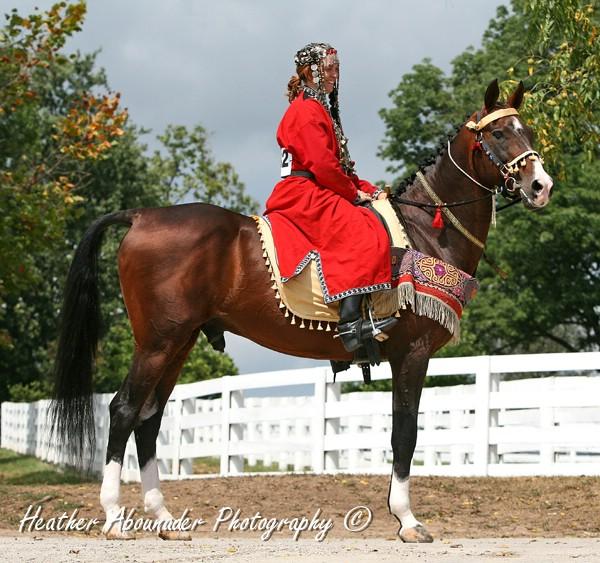
Akhal-Teke
View breed Alter Real
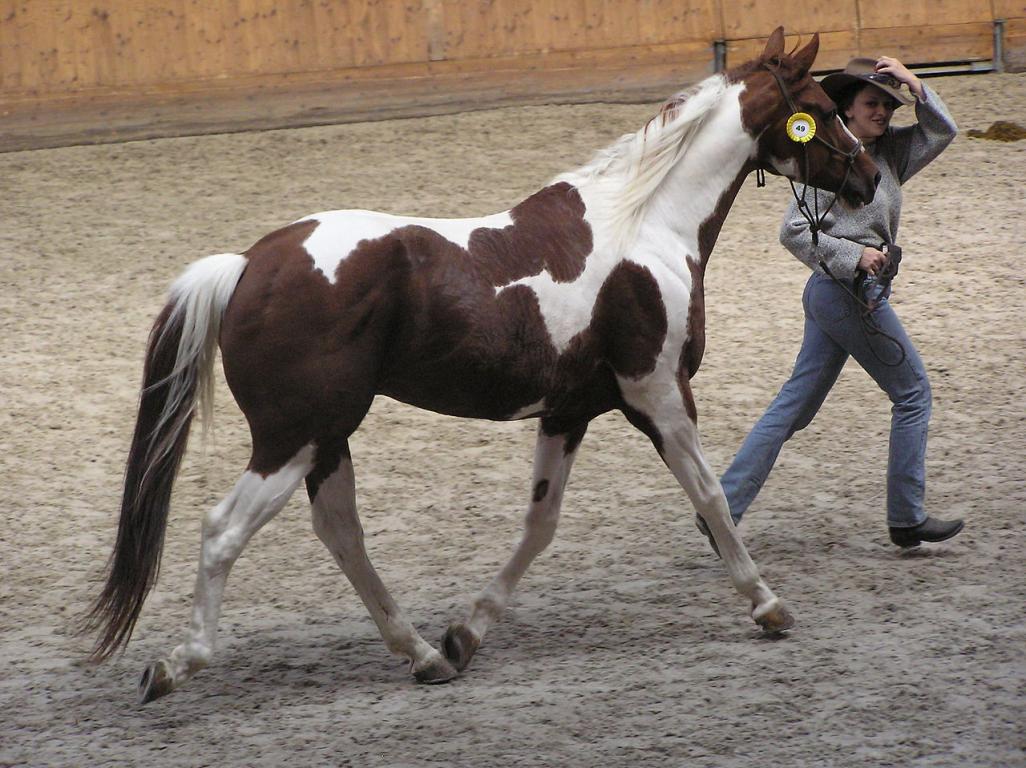
View breed American Paint Horse
View breed American Quarter Horse
View breed American Warmblood
View breed
Andravida – Eleia
View breed Anglo-Arabian
View breed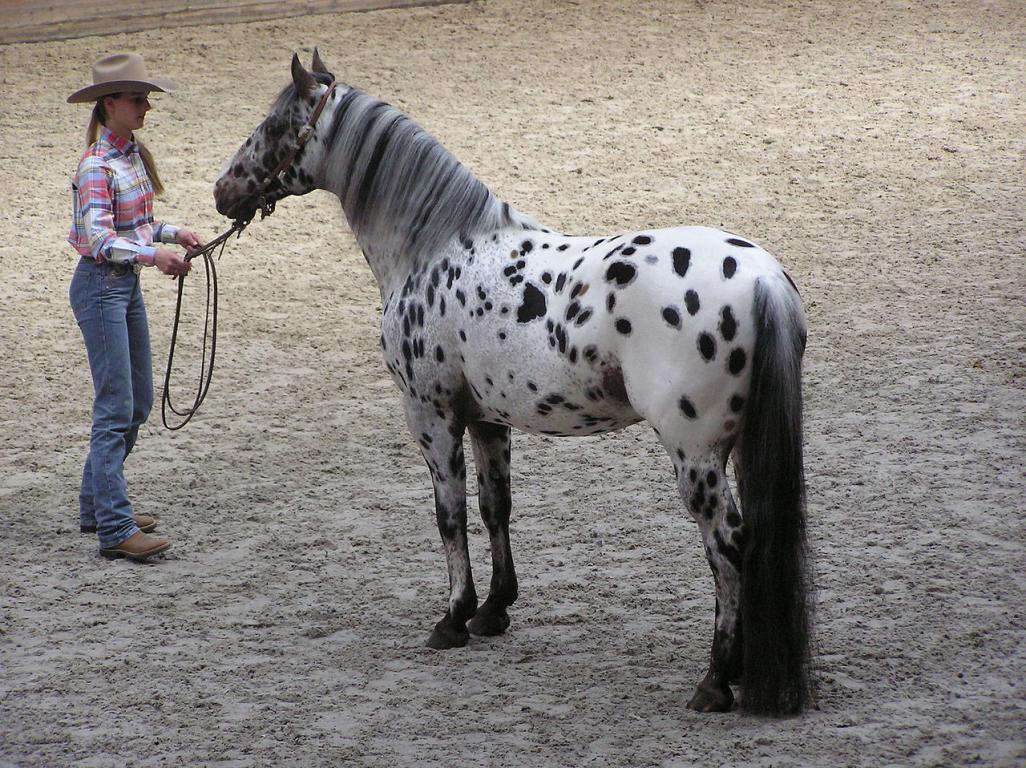
Appaloosa
View breed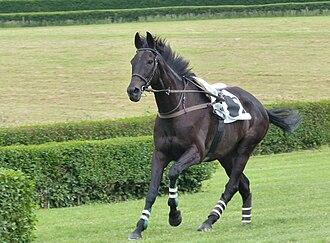
AQPS | French Chaser
View breed
Arabe Persan - Pur-sang Arabe d’Iran
View breed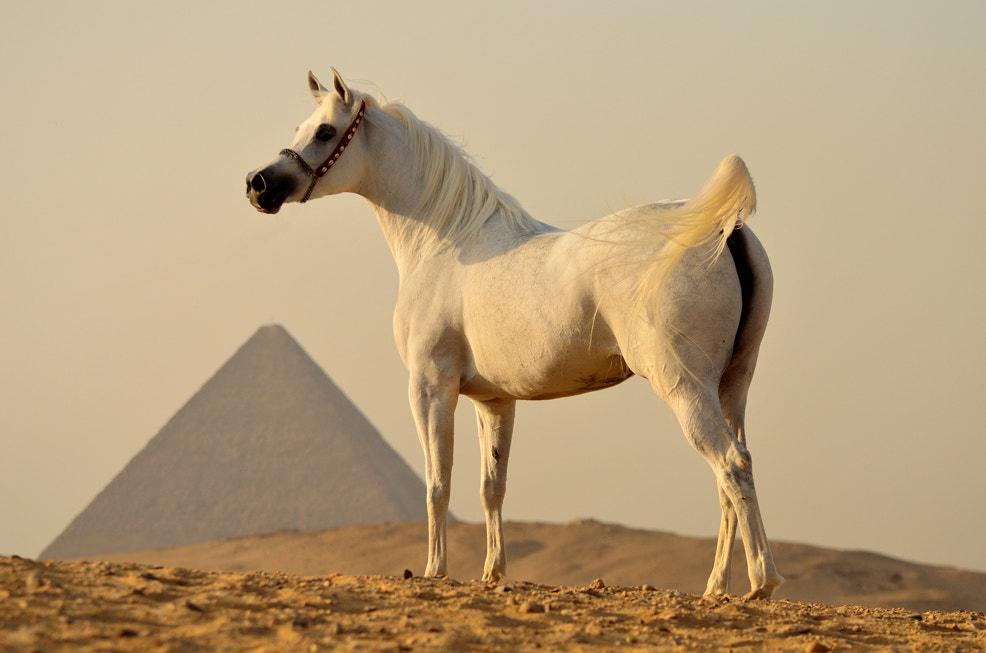
Arabian Horse
View breed
Argentine Polo Pony
View breed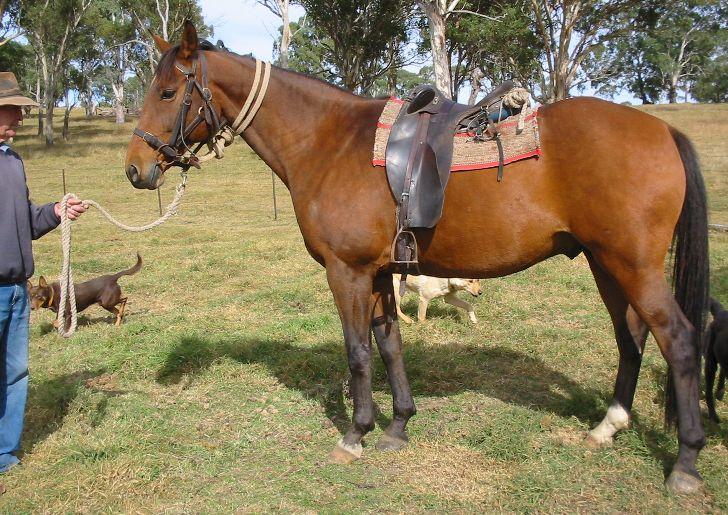
Australian Stock Horse
View breed Australian Waler
View breed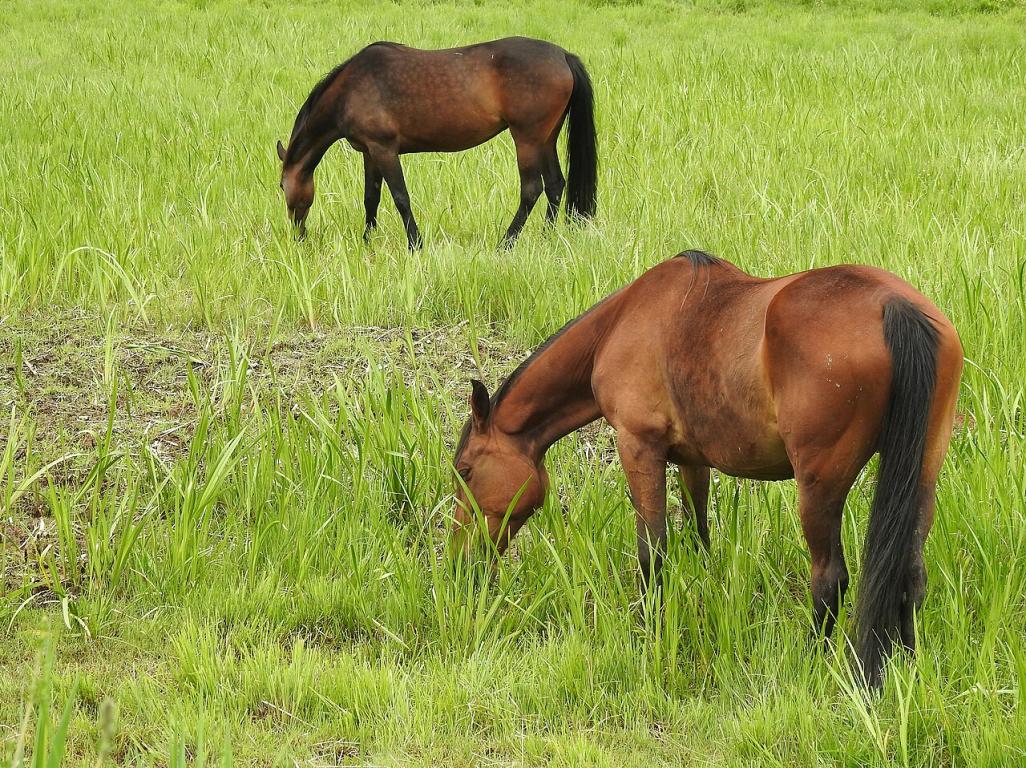
Austrian Warmblood
View breed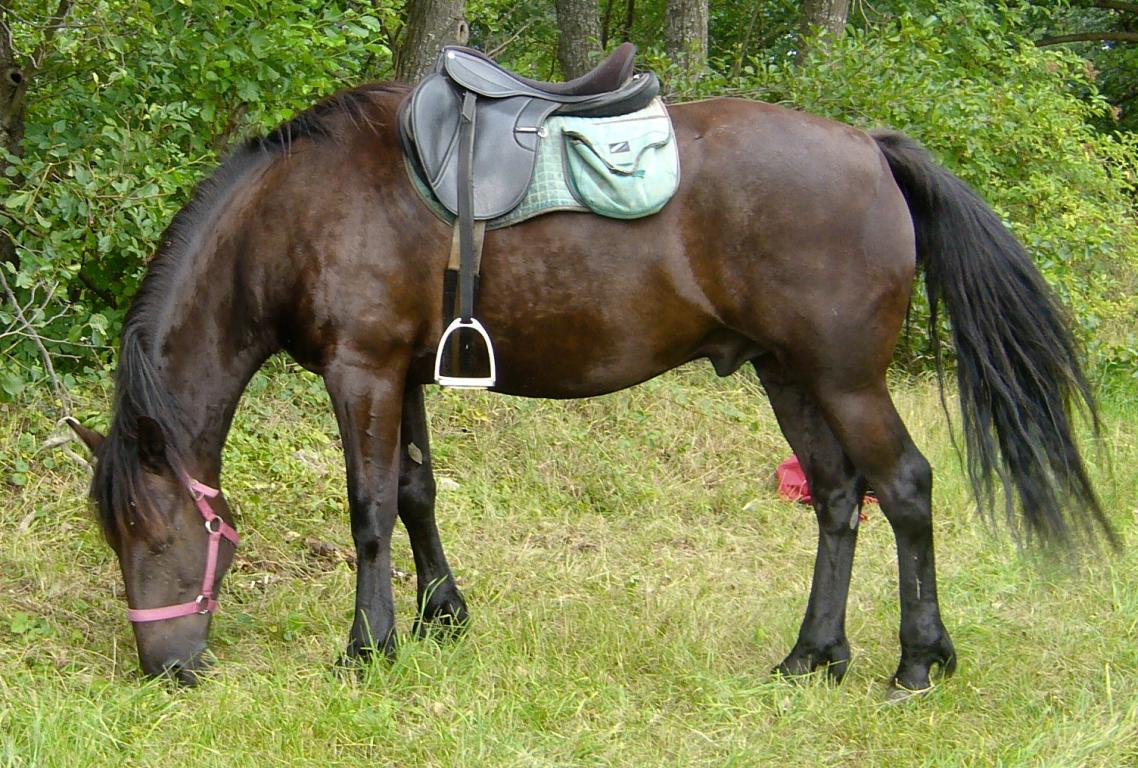
Auvergne Horse
View breed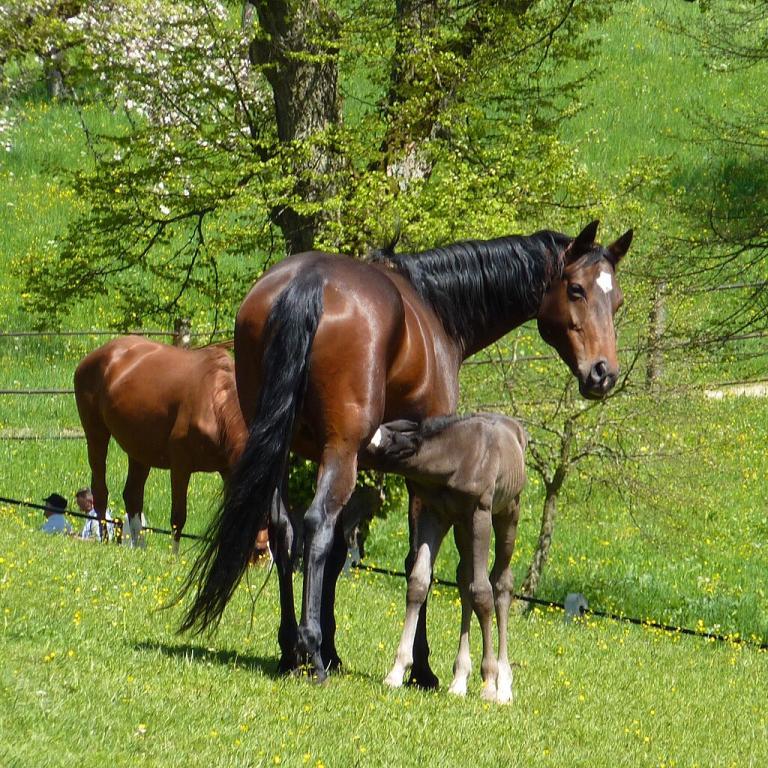
Baden-Württemberger
View breed
Bagual
View breed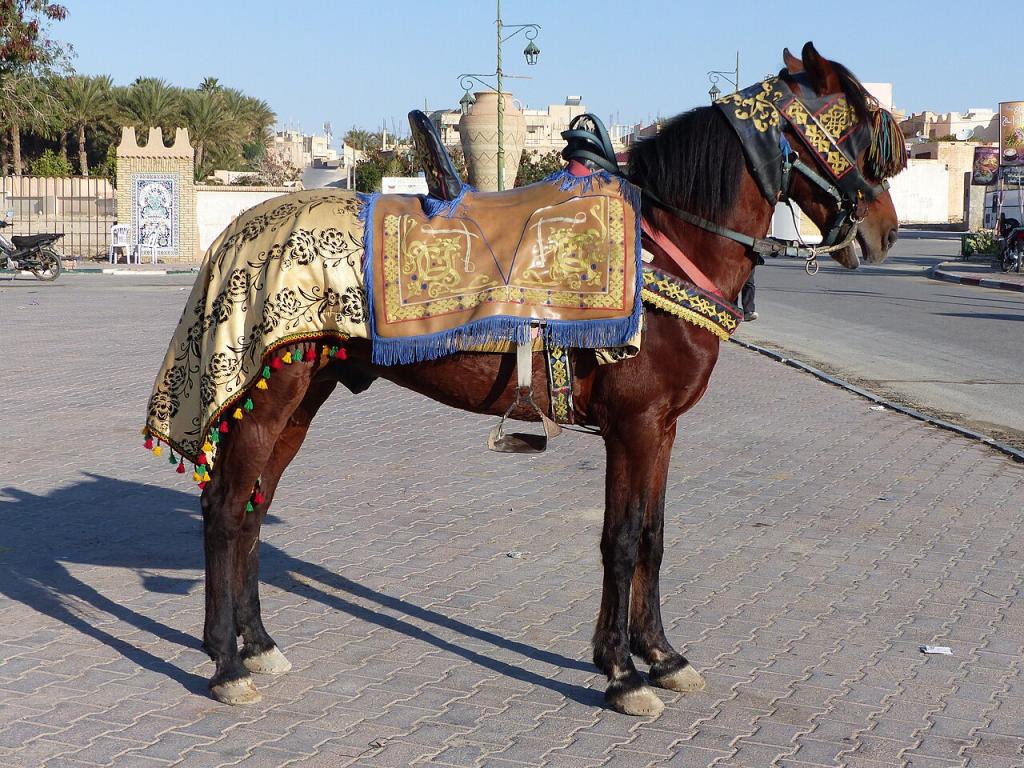
Barb Horse
View breed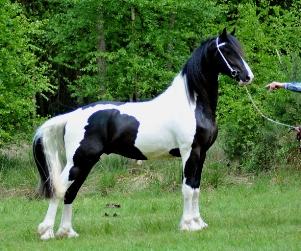
Barock Pinto
View breed
Bavarian Warmblood
View breed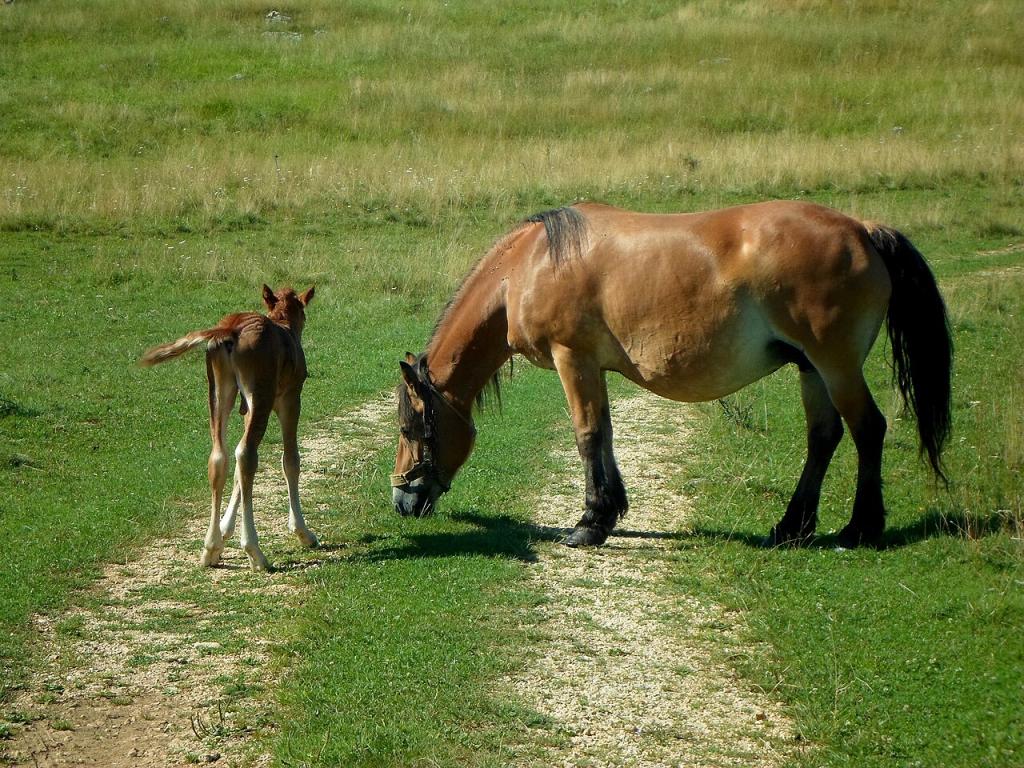
Bosnian Mountain Horse
View breed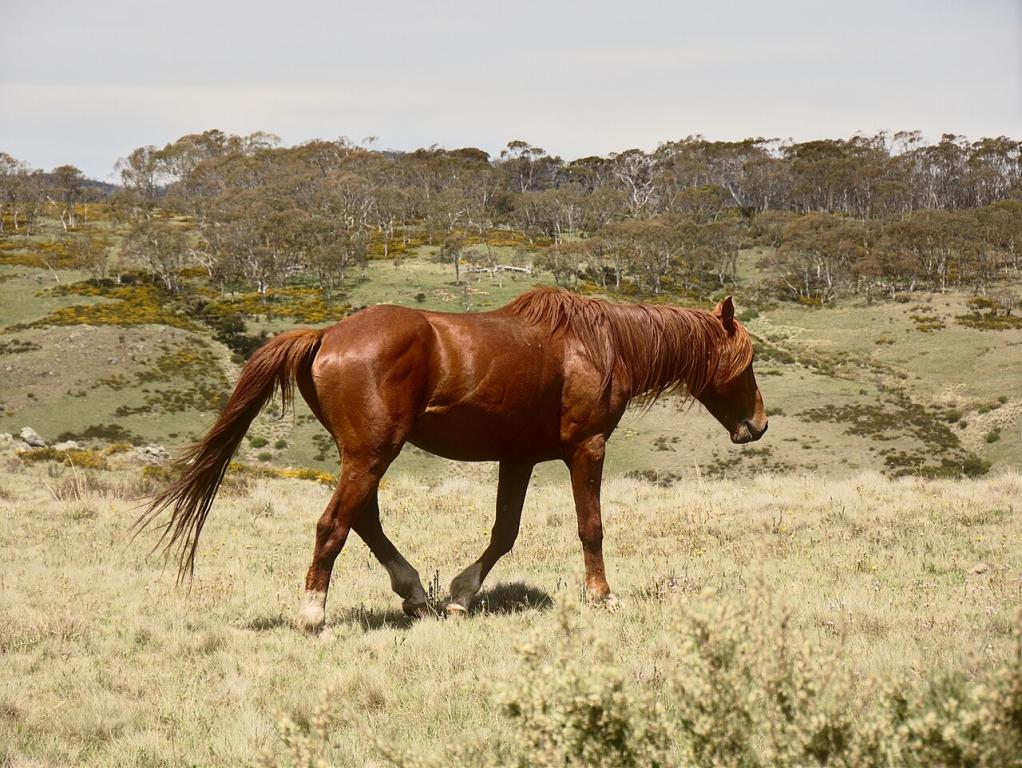
Brumby
View breed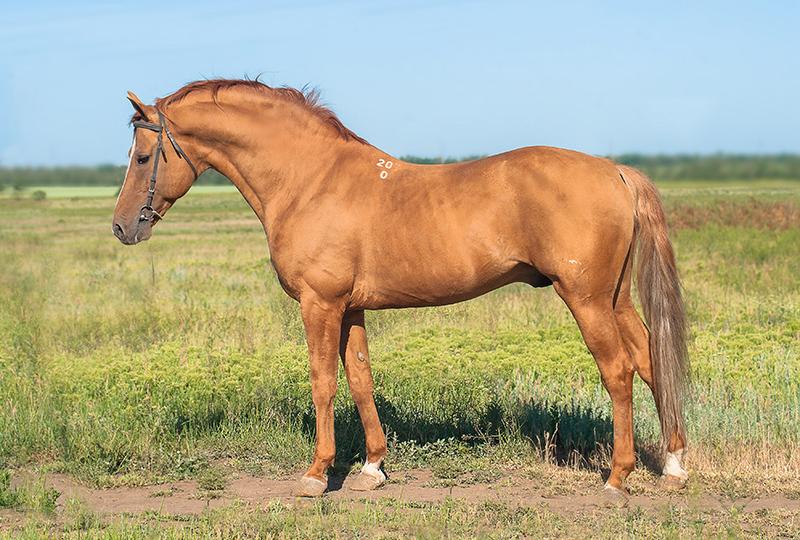
Budyonny horse - Boudionnovskaïa lochad
View breed Calabrese horse
View breed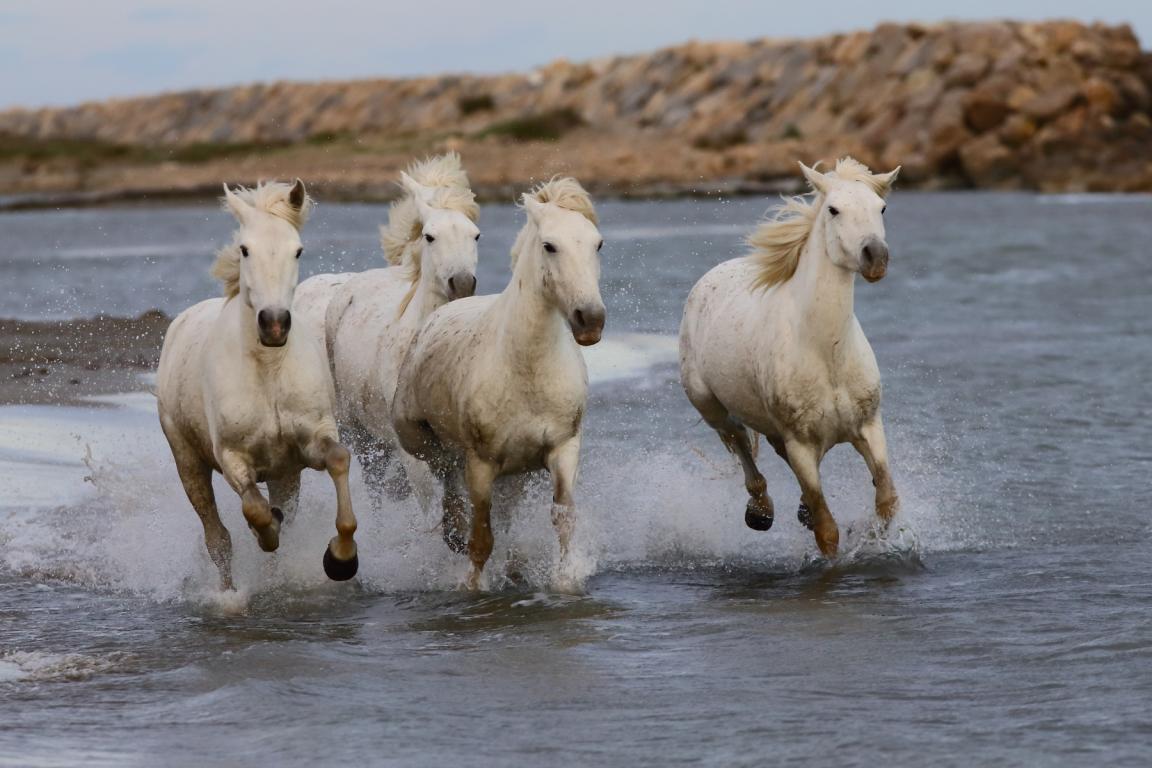
Camargue Horse
View breed Campeiro
View breed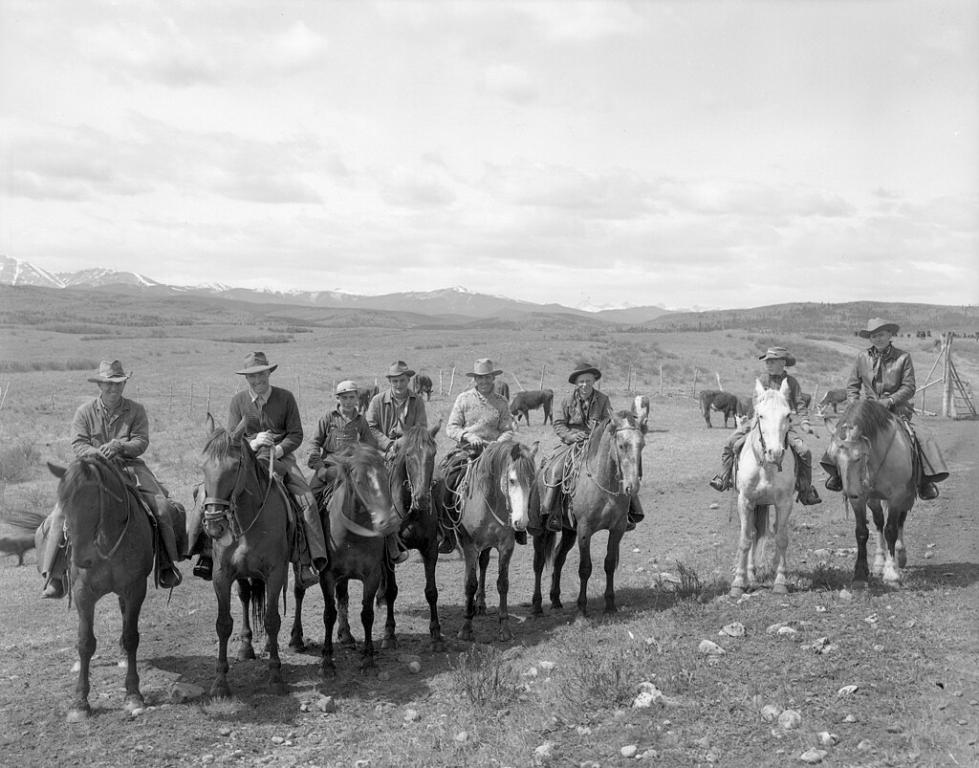
Canadian Cutting Horse
View breed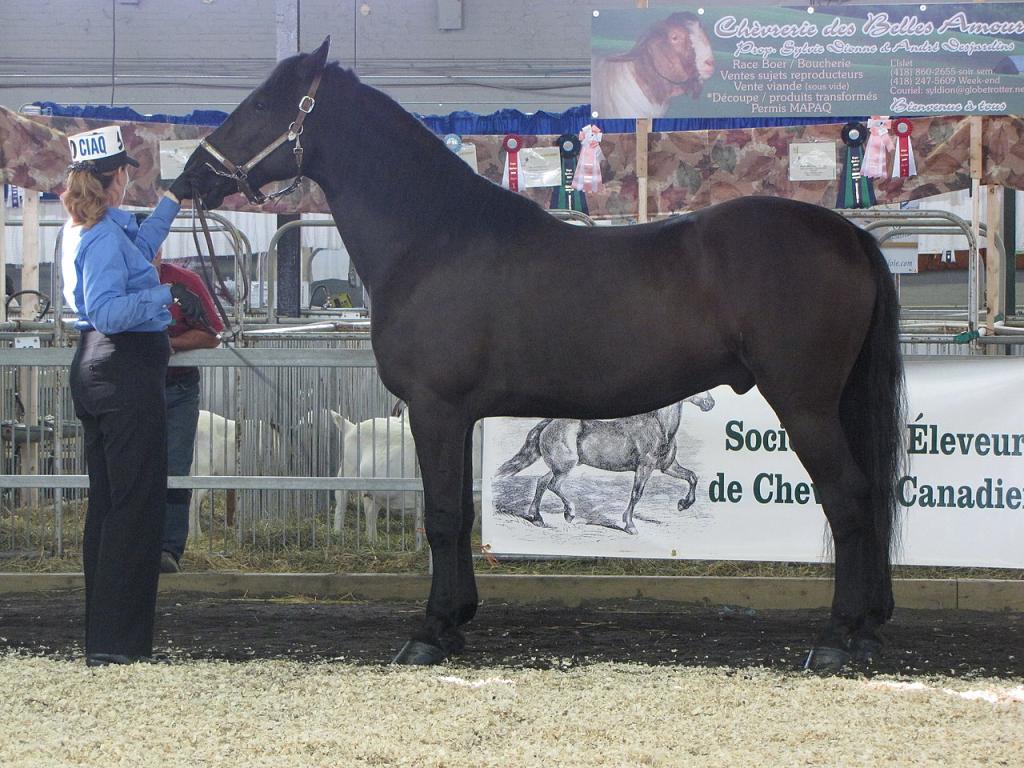
Canadian Horse
View breed
Canadian Sport Horse
View breed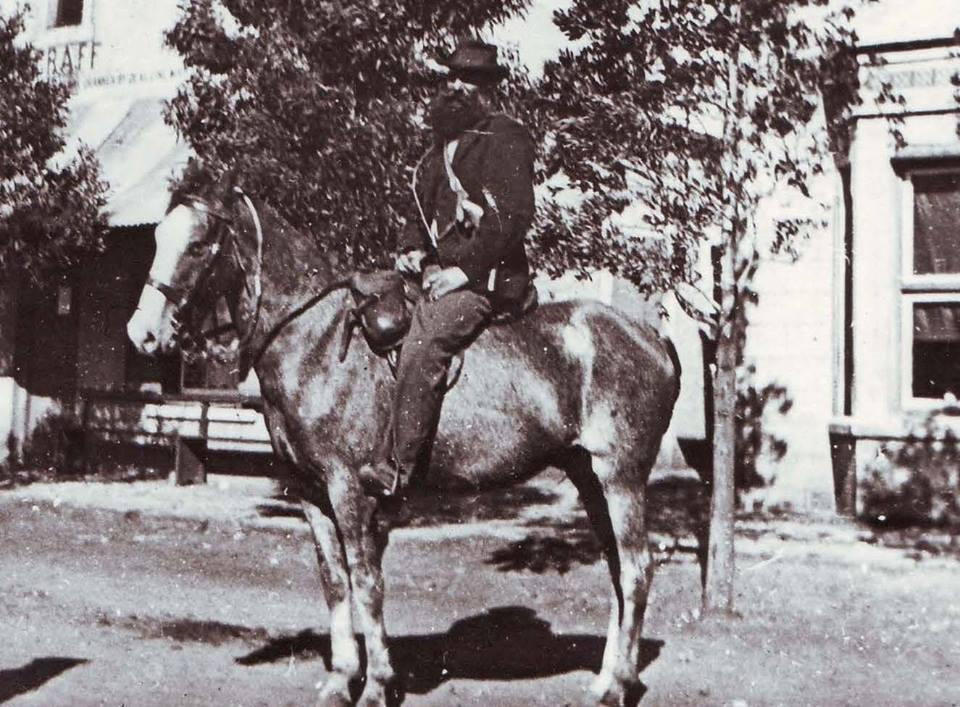
Cape Horse
View breed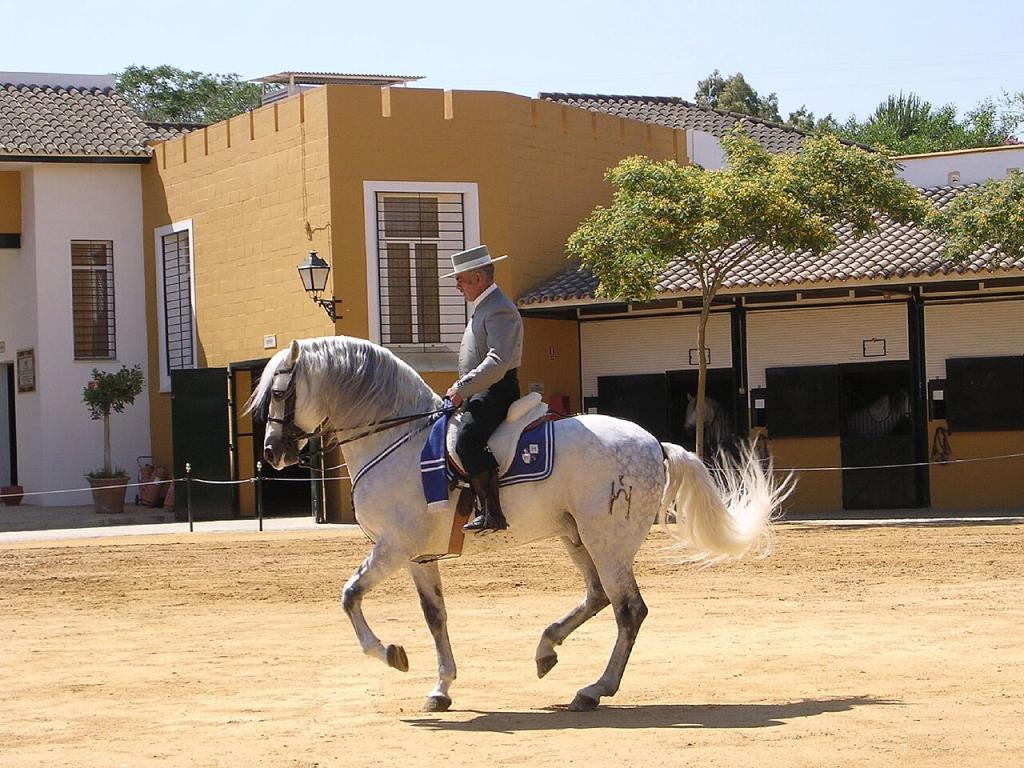
Cartujano - Carthusian Spanish horse
View breed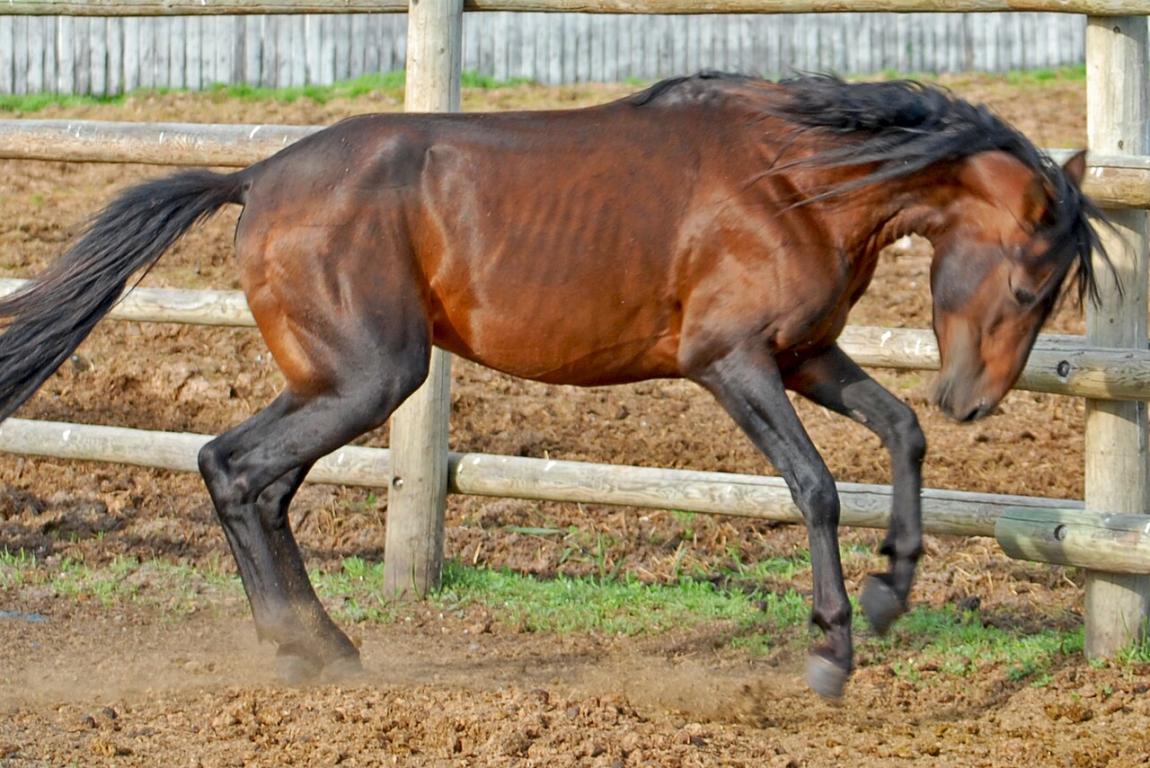
Caspian
View breed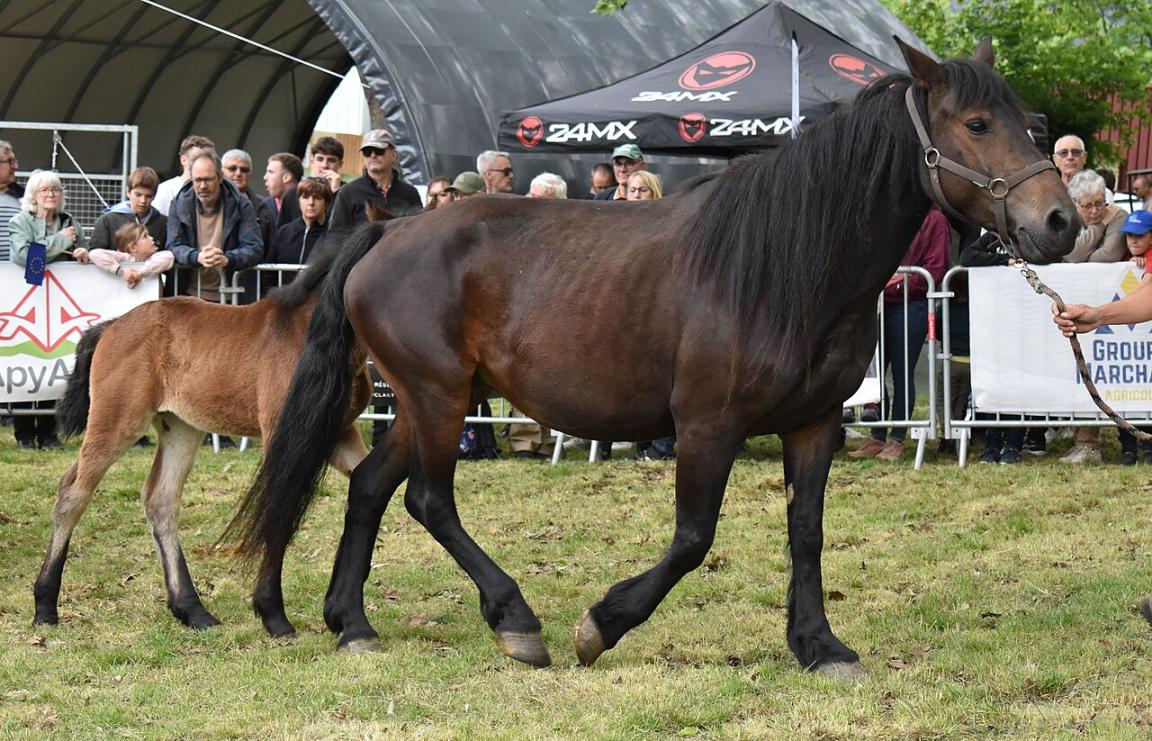
Castillonnais (horse)
View breed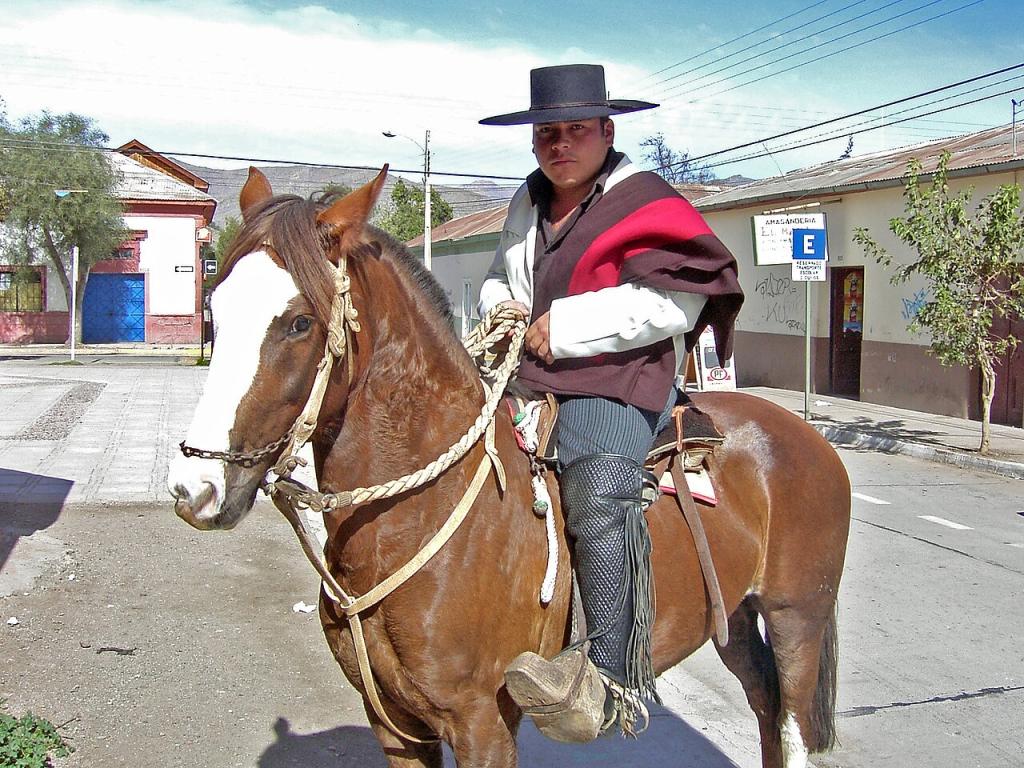
Chilean
View breed
Cleveland Bay
View breed
Colorado Ranger
View breed
Corsican Horse
View breed
Cretan - Messará
View breed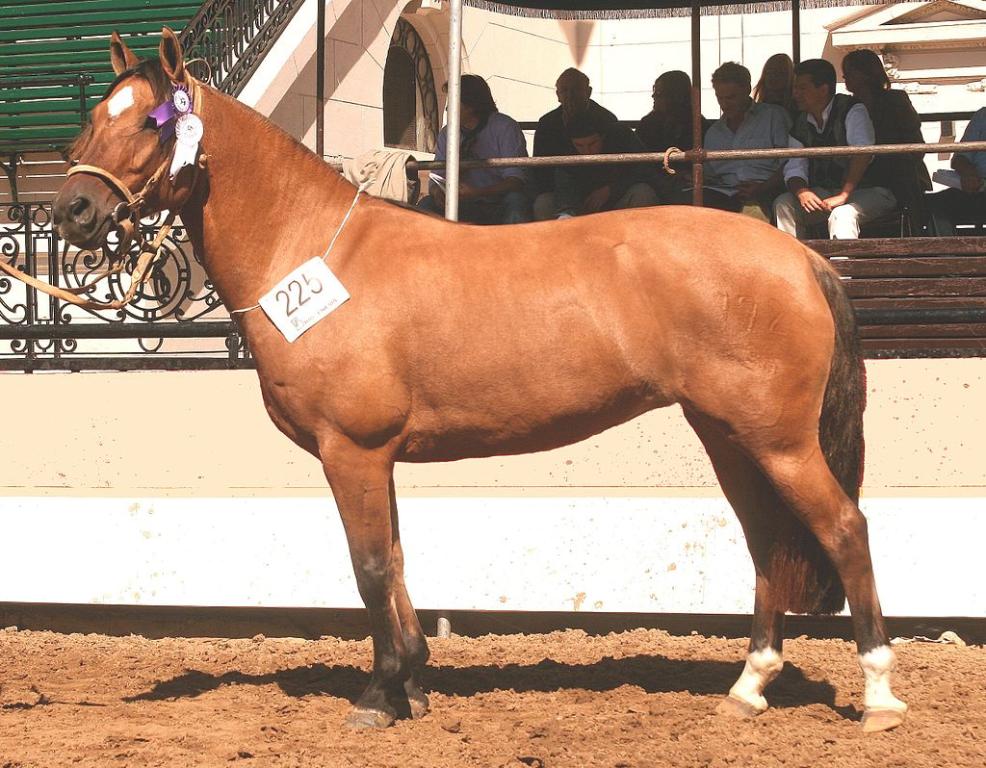
Criollo
View breed Dagestan
View breed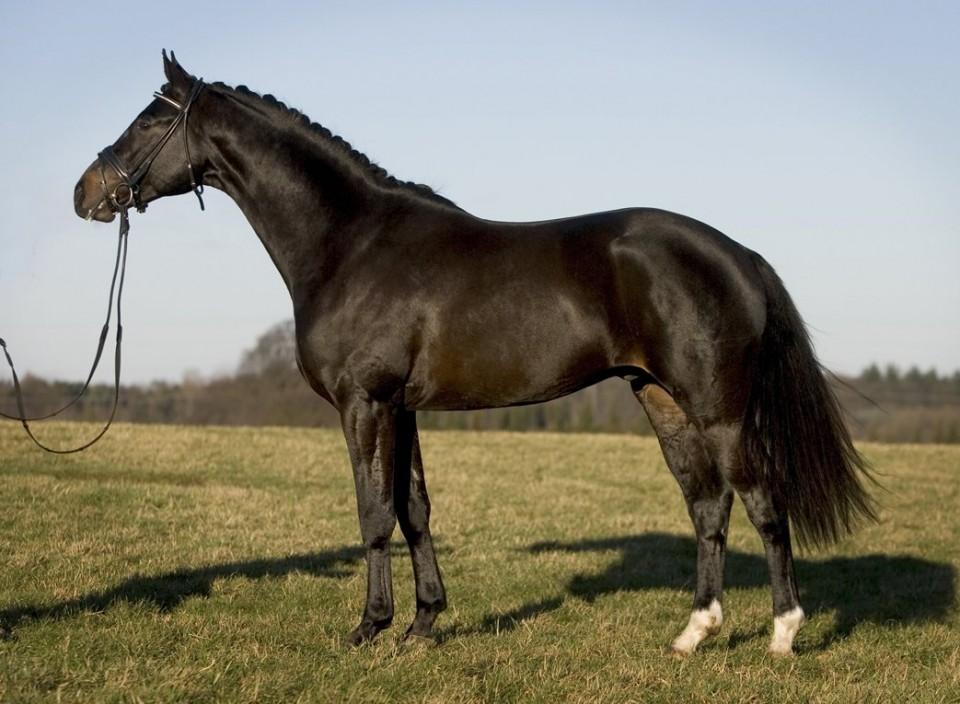
Danish Warmblood – Dansk Varmblod
View breed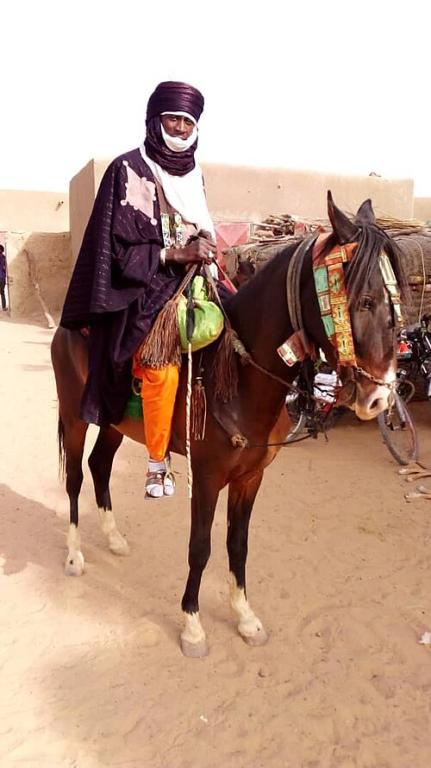
Dongola
View breed
East Bulgarian
View breed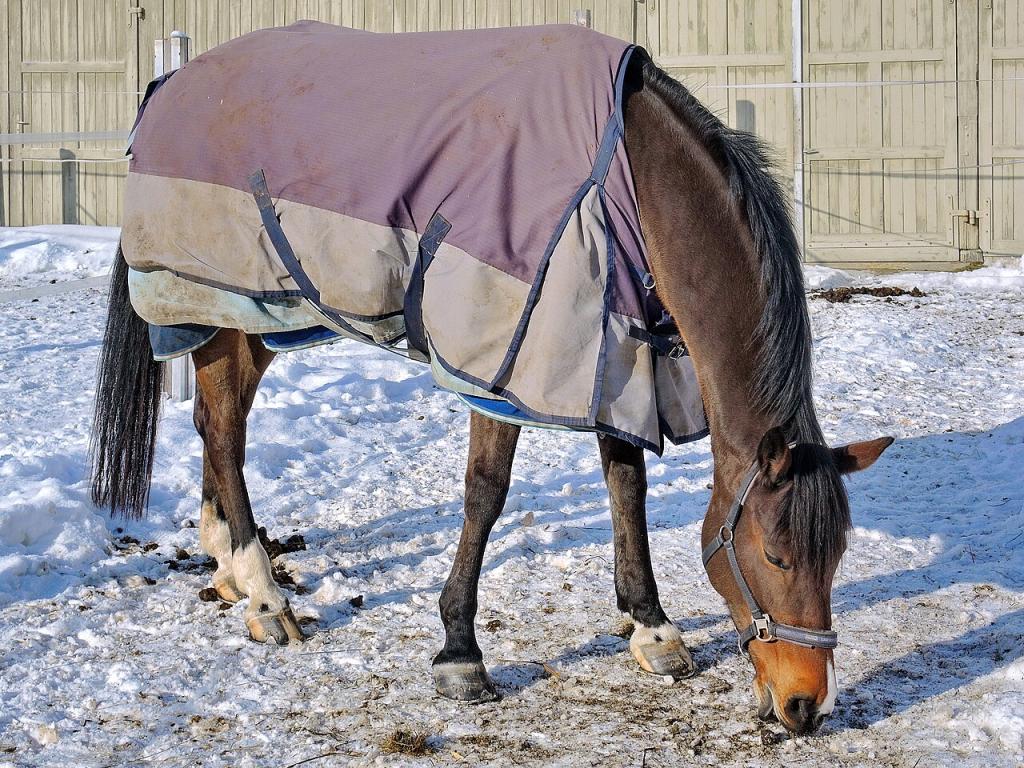
Einsiedler
View breed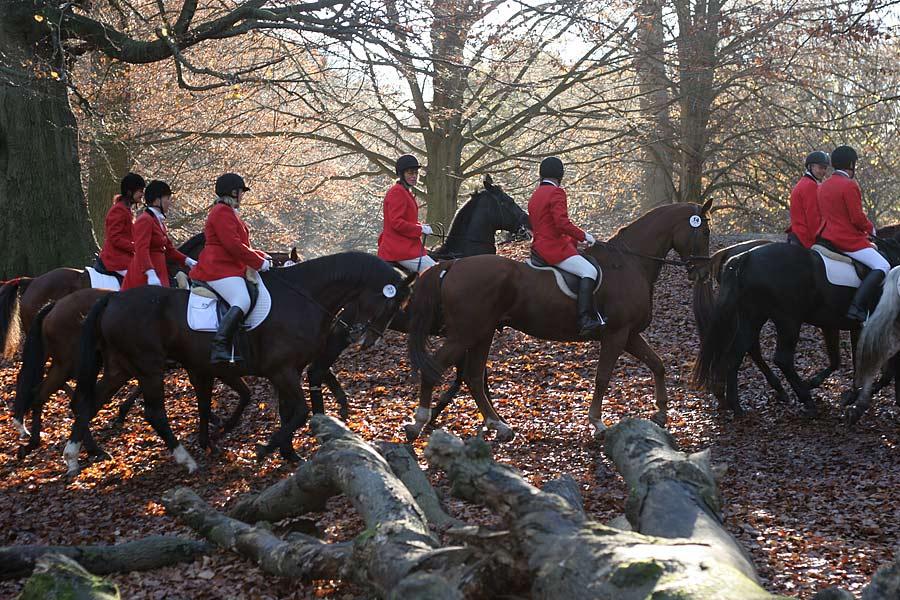
English Hunter - Horse Type
View breed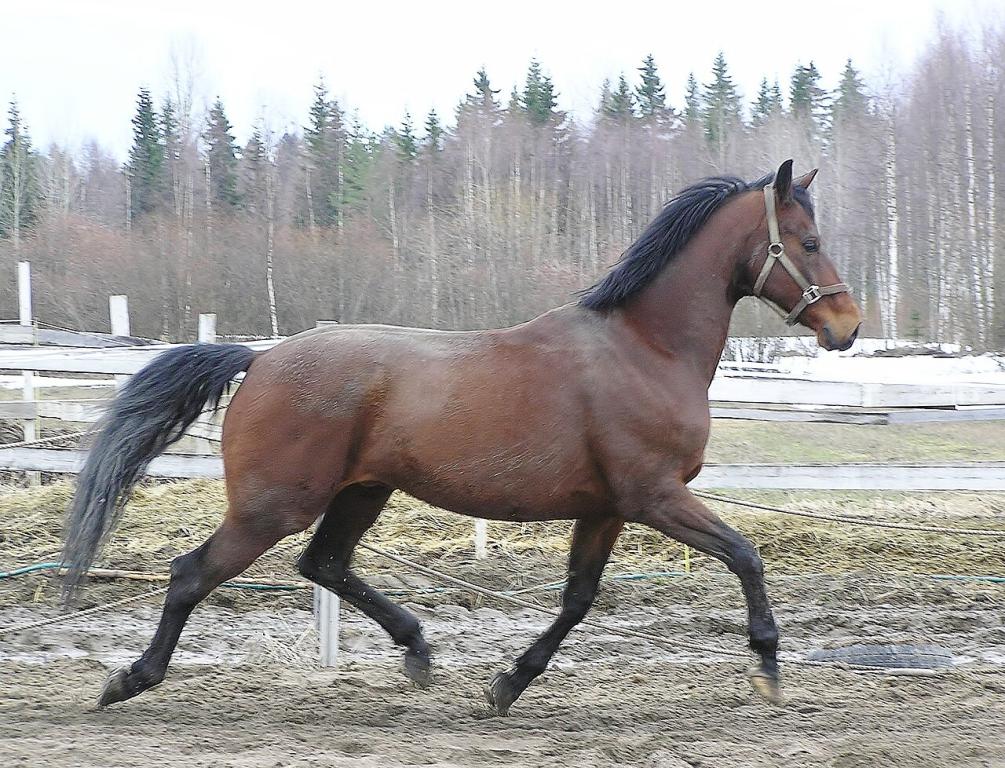
Finnish Warmblood – Suomenpuoliverinen – FWB
View breed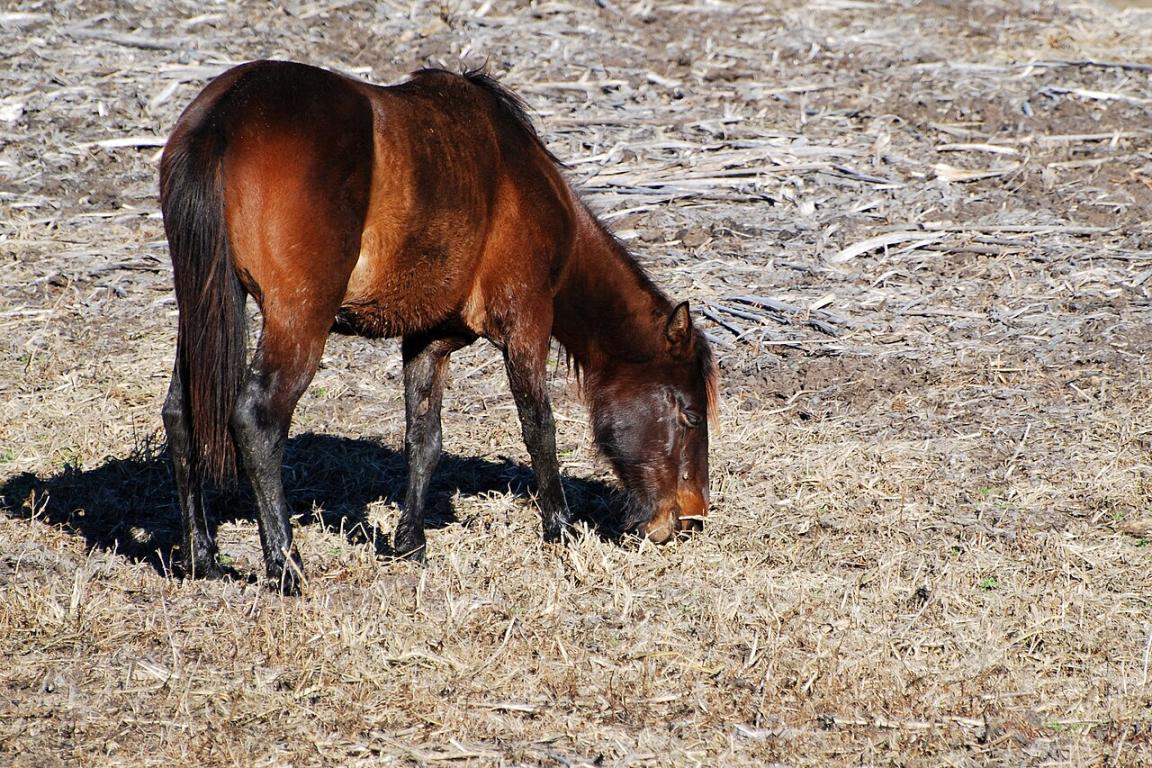
Florida Cracker Horse
View breed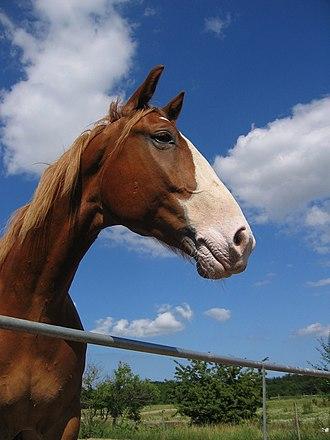
Frederiksborg
View breed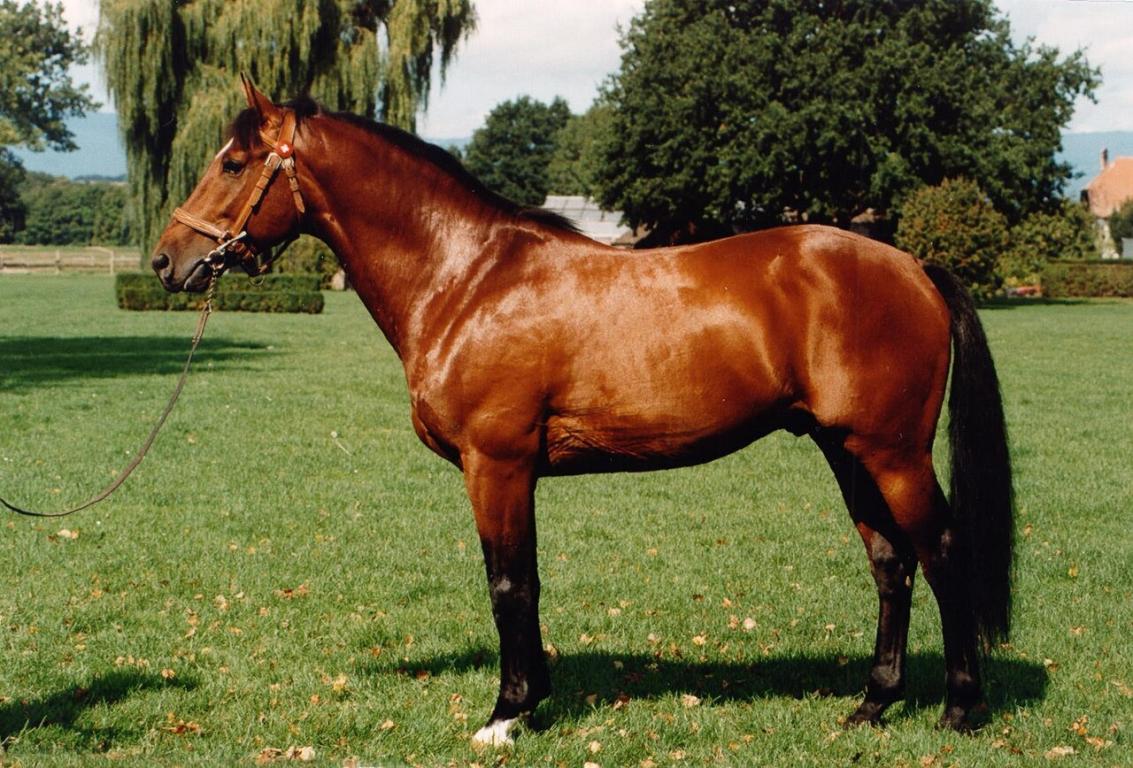
Freiberger | Franches-Montagnes
View breed
French Trotter – TF
View breed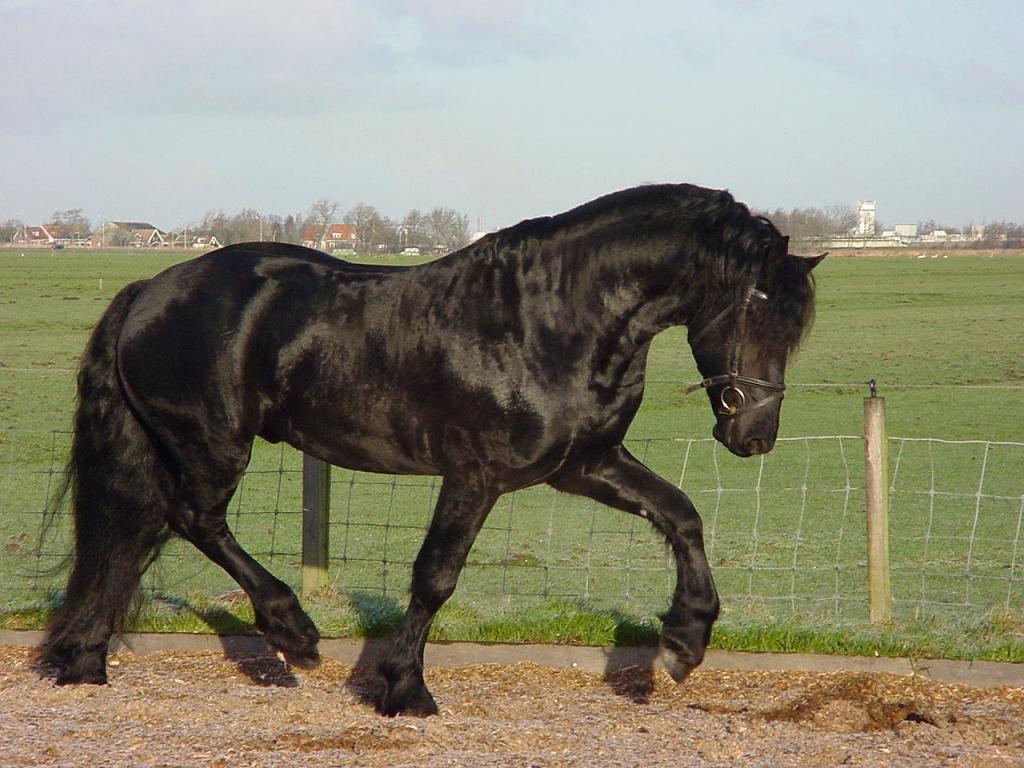
Friesian
View breed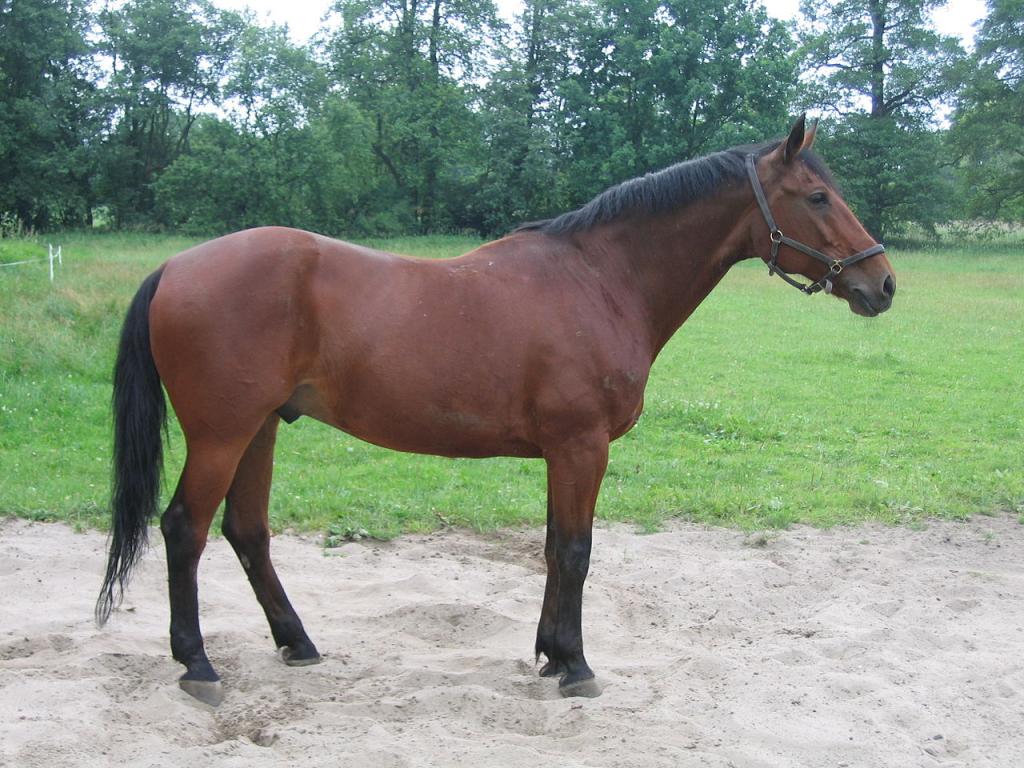
Furioso-North Star
View breed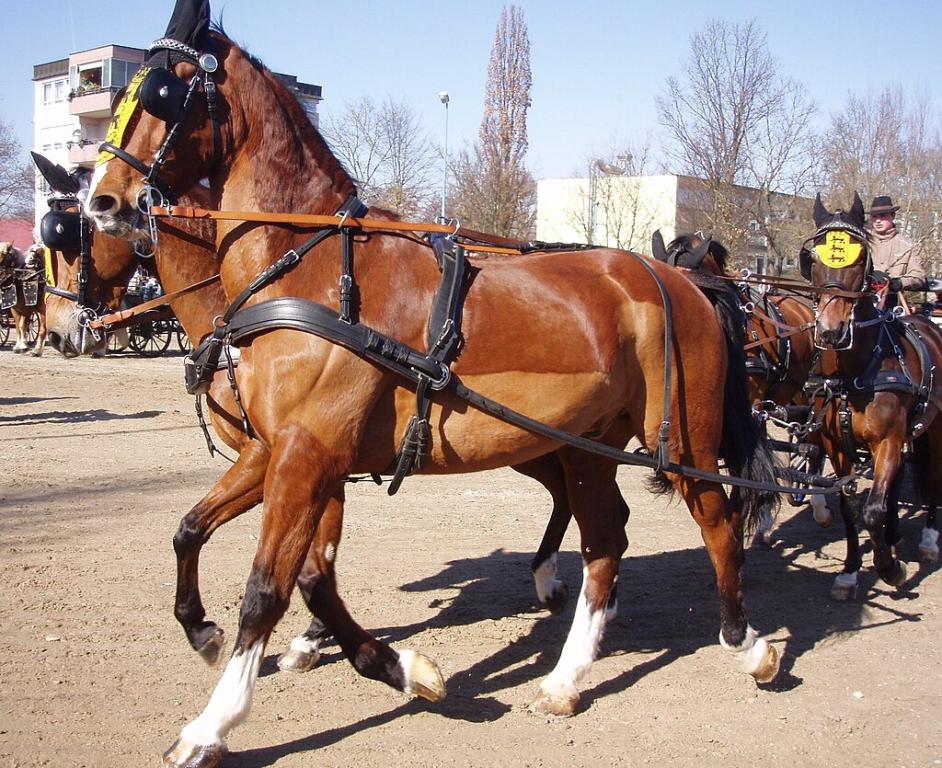
Gelderlander
View breed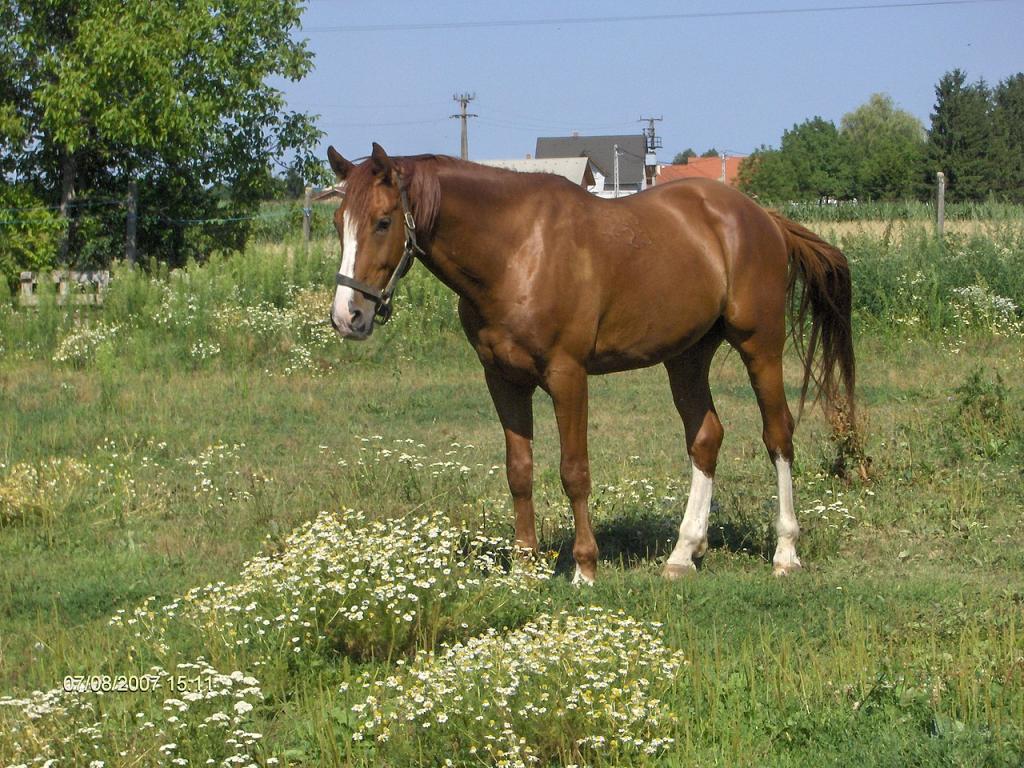
Gidran
View breed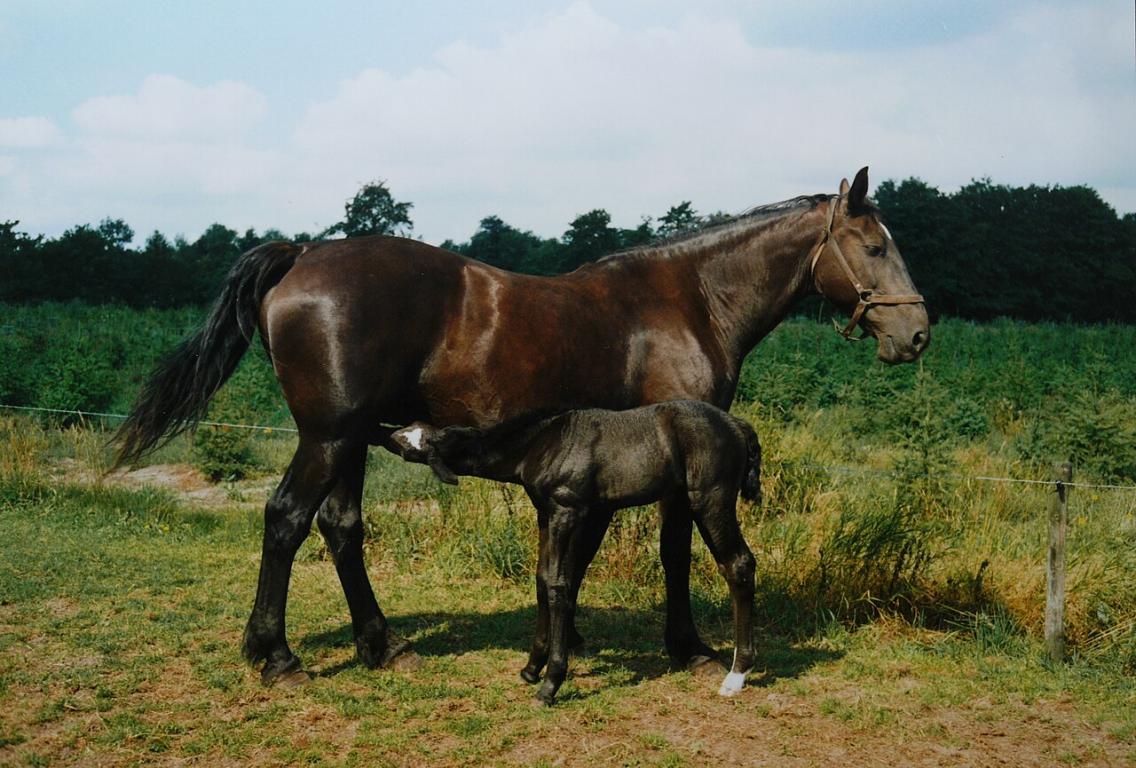
Groningen
View breed Guanzhong
View breed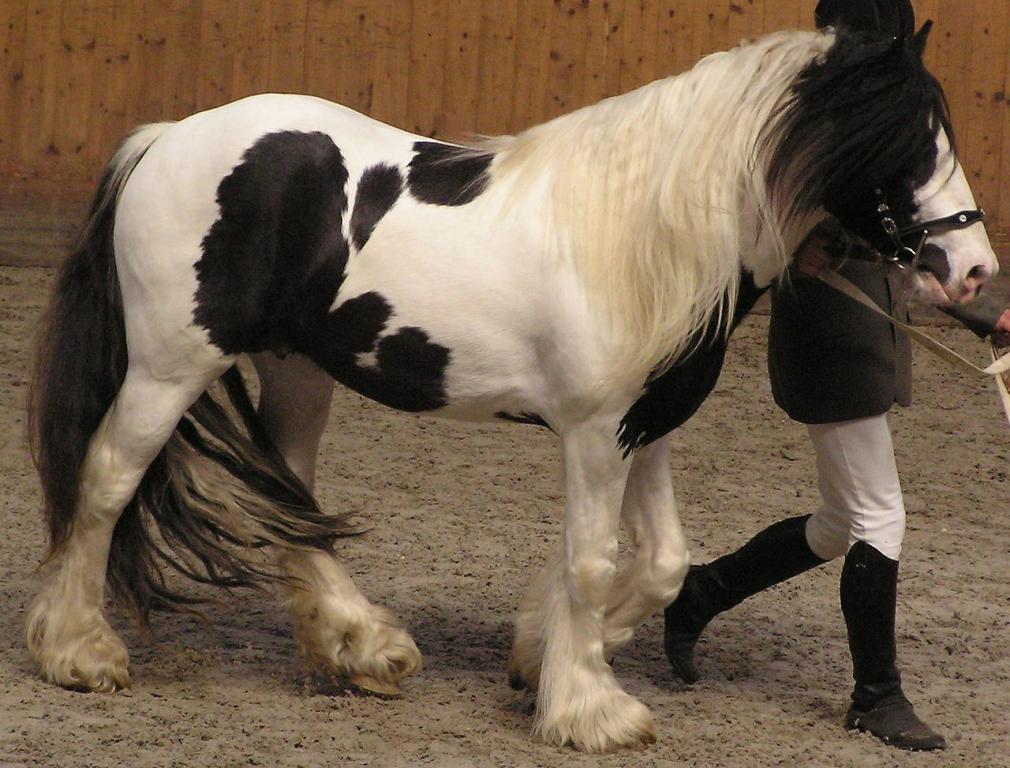
Gypsy Cob – Irish Cob – Gypsy Vanner (Tinker)
View breed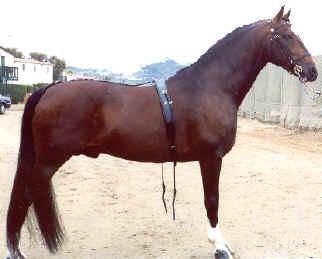
Hackney (Horse)
View breed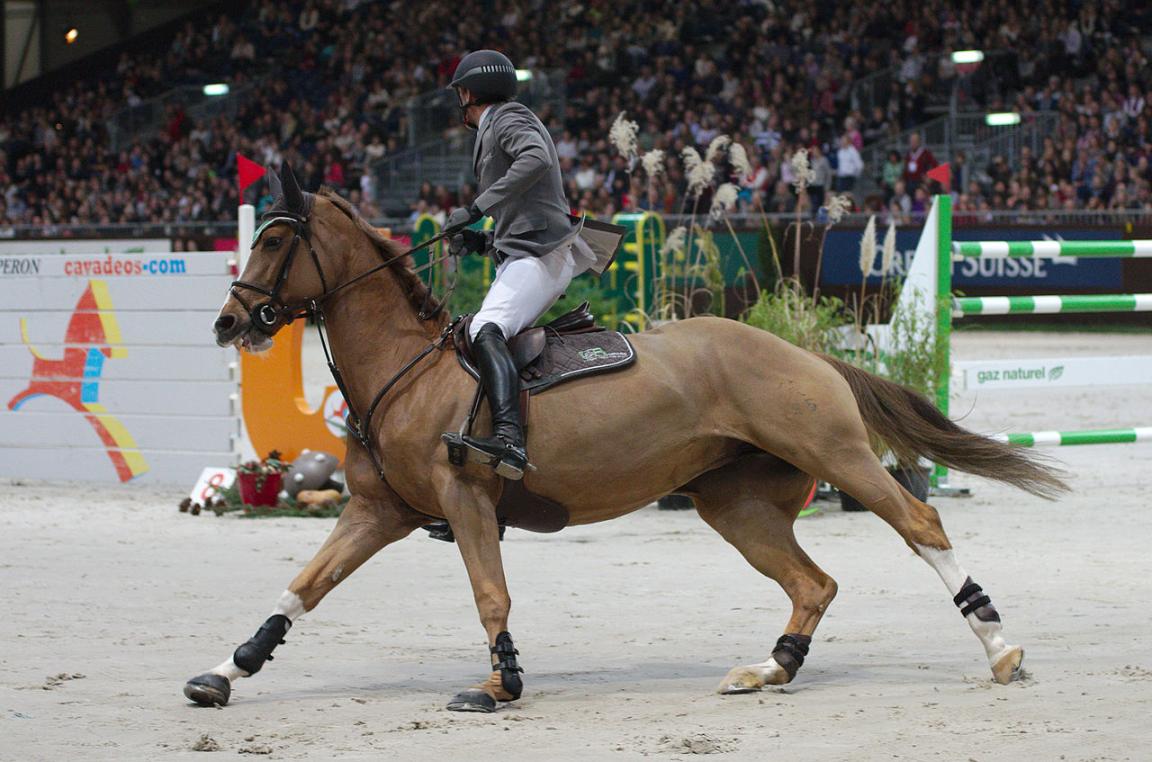
Hanoverian
View breed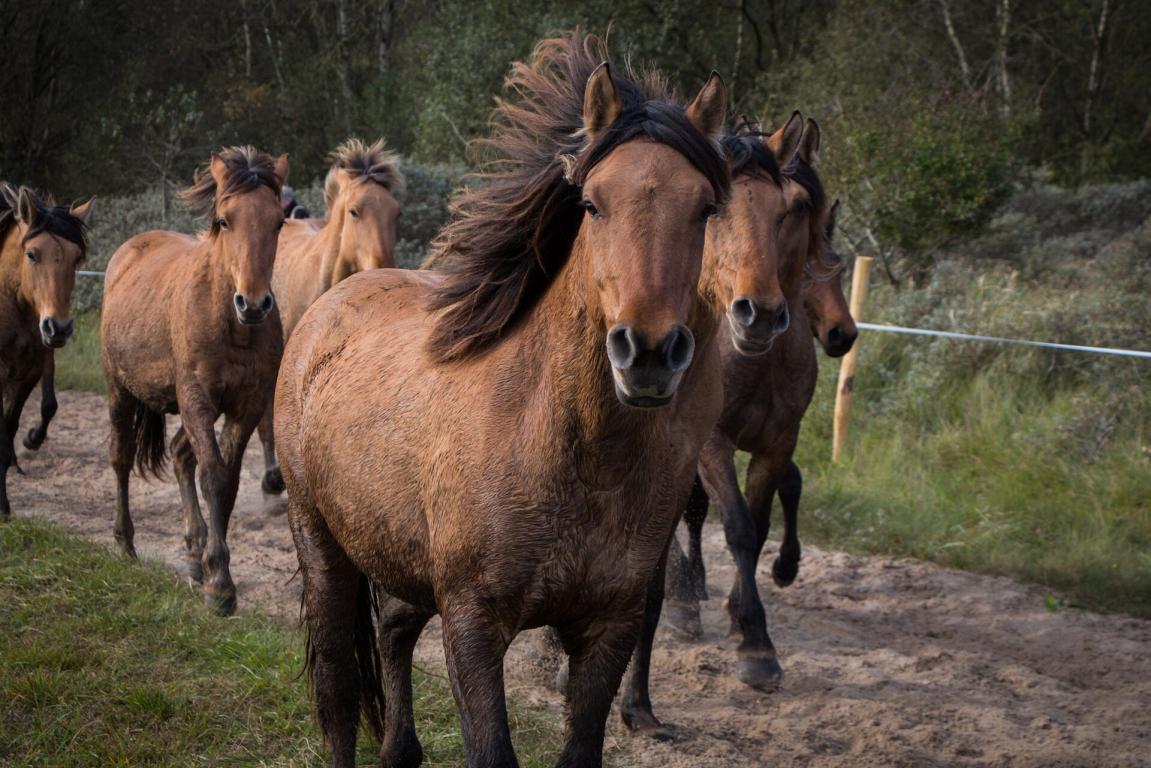
Henson
View breed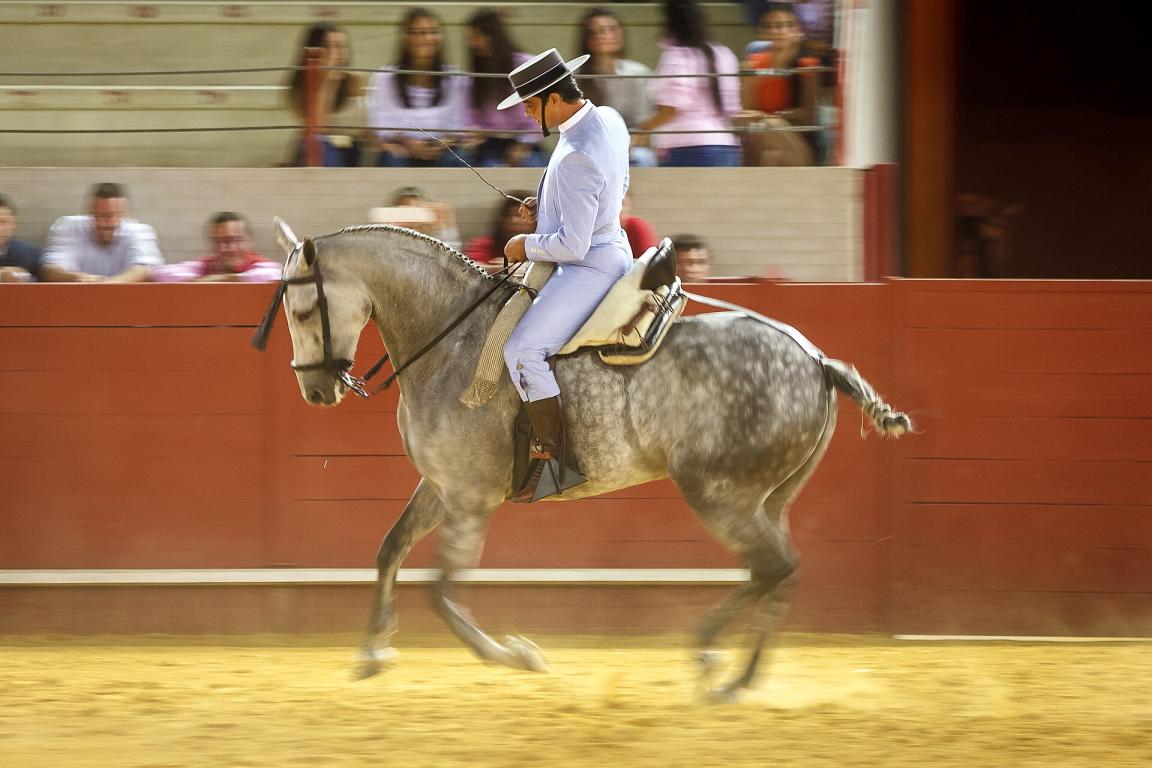
Hispano-arabe | Aralusian
View breed
Holsteiner
View breed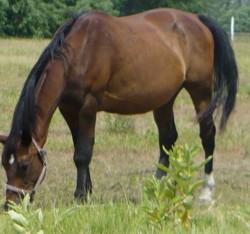
Hungarian Half-bred – Magyar félvér
View breed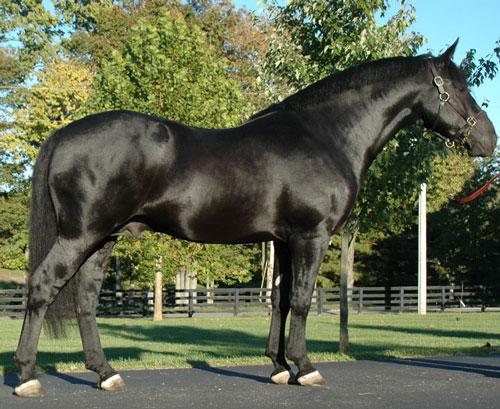
Irish Draught
View breed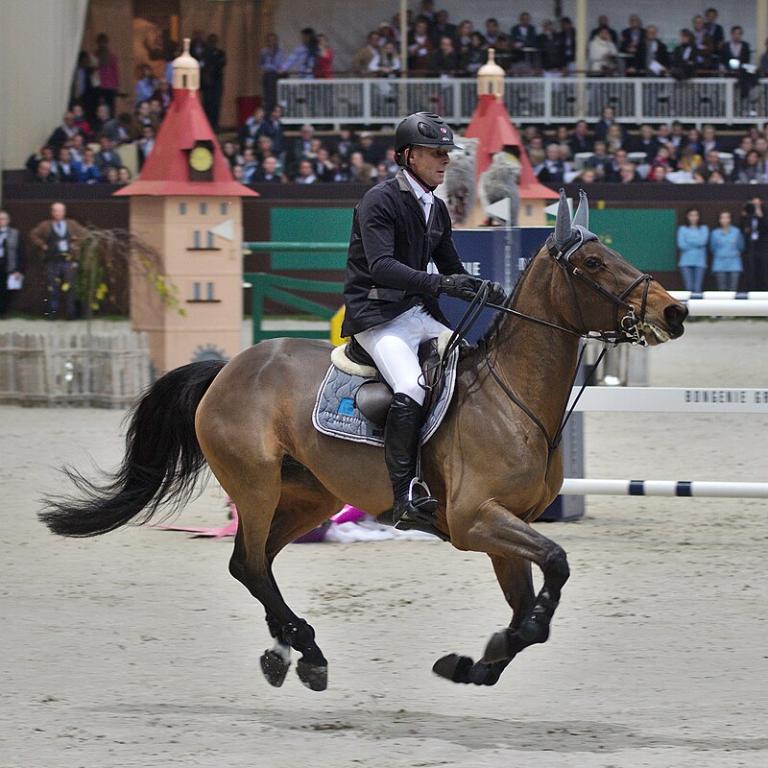
Irish Sport Horse - Hunter Irlandais
View breed Jianchang
View breed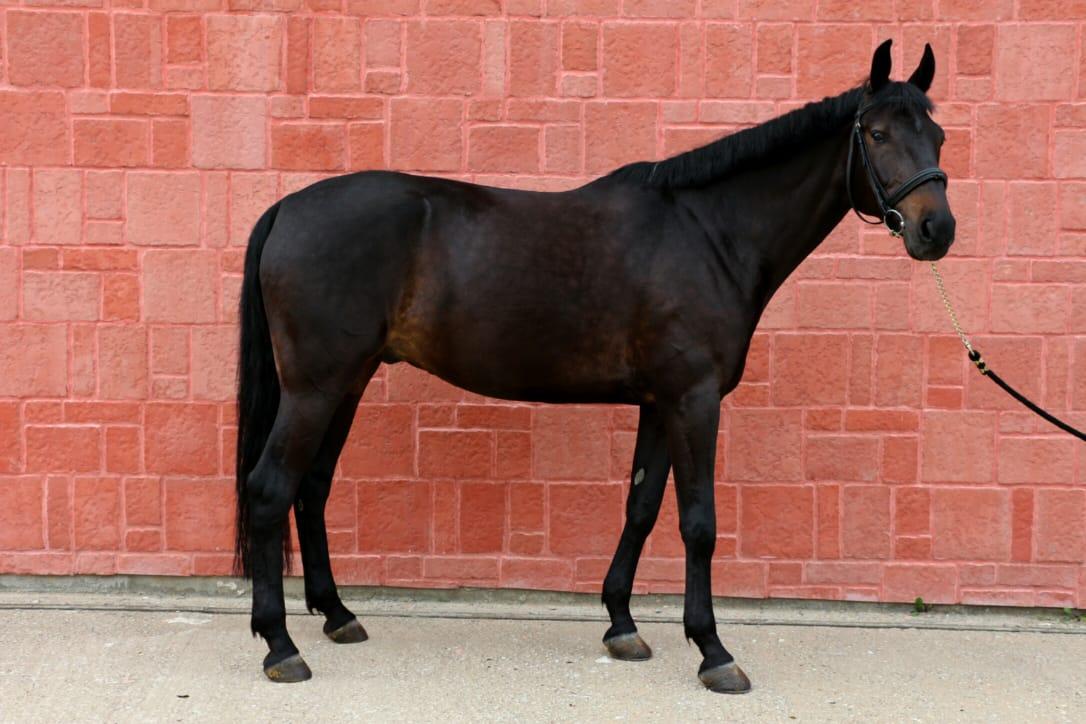
Kabardian
View breed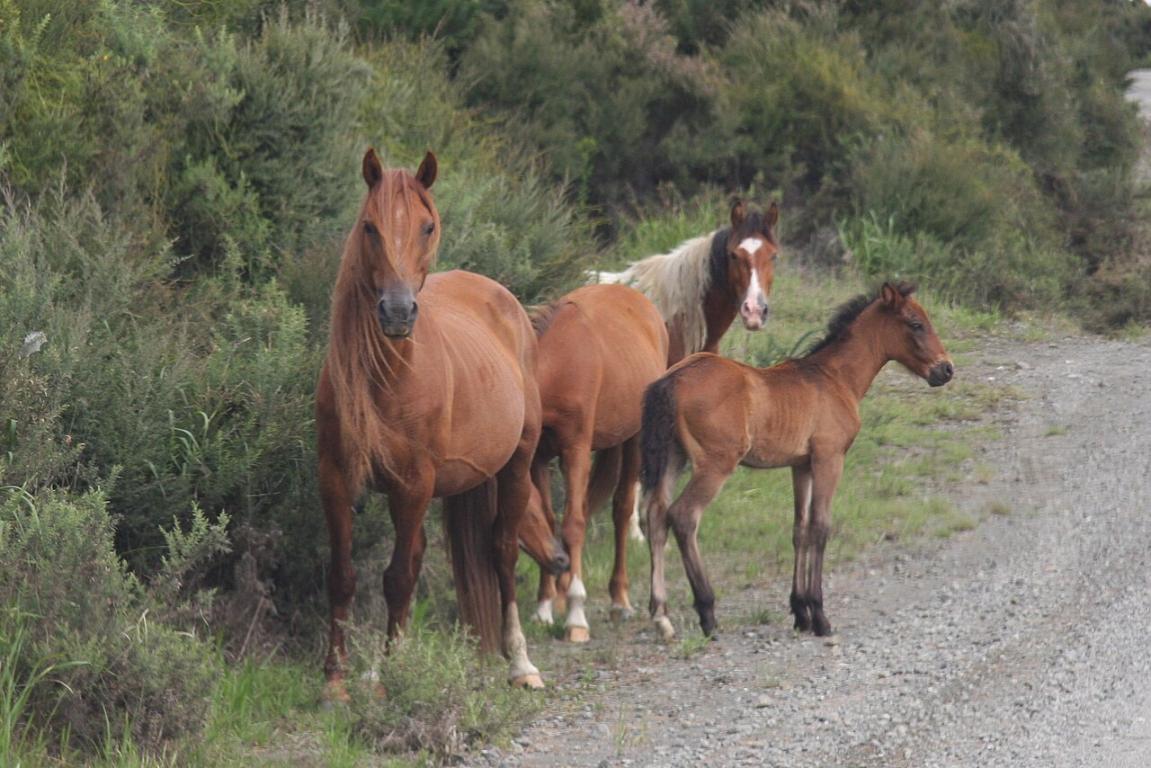
Kaimanawa (Horse)
View breed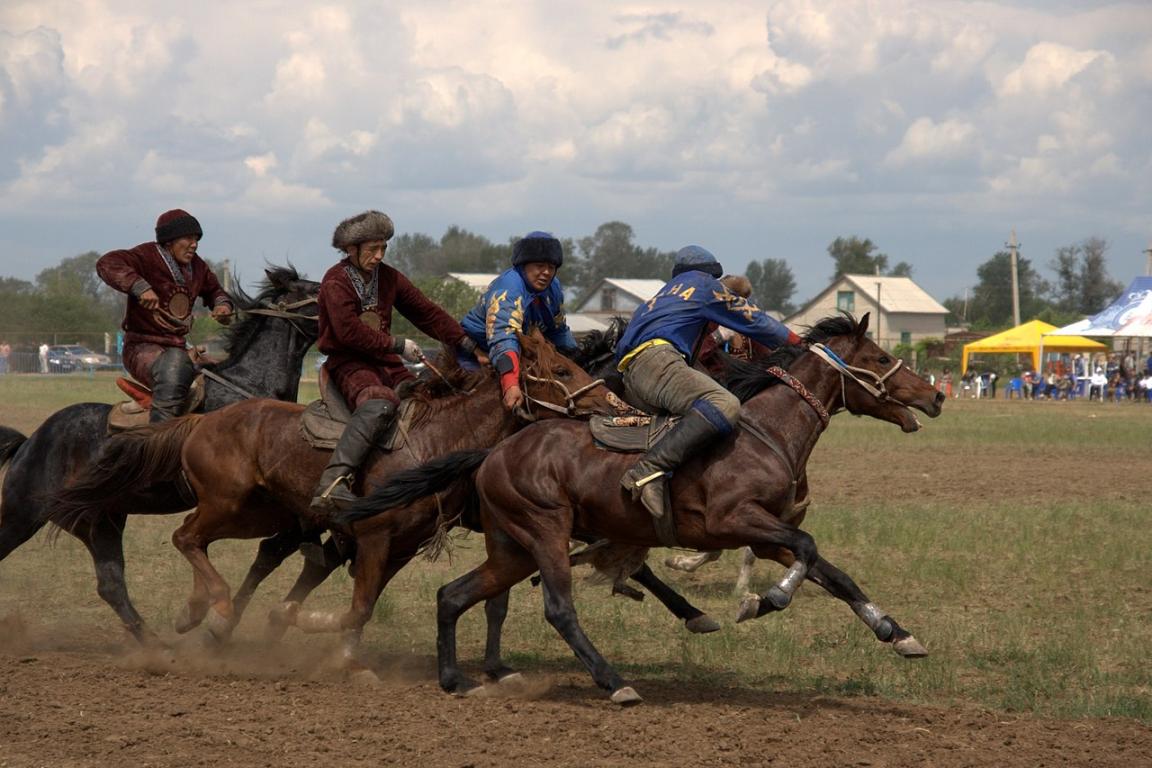
Karabaïr
View breed
Karabakh
View breed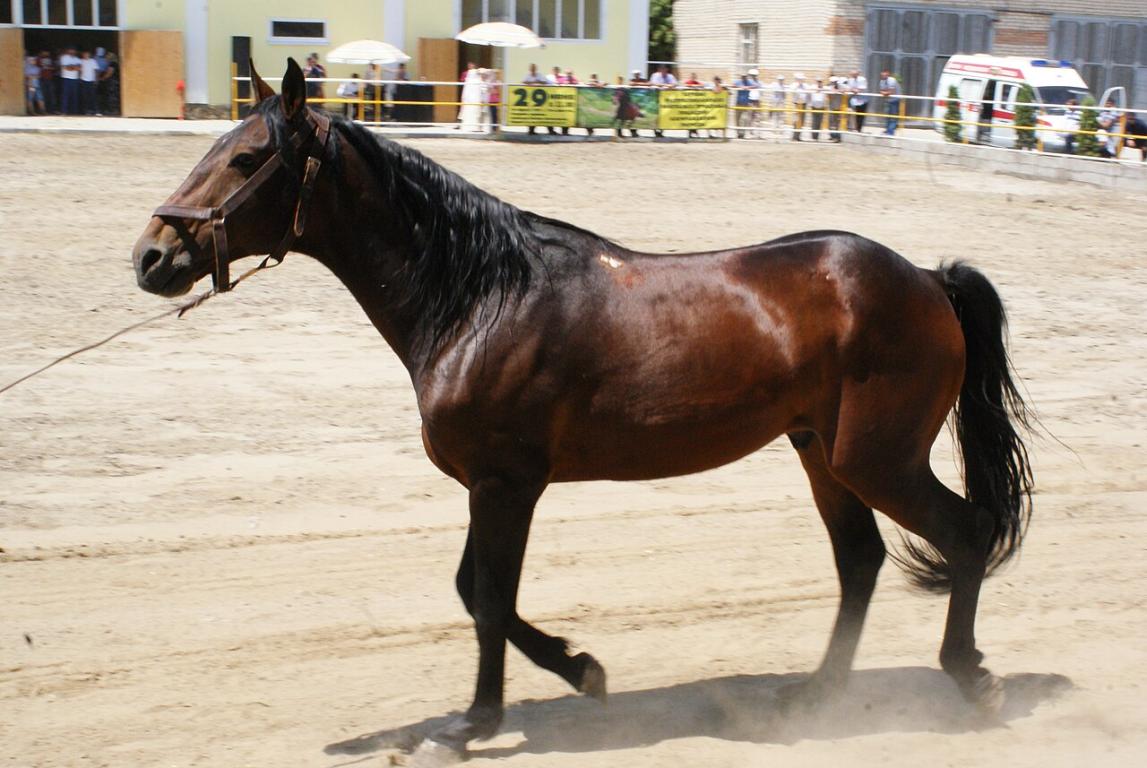
Karachai
View breed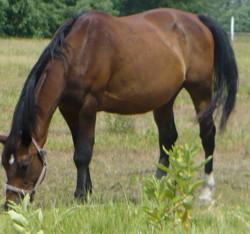
Kisber Felver
View breed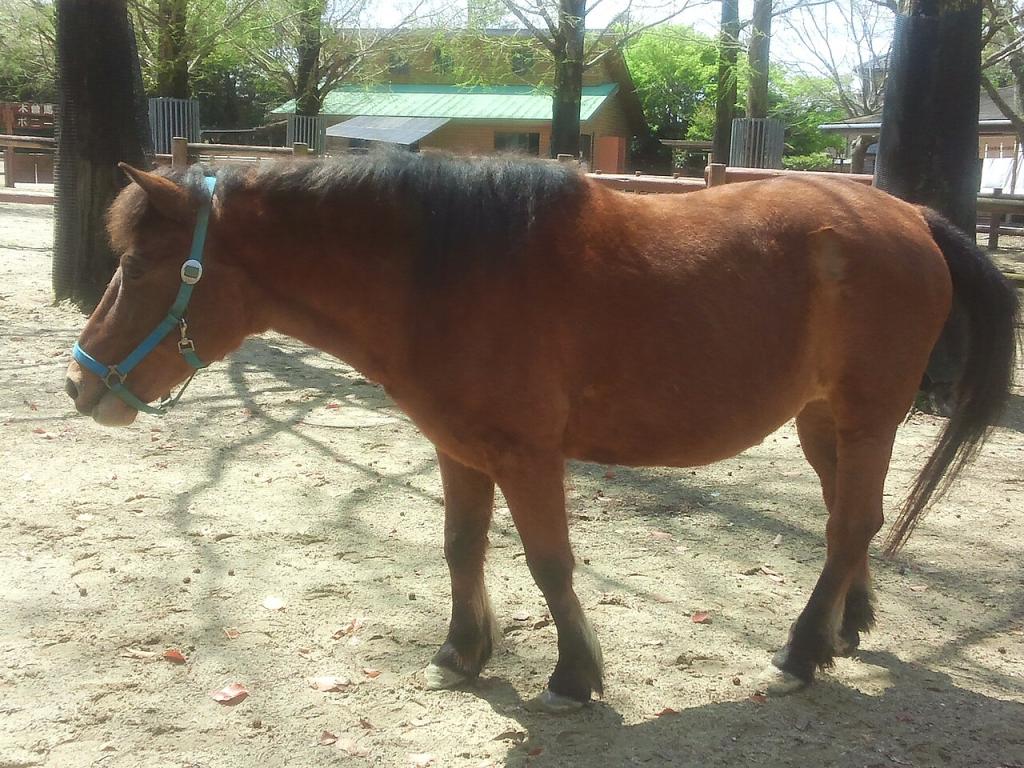
Kiso
View breed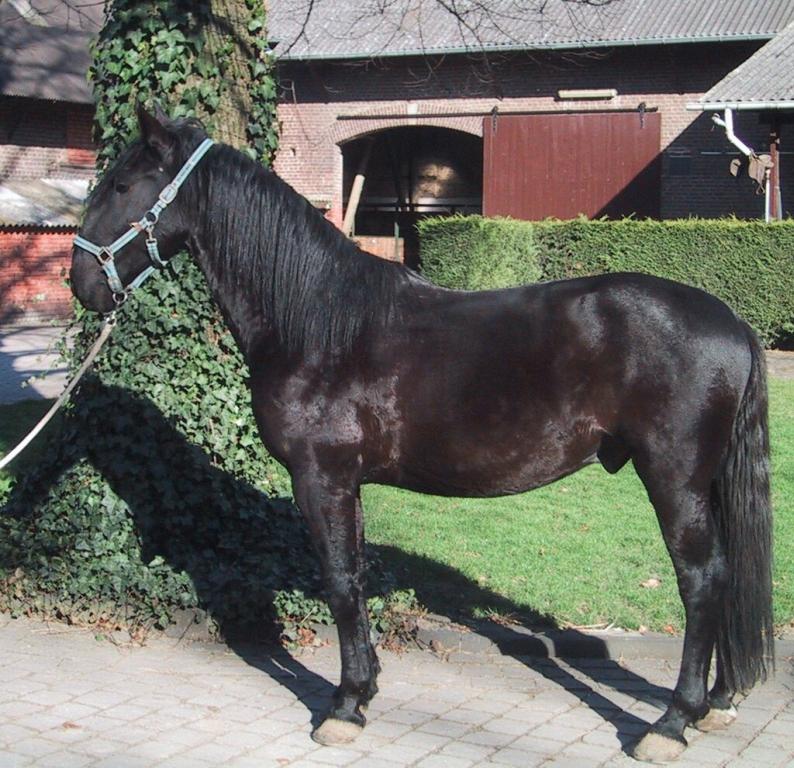
Kladruber
View breed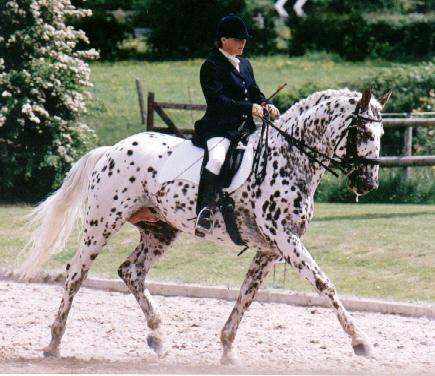
Knabstrup
View breed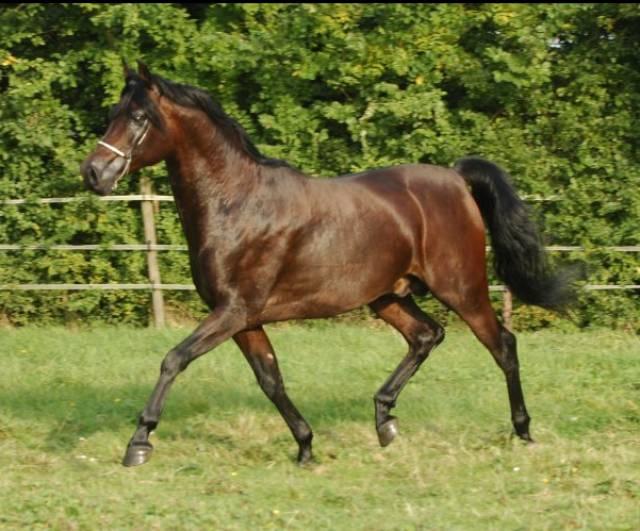
Koheilan - Lineagee
View breed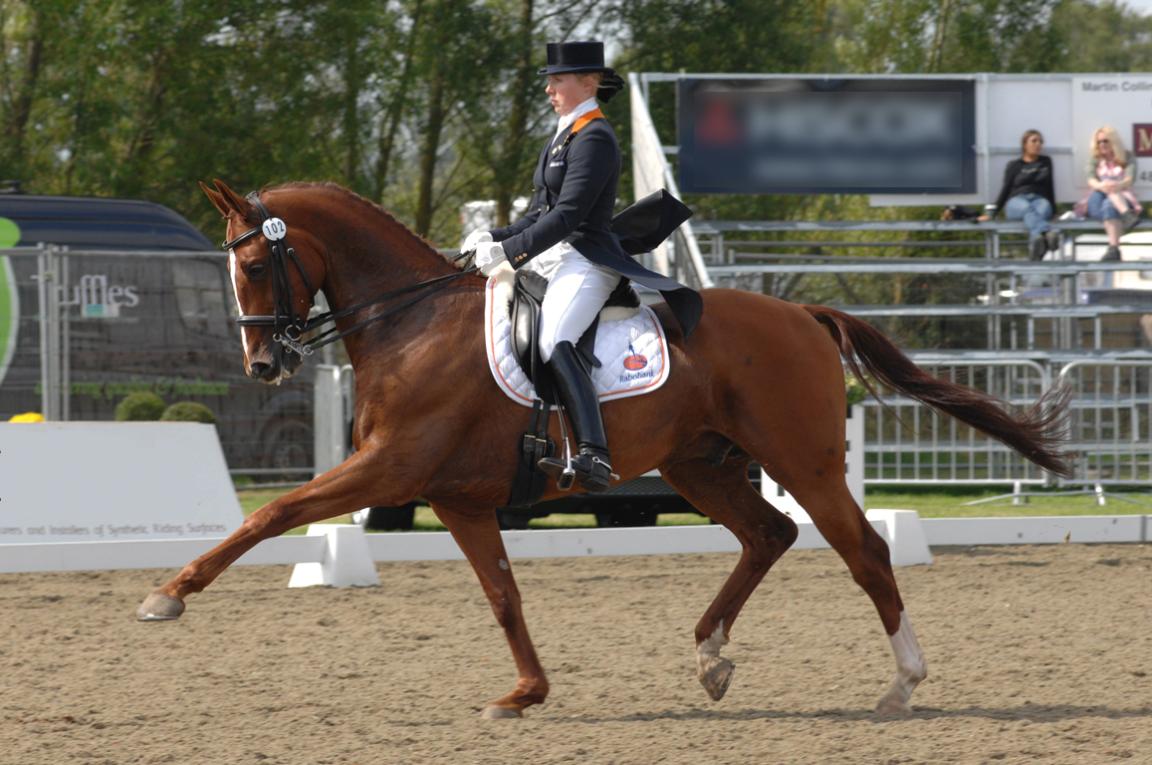
KWPN
View breed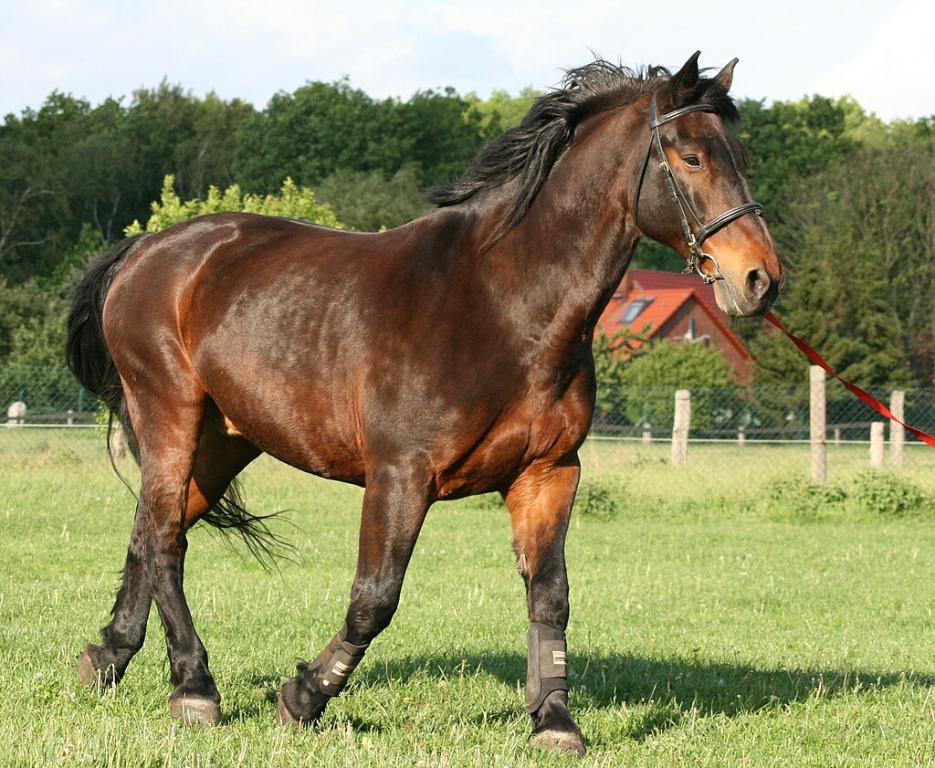
Latvian horse
View breed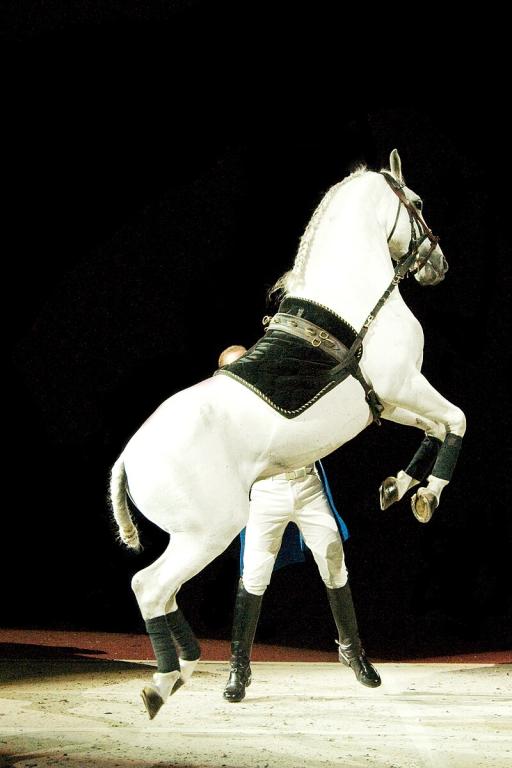
Lipizzan
View breed Lokai
View breed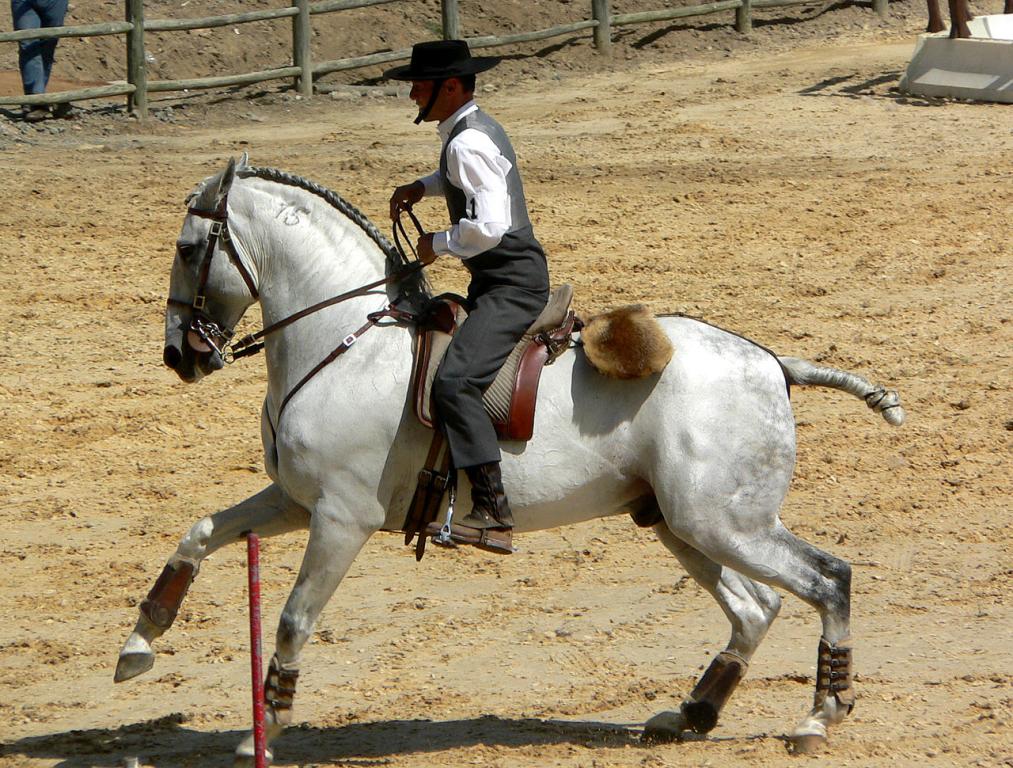
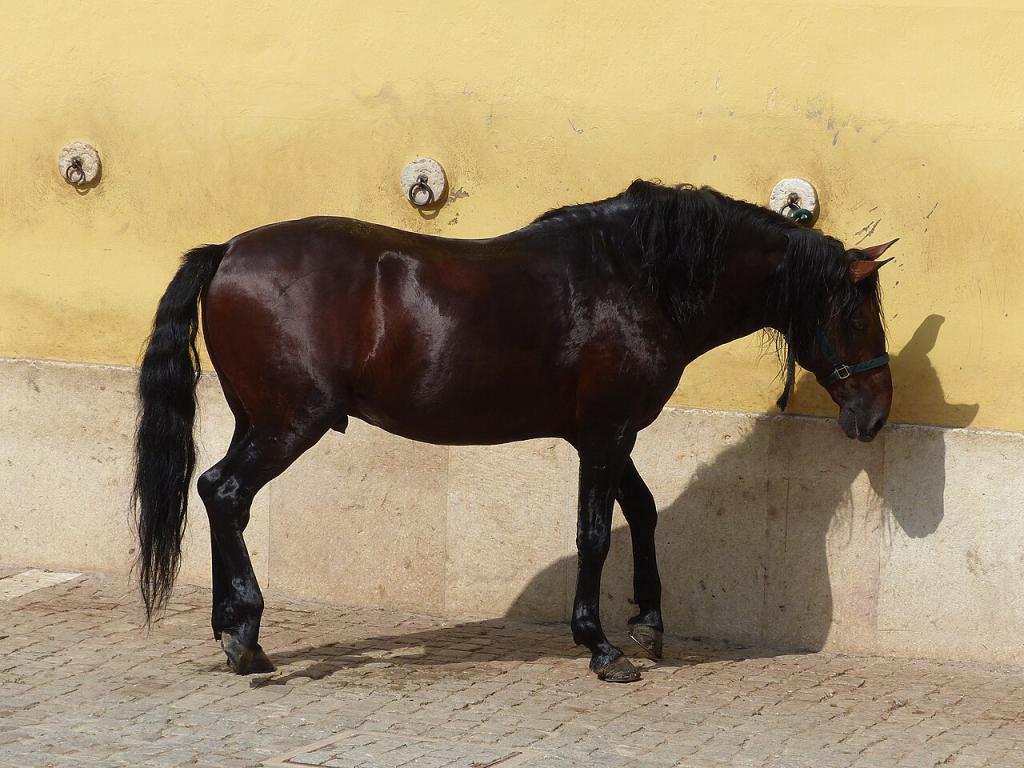
Lusitano (Purebred)
View breed Luxembourg Warmblood
View breed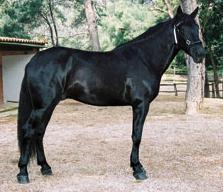
Majorquin
View breed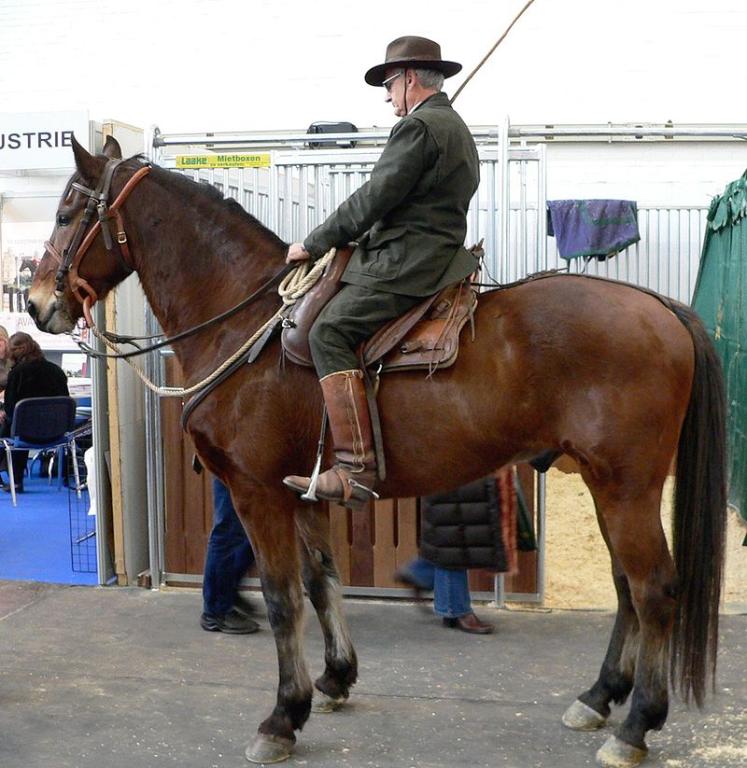
Maremmano
View breed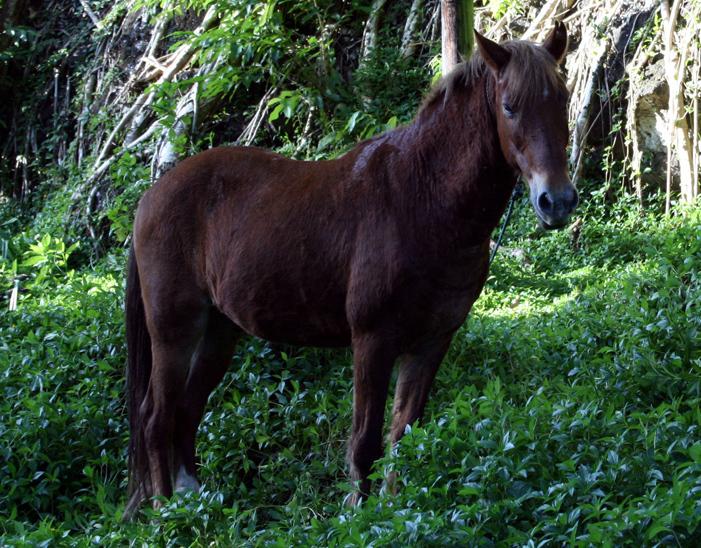
Marquesan Horse
View breed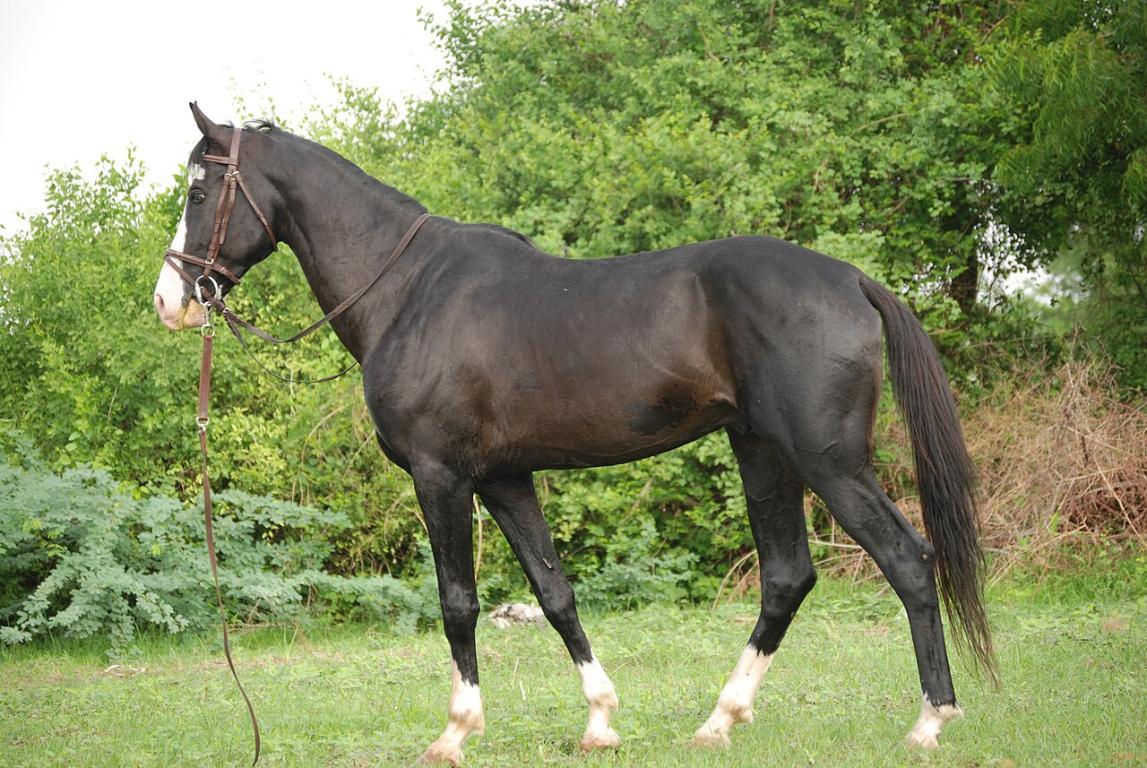
Marwari
View breed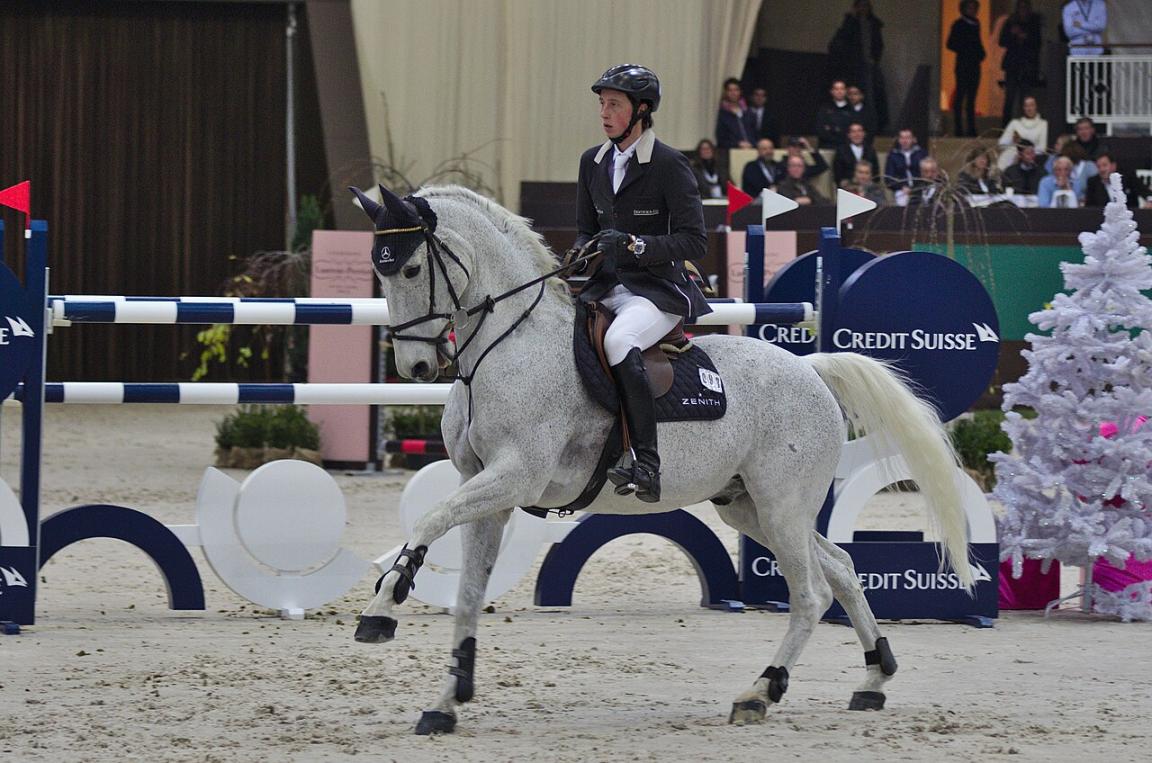
Mecklenburger
View breed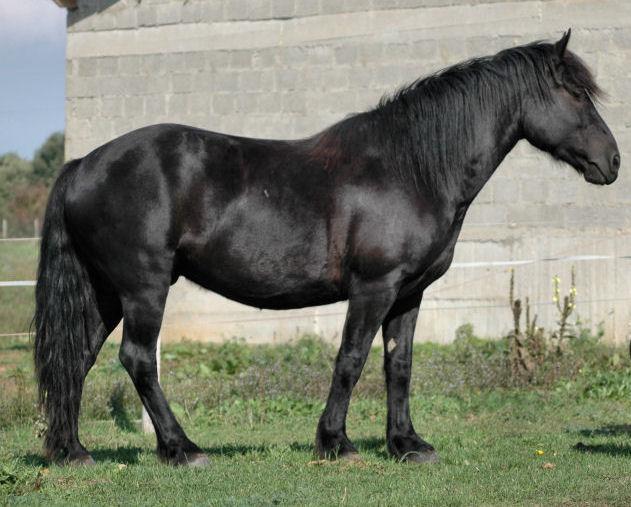
Mérens (horse)
View breed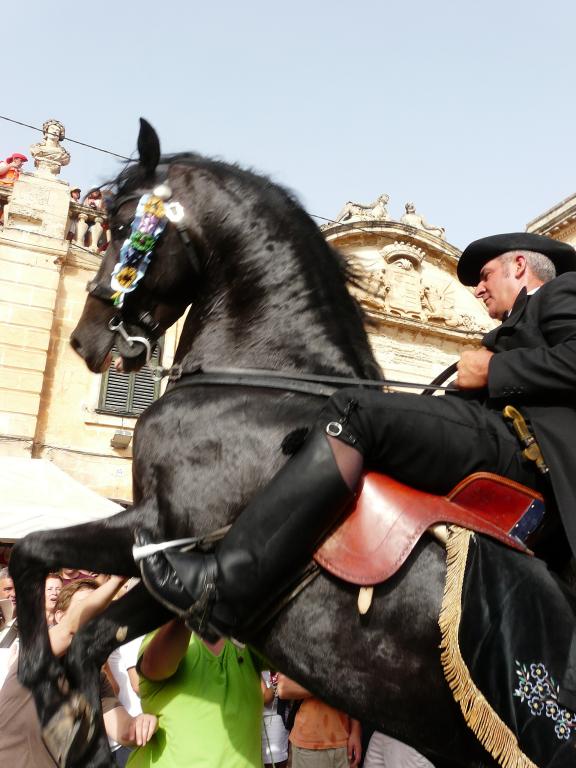
Minorquin
View breed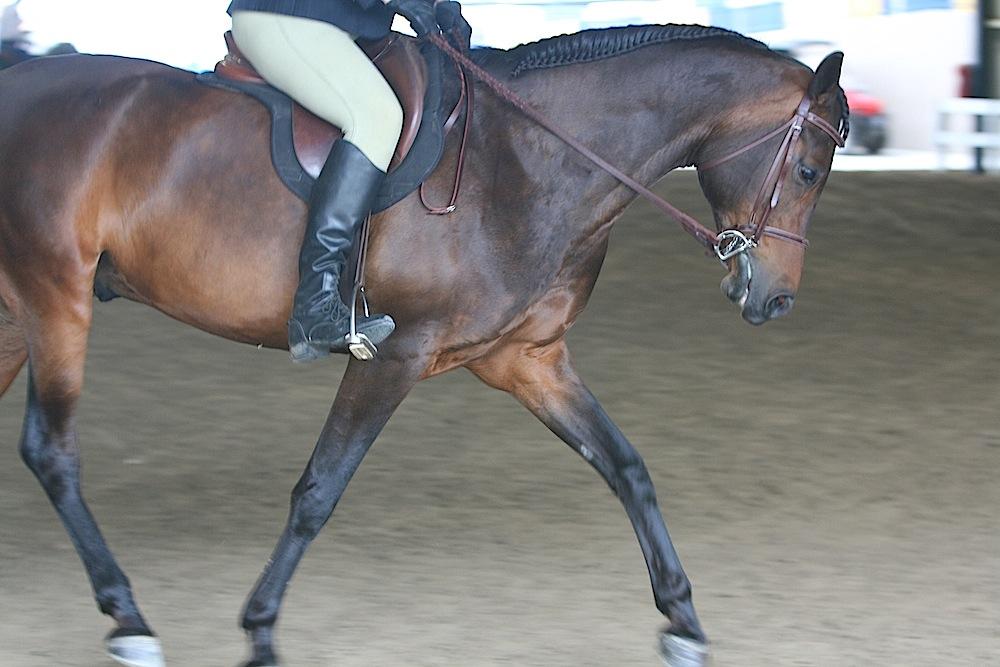
Morab
View breed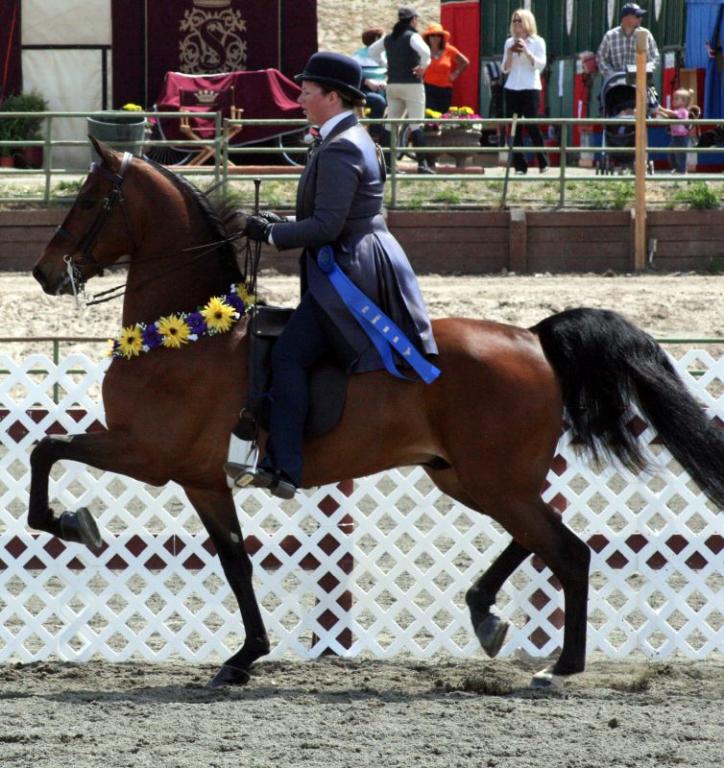
Morgan
View breed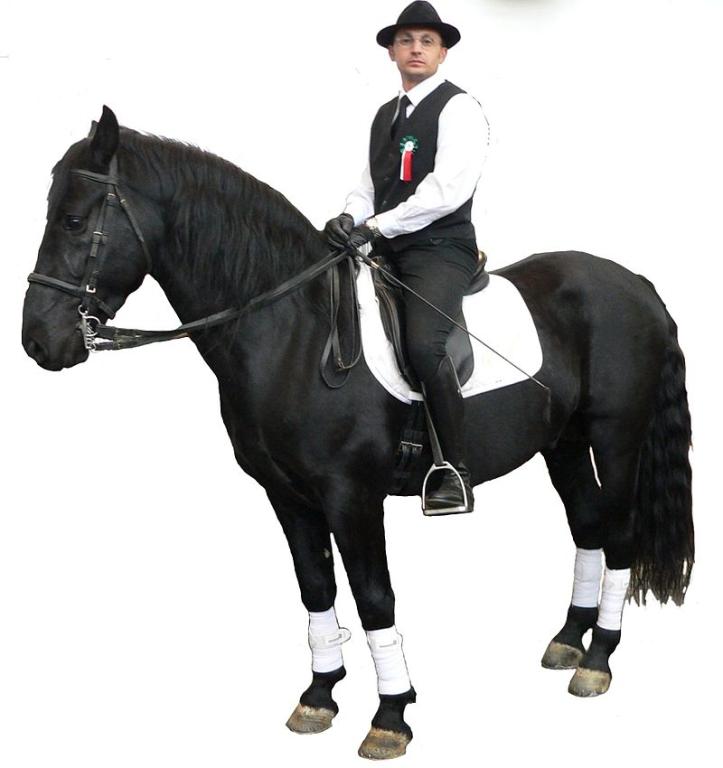
Murgese
View breed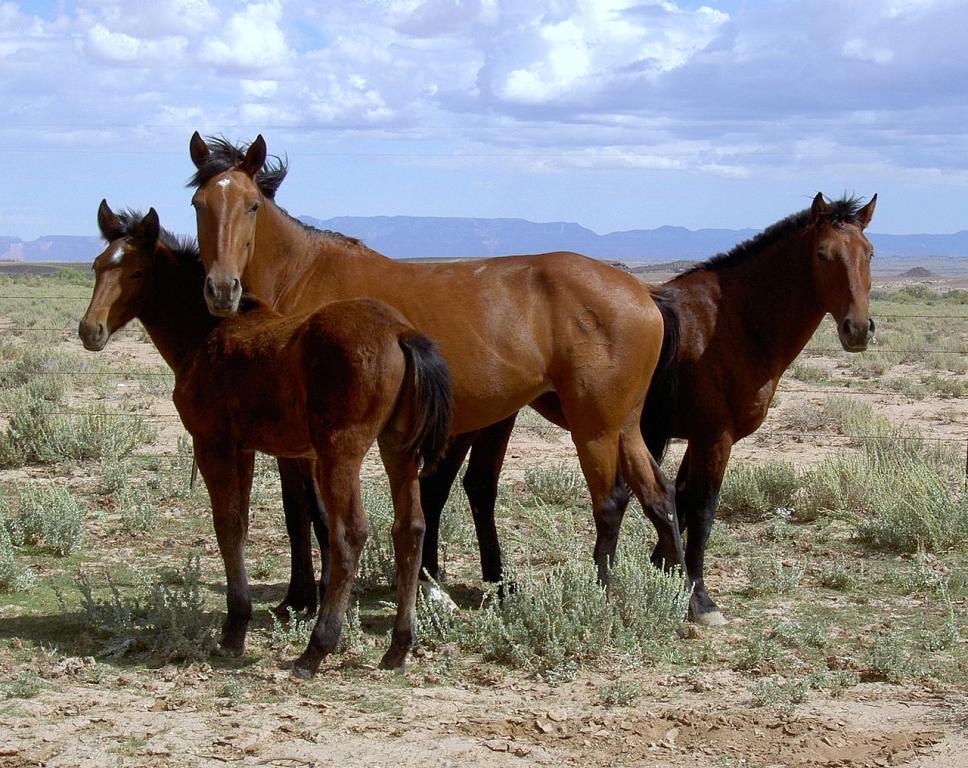
Mustang
View breed Nogai
View breed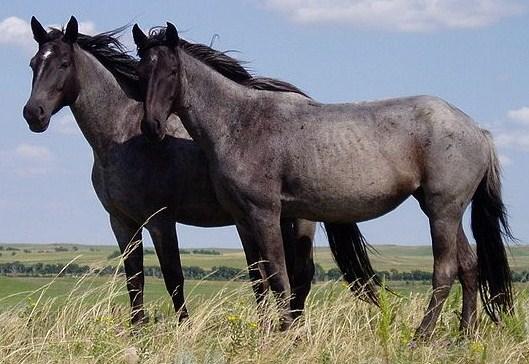
Nokota
View breed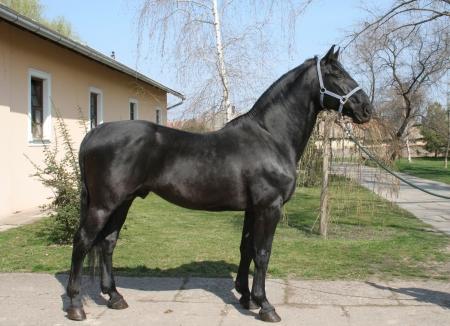
Nonius
View breed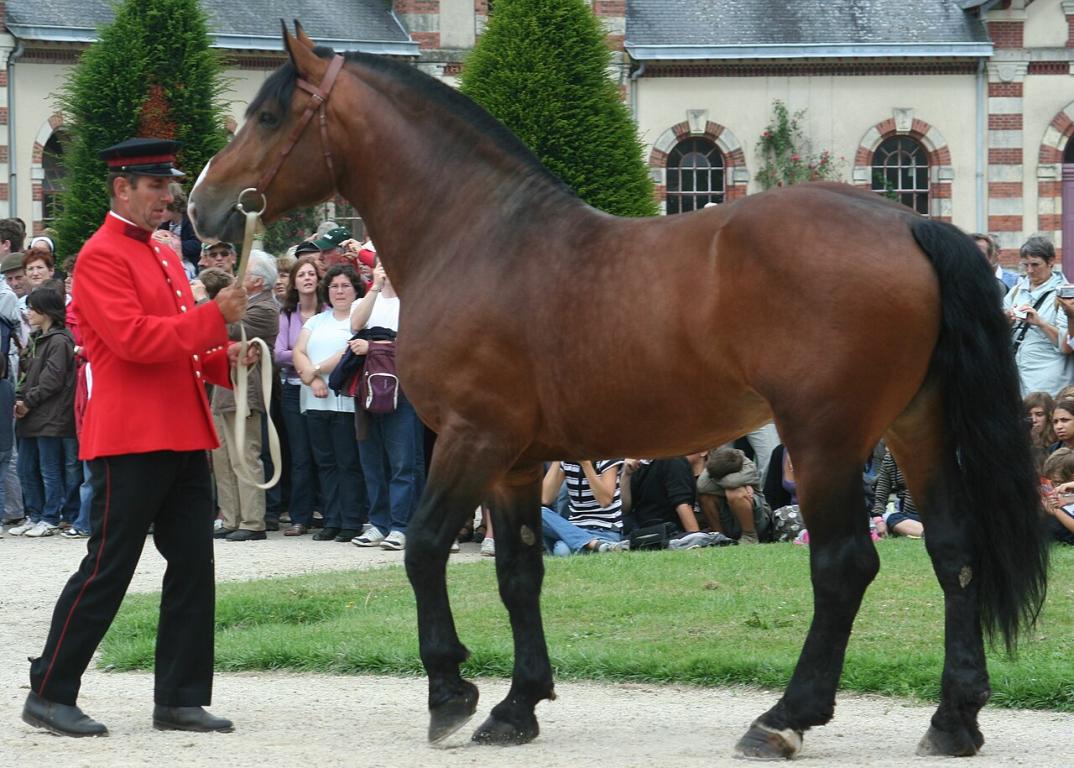
Norman Cob
View breed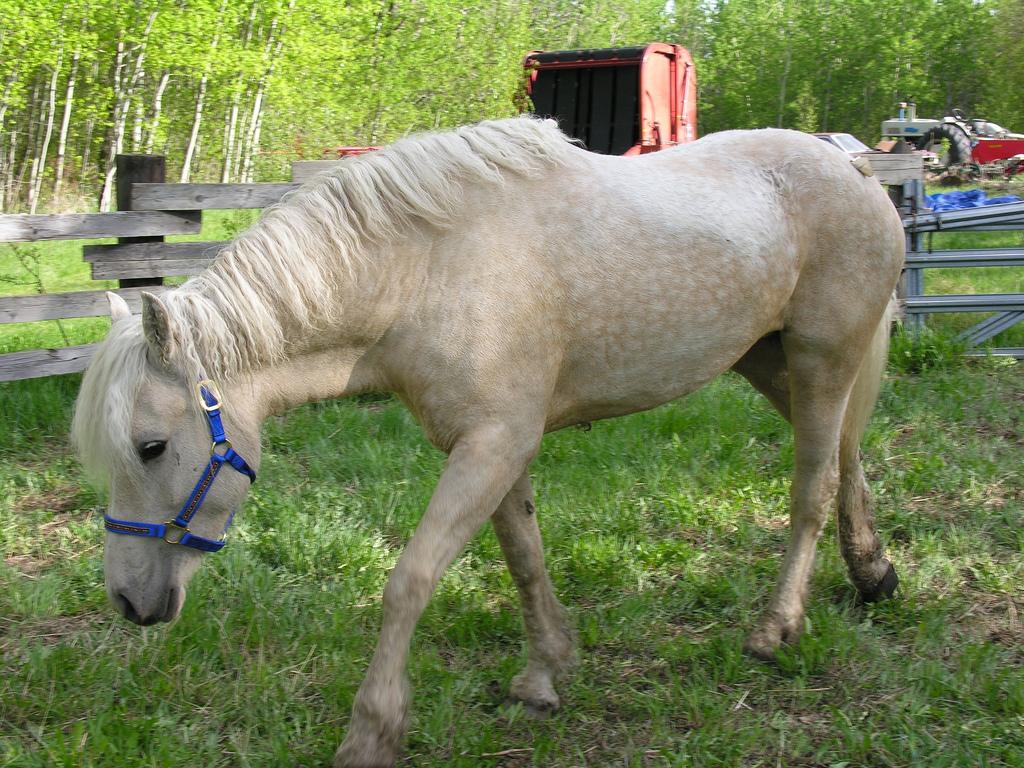
North American Curly Horse
View breed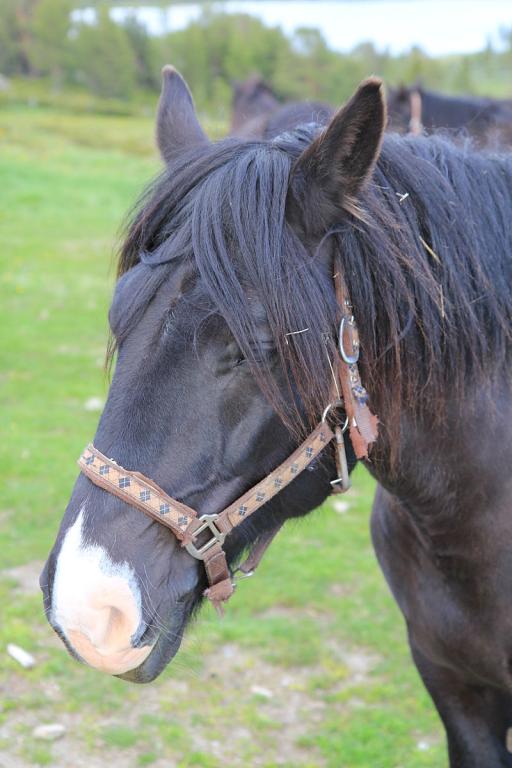
Norwegian Coldblood Trotter
View breed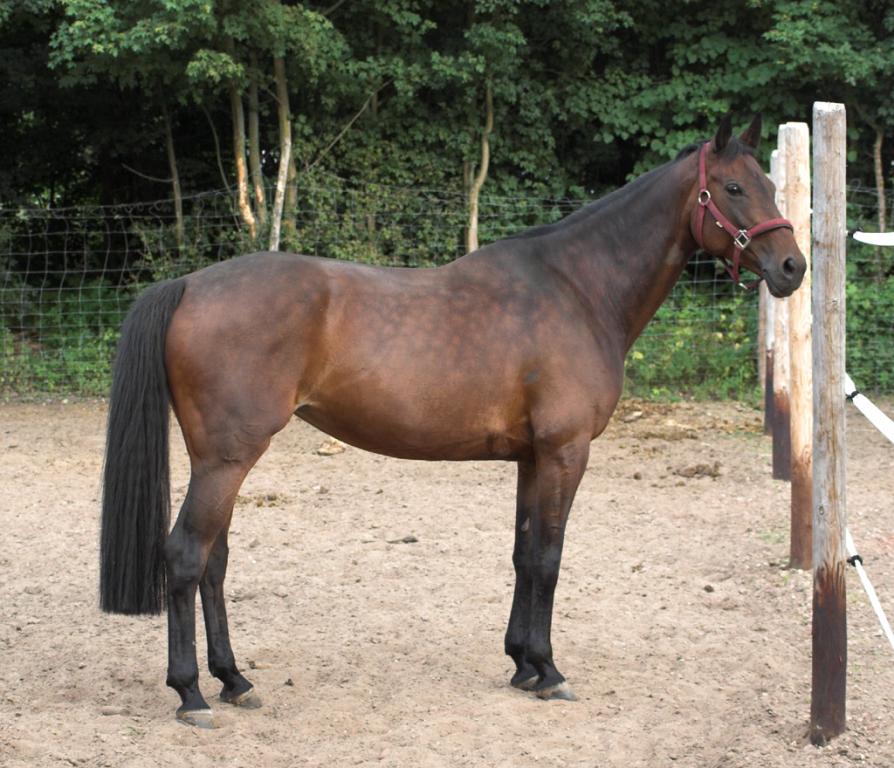
Oldenburg
View breed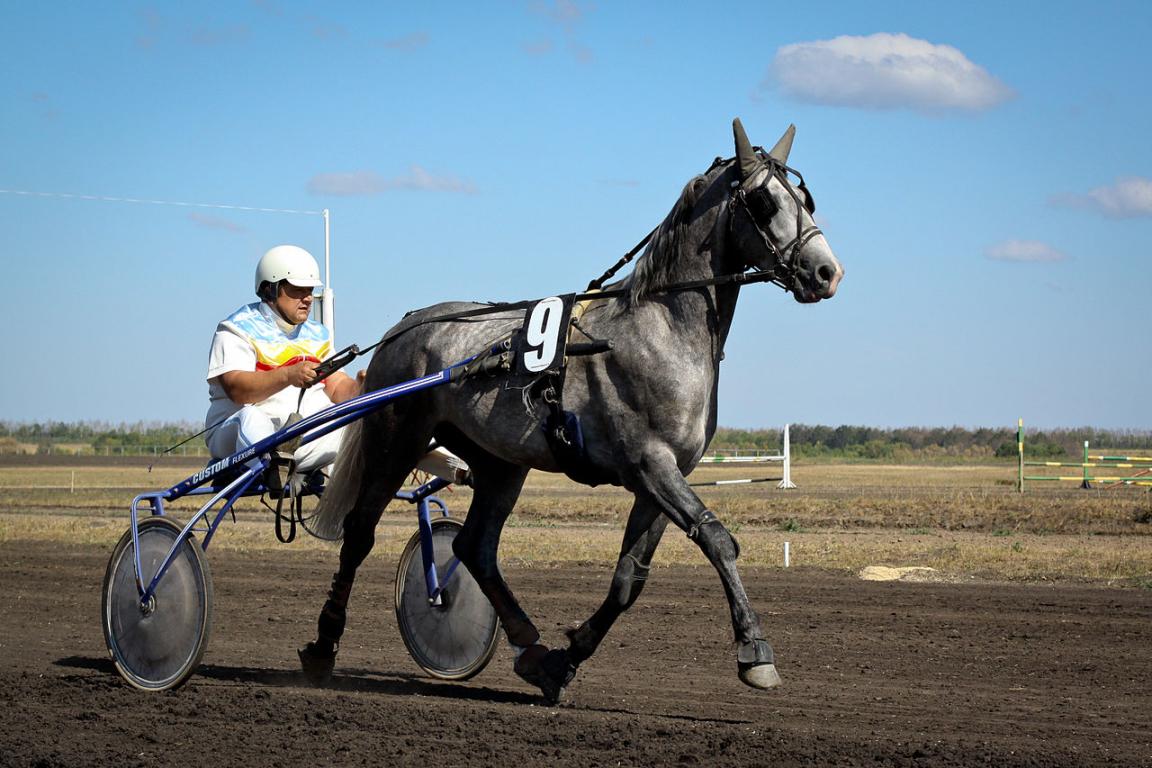
Orlov Trotter
View breed Orlov-Rostopchin
View breed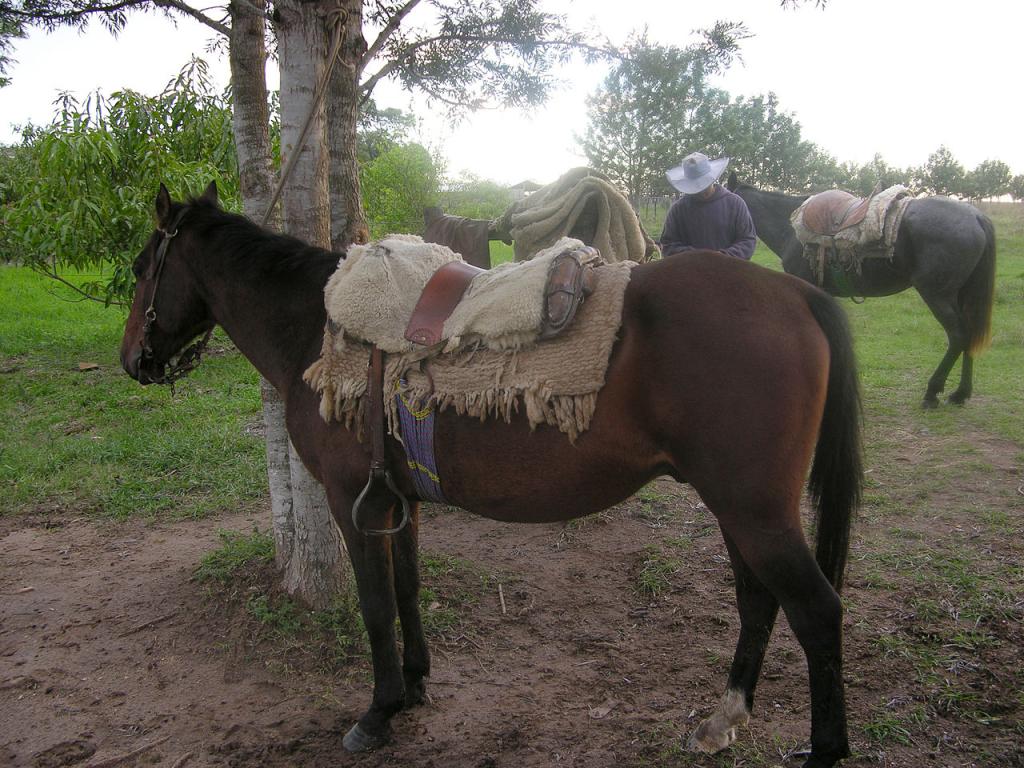
Paraguayan Criollo – Paraguayan Horse
View breed Peneia Pony
View breed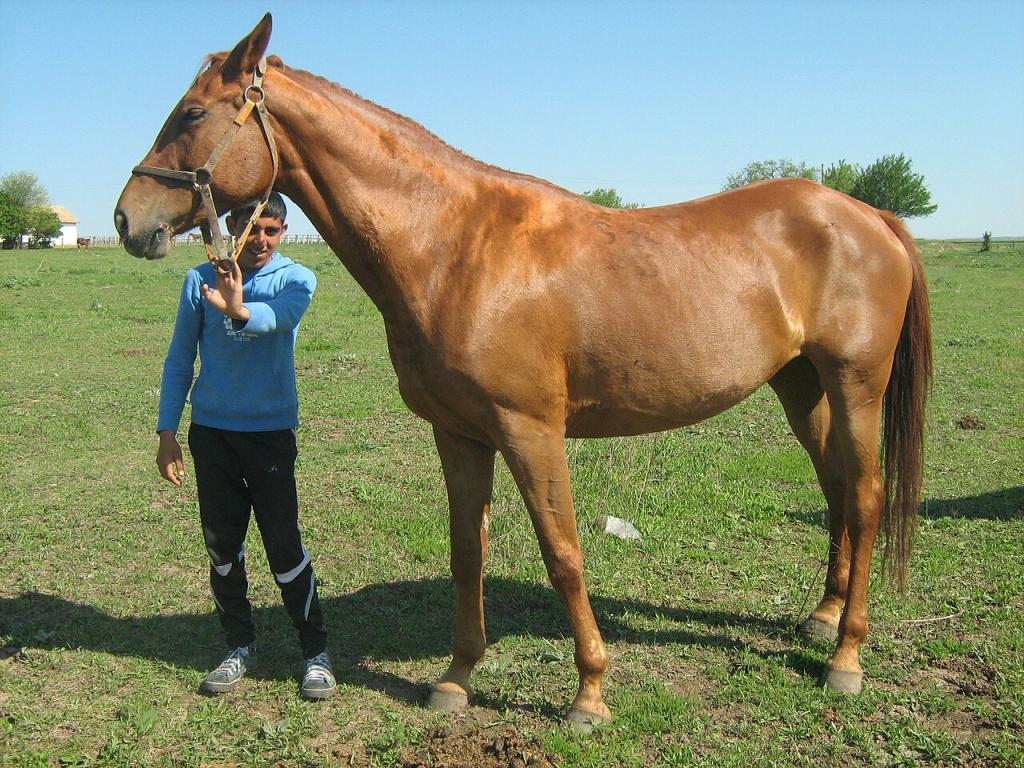
Pleven (Horse of)
View breed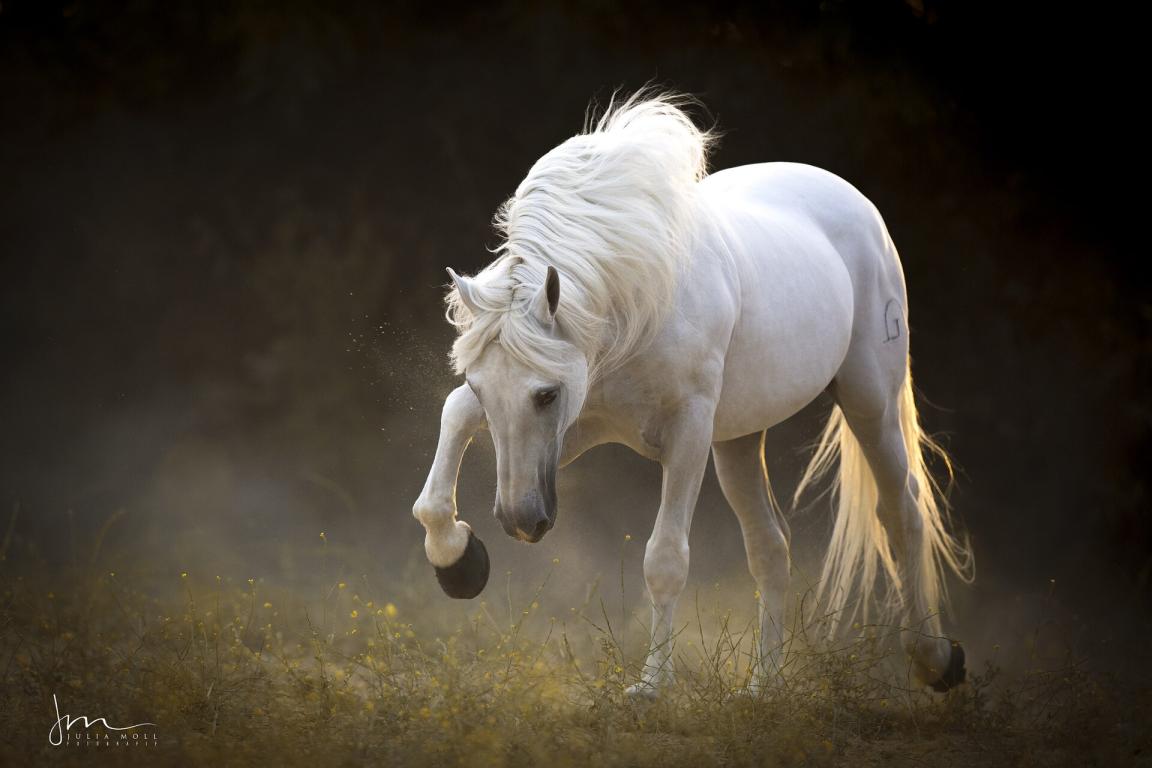
Pura Raza Española (PRE) - Andalusian horse
View breed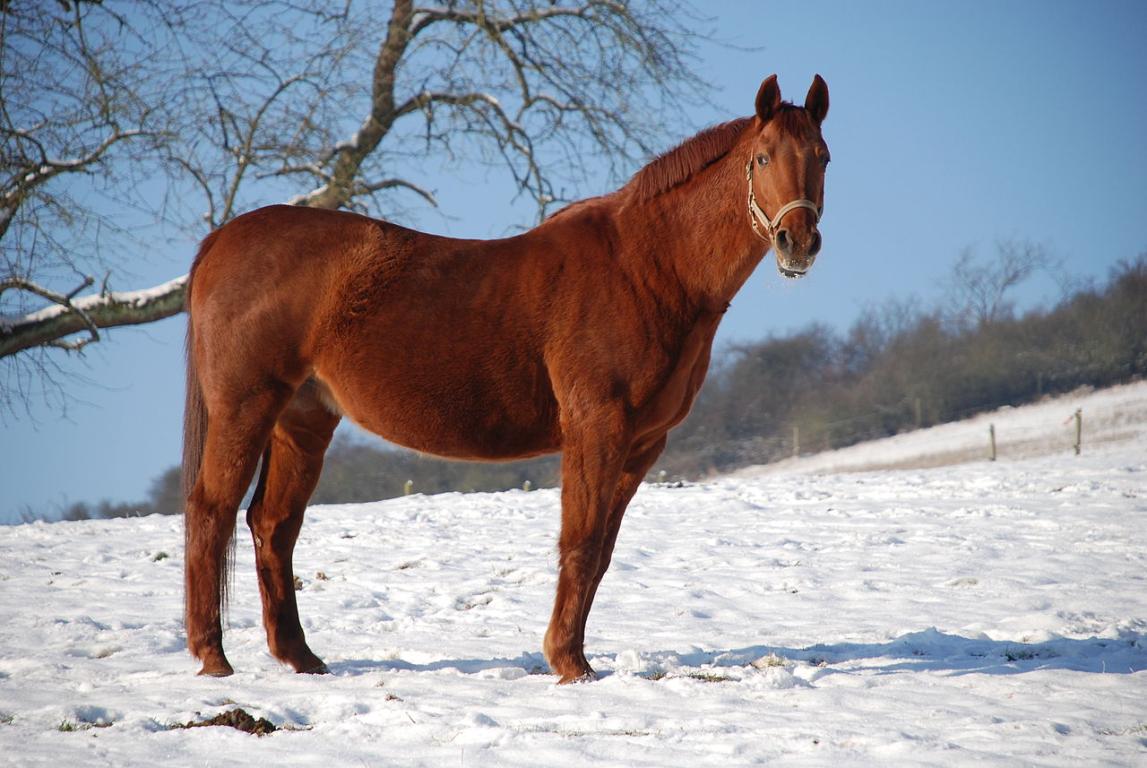
Rhenish Warmblood
View breed Romanian Trotter
View breed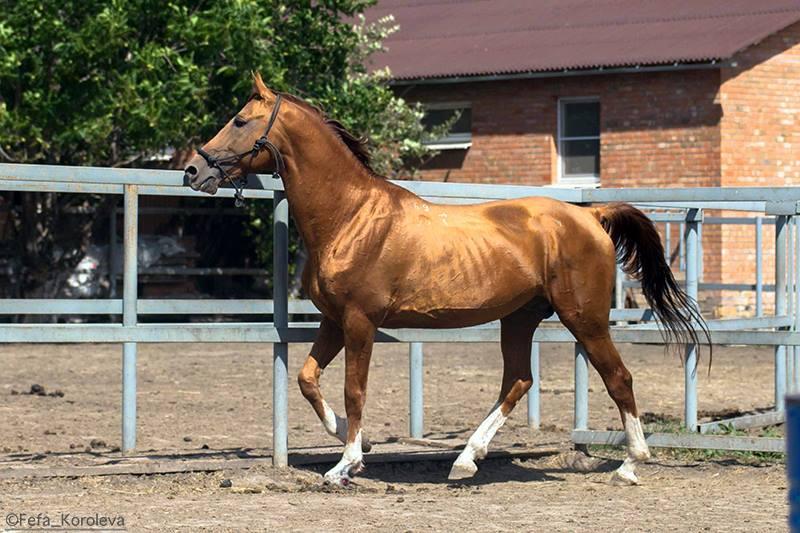
Russian Don
View breed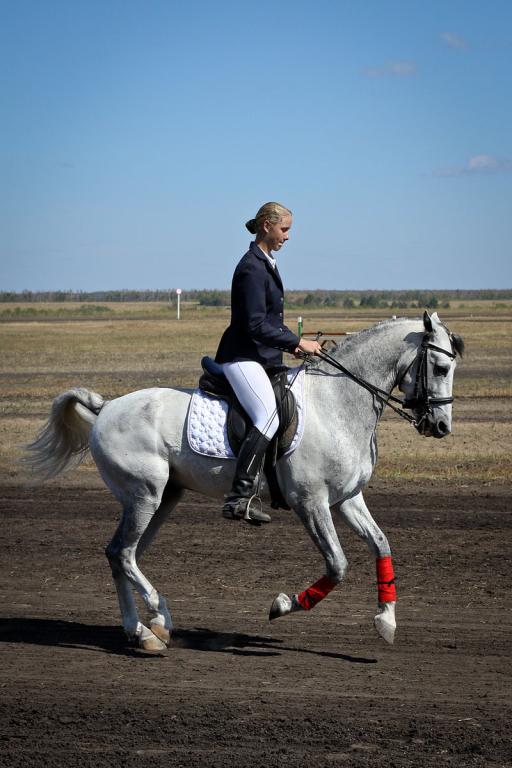
Russian Trotter
View breed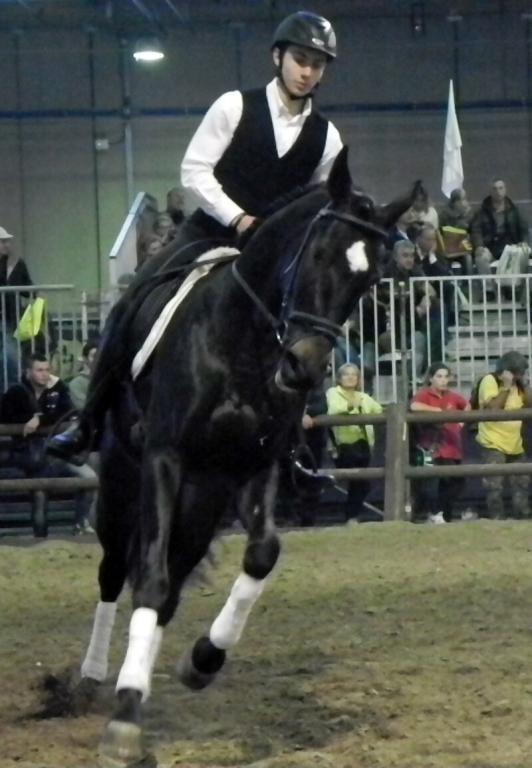
Salernitano
View breed
SBS - Belgian Sport Horse
View breed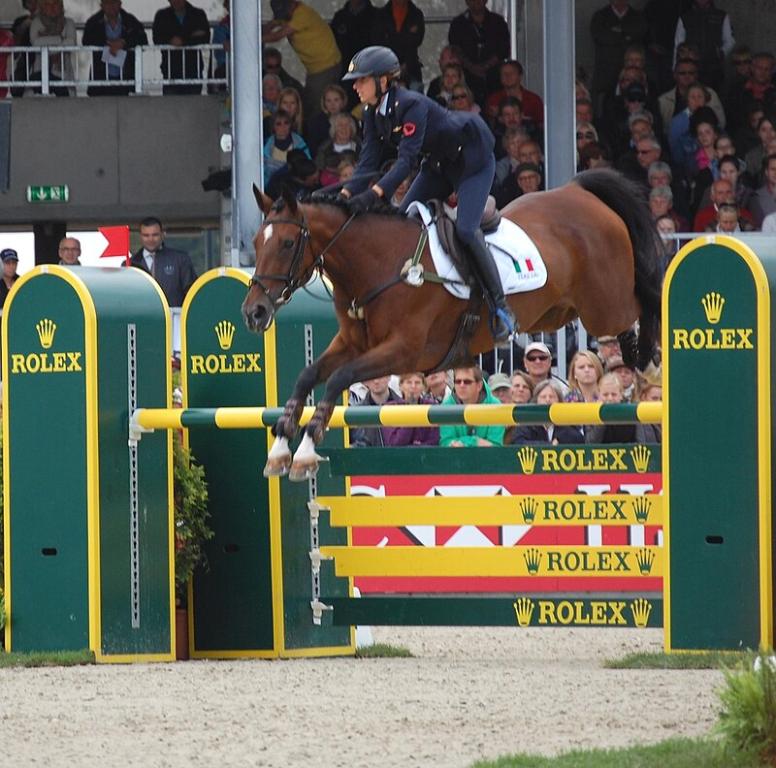
Sella Italiano
View breed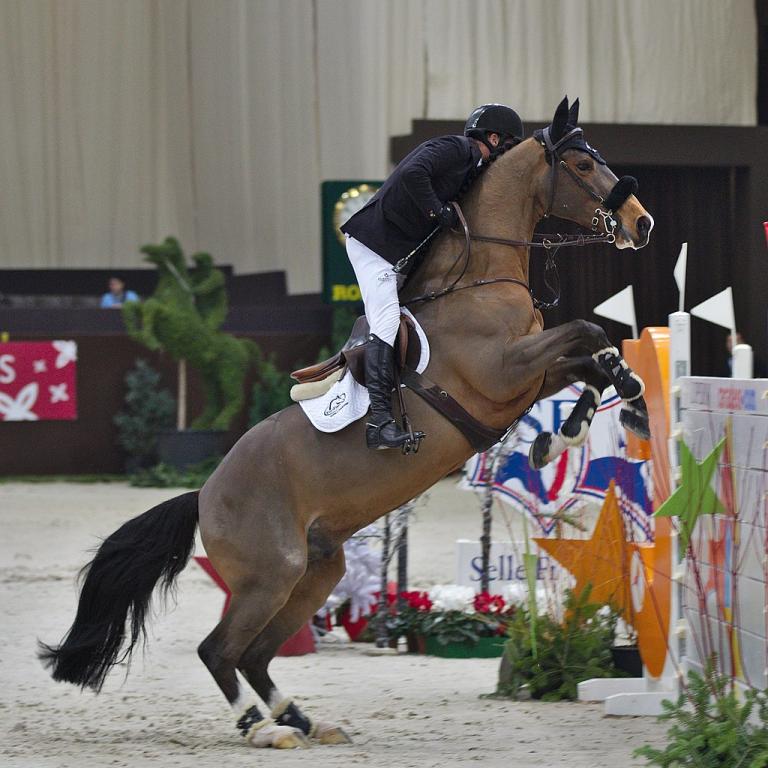
Selle Français
View breed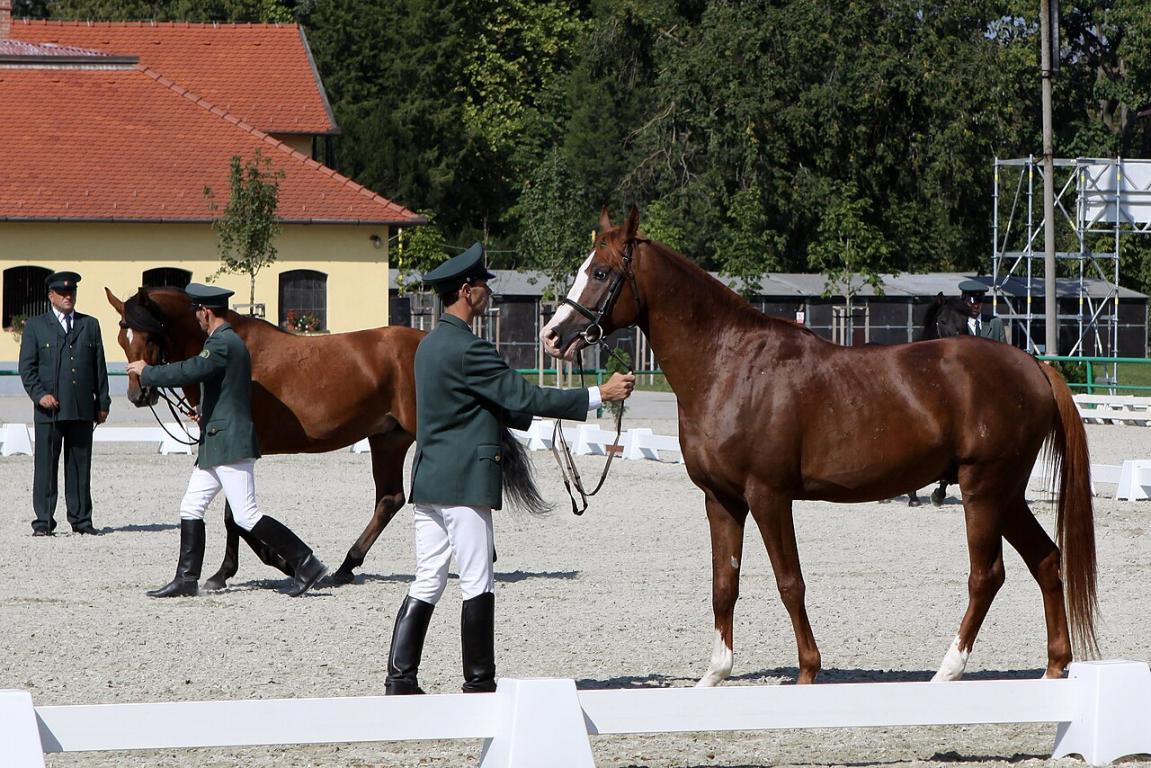
Shagya
View breed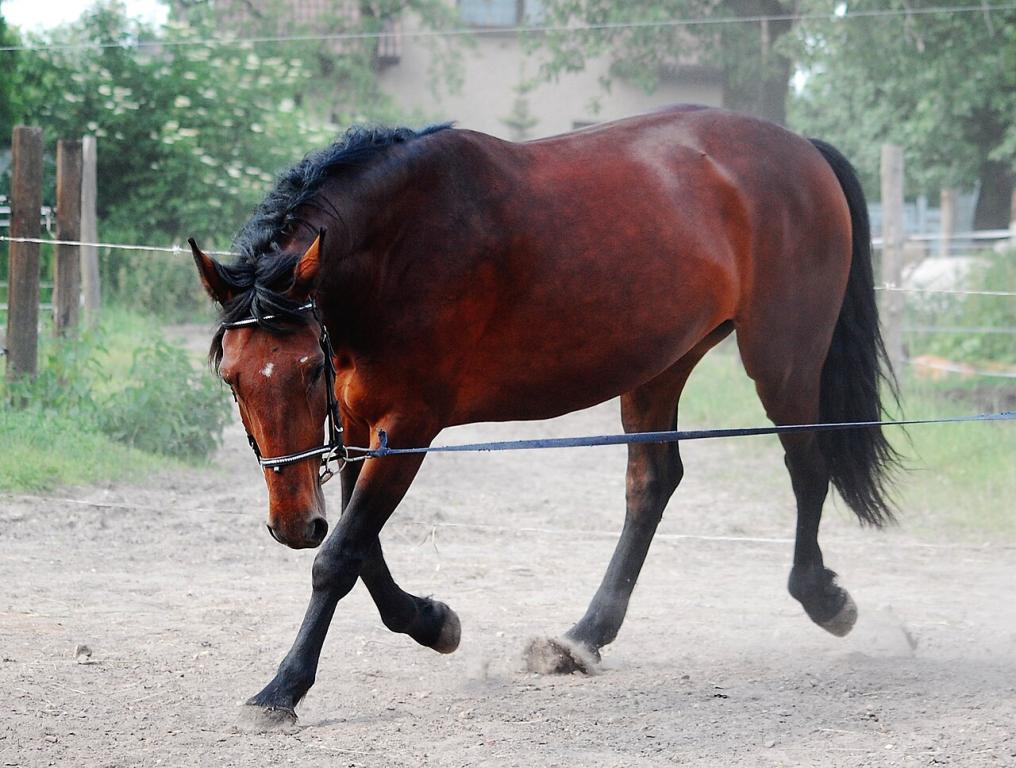
Silesian Warmblood - Slaski
View breed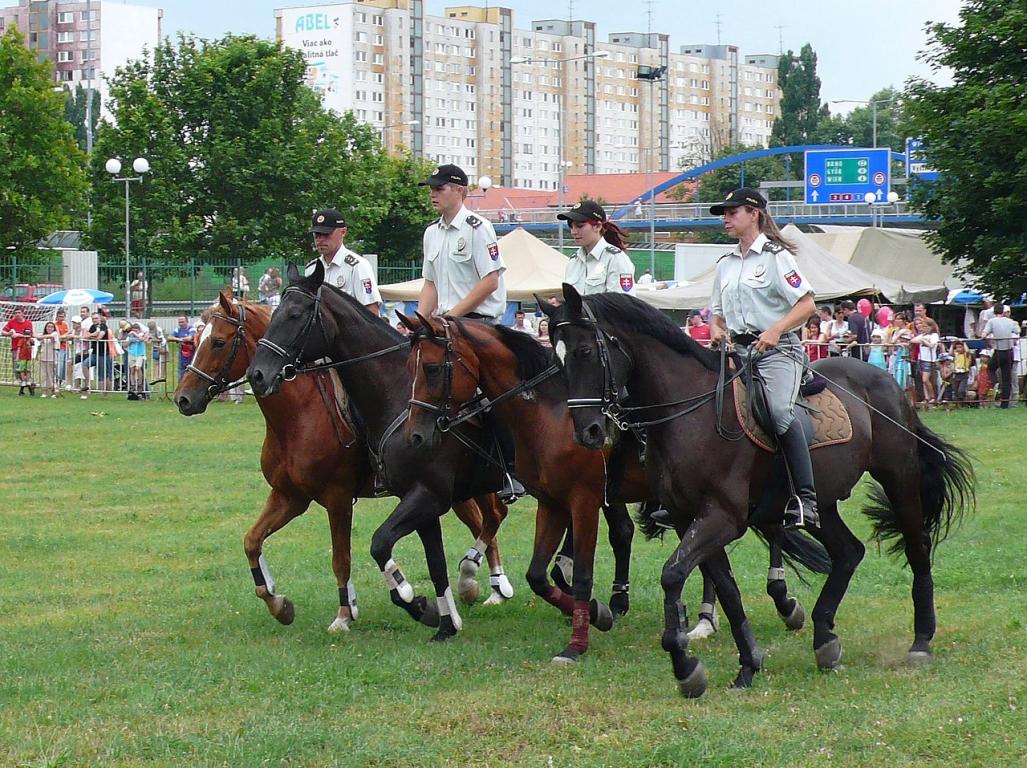
Slovak Warmblood – Slovenský teplokrevník
View breed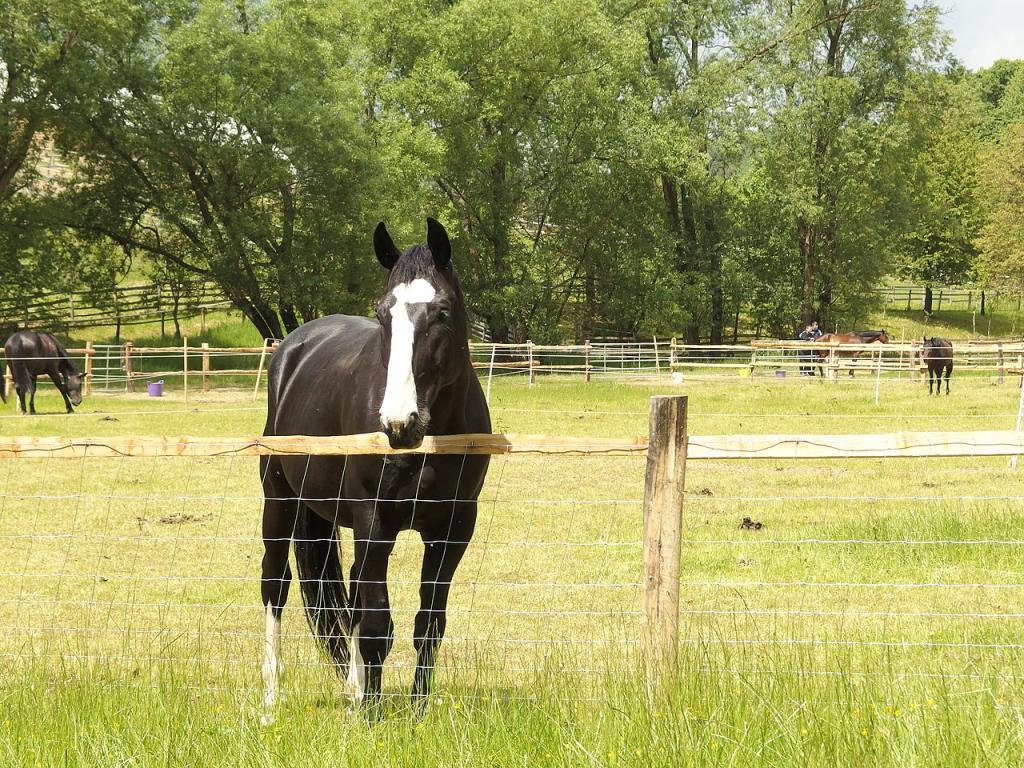
Slovenian Warmblood – Slovenski Toplokrvni Konj
View breed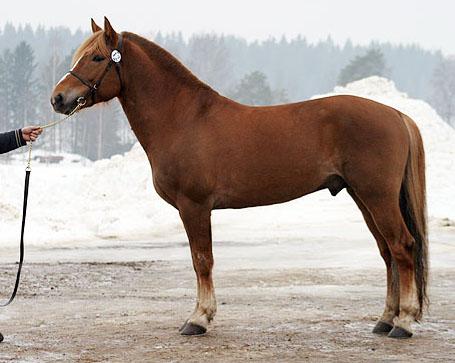
Suomenhevonen - Finnhorse
View breed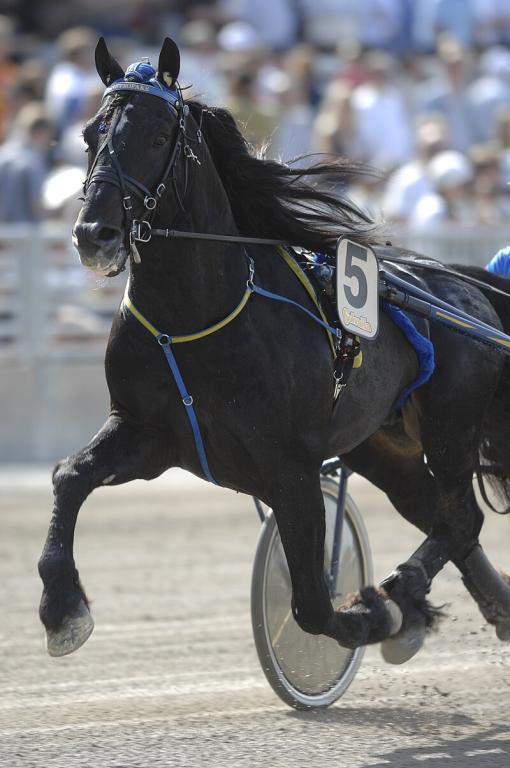
Swedish Trotter
View breed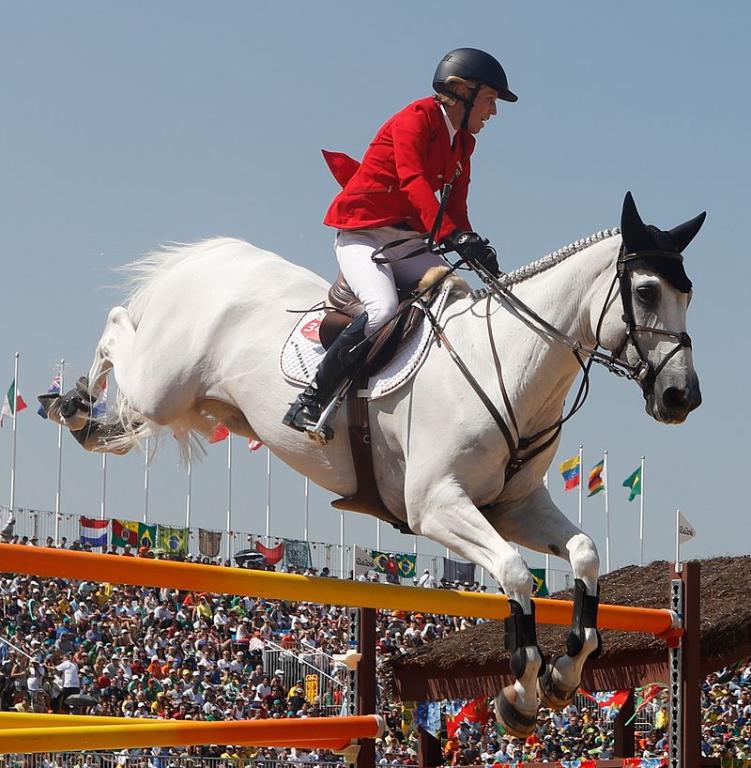
Swedish Warmblood – Svenskt Varmblod
View breed
Swiss Warmblood - Schweizer Warmblut
View breed
Thoroughbred
View breed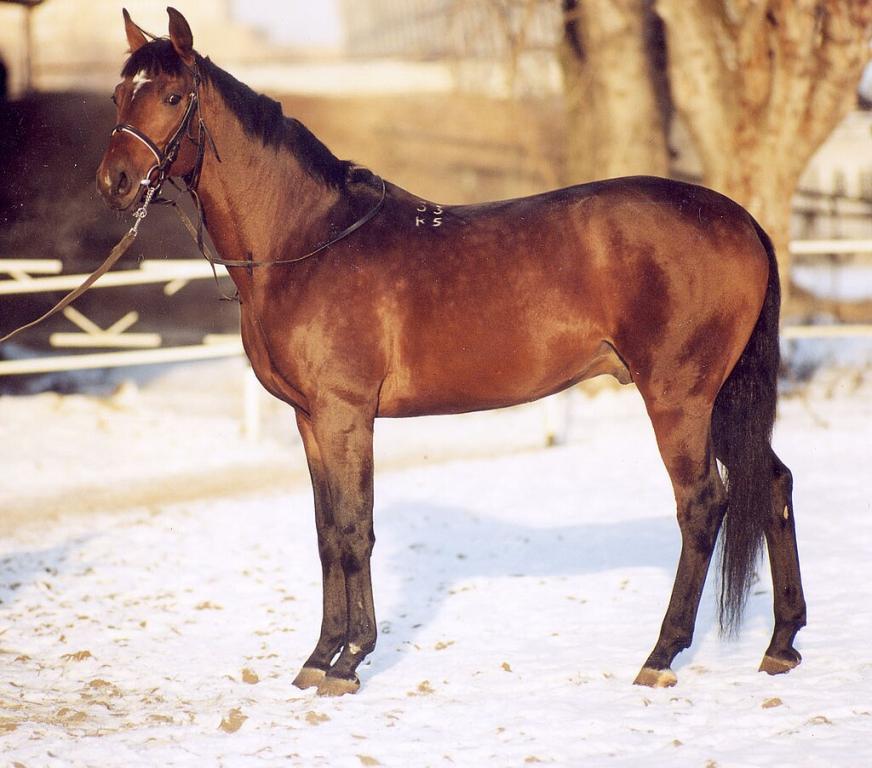
Trakehner
View breed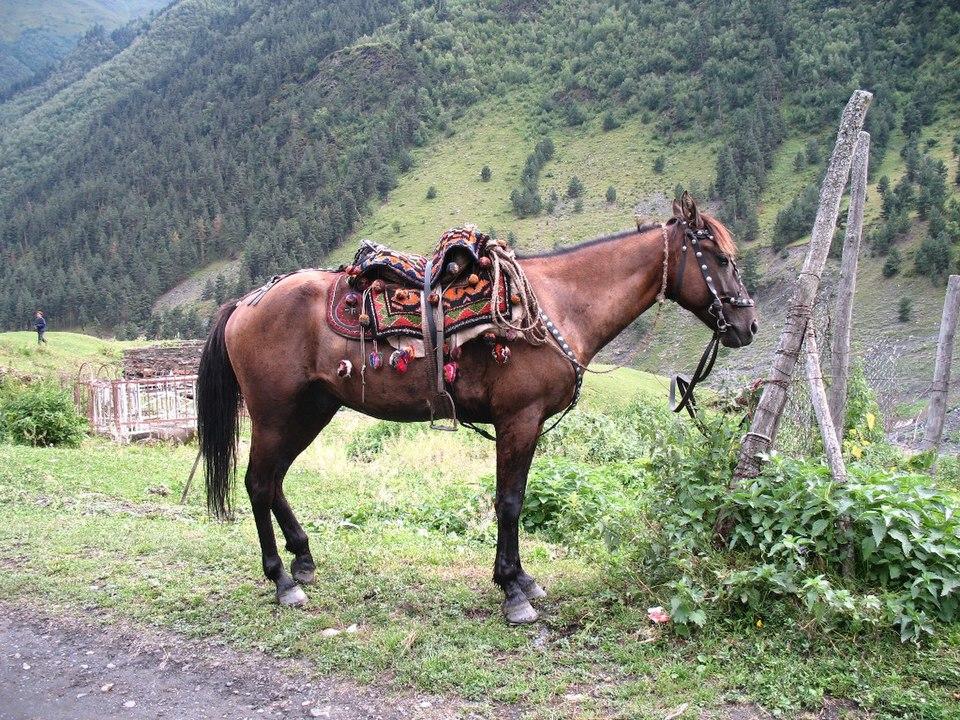
Tushetian
View breed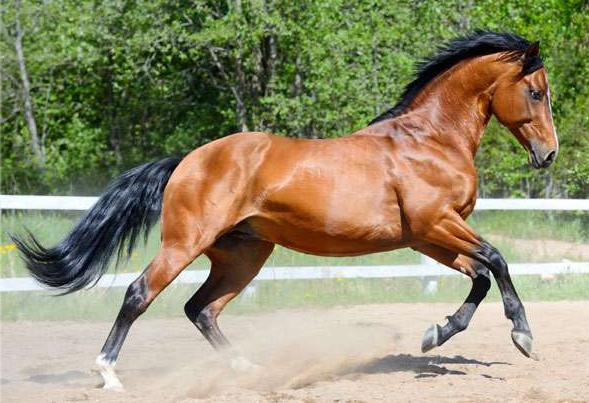
Ukrainian Riding Horse
View breed Uruguayan Cimarrón
View breed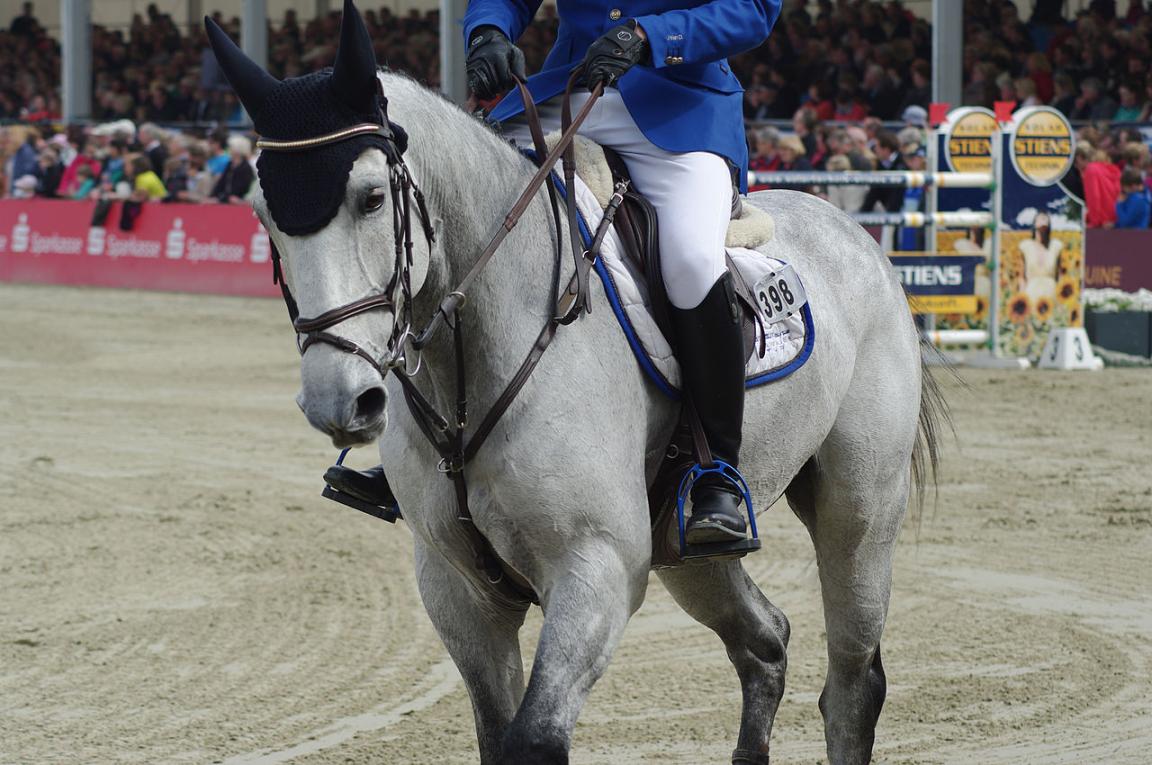
Westphalian
View breed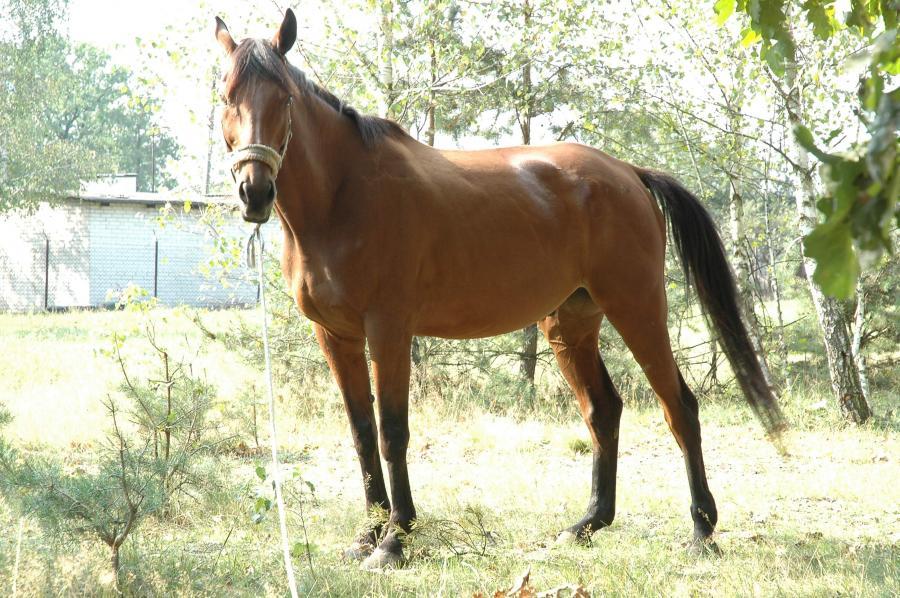
Wielkopolski
View breed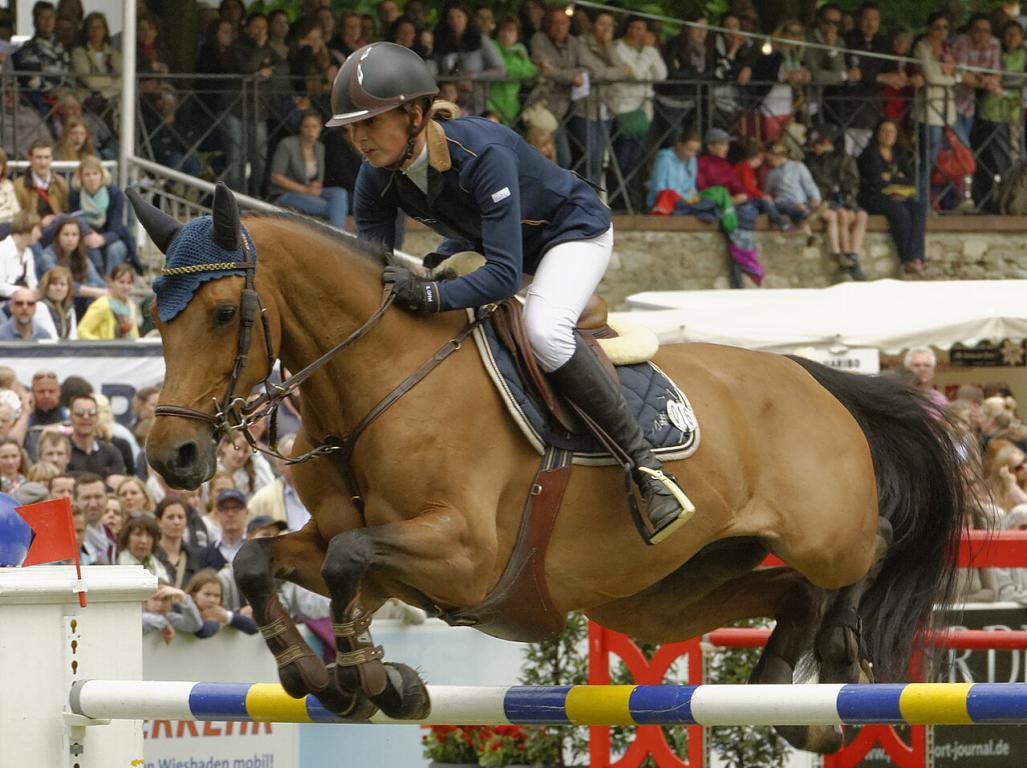
Zangersheide
View breedFAQ - Riding Horses
What is a riding horse?
A riding horse is primarily selected for mounted work in leisure or sport disciplines.
Are riding horses suitable for beginners?
Many are, especially well-trained individuals with calm temperaments and predictable behavior.
How much does owning a riding horse cost?
Beyond purchase price, include boarding, feed, veterinary care, farriery, tack, insurance and training.
Which discipline should I choose?
Choose based on rider goals, physical condition, available coaching and the horse's natural aptitudes.
How do I know if a horse is right for me?
Evaluate temperament, rideability, training level and behavior in multiple contexts before committing.
What is the difference with draft horses?
Riding horses are selected for mounted use, while draft horses were historically bred for traction work.
Can one riding horse do both leisure and sport?
Yes, many riding horse breeds are versatile enough to combine regular leisure riding with competitive progress.
Should I prioritize breed or character?
Character, education and rider compatibility are usually more decisive than breed name alone.