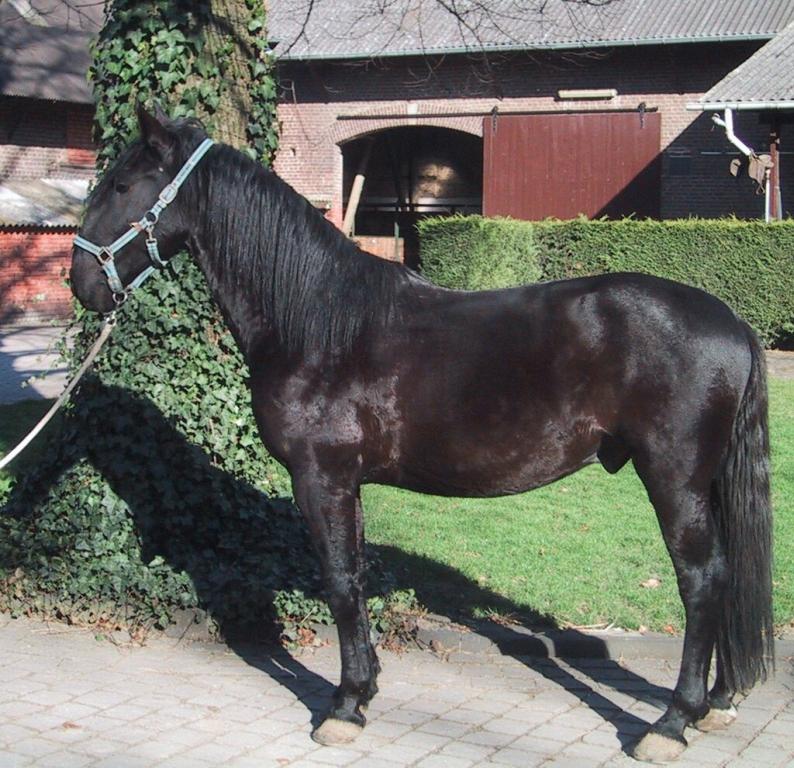
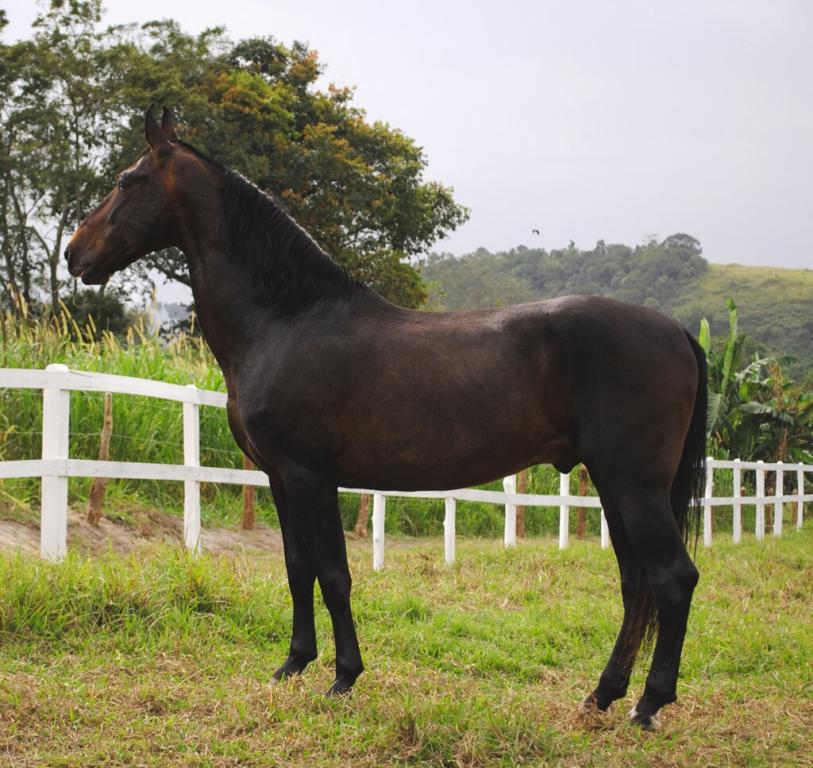
Discover the Auvergne Horse, a hardy French mountain breed known for its bay coat, compact build, gentle temperament and versatility.
By the Chevaux du Monde editorial team · Published on · Updated on
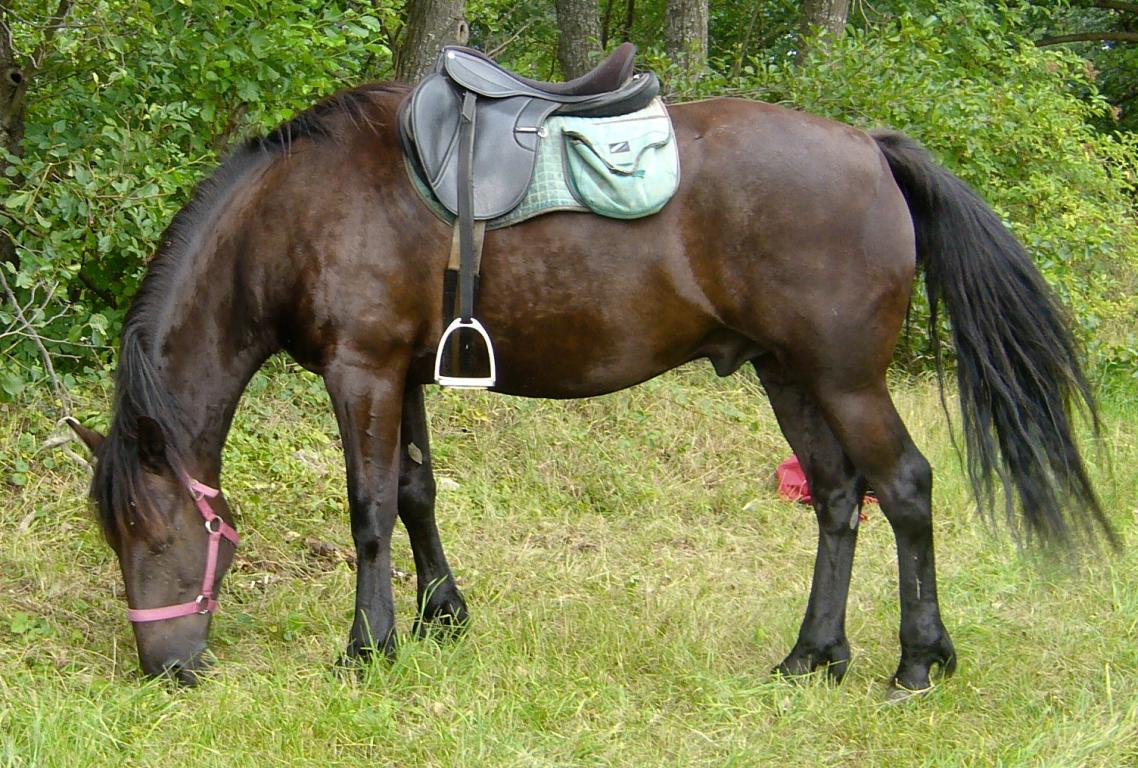
Type: Riding Horse
Continent: Europe
Country: France
Weight: 450 – 650 kg
Height: 143 – 157 cm
The Auvergne Horse is a French breed originating from the former Auvergne region, in the heart of the Massif Central. Its native area mainly encompasses the mountainous parts of Puy-de-Dôme, Cantal, Haute-Loire and Allier.
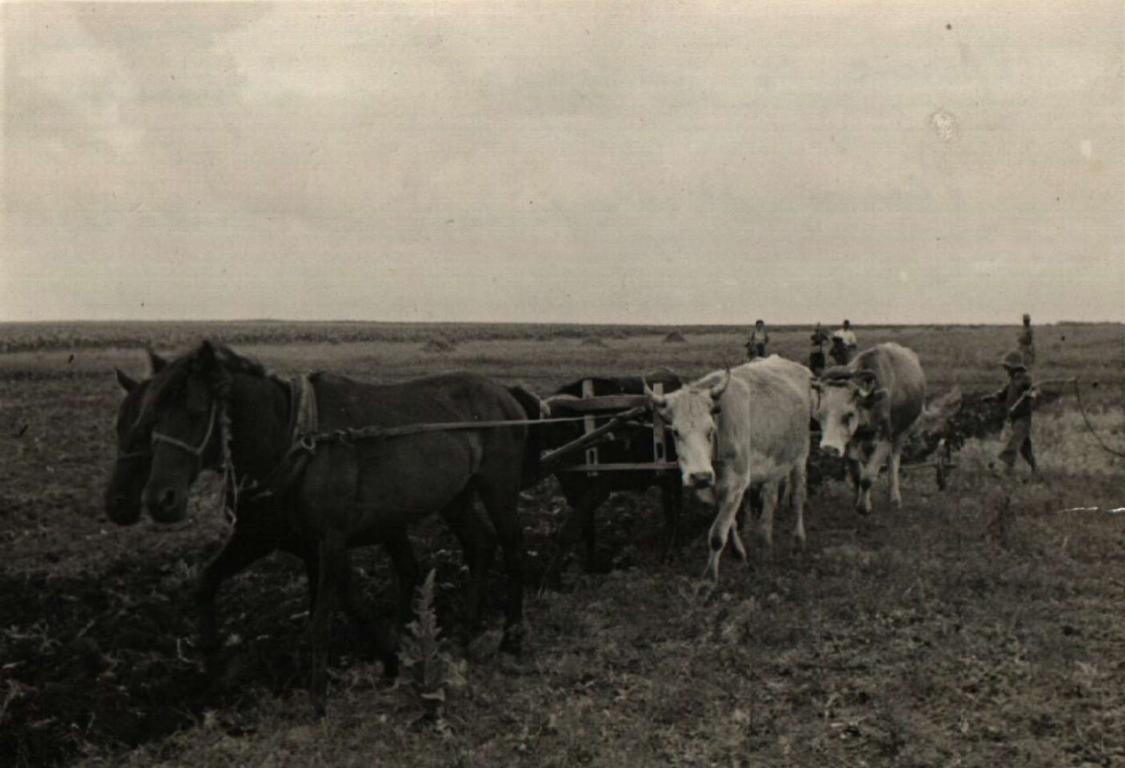
The breed descends from a local horse population historically adapted to Auvergne’s rugged terrain and climatic conditions. These horses were traditionally used for transportation, light agricultural work and various rural activities.
The population was subsequently preserved and formally organised through the work of local breeders and the Association nationale du cheval de race Auvergne. The Auvergne Horse received official recognition in France in 2012.
Breeding of the Auvergne Horse remains primarily concentrated in its native area, in the heart of the Massif Central. It is mainly found in the departments of Puy-de-Dôme, Cantal, Haute-Loire and Allier, which formed the former administrative region of Auvergne.
Breeding is particularly associated with rural and mountainous areas, where natural grasslands, rugged terrain and climatic conditions have helped shape a hardy horse adapted to outdoor living and extensive farming systems. The Auvergne mountains therefore constitute the breed’s historic breeding area.
Some horses may be bred in other parts of France, but the breed remains predominantly regional in its distribution. No significant, organised international presence is currently documented. Its preservation therefore relies mainly on Auvergne breeders and the work of the Association nationale du cheval de race Auvergne.


The Auvergne Horse represents a local French horse population shaped by its long-standing adaptation to mid-altitude mountain conditions. Its genetic value lies primarily in preserving the breed’s functional characteristics, including its hardiness, robustness, compact build and suitability for extensive farming systems.
Selection aims to preserve the Auvergne breed type while improving the overall quality of the horses produced. Stallion candidates are assessed according to their genetic background, conformation, gaits and temperament. Their parentage is verified, and breeding stallions are also tested for the Extension and Agouti coat-colour genes, in accordance with the bay coat required by the breed standard.
The stud book still allows initial registration of horses whose ancestry is not necessarily known, provided that they meet the breed standard and are accepted by the national approval committee. This system makes it possible to incorporate horses belonging to the historic local population, while avoiding restricting breeding exclusively to already registered bloodlines.
No major genetic influence of the Auvergne Horse on the development or improvement of other breeds has been clearly documented. Its importance is therefore primarily heritage-related and conservational: preserving a local breed adapted to its native environment, managing its bloodlines and maintaining a viable breeding population without losing its distinctive characteristics.
The Auvergne Horse descends from an ancient horse population bred in the mid-altitude mountain areas of the Massif Central. According to tradition, its origins can be traced back to oriental horses abandoned after the Battle of Poitiers in 732. However, this ancestry remains a historical hypothesis and has not been genetically proven.
Documents dating from the 17th century describe a small, hardy horse in the region, showing refinement and a type considered oriental. In 1834, veterinarian Louis-Furcy Grognier linked the Auvergne Horse to the ancient Limousin horse population. Auvergne horses were renowned for their frugality, endurance and ability to travel over steep terrain.
From the 17th century onwards, the involvement of the French national stud farms and changing requirements led to the development of two distinct branches. The first contributed to the creation of the Auvergne half-bred, intended particularly for the military remount service. Crossbreeding, mainly with English and Anglo-Arabian horses, gradually transformed this type, which disappeared as the military use of horses declined.
A second branch survived in the Auvergne countryside because it continued to meet agricultural needs. This so-called “dual-purpose” horse was used for transportation, rural work and mule breeding. From the late 18th century and throughout the 19th century, breeders sought a more substantial build while preserving its hardiness and working abilities. This development helped shape the compact small mountain horse known today.
At the beginning of the 20th century, agricultural mechanisation, improvements in transportation and the gradual disappearance of its traditional uses caused a sharp decline in numbers. Breton and later Comtois blood was introduced during this period. Despite this crossbreeding and the dwindling population, some horses retained the characteristics associated with the traditional Auvergne type.
In 1996, the creation of the Association pour la sauvegarde et la relance du Cheval d’Auvergne marked the beginning of an organised programme of identification, selection and promotion. The association searched throughout the Massif Central for horses matching the historic type and gathered the information required to establish a genealogical register.
In 2010, the organisation became the Association nationale du cheval de race Auvergne (ANCRA). Following several years of historical research, field surveys and population organisation, the Auvergne Horse received official recognition in 2012. Since then, selection has aimed to preserve its traditional conformation, bay coat, hardiness and abilities as a versatile leisure horse.
The Auvergne Horse has a temperament described in its breed standard as lively and generous. It is willing and energetic when working, without being regarded as excessively nervous.
The breed is also known for its sociable and gentle nature. Combined with its reassuring build, this disposition makes it suitable for both beginner riders and more experienced equestrians.
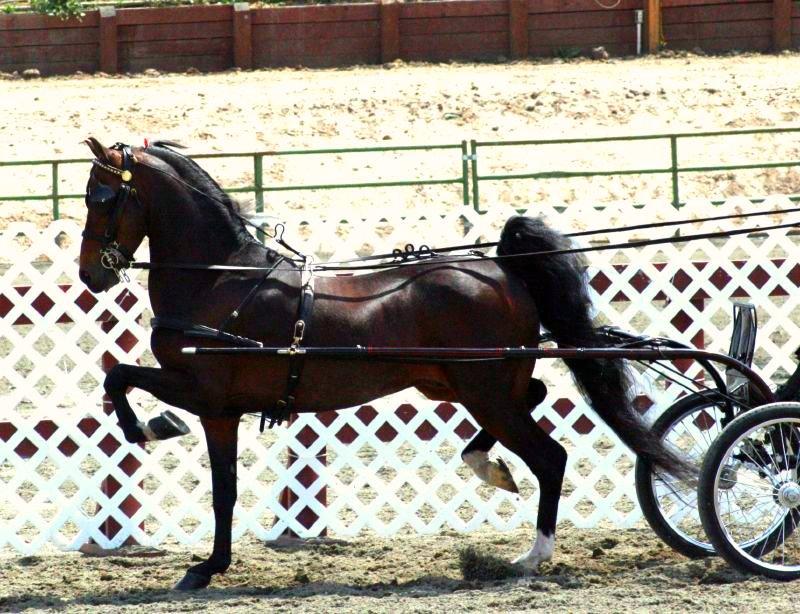
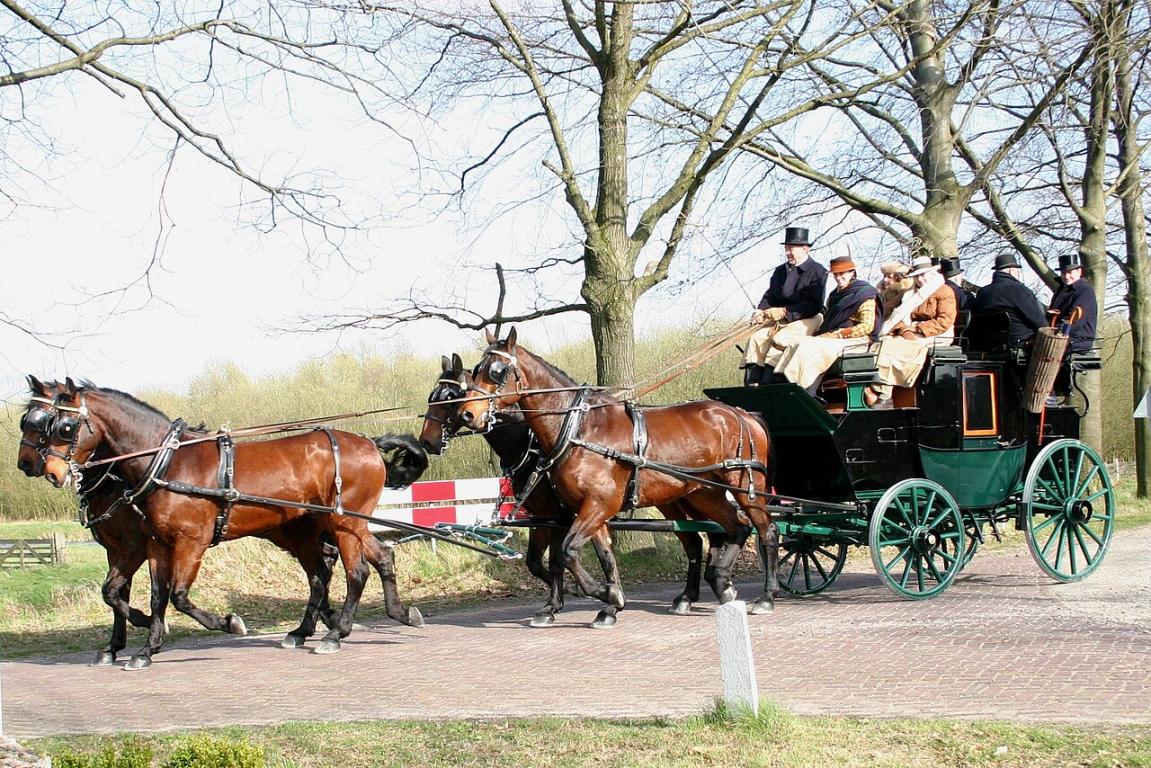
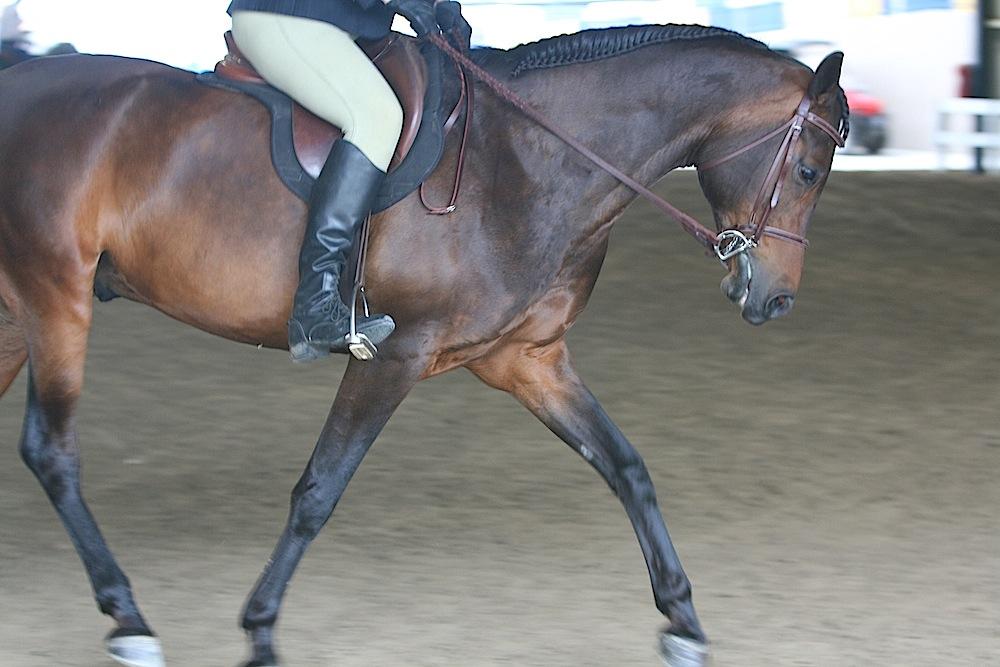
Its temperament supports its use in trail riding, TREC, driving and riding schools. The Auvergne Horse is valued as a willing partner, capable of carrying its rider comfortably and adapting to various leisure activities.
Accustomed to mid-altitude mountain conditions and extensive management, the breed is considered hardy and adaptable. As with any breed, however, an individual horse’s behaviour also depends on its education, living conditions and previous experiences.
The future of the Auvergne Horse depends primarily on maintaining a sufficiently large and genetically diverse breeding population. Since its numbers remain limited and breeding is concentrated mainly within its native region, managing inbreeding, monitoring bloodlines and attracting new breeders are important challenges.
The stud-book regulations govern selection to preserve the breed’s traditional conformation, bay coat, hardiness, functional abilities and temperament. The initial registration of horses meeting the standard may also help maintain a broader genetic base originating from the local population.
The breed’s development can build on its suitability for trail riding, TREC, driving and leisure riding. Its adaptation to mid-altitude mountain environments gives it a natural role in equestrian tourism in Auvergne and in activities promoting hardy local breeds.
Recognition of the Auvergne Horse as part of the region’s rural heritage may increase its visibility among the public and support its breeders. Breed shows, breeding competitions and events dedicated to regional horse breeds all contribute to its promotion.
It is not possible to predict substantial growth for the breed. Its prospects depend instead on gradual and carefully managed development, combining economic opportunities, a measured increase in births and the preservation of genetic diversity. Without sufficient demand or a new generation of breeders, its small population could remain a significant source of vulnerability.
To date, no hereditary disease specific to the Auvergne Horse is clearly identified in the official breed standard or stud-book regulations. It would therefore be unwise to attribute any particular disorder to the breed without veterinary research demonstrating a racial predisposition.
The Auvergne Horse is bred as a robust small mountain horse, traditionally kept under extensive farming conditions. However, its hardiness does not exempt it from routine care, including dental checks, vaccinations, responsible parasite management, hoof care and body-condition monitoring.
The main health-related concern involves managing a small population. Parentage monitoring and diversification of breeding bloodlines are important to limit increasing inbreeding and the possible expression of recessive hereditary disorders. This is a conservation risk that requires monitoring, but it does not mean that current horses systematically suffer from genetic disorders.
Breeding stallions undergo parentage verification and testing for the Extension and Agouti coat-colour genes. These analyses are mainly intended to preserve the bay coat required by the breed standard; they do not constitute screening for a disease specific to the breed.