
What you can share
A correction, a local insight, a photograph, a historical detail, or a breeder’s or rider’s testimony: any serious and useful contribution can help enrich the encyclopedia.
A living encyclopedic project
Explore a living encyclopedia dedicated to horses, ponies, and donkeys from around the world. This project brings together breed profiles, historical context, uses, origins, and reference material to better understand the richness of equine heritage.
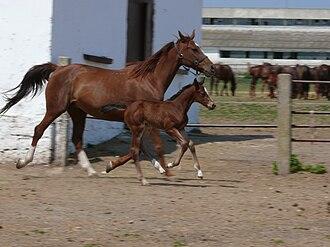
East Bulgarian
Bulgaria
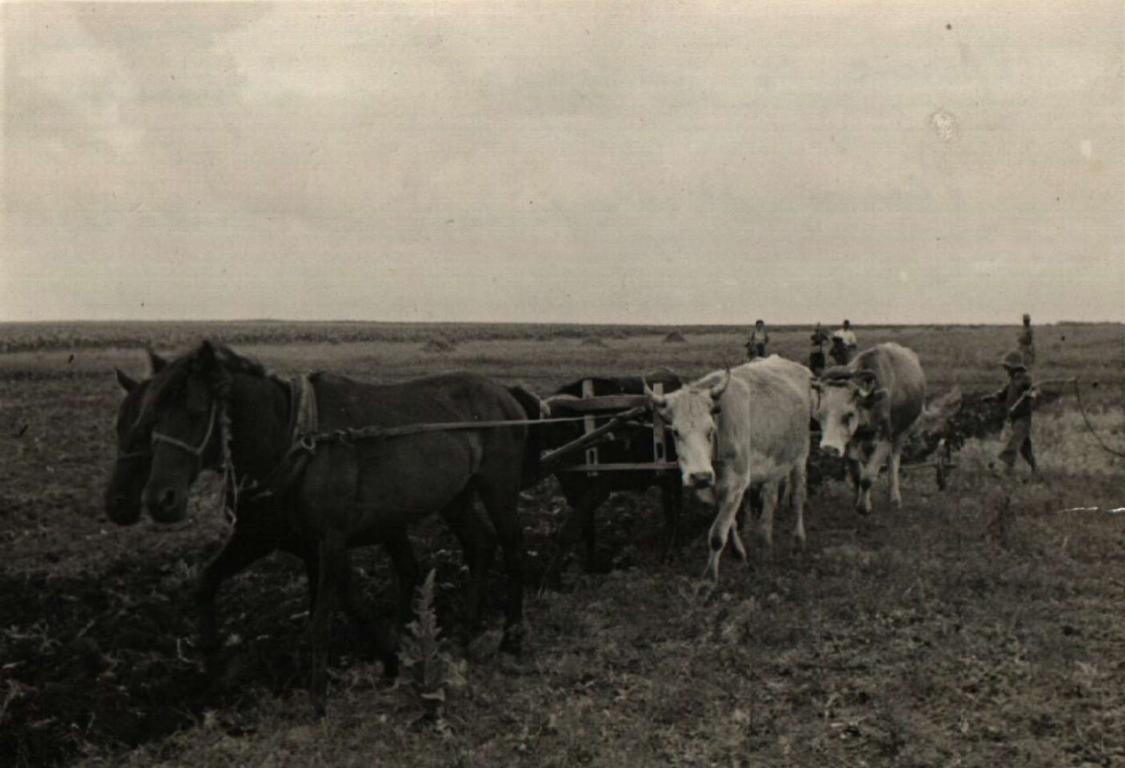
Bulgarian Draft Horse
Bulgaria
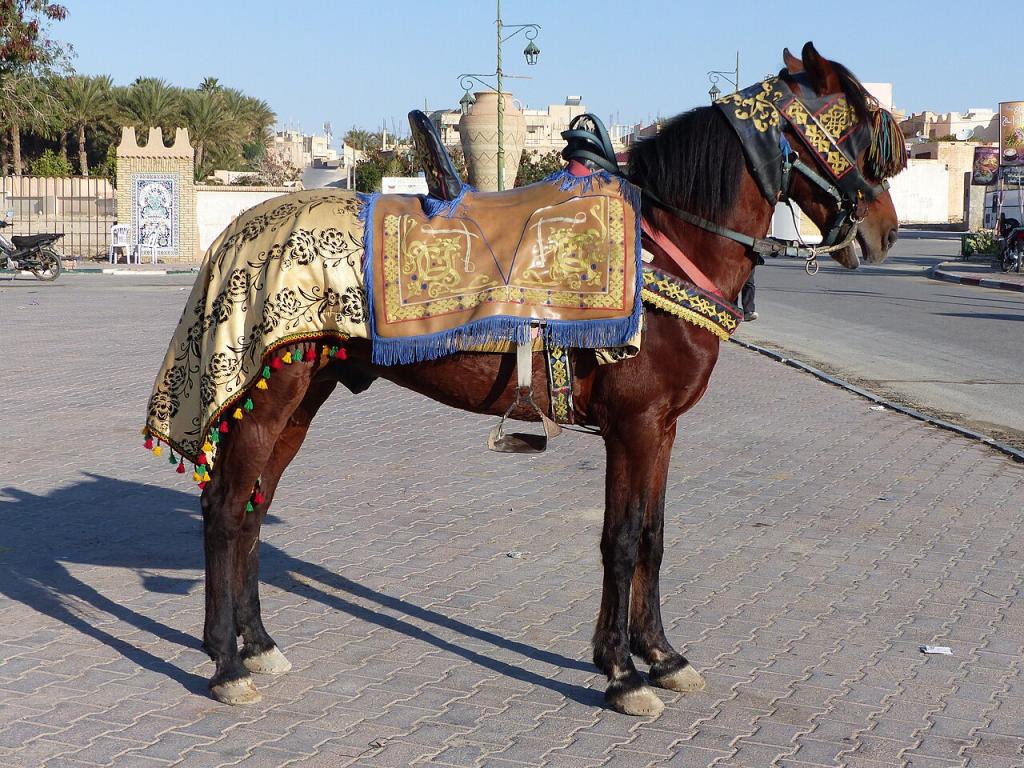
Barb Horse
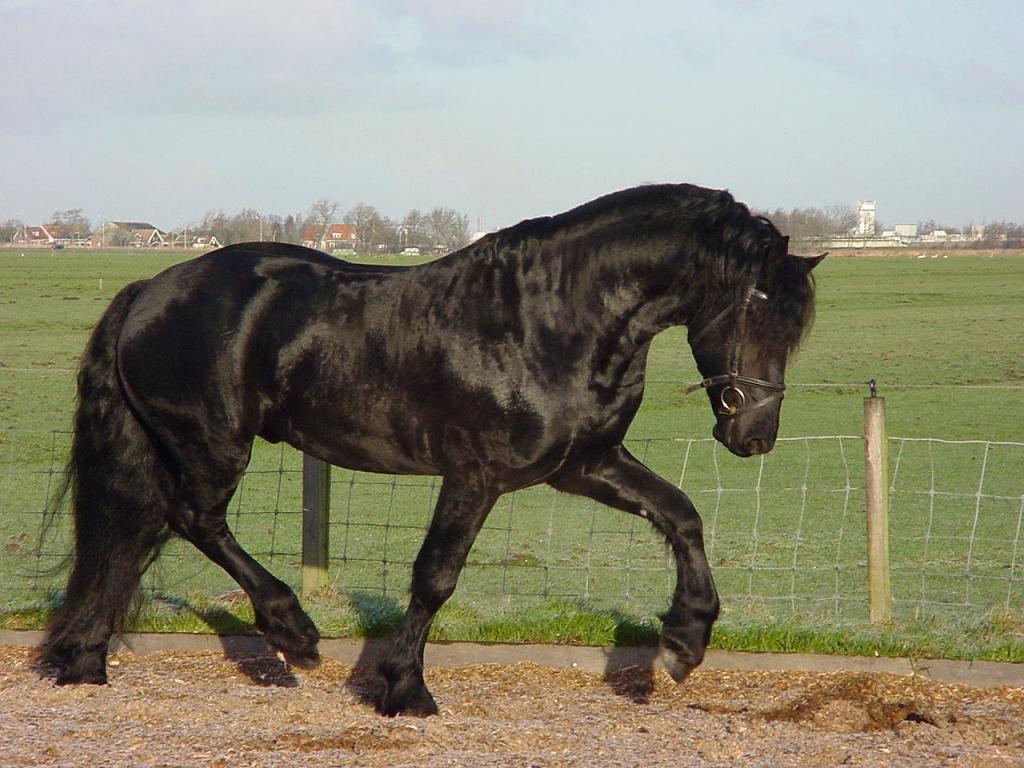
Friesian
Netherlands
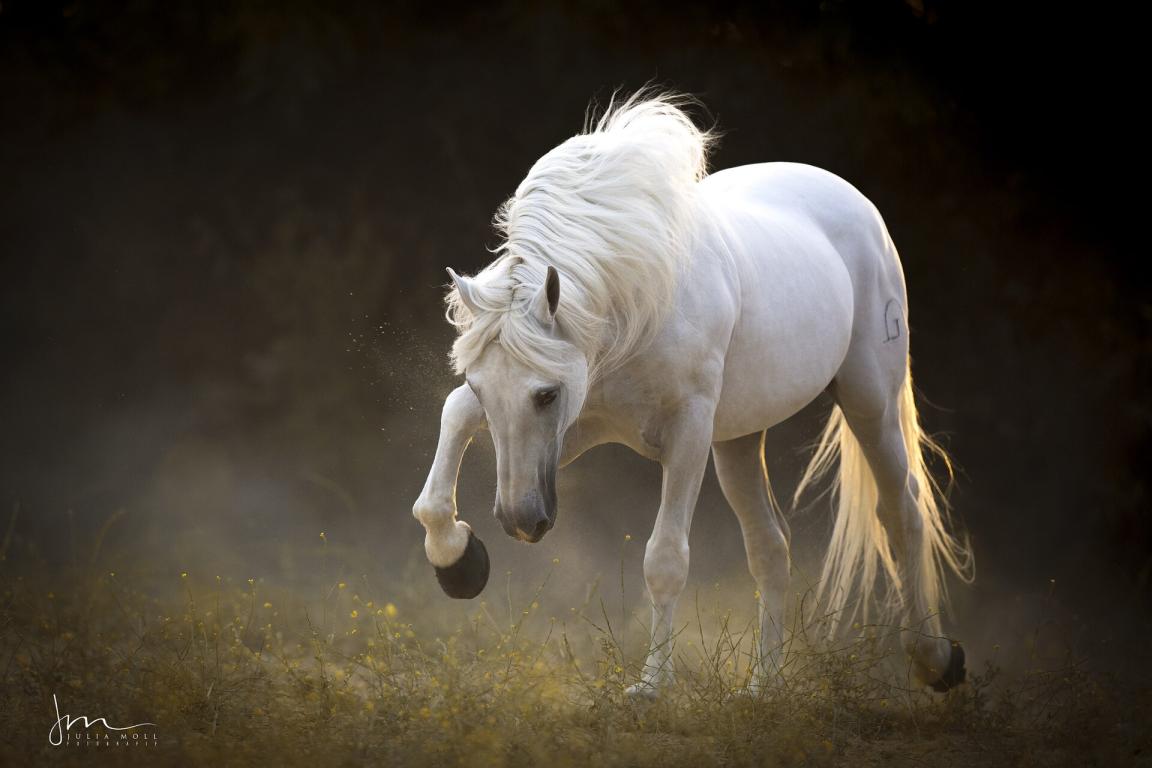
Pura Raza Española (PRE) - Andalusian horse
Spain
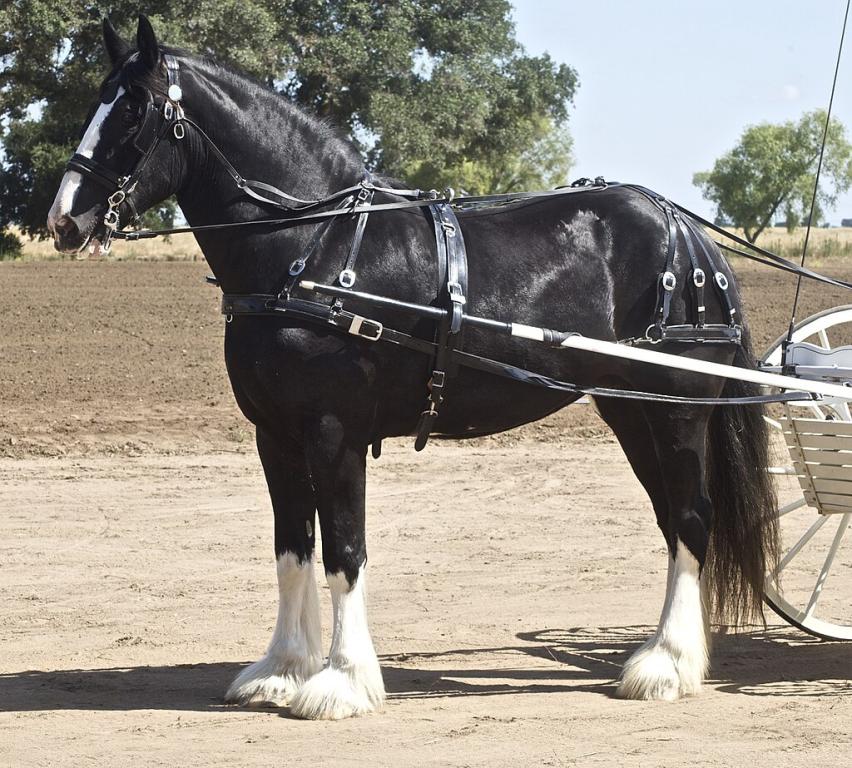
Shire
United Kingdom
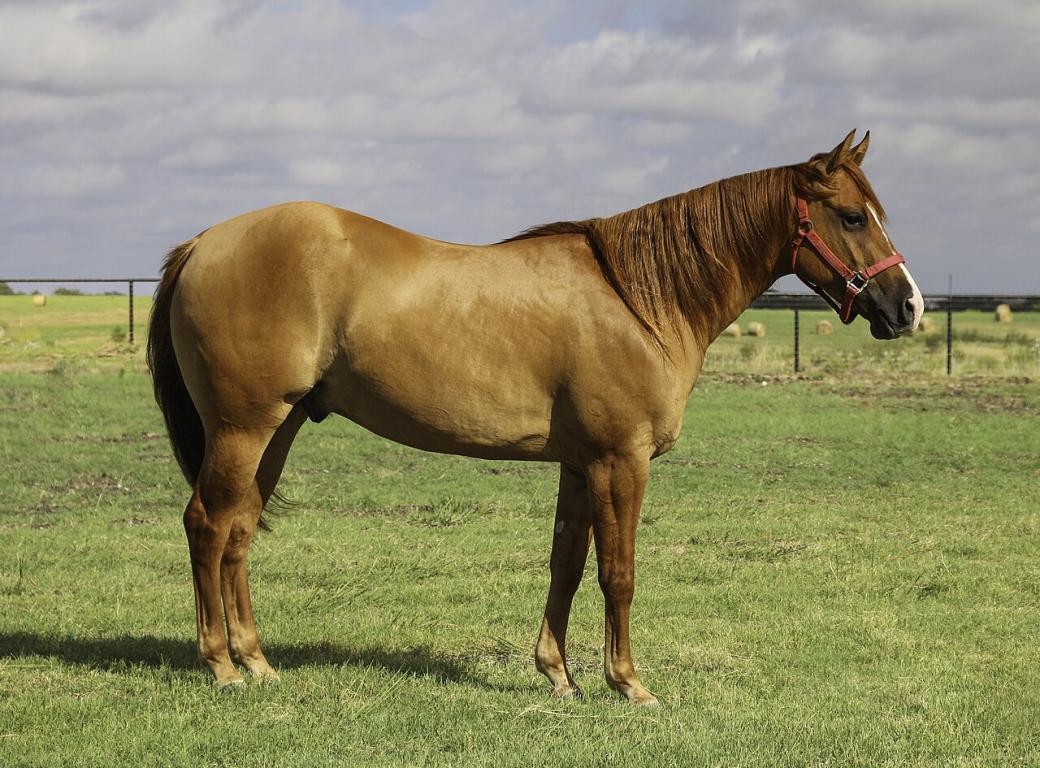
American Quarter Horse
United States
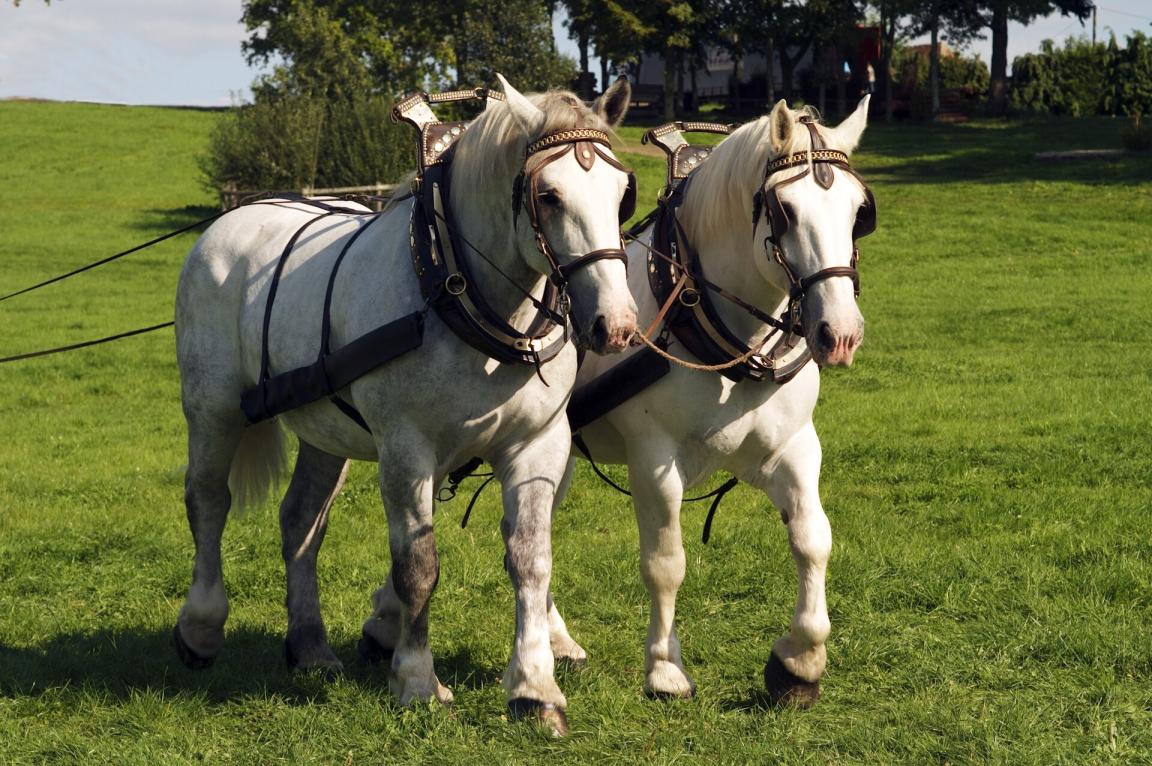
Percheron
France
Chevaux du Monde is an evolving encyclopedia designed to document and illustrate equine breeds from across the world. It is not just a list of names: the goal is to connect each animal to its history, environment, morphology, and the human uses that shaped its development.
The project is meant to remain open, flexible, and useful. Rather than claiming to be definitive, it aims to offer a clear, well-structured resource that can grow over time through research, updates, and contributions.
Explore all breeds from A to ZThe encyclopedia includes riding horses, draft horses, sport breeds, local landraces, hardy ponies, and donkeys. It does not follow a rigid or closed system: if a breed has historical, cultural, or practical relevance, it may deserve a place here.
A breed is rarely accidental. It reflects adaptation to climate, terrain, work, riding style, breeding choices, and local needs. Some breeds were developed for pulling, others for speed, stamina, mountain travel, cavalry, or livestock work.
Not always. Some breeds are well documented through studbooks and formal standards, while others survive through local traditions, partial records, or reconstructed histories. Uncertainty is often part of the story.
The profiles are not fixed forever. They can be expanded, corrected, or refined over time. This flexibility is part of the project itself: to understand better, compare more carefully, and build a resource that becomes more useful with every revision.
Learn about the East Bulgarian Horse, a rare sport breed from the Balkans, with its history, traits, and uses …
View profile ›
The Bulgarian Draft, a cross of Russian and Ardennes bloodlines, was officially recognized only in the 21st ce…
View profile ›
Discover the Barb, an ancestral North African horse: history, conformation, temperament, uses, genetic diversi…
View profile ›
The Friesian is a black Dutch horse with abundant mane and feathering. Explore its history, conformation, temp…
View profile ›
The Andalusian horse (PRE) is renowned for its elegance, gentle temperament and expressive gaits. Discover its…
View profile ›
Discover the Shire, a giant and elegant English draft horse, famed for its strength, towering stature, and cal…
View profile ›
The Quarter Horse is the ultimate American horse, famous for its power, sprinting speed, and exceptional versa…
View profile ›
Discover the Percheron, a French draft horse breed renowned for its strength, elegance, and versatility. Info …
View profile ›Some equine breeds are now at risk of disappearing. Their populations may be very small, their original uses may have declined, or their survival may depend on only a few dedicated breeders. Highlighting these breeds also means helping preserve living heritage.
Discover endangered breedsA correction, a local insight, a photograph, a historical detail, or a breeder’s or rider’s testimony: any serious and useful contribution can help enrich the encyclopedia.
You do not need to be a formal expert to contribute. What matters is relevance, clarity, good faith, and a real desire to document the world of equines more accurately.
If you have a question, a correction, or would like to contribute to the project, you can write directly to the address below.
contact@chevauxdumonde.com