
1. Base coats
The three main base coats are chestnut, bay, and black. They primarily depend on the production of black pigment and how it is distributed throughout the coat.
Guide to equine coat colors
Discover how the different horse coat colors are produced. Learn to distinguish a base coat, a genetic dilution, a white spotting pattern, or a leopard complex pattern, then explore the breeds that can display each appearance.
A horse’s coat color is its visible colored appearance: the color of its body hair, mane and tail, skin pigmentation, eye color, and any white areas, spots, or intermingled hairs. It is the observable result, not a single genetic mechanism.
The final appearance generally results from a base coat affected by one or more dilution, white spotting, or modifier genes. Two horses that look similar may therefore carry different genetic combinations.
The three main base coats are chestnut, bay, and black. They primarily depend on the production of black pigment and how it is distributed throughout the coat.
The Cream, Dun, Champagne, Silver, and Pearl genes lighten or alter certain pigments. Their effect varies according to the base coat and, for some genes, the number of inherited copies.
Tobiano, frame overo, sabino, and splashed white produce unpigmented white areas. They are white spotting patterns, not dilutions.
The leopard complex, gray, roan, mealy coloring, flaxen mane and tail, and the sooty effect alter the coat’s appearance through distinct mechanisms.
Example: chestnut base + one copy of the Cream gene = palomino coat.
Chestnut, bay, and black are the three main genetic base coats. Dilutions, white patterns, progressive lightening, and other modifiers can then alter or overlay this underlying color.
A tan to brown body with a black mane, black tail, and black lower legs.
View all horse breeds with the bay coat
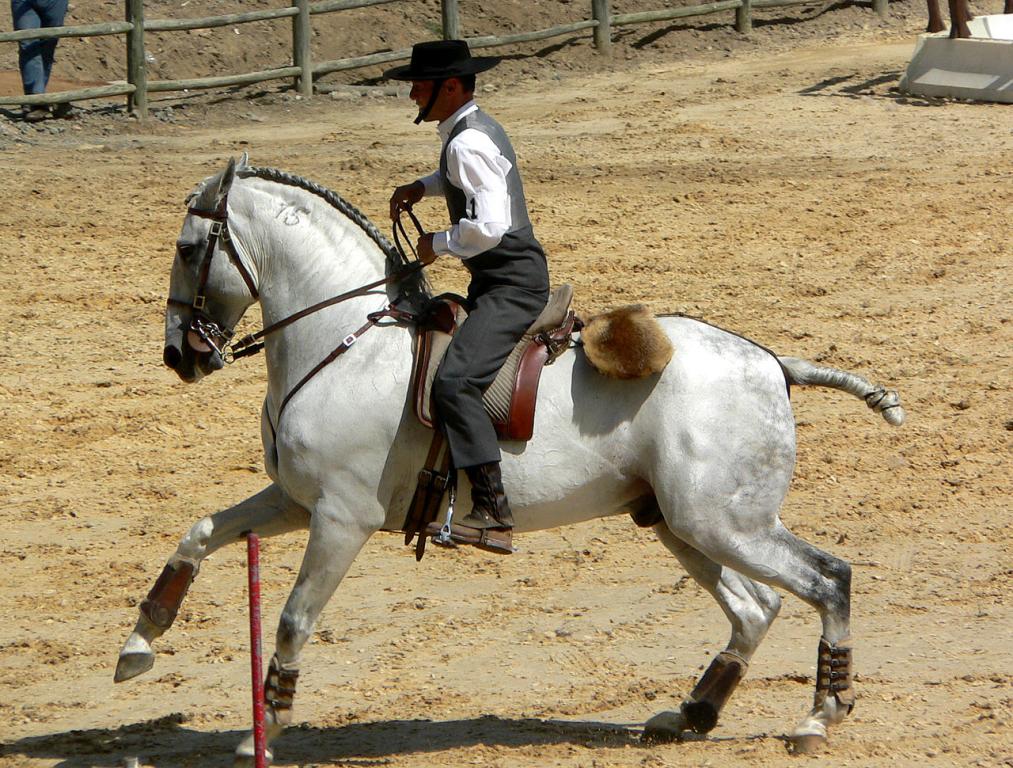
Why is the Lusitano so valued in dressage? Elegant and versatile, discover this Portuguese horse and its unique qualities.
View breed ›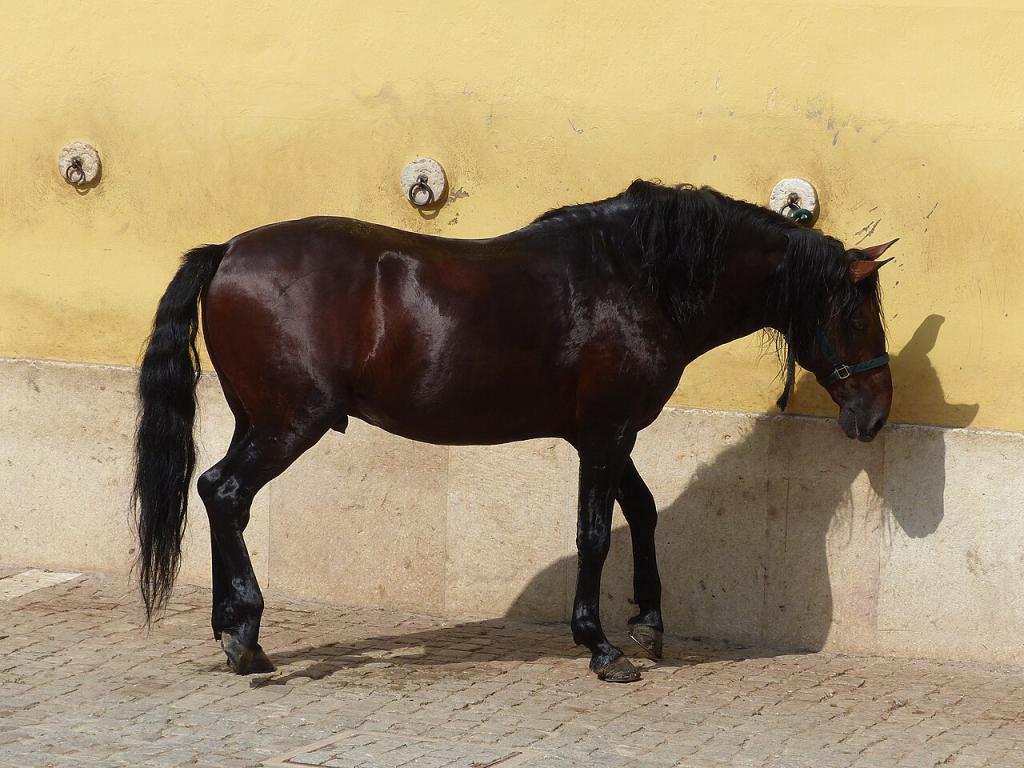
Discover the Alter Real, an elegant and powerful Portuguese baroque horse, descendant of the Lusitano, admired in classical dressage and haute école.
View breed ›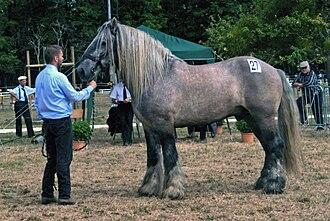
Discover the Poitevin Mulassier, an iconic French draft horse from the Marais Poitevin, known for its strength, rarity, and role in mule breeding.
View breed ›A coat composed of entirely black body hairs, mane, and tail, with dark skin.
View all horse breeds with the black coat
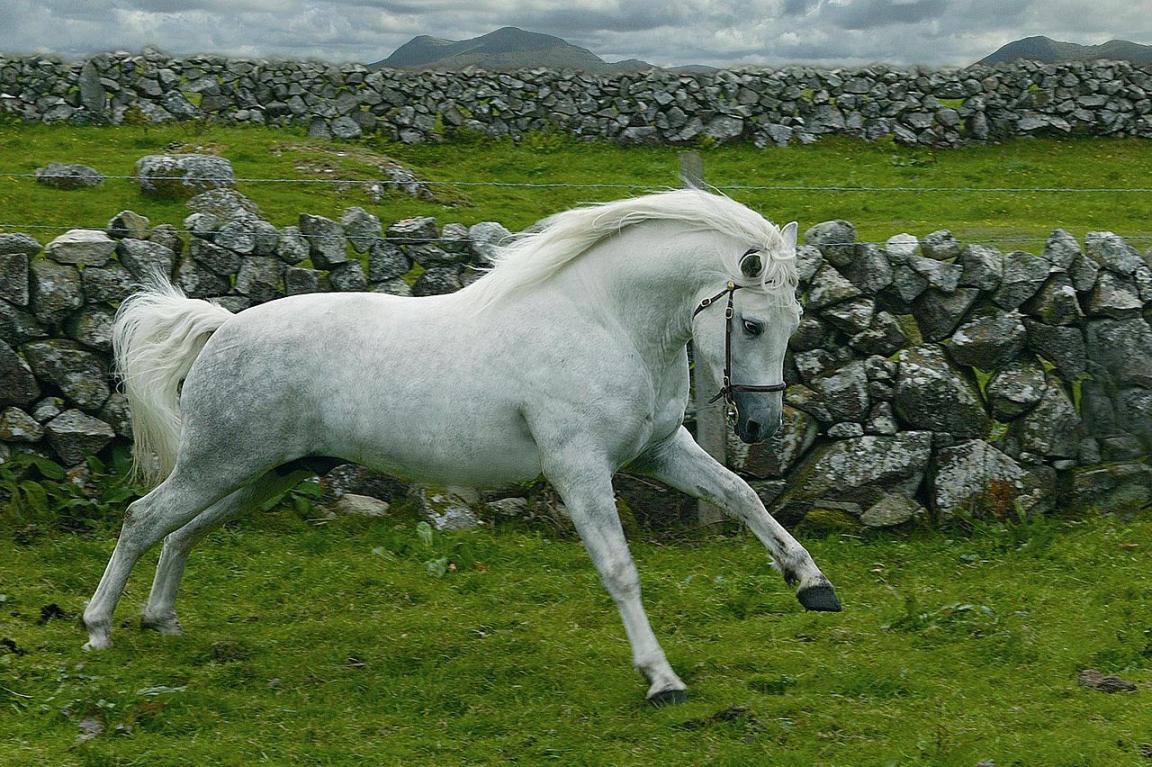
The Connemara, Ireland's only native breed, descends from Viking ponies and Andalusian horses from the 1588 Spanish Armada shipwreck. Olympic medallist in 1968, it's the ultimate sport pony.
View breed ›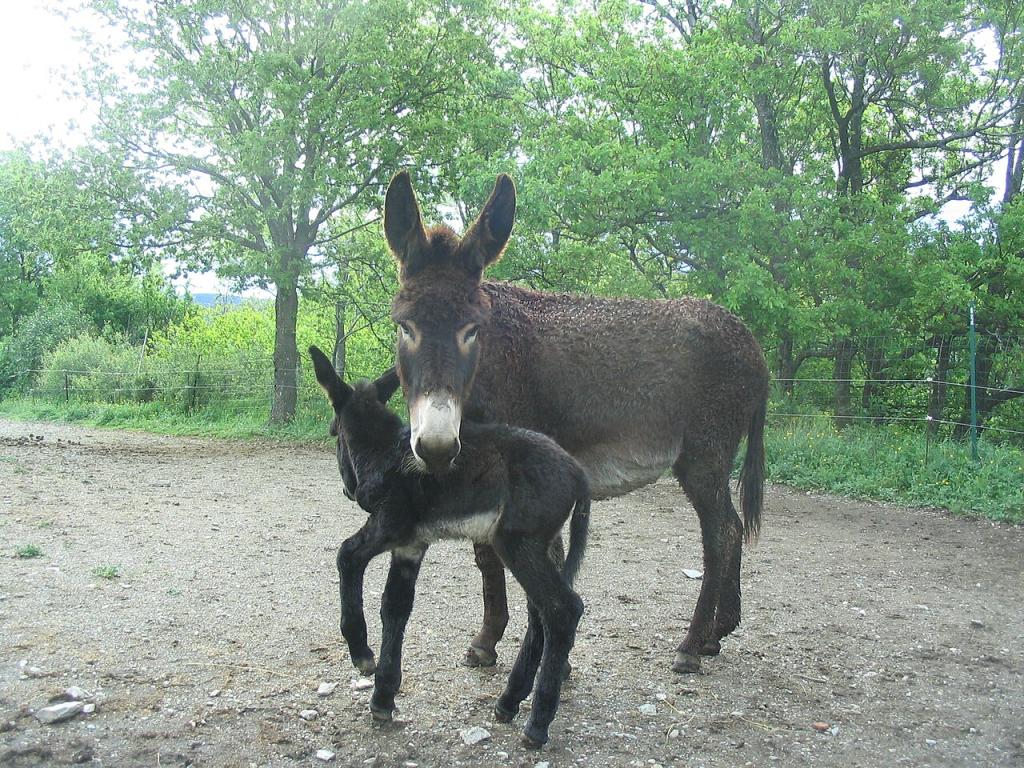
The Ase Català is one of the world's largest donkey breeds. Discover its origin, temperament, history and unique characteristics.
View breed ›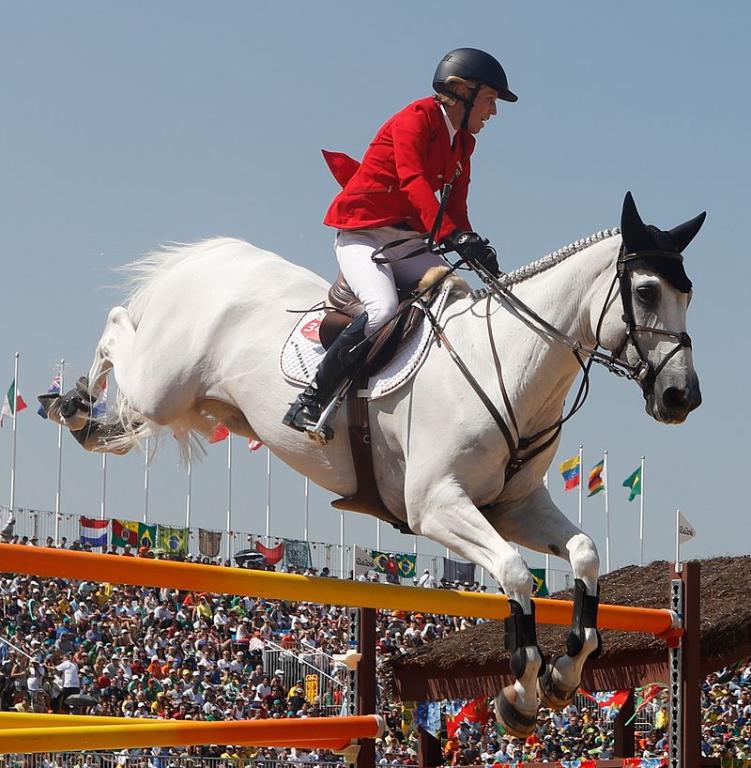
Discover the Swedish Warmblood, a versatile sport horse from Sweden, renowned for its abilities in show jumping, dressage, and eventing.
View breed ›A red to reddish-brown coat with a matching, lighter, or darker mane and tail, but no black points.
View all horse breeds with the chestnut / sorrel coat
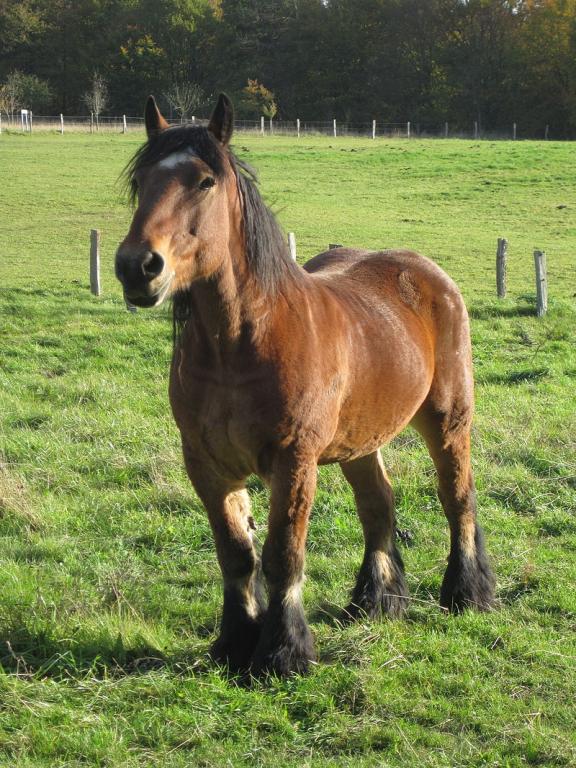
Why is the Ardennes horse so strong? Discover this powerful draft horse from the Ardennes and its many uses.
View breed ›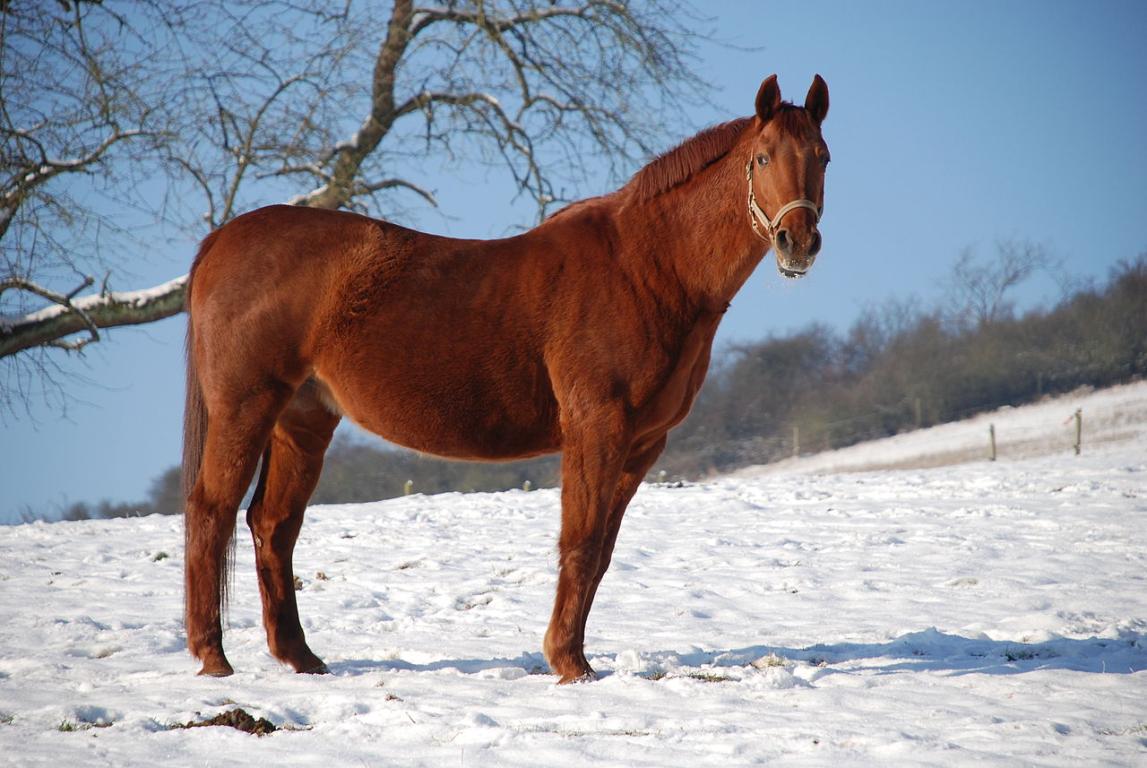
Discover the Rhenish Warmblood, a German sport horse bred for dressage, show jumping and eventing, with athletic ability and rideability.
View breed ›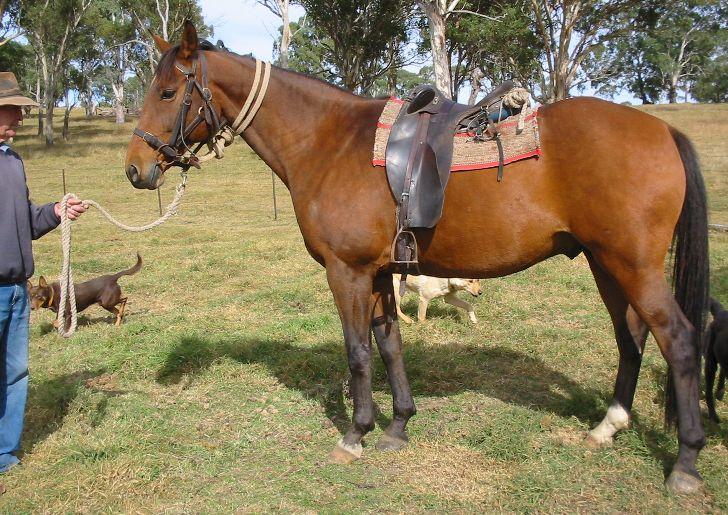
Discover the Australian Stock Horse, a versatile Australian breed. Size, weight, build, and key traits of this exceptional horse.
View breed ›The Cream gene modifies the horse’s base coat. The visible result depends on the original color and whether the horse inherits one or two Cream alleles.
A tan to golden coat with a black mane, tail, and lower legs, produced by one cream allele on a bay base.
View all horse breeds with the buckskin coat
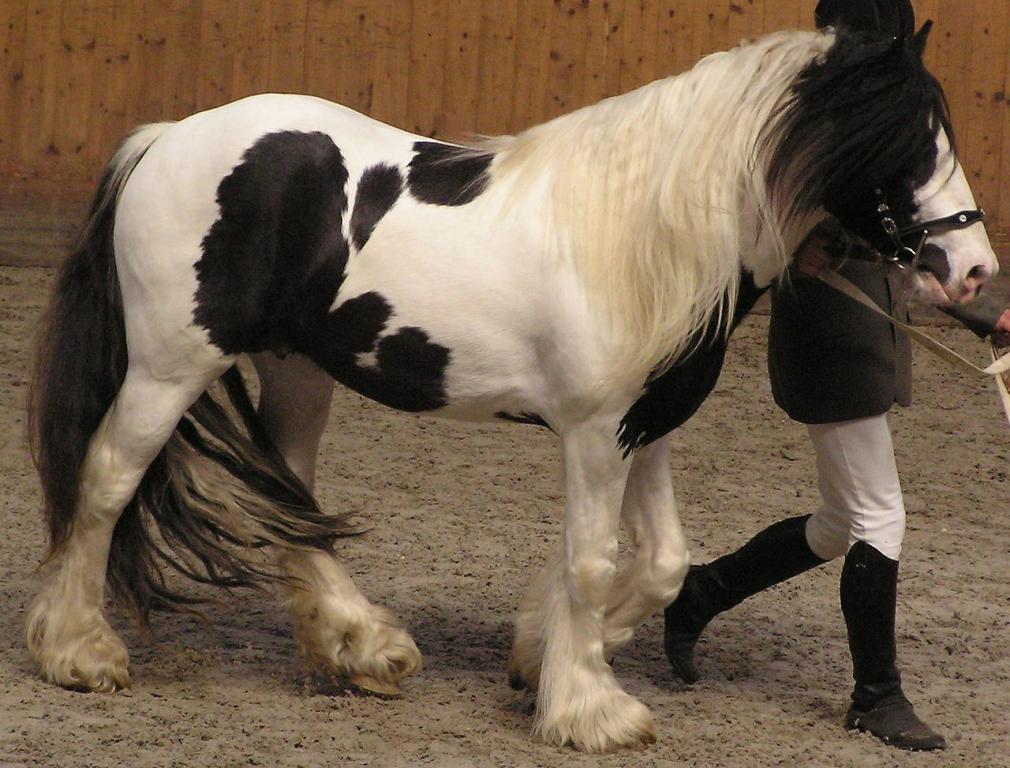
Why is the Irish Cob so loved? Gentle, hardy and versatile, this horse with abundant feathering is ideal for riding and driving.
View breed ›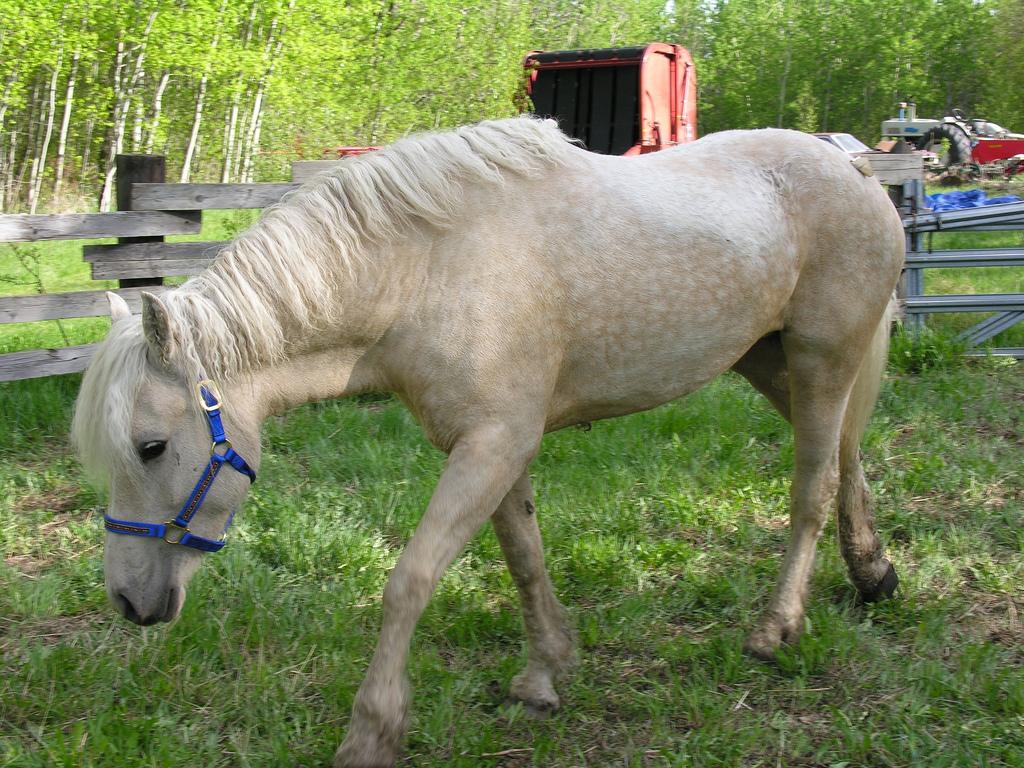
Discover the North American Curly Horse, a hardy and hypoallergenic breed known for its unique curly coat, intelligence, and gentle temperament.
View breed ›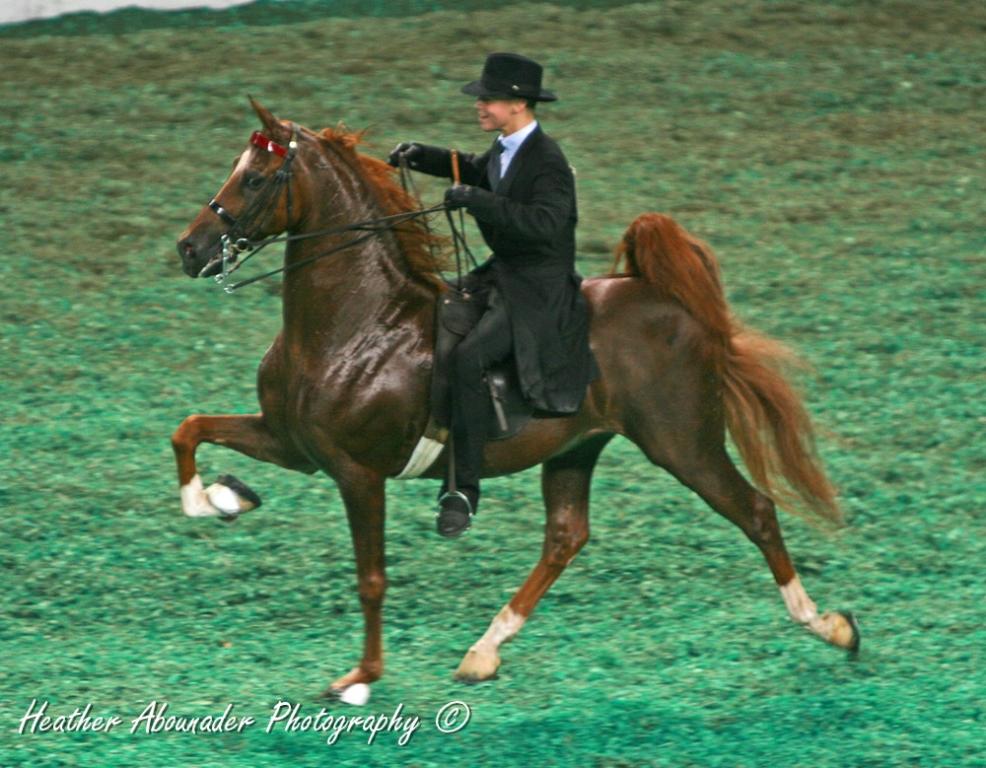
Discover the American Saddlebred, an elegant and expressive saddle horse, famous for its high-stepping gaits and iconic role in equestrian shows.
View breed ›A chestnut base with two cream alleles, producing a very pale cream coat and mane, pink skin, and usually blue eyes.
View all horse breeds with the cremello coat
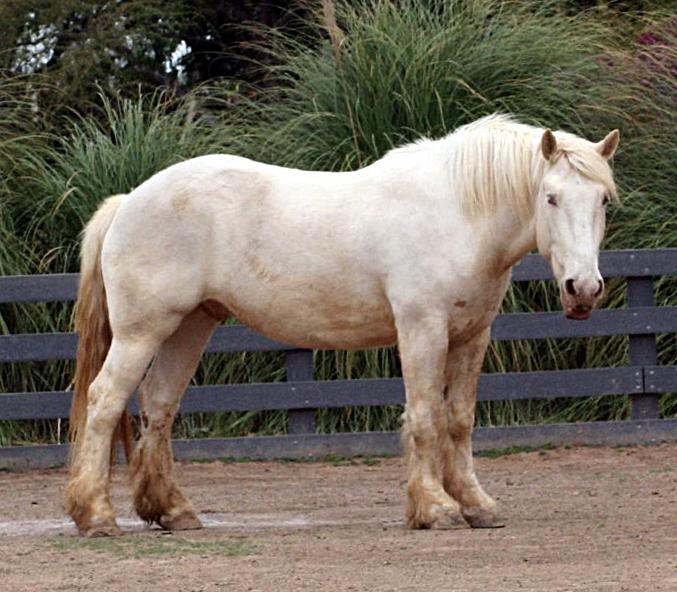
Strength, gentleness, and a remarkable coat: discover the history and characteristics of the American Cream Draft, an iconic American horse breed.
View breed ›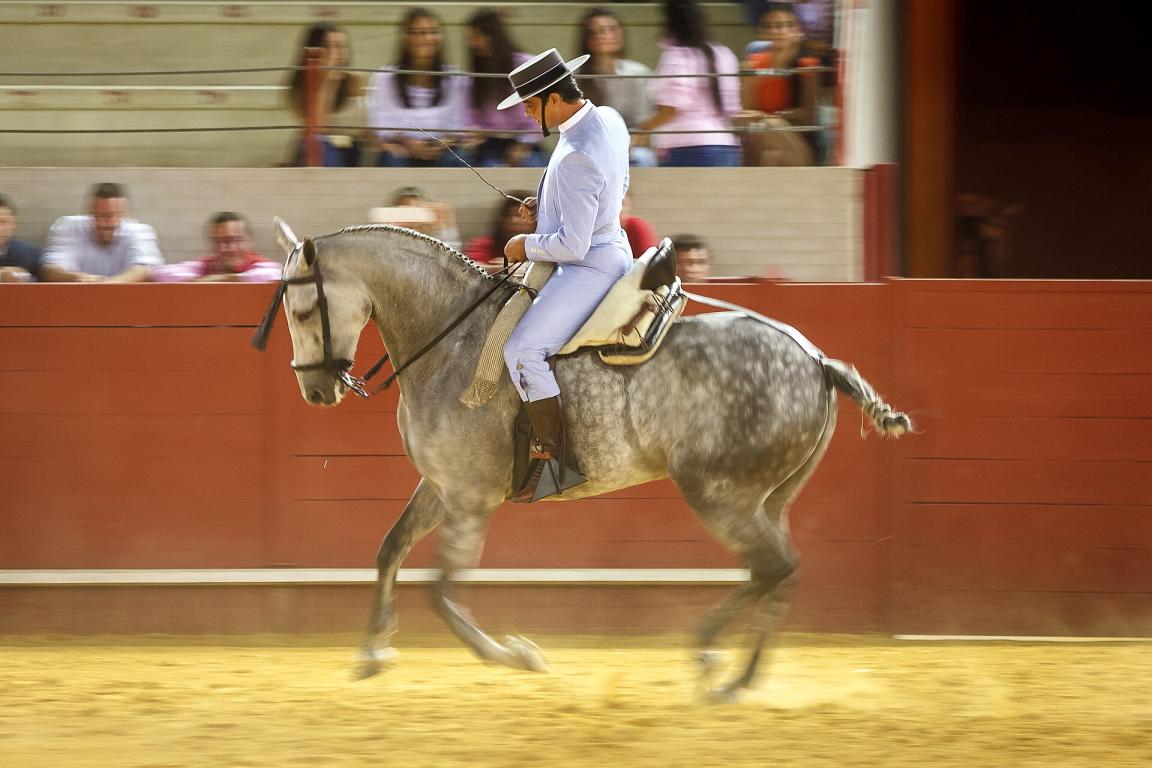
Discover the Hispano-Arabian, also known as the Aralusian, a Spanish sport horse from PRE and Arabian bloodlines, valued for doma vaquera, endurance and TREC.
View breed ›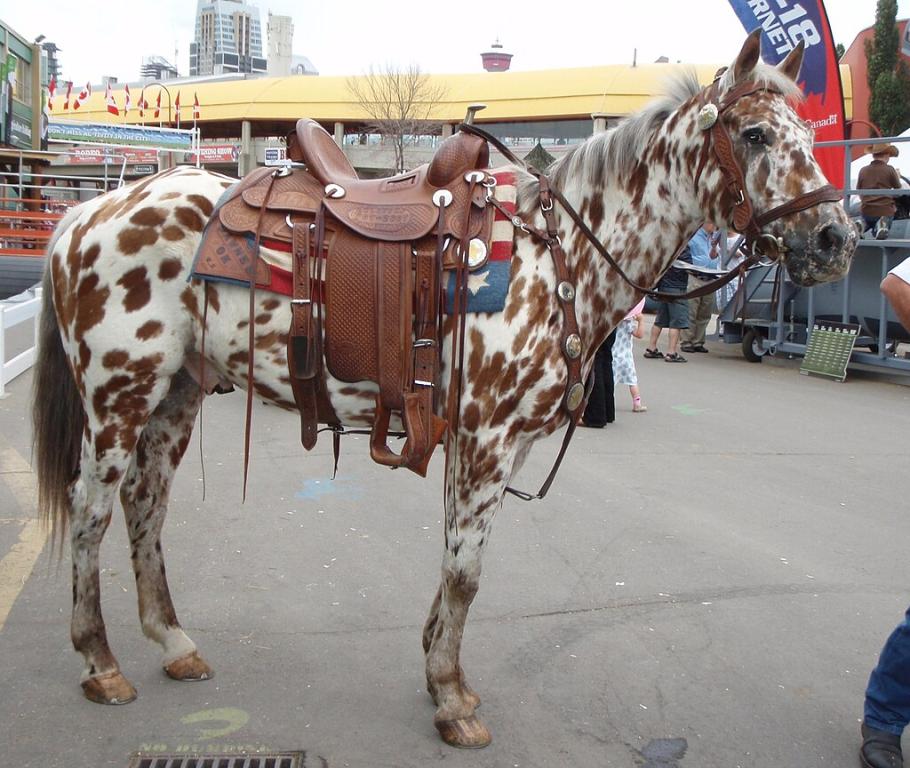
Discover the Colorado Ranger, an American horse known for its versatility, strength, and the refined elegance inherited from its Arabian and Quarter Horse ancestry.
View breed ›Golden coat with cream or white mane/tail, dark skin.
View all horse breeds with the palomino coat
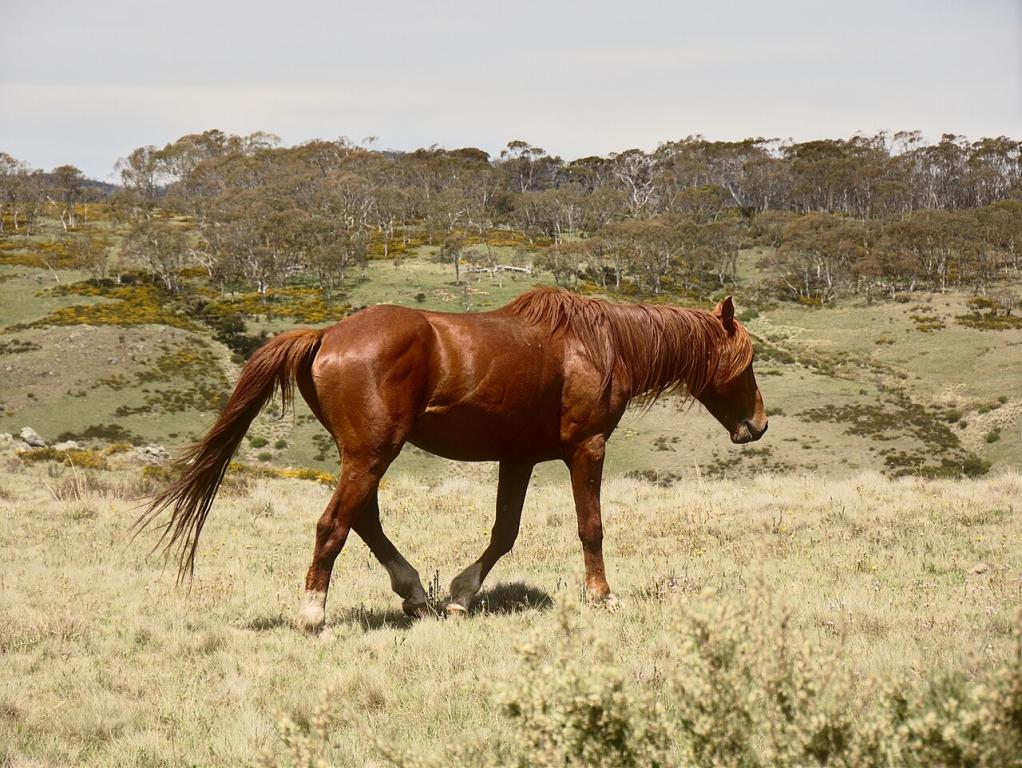
The Brumby, Australia’s wild horse, sparks debate: heritage or invasive species? Discover its origin and the challenges it represents today.
View breed ›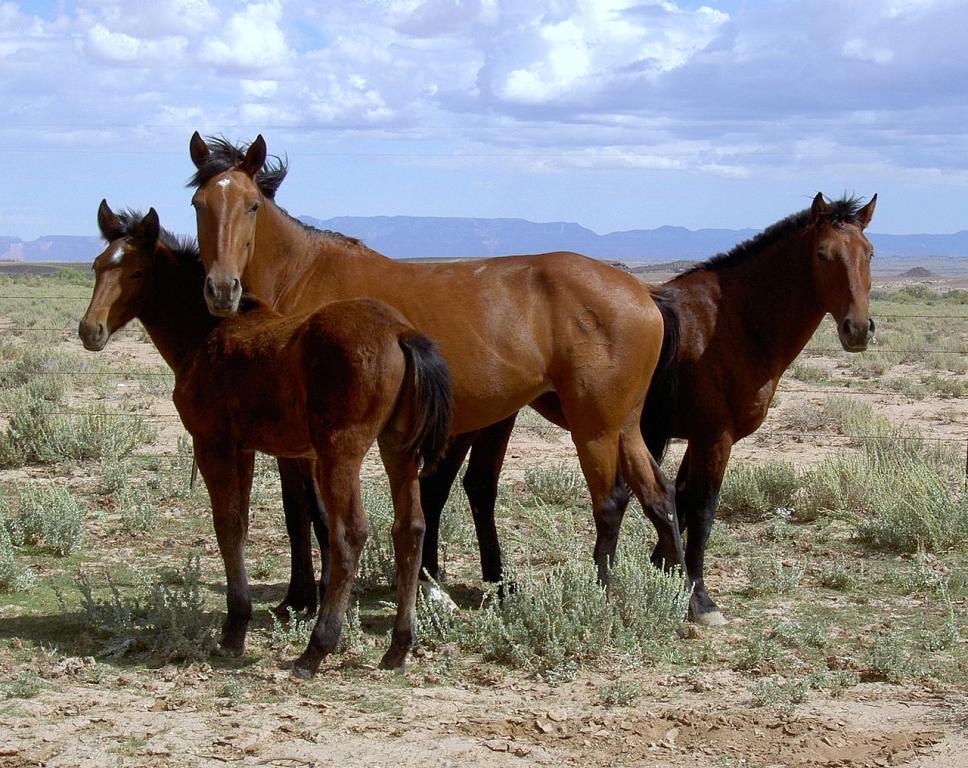
Discover the Mustang, America’s wild horse, a symbol of freedom and endurance, still roaming across the Western United States.
View breed ›
Discover the Hispano-Arabian, also known as the Aralusian, a Spanish sport horse from PRE and Arabian bloodlines, valued for doma vaquera, endurance and TREC.
View breed ›A bay base with two cream alleles, producing a very pale cream coat, sometimes slightly darker or reddish points, pink skin, and usually blue eyes.
View all horse breeds with the perlino coat
Why is the Lusitano so valued in dressage? Elegant and versatile, discover this Portuguese horse and its unique qualities.
View breed ›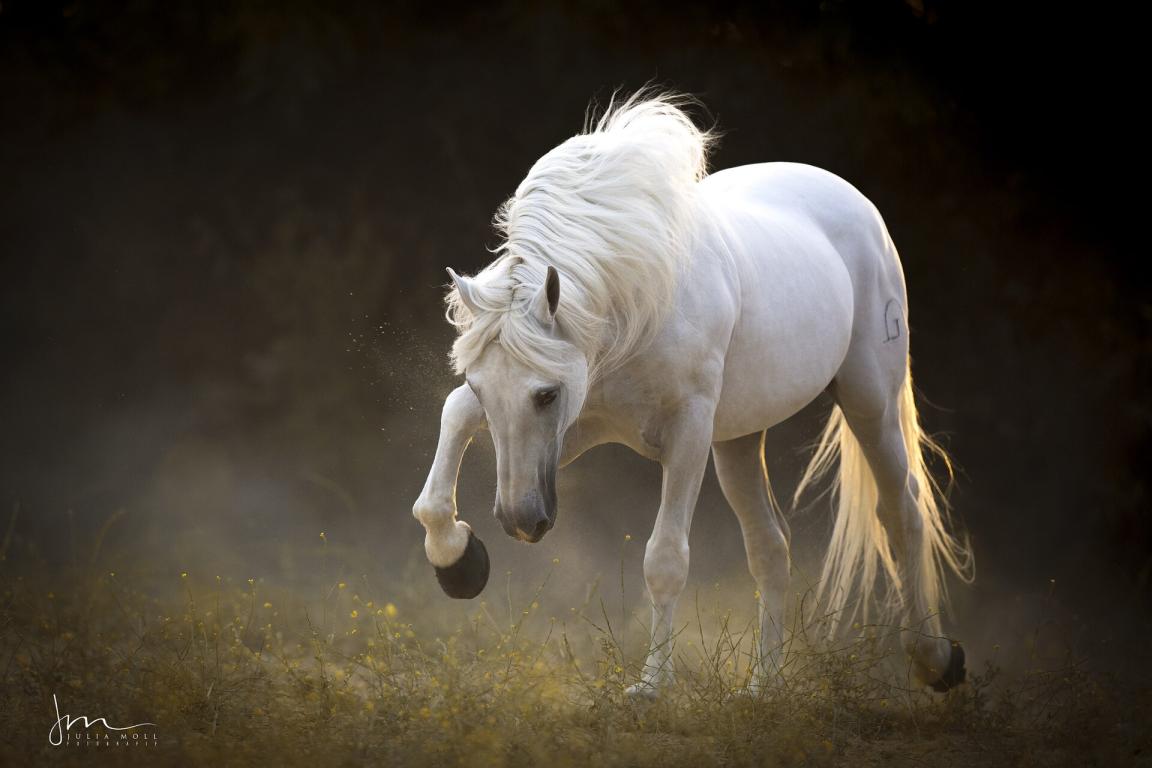
The Andalusian horse (PRE) is renowned for its elegance, gentle temperament and expressive gaits. Discover its role in dressage and Spanish riding tradition.
View breed ›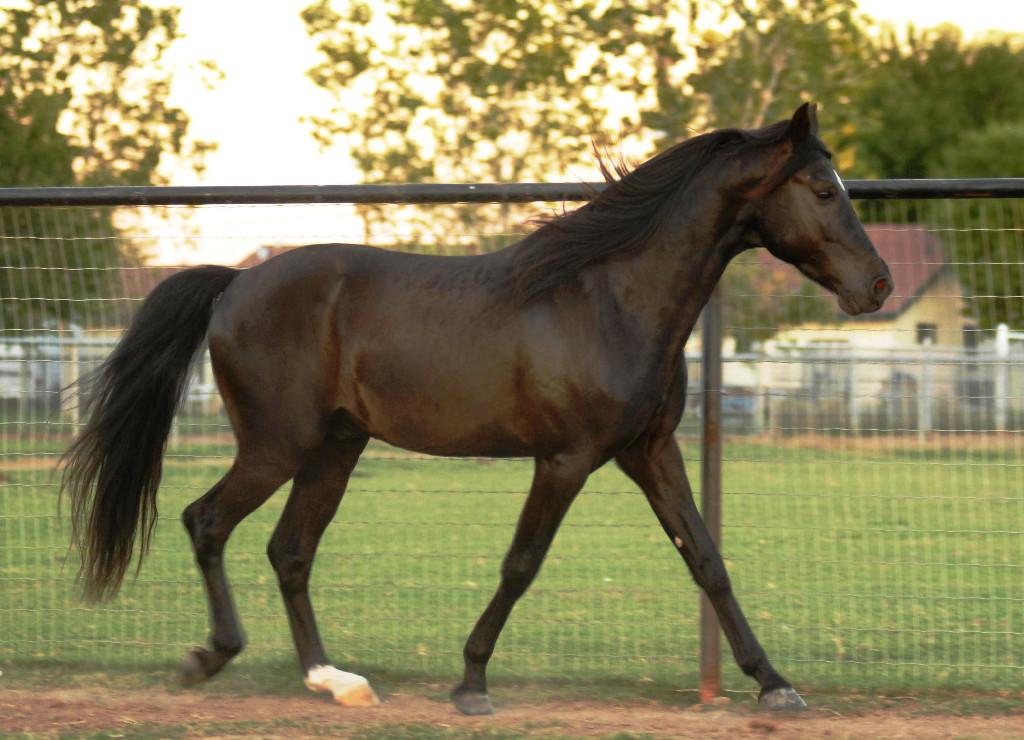
Why is the Missouri Fox Trotter so comfortable? Discover this smooth gaited horse, perfect for trail riding and western riding.
View breed ›Black coat with one cream gene; resembles regular black.
View all horse breeds with the smoky black coat
Why is the Irish Cob so loved? Gentle, hardy and versatile, this horse with abundant feathering is ideal for riding and driving.
View breed ›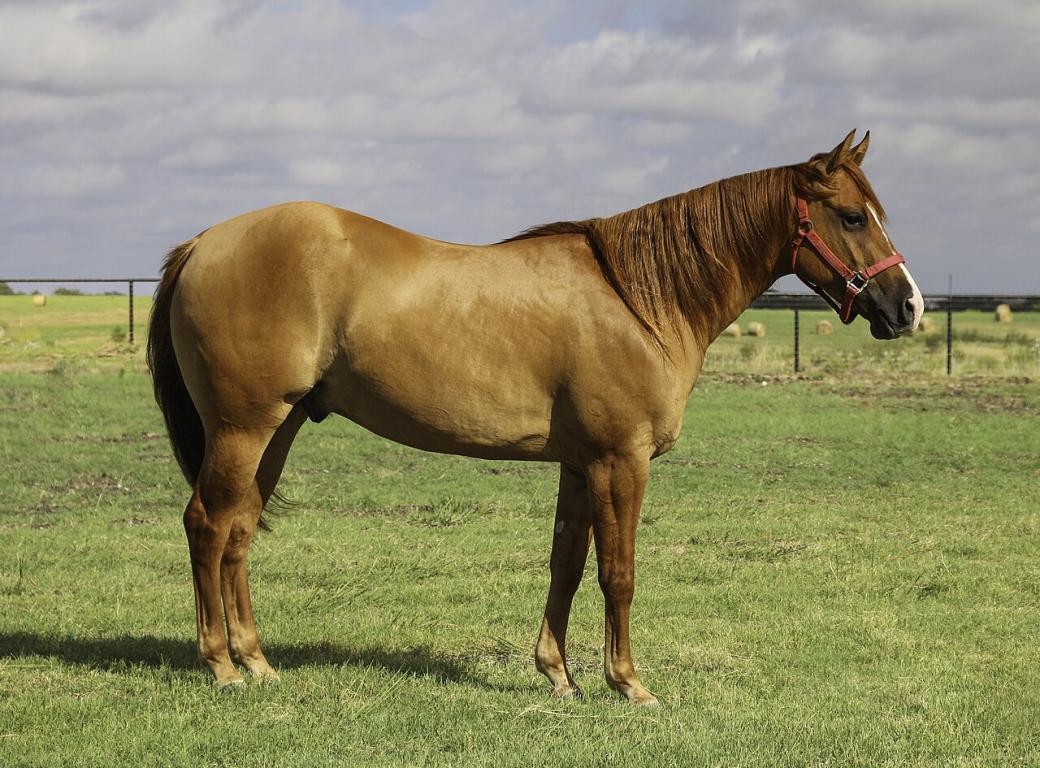
The Quarter Horse is the ultimate American horse, famous for its power, sprinting speed, and exceptional versatility.
View breed ›
Discover the American Saddlebred, an elegant and expressive saddle horse, famous for its high-stepping gaits and iconic role in equestrian shows.
View breed ›A black base with two cream alleles, producing a very pale cream coat, pink skin, and usually blue eyes.
View all horse breeds with the smoky cream coat
Discover the Hispano-Arabian, also known as the Aralusian, a Spanish sport horse from PRE and Arabian bloodlines, valued for doma vaquera, endurance and TREC.
View breed ›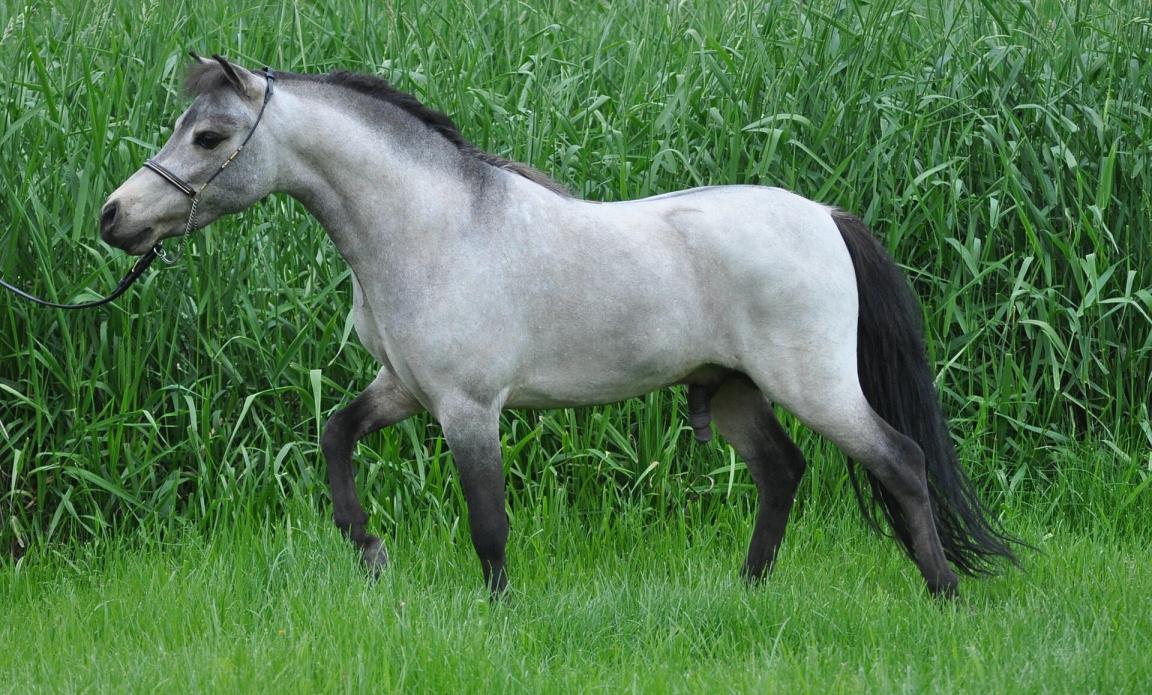
Discover the American Miniature Horse, an elegant and intelligent miniature horse under 86 cm tall, admired for its beauty and gentle temperament.
View breed ›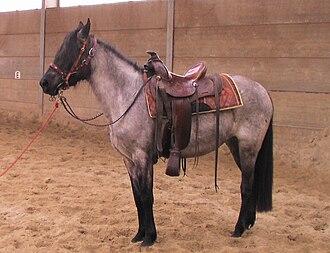
Discover the Kentucky Mountain Saddle Horse, an American breed renowned for its exceptionally smooth gait, gentle temperament, and versatility.
View breed ›Dun, Silver, Champagne, and Pearl modify particular pigments in the base coat. Some entries explain an overall dilution mechanism, while others describe a specific visible result.
A tan or yellow coat with dark points, a dorsal stripe, and often primitive markings such as leg barring.
View all horse breeds with the bay dun / yellow dun coat
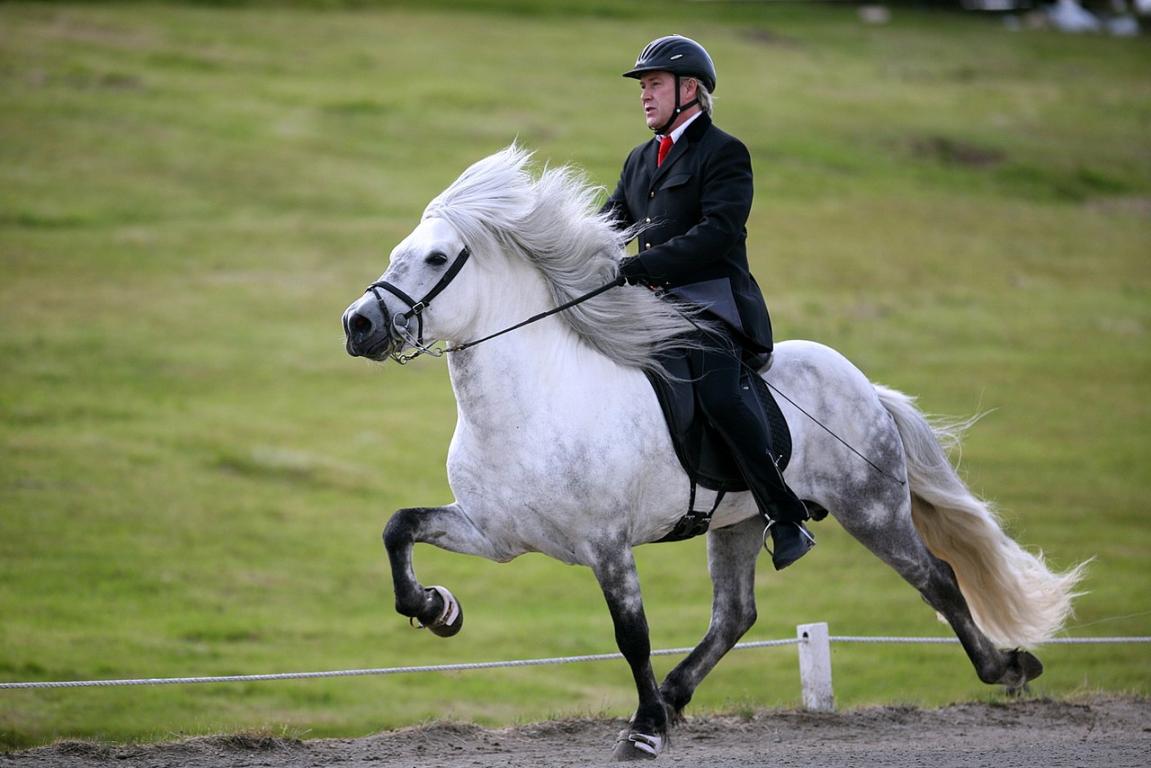
Discover the Icelandic Horse, Iceland’s iconic breed, renowned for its unique gaits (tölt and pace), hardiness, and gentle temperament. Complete information on its origin, traits, and uses.
View breed ›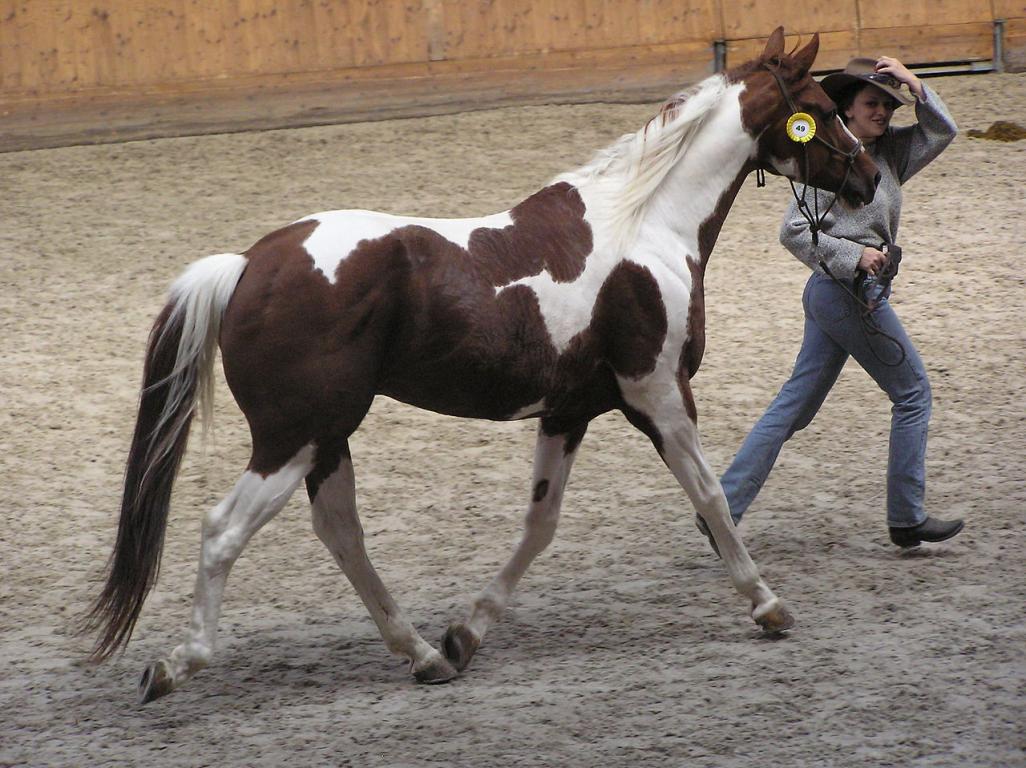
The Paint Horse, an American breed recognized for its pinto coat and versatility, excels in western riding, leisure, and competitions.
View breed ›
Discover the American Miniature Horse, an elegant and intelligent miniature horse under 86 cm tall, admired for its beauty and gentle temperament.
View breed ›A dilution producing an often metallic-looking coat, pink skin that develops freckles, and eyes that are usually amber or hazel.
View all horse breeds with the champagne coat
Discover the Australian Stock Horse, a versatile Australian breed. Size, weight, build, and key traits of this exceptional horse.
View breed ›
Why is the Irish Cob so loved? Gentle, hardy and versatile, this horse with abundant feathering is ideal for riding and driving.
View breed ›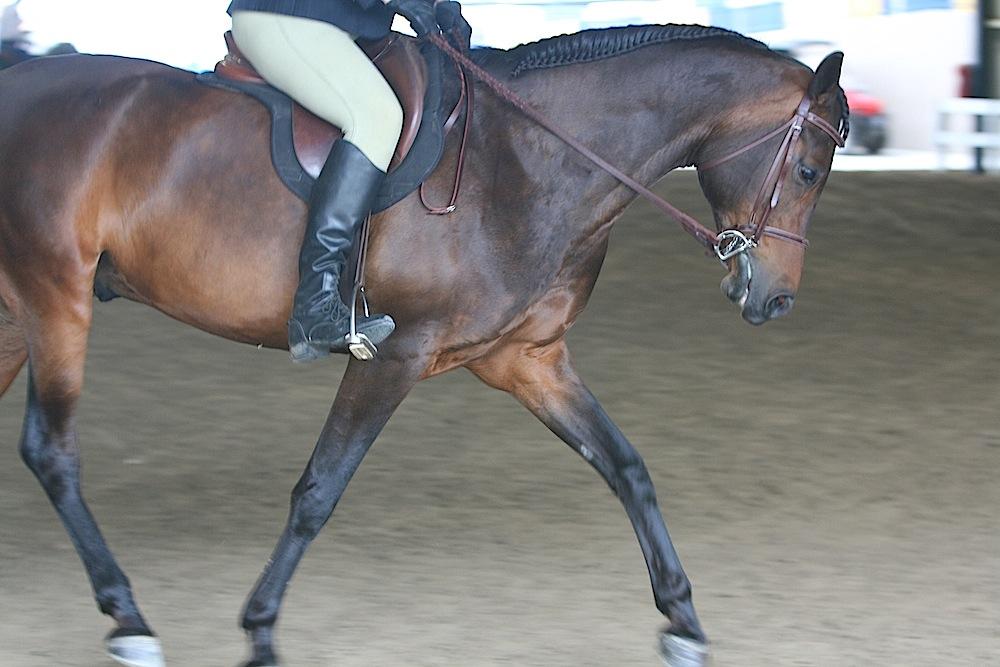
Why is the Morab so popular? This Morgan–Arabian cross offers elegance, endurance and versatility.
View breed ›A recessive dilution that lightens the coat, mane, tail, and skin when inherited in two copies or combined with one cream allele.
View all horse breeds with the pearl coat
The Paint Horse, an American breed recognized for its pinto coat and versatility, excels in western riding, leisure, and competitions.
View breed ›
The Andalusian horse (PRE) is renowned for its elegance, gentle temperament and expressive gaits. Discover its role in dressage and Spanish riding tradition.
View breed ›
Why is the Lusitano so valued in dressage? Elegant and versatile, discover this Portuguese horse and its unique qualities.
View breed ›A dilution of black pigment that notably lightens the mane and tail. On a black base, it often produces a chocolate-colored body with silver or flaxen hairs.
View all horse breeds with the silver coat
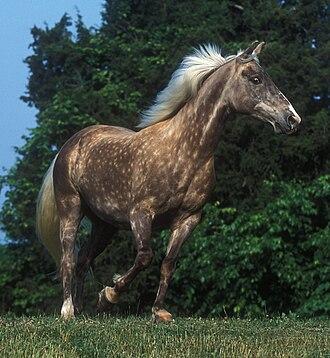
Discover the Rocky Mountain Horse, an American breed renowned for its smooth gait, gentle temperament, and distinctive chocolate-colored coat.
View breed ›
Discover the American Saddlebred, an elegant and expressive saddle horse, famous for its high-stepping gaits and iconic role in equestrian shows.
View breed ›
Why is the Irish Cob so loved? Gentle, hardy and versatile, this horse with abundant feathering is ideal for riding and driving.
View breed ›A bay coat affected by the silver gene, with a lightened mane and tail and points that may appear brown or grayish rather than black.
View all horse breeds with the silver bay coat
Why is the Irish Cob so loved? Gentle, hardy and versatile, this horse with abundant feathering is ideal for riding and driving.
View breed ›
Discover the American Miniature Horse, an elegant and intelligent miniature horse under 86 cm tall, admired for its beauty and gentle temperament.
View breed ›
Discover the American Saddlebred, an elegant and expressive saddle horse, famous for its high-stepping gaits and iconic role in equestrian shows.
View breed ›These patterns do not dilute the horse’s color. They produce unpigmented white areas that overlay the base coat, whether that underlying coat is diluted or not.
A pattern with irregular white areas on the sides and belly that usually do not cross the topline.
View all horse breeds with the frame overo coat
Discover the American Saddlebred, an elegant and expressive saddle horse, famous for its high-stepping gaits and iconic role in equestrian shows.
View breed ›
Discover the Colorado Ranger, an American horse known for its versatility, strength, and the refined elegance inherited from its Arabian and Quarter Horse ancestry.
View breed ›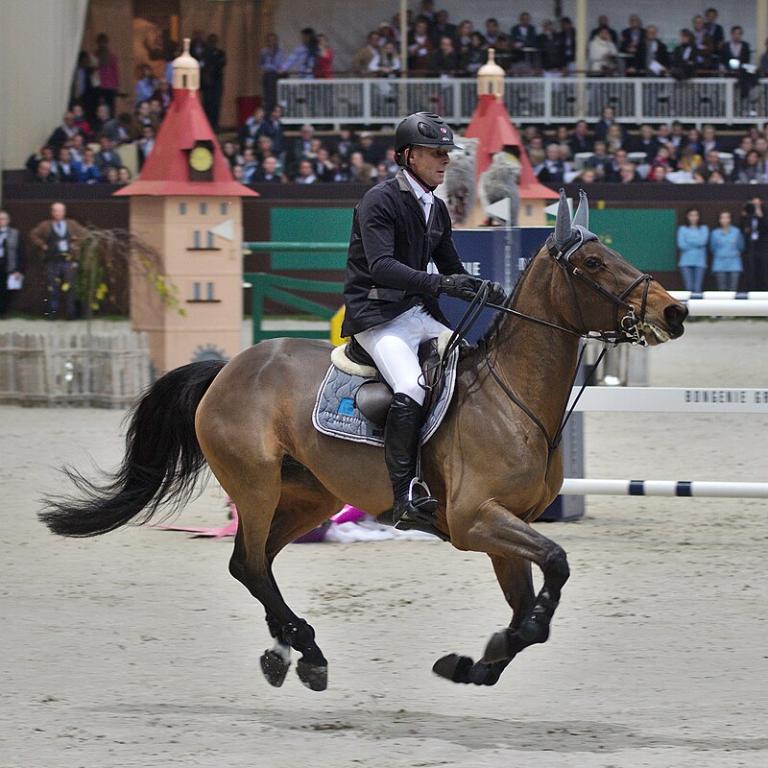
Discover the Irish Hunter, a sport horse from Ireland. Height 1.60–1.70 m, weight 500–600 kg. Athletic and versatile, it excels in eventing, jumping, and fox hunting.
View breed ›A general pattern composed of large white and colored areas, with skin that is usually pink beneath the white markings.
View all horse breeds with the pinto coat
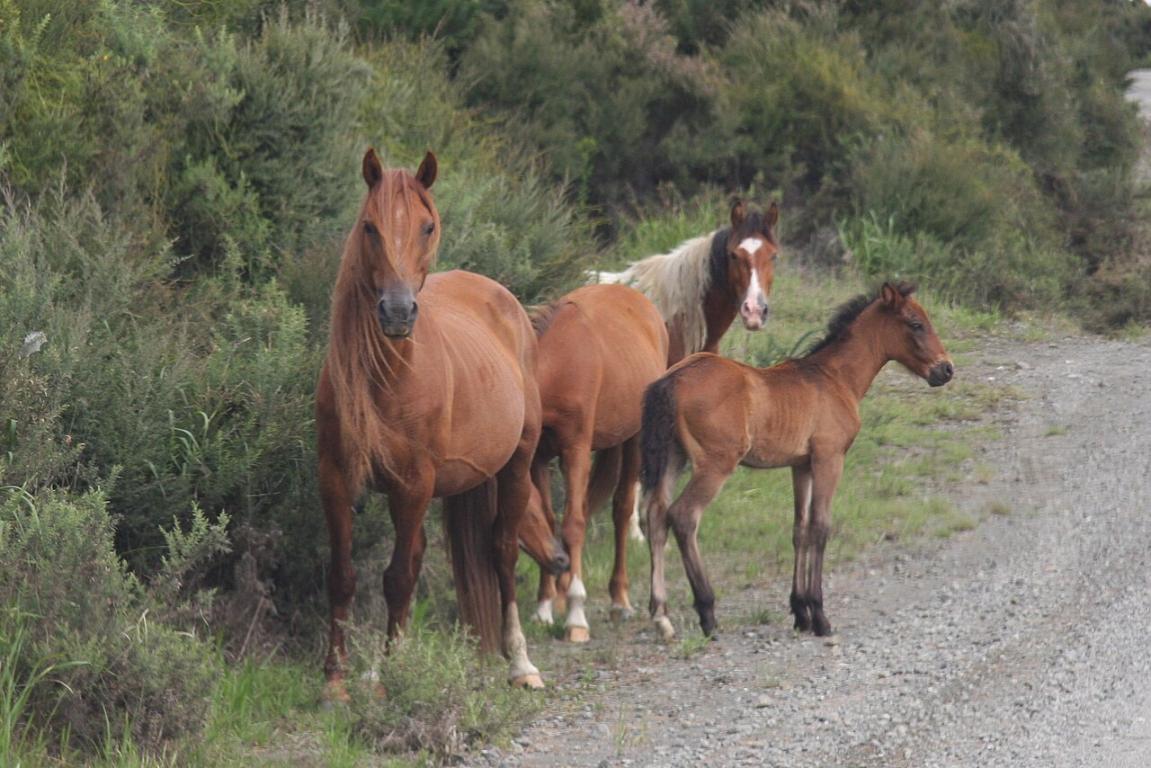
The Kaimanawa, whose Māori name means "eat the wind", is New Zealand's wild horse. Only 300 individuals remain, managed by the army and listed as rare genetic heritage by the UN.
View breed ›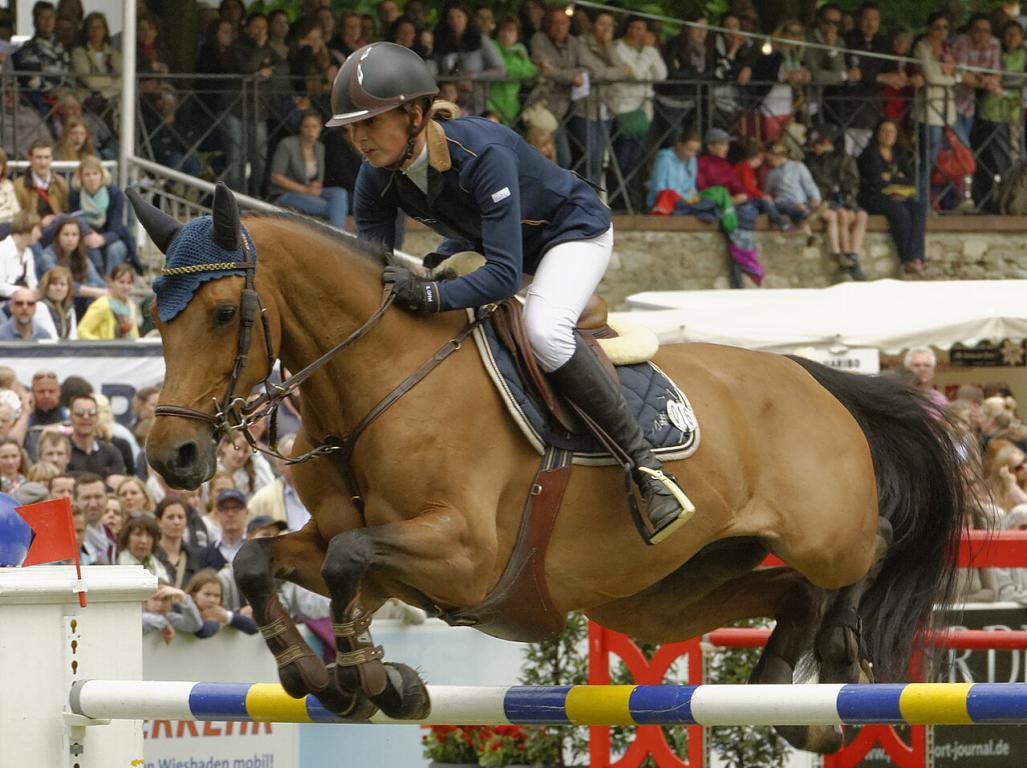
History, conformation, temperament, breeding and performance: discover why the Zangersheide is one of the world's most sought-after sport horses.
View breed ›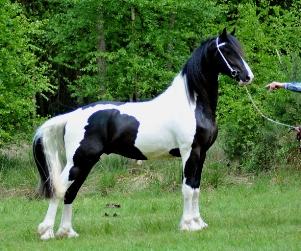
The Barock Pinto is a horse bred from the crossing of the Friesian and piebald horses. Elegant, powerful and colorful, it excels in driving, dressage and show.
View breed ›A white pattern generally involving high white leg markings, a broad facial marking, and irregularly edged white areas, sometimes accompanied by white hairs mixed into the coat.
View all horse breeds with the sabino coat
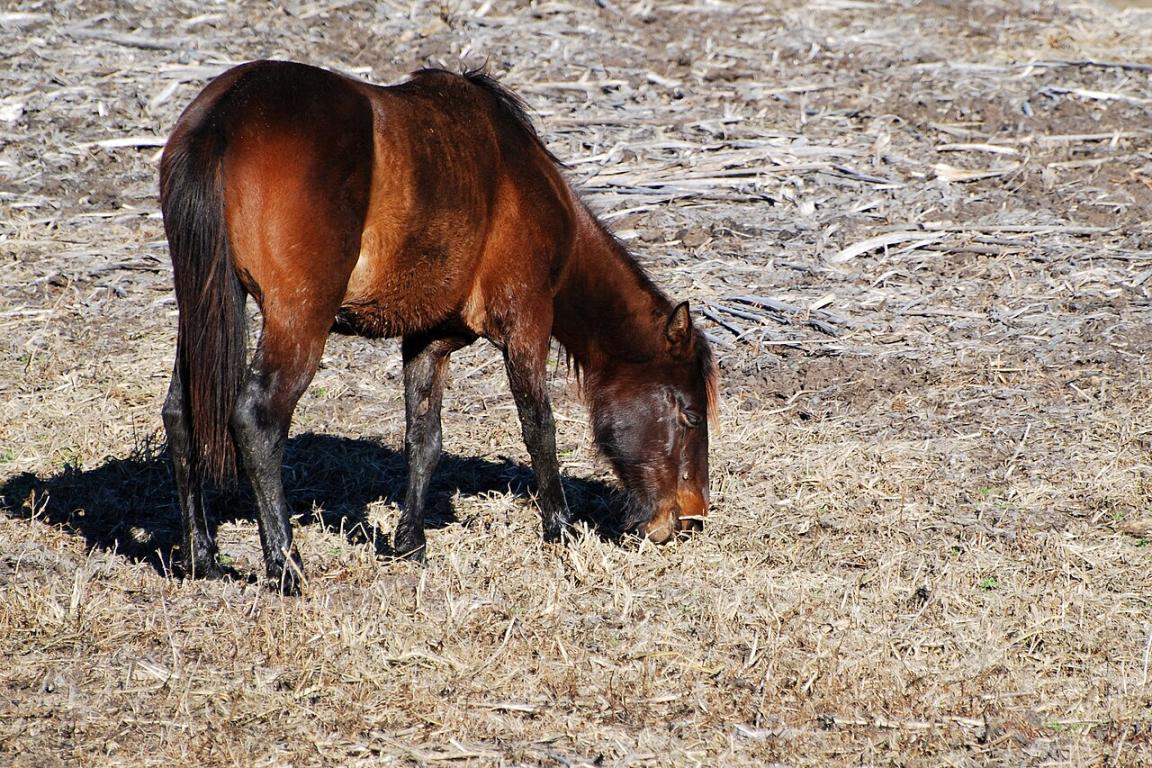
Discover the Florida Cracker Horse, a Spanish colonial horse from Florida, agile and fast, used for cattle work and known for its exceptional endurance.
View breed ›
Discover the American Saddlebred, an elegant and expressive saddle horse, famous for its high-stepping gaits and iconic role in equestrian shows.
View breed ›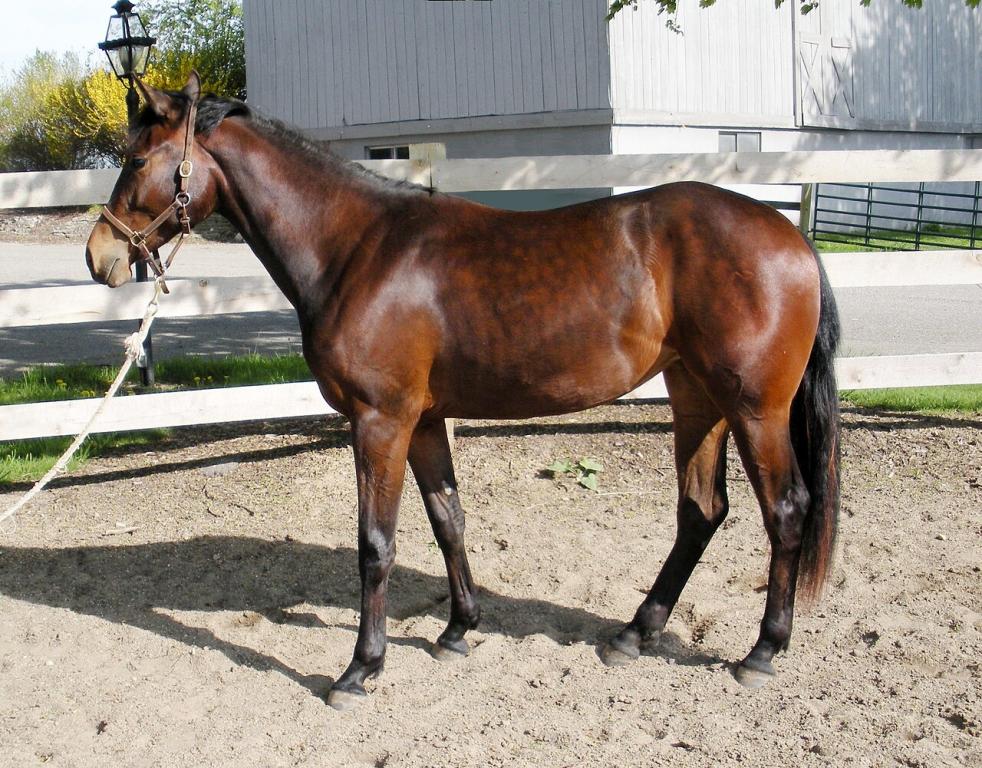
Versatile, athletic and high-performing, the American Warmblood excels in equestrian sports. Discover its origins, temperament and strengths.
View breed ›A pattern making the horse appear as though it were dipped in white paint, with extensive white markings on the lower body, legs, and often the face. Blue eyes are common.
View all horse breeds with the splashed white coat
Why is the Irish Cob so loved? Gentle, hardy and versatile, this horse with abundant feathering is ideal for riding and driving.
View breed ›
The Paint Horse, an American breed recognized for its pinto coat and versatility, excels in western riding, leisure, and competitions.
View breed ›
Discover the American Miniature Horse, an elegant and intelligent miniature horse under 86 cm tall, admired for its beauty and gentle temperament.
View breed ›A pattern with large, regular white areas that usually cross the topline, often accompanied by white legs.
View all horse breeds with the tobiano coat
The Barock Pinto is a horse bred from the crossing of the Friesian and piebald horses. Elegant, powerful and colorful, it excels in driving, dressage and show.
View breed ›
Discover the Mustang, America’s wild horse, a symbol of freedom and endurance, still roaming across the Western United States.
View breed ›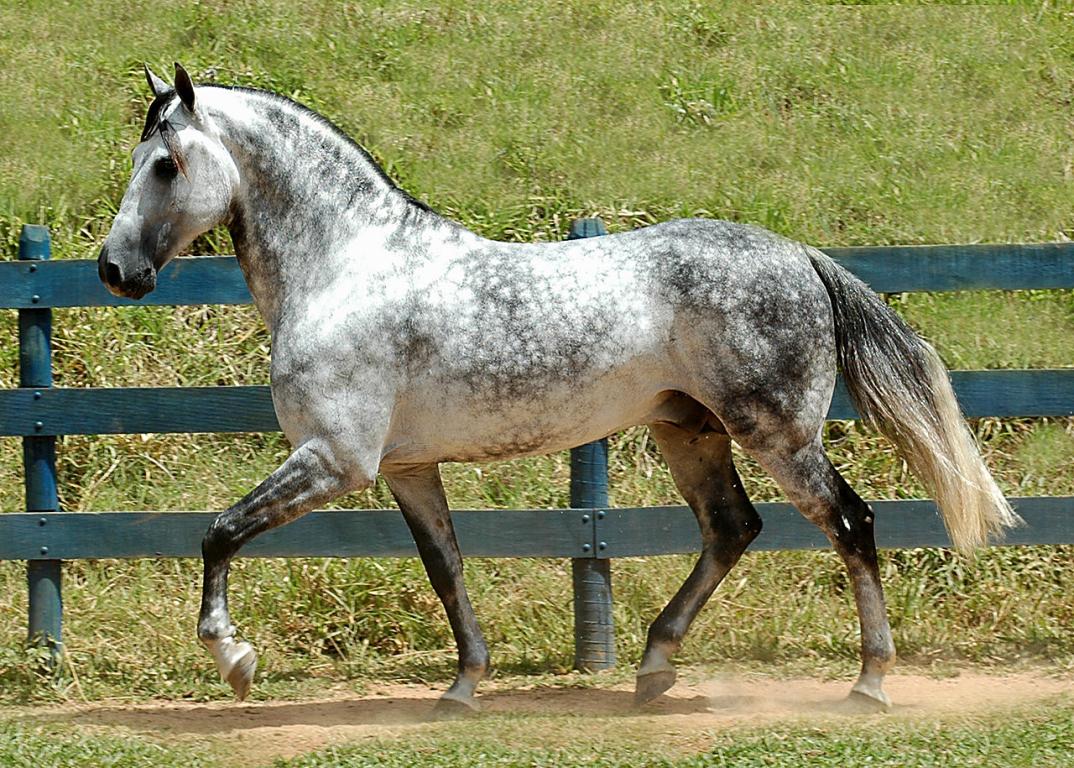
Discover the Mangalarga Marchador, a Brazilian horse renowned for its smooth gaits, elegance, and exceptional endurance.
View breed ›The Leopard complex includes several spotted and progressive coat patterns. It can also be associated with mottled skin, striped hooves, and visible white sclera.
A white area covering part or all of the hindquarters, with or without colored spots inside it.
View all horse breeds with the blanket coat
Discover the Icelandic Horse, Iceland’s iconic breed, renowned for its unique gaits (tölt and pace), hardiness, and gentle temperament. Complete information on its origin, traits, and uses.
View breed ›
Discover the American Miniature Horse, an elegant and intelligent miniature horse under 86 cm tall, admired for its beauty and gentle temperament.
View breed ›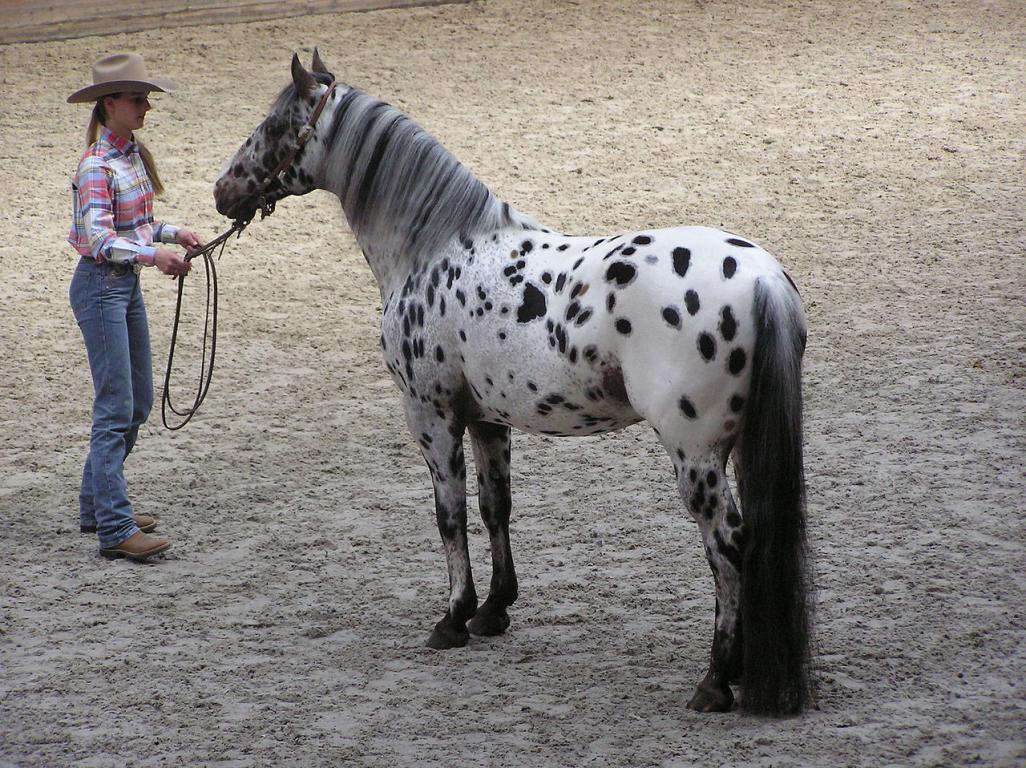
Why is the Appaloosa unique? Discover its spotted coat, temperament, origin and uses in western riding and more.
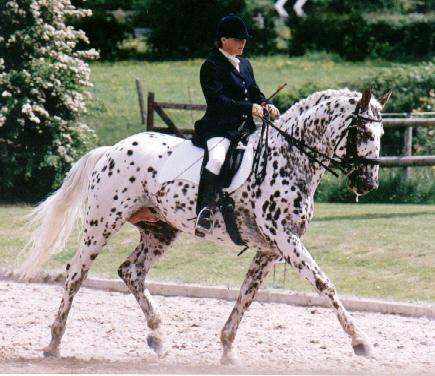
View breed ›A predominantly white body covered with numerous clearly defined colored spots.
View all horse breeds with the leopard coat
Discover the Knabstrup (Knabstrupper), a unique Danish horse breed with a spotted coat: standard, temperament, breeding areas & official association.
View breed ›
Why is the Appaloosa unique? Discover its spotted coat, temperament, origin and uses in western riding and more.
View breed ›
Discover the American Miniature Horse, an elegant and intelligent miniature horse under 86 cm tall, admired for its beauty and gentle temperament.
View breed ›A group of spotted coat patterns associated with the Leopard complex, often accompanied by mottled skin, striped hooves, and visible white sclera.
View all horse breeds with the leopard complex coat
Why is the Appaloosa unique? Discover its spotted coat, temperament, origin and uses in western riding and more.
View breed ›
Discover the Knabstrup (Knabstrupper), a unique Danish horse breed with a spotted coat: standard, temperament, breeding areas & official association.
View breed ›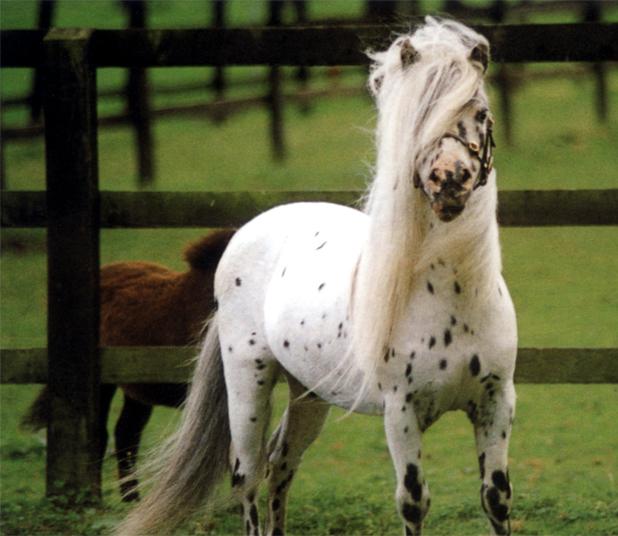
Discover the Falabella, Argentina’s miniature horse: history, conformation, coat colors, temperament, uses, breeding and conservation.
View breed ›A dark coat with small white spots scattered across the body, usually more concentrated over the hindquarters.
View all horse breeds with the snowflake coat
Why is the Appaloosa unique? Discover its spotted coat, temperament, origin and uses in western riding and more.
View breed ›
Discover the American Miniature Horse, an elegant and intelligent miniature horse under 86 cm tall, admired for its beauty and gentle temperament.
View breed ›A progressive mixture of white and colored hairs, with darker areas remaining over bony prominences, the head, and the legs.
View all horse breeds with the varnish roan coat
Why is the Appaloosa unique? Discover its spotted coat, temperament, origin and uses in western riding and more.
View breed ›
Discover the American Miniature Horse, an elegant and intelligent miniature horse under 86 cm tall, admired for its beauty and gentle temperament.
View breed ›Gray and classic roan both involve white hairs, but they develop differently. Gray progressively lightens with age, while classic roan generally retains a more stable mixture of white and colored hairs.
A coat characterized by progressive lightening with age. The horse is born colored and may eventually appear almost completely white while generally retaining dark skin.
View all horse breeds with the gray coat
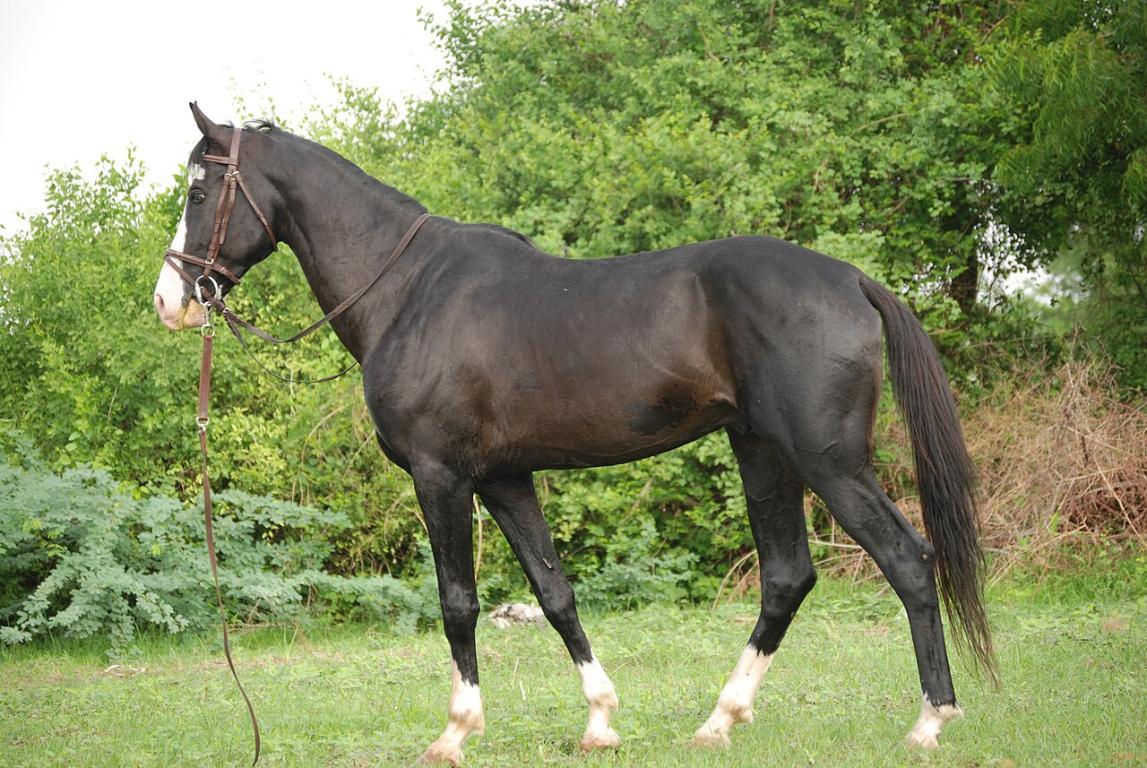
Discover the Marwari, a Rajasthani horse with inward-curving ears: history, conformation, temperament, breeding, uses and conservation.
View breed ›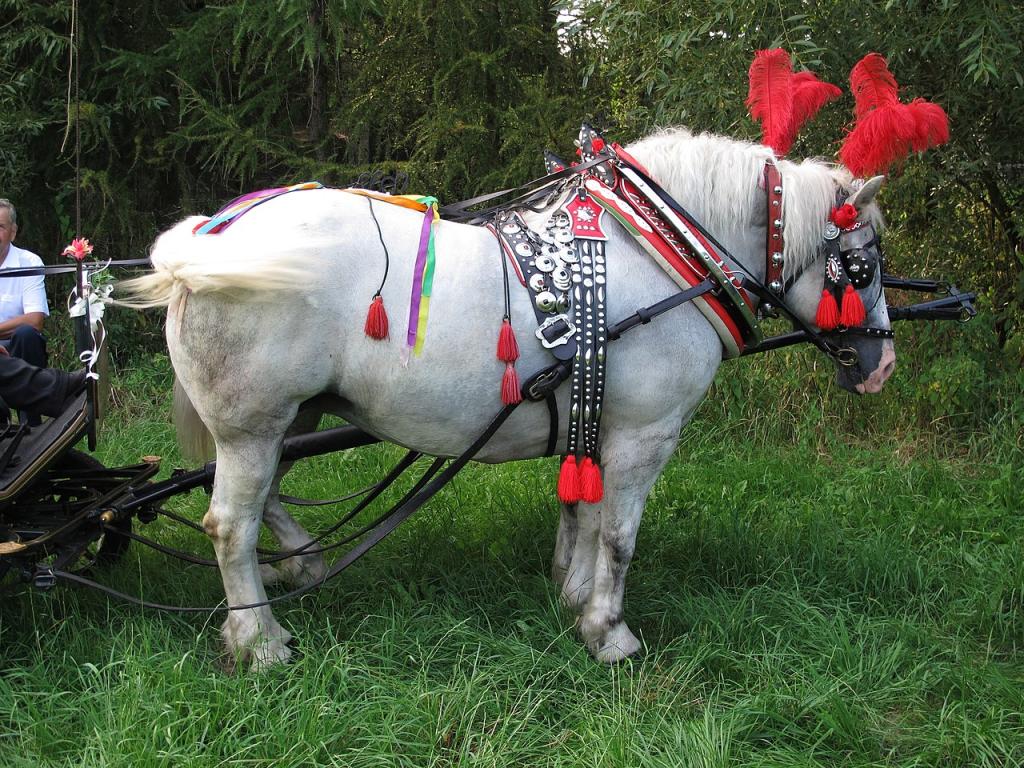
Discover the Polish Coldblood Horse, a robust and docile breed from Poland, valued for its strength, hardiness, and qualities in farming and driving.
View breed ›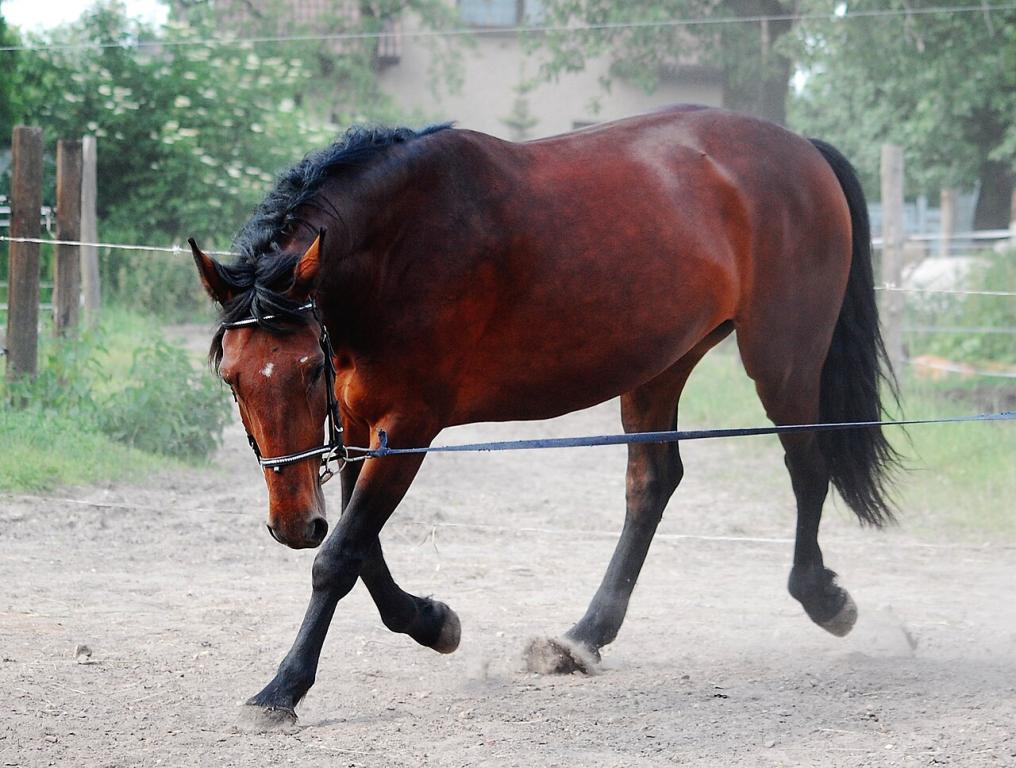
Discover the Silesian horse, a Polish improved draft breed, renowned for its strength, elegance, and versatility in driving and agricultural work.
View breed ›A relatively even mixture of white and colored hairs over the body, while the head and lower legs usually remain darker. Unlike gray, the coat does not progressively lighten with age.
View all horse breeds with the roan coat
Why is the Missouri Fox Trotter so comfortable? Discover this smooth gaited horse, perfect for trail riding and western riding.
View breed ›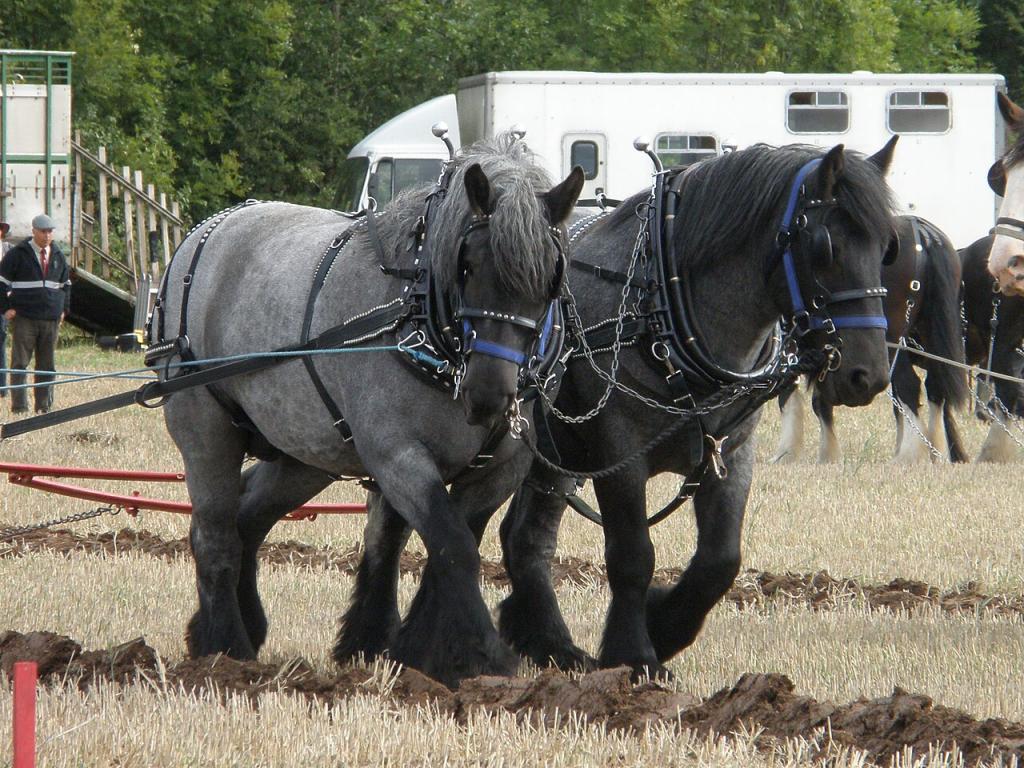
Discover the Dutch Draft, a powerful and gentle draft horse from the Netherlands, valued for its strength, hardiness, and agricultural use.
View breed ›
Discover the Polish Coldblood Horse, a robust and docile breed from Poland, valued for its strength, hardiness, and qualities in farming and driving.
View breed ›A white horse has a white coat from birth, generally with pink skin. This phenotype must be distinguished from gray, which develops progressively as the horse ages and usually retains dark skin.
A completely white coat present from birth, generally associated with pink skin. It differs from gray, which lightens progressively with age.
View all horse breeds with the white coat
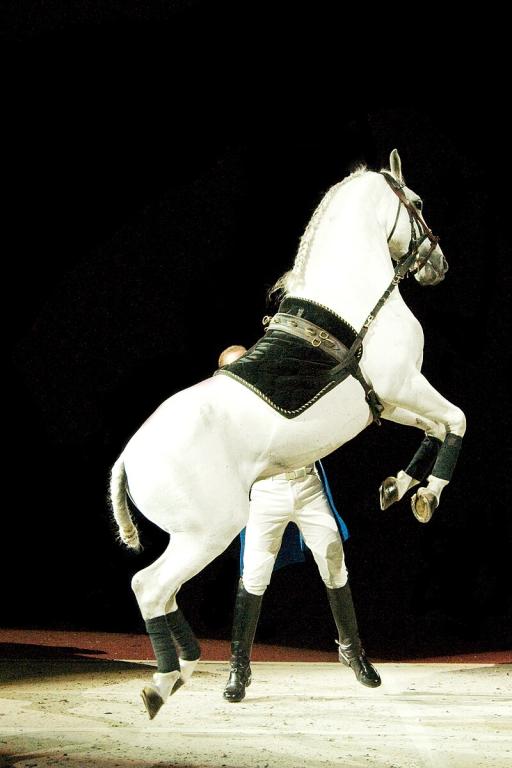
Discover the Lipizzan, a historic European breed renowned for classical dressage, its baroque build, ancient bloodlines and breeding tradition.
View breed ›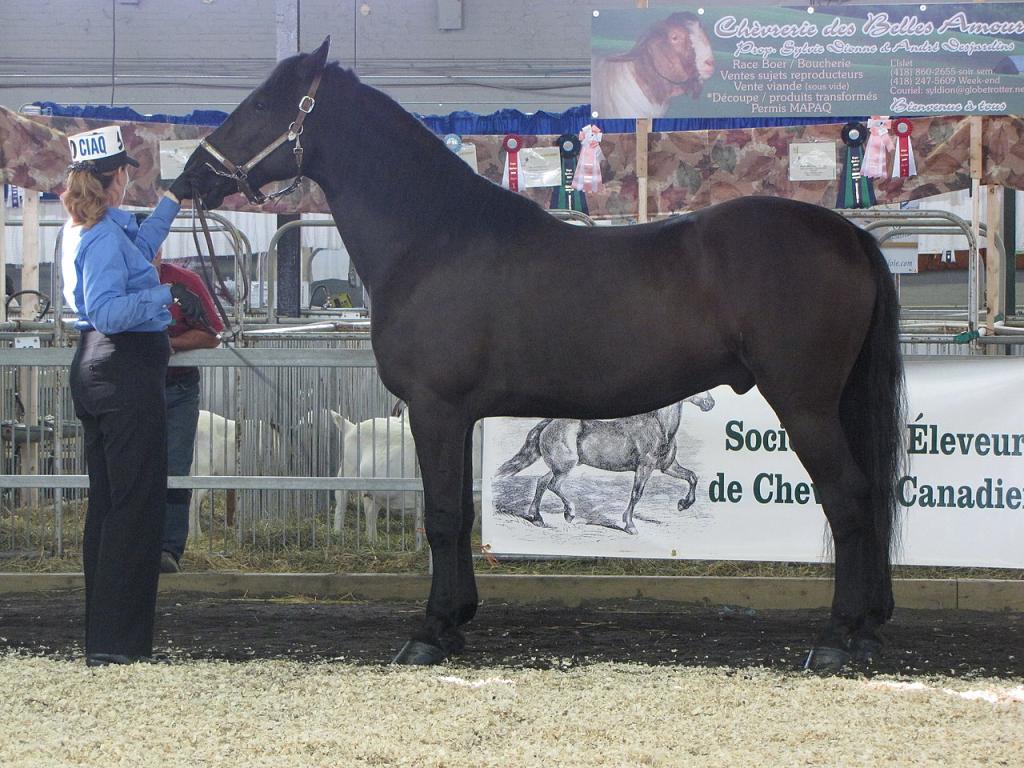
Why is the Canadian horse so special? Strong, versatile and gentle, discover this iconic Quebec breed and its many qualities.
View breed ›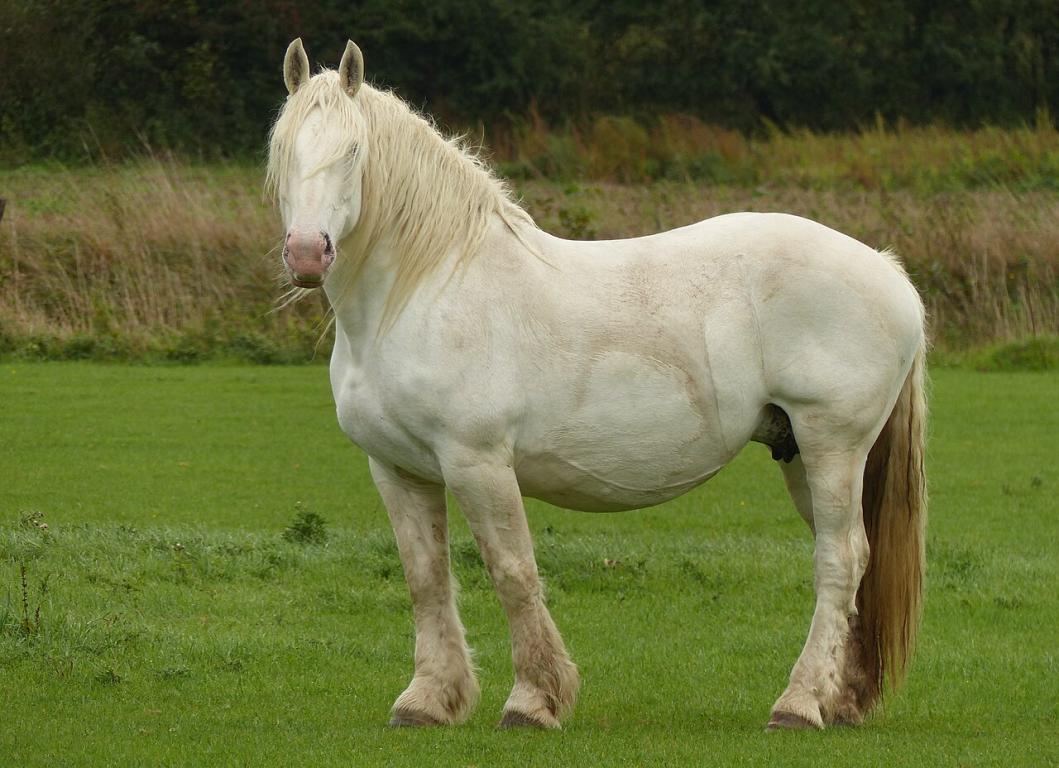
Discover the Boulonnais horse, a powerful, elegant and gentle French draft breed from the northern coast of France.
View breed ›These characteristics alter the mane and tail, particular areas of the body, or the intensity of the color without constituting a genetic base coat.
Light-colored mane and tail on a chestnut coat.
View all horse breeds with the flaxen coat
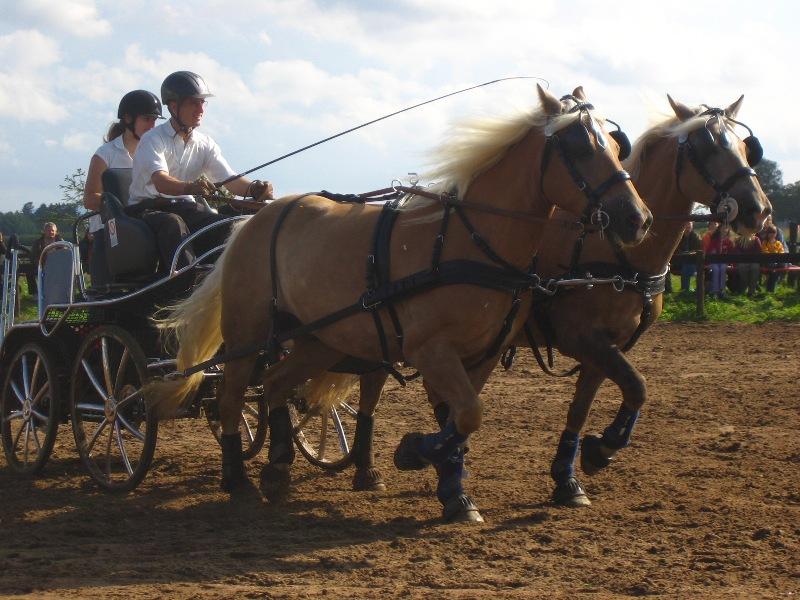
Discover the Haflinger, a flaxen chestnut horse from the Tyrol: its history, conformation, temperament, breeding and versatile uses.
View breed ›
Discover the American Saddlebred, an elegant and expressive saddle horse, famous for its high-stepping gaits and iconic role in equestrian shows.
View breed ›
Why is the Missouri Fox Trotter so comfortable? Discover this smooth gaited horse, perfect for trail riding and western riding.
View breed ›A lightening of the coat around the muzzle, eyes, belly, and inner legs.
View all horse breeds with the mealy / pangare coat
Discover the Florida Cracker Horse, a Spanish colonial horse from Florida, agile and fast, used for cattle work and known for its exceptional endurance.
View breed ›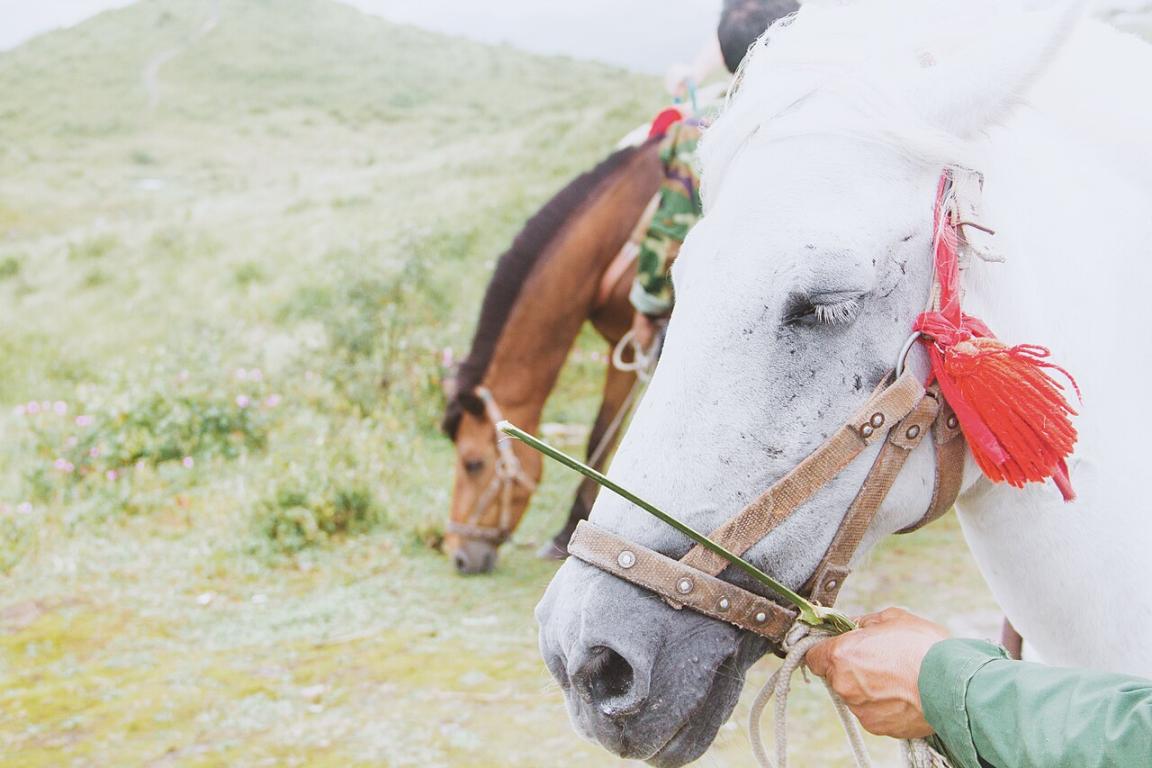
Discover the Guizhou horse, a rare breed from the mountains of China: a small, hardy and enduring horse perfectly adapted to difficult terrain.
View breed ›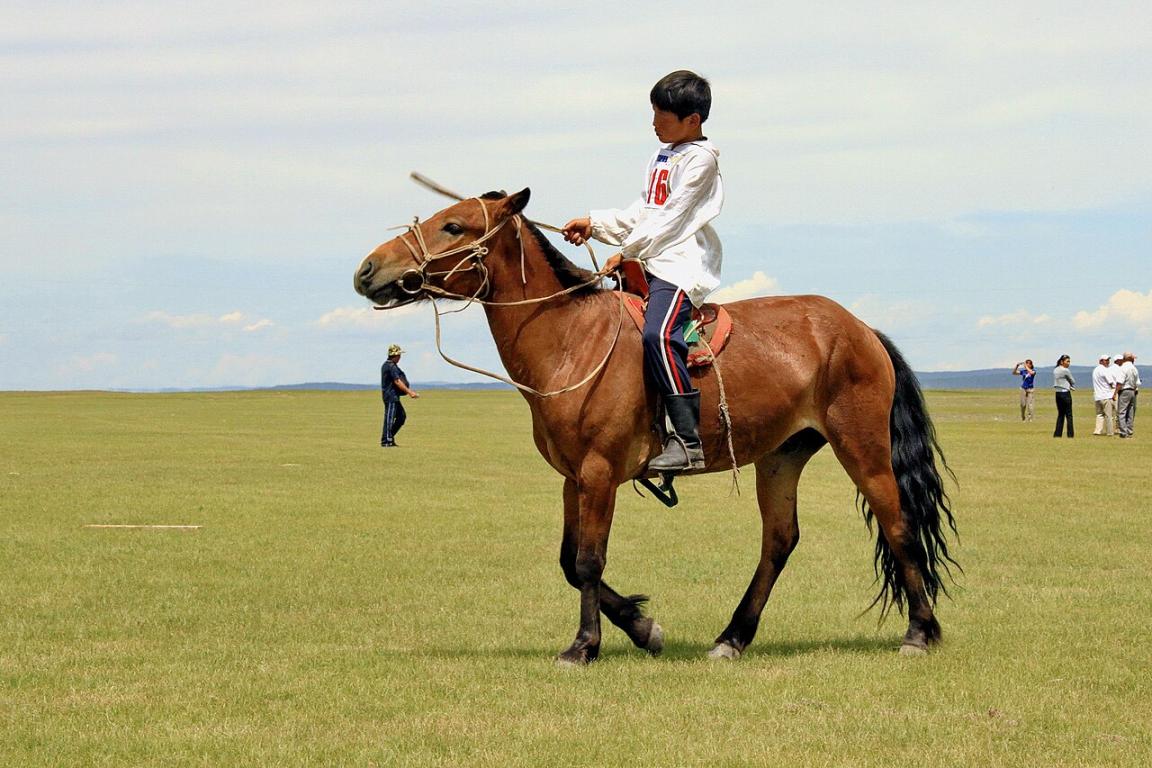
Discover the Mongolian Horse, the legendary mount of Genghis Khan. Hardy, tireless, and perfectly adapted to the steppes, it continues to fascinate today.
View breed ›Dark hairs mixed into the coat, giving a shaded effect on back/flanks.
View all horse breeds with the sooty coat
The Quarter Horse is the ultimate American horse, famous for its power, sprinting speed, and exceptional versatility.
View breed ›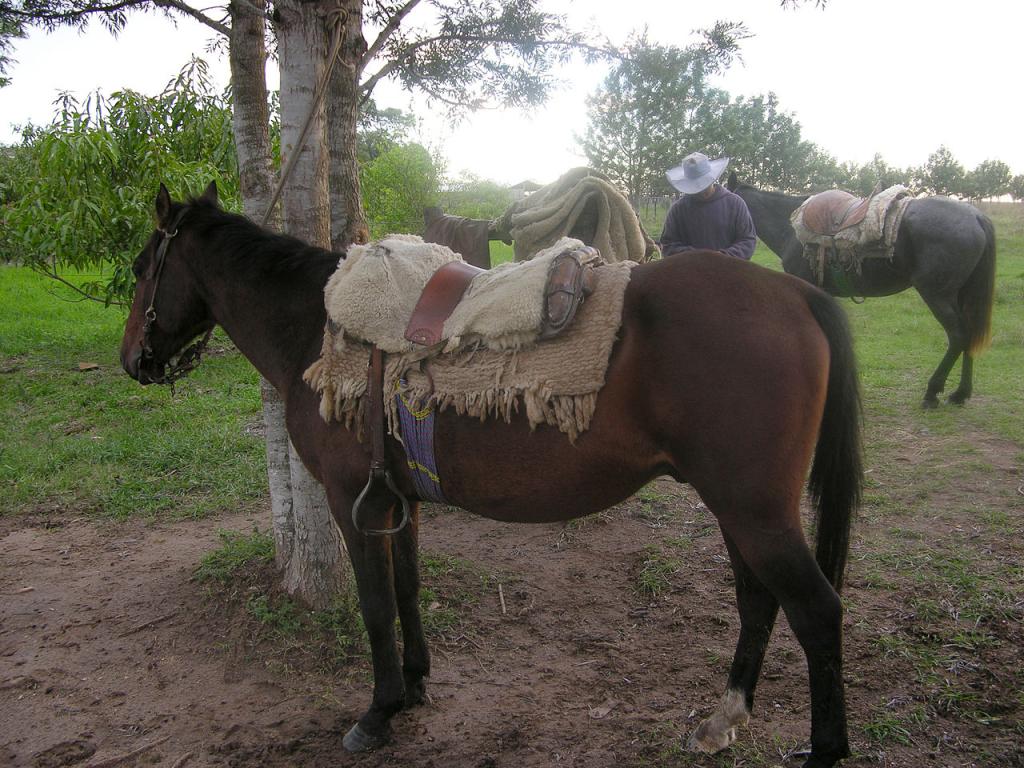
Discover the Paraguayan Horse, or Paraguayan Criollo: a small, hardy and enduring horse, loyal and perfectly adapted to South American ranch life.
View breed ›
Why is the Missouri Fox Trotter so comfortable? Discover this smooth gaited horse, perfect for trail riding and western riding.
View breed ›A buckskin coat strongly darkened by interspersed black hairs, producing a brownish, grayish, or shaded appearance.
View all horse breeds with the sooty buckskin coat
Discover the Paraguayan Horse, or Paraguayan Criollo: a small, hardy and enduring horse, loyal and perfectly adapted to South American ranch life.
View breed ›
Discover the Hispano-Arabian, also known as the Aralusian, a Spanish sport horse from PRE and Arabian bloodlines, valued for doma vaquera, endurance and TREC.
View breed ›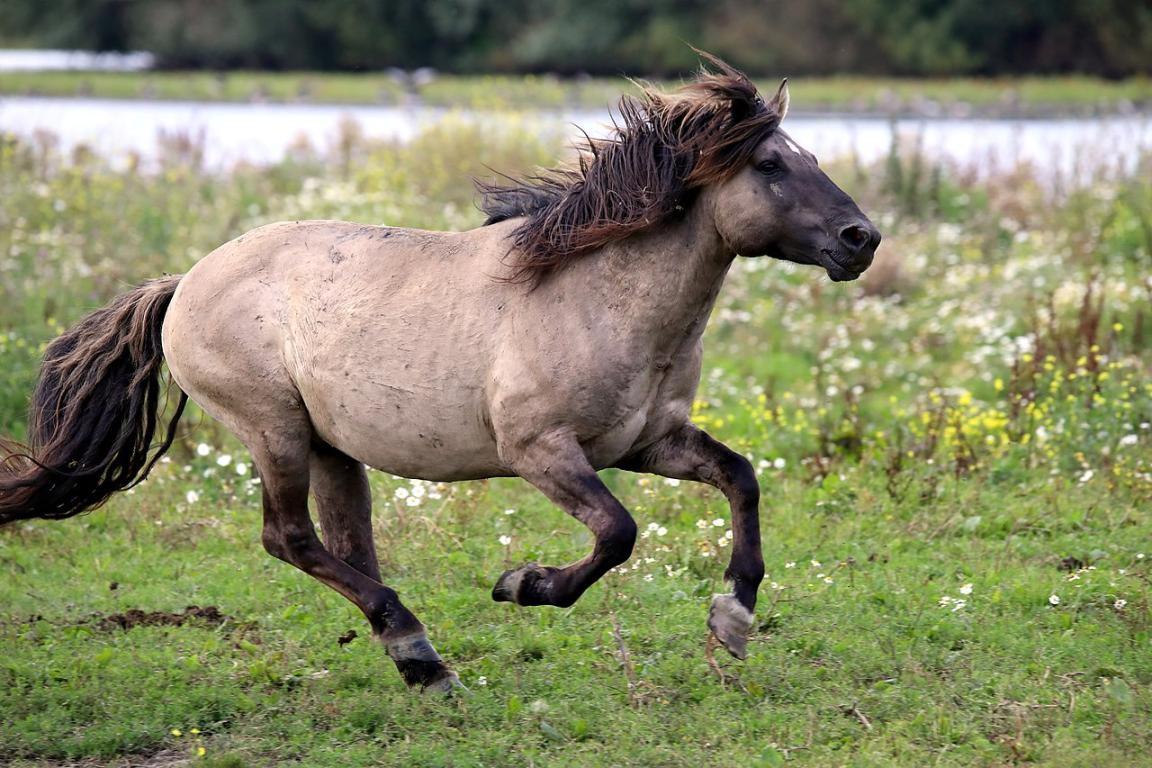
Is the Konik a descendant of the Tarpan? Discover this hardy Polish primitive horse and its role in conservation.
View breed ›Coat color alone does not fully define a horse: it is only one aspect alongside conformation, markings, origin, and history. To explore further, you can browse the horse breeds , consult the glossary , or explore the full breed inventory .
A coat describes the visible colour or pattern of a horse, while a breed refers to a selected population with its own origin, standard and characteristics.
The main basic horse coat colours are chestnut, bay and black. Other coats result from dilutions, white patterns or modifiers.
A coat color is the horse’s visible appearance. A dilution is a genetic mechanism that lightens or alters the pigments of a base coat. For example, palomino results when one copy of the Cream gene dilutes a chestnut base coat.
No. A grey horse is usually born with a darker coat and gradually lightens with age.
A pinto coat has large white and coloured patches, while appaloosa patterns are linked to the leopard complex and can produce spots, blankets or marbled patterns.
Yes. A gray horse progressively lightens with age. A horse’s appearance may also vary with shedding, season, age, or the expression of certain patterns, even though its genotype does not change.