Diluted coat

Palomino

Illustration of Palomino coming soon

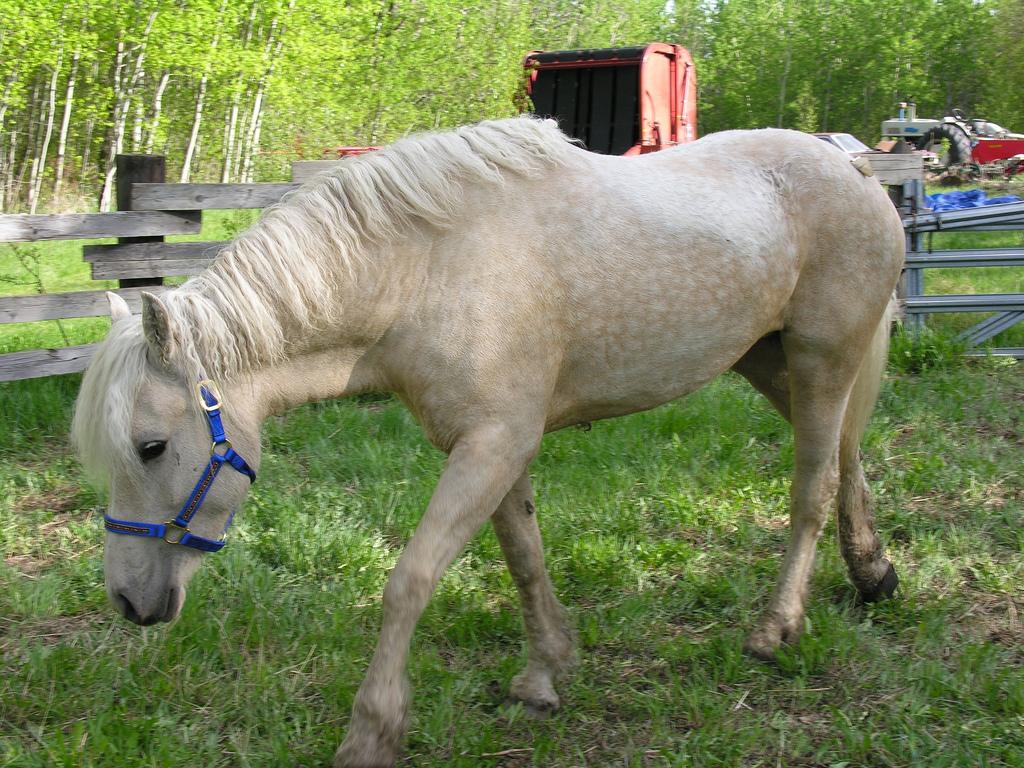
Palomino generally results from one Cream variant on a chestnut base. The body becomes golden or cream and the mane and tail are strongly lightened.

Category
Diluted coat
Family
Single cream dilution on chestnut
Related breeds
35 associated breeds

Golden coat with cream or white mane/tail, dark skin.

How can you identify Palomino?

The coat ranges from pale cream to rich gold. The mane and tail are ivory, cream or nearly white, while the skin normally remains dark.

  • Yellow, cream or golden body
  • Ivory or nearly white mane and tail
  • Normally dark skin
  • No black points

Genetic origin and mechanism

One Cream variant in SLC45A2 dilutes red pigment on an e/e base. Palomino is therefore not an independent base color.

Development and variations

The golden shade may lighten in winter or sunlight, and the mane and tail may yellow or whiten over time.

Possible confusions

It may resemble flaxen chestnut, gold champagne or some pearl phenotypes. Genetic testing may be needed.
Horse breeds associated with Palomino

Explore the profiles of breeds in which this coat or trait is present or documented.

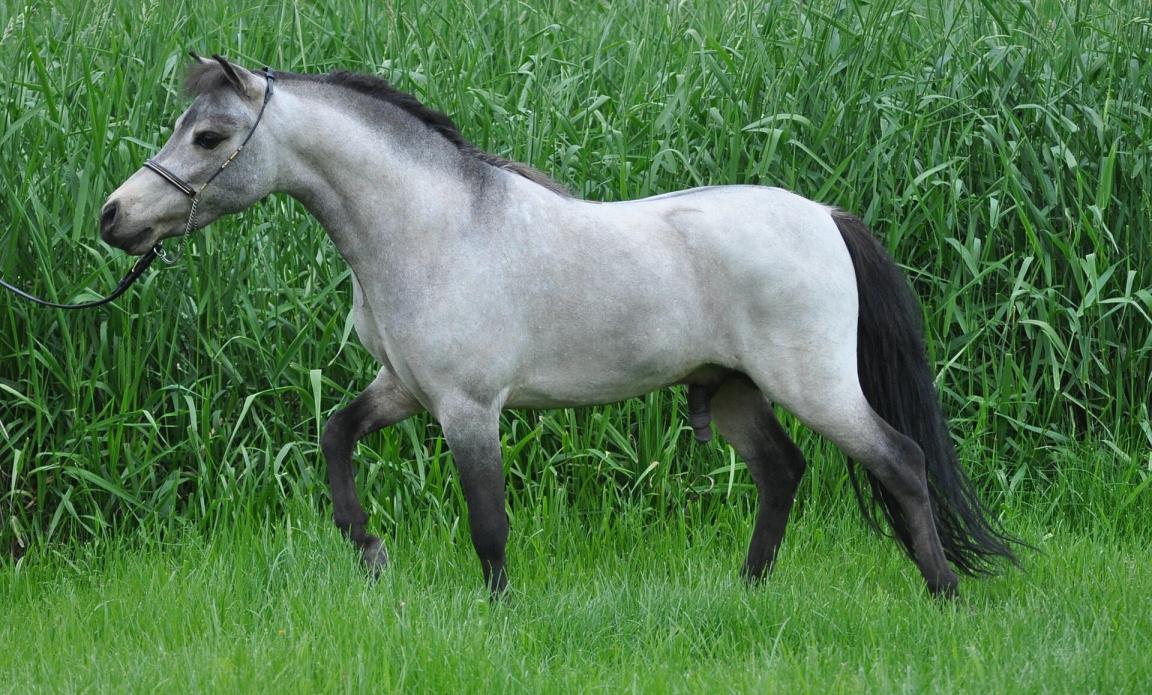
American Miniature Horse - CC BY 3.0 - Larrywalmart

American Miniature

Discover the American Miniature Horse, an elegant and intelligent miniature horse under 86 cm tall, admired for its beauty and gentle temperament.

View profile
Image coming soon

American Mule

Discover the American Mule, the remarkable horse–donkey hybrid known for its impressive strength, outstanding endurance, and dependable temperament. Height, weight, and abilities r ...

View profile
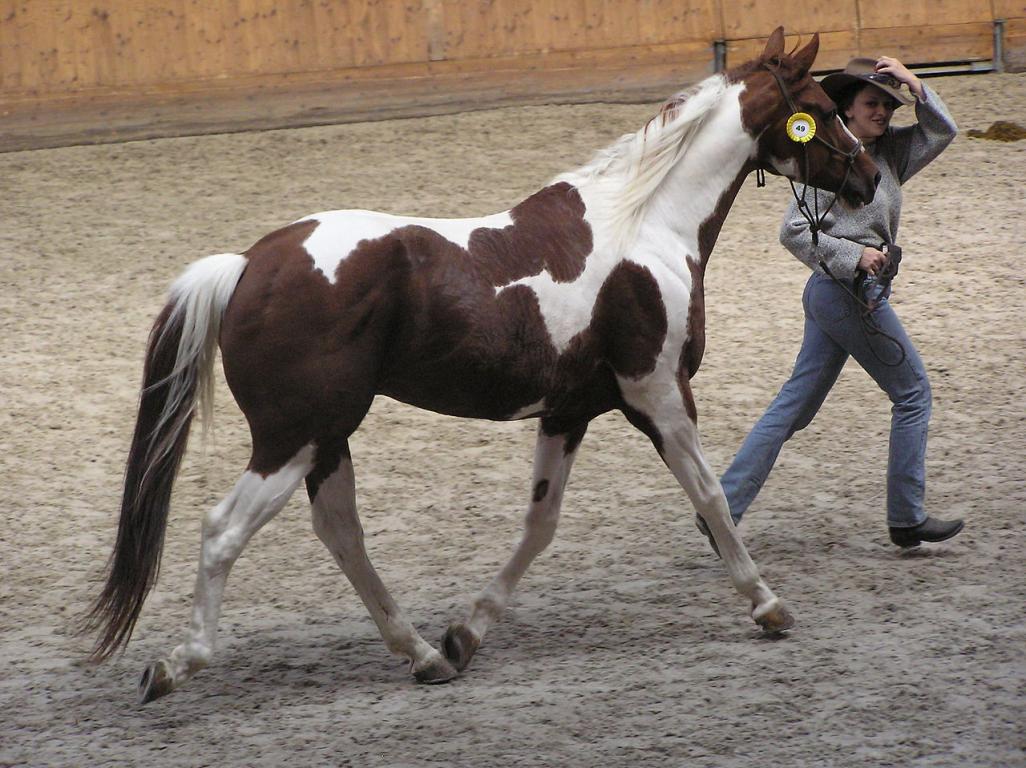
American Paint Horse - CC BY-SA 3.0 - Karakal

American Paint Horse

The Paint Horse, an American breed recognized for its pinto coat and versatility, excels in western riding, leisure, and competitions.

View profile
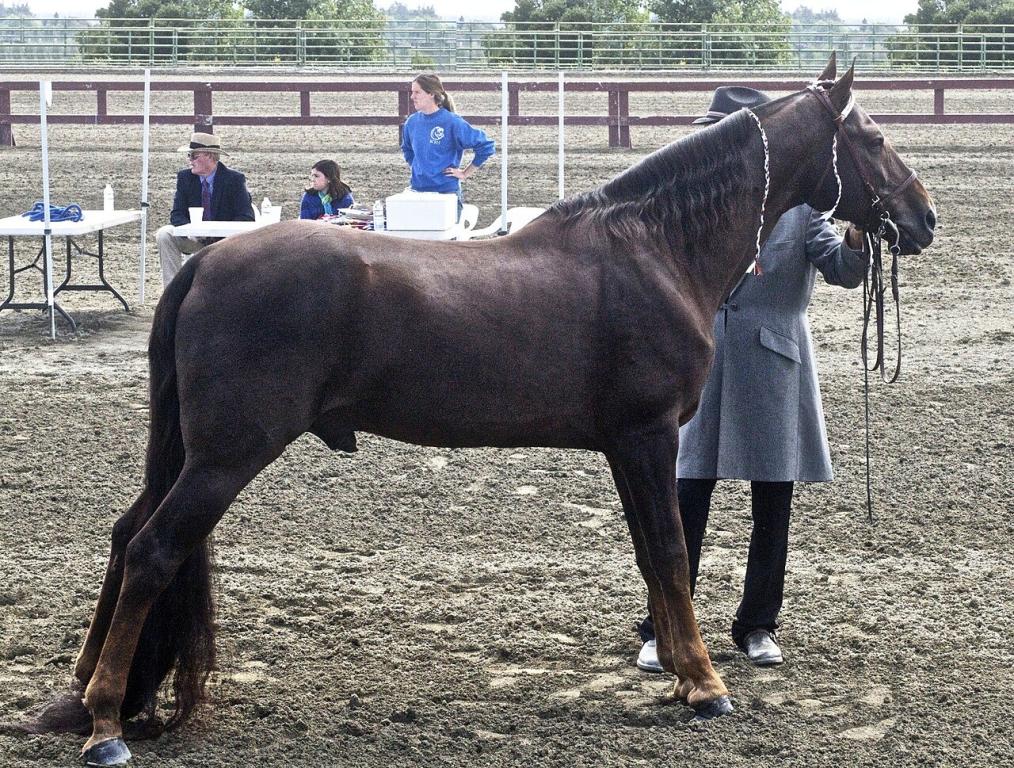
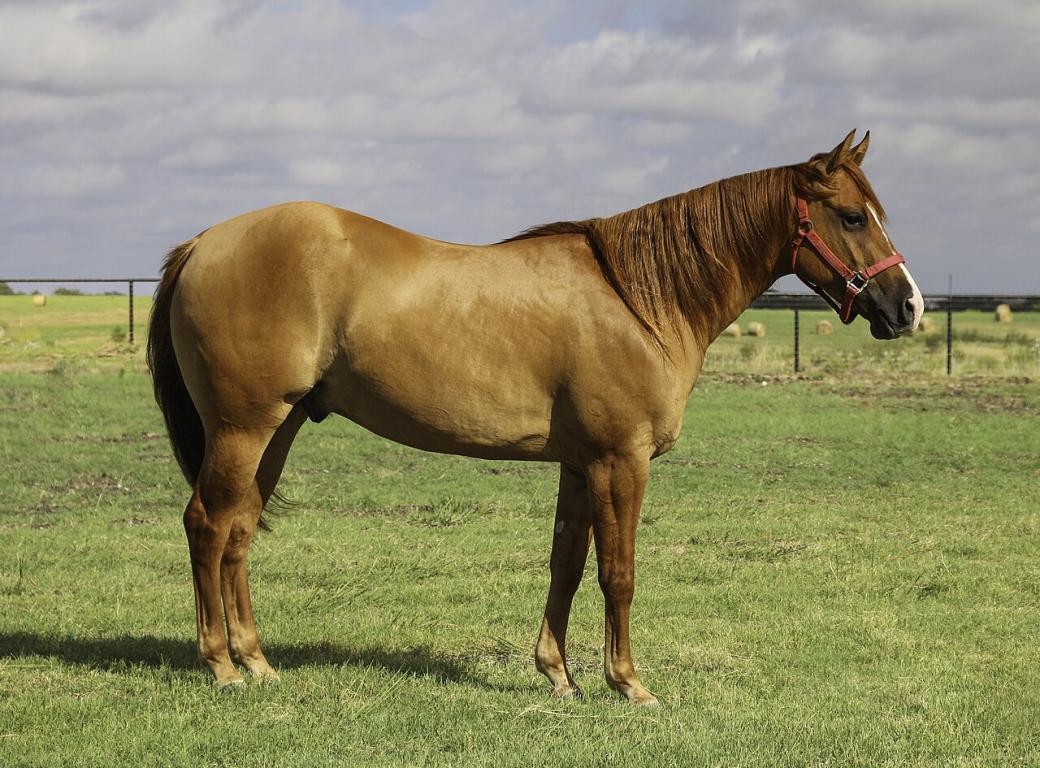
Chestnut Quarter Horse gelding in Texas. The highly developed hindquarters are characteristic. - CC BY-SA 4.0 - Betty Wills (Atsme)

American Quarter Horse

The Quarter Horse is the ultimate American horse, famous for its power, sprinting speed, and exceptional versatility.

View profile
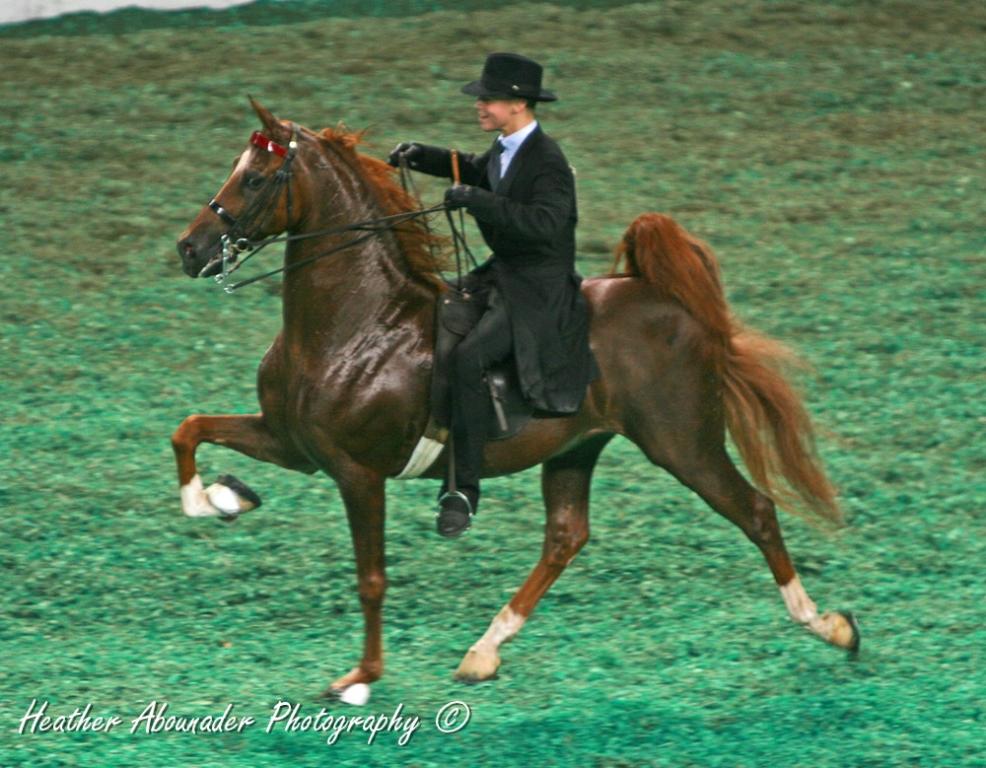
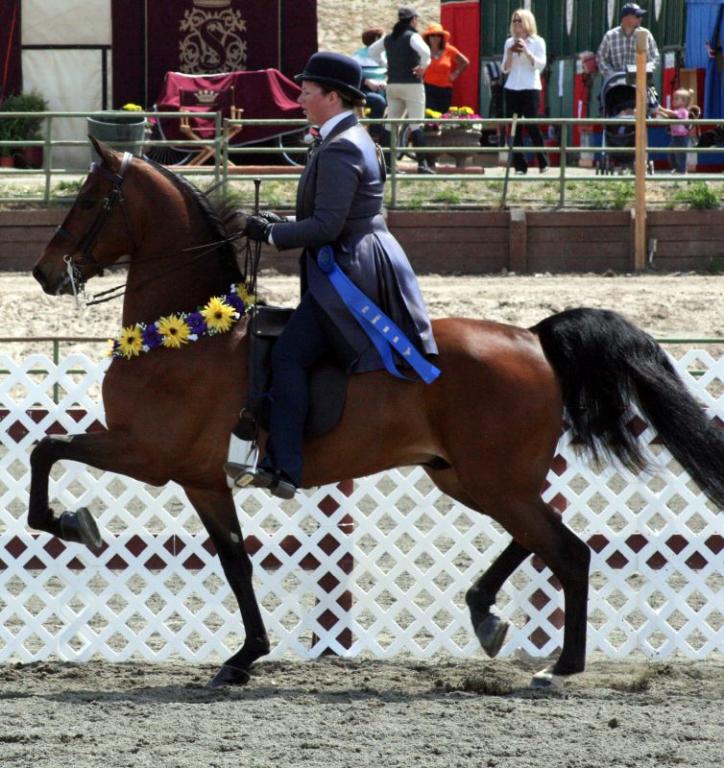
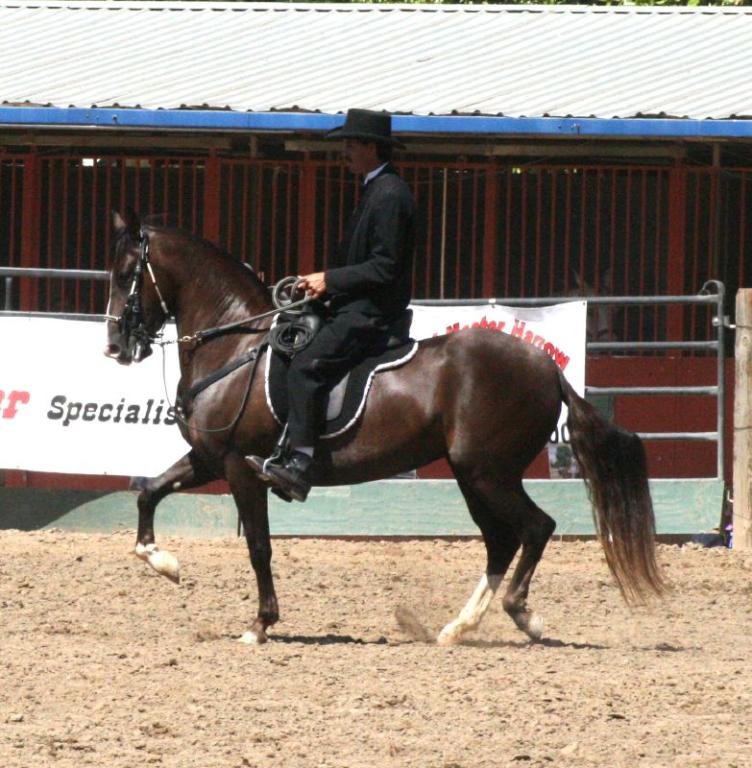
American Saddlebred practicing the rack. - CC BY 2.0 - Heather Moreton

American Saddlebred

Discover the American Saddlebred, an elegant and expressive saddle horse, famous for its high-stepping gaits and iconic role in equestrian shows.

View profile
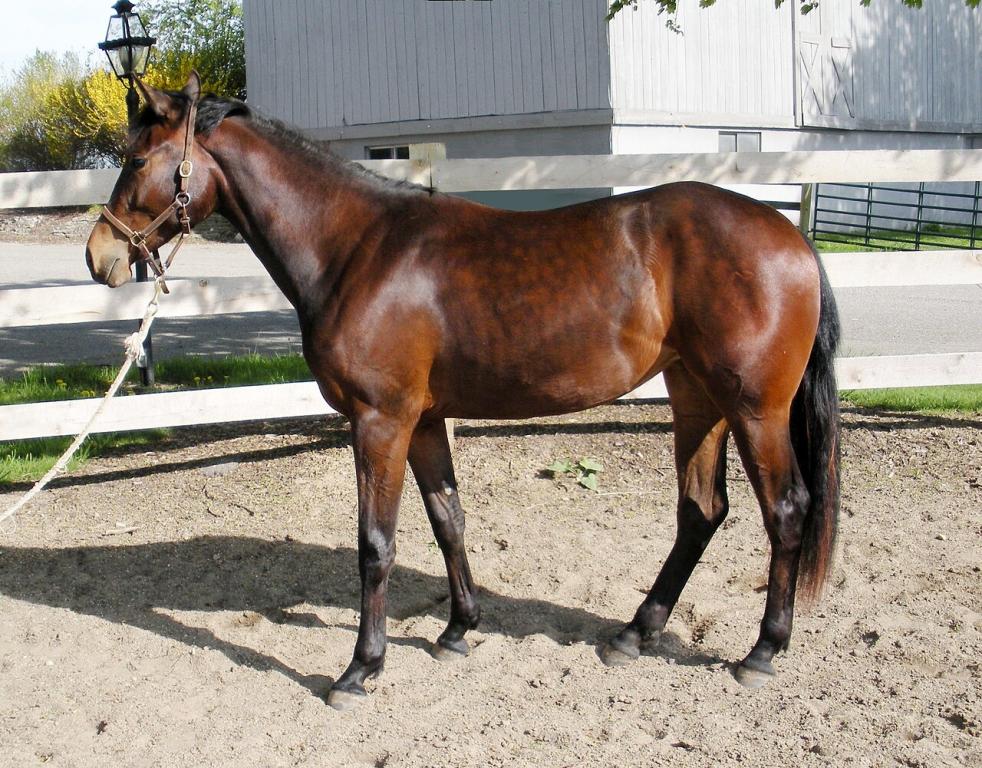
 Two-year-old American Warmblood filly - CC BY-SA 4.0 - Lar

American Warmblood

Versatile, athletic and high-performing, the American Warmblood excels in equestrian sports. Discover its origins, temperament and strengths.

View profile
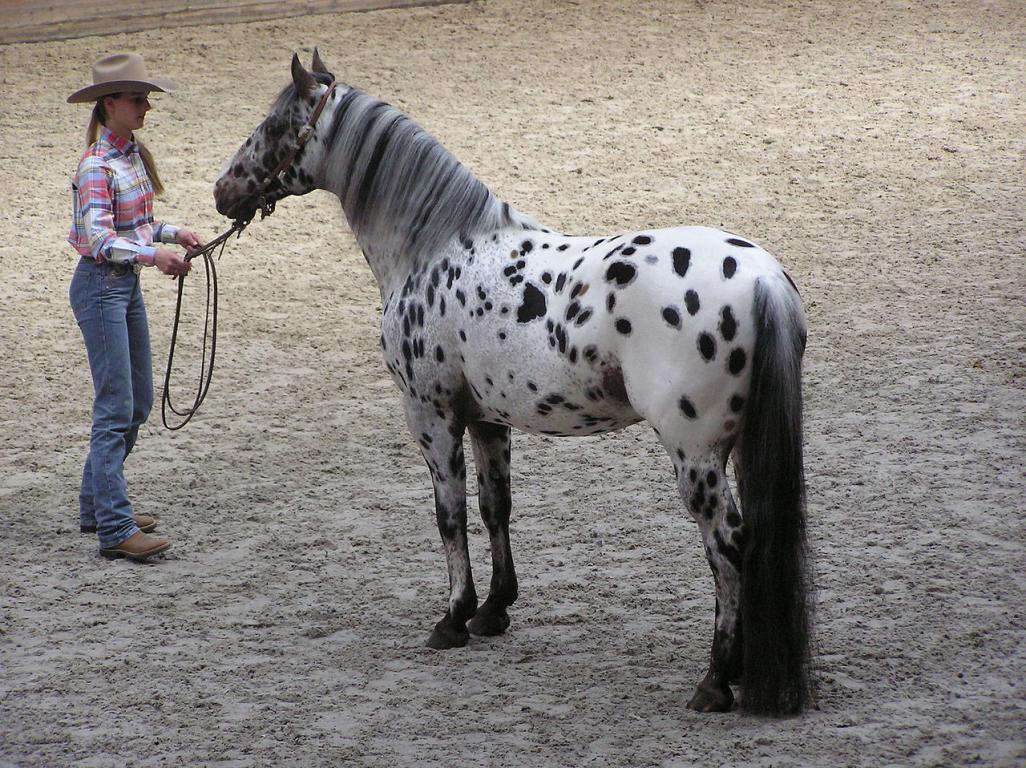
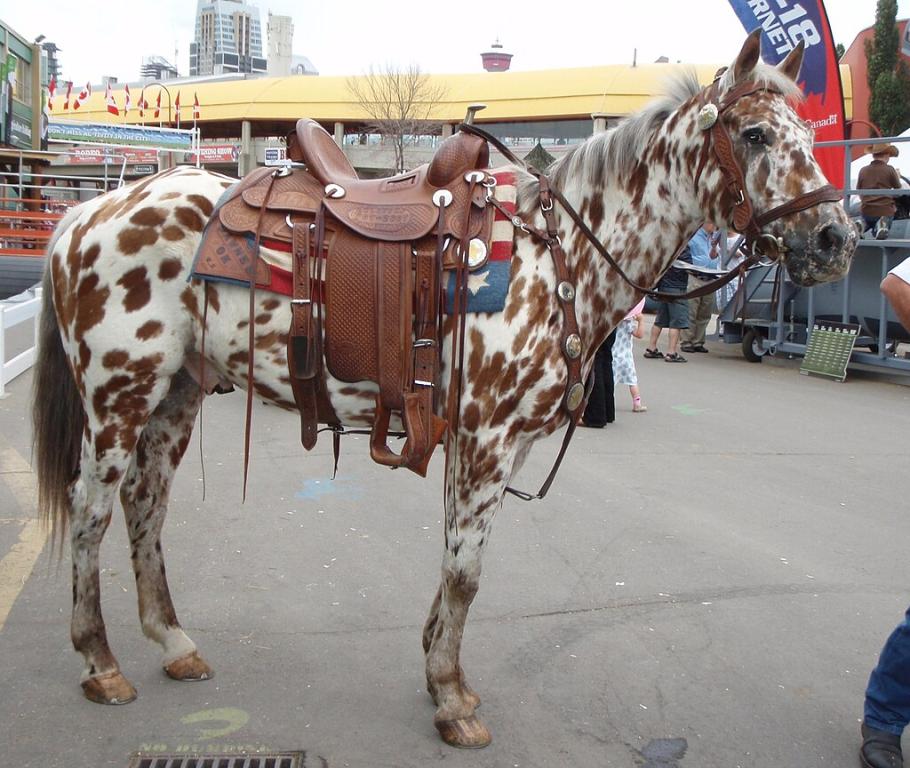
 Appaloosa stallion - CC BY-SA 3.0 - Karakal

Appaloosa

Why is the Appaloosa unique? Discover its spotted coat, temperament, origin and uses in western riding and more.

View profile
Image coming soon

Australian Riding Pony

Discover the Australian Riding Pony, an elegant pony standing 127 to 147 cm and around 275 kg, prized in Australia for leisure riding and competition thanks to its beauty and balan ...

View profile
Image coming soon

Australian Waler

Discover the Australian Waler horse, its height, weight, Australian origins, and unique qualities that make it a versatile and robust breed.

View profile
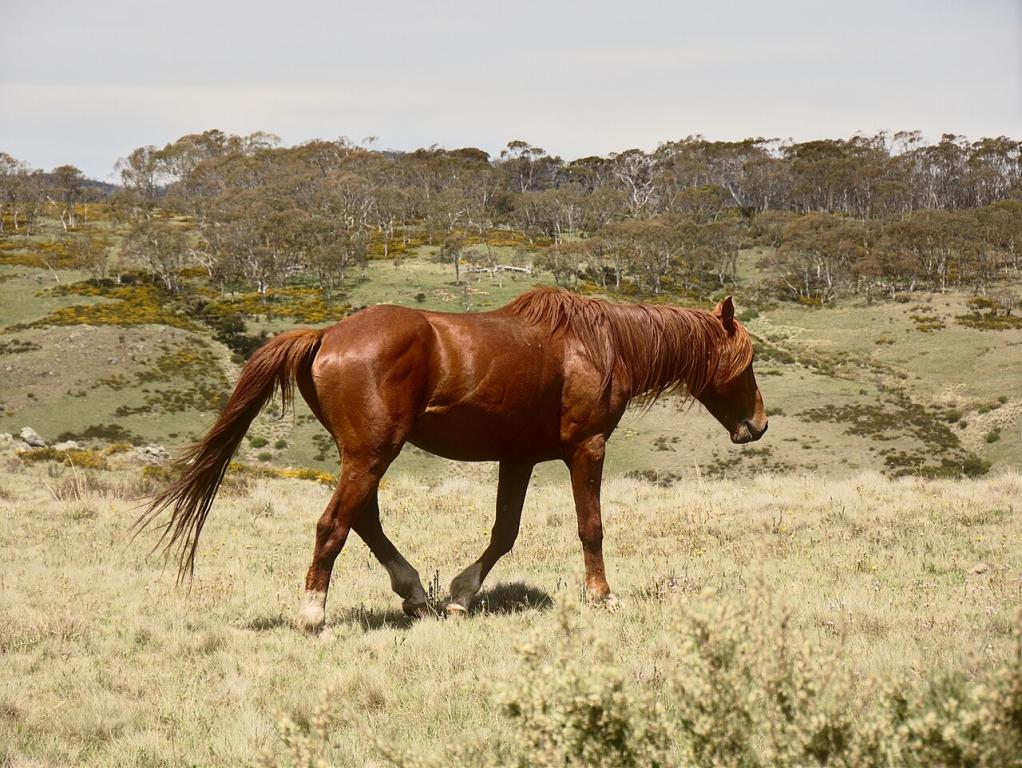
Chestnut Brumby in Kosciuszko National Park - CC BY-SA 4.0 - Thennicke

Brumby

The Brumby, Australia’s wild horse, sparks debate: heritage or invasive species? Discover its origin and the challenges it represents today.

View profile
Image coming soon

Calabrese horse

Discover the Calabrese horse, an Italian breed from Calabria, admired for its elegance, agility, and qualities in sport and traditional riding.

View profile
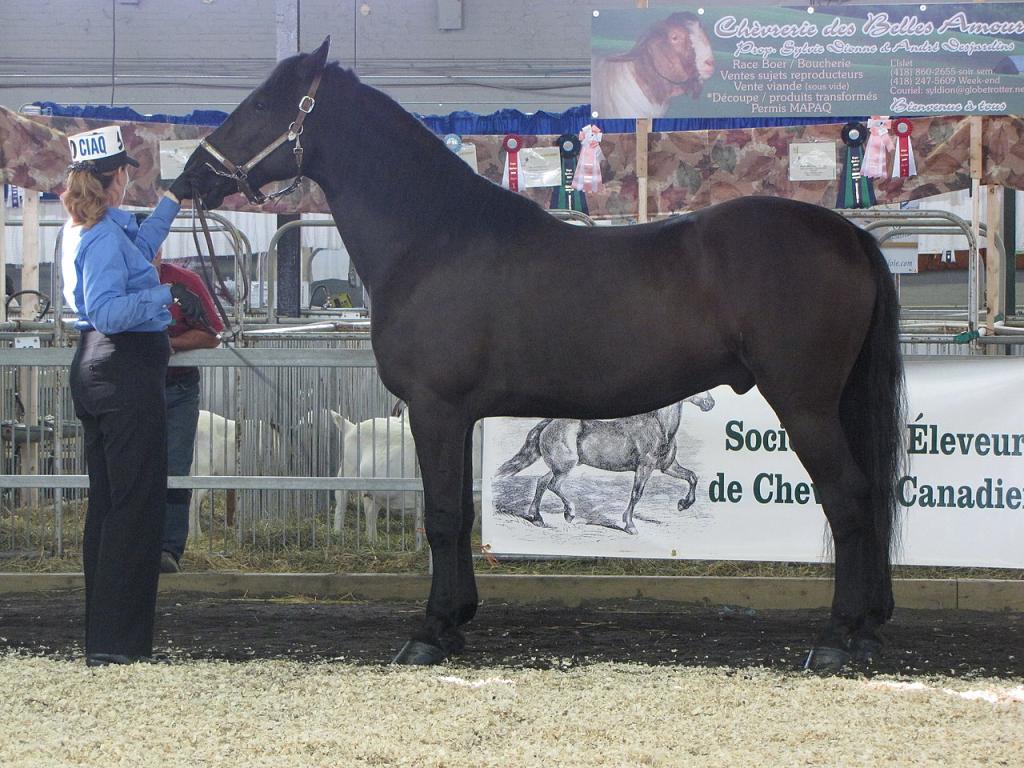
 Judging a Canadian horse at Expo Québec, in 2009. - CC BY 3.0 - busand2003

Canadian Horse

Why is the Canadian horse so special? Strong, versatile and gentle, discover this iconic Quebec breed and its many qualities.

View profile
Canadian sport horse Pikardi and his rider Bonny Bonnello at the 2010 Kentucky Cup. - CC BY 2.0 - Jean

Canadian Sport Horse

Developed from European bloodlines, the Canadian Sport Horse combines strength, agility and balance, ideal for show jumping, dressage and eventing.

View profile
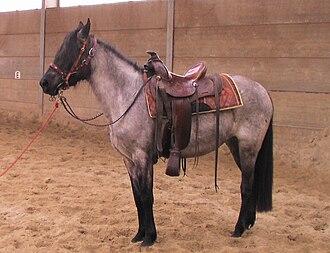
One of the first thoroughbred stallions Colorado Ranger - CC BY-SA 3.0 - Seerig

Colorado Ranger

Discover the Colorado Ranger, an American horse known for its versatility, strength, and the refined elegance inherited from its Arabian and Quarter Horse ancestry.

View profile
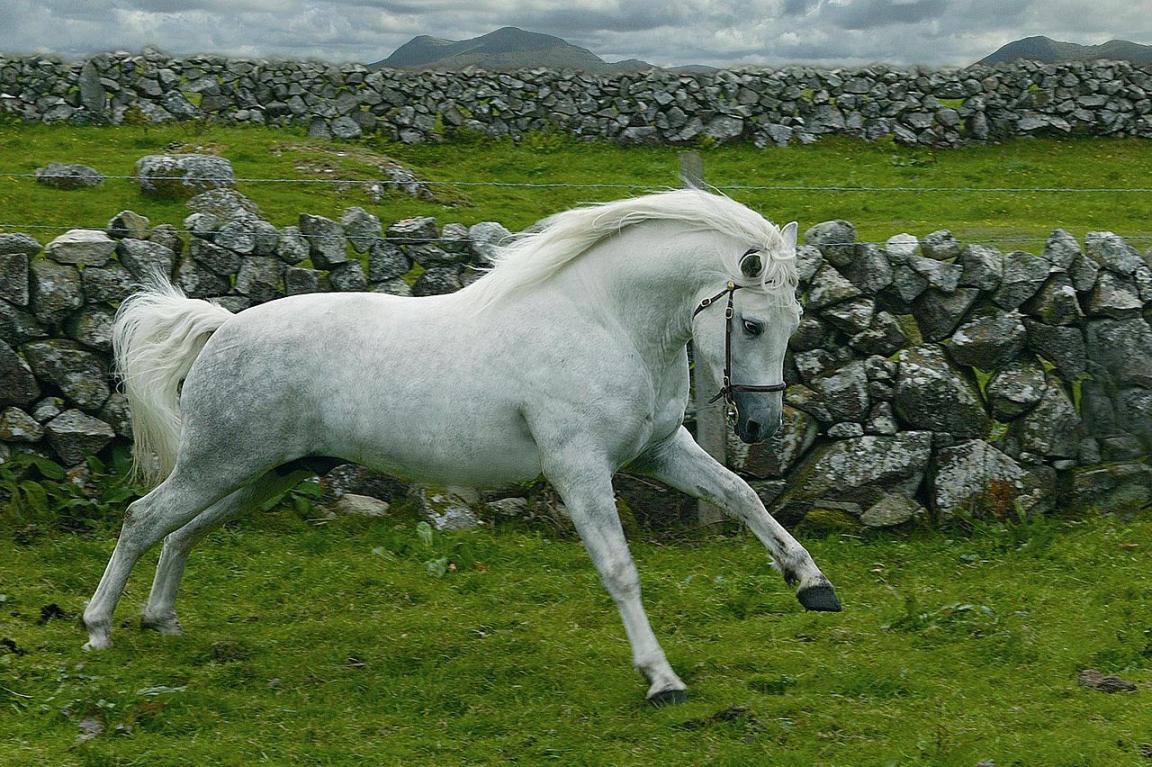
Gentle Dancer, Connemara stallion, in Ireland. - CC BY-SA 3.0 - Sophiesl

Connemara Pony

The Connemara, Ireland's only native breed, descends from Viking ponies and Andalusian horses from the 1588 Spanish Armada shipwreck. Olympic medallist in 1968, it's the ultimate s ...

View profile
Image coming soon

Czech Sport Pony – Český sportovní pony

Discover the Czech Sport Pony, a versatile and athletic breed, ideal for children’s riding and pony sport competitions.

View profile
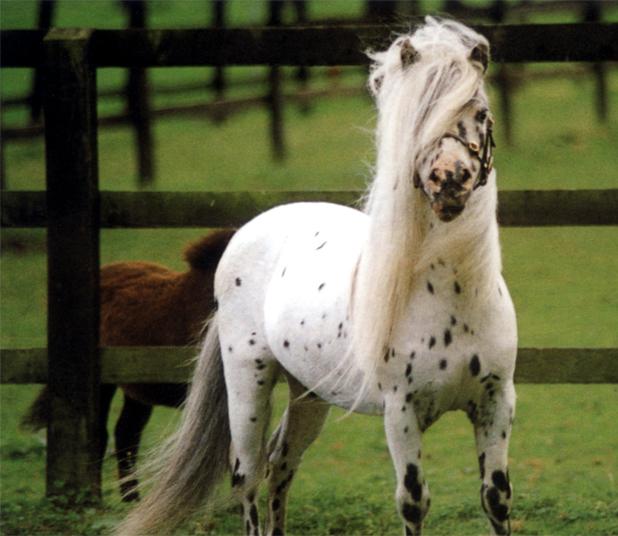
Falabella with the Spotted Coat - Captain E H Eckholdt — Susan Eckholdt - www.falabellahorses.com

Falabella

Discover the Falabella, one of the smallest horse breeds in the world: docile, elegant, hardy, and native to Argentina. Used in driving and equine therapy.

View profile
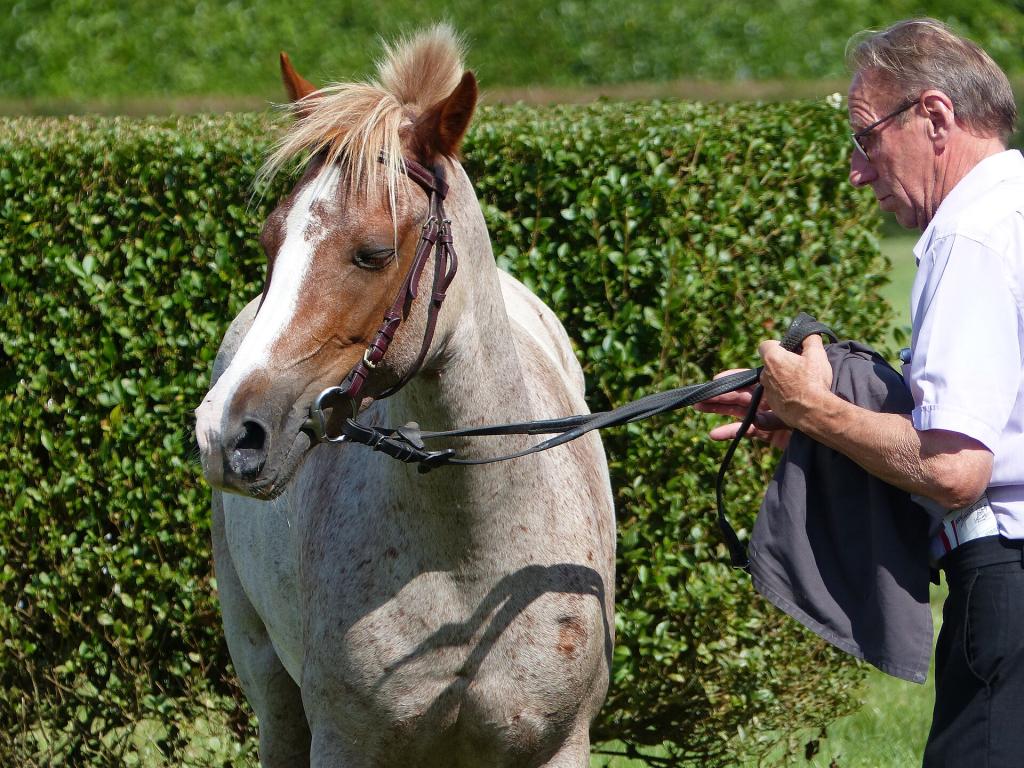
Automne, a strawberry roan French Saddle Pony, in Brittany. - CC BY-SA 4.0 - Tsaag Valren

French Saddle Pony | PFS

Discover the French Saddle Pony, a versatile sport pony prized for show jumping, dressage and eventing.

View profile
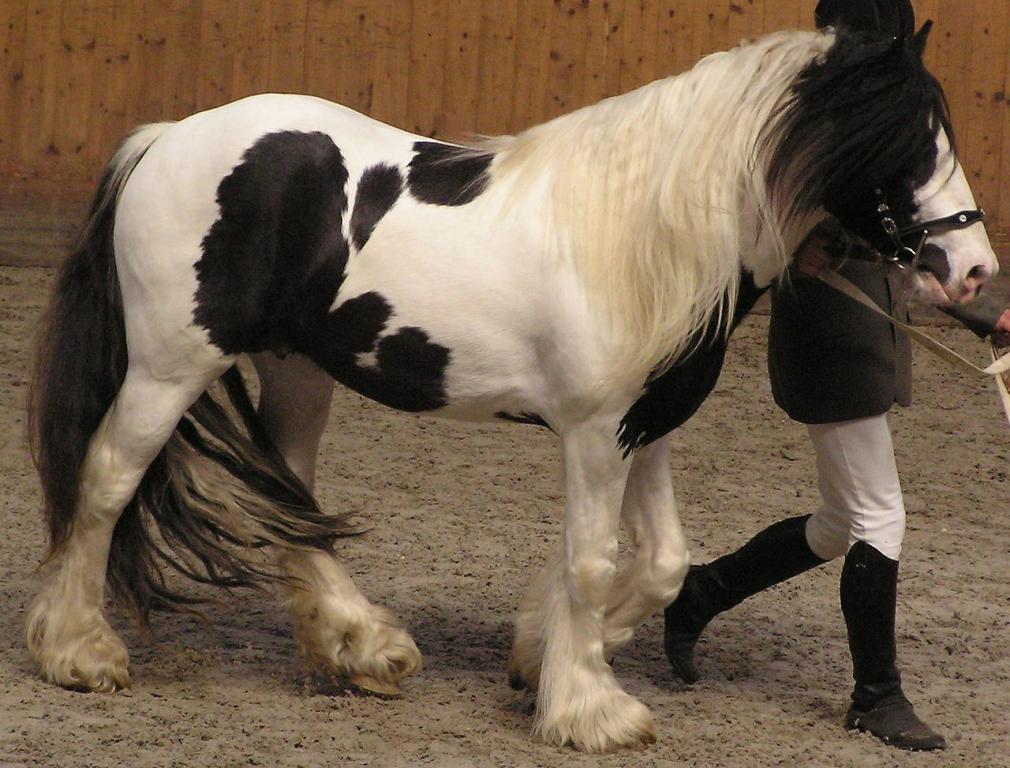
 A model of a piebald Irish Cob with its characteristic abundant mane, at a show in Prague, Czech Republic. - CC BY-SA 3.0 - Karakal

Gypsy Cob – Irish Cob – Gypsy Vanner (Tinker)

Why is the Irish Cob so loved? Gentle, hardy and versatile, this horse with abundant feathering is ideal for riding and driving.

View profile
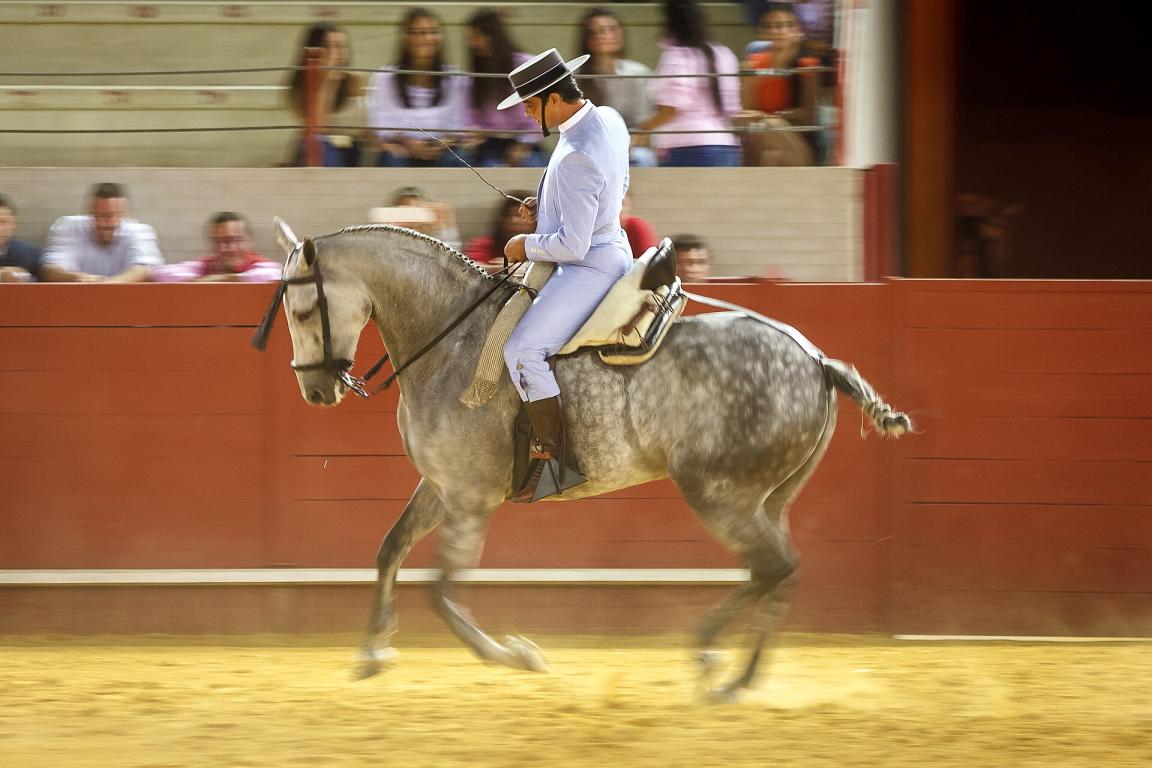
Hispano-Arabe horse mounted in Doma vaquera - CC BY-SA 2.0 - Manuel Gómez

Hispano-arabe | Aralusian

Discover the Hispano-Arabian, also known as the Aralusian, a Spanish sport horse from PRE and Arabian bloodlines, valued for doma vaquera, endurance and TREC.

View profile
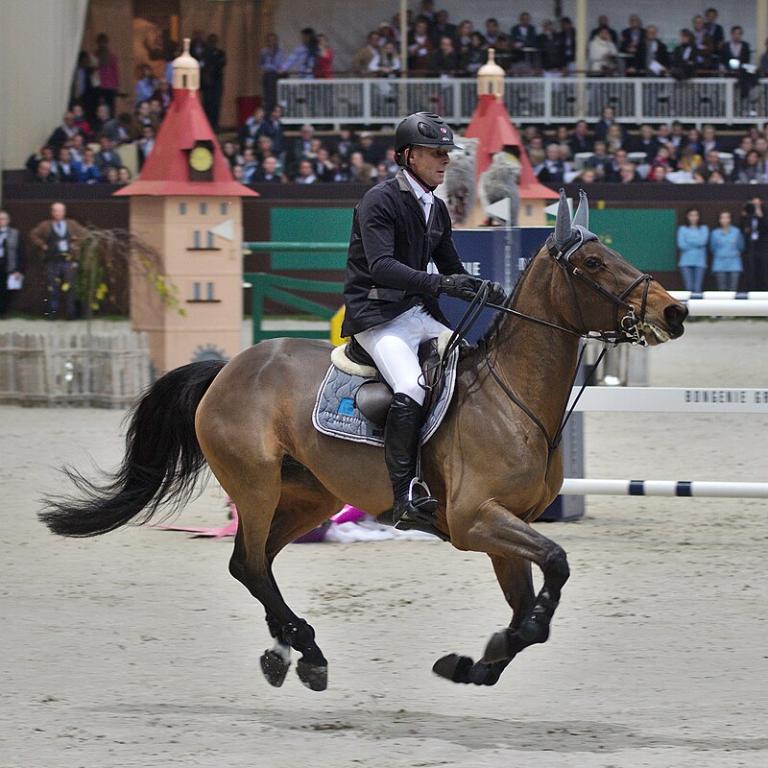
 Paul Estermann and Castlefield Eclipse, ISH mare - CC BY-SA 3.0 - Clément Bucco-Lechat

Irish Sport Horse - Hunter Irlandais

Discover the Irish Hunter, a sport horse from Ireland. Height 1.60–1.70 m, weight 500–600 kg. Athletic and versatile, it excels in eventing, jumping, and fox hunting.

View profile
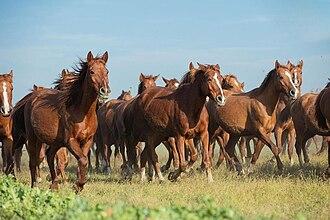
A group of chestnut Karabakh horses at Yashar Guluzade's stud farm in Shaki. - CC0 - Sefer azeri

Karabakh

Discover the Karabakh horse, Azerbaijan’s emblematic breed, famed for its golden coat, endurance, speed, and unique cultural heritage.

View profile
Kentucky Mountain Saddle Horse, three-year-old mare, conformation - CC BY 3.0 - Kittymama

Kentucky Mountain Saddle Horse

Discover the Kentucky Mountain Saddle Horse, an American breed renowned for its exceptionally smooth gait, gentle temperament, and versatility.

View profile
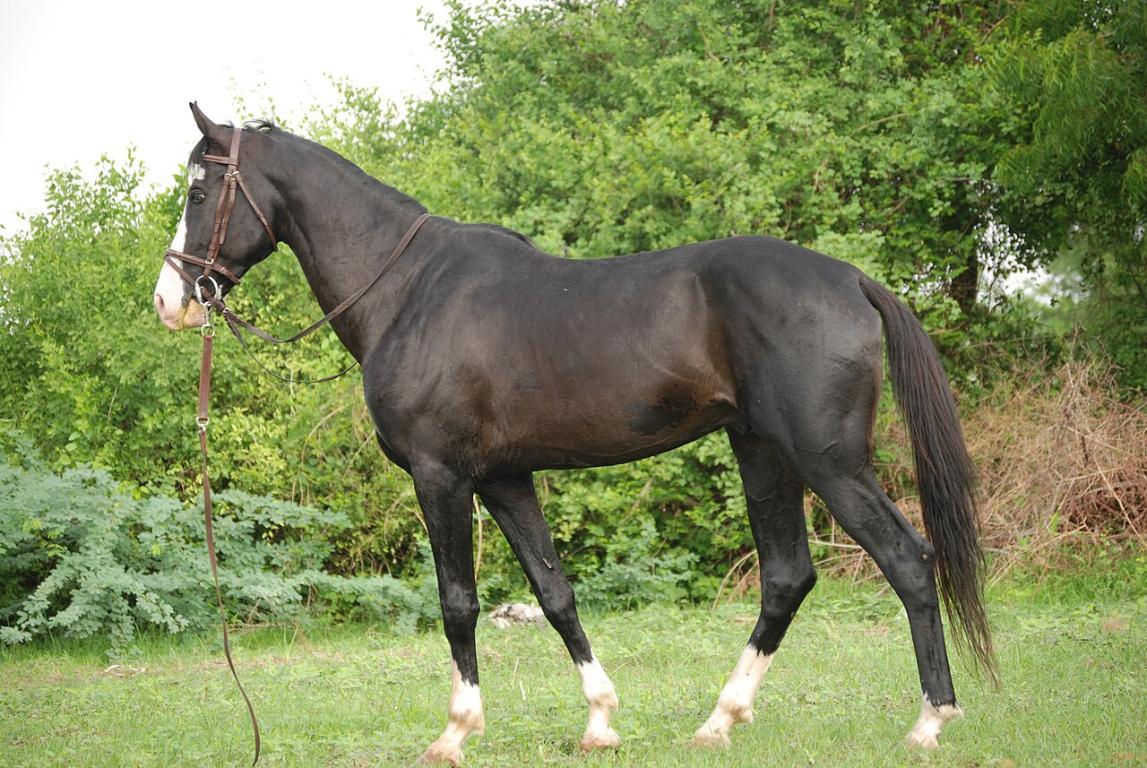
Humayun, Marwari stallion - Public domain - Virendra.kankariya

Marwari

Marwari, a saddle horse from India known for its inward-curving ears, endurance, and graceful appearance.

View profile
Quick Trigger, licorice-black Missouri Foxtrotter stallion - CC BY-SA 3.0 - Kayla Oakes

Missouri Fox Trotter

Why is the Missouri Fox Trotter so comfortable? Discover this smooth gaited horse, perfect for trail riding and western riding.

View profile
A bay Morab under saddle - CC BY 2.0 - Heather Moreton

Morab

Why is the Morab so popular? This Morgan–Arabian cross offers elegance, endurance and versatility.

View profile
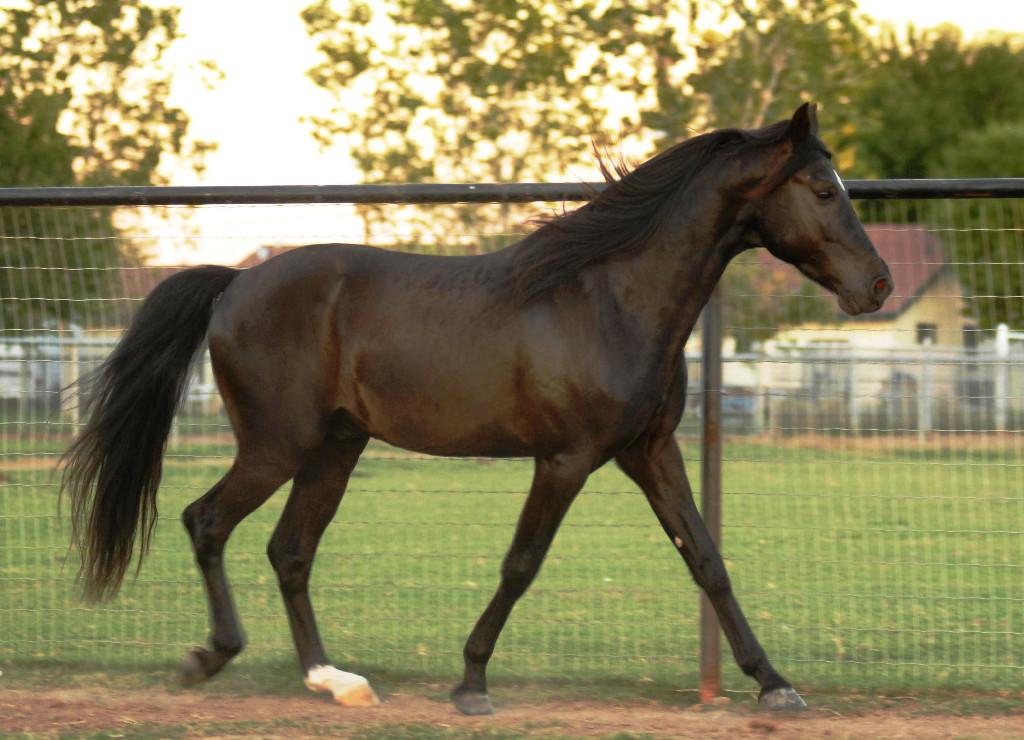
Morgan mounted during a show - CC BY 2.0 - Just chaos

Morgan

Discover the Morgan horse, an American breed renowned for its elegance, strength, and versatility, descended from the legendary stallion Figure.

View profile
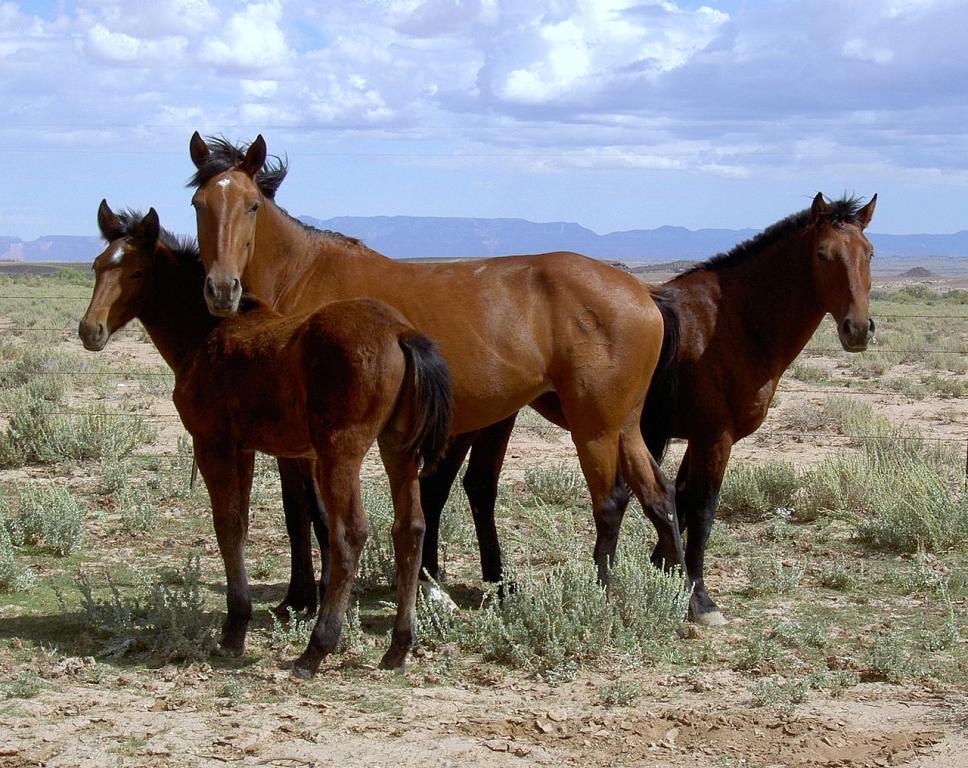
Mustangs in Arizona. - CC BY 2.0 - John Harwood

Mustang

Discover the Mustang, America’s wild horse, a symbol of freedom and endurance, still roaming across the Western United States.

View profile
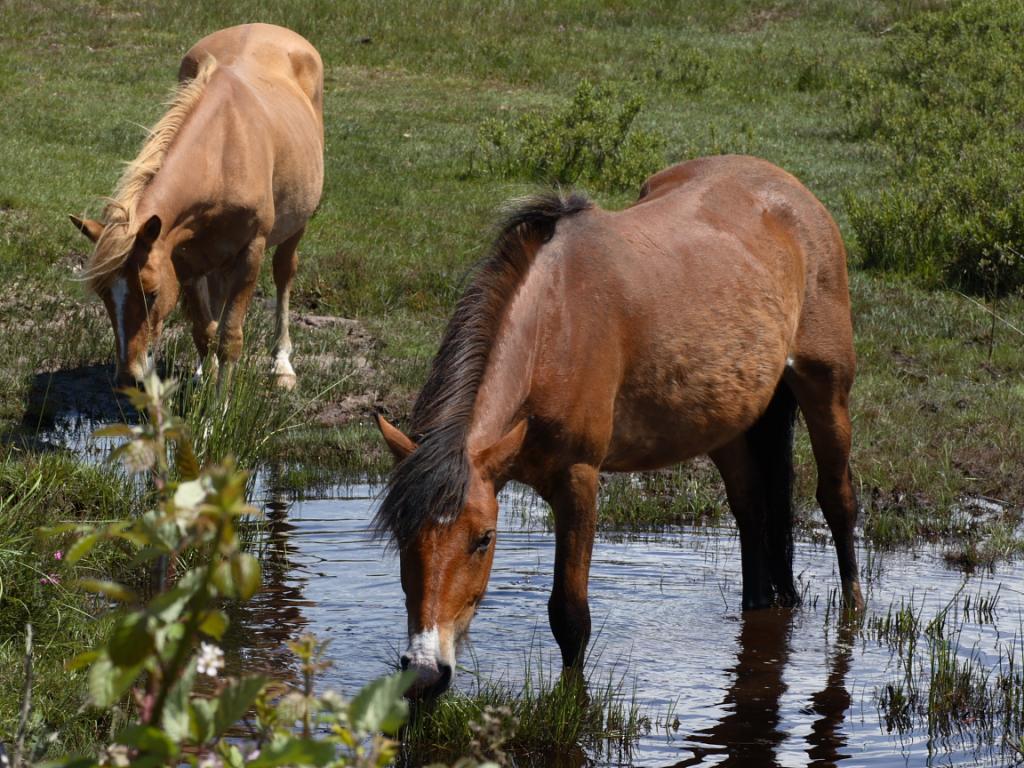
Ponies roaming freely in the New Forest National Park - CC BY 2.0 - Paul Albertella

New Forest

Discover the New Forest Pony, a versatile British breed from Hampshire, standing 122–148 cm and weighing 300–450 kg. Origin, uses, colors, and semi-wild breeding.

View profile
 Curly horse in palomino dress. - CC BY-SA 2.0 - Ron Manke

North American Curly Horse

Discover the North American Curly Horse, a hardy and hypoallergenic breed known for its unique curly coat, intelligence, and gentle temperament.

View profile
Paso Fino performed during a show. - CC BY 2.0 - Just chaos

Paso Fino

Elegant, comfortable, and renowned for its natural gaits, the Paso Fino captivates riders around the world. Discover this fascinating breed.

View profile
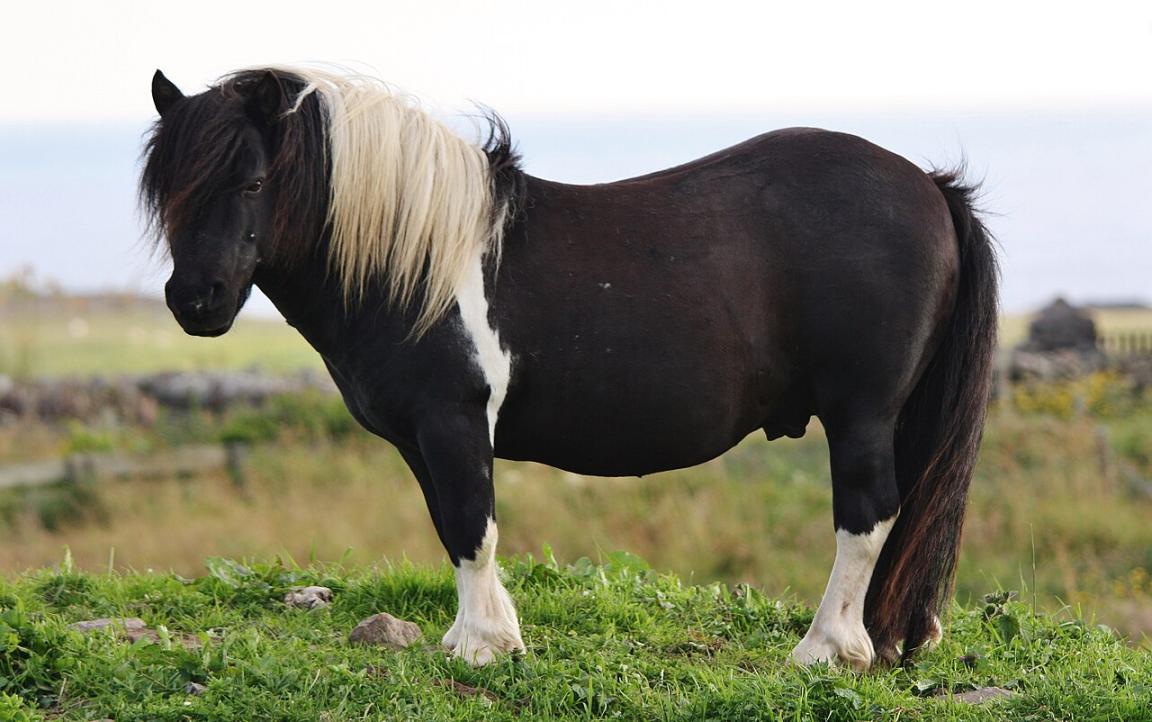
A piebald Shetland pony on the Shetland Islands. - CC BY-SA 2.0 - Ronnie Robertson

Shetland Pony

The Shetland Pony, the world's strongest horse relative to its size, can pull twice its own weight. Present since the Bronze Age, thousands spent their entire lives hauling coal un ...

View profile
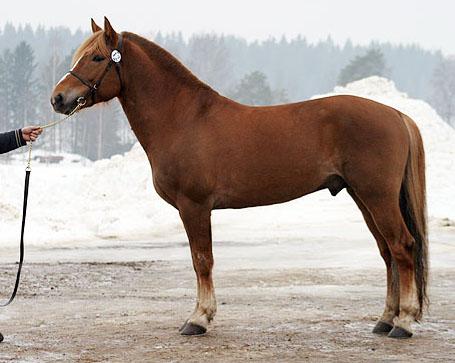
Suomenhevonen - Finnhorse stallion. - CC BY-SA 3.0 - Johanna Rautio

Suomenhevonen - Finnhorse

Why is the Suomenhevonen so appreciated? Strong and versatile, discover this Finnish horse and its unique qualities.

View profile
Tennessee Walker horse model - CC BY 2.0 - Just chaos

Tennessee Walking Horse

Discover the Tennessee Walking Horse, an American breed renowned for its smooth gaits, natural elegance, and calm temperament.

View profile
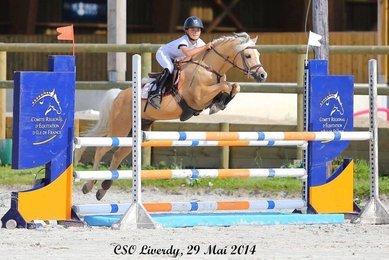
Welsh B in CSO - CC BY-SA 4.0 - Elevage de maika

Welsh Pony Section B

The Welsh Section B, an elegant and athletic Welsh pony, nearly faced extinction under a 16th-century Tudor law. Gentle and versatile, it is today the favourite pony for children a ...

View profile

Frequently asked questions about Palomino

How can you identify Palomino in a horse?

The coat ranges from pale cream to rich gold. The mane and tail are ivory, cream or nearly white, while the skin normally remains dark.

Does Palomino change with age or the seasons?

The golden shade may lighten in winter or sunlight, and the mane and tail may yellow or whiten over time.

Which coats or traits can be confused with Palomino?

It may resemble flaxen chestnut, gold champagne or some pearl phenotypes. Genetic testing may be needed.
Is genetic testing necessary to identify Palomino?

Visual examination is sometimes sufficient, but genetic testing can be useful when several coats look similar or when breeding decisions are involved.