Discover the Hispano-Arabian, also known as the Aralusian, a Spanish sport horse from PRE and Arabian bloodlines, valued for doma vaquera, endurance and TREC.
By the Chevaux du Monde editorial team · Published on · Updated on
Type: Riding Horse
Weight: 400 – 450 kg
Height: 158 – 160 cm
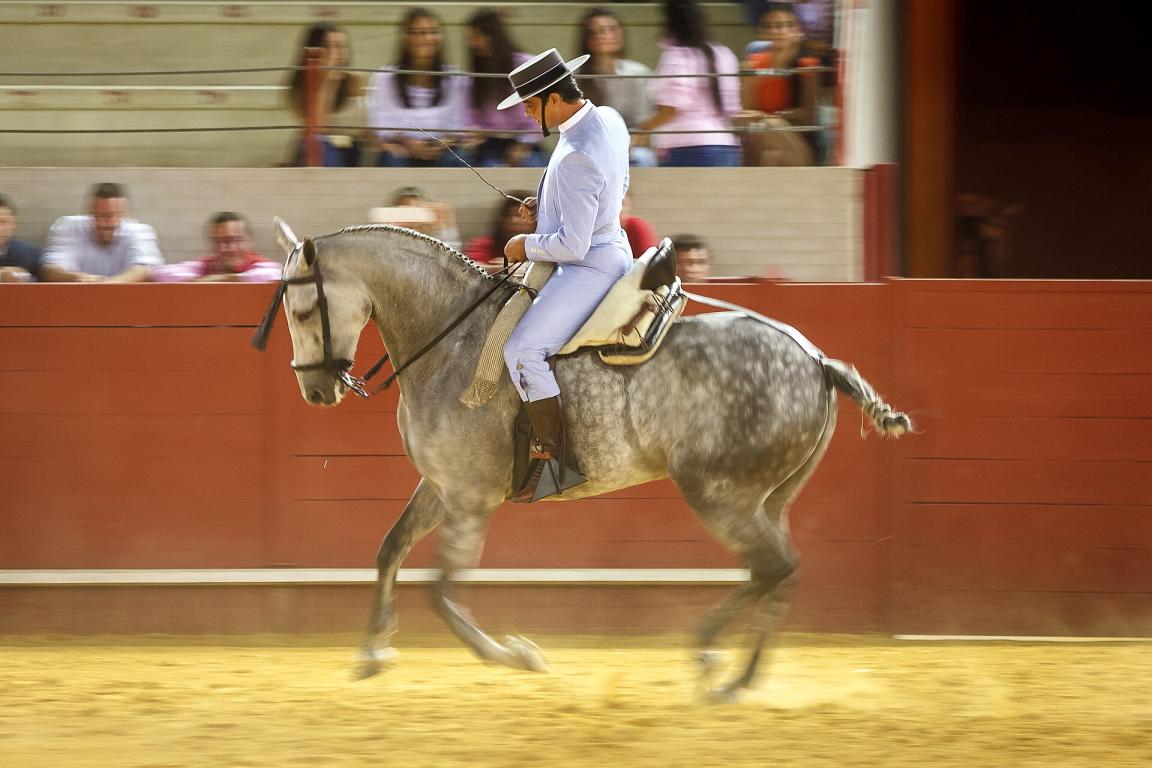
The Hispano-Arabian is a horse breed originating from Spain, particularly associated with Andalusia. It comes from the cross between the Pure Spanish Horse and the Arabian horse, two bloodlines renowned for their elegance, energy and qualities under saddle.
The breed is also known as the Aralusian, especially in some English-speaking contexts. This name refers to the blend of Andalusian and Arabian blood, although the official stud-book name remains Hispano-Árabe.
The development of the Hispano-Arabian aimed to create a horse combining the suppleness, balance and working abilities of the Spanish horse with the endurance, refinement and energy of the Arabian horse. This origin explains its profile as a sporty, elegant and versatile saddle horse.
The Hispano-Arabian is mainly associated with Andalusia, which remains its principal breeding and distribution area. This region in southern Spain is the cultural cradle of the breed, with a strong tradition of saddle horses, doma vaquera, mounted work and Iberian equestrian selection.
Although Andalusia remains central, Hispano-Arabian breeding is not limited to this region alone. Breeders are also found in other areas of Spain, including Castile-La Mancha, Castile and León and Extremadura, according to information published by the Spanish breed association, UEGHá.
The breed remains above all connected to Spanish territory and Iberian equestrian heritage. Its international presence does exist, especially under the English name Aralusian, but its structured breeding and stud-book remain mainly linked to Spain.


The Hispano-Arabian is genetically interesting because it combines two major bloodlines: the Pure Spanish Horse, valued for its balance, suppleness and aptitude for ridden work, and the Arabian horse, known for its endurance, refinement, resilience and energy. This combination produces a saddle horse with an intermediate profile, at once elegant, energetic and versatile.
The breed was developed to preserve useful qualities under saddle: maneuverability, responsiveness, stamina, natural balance and a good working temperament. Its genetic importance therefore lies mainly in the search for a horse capable of combining the abilities of the Spanish horse with the hardiness and endurance of Arabian blood.
The Hispano-Arabian also represents a specific Spanish genetic heritage, linked to Andalusia and Iberian equestrian traditions. Preserving it helps maintain an original bloodline, distinct from both the Pure Spanish Horse and the pure Arabian, with its own identity suited to doma vaquera, sport, active leisure riding and outdoor disciplines.
The Hispano-Arabian developed in Spain, in a context where breeders sought to combine the qualities of the Spanish horse with those of the Arabian horse. The cross between the Pure Spanish Horse and the Arabian aimed to produce a lighter, more responsive and enduring horse, while preserving the balance, suppleness and working abilities typical of Iberian horses.
The breed is particularly associated with Andalusia, a region where traditions of riding, doma vaquera and cattle work strongly influenced its selection. The Hispano-Arabian was sought after as a versatile saddle horse, able to meet the needs of outdoor work, sport riding and disciplines requiring maneuverability, endurance and spirit.
The modern history of the Hispano-Arabian is marked by the organization of its stud-book, now managed in Spain by UEGHá. This organization helps regulate breeding, define breed criteria and preserve the identity of the Hispano-Arabian as a distinct breed, rather than a simple cross between the Arabian and the Spanish horse.
Despite its qualities, the Hispano-Arabian remains less famous than the Pure Spanish Horse or the Arabian horse. Its history is therefore also that of a specialized composite breed, developed for specific uses and gradually valued as a horse for sport, active leisure riding and Iberian tradition. It is also known as the Aralusian in some English-speaking contexts.
The Hispano-Arabian is generally described as a lively, energetic and responsive horse, with a temperament strongly influenced by Arabian blood. It can show plenty of impulsion and sensitivity, making it an interesting horse for riders looking for finesse and responsiveness under saddle.
This breed is known for its intelligence, learning ability and willingness to work. The Hispano-Arabian can be very pleasant when properly trained, as it learns quickly and responds well to the aids. Its sensitivity, however, requires a fair, consistent and balanced hand.
Although it can be versatile and enjoyable, the Hispano-Arabian is not always the easiest horse for a complete beginner. Its sensitive temperament, energy and responsiveness are better suited to riders able to channel its impulsion without rushing or upsetting it. When well trained, it becomes a maneuverable, brave and willing horse.
Thanks to its blend of Spanish and Arabian blood, the Hispano-Arabian often combines the suppleness, balance and collection ability of the Iberian horse with the endurance, liveliness and resilience of the Arabian. This temperament explains its appeal for doma vaquera, sport, outdoor riding, TREC, endurance and active leisure riding.
The future of the Hispano-Arabian depends mainly on its versatility. Its profile as a saddle horse, at once athletic, elegant and enduring, may continue to appeal to riders looking for a horse suited to dressage, doma vaquera, TREC, endurance, active leisure riding and outdoor disciplines.
The breed retains development potential thanks to its connection with the equestrian traditions of Andalusia and Spain. Its ability to combine the balance of the Spanish horse with the energy and stamina of the Arabian horse may strengthen its place in disciplines requiring a maneuverable, responsive and resilient horse.
The Hispano-Arabian remains less well known than the Pure Spanish Horse or the Arabian horse. One of its main challenges is therefore to improve its international visibility, especially under its other name, Aralusian, used in some English-speaking contexts. Better communication around its sporting qualities could help the breed reach a wider audience.
As with many specialized breeds with limited distribution, the future of the Hispano-Arabian also depends on maintaining serious selection, an active stud-book and careful management of genetic diversity. The breed has genuine qualities, but it remains dependent on the commitment of breeders, breed associations and rider demand.
The Hispano-Arabian is not known, in accessible official sources, for any major hereditary disease specific to the breed. It is generally presented as a sporty, energetic and versatile saddle horse, but this does not allow any particular health predisposition to be stated without precise veterinary data.
As the breed combines influences from the Pure Spanish Horse and the Arabian horse, selection should remain attentive to the quality of breeding stock, genetic diversity and the absence of transmissible defects. This vigilance mainly concerns stud-book and bloodline management, rather than a clearly identified disease typically associated with the Hispano-Arabian.
The Hispano-Arabian requires the standard care of an active saddle horse: monitoring of the limbs, tendons, back, teeth and hooves, with feeding adapted to its level of work. Its often lively and sensitive temperament also calls for regular management of effort, recovery and stress, especially in horses used for endurance, TREC, doma vaquera or active leisure riding.
To date, it is better to present the Hispano-Arabian as a breed with no specifically documented major genetic predisposition, while requiring serious selection and veterinary follow-up consistent with its profile as an enduring, responsive and athletic horse.
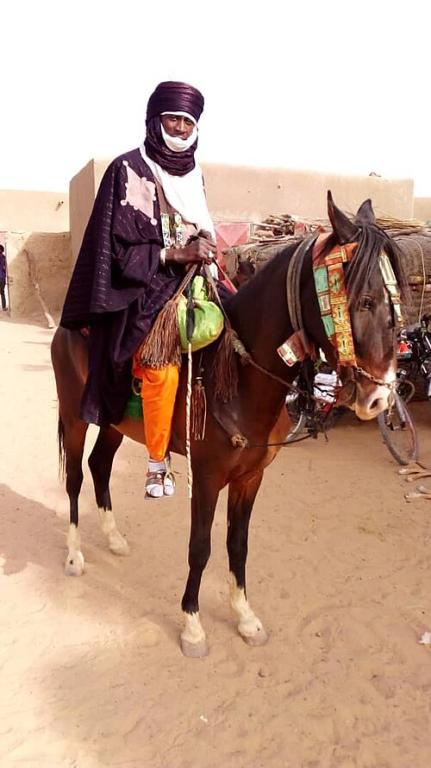
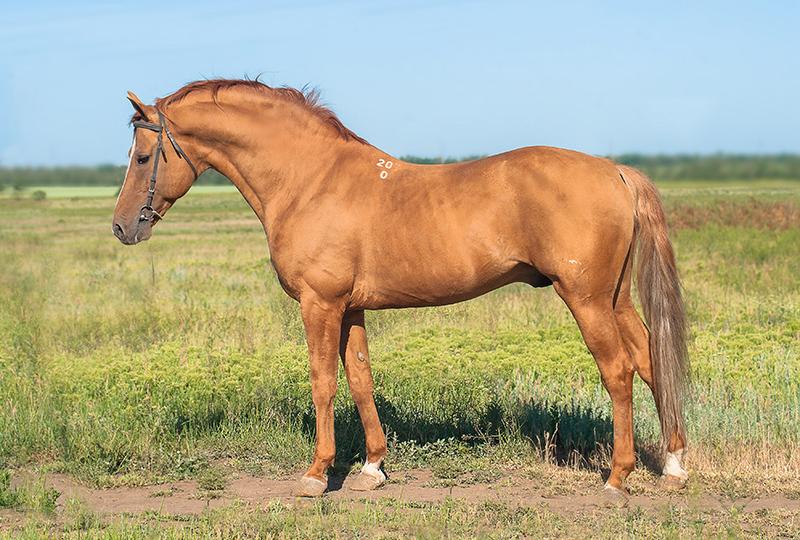
Hispano-Arabian horse noted in doma vaquera, cited by UEGHá among the placed horses at the Concurso Nacional Ciudad de Carmona. The mention 50% indicates its percentage of Arabian blood in the pedigree.
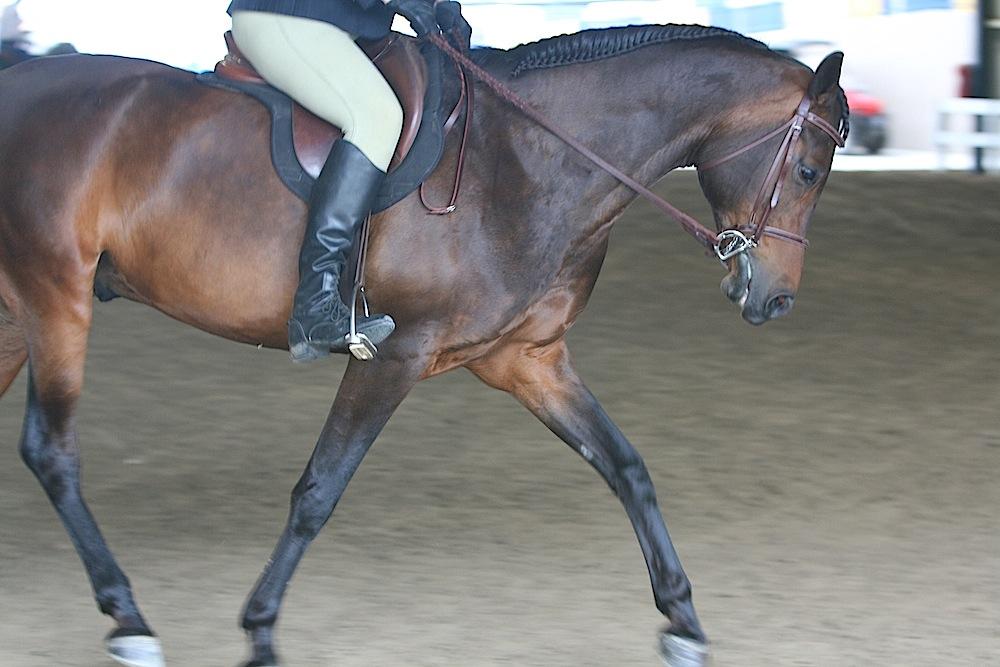
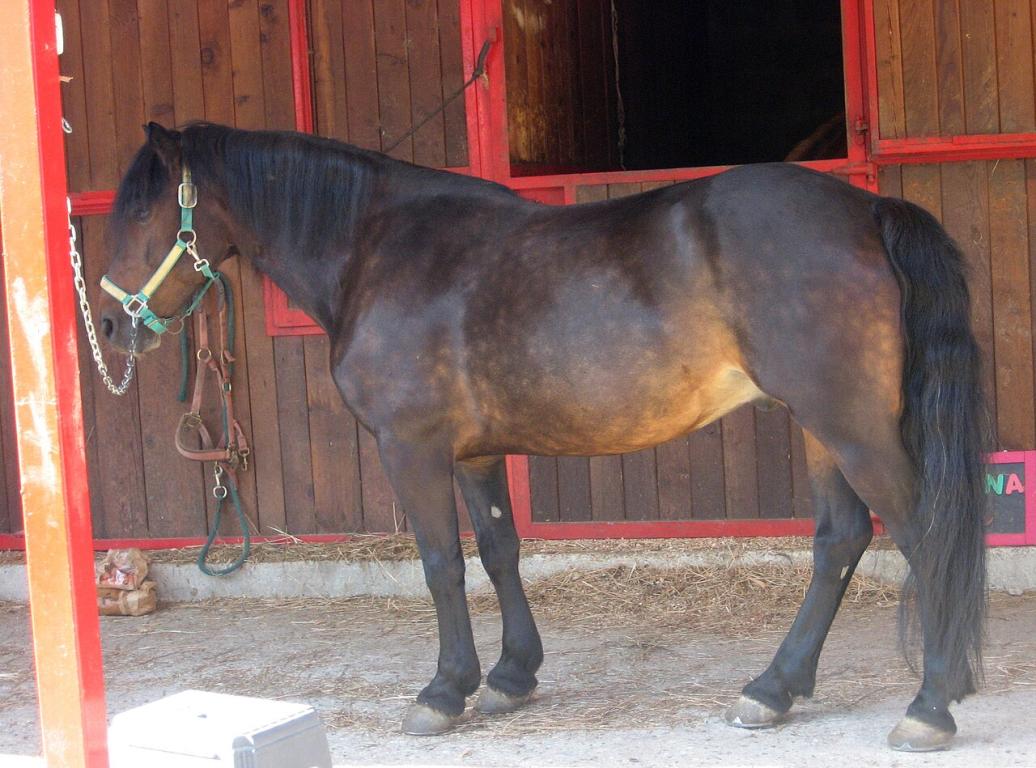
Hispano-Arabian mare cited by UEGHá among the horses distinguished in doma vaquera at the Concurso Nacional Ciudad de Carmona. The mention 37.5% corresponds to the percentage of Arabian blood.