Diluted and shaded coat

Sooty buckskin

Illustration of Sooty buckskin coming soon

Sooty buckskin is a buckskin coat strongly darkened by the sooty effect. It is a descriptive combination rather than an independent dilution.

Category
Diluted and shaded coat
Family
Buckskin with sooty shading
Related breeds
10 associated breeds

A buckskin coat strongly darkened by interspersed black hairs, producing a brownish, grayish, or shaded appearance.

How can you identify Sooty buckskin?

Dark hairs overlay a tan or golden base, especially over the back, neck and flanks, creating a brownish, grayish or smoky appearance.

  • Buckskin base remains visible
  • Heavy dark shading
  • Black mane, tail and legs
  • Shading strongest over the upper body

Genetic origin and mechanism

The base is normally bay with one Cream variant. The precise genetic mechanism behind sooty shading remains incompletely understood.

Development and variations

Shading intensity may vary greatly with season and age.

Possible confusions

It may resemble bay dun, seal brown or sun-faded black. Preserved black points and the diluted underlying body help identification.
Horse breeds associated with Sooty buckskin

Explore the profiles of breeds in which this coat or trait is present or documented.

Ardennes stallion from the Fourneau Saint-Michel estate in Saint-Hubert (Belgium). - CC BY 3.0 - Marie-Claire

Ardennais (Draft)

Why is the Ardennes horse so strong? Discover this powerful draft horse from the Ardennes and its many uses.

View profile
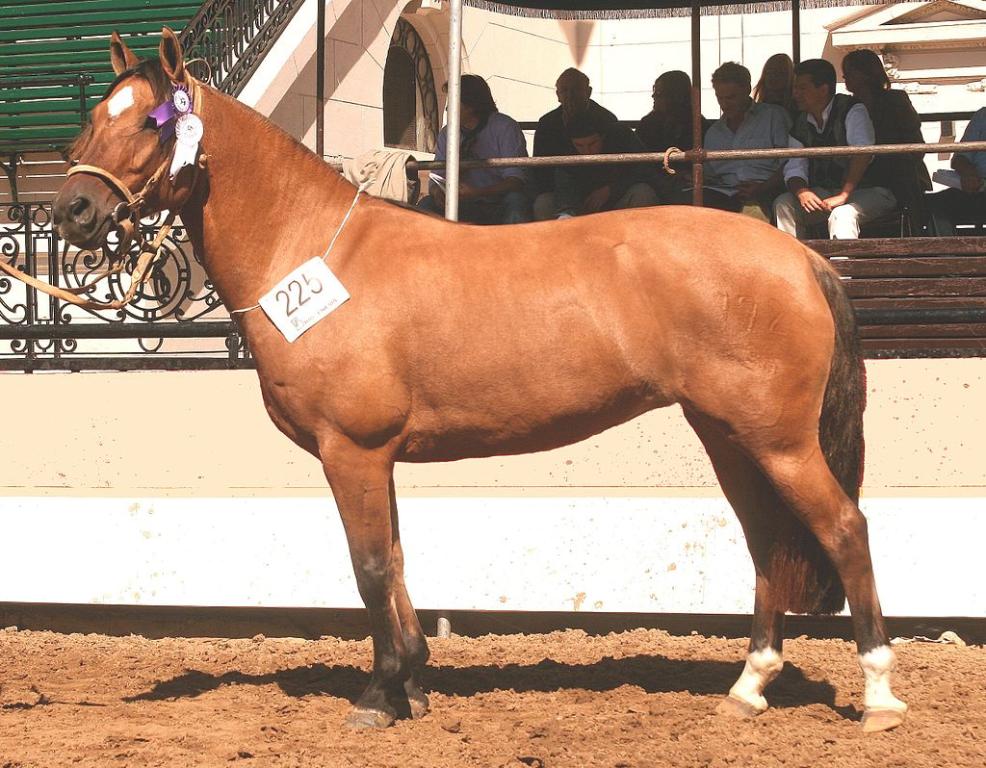
Bay Argentinian Criollo mare - CC BY 3.0 - Luciodec

Criollo

An emblematic Argentine breed, the Criollo stands out for its endurance, resilience, and deep connection to gaucho traditions.

View profile
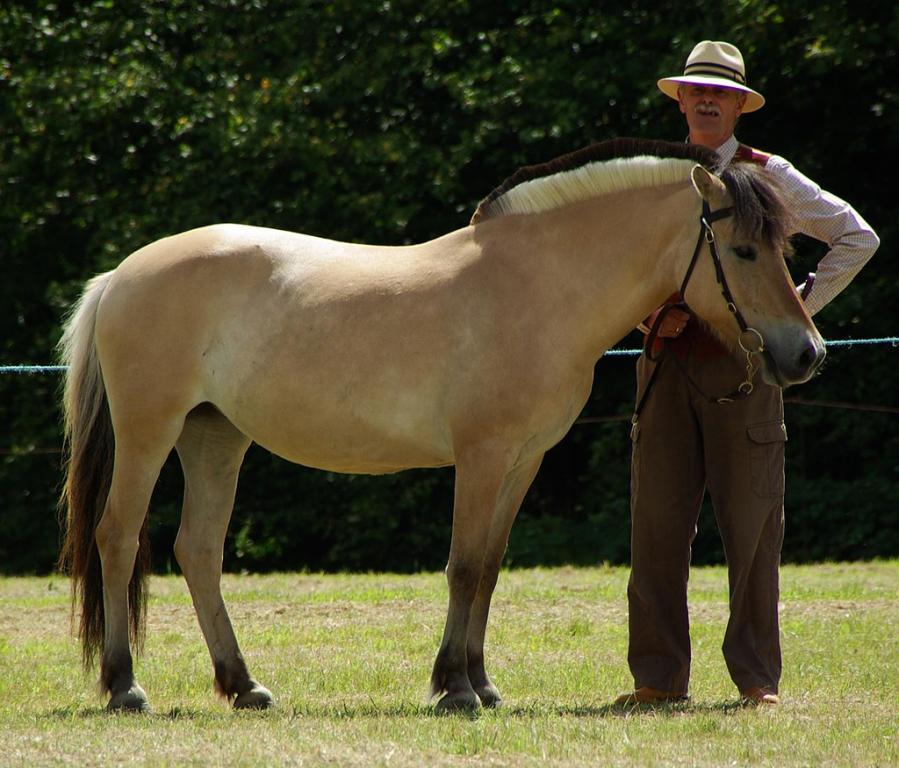
 Fjord Pony at model - CC BY 2.0 - Nordlicht8

Fjord

Fjord horse, a hardy breed from Norway, known for its strength, calm nature, and distinctive two-tone mane.

View profile
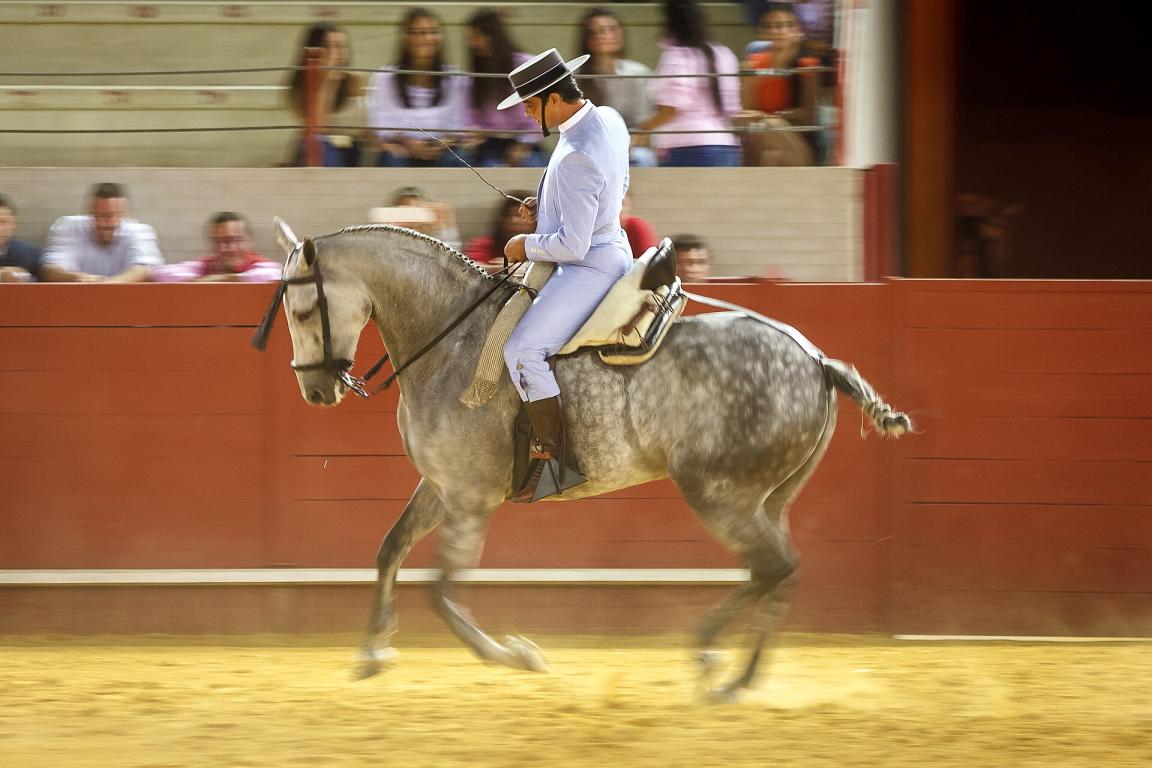
Hispano-Arabe horse mounted in Doma vaquera - CC BY-SA 2.0 - Manuel Gómez

Hispano-arabe | Aralusian

Discover the Hispano-Arabian, also known as the Aralusian, a Spanish sport horse from PRE and Arabian bloodlines, valued for doma vaquera, endurance and TREC.

View profile
Image coming soon

Jianchang

The Jianchang horse, a small Chinese mountain breed from Sichuan, known for its hardiness and agility, measuring around 110–120 cm and weighing 180–250 kg.

View profile
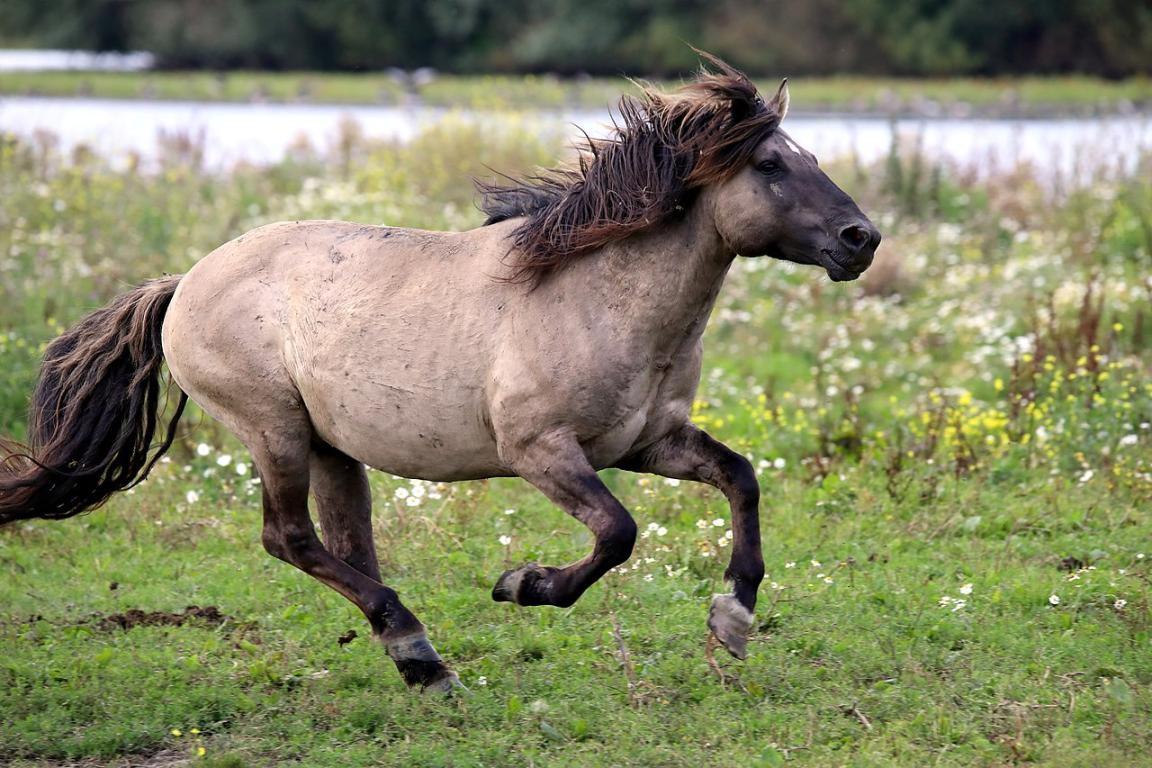
Konik galloping in semi-freedom at Oostvaardersplassen, the Netherlands. - CC BY 2.0 - Jac. Janssen

Konik

Is the Konik a descendant of the Tarpan? Discover this hardy Polish primitive horse and its role in conservation.

View profile
Image coming soon

Lokai

Discover the Lokai horse, a robust and agile Tajik mountain breed used for riding, pack work, kokpar and endurance.

View profile
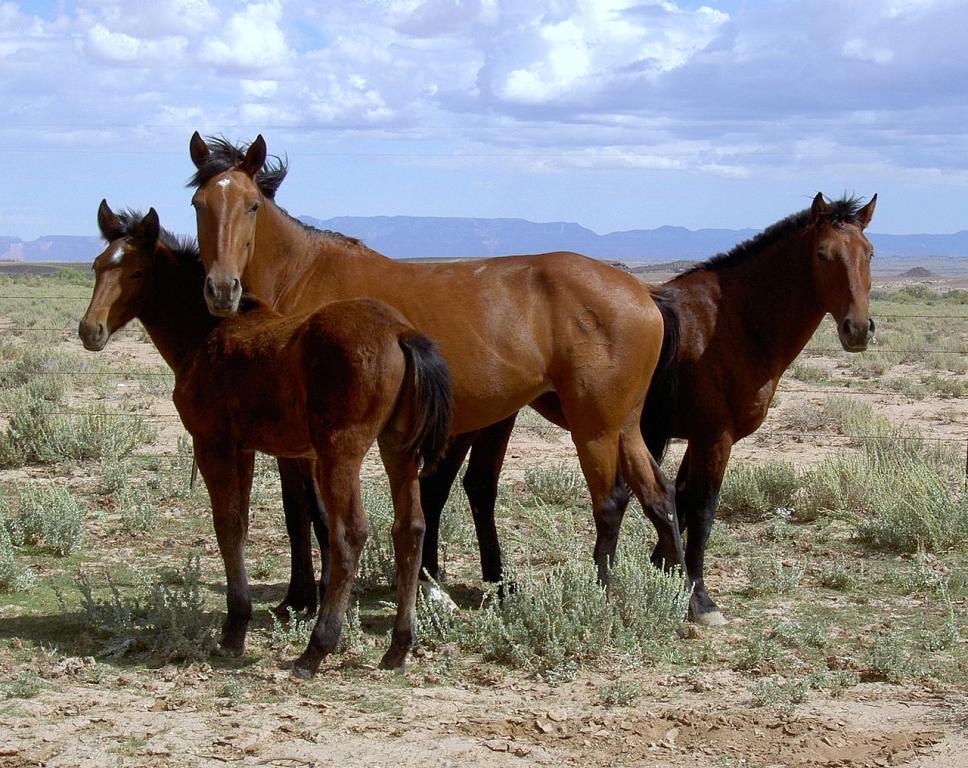
Mustangs in Arizona. - CC BY 2.0 - John Harwood

Mustang

Discover the Mustang, America’s wild horse, a symbol of freedom and endurance, still roaming across the Western United States.

View profile
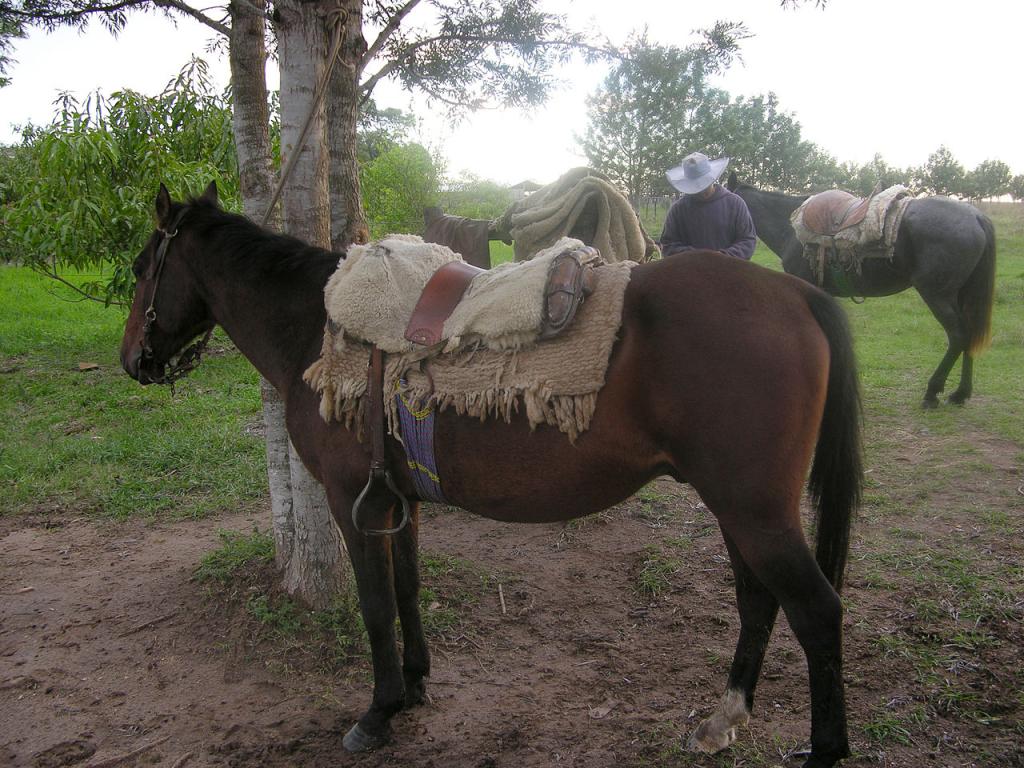
Paraguayan Criollo Paraguayan Horse - Domaine public - Andrea Grosse NBII

Paraguayan Criollo – Paraguayan Horse

Discover the Paraguayan Horse, or Paraguayan Criollo: a small, hardy and enduring horse, loyal and perfectly adapted to South American ranch life.

View profile
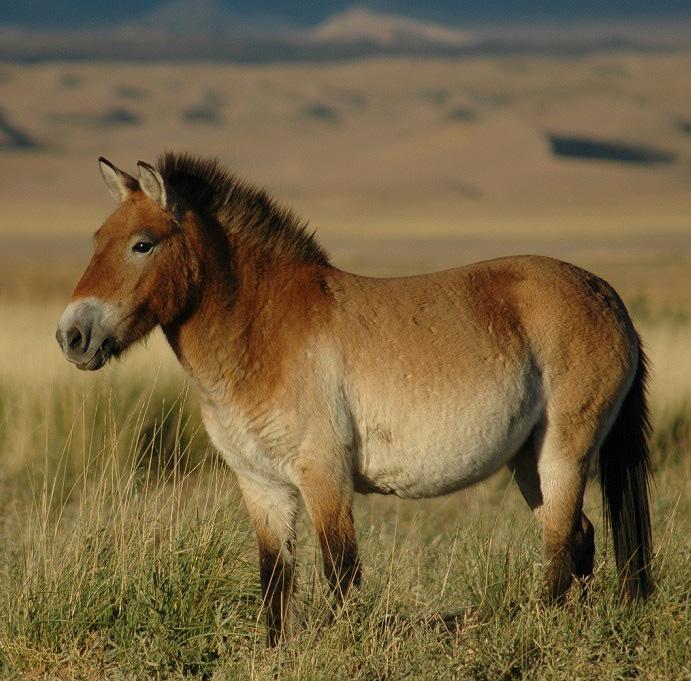
 Przewalski's Horse - CC BY-SA 4.0 - Claudia Feh

Przewalski's Horse

Discover Przewalski's Horse, the last surviving wild horse species, a symbol of the Mongolian steppe, rare, robust, and preserved through conservation programs.

View profile

Frequently asked questions about Sooty buckskin

How can you identify Sooty buckskin in a horse?

Dark hairs overlay a tan or golden base, especially over the back, neck and flanks, creating a brownish, grayish or smoky appearance.

Does Sooty buckskin change with age or the seasons?

Shading intensity may vary greatly with season and age.

Which coats or traits can be confused with Sooty buckskin?

It may resemble bay dun, seal brown or sun-faded black. Preserved black points and the diluted underlying body help identification.
Is genetic testing necessary to identify Sooty buckskin?

Visual examination is sometimes sufficient, but genetic testing can be useful when several coats look similar or when breeding decisions are involved.