Diluted coat

Buckskin

Illustration of Buckskin coming soon

Buckskin generally results from one Cream variant on a bay base. Red body pigment is diluted while black points are largely preserved.

Category
Diluted coat
Family
Single cream dilution on bay
Related breeds
16 associated breeds

A tan to golden coat with a black mane, tail, and lower legs, produced by one cream allele on a bay base.

How can you identify Buckskin?

The body ranges from pale cream to rich gold, with a black mane, tail and lower legs. Sooty shading may darken the topline.

  • Cream-to-golden body
  • Black mane and tail
  • Black lower legs
  • No genetically required dorsal stripe

Genetic origin and mechanism

One Cream variant in SLC45A2 mainly dilutes red pheomelanin in bay and has less effect on black eumelanin.

Development and variations

Body shade varies with season and sunlight, while the black points remain.

Possible confusions

Buckskin is commonly confused with bay dun. Dun has genuine primitive markings, which buckskin does not necessarily possess.
Horse breeds associated with Buckskin

Explore the profiles of breeds in which this coat or trait is present or documented.

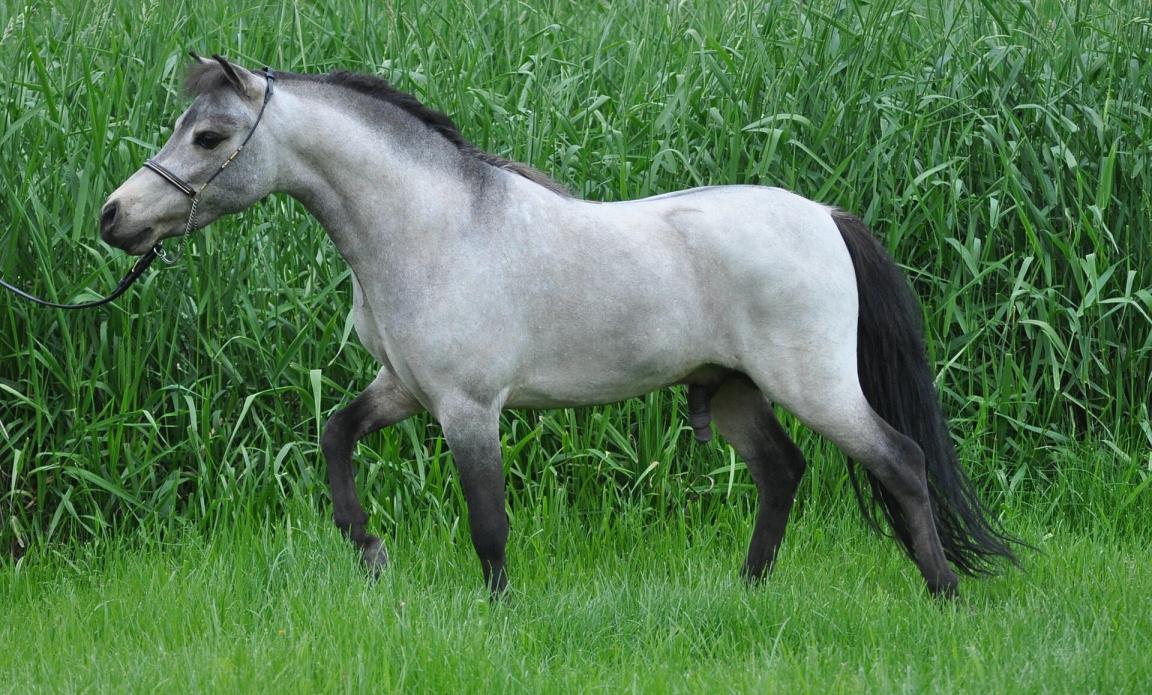
American Miniature Horse - CC BY 3.0 - Larrywalmart

American Miniature

Discover the American Miniature Horse, an elegant and intelligent miniature horse under 86 cm tall, admired for its beauty and gentle temperament.

View profile
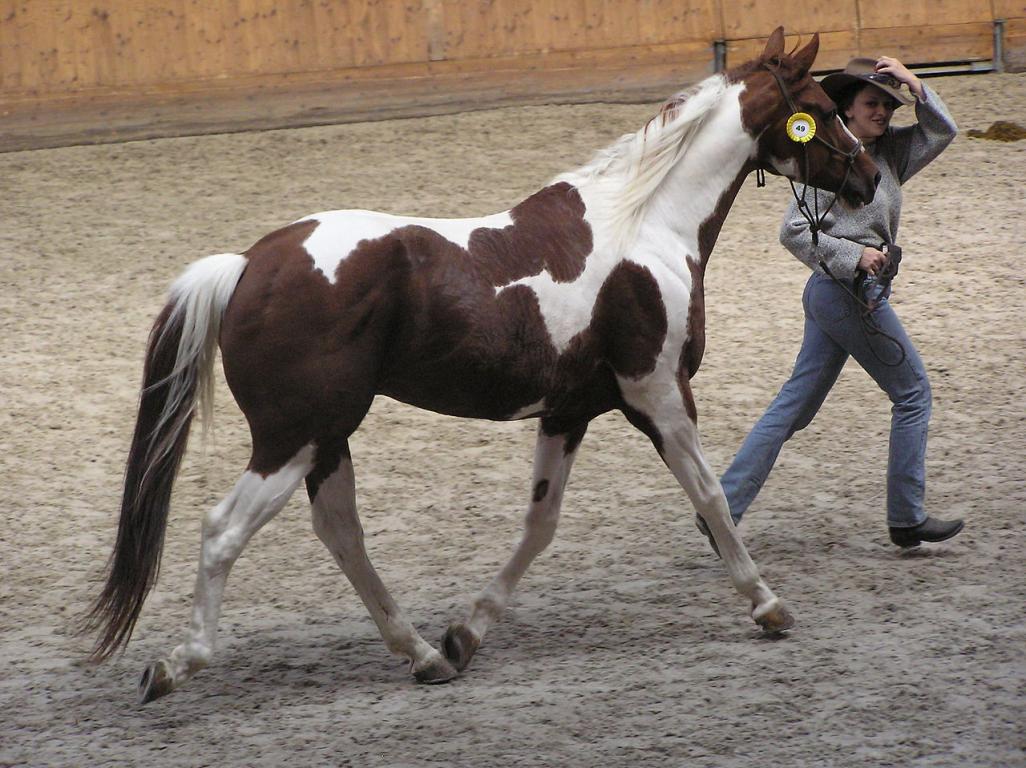
American Paint Horse - CC BY-SA 3.0 - Karakal

American Paint Horse

The Paint Horse, an American breed recognized for its pinto coat and versatility, excels in western riding, leisure, and competitions.

View profile
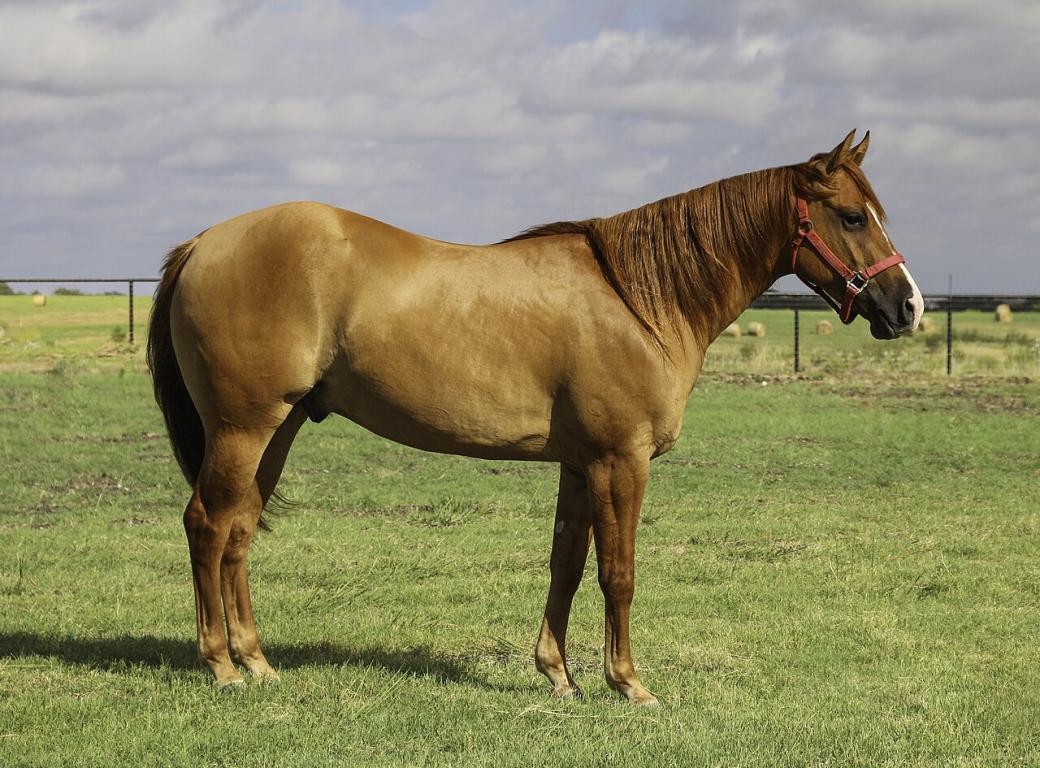
Chestnut Quarter Horse gelding in Texas. The highly developed hindquarters are characteristic. - CC BY-SA 4.0 - Betty Wills (Atsme)

American Quarter Horse

The Quarter Horse is the ultimate American horse, famous for its power, sprinting speed, and exceptional versatility.

View profile
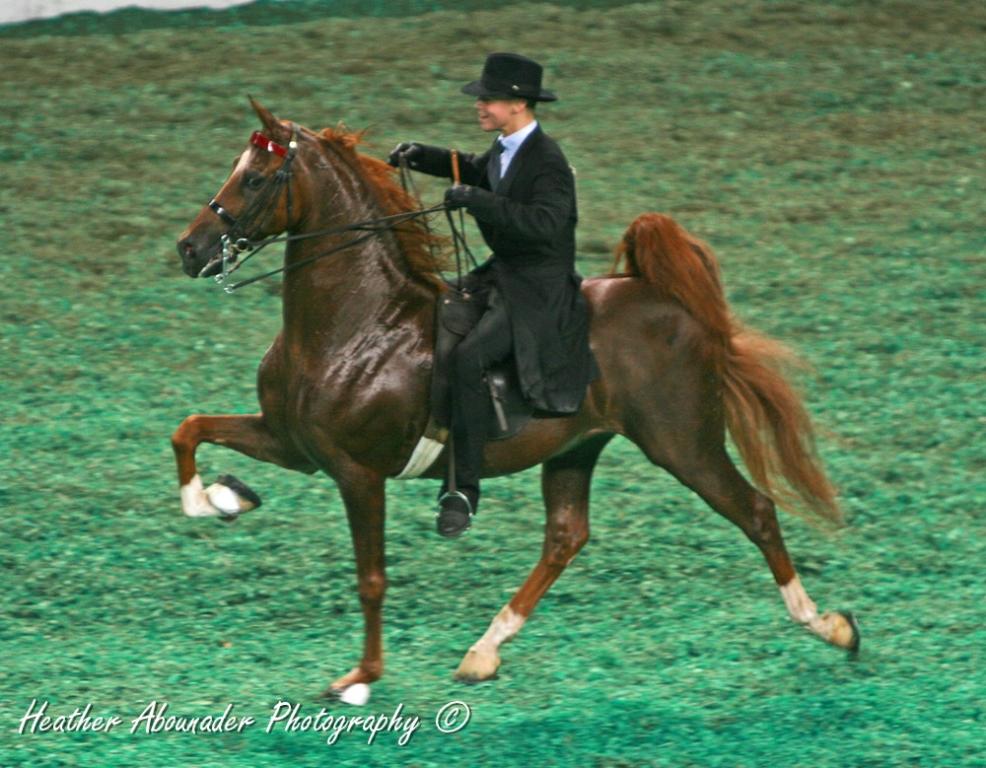
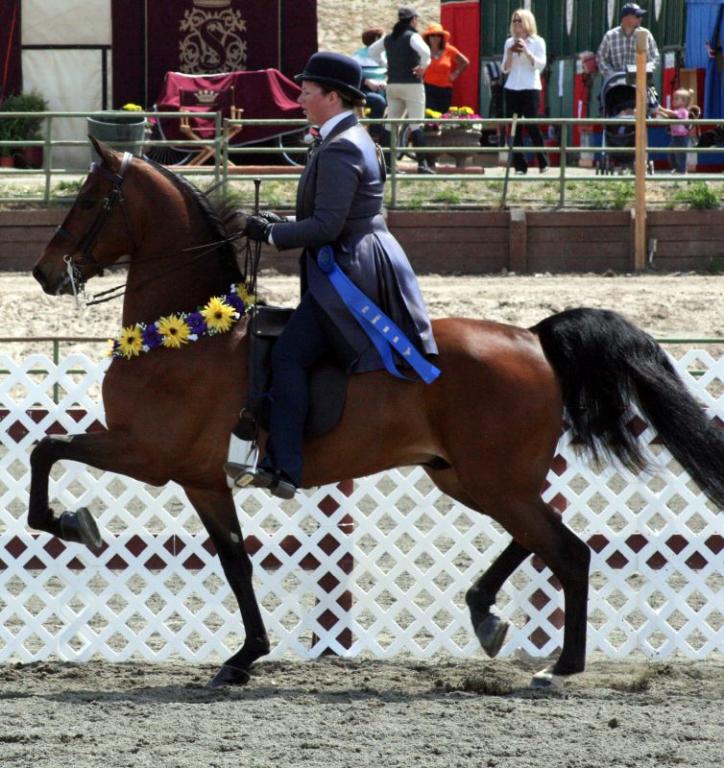
American Saddlebred practicing the rack. - CC BY 2.0 - Heather Moreton

American Saddlebred

Discover the American Saddlebred, an elegant and expressive saddle horse, famous for its high-stepping gaits and iconic role in equestrian shows.

View profile
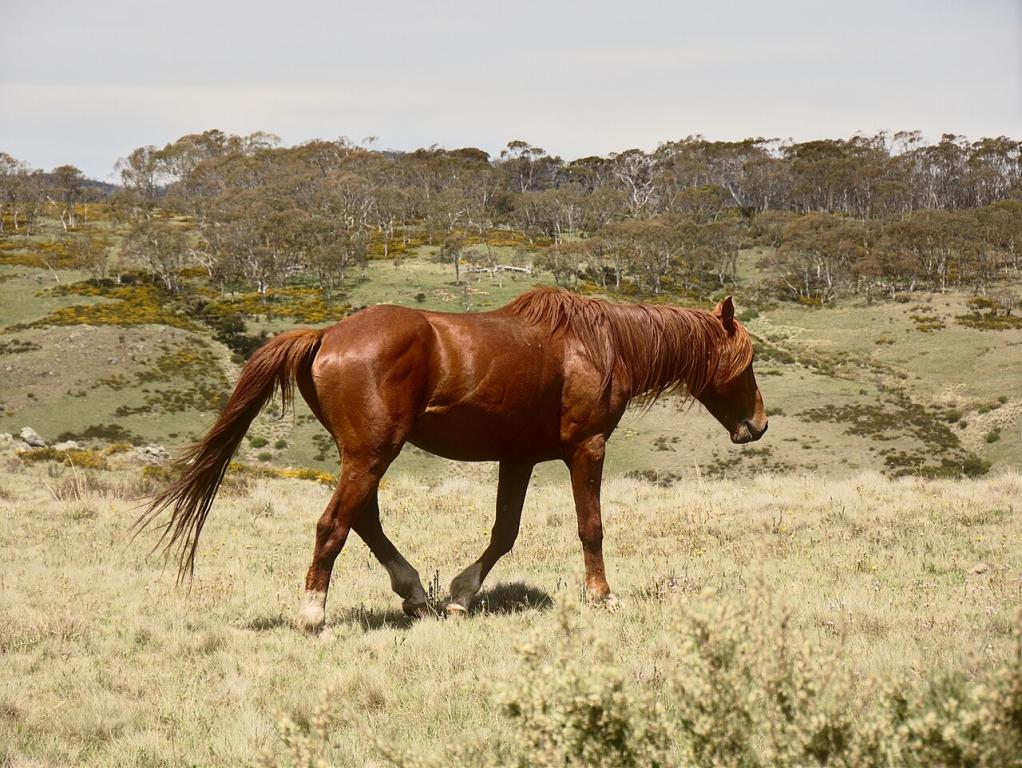
Chestnut Brumby in Kosciuszko National Park - CC BY-SA 4.0 - Thennicke

Brumby

The Brumby, Australia’s wild horse, sparks debate: heritage or invasive species? Discover its origin and the challenges it represents today.

View profile
Image coming soon

Czech Sport Pony – Český sportovní pony

Discover the Czech Sport Pony, a versatile and athletic breed, ideal for children’s riding and pony sport competitions.

View profile
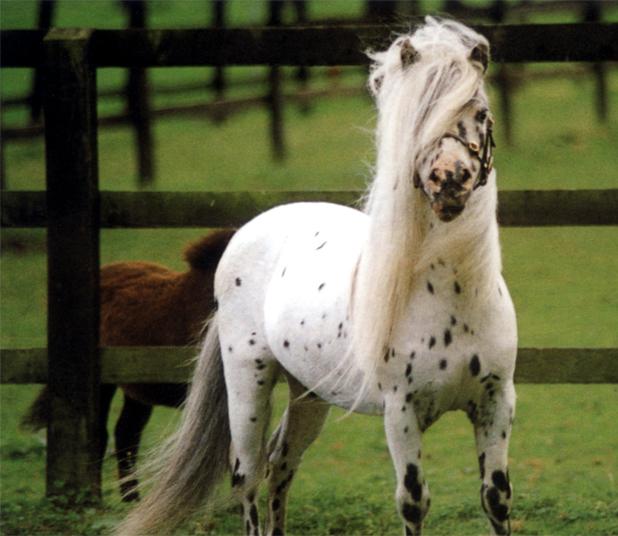
Falabella with the Spotted Coat - Captain E H Eckholdt — Susan Eckholdt - www.falabellahorses.com

Falabella

Discover the Falabella, one of the smallest horse breeds in the world: docile, elegant, hardy, and native to Argentina. Used in driving and equine therapy.

View profile
Cracker horse in the Paynes Prairie State Preserve - CC BY 2.0 - Geoff Gallice

Florida Cracker Horse

Discover the Florida Cracker Horse, a Spanish colonial horse from Florida, agile and fast, used for cattle work and known for its exceptional endurance.

View profile
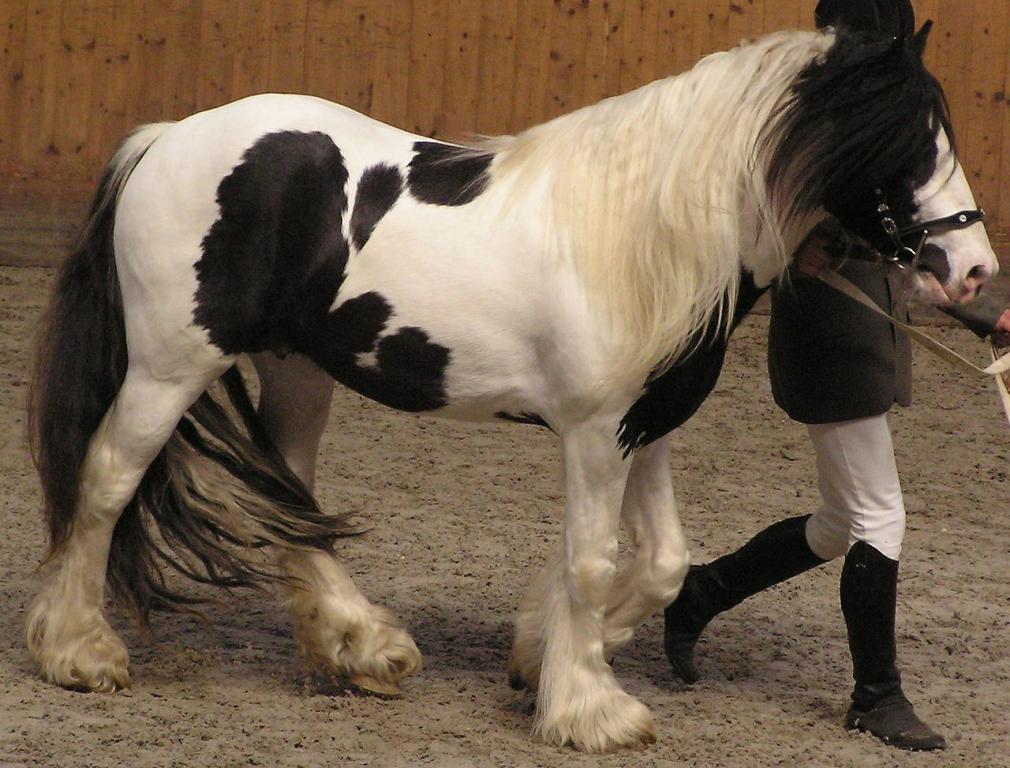
 A model of a piebald Irish Cob with its characteristic abundant mane, at a show in Prague, Czech Republic. - CC BY-SA 3.0 - Karakal

Gypsy Cob – Irish Cob – Gypsy Vanner (Tinker)

Why is the Irish Cob so loved? Gentle, hardy and versatile, this horse with abundant feathering is ideal for riding and driving.

View profile
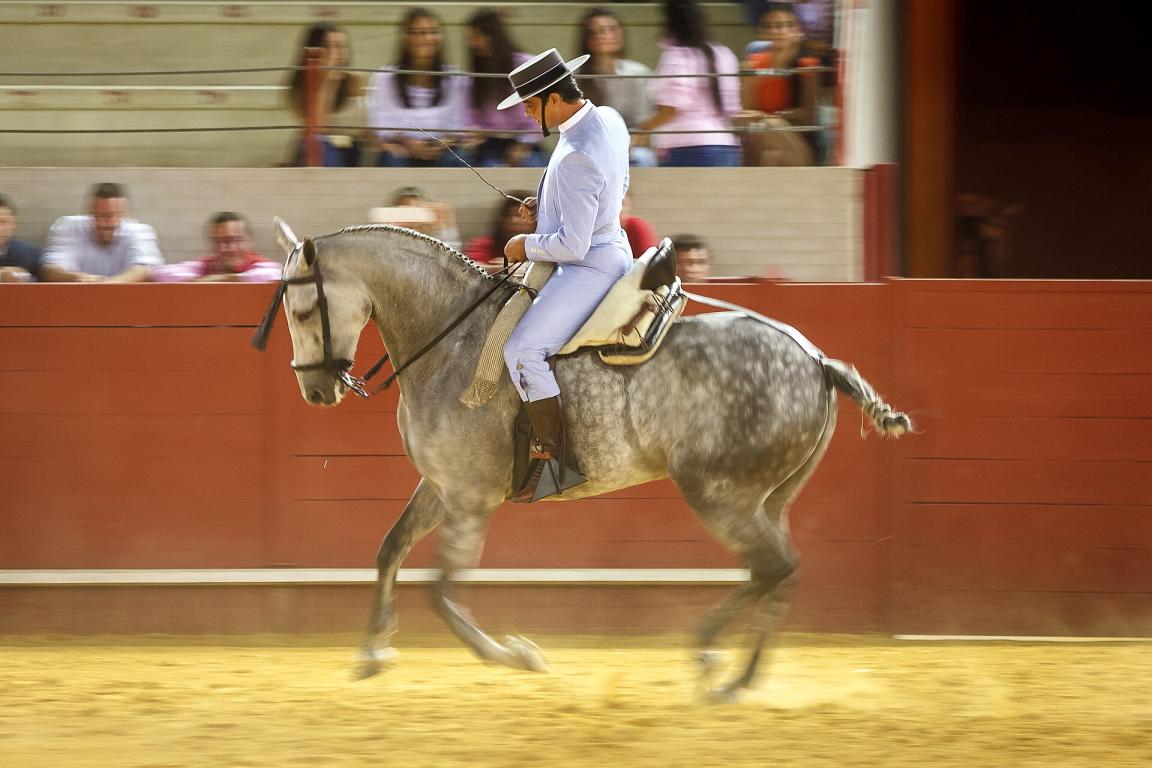
Hispano-Arabe horse mounted in Doma vaquera - CC BY-SA 2.0 - Manuel Gómez

Hispano-arabe | Aralusian

Discover the Hispano-Arabian, also known as the Aralusian, a Spanish sport horse from PRE and Arabian bloodlines, valued for doma vaquera, endurance and TREC.

View profile
Kentucky Mountain Saddle Horse, three-year-old mare, conformation - CC BY 3.0 - Kittymama

Kentucky Mountain Saddle Horse

Discover the Kentucky Mountain Saddle Horse, an American breed renowned for its exceptionally smooth gait, gentle temperament, and versatility.

View profile
Quick Trigger, licorice-black Missouri Foxtrotter stallion - CC BY-SA 3.0 - Kayla Oakes

Missouri Fox Trotter

Why is the Missouri Fox Trotter so comfortable? Discover this smooth gaited horse, perfect for trail riding and western riding.

View profile
A bay Morab under saddle - CC BY 2.0 - Heather Moreton

Morab

Why is the Morab so popular? This Morgan–Arabian cross offers elegance, endurance and versatility.

View profile
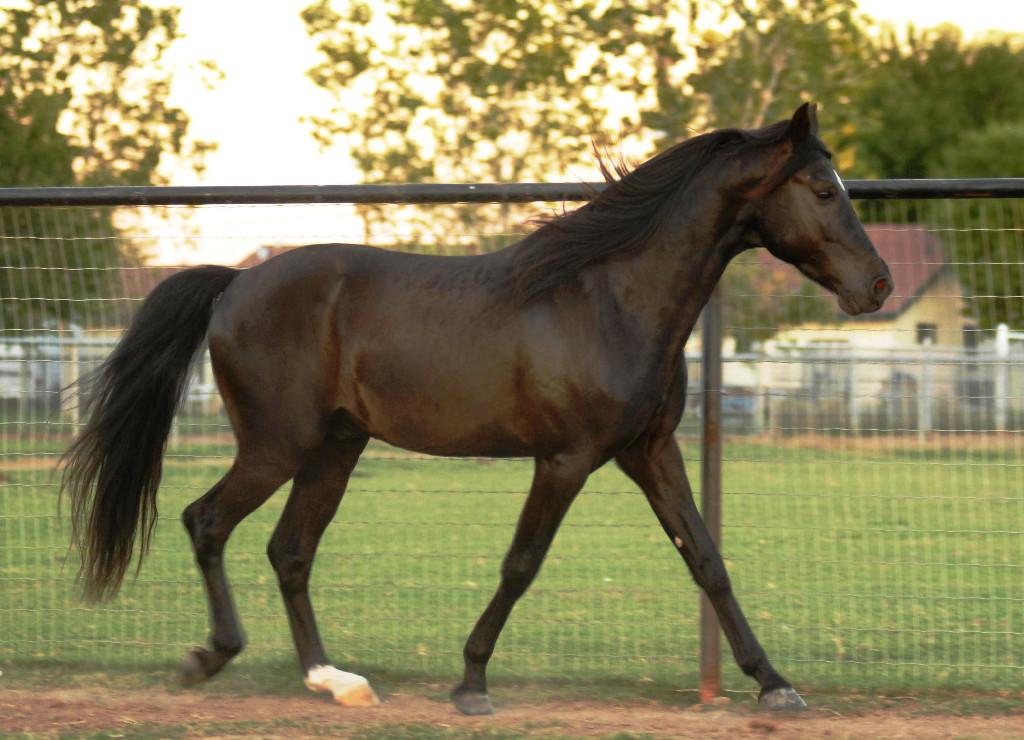
Morgan mounted during a show - CC BY 2.0 - Just chaos

Morgan

Discover the Morgan horse, an American breed renowned for its elegance, strength, and versatility, descended from the legendary stallion Figure.

View profile
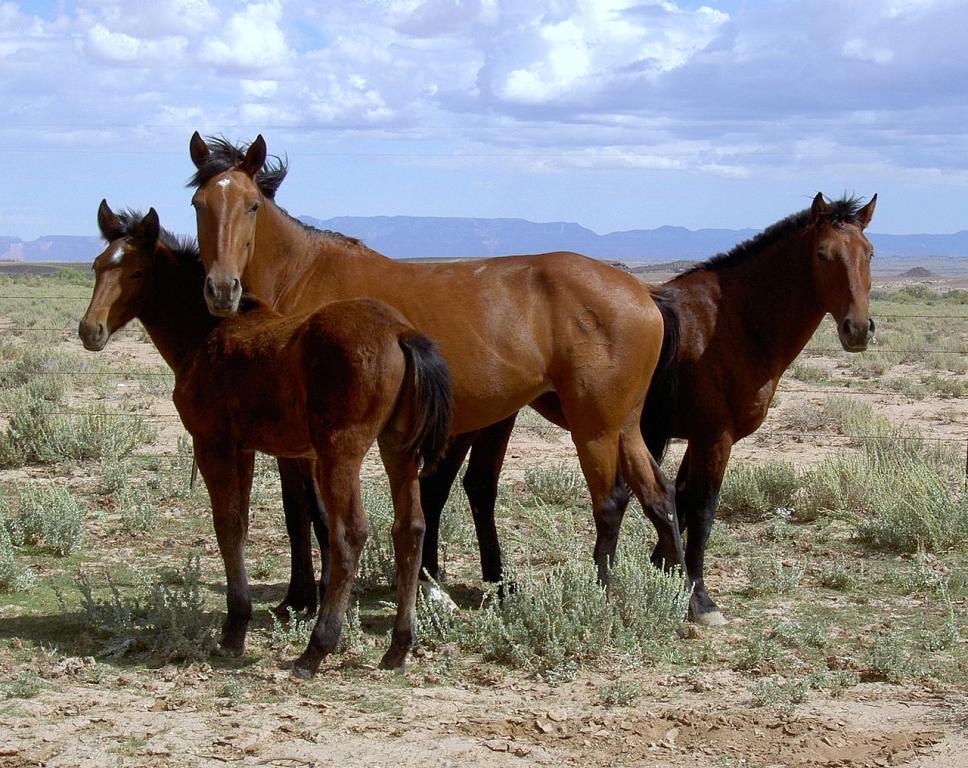
Mustangs in Arizona. - CC BY 2.0 - John Harwood

Mustang

Discover the Mustang, America’s wild horse, a symbol of freedom and endurance, still roaming across the Western United States.

View profile
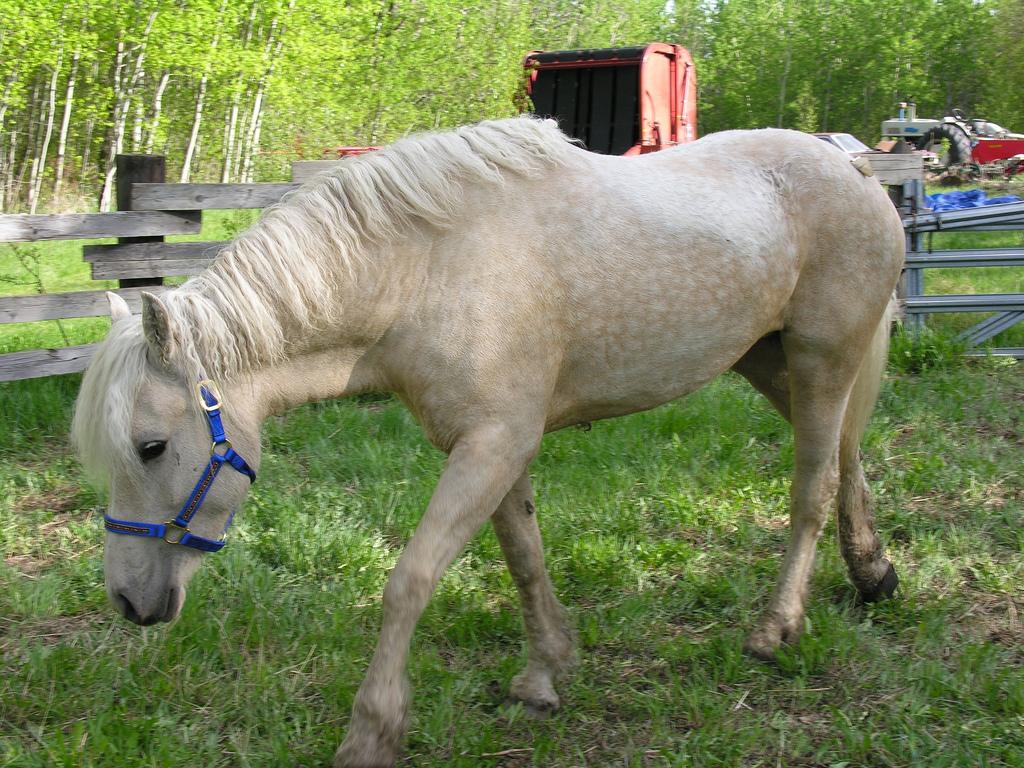
 Curly horse in palomino dress. - CC BY-SA 2.0 - Ron Manke

North American Curly Horse

Discover the North American Curly Horse, a hardy and hypoallergenic breed known for its unique curly coat, intelligence, and gentle temperament.

View profile

Frequently asked questions about Buckskin

How can you identify Buckskin in a horse?

The body ranges from pale cream to rich gold, with a black mane, tail and lower legs. Sooty shading may darken the topline.

Does Buckskin change with age or the seasons?

Body shade varies with season and sunlight, while the black points remain.

Which coats or traits can be confused with Buckskin?

Buckskin is commonly confused with bay dun. Dun has genuine primitive markings, which buckskin does not necessarily possess.
Is genetic testing necessary to identify Buckskin?

Visual examination is sometimes sufficient, but genetic testing can be useful when several coats look similar or when breeding decisions are involved.