Mane-and-tail modifier

Flaxen

Illustration of Flaxen coming soon

Flaxen describes a lightened mane and tail on a chestnut horse. It is neither a base coat nor the same mechanism as the Cream dilution that produces palomino.

Category
Mane-and-tail modifier
Family
Light mane and tail on chestnut
Related breeds
9 associated breeds

Light-colored mane and tail on a chestnut coat.

How can you identify Flaxen?

The body remains chestnut while the mane and tail become blond, cream or nearly white. Contrast varies greatly.

  • Chestnut base
  • Clearly lightened mane and tail
  • No demonstrated cream dilution of the body
  • No black points

Genetic origin and mechanism

The precise inheritance of flaxen is not fully established and may be complex. It is expressed on chestnut coats.

Development and variations

Mane and tail shade may change with age, sunlight and season without altering the base coat.

Possible confusions

Flaxen chestnut may resemble palomino, but a palomino also has a body diluted by Cream.
Horse breeds associated with Flaxen

Explore the profiles of breeds in which this coat or trait is present or documented.

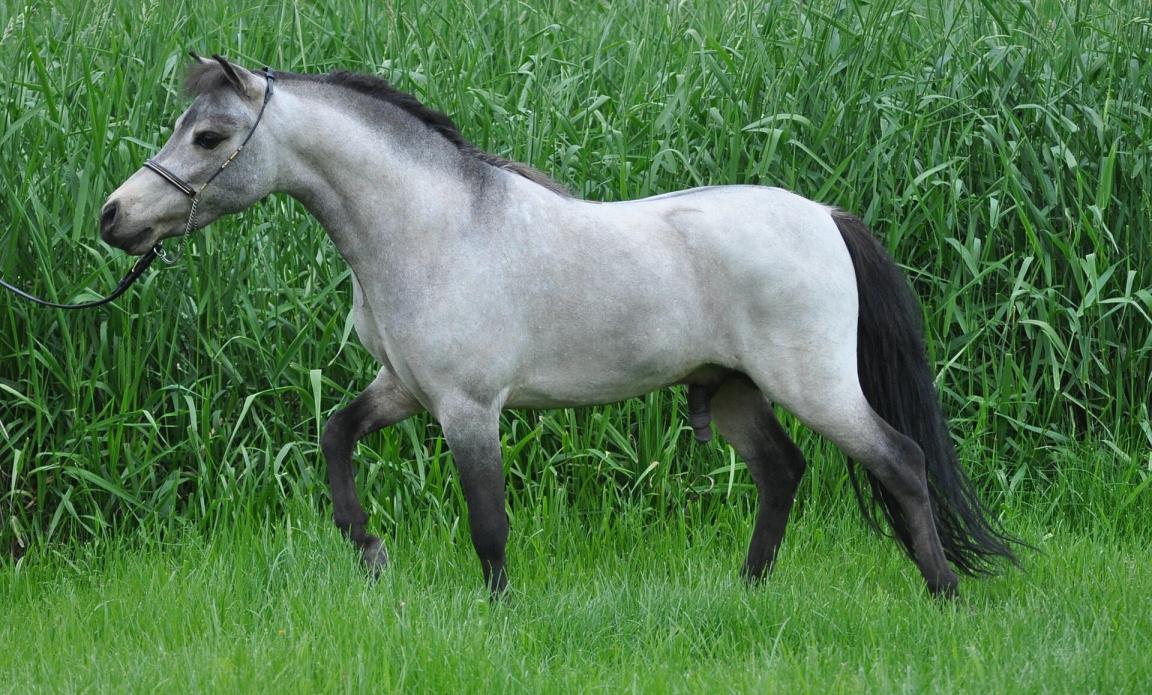
American Miniature Horse - CC BY 3.0 - Larrywalmart

American Miniature

Discover the American Miniature Horse, an elegant and intelligent miniature horse under 86 cm tall, admired for its beauty and gentle temperament.

View profile
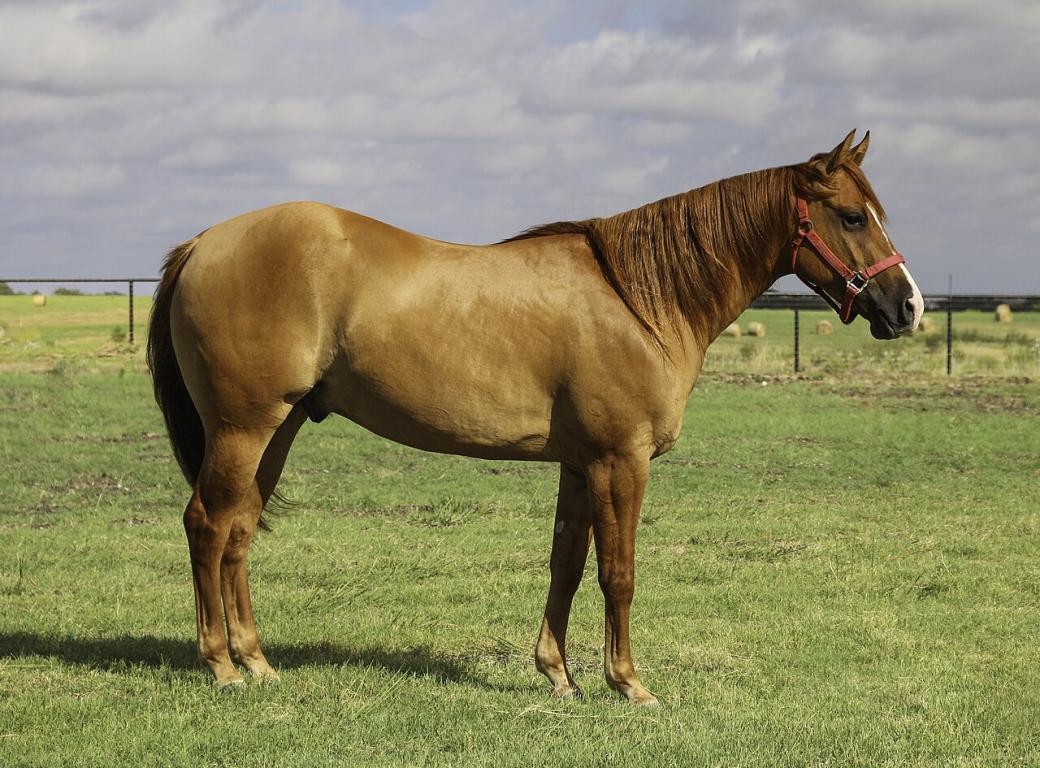
Chestnut Quarter Horse gelding in Texas. The highly developed hindquarters are characteristic. - CC BY-SA 4.0 - Betty Wills (Atsme)

American Quarter Horse

The Quarter Horse is the ultimate American horse, famous for its power, sprinting speed, and exceptional versatility.

View profile
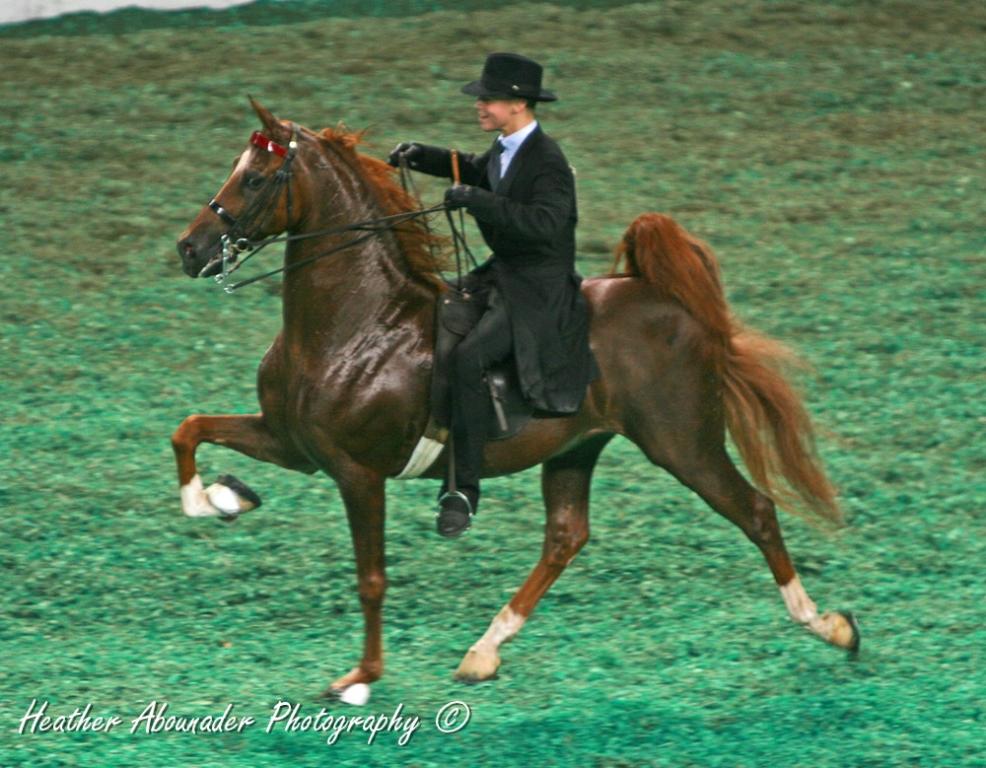
American Saddlebred practicing the rack. - CC BY 2.0 - Heather Moreton

American Saddlebred

Discover the American Saddlebred, an elegant and expressive saddle horse, famous for its high-stepping gaits and iconic role in equestrian shows.

View profile
Image coming soon

Czech Sport Pony – Český sportovní pony

Discover the Czech Sport Pony, a versatile and athletic breed, ideal for children’s riding and pony sport competitions.

View profile
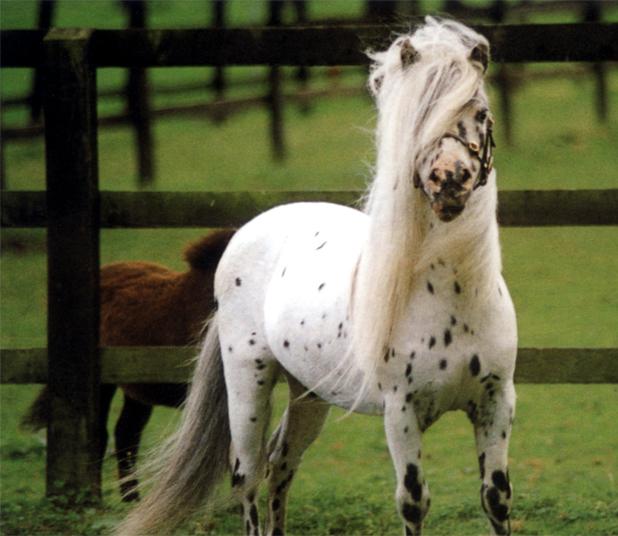
Falabella with the Spotted Coat - Captain E H Eckholdt — Susan Eckholdt - www.falabellahorses.com

Falabella

Discover the Falabella, one of the smallest horse breeds in the world: docile, elegant, hardy, and native to Argentina. Used in driving and equine therapy.

View profile
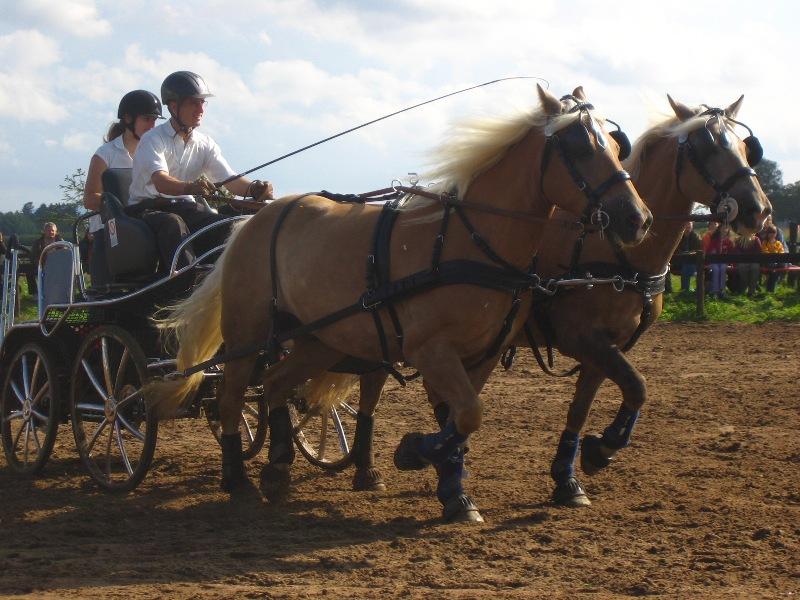
Haflinger pair in carriage driving competition. - CC BY 3.0 - Haflingermaus

Haflinger

The Haflinger is a golden Tyrolean horse with flaxen mane, descending from the stallion Folie. Hardy, gentle and versatile, ideal for leisure riding and families.

View profile
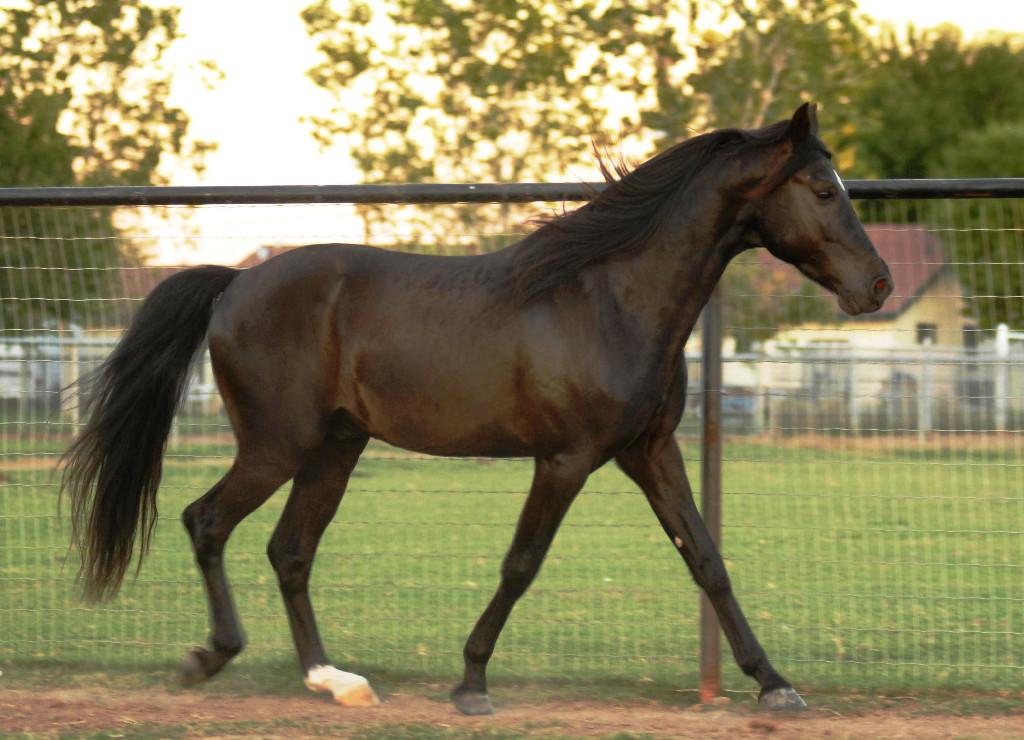
Quick Trigger, licorice-black Missouri Foxtrotter stallion - CC BY-SA 3.0 - Kayla Oakes

Missouri Fox Trotter

Why is the Missouri Fox Trotter so comfortable? Discover this smooth gaited horse, perfect for trail riding and western riding.

View profile
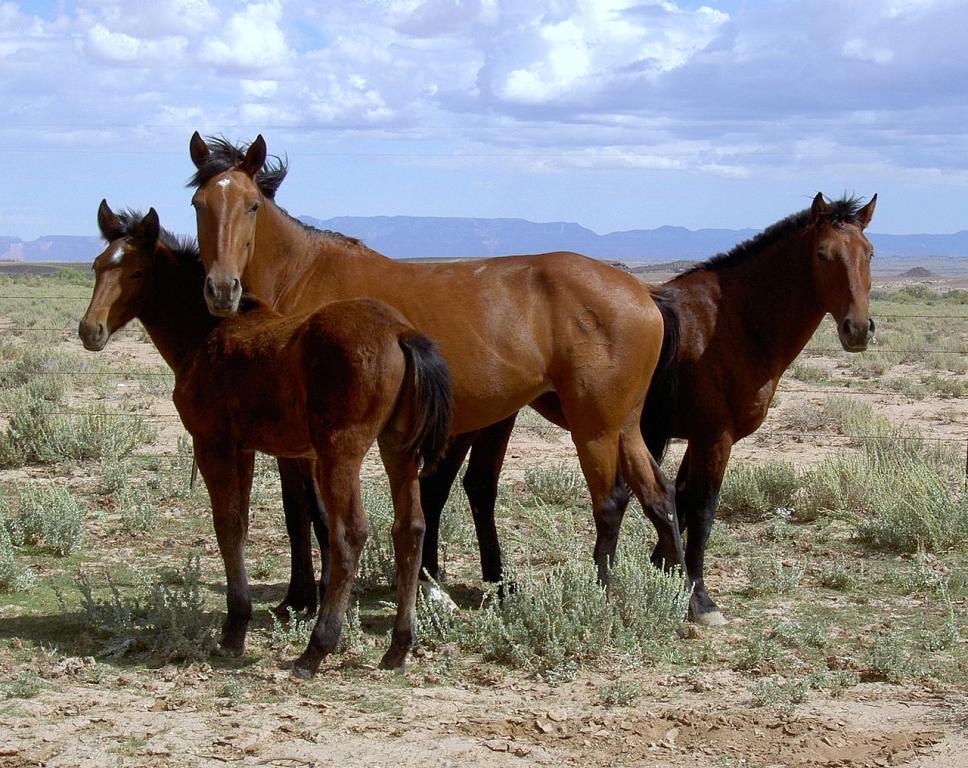
Mustangs in Arizona. - CC BY 2.0 - John Harwood

Mustang

Discover the Mustang, America’s wild horse, a symbol of freedom and endurance, still roaming across the Western United States.

View profile
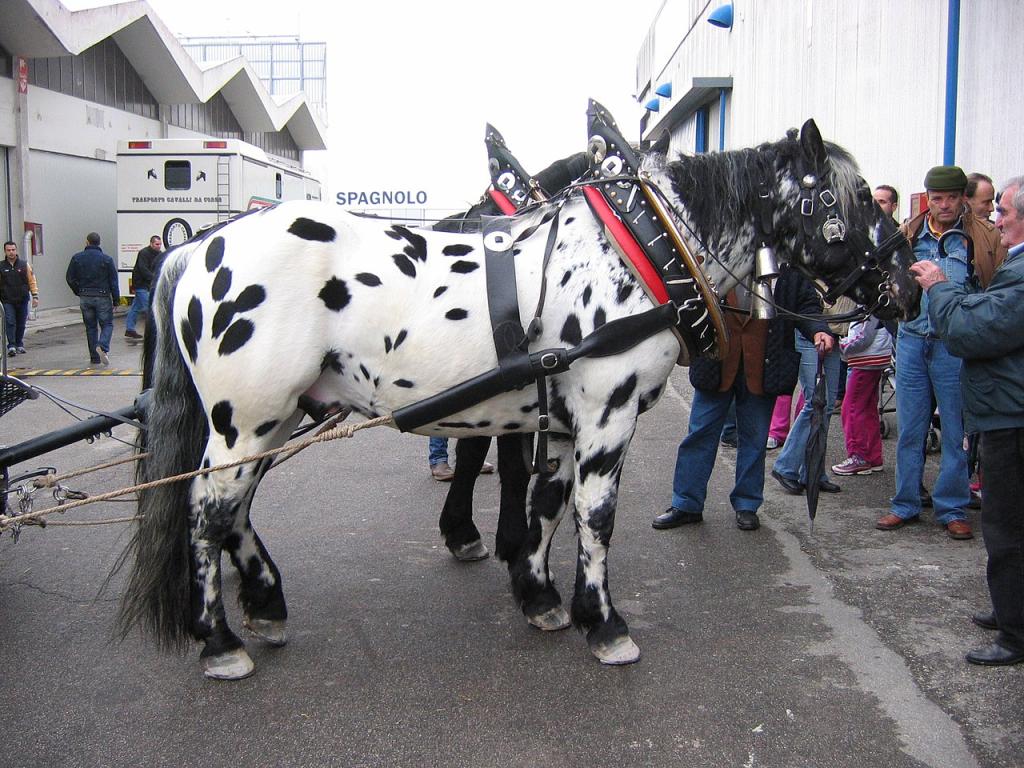
Spotted Noriker. - Public domain - Paula Jantunen

Noriker

Originating from the Austrian Alps, the Noriker is a powerful and versatile draft horse. Discover its uses and its calm, gentle temperament.

View profile

Frequently asked questions about Flaxen

How can you identify Flaxen in a horse?

The body remains chestnut while the mane and tail become blond, cream or nearly white. Contrast varies greatly.

Does Flaxen change with age or the seasons?

Mane and tail shade may change with age, sunlight and season without altering the base coat.

Which coats or traits can be confused with Flaxen?

Flaxen chestnut may resemble palomino, but a palomino also has a body diluted by Cream.
Is genetic testing necessary to identify Flaxen?

Visual examination is sometimes sufficient, but genetic testing can be useful when several coats look similar or when breeding decisions are involved.