Discover the Florida Cracker Horse, a Spanish colonial horse from Florida, agile and fast, used for cattle work and known for its exceptional endurance.
By the Chevaux du Monde editorial team · Published on · Updated on
Type: Riding Horse
Continent: America
Country: United States
Weight: 340 – 450 kg
Height: 137 – 152 cm
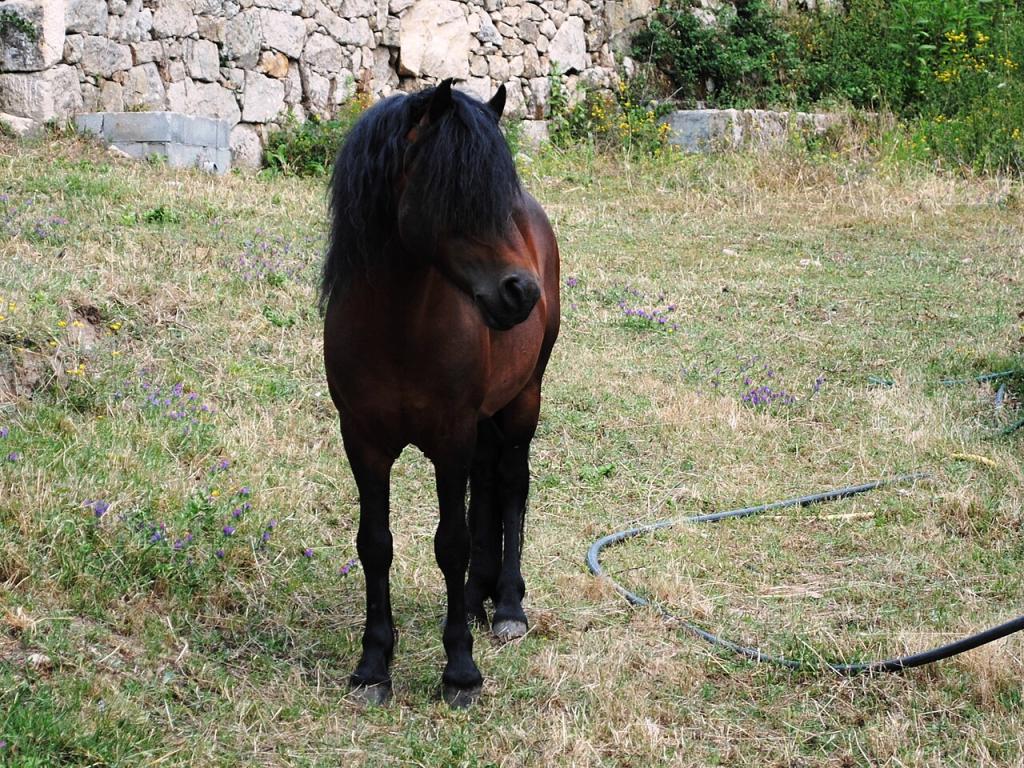
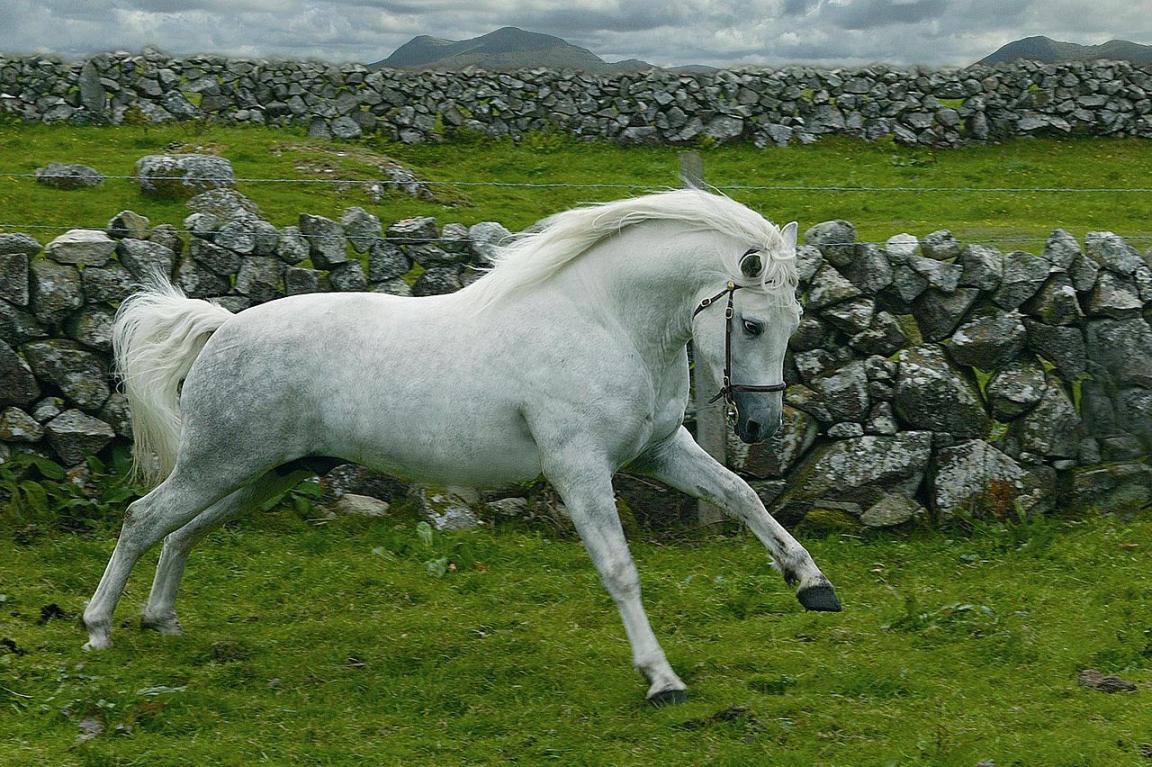
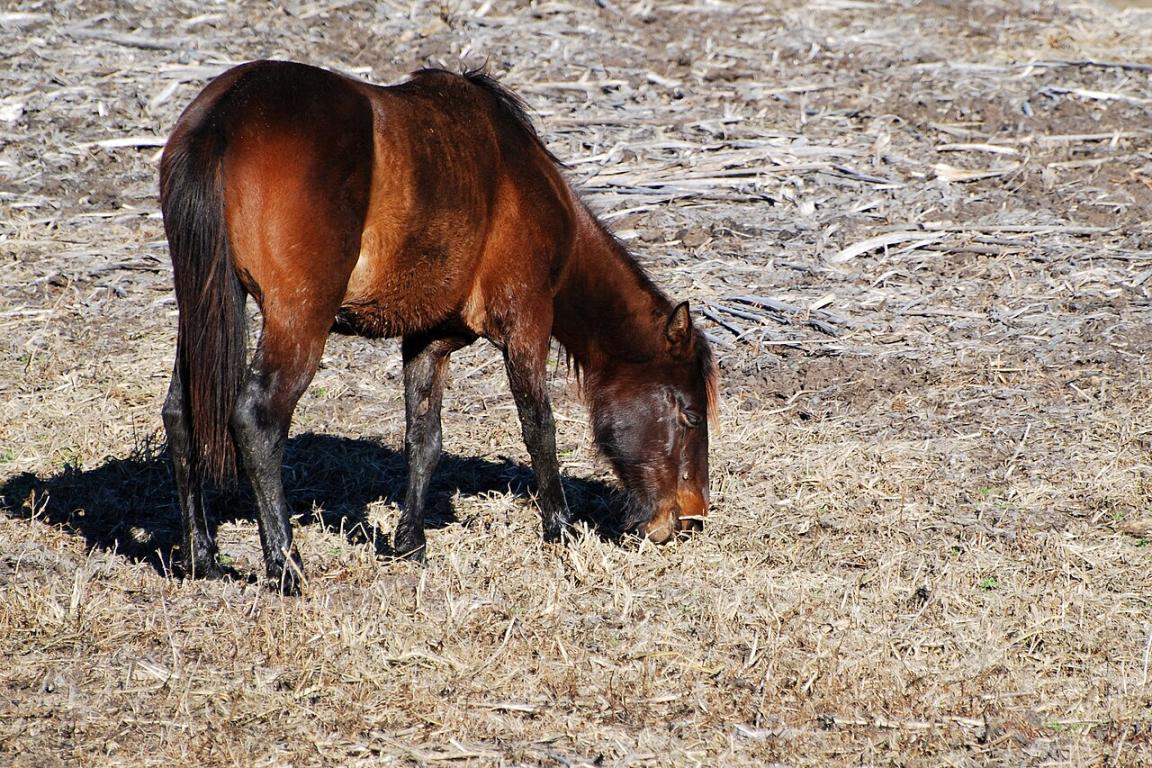
The Florida Cracker Horse is a breed originating from the state of Florida, in the southeastern United States. It directly descends from Iberian horses introduced as early as the 16th century by Spanish explorers, particularly during the first colonization expeditions in North America.
From their arrival, these horses were used for cattle work in the vast marshlands and prairies of Florida. They quickly became essential to local cattle handlers, known as “Florida crackers,” whose name comes from the distinctive sound of their whips.
Over the centuries, the Florida Cracker Horse evolved in a challenging environment, characterized by:
This natural selection led to the development of a horse that is:
Today, the Florida Cracker Horse is considered one of the oldest horse breeds in the United States, directly derived from the Spanish colonial horse. It shares common origins with other American breeds such as the Paso Fino and the Criollo, while maintaining a distinct identity closely tied to Florida.
The Florida Cracker Horse is primarily bred in its region of origin, the state of Florida, in the southeastern United States. Most of the population is still found in this area, where the breed has been historically established for several centuries.
Several breeding groups are maintained in protected or state-managed areas in Florida, including:
These herds play an essential role in the genetic conservation of the breed.
Outside of Florida, the Florida Cracker Horse remains very rare. A few breeders can be found in other southeastern U.S. states, but the breed remains largely localized and confidential, reinforcing its status as a rare breed.


The Florida Cracker Horse represents a living example of the Spanish colonial horse introduced to America in the 16th century. Unlike many modern breeds heavily shaped by sport-oriented selection, it has retained much of its original characteristics, both morphologically and genetically. This close connection to ancient Iberian bloodlines gives it particular value in the study and conservation of historical horse populations.
Today, the breed is based on a limited number of founders, which has led to a reduction in genetic diversity. This situation, typical of rare breeds, reinforces its status as a population that needs to be preserved. Despite this, the Florida Cracker Horse maintains a distinct genetic identity, closely related to other horses of Spanish colonial type, while remaining sufficiently differentiated to represent a unique genetic resource.
Beyond its heritage value, the Florida Cracker Horse has relevance in breeding programs due to its natural qualities: hardiness, endurance, agility, and adaptation to challenging environments. These traits, inherited from centuries of natural selection, may be sought after in conservation programs or in the development of horses suited to demanding conditions.
The history of the Florida Cracker Horse begins in the early 16th century, with the arrival of the first Iberian horses in Florida during Spanish expeditions, notably in 1521. These horses, descended from lines such as the Andalusian, Barb, and Sorraia, were introduced to support colonization and were used for transportation, livestock management, and military activities.
Over the decades, these horses adapted to local conditions and became essential to the development of cattle ranching. They were used by the first Florida cowboys, known as “crackers,” from whom the breed takes its name. Their speed, endurance, and agility made them ideal mounts for working cattle in challenging environments such as marshes and prairies in the southeastern United States.
For several centuries, the Florida Cracker Horse was predominant in the southeastern United States. It was also used during the American Civil War, when horses bred in Florida were valued for their hardiness. Until the 1930s, it remained the primary horse of local cattlemen.
In the 1930s, the arrival of larger cattle from the American West led to changes in ranching practices. The smaller local horses were gradually replaced by more powerful breeds such as the Quarter Horse. This transition caused a rapid decline in the Florida Cracker Horse population, bringing the breed close to extinction.
The survival of the breed then relied on a few families who maintained pure bloodlines. In 1989, the creation of the Florida Cracker Horse Association marked a key milestone, with the establishment of an official registry and formal recognition of the breed. Conservation programs were also implemented by the State of Florida to preserve the remaining horses.
In 2008, the Florida Cracker Horse was officially designated as the state horse of Florida, reinforcing its status as a regional cultural heritage. Today, although still rare, it is receiving increased attention as part of efforts to preserve historic American horse breeds.
The Florida Cracker Horse has a temperament directly influenced by its history of semi-feral living and outdoor work. It is generally vigilant, aware of its surroundings, and possesses a strong survival instinct. This natural sensitivity makes it a responsive horse, capable of quickly assessing situations.
Known for its intelligence, it learns quickly and adapts well to various tasks, particularly in cattle work. It shows strong willingness and the ability to take initiative, which was essential in the often challenging working conditions of Florida.
The Florida Cracker Horse can be reserved with strangers but develops a strong bond with its rider once trust is established. It responds especially well to calm and consistent handling rather than harsh methods.
It is an energetic and agile horse with good responsiveness. This liveliness, inherited from its role as a cattle horse, requires a rider capable of channeling its energy. When properly managed, it becomes a reliable and efficient partner.
Accustomed to evolving in varied environments, it stands out for its adaptability and a certain level of independence. Its hardy mindset allows it to remain effective even in demanding conditions, whether outdoors or over long distances.
The Florida Cracker Horse remains a critically endangered breed today, with limited population numbers and a restricted genetic base. Despite the efforts led by the State of Florida and the Florida Cracker Horse Association, the breed’s survival still largely depends on a small number of dedicated breeders.
Since the 2000s, a slight increase in population has been observed, notably due to:
However, this trend remains fragile and requires careful management to avoid issues related to inbreeding.
In a context where riders are increasingly looking for horses that are resilient, versatile, and suited to natural conditions, the Florida Cracker Horse may benefit from renewed interest. Its endurance, agility, and frugality are valuable qualities for outdoor riding and functional work.
Despite its qualities, the breed remains rarely found outside of Florida. Its expansion is limited by:
Unlike modern sport horse breeds, the future of the Florida Cracker Horse relies more on its heritage and genetic value than on competitive development. Its survival will depend on the ability of breeders and institutions to maintain a balance between conservation, genetic diversity, and sustainable promotion.
The Florida Cracker Horse is generally considered a strong and resilient breed, a direct result of centuries of natural selection in challenging environments. Adapted to the hot and humid conditions of Florida, it shows good overall resistance and a higher level of adaptability than many more specialized breeds.
To date, there are no clearly identified genetic disorders specific to the Florida Cracker Horse. Unlike some modern breeds that have been intensively selected, it does not show any well-documented predisposition to major hereditary diseases.
Due to its small population size and a history marked by a genetic bottleneck, the breed shows reduced genetic diversity. This may lead to:
Studbooks and breeders therefore aim to maintain genetic balance to preserve the overall health of the population.
Its evolution under natural conditions has favored the most resilient individuals, contributing to:
The Florida Cracker Horse generally has a life expectancy of 25 to 30 years, which is consistent with small, hardy horse breeds.