White spotting pattern

Sabino

Illustration of Sabino coming soon

Sabino describes white patterns often involving high leg markings, a broad blaze and irregular or roaned-edged white areas.

Category
White spotting pattern
Family
Sabino-type patterns
Related breeds
11 associated breeds

A white pattern generally involving high white leg markings, a broad facial marking, and irregularly edged white areas, sometimes accompanied by white hairs mixed into the coat.

How can you identify Sabino?

White commonly extends upward from the legs and belly, with jagged borders and mixed white hairs around the markings.

  • Often high white leg markings
  • Broad facial marking
  • White extending from the belly
  • Irregular or roaned borders

Genetic origin and mechanism

Several mechanisms can create a sabino appearance. Sabino 1 in KIT is known in some breeds, but not every sabino-patterned horse carries it.

Development and variations

The main pattern is congenital, while roaning near its borders may become more visible with age.

Possible confusions

Sabino can resemble splashed white, frame overo or unusually extensive ordinary white markings.
Horse breeds associated with Sabino

Explore the profiles of breeds in which this coat or trait is present or documented.

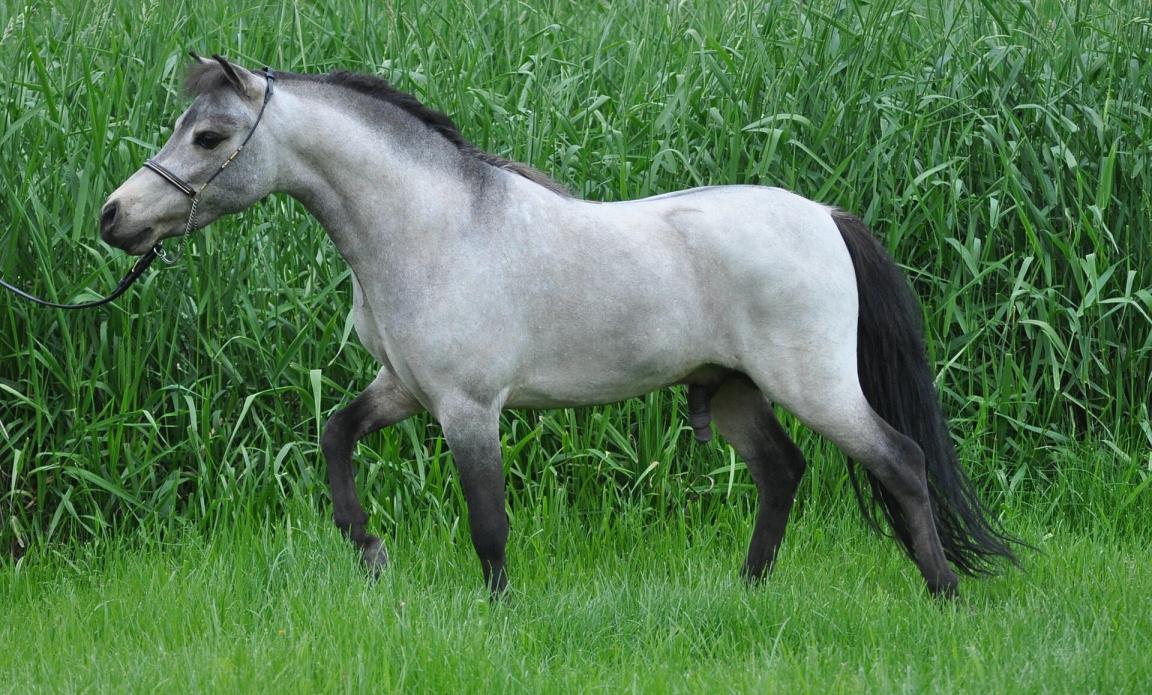
American Miniature Horse - CC BY 3.0 - Larrywalmart

American Miniature

Discover the American Miniature Horse, an elegant and intelligent miniature horse under 86 cm tall, admired for its beauty and gentle temperament.

View profile
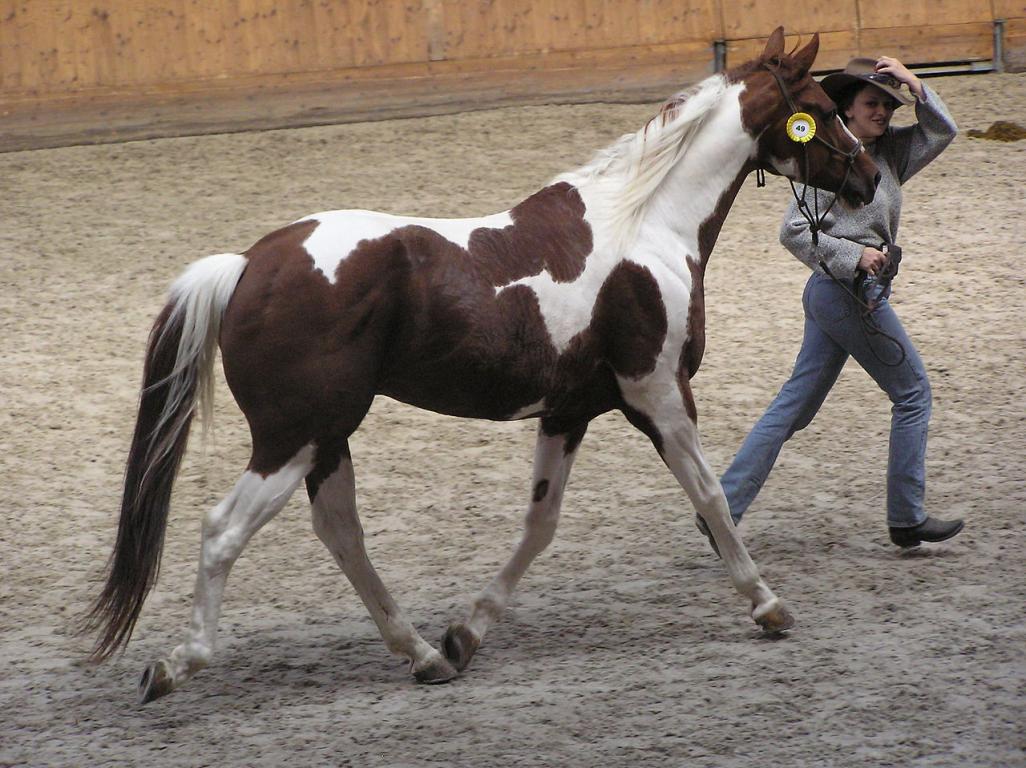
American Paint Horse - CC BY-SA 3.0 - Karakal

American Paint Horse

The Paint Horse, an American breed recognized for its pinto coat and versatility, excels in western riding, leisure, and competitions.

View profile
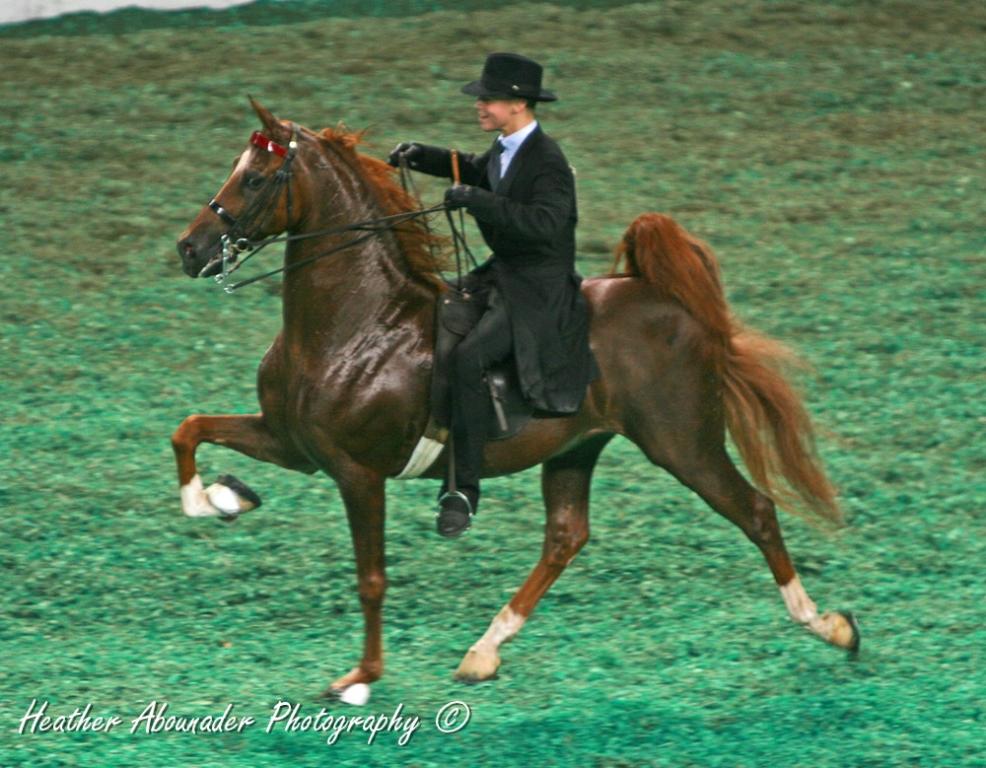
American Saddlebred practicing the rack. - CC BY 2.0 - Heather Moreton

American Saddlebred

Discover the American Saddlebred, an elegant and expressive saddle horse, famous for its high-stepping gaits and iconic role in equestrian shows.

View profile
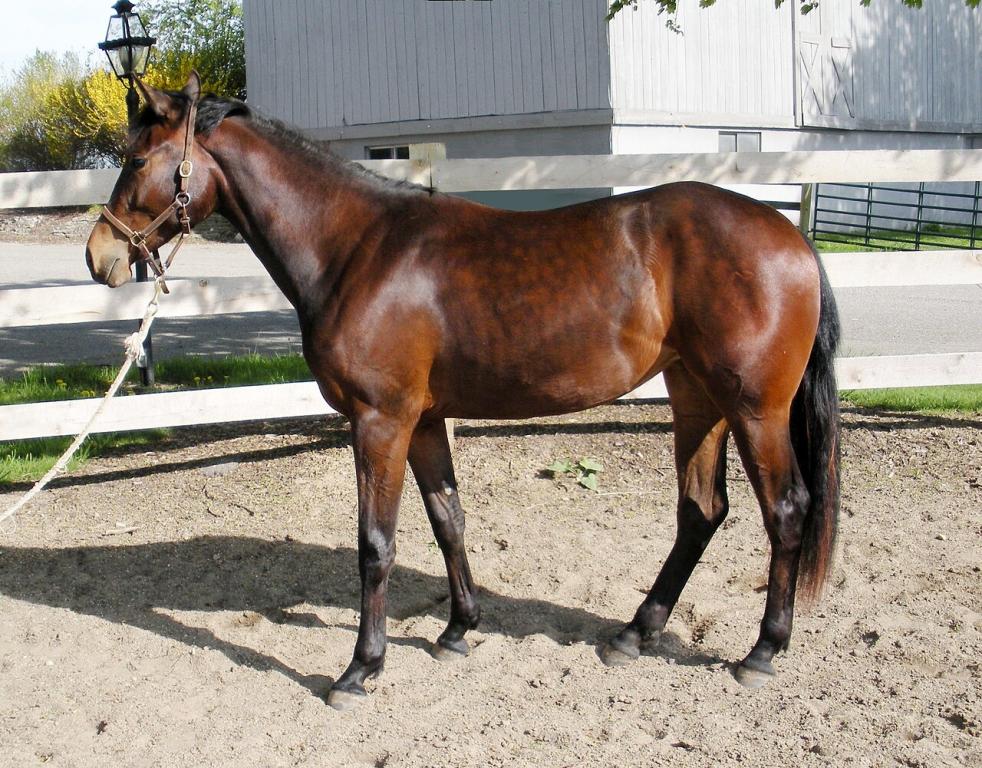
 Two-year-old American Warmblood filly - CC BY-SA 4.0 - Lar

American Warmblood

Versatile, athletic and high-performing, the American Warmblood excels in equestrian sports. Discover its origins, temperament and strengths.

View profile
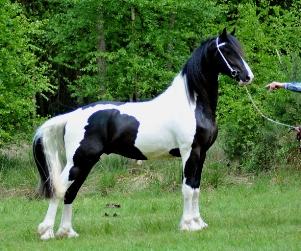
Barock Pinto - CC BY-SA 4.0 - Terezahnykova

Barock Pinto

The Barock Pinto is a horse bred from the crossing of the Friesian and piebald horses. Elegant, powerful and colorful, it excels in driving, dressage and show.

View profile
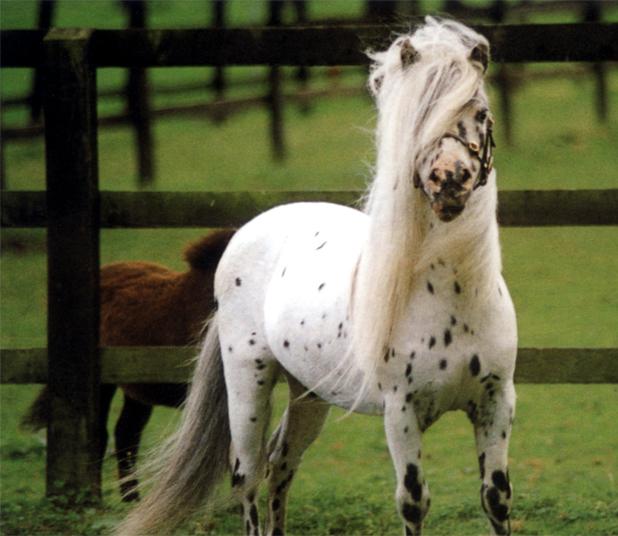
Falabella with the Spotted Coat - Captain E H Eckholdt — Susan Eckholdt - www.falabellahorses.com

Falabella

Discover the Falabella, one of the smallest horse breeds in the world: docile, elegant, hardy, and native to Argentina. Used in driving and equine therapy.

View profile
Cracker horse in the Paynes Prairie State Preserve - CC BY 2.0 - Geoff Gallice

Florida Cracker Horse

Discover the Florida Cracker Horse, a Spanish colonial horse from Florida, agile and fast, used for cattle work and known for its exceptional endurance.

View profile
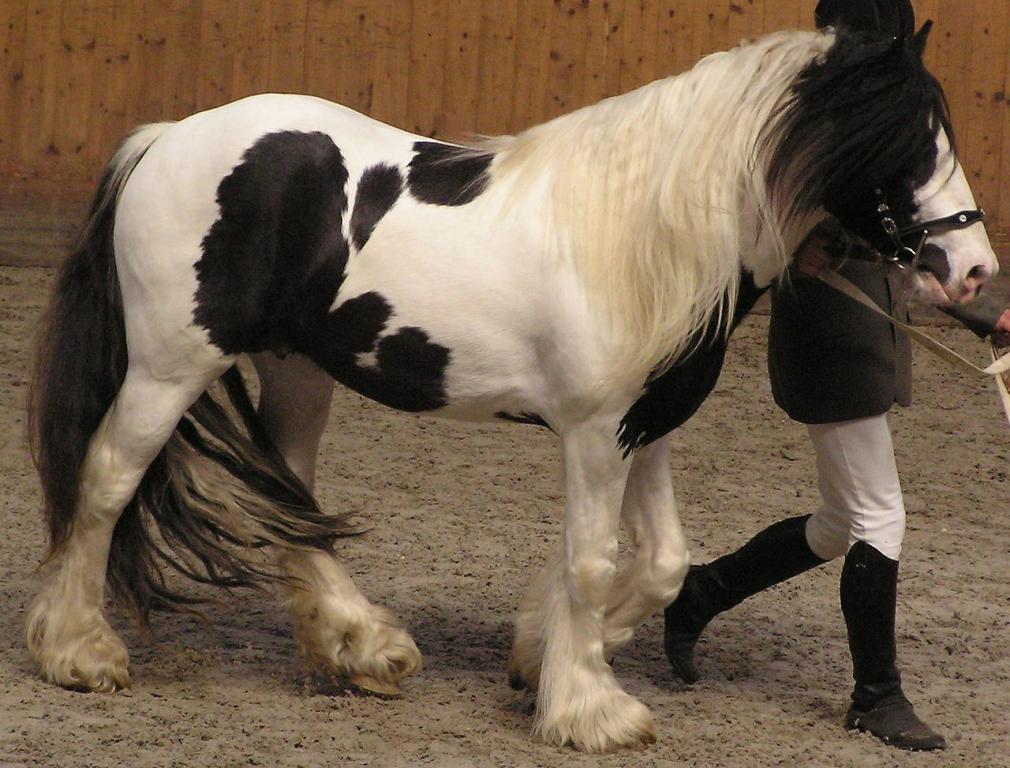
 A model of a piebald Irish Cob with its characteristic abundant mane, at a show in Prague, Czech Republic. - CC BY-SA 3.0 - Karakal

Gypsy Cob – Irish Cob – Gypsy Vanner (Tinker)

Why is the Irish Cob so loved? Gentle, hardy and versatile, this horse with abundant feathering is ideal for riding and driving.

View profile
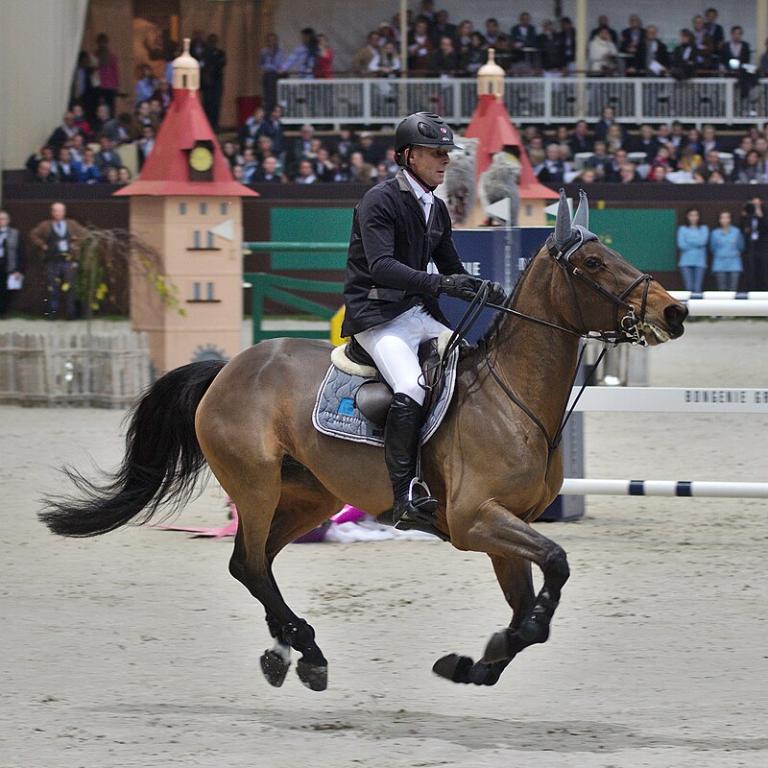
 Paul Estermann and Castlefield Eclipse, ISH mare - CC BY-SA 3.0 - Clément Bucco-Lechat

Irish Sport Horse - Hunter Irlandais

Discover the Irish Hunter, a sport horse from Ireland. Height 1.60–1.70 m, weight 500–600 kg. Athletic and versatile, it excels in eventing, jumping, and fox hunting.

View profile
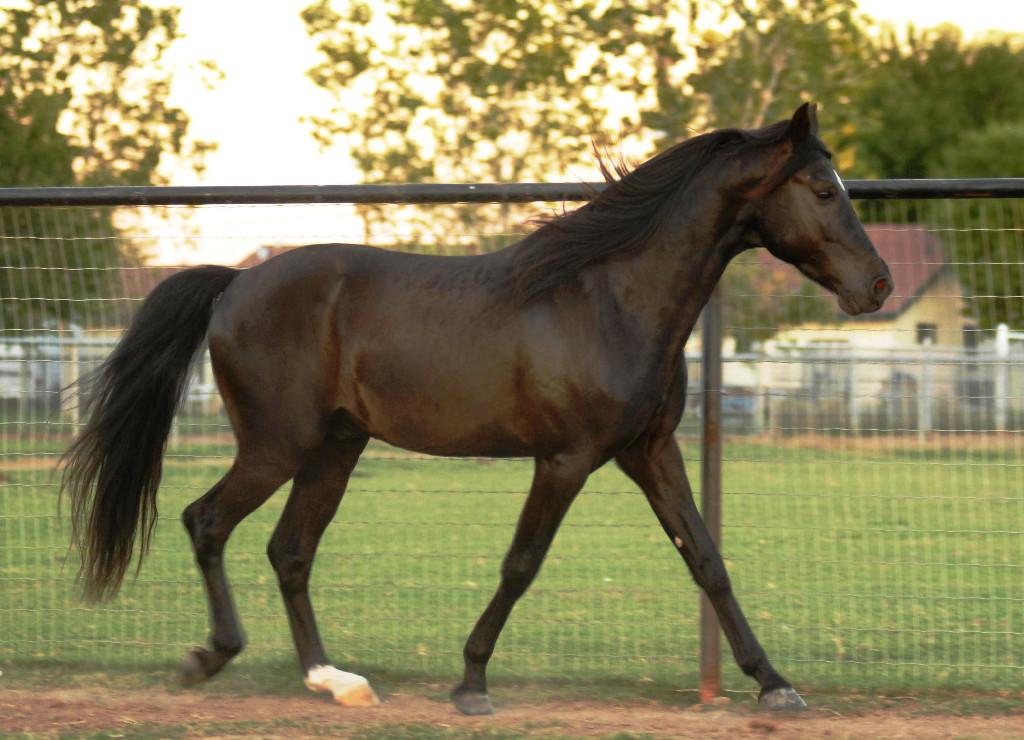
Quick Trigger, licorice-black Missouri Foxtrotter stallion - CC BY-SA 3.0 - Kayla Oakes

Missouri Fox Trotter

Why is the Missouri Fox Trotter so comfortable? Discover this smooth gaited horse, perfect for trail riding and western riding.

View profile
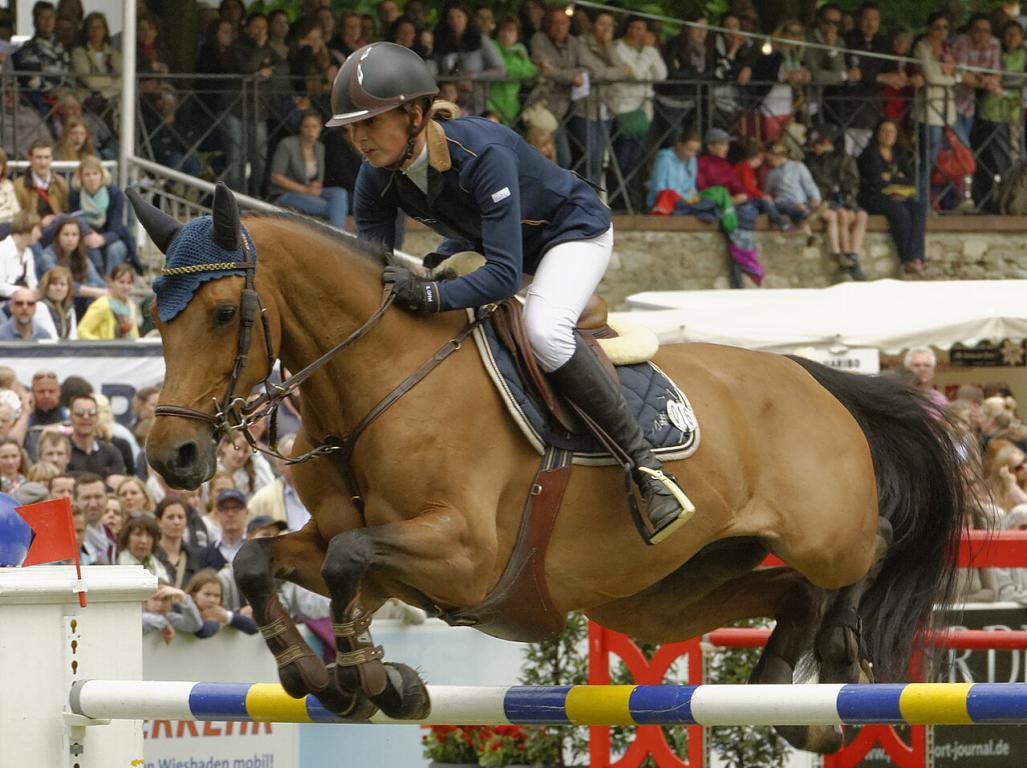
Zangersheide, Katharina Offel on B-Once Z at the Internationalen Pfingstturnier in Wiesbaden 2013. - CC BY-SA 3.0 - Michael Kramer

Zangersheide

History, conformation, temperament, breeding and performance: discover why the Zangersheide is one of the world's most sought-after sport horses.

View profile

Frequently asked questions about Sabino

How can you identify Sabino in a horse?

White commonly extends upward from the legs and belly, with jagged borders and mixed white hairs around the markings.

Does Sabino change with age or the seasons?

The main pattern is congenital, while roaning near its borders may become more visible with age.

Which coats or traits can be confused with Sabino?

Sabino can resemble splashed white, frame overo or unusually extensive ordinary white markings.
Is genetic testing necessary to identify Sabino?

Visual examination is sometimes sufficient, but genetic testing can be useful when several coats look similar or when breeding decisions are involved.