History, conformation, temperament, breeding and performance: discover why the Zangersheide is one of the world's most sought-after sport horses.
By the Chevaux du Monde editorial team · Published on · Updated on
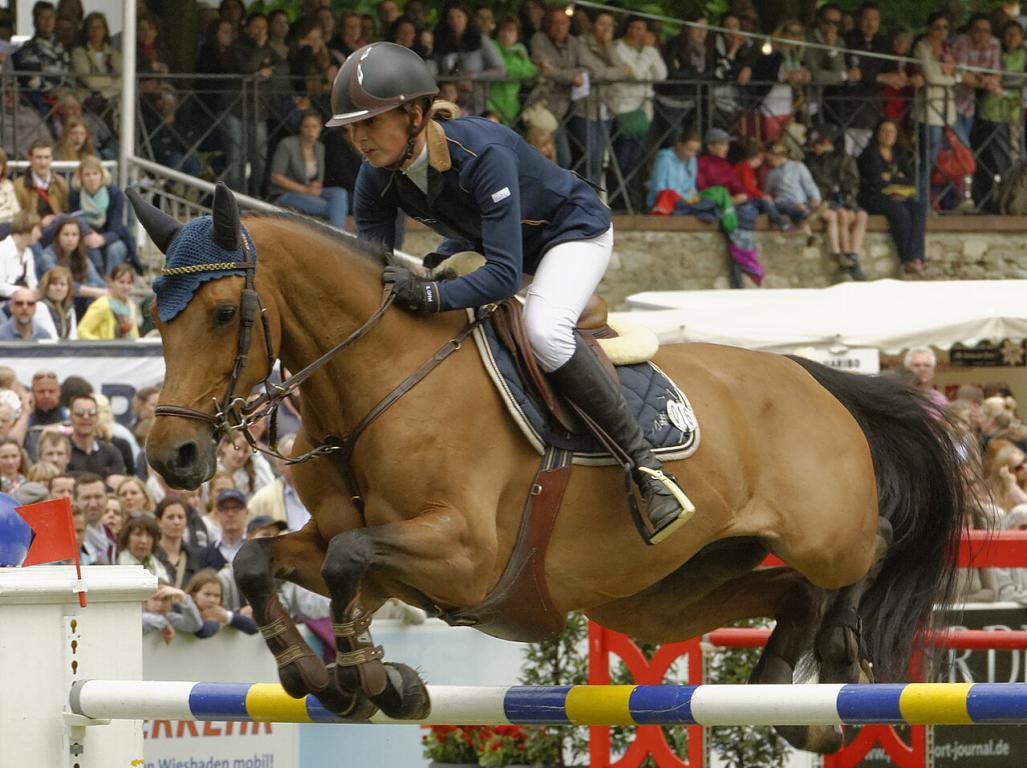
Type: Riding Horse
Continent: Europe
Country: Belgium
Weight: 500 – 650 kg
Height: 165 – 175 cm
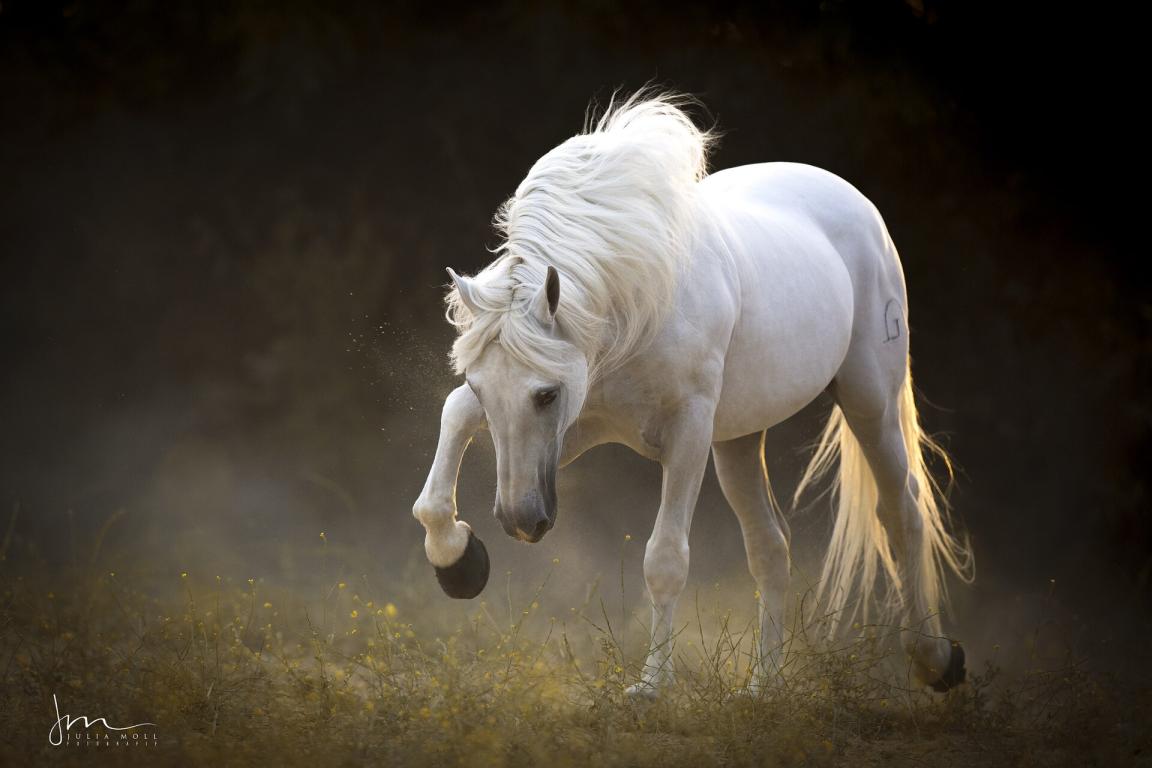
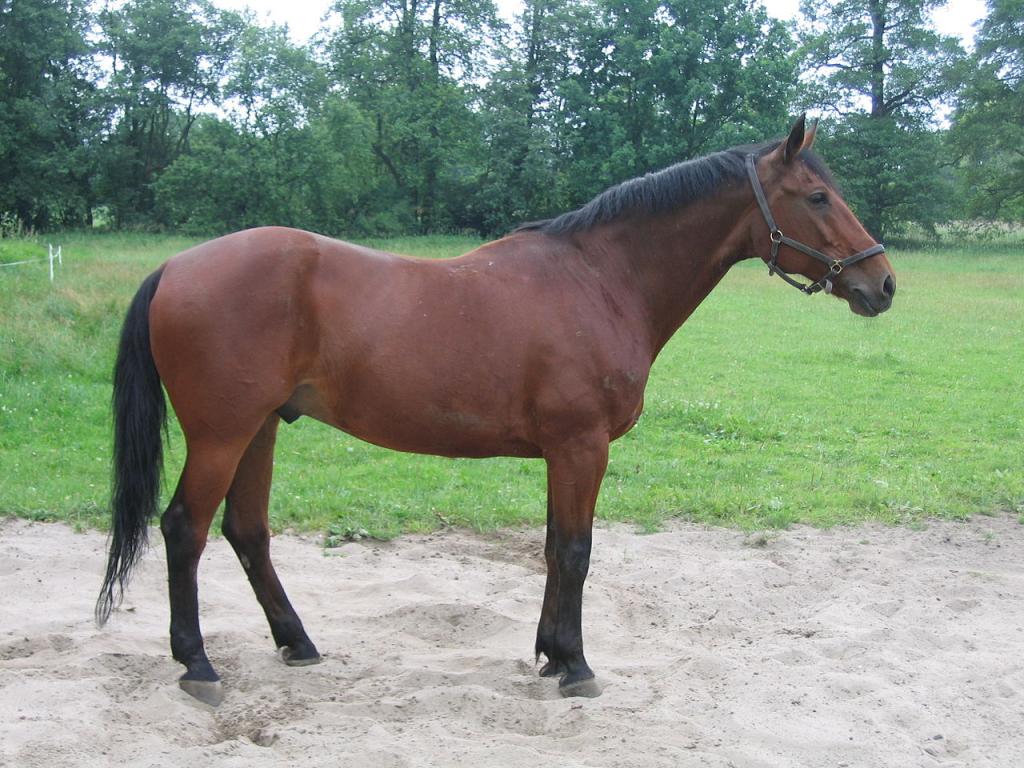
The Zangersheide is a modern sport horse developed in Belgium at the Zangersheide Stud Farm located in Lanaken, in the province of Limburg. Unlike many traditional breeds, it is not an ancient breed originating from a specific region, but rather a performance-oriented studbook established with the goal of producing top-level horses for show jumping.
The studbook was founded in the 1970s by Leon Melchior, a visionary breeder who sought to select the best jumping horses regardless of their origin. To achieve this objective, he incorporated breeding stock from several major European studbooks, including the Hanoverian, Holsteiner, Selle Français, KWPN, and BWP.
From its inception, the Zangersheide distinguished itself through an innovative philosophy that prioritized athletic ability, competition results, and genetic quality over membership in a closed breed registry. This approach enabled the studbook to become one of the most influential organizations in the world of show jumping.
Today, the Zangersheide is represented in numerous countries, and its horses regularly rank among the world's top international competitors. Its influence on global sport horse breeding is considerable, thanks to the quality of its bloodlines and its contribution to the development of the modern show jumping horse.
The primary breeding center of the Zangersheide is located in Belgium, specifically in Lanaken, in the province of Limburg. It is in this region that the studbook was founded and where the renowned Zangersheide Stud Farm remains today, serving as the historical center of the breed.
Thanks to its success in show jumping, the Zangersheide is now bred in many European countries. Specialized breeding operations can be found in Germany, the Netherlands, France, Belgium, the United Kingdom, Ireland, and several other nations with a strong tradition of sport horse breeding.
Today, the Zangersheide studbook maintains branches and registration programs across several continents. Zangersheide horses are bred in North America, South America, Oceania, the Middle East, and parts of Asia, where demand for high-quality sport horses continues to grow.
Zangersheide breeding operations are generally located in regions renowned for their expertise in sport horse breeding and their proximity to major international competition circuits. Breeders prioritize facilities designed to support the athletic development of young horses and their preparation for high-level sporting disciplines.


The Zangersheide plays an important role in the genetics of the international sport horse. Since its foundation, the studbook has rigorously selected breeding animals with exceptional show jumping qualities, including power, jumping technique, carefulness over fences, suppleness, and athletic ability. This breeding policy has enabled the Zangersheide to produce numerous horses performing at the highest international level.
Unlike many traditional studbooks, the Zangersheide follows a particularly open breeding policy. Stallions and mares from various sport horse studbooks can be incorporated into the breeding program when they demonstrate outstanding genetic and sporting value. This genetic diversity helps maintain significant improvement potential while reducing the risks associated with an overly restricted gene pool.
The Zangersheide studbook has played a major role in the dissemination of prestigious bloodlines originating from influential sires such as Almé Z, Ramage, Rebel I Z, Robin I Z, Carthago Z, Heartbreaker, and Clinton. These bloodlines have profoundly influenced the breeding of show jumping horses and can now be found in numerous international studbooks.
Zangersheide horses are regularly used in breeding programs to enhance the athletic qualities of future generations. Breeders particularly value their ability to pass on strength, responsiveness, balance, courage, and outstanding jumping ability. This genetic influence continues to contribute to the ongoing development of the modern sport horse.
The history of the Zangersheide began in the 1970s in Belgium, when breeder and entrepreneur Leon Melchior decided to create a breeding program entirely dedicated to producing top-level show jumping horses. Based in Lanaken, in the Belgian province of Limburg, he developed an innovative approach focused on sporting performance rather than adherence to a traditional breed.
At a time when most European studbooks operated according to strict geographical or breed-based criteria, Zangersheide adopted a much more open policy. The best breeding animals were selected according to their sporting achievements, genetic value, and ability to pass on desirable traits, regardless of their studbook of origin. This strategy made it possible to incorporate prestigious bloodlines from the Selle Français, Holsteiner, Hanoverian, KWPN, and BWP studbooks.
Over the years, the project evolved into a truly international studbook. Zangersheide developed its own selection criteria, stallion approval procedures, and breeding programs. The suffix "Z", now famous throughout the equestrian world, became the identifying mark of horses registered within the studbook.
The reputation of the Zangersheide grew rapidly thanks to the performances of many horses from its bloodlines on the world's most prestigious show jumping arenas. Influential horses such as Almé Z, Ratina Z, Carthago Z, Rebel I Z, and Robin I Z helped establish the studbook's international reputation and reinforced its image as a source of excellence in show jumping.
During the 1990s and 2000s, the Zangersheide became one of the most influential studbooks in the sport horse industry. Its breeding system attracted breeders from many countries, and its horses became regular participants in the world's most prestigious competitions, including World Championships, the Olympic Games, and major World Cup events.
Today, the Zangersheide is recognized as one of the leading forces in the global breeding of show jumping horses. Its history reflects the evolution of modern horse breeding toward a system based on sporting performance, genetic quality, and international openness, principles that continue to guide its development.
The Zangersheide is generally recognized for its dynamic, energetic, and willing temperament. Having been selectively bred for high-level equestrian disciplines over several decades, it often displays a strong work ethic and a natural willingness to perform. These qualities make it a valued partner in demanding equestrian sports.
Zangersheide horses are typically described as intelligent, responsive, and quick learners. Their intelligence facilitates training progress and often allows them to adapt effectively to the various situations encountered in both competition and daily work.
One of the most sought-after qualities of the Zangersheide is its courage over fences. Breeders place great importance on a horse's willingness to tackle obstacles with confidence and determination. This characteristic has contributed significantly to the breed's reputation in the international show jumping world.
Like many modern sport horses, the Zangersheide may display a certain sensitivity to rider aids and environmental stimuli. When provided with consistent education and appropriate training, it is generally cooperative, attentive, and eager to work with its rider.
As an open studbook incorporating diverse genetic backgrounds, the temperament of Zangersheide horses can vary from one individual to another. Some horses are calm and composed, while others exhibit greater energy and responsiveness. Despite this diversity, breeding programs aim to maintain a balance between performance, rideability, and trainability.
Thanks to its combination of athleticism, courage, intelligence, and willingness, the Zangersheide is now considered one of the sport horse populations best suited to the demands of high-level show jumping. Its temperament plays a major role in its success among both professional and amateur riders.
The Zangersheide enjoys strong popularity among riders, investors, and breeders specializing in show jumping. International demand for horses capable of competing at the highest levels of the sport is expected to continue supporting the growth and development of the studbook in the years ahead.
Zangersheide breeding programs continue to apply rigorous selection based on sporting results, genetic evaluations, and the performance of offspring. This approach allows breeders to continuously improve desirable traits such as power, jumping technique, balance, temperament, and athletic longevity.
Like many sport horse studbooks, the Zangersheide increasingly benefits from advances in genetics, pedigree analysis, and performance evaluation. These tools enable breeders to optimize breeding decisions and more effectively identify the most promising breeding stock.
The Zangersheide operates in a highly competitive environment alongside other leading European studbooks such as the KWPN, Hanoverian, Holsteiner, Selle Français, and BWP. This competition encourages continuous improvement of breeding programs and helps maintain a high standard of genetic quality.
Thanks to its open breeding philosophy and worldwide reputation, the Zangersheide is expected to remain an important force in the evolution of the modern show jumping horse. Its influence on future generations of sport horses is likely to remain significant both in Europe and in the world's major breeding regions.
The Zangersheide is generally considered a sport horse population with good overall health. Breeding selection within the studbook places particular emphasis on functionality, physical soundness, and athletic performance, helping to maintain horses capable of sustaining long and successful sporting careers.
Because the Zangersheide originates from numerous European sport horse bloodlines, it is not associated with any genetic disease that is unique or exclusive to the studbook. However, certain hereditary conditions found within the foundation populations may occasionally occur. Breeders therefore closely monitor pedigrees and veterinary examination results when selecting breeding stock.
Like many horses bred for show jumping, the Zangersheide may be affected by conditions involving the musculoskeletal system. Joints, tendons, and ligaments are subjected to significant stress during training and competition. Appropriate management of workload, recovery, and hoof care helps reduce the risk of injury.
Osteochondrosis (OCD) is among the orthopedic conditions most closely monitored in sport horse populations. This developmental joint disorder can occur in some young horses and is often evaluated through radiographic screening in many breeding programs. Modern breeding policies aim to gradually reduce its prevalence.
The Zangersheide studbook places great importance on veterinary examinations conducted during the approval process for breeding animals. Radiographs, locomotion assessments, and health screenings help identify horses that offer the best prospects for breeding and athletic performance.
Breeders strive to produce horses capable of maintaining their physical qualities over many years of competition. Modern selection is aimed not only at sporting performance but also at soundness, durability, and resistance to physical stress, all of which are essential characteristics for high-level sport horses.
Born in 1982
Considered one of the greatest show jumping mares in history. Ridden by Ludger Beerbaum, she won the Olympic team gold medal in 1988, the individual silver medal in 1992, and achieved numerous victories at the highest international level, including major World Cup competitions.
Born in 1987
Legendary stallion that competed in the 1996 and 2000 Olympic Games under Jos Lansink. He later became one of the most influential sires in modern show jumping horse breeding.
Born in 1983
Foundational stallion of the Zangersheide breeding program, renowned for his significant influence on show jumping horse breeding and the exceptional quality of his offspring.
Born in 1981
Influential breeding stallion within the Zangersheide program who contributed significantly to the genetic development of the studbook through numerous successful descendants.
Born in 2000
Winner of numerous international competitions under Christian Ahlmann, including several CSI5* Grand Prix events and the FEI World Cup Final.
Born in 2004
One of the most famous Zangersheide stallions of the 21st century, recognized for both his sporting achievements and his major influence on modern sport horse breeding.