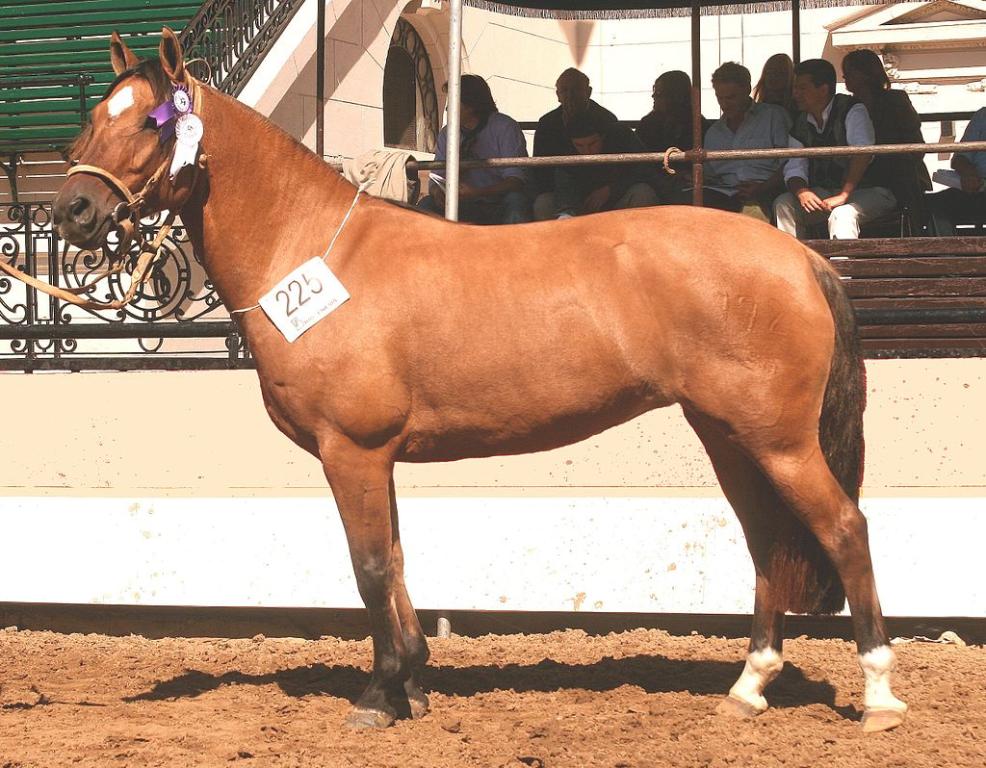
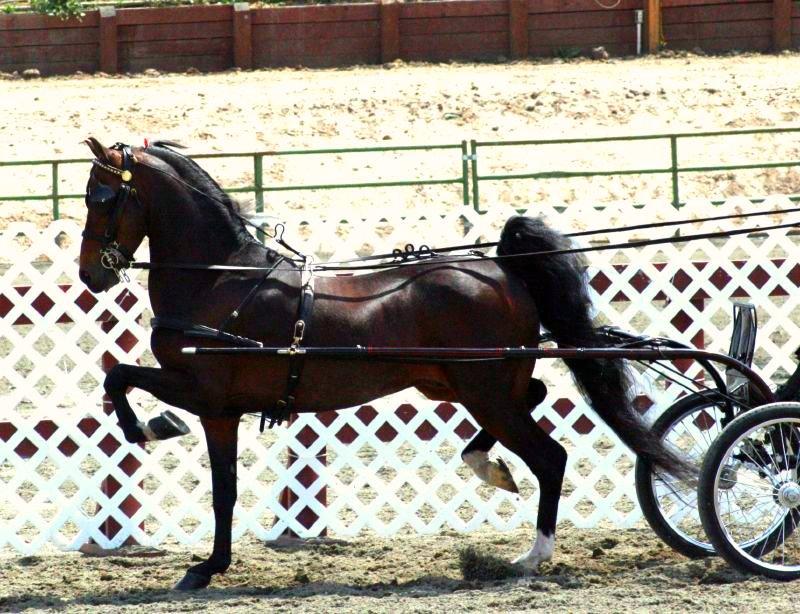
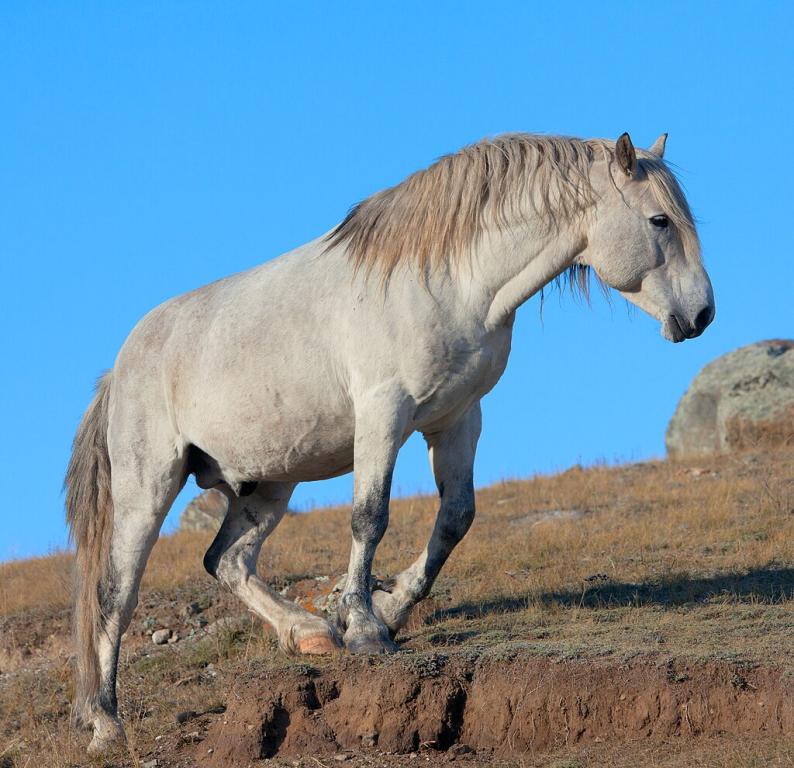
Learn all about the Mecklenburger, a renowned German sport horse known for its athleticism, temperament, conformation, and success in equestrian disciplines.
By the Chevaux du Monde editorial team · Published on · Updated on
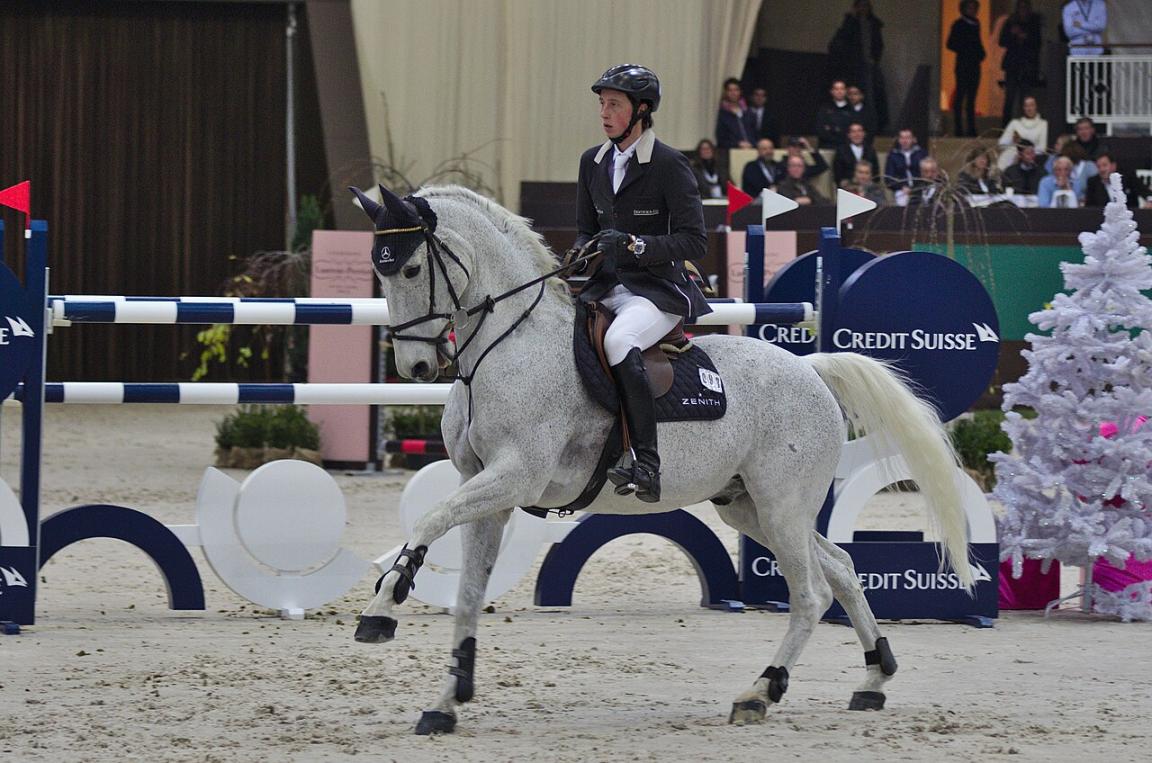
Type: Riding Horse
Continent: Europe
Country: Germany
Weight: 500 – 650 kg
Height: 160 – 175 cm
The Mecklenburger originates from Mecklenburg-Western Pomerania, a region located in northeastern Germany. Its development is closely linked to regional breeding programs and the renowned Redefin State Stud, founded in the early 19th century.
Originally, horses bred in this region were intended for agriculture, transportation, and cavalry service. Breeders gradually selected animals that were strong, enduring, and capable of working efficiently under a variety of conditions.
During the 20th century, breeding objectives shifted toward the production of sport horses. The introduction of German and European warmblood bloodlines helped develop a more athletic model with enhanced abilities for modern equestrian disciplines.
Today, the Mecklenburger is primarily bred for dressage, show jumping, and eventing. It is valued for its balance, versatility, cooperative temperament, and athletic qualities, making it a successful competitor at both amateur and international levels.
The Mecklenburger is primarily bred in Mecklenburg-Western Pomerania, a region located in northeastern Germany. This area is the breed's historical homeland and is home to several specialized breeding operations as well as the renowned Redefin State Stud, which played a major role in the breed's development.
Although its original breeding center remains Mecklenburg-Western Pomerania, the Mecklenburger is also bred in other regions of Germany as part of the network of German warmblood studbooks. Genetic exchanges between breeding programs help maintain the breed's athletic qualities and competitiveness.
Thanks to its suitability for dressage, show jumping, and eventing, the Mecklenburger can be found in several European countries, particularly among breeders and riders specializing in sport horses. However, the majority of the breed's population remains concentrated in Germany.
Mecklenburger breeding programs primarily aim to produce horses for sport competition, placing emphasis on performance, movement quality, jumping ability, temperament, and conformation. This breeding direction helps maintain the breed's reputation in modern equestrian disciplines.


The Mecklenburger holds an important place among German sport horse breeds. Its breeding program is part of the network of German warmblood studbooks, which share many bloodlines while maintaining distinct regional characteristics. Preserving the breed helps maintain genetic diversity within Europe's population of sport horses.
For several decades, the Mecklenburger has been selectively bred for qualities highly valued in modern equestrian disciplines such as dressage, show jumping, and eventing. Breeding programs emphasize athletic ability, quality of movement, jumping talent, balance, flexibility, and rideability.
Thanks to its performance record and close genetic relationship with other German warmbloods, the Mecklenburger contributes to the improvement of numerous European breeding programs. Breeding animals from the breed are used to pass on athletic qualities, a willing work ethic, and a conformation suited to high-level sport.
Like most modern sport horse studbooks, the Mecklenburger studbook applies a structured breeding program based on performance testing, conformation evaluations, and pedigree analysis. This approach helps preserve the breed's genetic quality while reducing the risks associated with excessive loss of genetic diversity.
The history of the Mecklenburger is closely linked to the region of Mecklenburg in northeastern Germany. As early as the 18th century, and especially during the 19th century, local authorities developed breeding programs aimed at producing horses suited for agriculture, transportation, and cavalry service.
The establishment of the Redefin State Stud in 1812 marked an important milestone in the development of regional horse breeding. High-quality stallions from various European bloodlines were introduced to improve the local horse population. This policy helped create a horse renowned for its hardiness, versatility, and strong working abilities.
Over time, breeders incorporated blood from several prestigious breeds, including the Thoroughbred, Hanoverian, Trakehner, and other German riding horses. These crosses enhanced the athleticism, elegance, and sporting capabilities of Mecklenburg's horses.
After the Second World War, horse breeding in the region underwent significant changes. The mechanization of agriculture greatly reduced the demand for working horses. Breeding objectives gradually shifted toward producing riding horses intended for sport and leisure.
During the 1970s, breeding programs were redirected toward developing a modern sport horse capable of competing at the international level. Greater emphasis was placed on performance in dressage, show jumping, and eventing, while preserving the sound temperament and durability inherited from earlier generations.
Today, the Mecklenburger is regarded as one of the German warmblood breeds specialized in sport. Through careful selection and the incorporation of high-quality bloodlines, the breed is represented in numerous national and international competitions, where it is valued for its athleticism, versatility, and trainability.
The Mecklenburger is generally appreciated for its balanced temperament and willingness to work. Selected for sport over several generations, it combines energy with self-control, making it a reliable partner for many riders.
This breed is known for its docility and its willingness to work with people. The Mecklenburger typically learns quickly and responds well to consistent training, making it well suited to demanding equestrian disciplines.
The Mecklenburger often stands out for its intelligence, responsiveness to rider aids, and ability to learn new exercises. These qualities are particularly valued in dressage, where precision and understanding of the rider's requests are essential.
Like many German sport horses, the Mecklenburger possesses a good level of energy and impulsion while generally remaining manageable when given appropriate training. It often displays an excellent balance between athletic drive and mental stability.
Thanks to its cooperative nature and versatility, the Mecklenburger can suit both experienced amateur riders and competitive riders. However, individuals from bloodlines strongly focused on elite sport may require additional training and experience to fully develop their potential.
Its calm disposition, work ethic, moderate sensitivity, and trainability contribute to its popularity in disciplines such as dressage, show jumping, and eventing.
The Mecklenburger benefits from the sustained interest in modern sport horses bred for dressage, show jumping, and eventing. Breeders continue to refine their programs to produce horses capable of meeting the increasing demands of high-level equestrian competition.
Current breeding programs place strong emphasis on sporting performance, quality of movement, jumping ability, flexibility, temperament, and rideability. This breeding direction is expected to continue in the coming years to maintain the breed's competitiveness on the international stage.
Like many sport horse studbooks, the Mecklenburger must balance performance improvement with the preservation of genetic diversity. Careful management of bloodlines and breeding strategies helps reduce the risks associated with excessive concentration of particular genetic lines.
The Mecklenburger exists within a breeding environment where exchanges between various European warmblood studbooks are common. This openness encourages the introduction of new high-quality bloodlines while strengthening the breed's influence within international breeding programs.
The future of the Mecklenburger will largely depend on the evolving expectations of riders and breeders. Its qualities of versatility, athleticism, balance, and cooperative temperament are likely to remain valuable assets as the demands of modern sport horse breeding continue to evolve.
The Mecklenburger is generally regarded as a robust, athletic, and long-lived horse when provided with a balanced diet, regular veterinary care, and appropriate living conditions. Modern breeding programs place significant emphasis on the health and sporting aptitude of breeding animals.
Like many sport horses, the Mecklenburger may be susceptible to certain musculoskeletal conditions related to growth, genetics, or the intensity of training. Breeders and veterinarians closely monitor issues affecting the joints and skeletal development in order to preserve both athletic performance and overall well-being.
Horses competing in dressage, show jumping, or eventing may be more prone to injuries related to athletic exertion, particularly involving the tendons, ligaments, back, and joints. These risks are primarily linked to sporting activity rather than to a breed-specific predisposition.
German studbooks apply rigorous selection criteria that include evaluations of conformation, performance, and the health status of breeding stock. This approach helps limit the spread of hereditary defects and supports the maintenance of a healthy and high-performing population.
At present, no specific inherited genetic disease is widely recognized as being strongly associated with the Mecklenburger in the available scientific and breeding literature. Health management therefore relies mainly on routine veterinary examinations, breeder screening programs, and careful monitoring of bloodlines.