FAQ — Dressage Horses
What is a dressage horse?
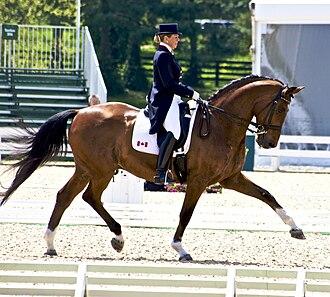
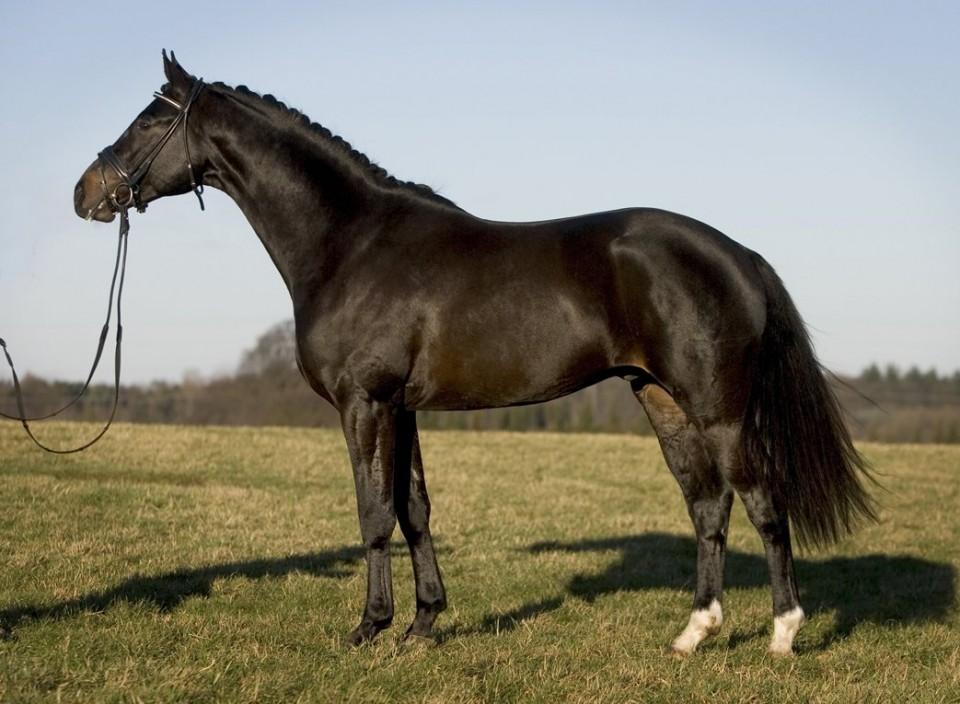
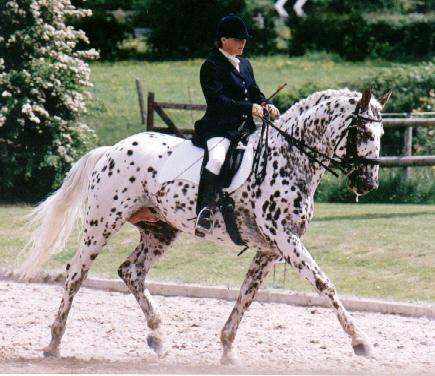
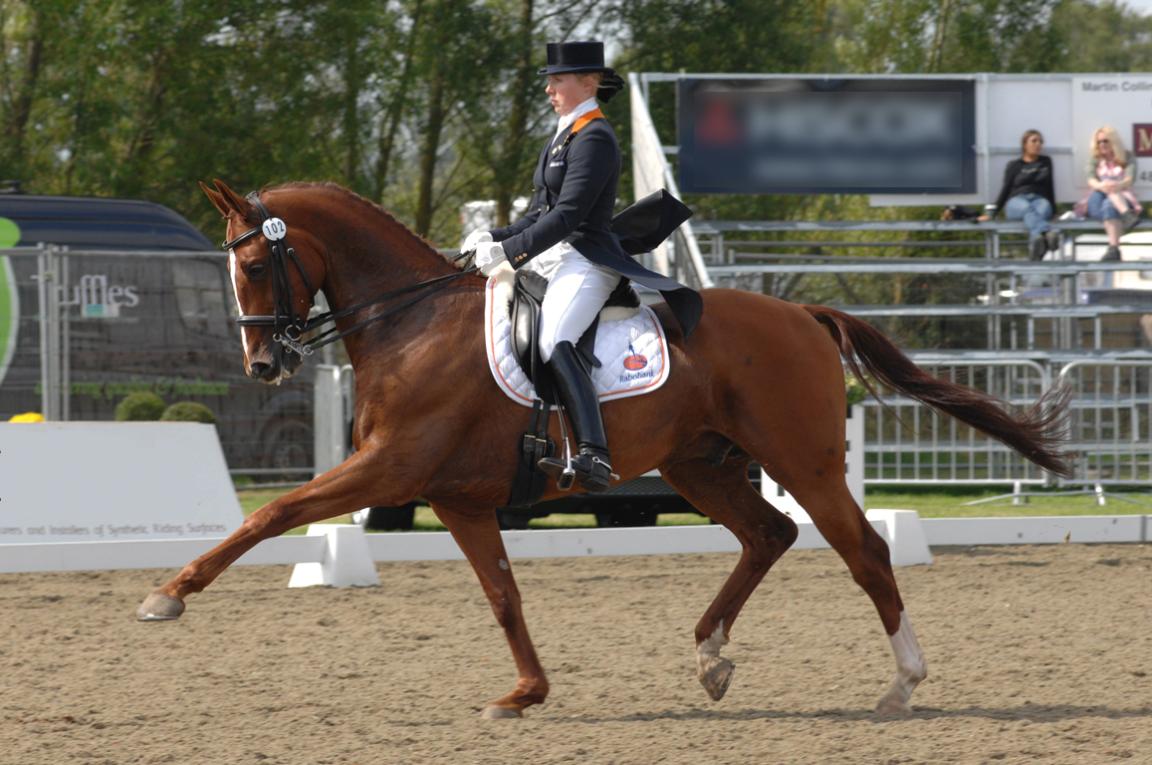
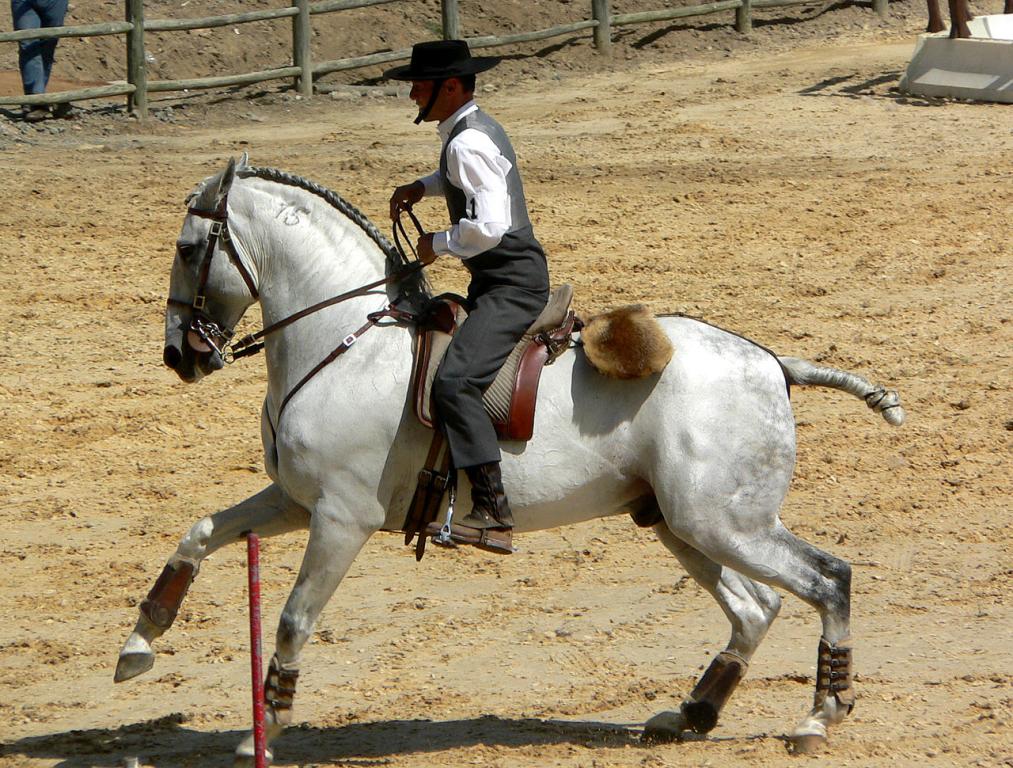
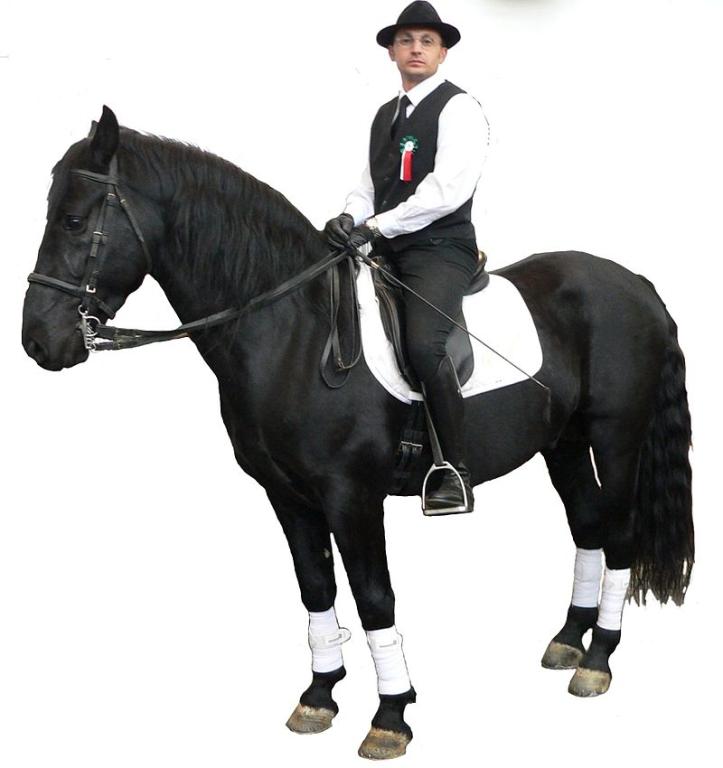
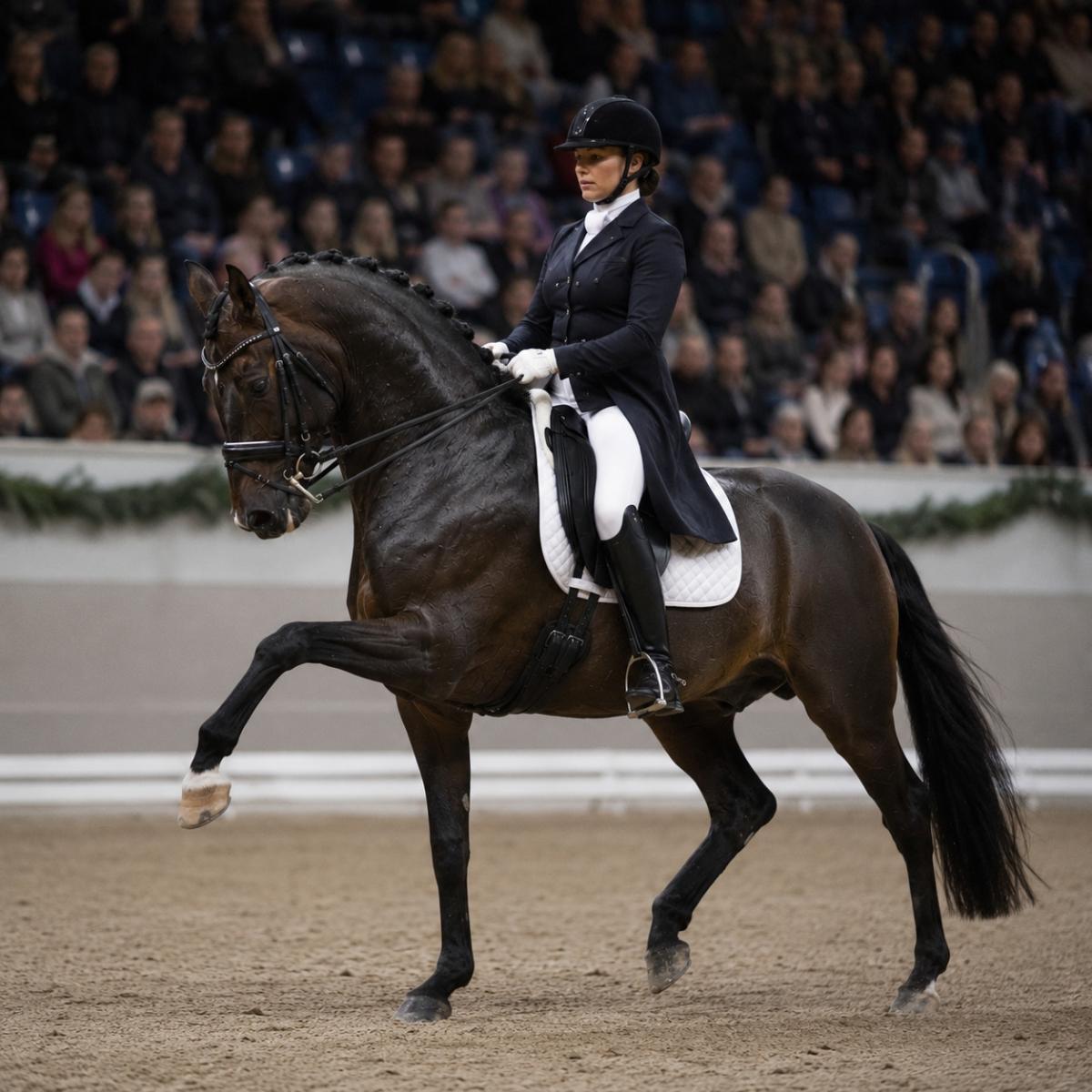
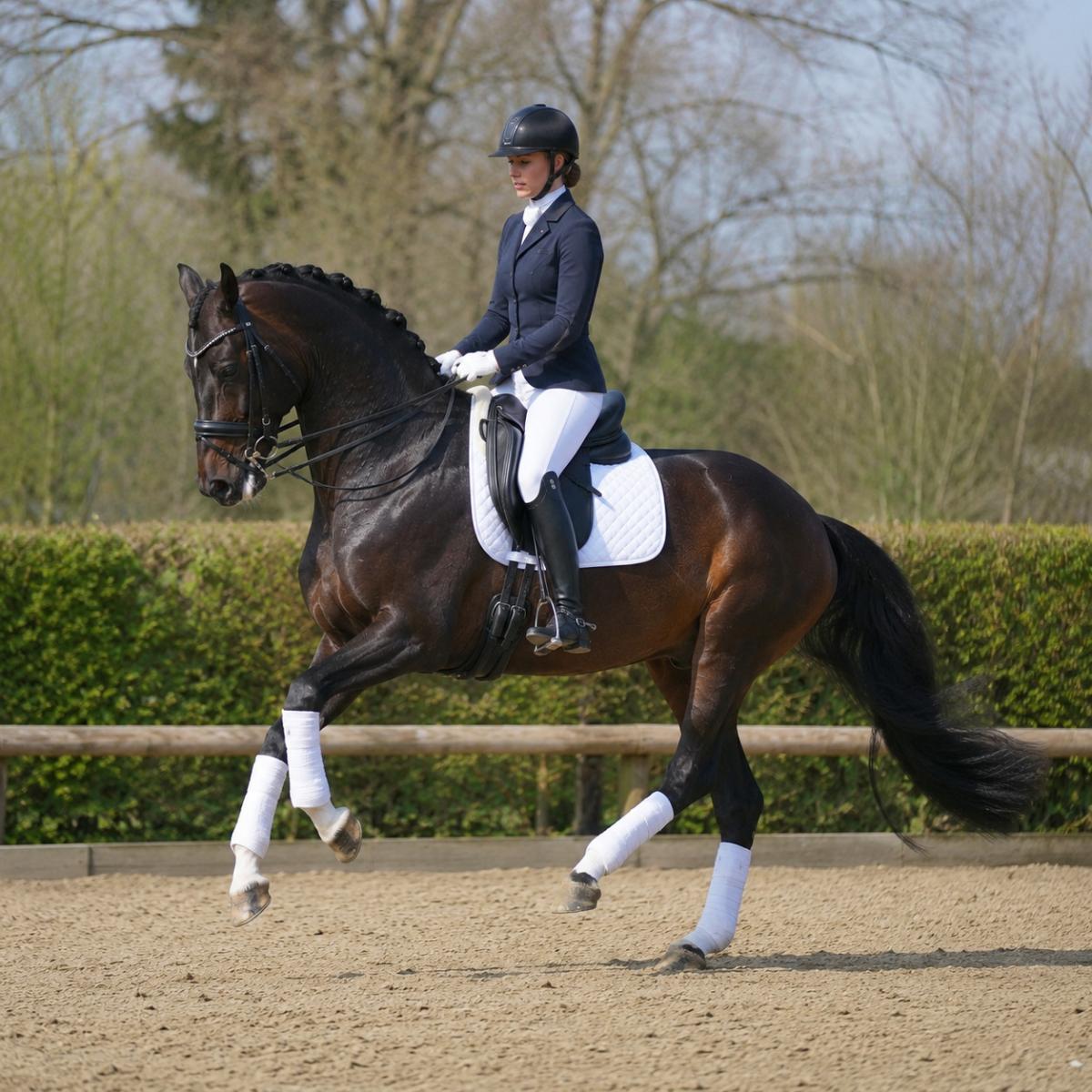
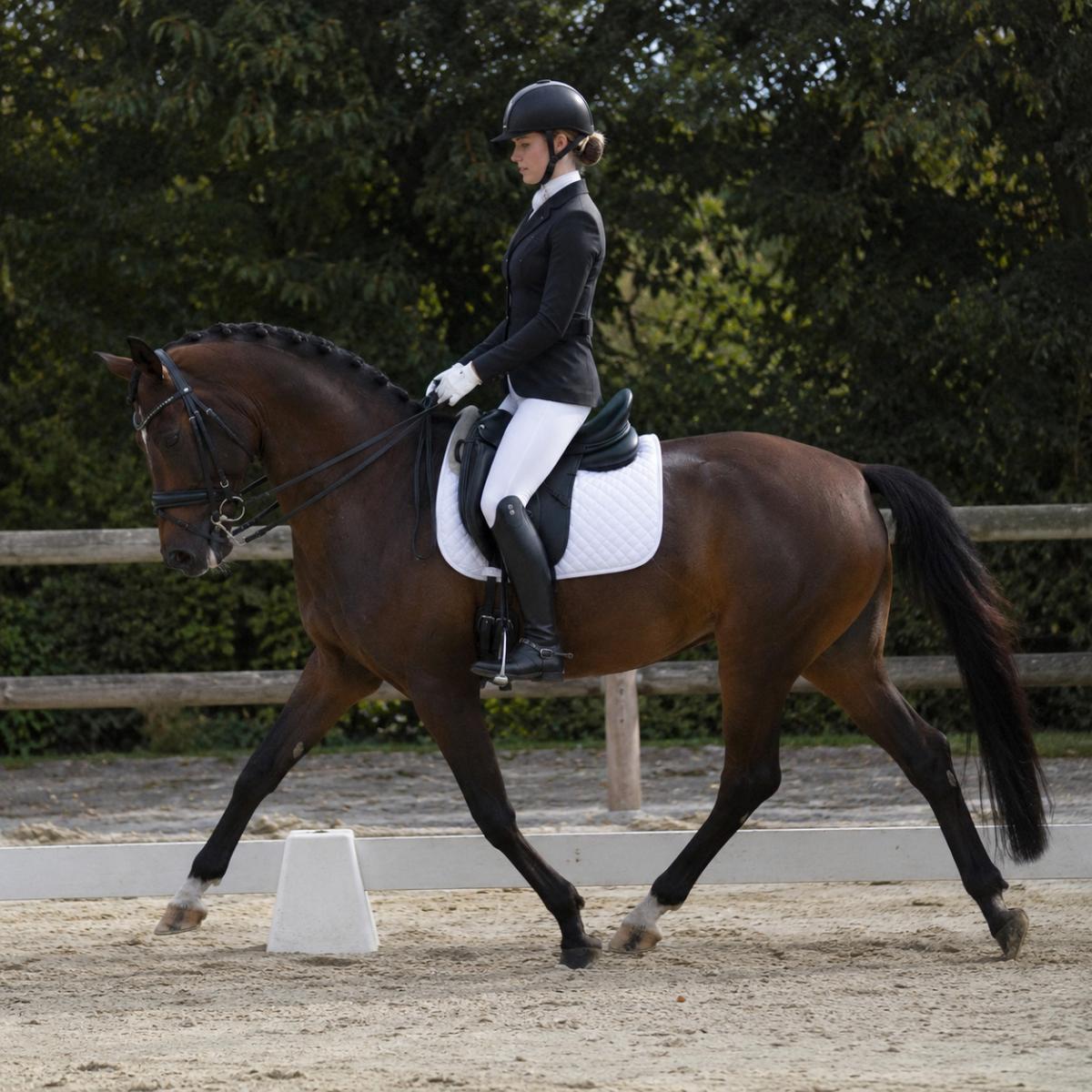
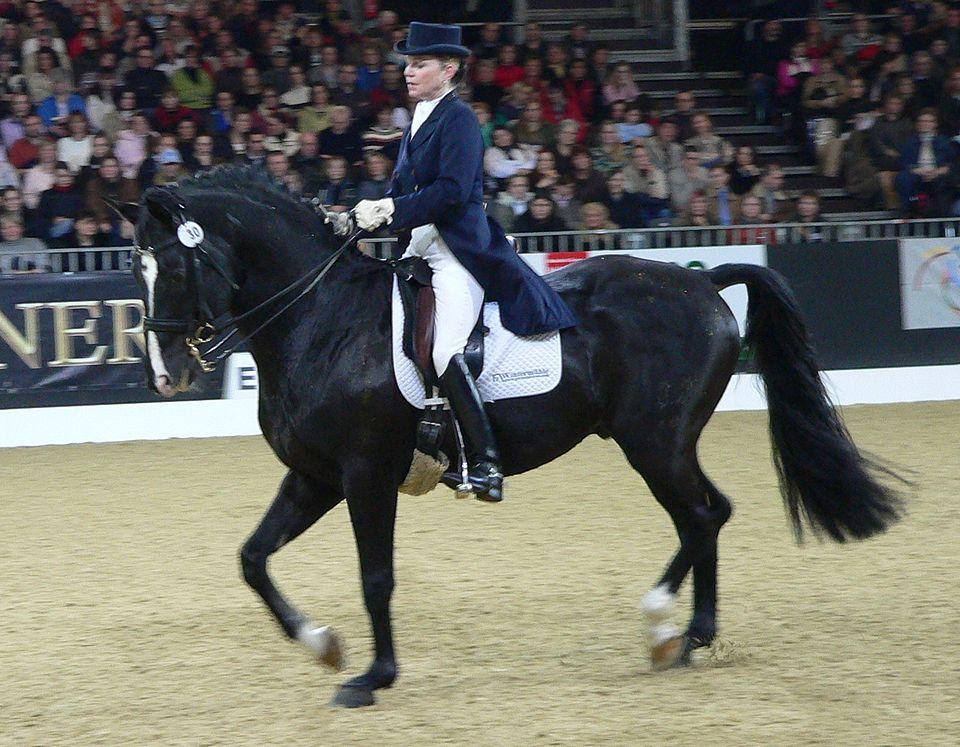
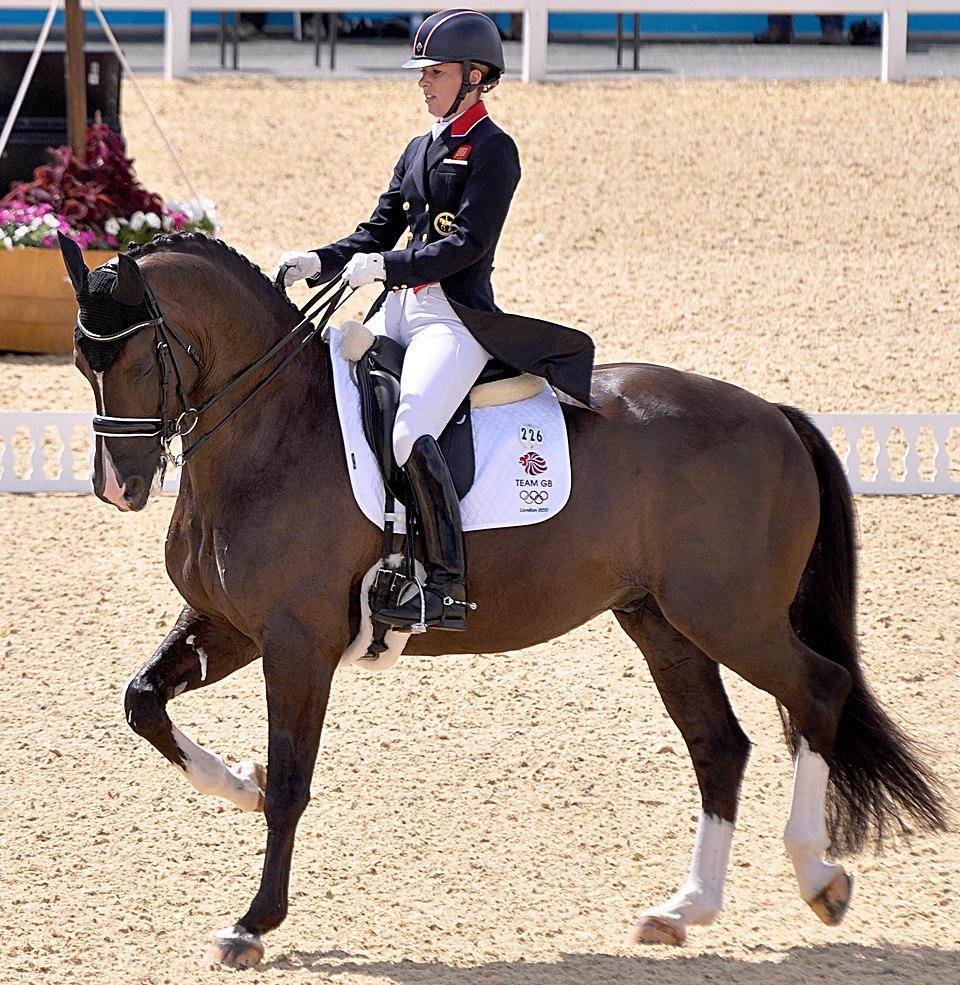
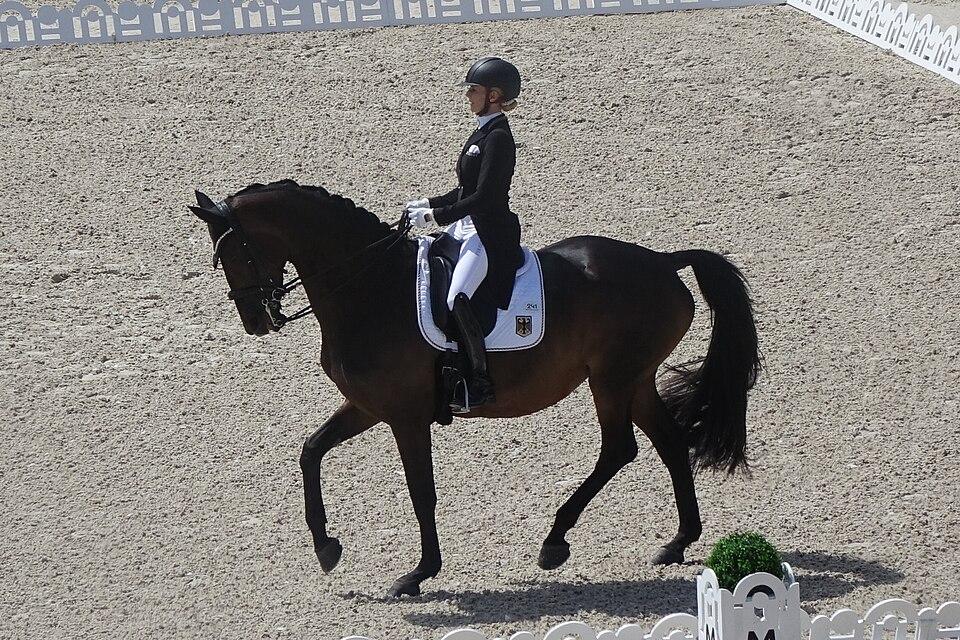
A dressage horse is particularly suited to flatwork and is valued for its balance, suppleness, regularity and ability to perform precise movements harmoniously.
What qualities are sought in a dressage horse?
The most valued qualities include expressive and regular gaits, engagement of the hindquarters, balance, suppleness, concentration, willingness and the ability to collect.
What are the main dressage horse breeds?
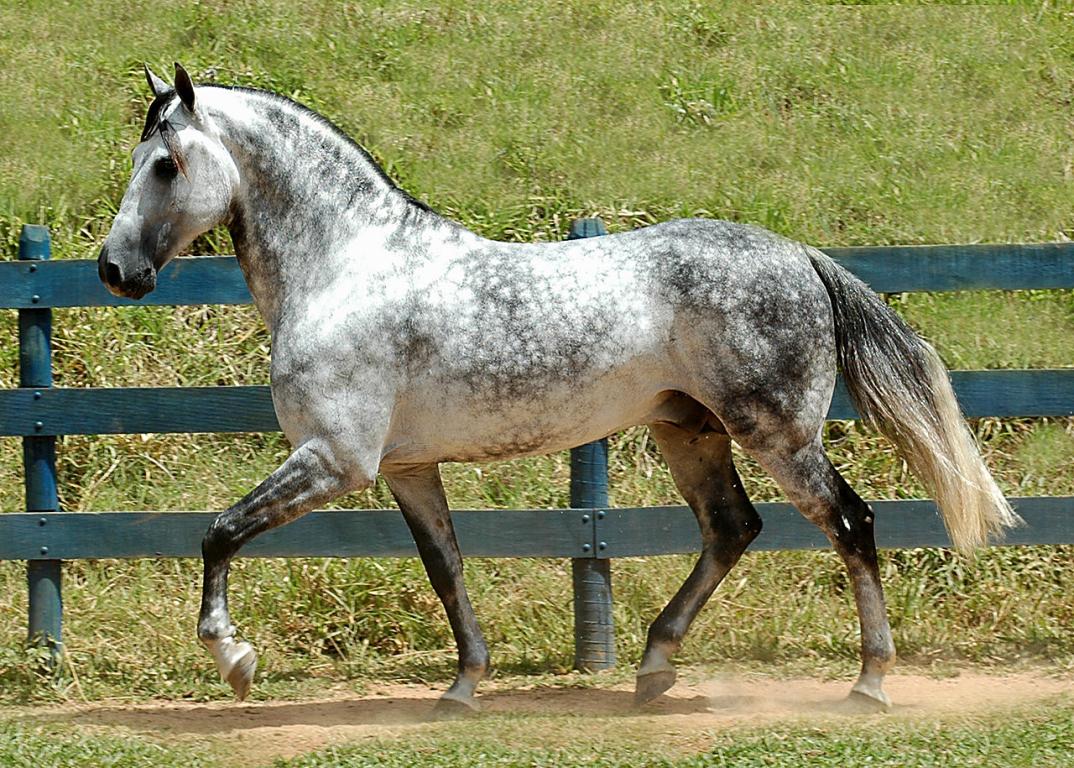
Breeds commonly associated with dressage include the Hanoverian, Dutch Warmblood (KWPN), Oldenburg, Lusitano, PRE and some Selle Français bloodlines.
Is dressage limited to specific breeds?
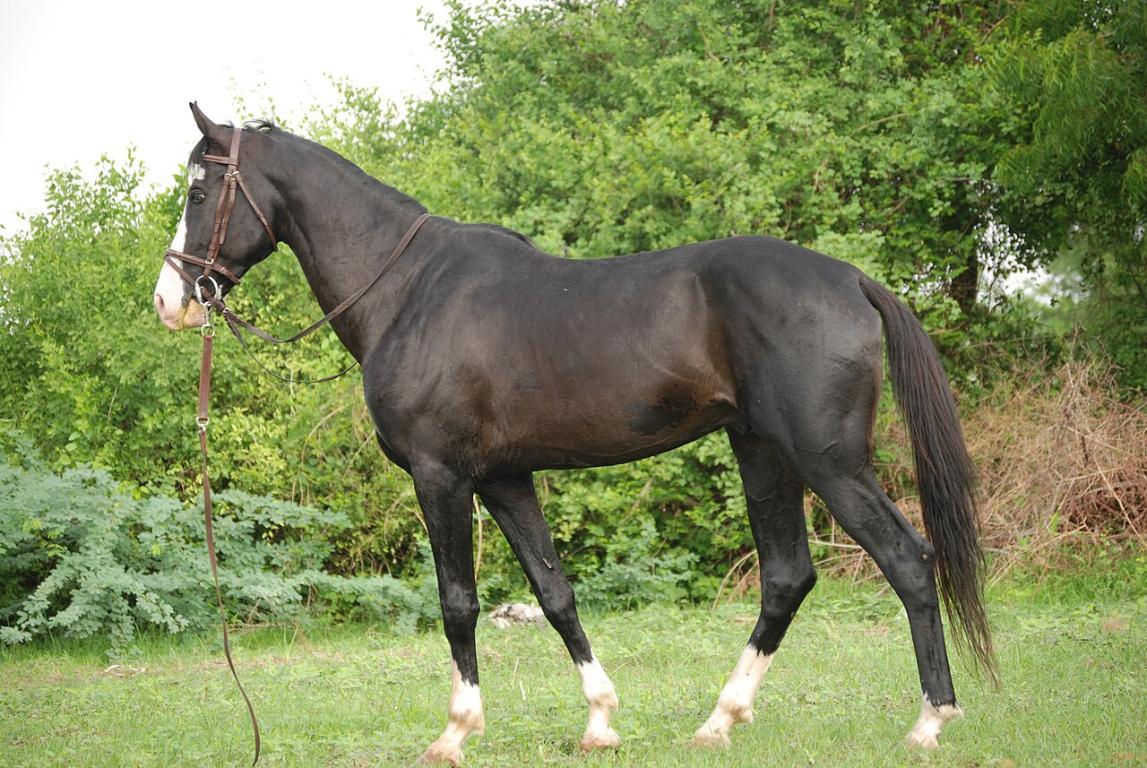
No. Horses of many breeds can practise dressage, although some have been selected more specifically for natural abilities suited to the discipline.
Can dressage horses compete in other disciplines?
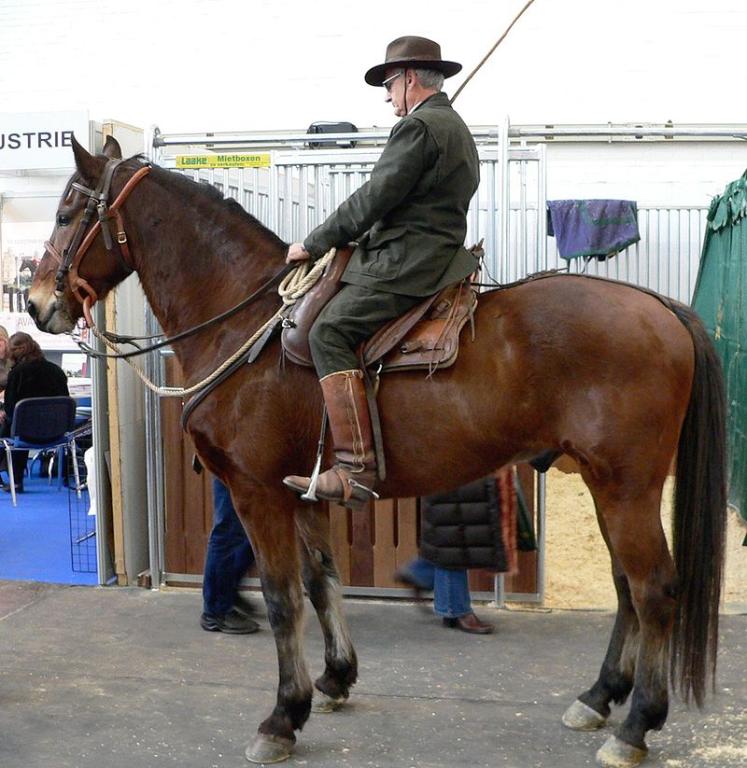
Yes. Depending on their individual profile, many dressage horses can also take part in leisure riding, eventing, working equitation and other disciplines.
What is the difference between a dressage horse and a show-jumping horse?
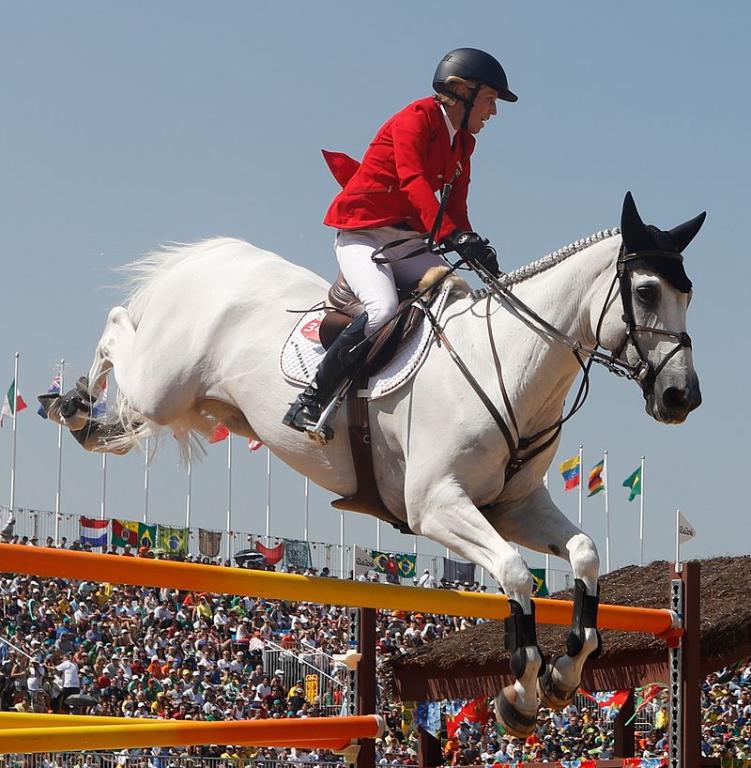
A dressage horse is primarily selected for quality of movement, balance and precision, while a show-jumping horse is more strongly selected for power, scope, trajectory and jumping technique.
Are Iberian horses good at dressage?
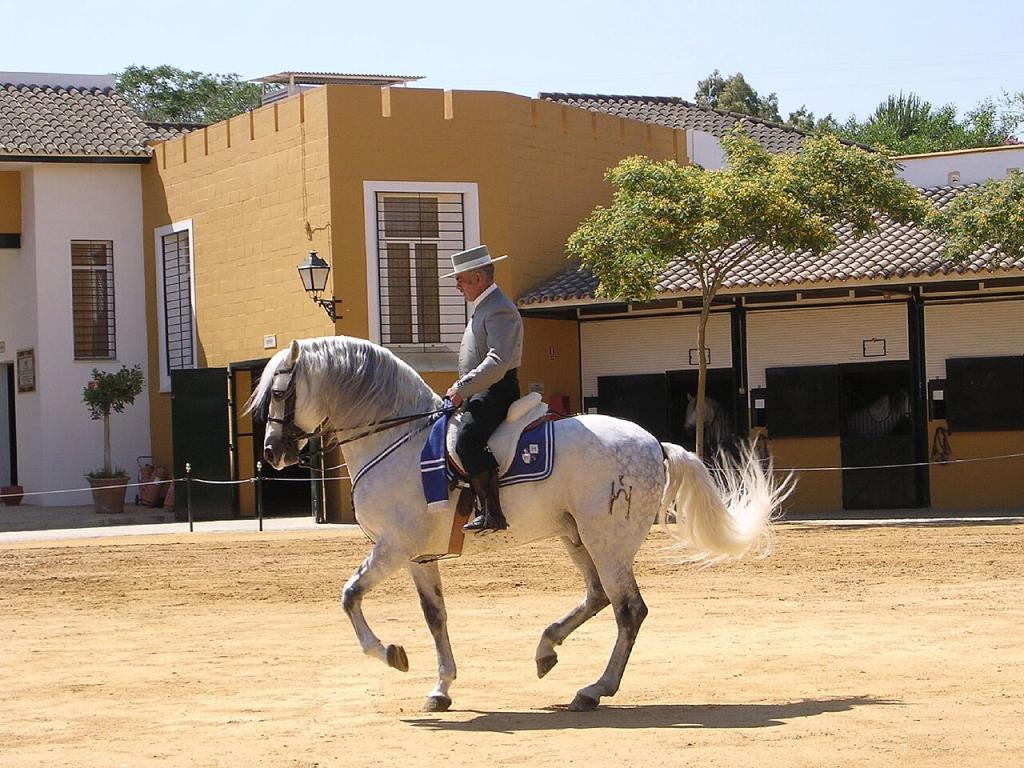
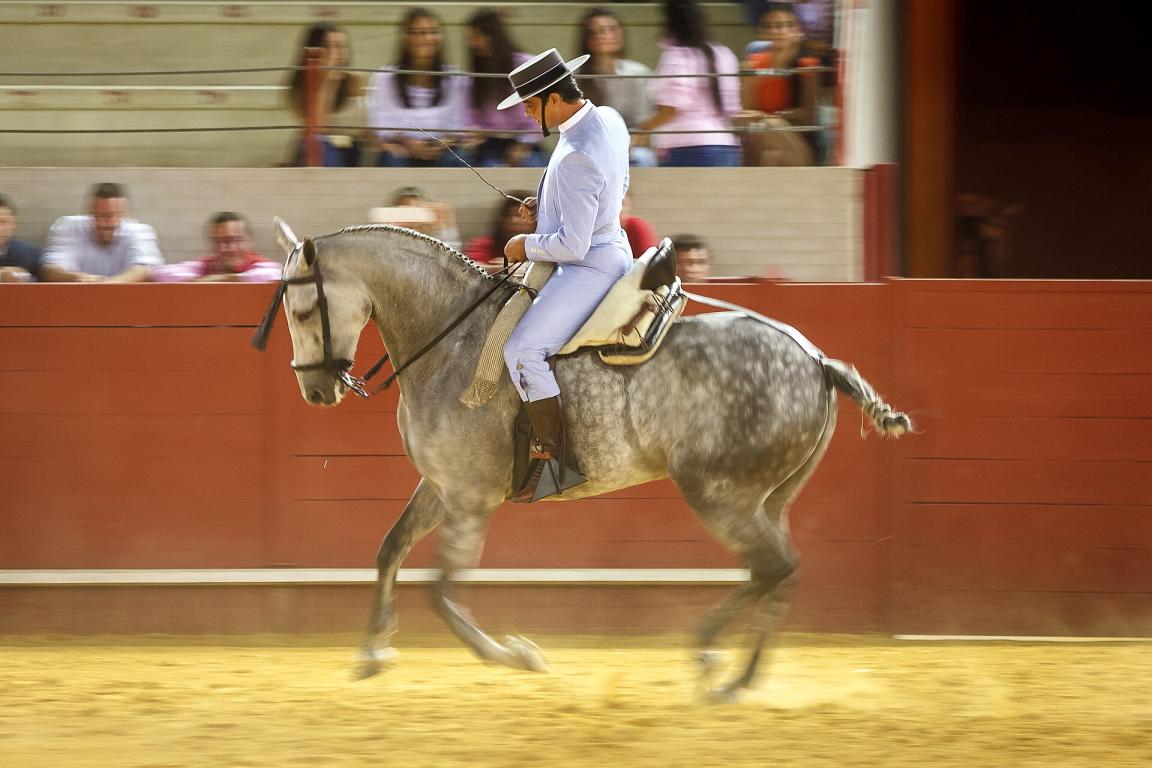
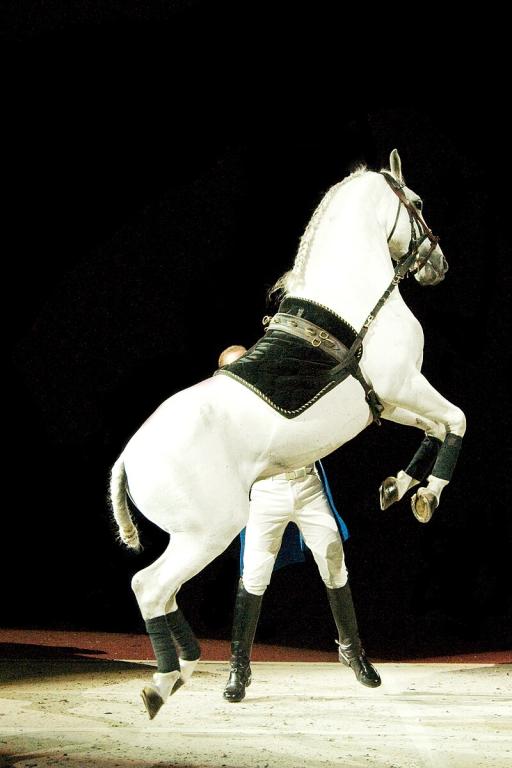
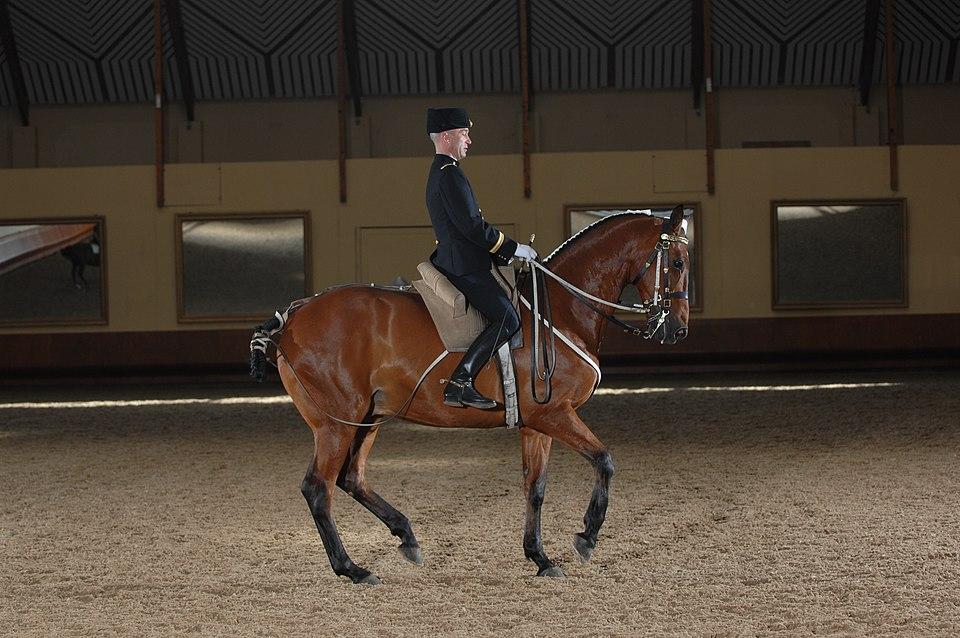
Yes. Iberian breeds such as the Lusitano and PRE are often appreciated for their balance, agility and natural ease in collected dressage movements.
Does a dressage horse need extravagant gaits?
Expressive gaits can be an advantage, but they are not enough on their own. Balance, regularity, trainability and the ability to collect are equally important.
Are dressage horses suitable for amateur riders?
Some are very suitable for amateur riders, provided that the horse's temperament, training level and sensitivity match the rider's experience.
What temperament is expected from a dressage horse?
A dressage horse is generally expected to be attentive, willing and sensitive without becoming unmanageable, while remaining mentally available during work.
What is dressage training useful for?
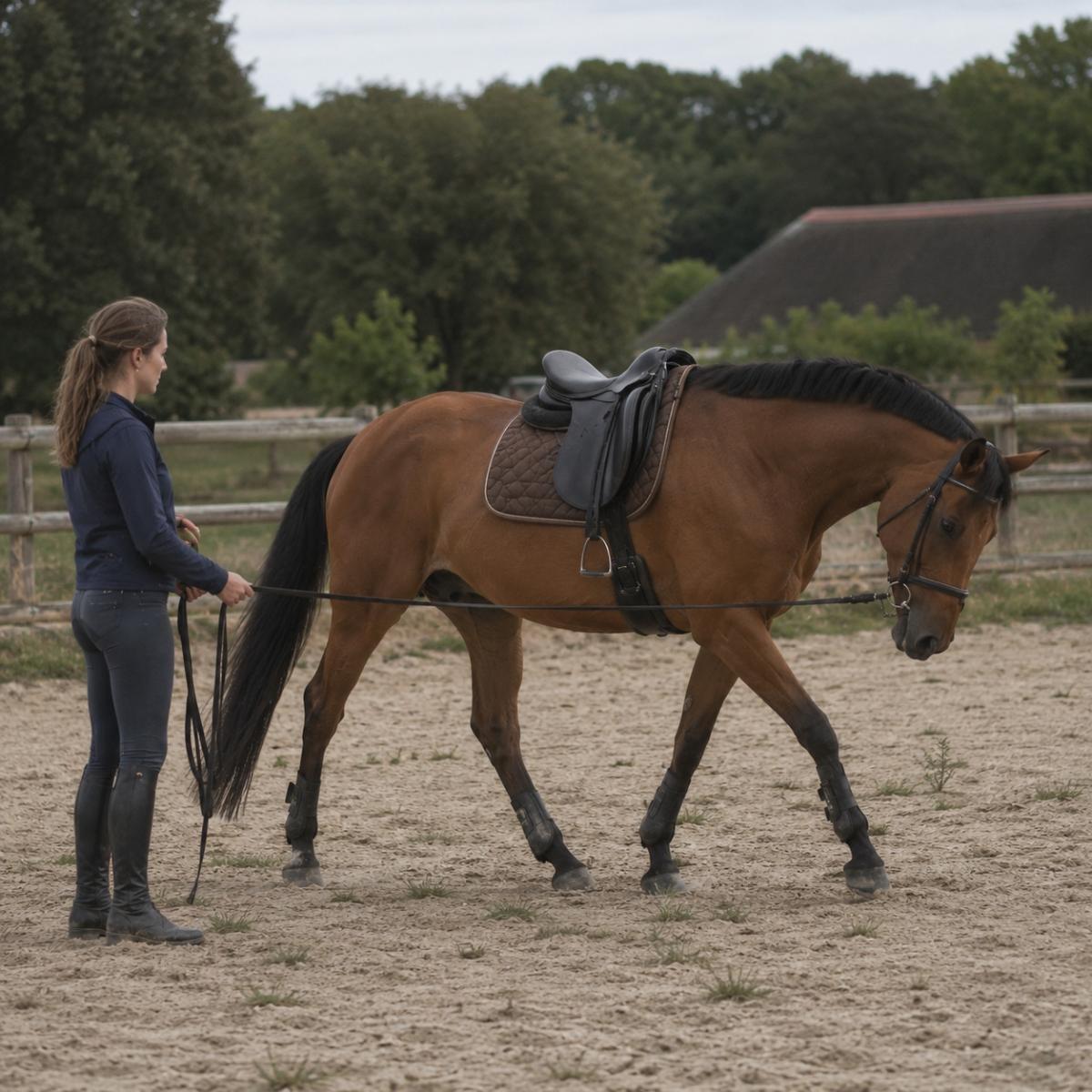
Dressage improves balance, suppleness, coordination, responsiveness to the aids and the overall quality of the horse's movement.
Can a dressage horse be used for leisure riding?
Yes. Many dressage-oriented horses can also suit leisure riding, light hacking or everyday flatwork, depending on their temperament and training.
How much does a dressage horse cost?
Prices vary greatly according to breed, age, bloodlines, training level and competition record. They may range from a few thousand euros to far higher amounts for highly accomplished horses.
Is dressage useful outside competition?
Yes. Dressage provides an important foundation for improving communication, balance and the quality of work, even when the horse is never entered in competition.
Which dressage horse is best for a beginner?
The horse's temperament, age, training and experience matter more than breed alone. A calm, reliable and well-schooled horse is generally more suitable than a young, highly sensitive or energetic horse.
Which dressage horse suits an amateur rider?
An amateur rider will often benefit from a dependable, willing and forgiving horse with comfortable gaits and an appropriate level of training. Some very powerful sport-horse bloodlines may require more experience.