Why is the Hackney Pony one of the most impressive driving ponies? Discover its history, temperament, and outstanding qualities.
By the Chevaux du Monde editorial team · Published on · Updated on
Type: Pony
Continent: Europe
Country: United Kingdom
Weight: 250 – 400 kg
Height: 122 – 147 cm
The Hackney Pony originated in England, where it was developed during the second half of the 19th century. The breed primarily resulted from crosses between the Hackney Horse, renowned for its spectacular high-stepping trot, and several British pony breeds, particularly the Welsh Pony and the Fell Pony.
The goal of breeders was to create an elegant, energetic pony with brilliant action, especially suited to prestige driving and show presentations. Thanks to its unique combination of elegance, power, and spectacular limb action, the Hackney Pony quickly established itself in driving competitions and horse shows throughout the United Kingdom before spreading across Europe and North America.
Today, the breed remains highly valued for competitive driving, in-hand showing, and various leisure riding and driving activities.
The Hackney Pony is historically associated with England, where the breed was developed during the 19th century. The main breeding centers were located in the counties of Norfolk, Yorkshire, and neighboring regions, which were already renowned for the quality of their driving horses.
The United Kingdom remains one of the breed's principal breeding centers today. British breeders continue to preserve the traditional characteristics of the Hackney Pony, particularly its elegance, high-stepping action, and aptitude for show driving.
The Hackney Pony experienced significant development in the United States and Canada from the late 19th century onward. Today, North America is one of the breed's main breeding regions, where it is especially valued in driving competitions and show ring events.
Although less widespread, Hackney Pony breeding can also be found in several countries across Europe, Oceania, and other parts of the world. Population numbers in these regions generally remain modest compared with those in the United Kingdom and North America.
The Hackney Pony remains a specialized breed with a relatively small global population. Modern breeding programs focus primarily on preserving its historical qualities and maintaining the genetic diversity of the breed.


The Hackney Pony holds a unique place in horse breeding due to its ability to pass on high-stepping, energetic, and spectacular gaits. Since its development in the 19th century, breeders have selected individuals displaying pronounced knee action, strong presence, and expressive movement. These qualities have helped establish the Hackney as one of the most iconic breeds in show driving.
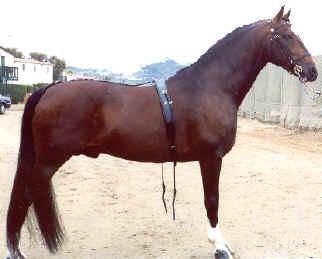
The breed is the result of crosses between the Hackney Horse and several British pony breeds. This selective breeding fixed desirable traits such as a harmonious silhouette, a well-arched neck, a proud carriage, and excellent aptitude for driving work. The Hackney Pony is therefore considered a successful example of breeding aimed at combining elegance, power, and functionality.
Although its genetic influence is more limited than that of some major international breeds, the Hackney Pony has contributed to the development and improvement of several driving pony populations, particularly in North America and the United Kingdom. Its exceptional movement and energetic temperament have been valued for producing ponies suited to competitions and exhibitions.
The global population of the Hackney Pony remains relatively small. Preserving the breed therefore contributes to maintaining the genetic diversity of British pony breeds. Modern breeding programs aim to safeguard its historical characteristics while minimizing risks associated with a limited breeding population.
Beyond its sporting qualities, the Hackney Pony represents an important part of Britain's genetic and cultural equestrian heritage. Its history reflects the dedicated breeding efforts that created a pony specialized in prestige driving, a discipline that played a significant role in the development of horse breeding in the United Kingdom.
The Hackney Pony originated in England during the 19th century. It is primarily descended from the Hackney Horse, a driving horse breed renowned for its high-stepping trot, power, and elegance. British breeders sought to create a smaller version that retained the Hackney's spectacular qualities while fitting the pony category.
To achieve this goal, breeders crossed Hackney Horses with several British pony breeds, particularly the Welsh Pony and, in some bloodlines, other local ponies. This selective breeding produced animals that combined the Hackney's brilliant action with the smaller size and hardiness of native ponies.
The breed's development accelerated during the second half of the 19th century, a period when driving competitions and horse exhibitions were becoming increasingly popular in the United Kingdom. The finest individuals were recorded in the official breeding registers managed by the Hackney Horse Society, founded in 1883, helping to establish and standardize the breed's characteristics.
During the late 19th century and early 20th century, the Hackney Pony was exported to several countries, particularly the United States and Canada. The breed achieved considerable success in driving competitions and in-hand shows thanks to its spectacular movement and energetic temperament.
As horse-drawn transportation gradually disappeared during the 20th century, the role of the Hackney Pony evolved. The breed became increasingly associated with competitive driving, equestrian performances, and show-ring competitions, where its distinctive high-stepping action remains highly valued.
Today, the Hackney Pony remains a relatively rare but internationally recognized breed. Breed associations and dedicated enthusiasts continue their efforts to preserve its historical characteristics, elegance, and unique style of movement, which make it one of the most distinctive driving pony breeds in the world.
The Hackney Pony is renowned for its lively, energetic, and willing temperament. Selected for generations as a show driving pony, it naturally possesses plenty of impulsion and a strong desire to move forward. This energy is one of the breed's most distinctive characteristics.
The Hackney Pony is generally regarded as an intelligent and quick-learning pony. It readily understands new exercises and responds well to consistent and structured training. This intelligence contributes greatly to its success in disciplines requiring precision and responsiveness.
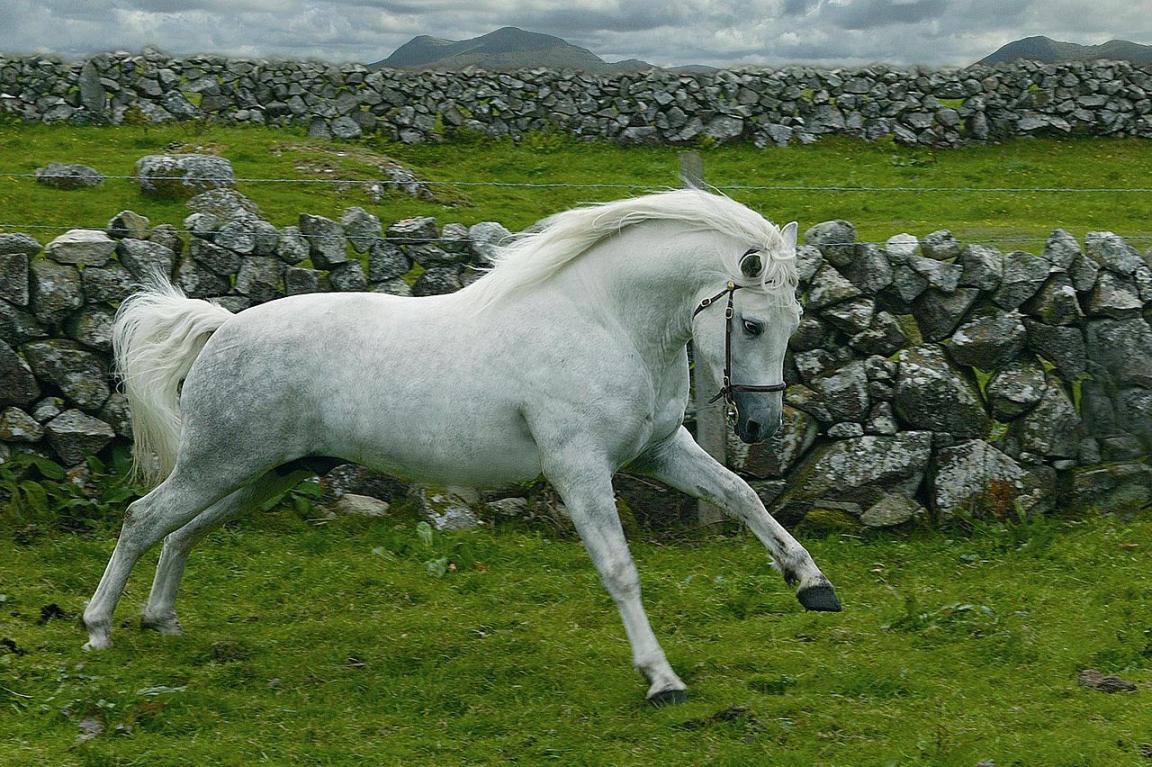
The breed is distinguished by its naturally proud and demonstrative attitude. Its elevated neck carriage, spectacular movement, and alert demeanor give it a remarkable presence, particularly appreciated in driving competitions and show-ring presentations.
When properly socialized, the Hackney Pony typically develops a strong relationship with its rider or driver. It can be affectionate, attentive, and cooperative, while still retaining a degree of independence that reflects its confident temperament.
Because of its energy and sensitivity, the Hackney Pony is often best suited to riders or drivers with at least some experience. Consistent training combined with regular exercise generally helps channel its enthusiasm effectively and allows its many qualities to shine.
Its willing temperament, responsiveness, and endurance make the Hackney Pony particularly valued for driving, a discipline in which it has excelled for more than a century. Its ability to work enthusiastically while remaining attentive to its driver's commands is one of its greatest strengths.
The Hackney Pony is one of the heritage horse breeds whose population remains relatively modest. Preserving the breed is an important objective for breeding associations, which strive to maintain its historical characteristics while ensuring sufficient genetic diversity for future generations.
The qualities that have made the Hackney Pony famous, particularly its spectacular trot, elegance, and presence, continue to attract enthusiasts of competitive and show driving. This specialization should allow the breed to retain its place in disciplines where expressive movement and style are highly valued.
Beyond traditional driving, some breeders promote the use of the Hackney Pony in leisure activities, equestrian performances, and riding instruction. This diversification of uses helps broaden the breed's appeal to a wider audience and supports ongoing demand.
Breeding organizations in the United Kingdom, the United States, and other countries continue their efforts to promote the breed, register breeding stock, and encourage responsible breeding programs. These initiatives play a vital role in ensuring the long-term future of the Hackney Pony.
Despite its popularity among enthusiasts, the Hackney Pony remains less widespread than many other pony breeds. Its future will depend largely on breeders' ability to attract new enthusiasts, maintain the quality of bloodlines, and preserve the unique characteristics that distinguish the breed.
The Hackney Pony is generally considered a hardy and resilient breed. Developed through selective breeding focused on driving performance and longevity, it typically enjoys good overall health when provided with a balanced diet, regular exercise, and appropriate veterinary care.
To date, no major hereditary genetic disease has been consistently associated with the Hackney Pony in scientific literature or major breeding programs. Breed organizations nevertheless place considerable emphasis on the quality of breeding stock in order to preserve the overall health of the population.
Like many breeds selected for their movement and performance, the Hackney Pony may be susceptible to certain musculoskeletal issues. Joints, tendons, and ligaments can be subjected to significant stress during intensive driving work or competition. Proper training management and conditioning generally help reduce these risks.
The breed's relatively limited population requires careful management of breeding programs. Breed associations work to maintain sufficient genetic diversity, reducing the risks associated with inbreeding while preserving the vitality of the population.
Like many ponies, some Hackney Ponies may be prone to weight gain when fed an overly rich diet or when exercise is insufficient. Appropriate nutritional management and regular physical activity generally help prevent metabolic problems associated with obesity.
Maintaining the health of the Hackney Pony relies primarily on a balanced diet, regular dental care, proper hoof maintenance, and a vaccination and deworming program consistent with veterinary recommendations. These measures help preserve the breed's athletic abilities and overall well-being throughout its life.
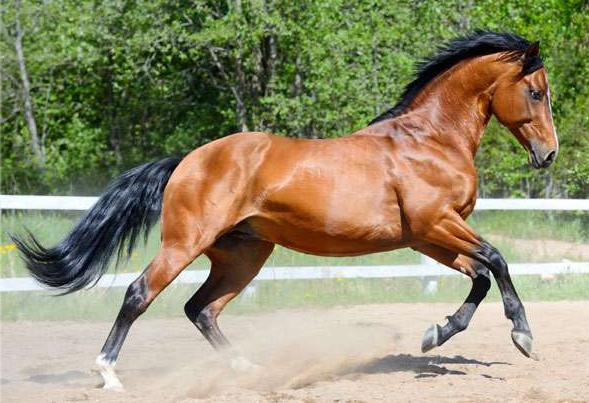
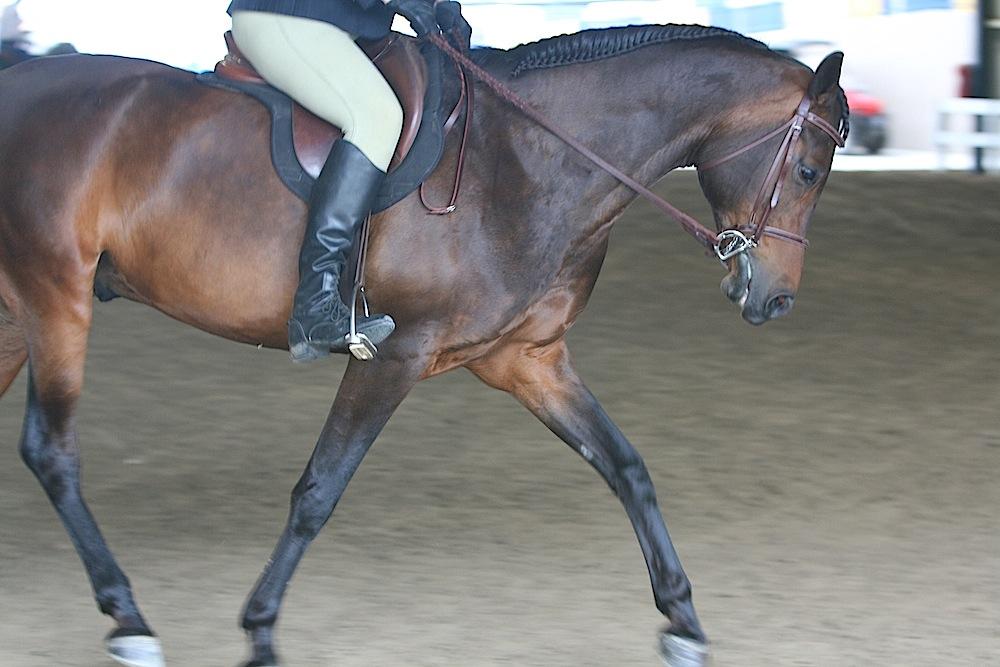
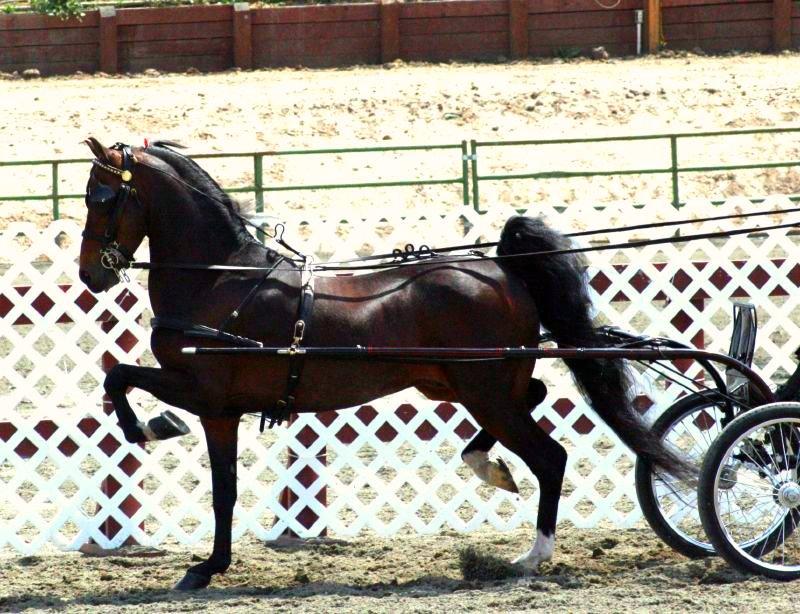
A two-beat trot characterized by exceptionally high knee and hock action. This energetic, expressive, and spectacular gait is the most distinctive feature of the Hackney Pony and is highly valued in driving competitions and show-ring presentations.
A forward, energetic, and regular walk demonstrating the breed's natural impulsion, balance, and elegance.
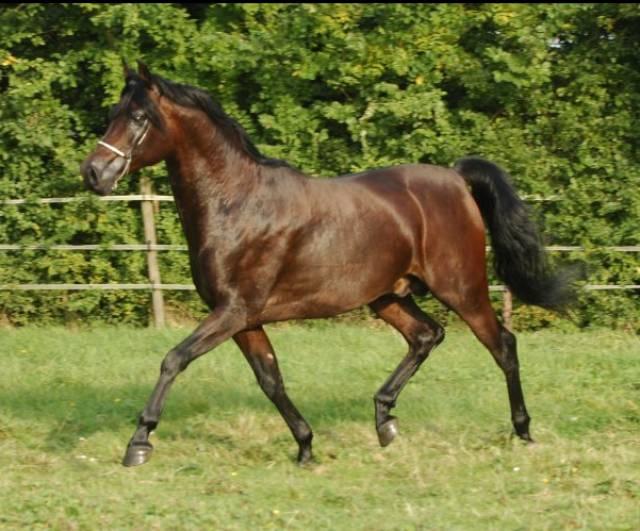
A smooth and balanced canter that, while less spectacular than the trot, showcases the pony's athleticism, coordination, and responsiveness.