Koheilan lineage, an Arabian horse from Nejd known for its strength, genetic purity, and influence on European horse breeds.
By the Chevaux du Monde editorial team · Published on · Updated on
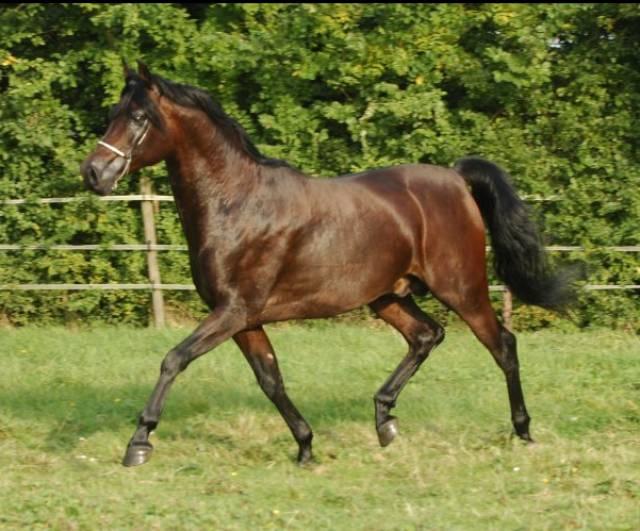
Type: Riding Horse
Continent: Asia
Country: Saudi Arabia
Weight: 400 – 480 kg
Height: 145 – 152 cm
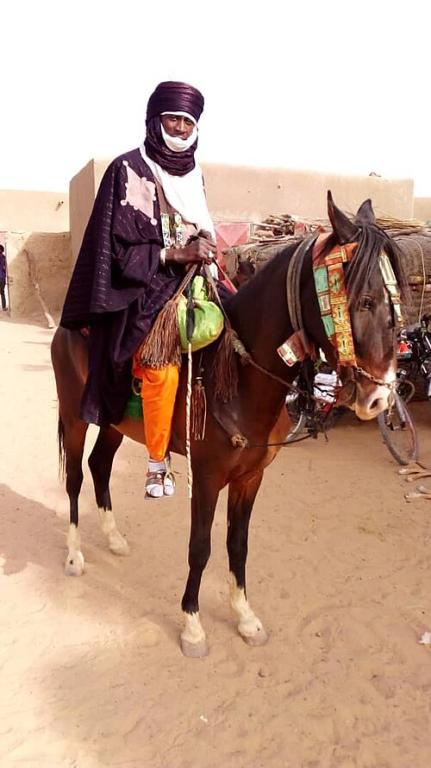
The Koheilan lineage originates from the desert of Nejd, a vast central plateau in present-day Saudi Arabia, historically known as a cradle of many purebred Arabian horses. It has been traditionally bred by Bedouin tribes, especially those settled in the arid and mountainous regions of the peninsula’s interior.
Transmitted through the maternal line, as required by the Al Khamsa tradition (the five founding lineages of the Arabian horse), the Koheilan lineage is renowned for its carefully preserved genetic purity. The horses were once traced through hudgets—oral or written certificates passed between nomadic breeders.
Celebrated for its balance, strength, and great endurance, the Koheilan lineage has remained for centuries a symbol of tribal nobility, and a warhorse of choice for long journeys across the desert. Its influence later spread to Central Europe and Russia, where it helped shape breeds such as the Shagya and the Tersk.
Traditional breeding of the Koheilan lineage is historically associated with the desert regions of Nejd, in central Saudi Arabia, where Bedouin tribes developed and preserved this line for centuries.
From the 19th century onwards, Koheilan horses were exported to many national stud farms in Europe, particularly in Hungary (Bábolna Stud), Poland (Janów Podlaski), and Russia, where they significantly influenced local breeds such as the Shagya and the Tersk.
Today, pure or partially preserved Koheilan lines are still bred in Saudi Arabia, Iran (especially in Khuzestan), Egypt, and within some strains of Polish and Hungarian Arabian horses. These breeding regions reflect the wide historical diffusion and lasting genetic value of this lineage.


The Koheilan lineage plays a fundamental role in the history and dissemination of the purebred Arabian horse. Known for its maternal-line genetic purity according to the Al Khamsa tradition, it has been widely used as a foundational bloodline in numerous breeding programs.
Thanks to its strong conformation, endurance, and stable temperament, it has helped enhance both the physical and mental qualities of many lineages, across the Arab world as well as in Eastern Europe (notably Hungary, Poland, and Russia).
Breeds such as the Shagya, the Tersk, and the Polish Arabian owe part of their characteristics to the influence of Koheilan blood, particularly in terms of vigor, stamina, and a distinct oriental type.
Even today, this lineage remains a genetic reference in programs aiming to preserve or restore the original type of the Arabian horse.
The Koheilan lineage is one of the five original maternal lines of the Arabian horse, known as Al Khamsa, according to the oral tradition of the Bedouin tribes of the Arabian desert. Its name is said to come from the distinctive beauty of the horses’ eyes, which appear to be naturally lined with kohl (kuḥaylān in Arabic).
According to legend, Koheilan was one of the five mares that returned to the Prophet Muhammad when he called them, despite their thirst—a sign of loyalty and nobility.
This lineage was described in detail as early as the 17th century by the Ottoman traveler Evliya Çelebi, and later by the Polish nobleman Wenceslas Séverin Rzewuski in the early 19th century, who dedicated extensive observations to it in his manuscripts. He considered the Koheilan of Nejd to be “the noblest and often the most beautiful horse in the world,” with blood that was “pure and unaltered.”
From the 19th century onward, Koheilan horses were exported to Central Europe and Russia, where they had a lasting influence on breeds such as the Shagya in Hungary and the Tersk in Russia. Their resilience, strength, and reliability made them highly sought after, especially in endurance racing.
To this day, the Koheilan lineage is regarded as a valuable genetic heritage, particularly in Arab countries, Iran, and in certain Eastern European studs, where it continues to embody the image of the noble, powerful Arabian horse, true to its tribal desert origins.
The Koheilan is known for its balanced temperament, combining dignity, stability, and willingness. Bred under demanding Bedouin traditions, it has been selected over centuries for its mental as well as physical qualities.
It is recognized for its loyalty to humans, natural gentleness, and strong adaptability to harsh environments. This horse displays sharp intelligence, good responsiveness without excessive nervousness, and a constant willingness to perform, making it a reliable companion both for work and for endurance riding.
Its brave and thoughtful nature also makes it a safe mount outdoors, often described as instinctively protective of its rider. Bedouins even attributed to it a kind of foresight, believing it could choose the best path through the desert.
The Koheilan lineage is generating growing interest among breeders concerned with preserving original Arabian bloodlines, particularly in the Gulf countries, Iran, and certain specialized European studs.
Thanks to its historical prestige, recognized genetic value, and functional qualities (endurance, hardiness, reliable temperament), the Koheilan is increasingly sought after in genetic conservation programs and in specific equestrian disciplines, such as endurance riding.
However, its dissemination remains limited due to the lack of a centralized stud-book and the difficulty in tracing pure lines in some countries. The future of the lineage therefore largely depends on the commitment of traditional breeders and national breeding organizations to recognize and promote Koheilan horses within the broader Arabian breed.
The growing international recognition of Bedouin lineages, particularly through the World Arabian Horse Organization (WAHO), could eventually strengthen Koheilan’s role in modern breeding programs.