Discover the SBS, a Belgian sport-horse studbook selecting horses for show jumping, dressage and eventing.
By the Chevaux du Monde editorial team · Published on · Updated on
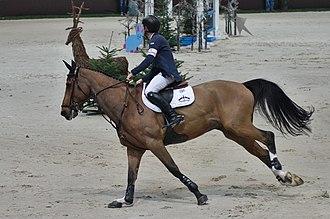
Type: Riding Horse
Continent: Europe
Country: Belgium
Weight: 500 – 550 kg
Height: 158 – 180 cm
Name: Société Royale Le Cheval de Sport Belge — Studbook SBS
Founded: 1991
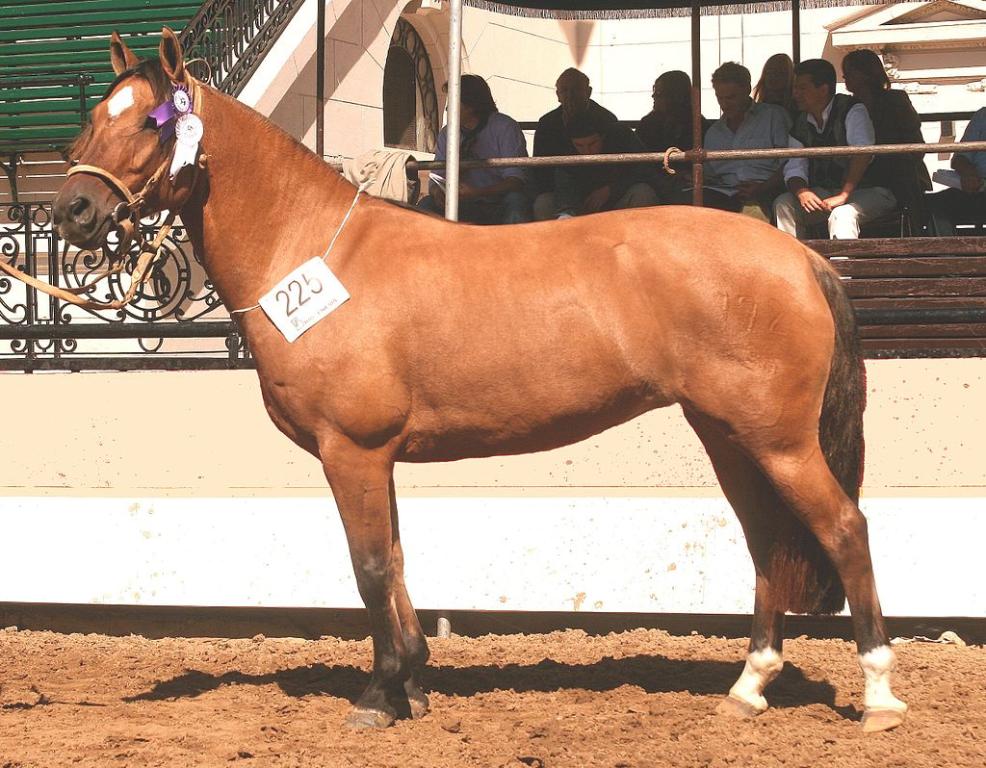
The Belgian Sport Horse, known by the official abbreviation sBs or SBS, is a sport-horse population selected in Belgium. Its breeding activities are mainly based in Wallonia, although the studbook also welcomes breeders from other regions of Belgium and from abroad.
The SBS is not a historically isolated population. It is an open studbook developed from riding horses and part-bred horses of various origins. The Selle Français, Thoroughbred, Hanoverian, KWPN and other European sport-horse populations contributed to its development.
The SBS shares part of its history with the BWP, another Belgian sport-horse studbook. Both populations descend from the former Belgian cavalry and half-bred horse, but they are now managed by distinct organisations and breeding programmes.
SBS breeding is particularly associated with Wallonia, where many of its breeders and selection activities are based. The studbook may nevertheless register horses bred in other Belgian regions or foreign countries, provided that they comply with its breeding programme.
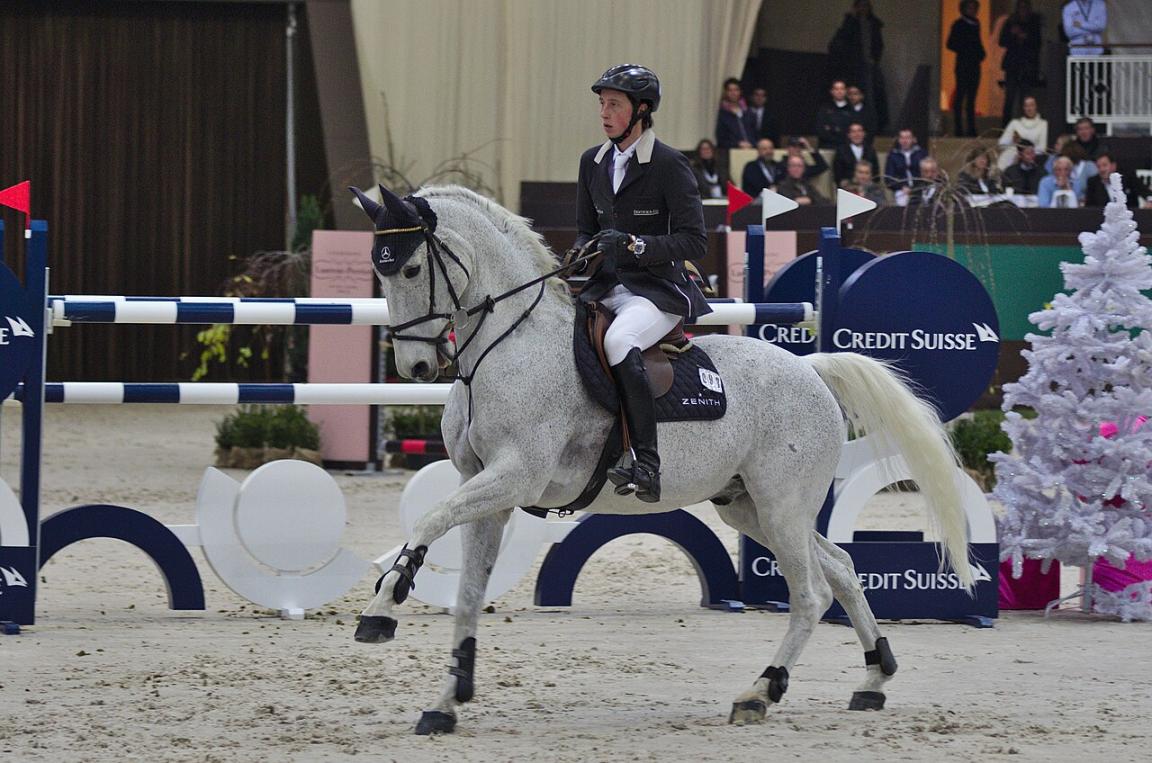
SBS selection forms part of an international breeding network. Approved breeding animals may originate from several recognised European studbooks, while horses registered with the SBS compete internationally in show jumping, dressage and eventing.
SBS horses have been exported to several European countries and North America. This international presence is primarily supported by the performances of individual horses, bloodlines and breeding establishments rather than by a closed geographical breeding area.


The SBS population combines bloodlines originating from several major European sport-horse populations. This openness allows breeders to use breeding animals selected for their performance, conformation, health and the quality of their offspring.
The SBS is genetically close to other European sport-horse populations, particularly the BWP, with which it shares a common Belgian origin. Membership of the studbook therefore primarily reflects inclusion within a breeding programme rather than belonging to a genetically isolated population.
The international use of the same stallions across several studbooks can encourage sporting progress, but it may also concentrate pedigrees around a limited number of highly popular breeding animals. Monitoring parentage, maternal families, performance and relatedness therefore remains particularly important.
International competition results help breeders evaluate bloodlines, but they should be considered alongside information about health, fertility, sporting longevity and temperament to maintain balanced selection.
The institutional origins of the SBS date back to 1920, when the Société d’encouragement à l’élevage du cheval d’armes was established. Its initial objective was to provide suitable mounts for the Belgian army and gendarmerie.
The progressive motorisation of the armed forces and transport reduced the need for military horses. During the 1930s, the organisation redirected its breeding towards a lighter riding horse and adopted the name Société du Cheval de Demi-Sang Belge.
The first breeding programmes notably crossed Belgian Draft horses with Thoroughbreds and Selle Français horses. After the Second World War, only a reduced population remained, and breeders rebuilt it by introducing riding horses from several European countries.
Thoroughbred, Selle Français, Hanoverian, KWPN and other European warmblood bloodlines contributed to the transformation of the population. Selection progressively moved away from military and utility objectives towards equestrian sport.
In 1967, the organisation received royal status and became the Société Royale du Cheval de Demi-Sang Belge. It adopted the name Studbook SBS in 1991, reflecting the modern direction of the Belgian Sport Horse.
The studbook became known for its openness to breeding animals from other populations and for the early approval of stallions that later became influential in European breeding. International performances by SBS-registered horses strengthened its reputation, particularly in show jumping.
The breeding programme seeks willing, attentive and cooperative horses capable of meeting the demands of training and competition. In show jumping, selection particularly values courage, responsiveness, technique and carefulness over fences.
Horses intended for dressage or eventing should also demonstrate willingness to work, good balance and sufficient learning ability. Quality of movement and rideability complement their purely athletic performance.
Because the SBS is an open studbook combining a wide variety of pedigrees, temperament may differ considerably between individuals. It depends on bloodline, education, breeding conditions, level of training and the rider’s experience.
The SBS operates in a highly competitive environment alongside the BWP, Zangersheide and the major German, French and Dutch studbooks. Its future depends on its ability to identify, support and promote horses produced by its breeders in national and international competition.
Competition results, particularly in show jumping, remain central to the studbook’s reputation. Sustainable selection must nevertheless also consider health, sporting longevity, fertility, temperament and rideability.
The digitisation of pedigree and performance records, parentage verification and the use of genetic indicators can help breeders prevent excessive concentration of bloodlines. Maintaining successful maternal families is also important for preserving the coherence of the breeding programme.
SBS horses are selected for disciplines that place substantial demands on the musculoskeletal system. Monitoring should focus particularly on the hooves, joints, tendons, ligaments and back.
Available sources do not support attributing a specific disease to the entire SBS population. The diversity of its origins makes it important to examine the health history and any relevant screening results associated with the bloodlines used.
Progressive training, appropriate surfaces, balanced nutrition and sufficient recovery periods are essential. Veterinary assessment of breeding animals and consideration of career length may contribute to producing high-performing horses without neglecting soundness.
A natural four-beat gait, regular and well-articulated. The sBs walk is ample and supple, with good hind leg engagement and elasticity appreciated in dressage.
A two-beat, symmetrical and suspended gait. The sBs trot is energetic, with a powerful push from the hindquarters and good elevation. Ideal for dressage and show jumping.
A three-beat gait with a moment of suspension. The sBs canter is ample, balanced, and shows strong propulsion and bounce, making it highly effective in jumping.
Born in 2002
- Ranked #1 show jumping horse in the world in 2014 and 2015
- Triple Grand Slam winner (Geneva, Aachen, Spruce Meadows) with rider Scott Brash
- Member of the British team gold medalist at the 2012 London Olympics
- Winner of numerous CSI5* competitions worldwide
- Ridden by Lucy Davis (USA)
- Team silver medalist at the 2014 World Equestrian Games
- Finalist at the 2016 Rio Olympics
- Numerous CSI5* placings
- Known for his explosiveness and consistency in Grand Prix events
Born in 2006
- Ridden by Peder Fredricson (Sweden)
- Individual silver medalist at the Rio 2016 Olympics
- Team gold and individual silver medalist at the Tokyo 2021 Olympics
- Renowned for his style, calmness, and intelligence in the arena
Born in 2001
- Ridden by Kevin Staut (France)
- Winner of Nations Cups and CSIO Grand Prix events
- Competed at the 2016 Rio Olympics
- Praised for his consistency and sensitivity
Born in 1997
- World Champion of 6-year-old horses in 2003 at Lanaken
- Successful in young horse classes and Grand Prix competitions
Born in 2007
- Ridden by Constant van Paesschen
- Multiple CSI placings, known for consistent performance
- Descendant of a widely used breeding line
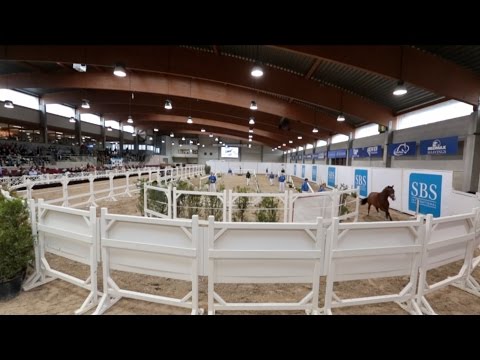
Equi TV revient sur un des moments phare de la saison du studbook belge sBs: le Selection Show. Découvrez tout de cet évènement qui en 29 éditions a su se rendre incontournable.
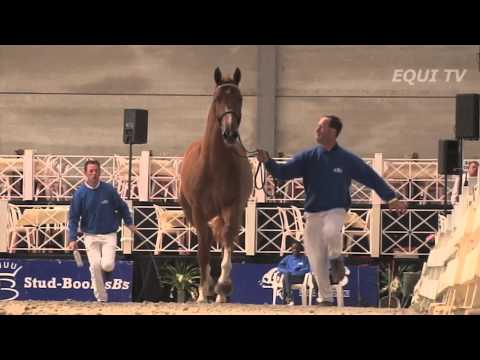
Le Selection Show 2014 était l'occasion de vérifier l'aura dont bénéficie le sBs auprès des étrangers. Egalement cette semaine, la conférence de presse organisée par la LEWB en prévision des grands rendez-vous de jumping de l'année.