Group of white patterns

Pinto

Illustration of Pinto coming soon

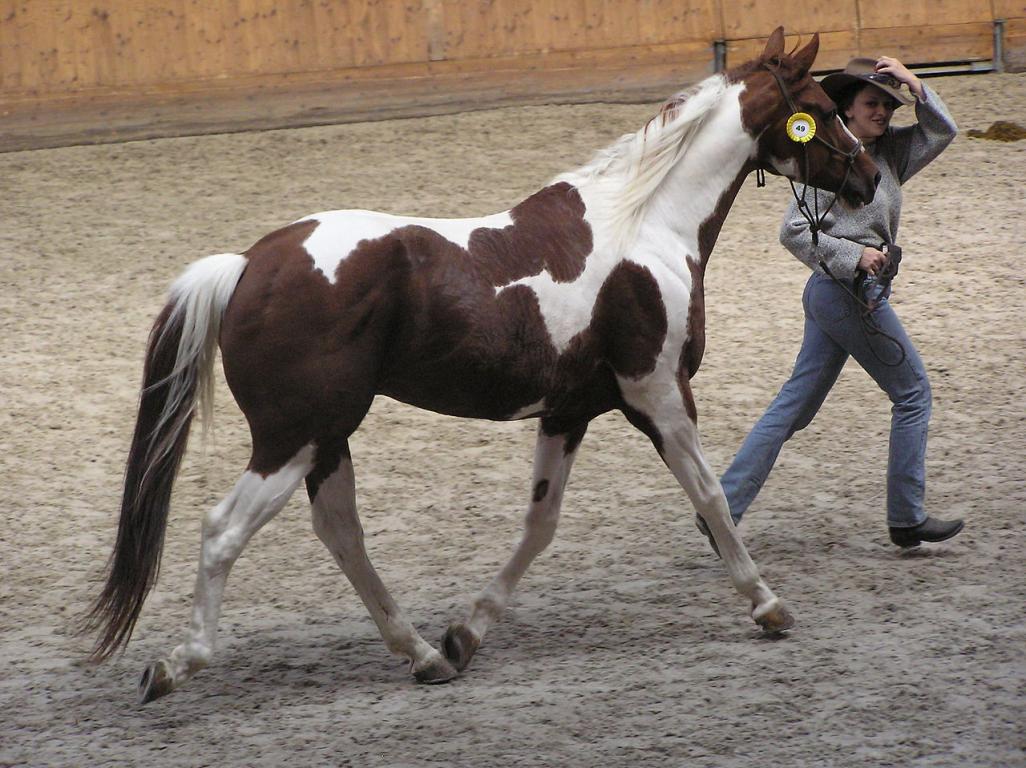
Pinto describes a coat made of large white and colored areas. It is an appearance term covering several distinct genetic mechanisms.

Category
Group of white patterns
Family
White spotting
Related breeds
16 associated breeds

A general pattern composed of large white and colored areas, with skin that is usually pink beneath the white markings.

How can you identify Pinto?

The shape, size and location of white areas depend on the pattern involved, including tobiano, frame overo, splashed white, sabino and combinations.

  • Large white and colored areas
  • Skin usually pink beneath white
  • Pattern present from birth
  • The specific pattern must be identified separately

Genetic origin and mechanism

Variants in or near genes such as KIT, MITF, PAX3 and EDNRB can produce white spotting.

Development and variations

The main pattern is present from birth, although edge roaning, contrast or small spots may change.

Possible confusions

Extensive Leopard-complex white can resemble pinto. Borders, skin and associated traits help identify the mechanism.
Horse breeds associated with Pinto

Explore the profiles of breeds in which this coat or trait is present or documented.

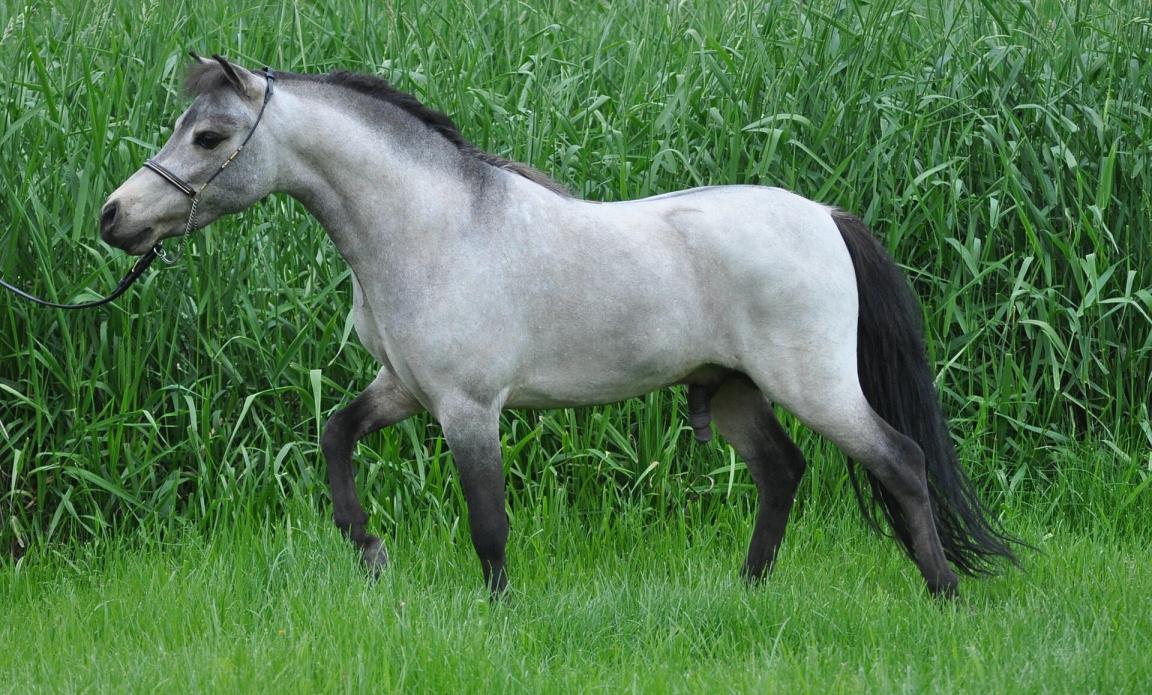
American Miniature Horse - CC BY 3.0 - Larrywalmart

American Miniature

Discover the American Miniature Horse, an elegant and intelligent miniature horse under 86 cm tall, admired for its beauty and gentle temperament.

View profile
American Paint Horse - CC BY-SA 3.0 - Karakal

American Paint Horse

The Paint Horse, an American breed recognized for its pinto coat and versatility, excels in western riding, leisure, and competitions.

View profile
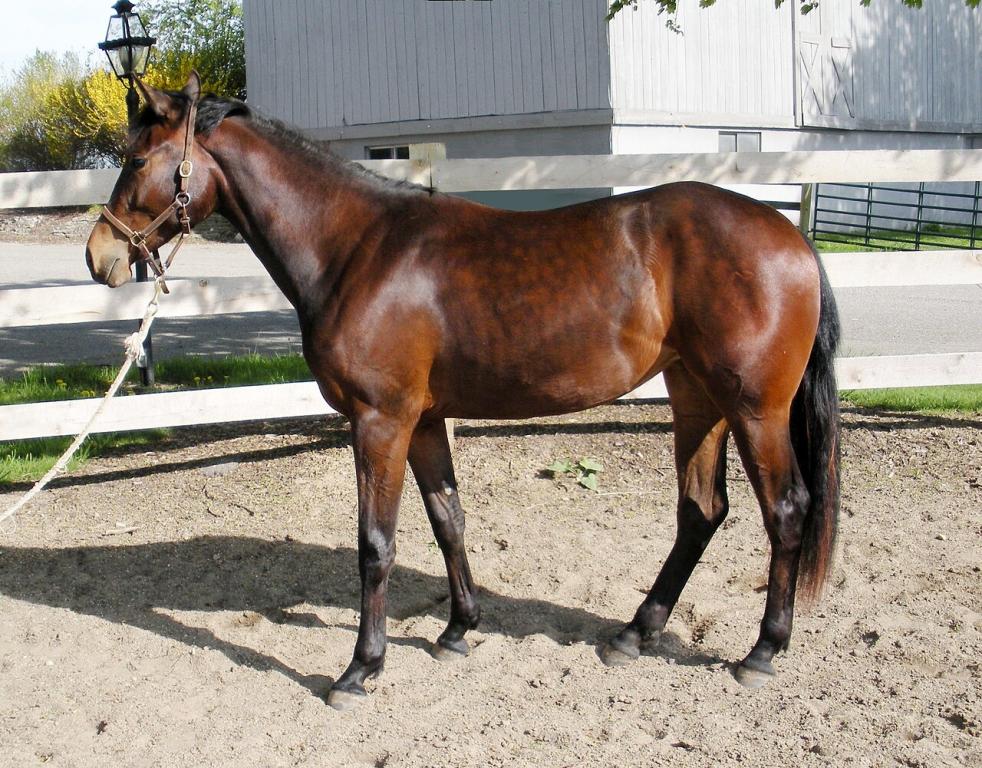
 Two-year-old American Warmblood filly - CC BY-SA 4.0 - Lar

American Warmblood

Versatile, athletic and high-performing, the American Warmblood excels in equestrian sports. Discover its origins, temperament and strengths.

View profile
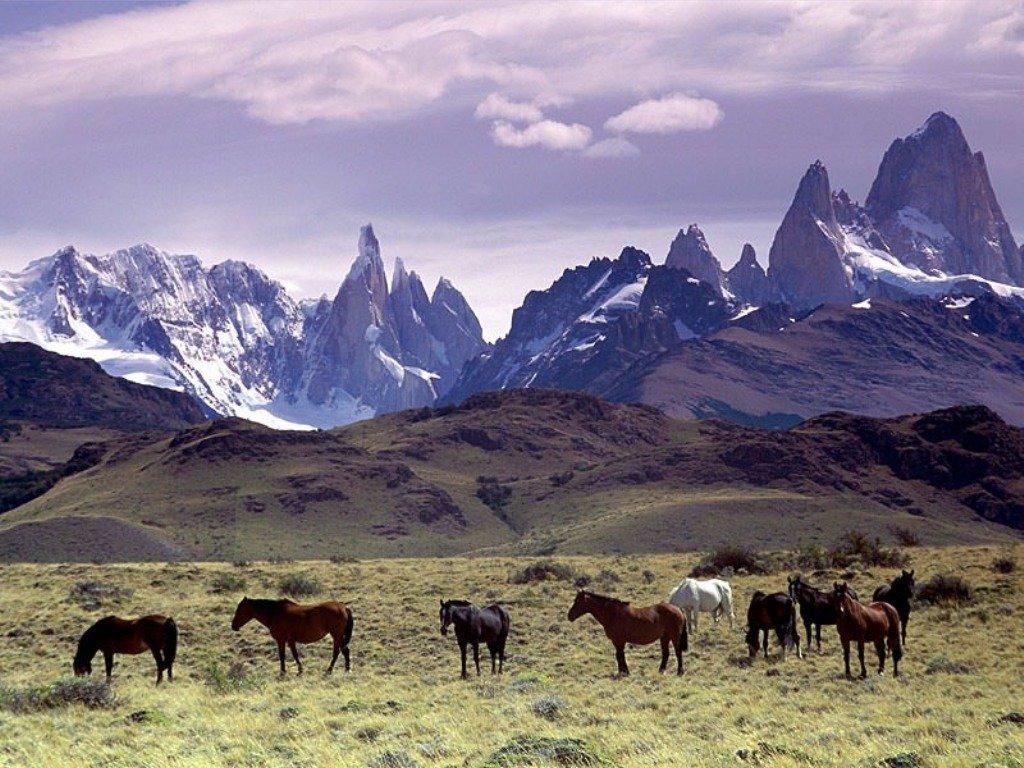
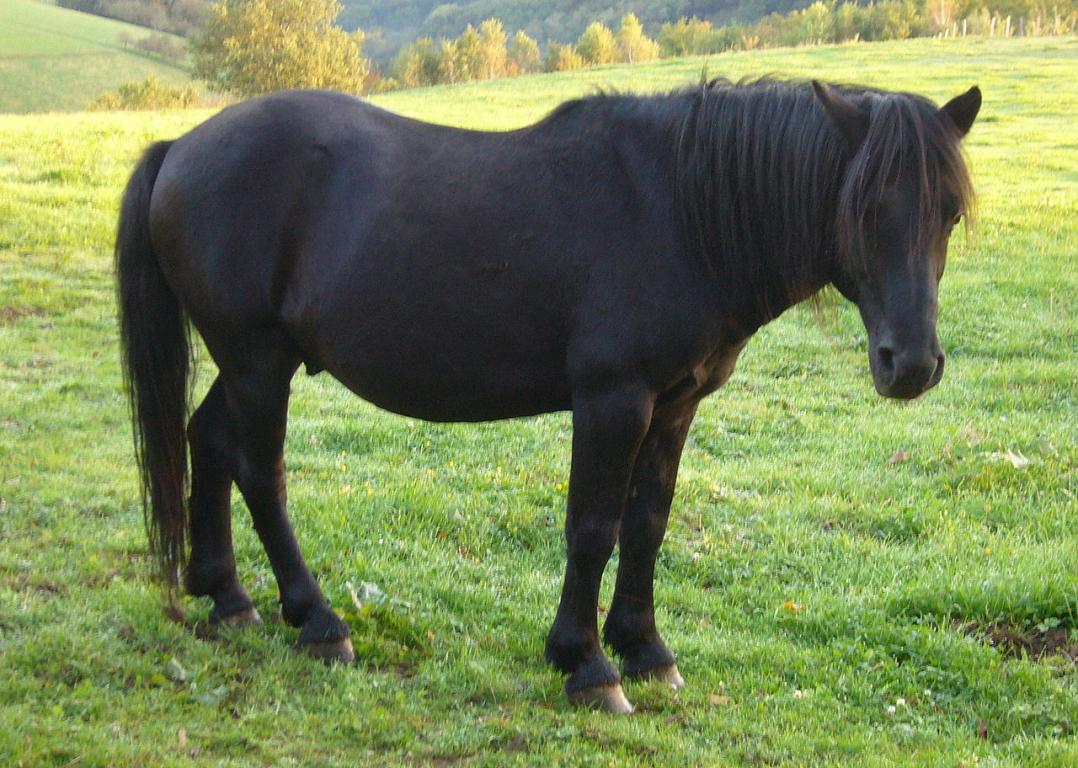
Baguales at the foot of the Fitz Roy massif, Patagonia - CC BY 3.0 - Annalisa Parisi

Bagual

Discover the Bagual horse, a symbol of freedom in Chile. Descended from the Criollo, it embodies strength, hardiness, and the spirit of South American wild horses.

View profile
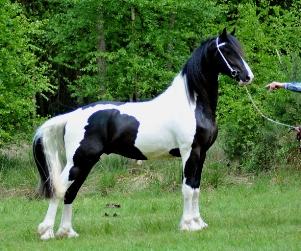
Barock Pinto - CC BY-SA 4.0 - Terezahnykova

Barock Pinto

The Barock Pinto is a horse bred from the crossing of the Friesian and piebald horses. Elegant, powerful and colorful, it excels in driving, dressage and show.

View profile
Image coming soon

Czech Sport Pony – Český sportovní pony

Discover the Czech Sport Pony, a versatile and athletic breed, ideal for children’s riding and pony sport competitions.

View profile
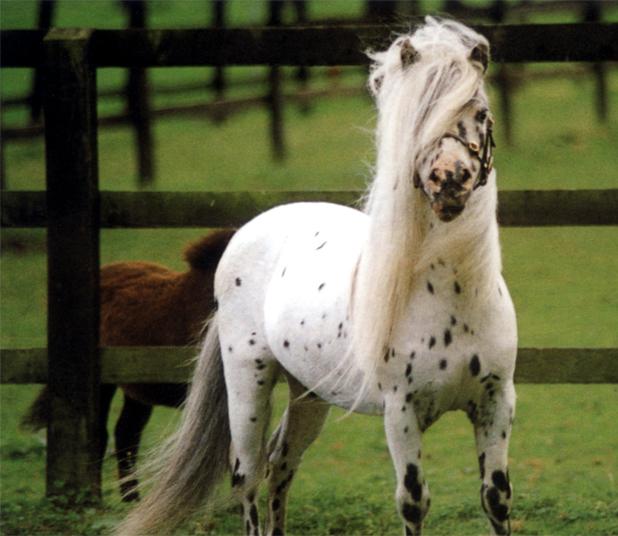
Falabella with the Spotted Coat - Captain E H Eckholdt — Susan Eckholdt - www.falabellahorses.com

Falabella

Discover the Falabella, one of the smallest horse breeds in the world: docile, elegant, hardy, and native to Argentina. Used in driving and equine therapy.

View profile
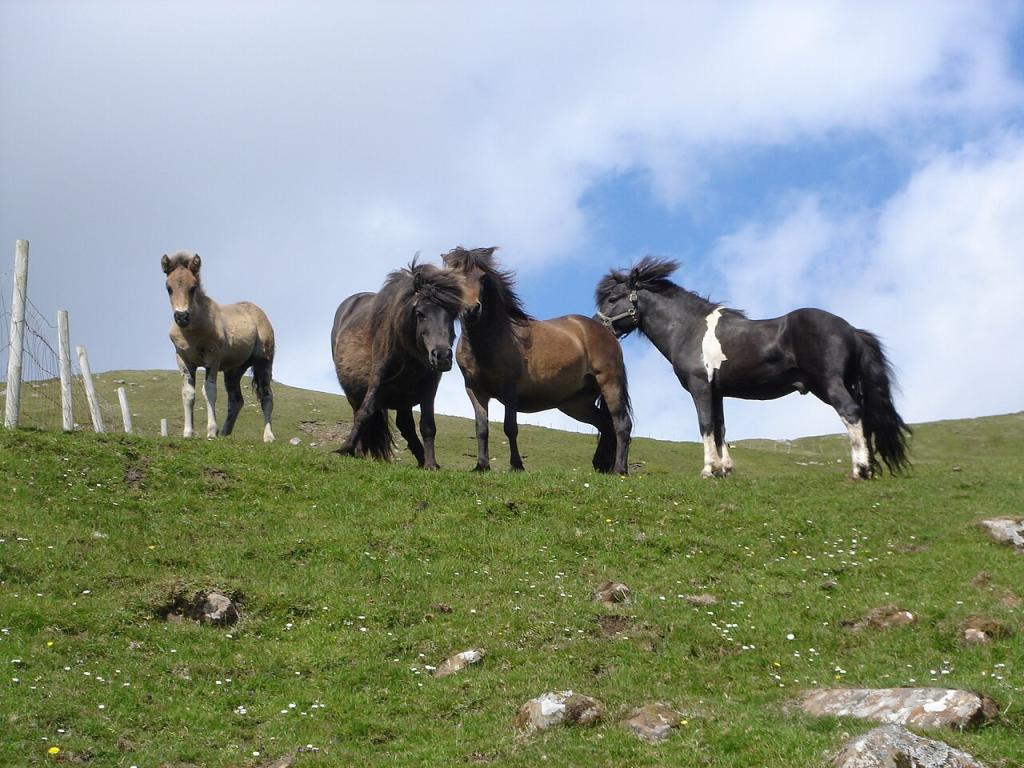
A group of Faroese ponies. - CC BY 3.0 - Maria Joensen

Faroe Islands Pony

The Faroe Pony, one of the world's rarest breeds with just 90 individuals, nearly vanished in the 1960s. Strictly forbidden from export, it can only be seen in the Faroe Islands.

View profile
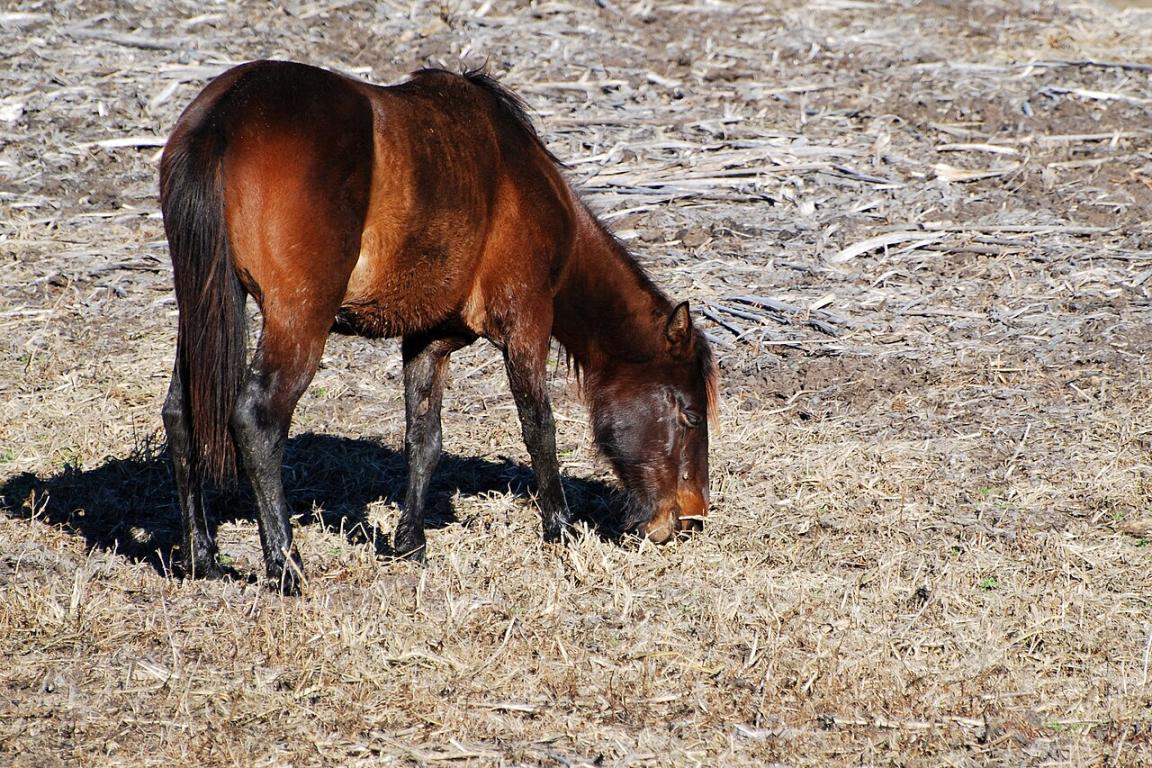
Cracker horse in the Paynes Prairie State Preserve - CC BY 2.0 - Geoff Gallice

Florida Cracker Horse

Discover the Florida Cracker Horse, a Spanish colonial horse from Florida, agile and fast, used for cattle work and known for its exceptional endurance.

View profile
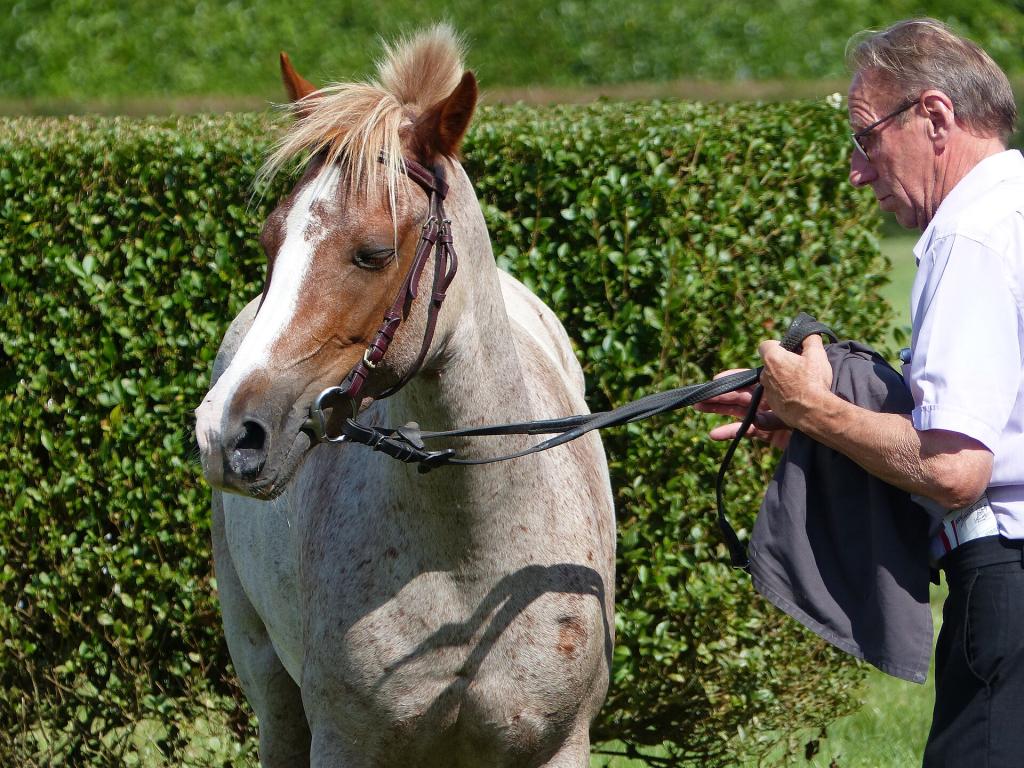
Automne, a strawberry roan French Saddle Pony, in Brittany. - CC BY-SA 4.0 - Tsaag Valren

French Saddle Pony | PFS

Discover the French Saddle Pony, a versatile sport pony prized for show jumping, dressage and eventing.

View profile
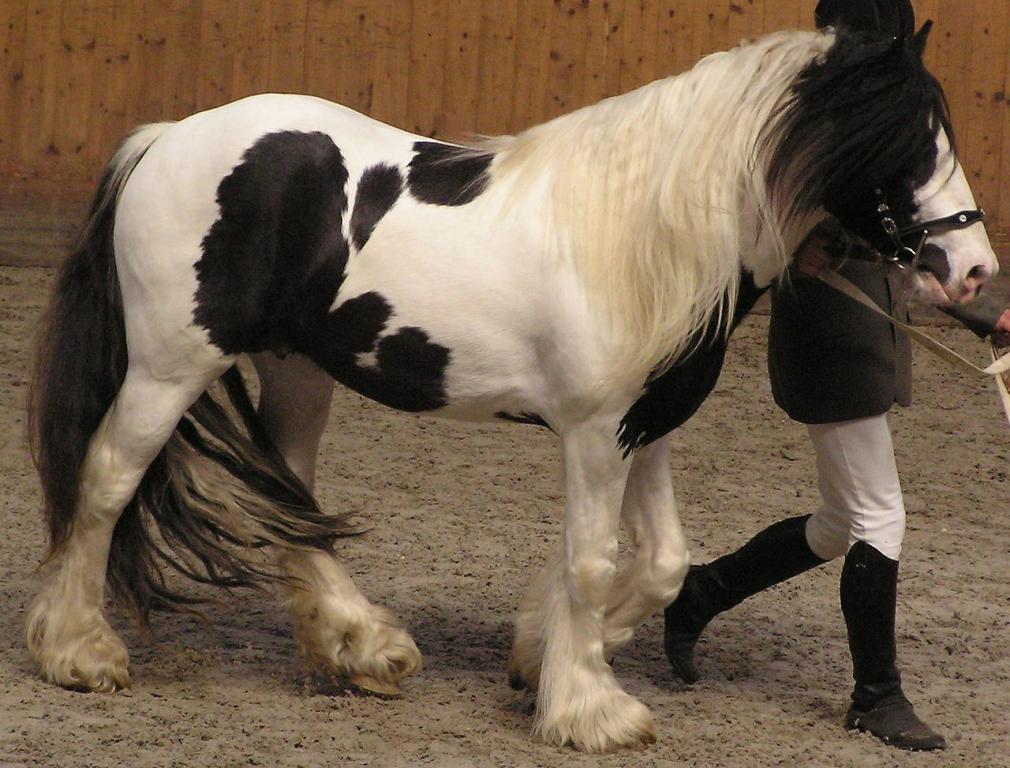
 A model of a piebald Irish Cob with its characteristic abundant mane, at a show in Prague, Czech Republic. - CC BY-SA 3.0 - Karakal

Gypsy Cob – Irish Cob – Gypsy Vanner (Tinker)

Why is the Irish Cob so loved? Gentle, hardy and versatile, this horse with abundant feathering is ideal for riding and driving.

View profile
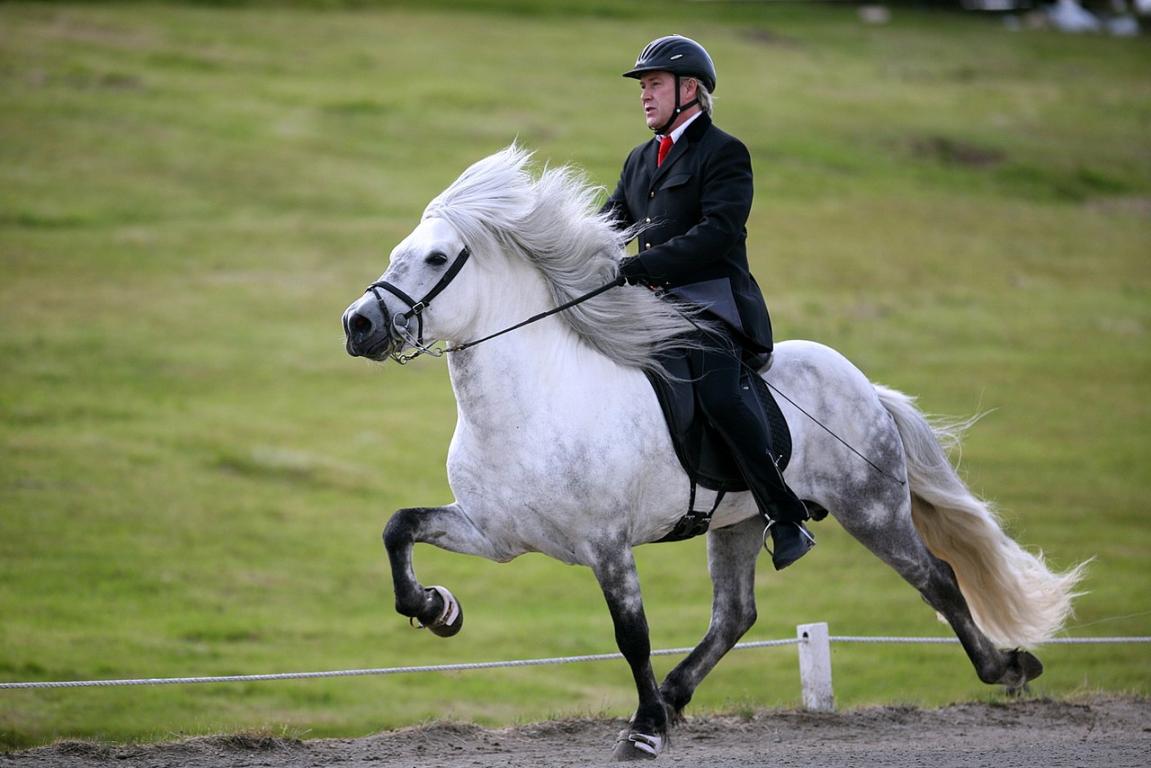
Icelandic horse at the tölt. - CC BY-SA 2.0 - Dagur Brynjólfsson

Icelandic

Discover the Icelandic Horse, Iceland’s iconic breed, renowned for its unique gaits (tölt and pace), hardiness, and gentle temperament. Complete information on its origin, traits, ...

View profile
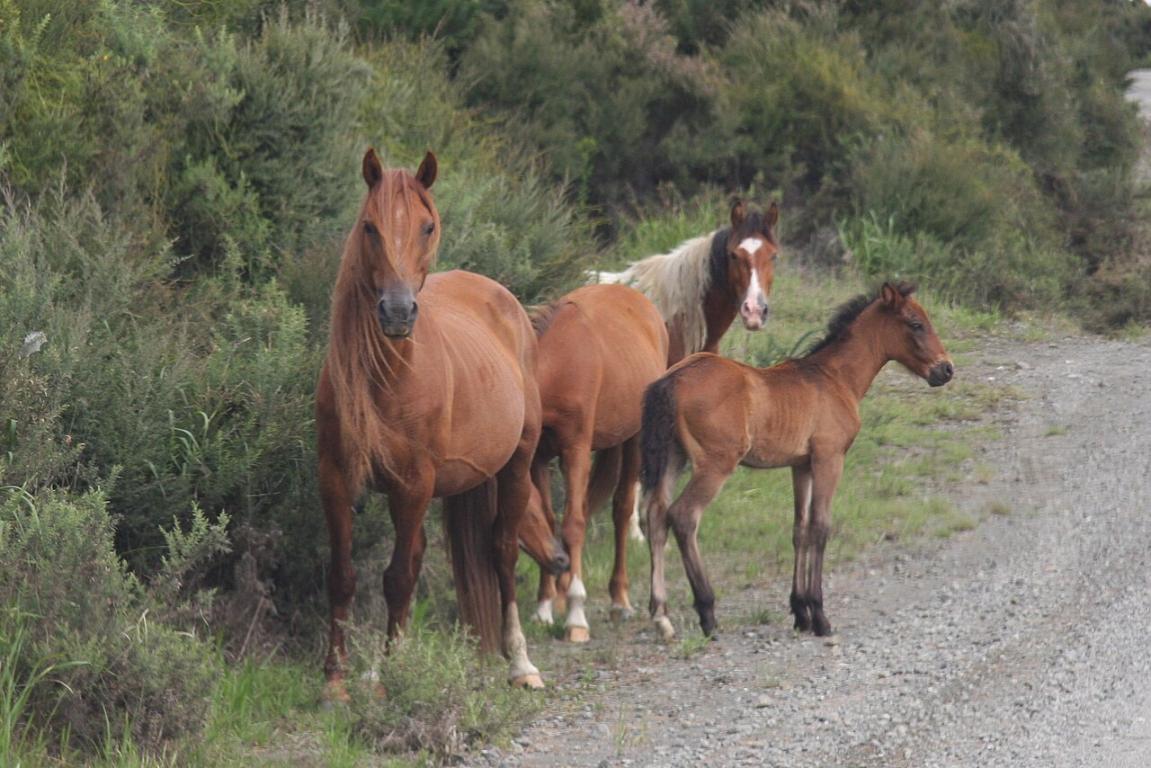
Wild horses at Spirits Bay, North Island. - CC BY 2.0 - Natalia Volna itravelNZ@ travel app

Kaimanawa (Horse)

The Kaimanawa, whose Māori name means "eat the wind", is New Zealand's wild horse. Only 300 individuals remain, managed by the army and listed as rare genetic heritage by the UN.

View profile
Pottok on the loose in the Basque Country. - CC BY-SA 3.0 - Lankide Gorritxiki

Pottok

The Pottok is a hardy pony from the Basque Country, known for its freedom, strength, and use in trekking and riding schools.

View profile
Hello Sanctos, famous sBs gelding, ridden by Scott Brash at the CHI Geneva in 2014 - CC BY-SA 3.0 - Clément Bucco-Lechat

SBS – Belgian Sport Horse

The SBS, founded in 1920 as a cavalry horse, nearly vanished during World War II. Awarded Royal status in 1967, it now dominates international show jumping worldwide.

View profile
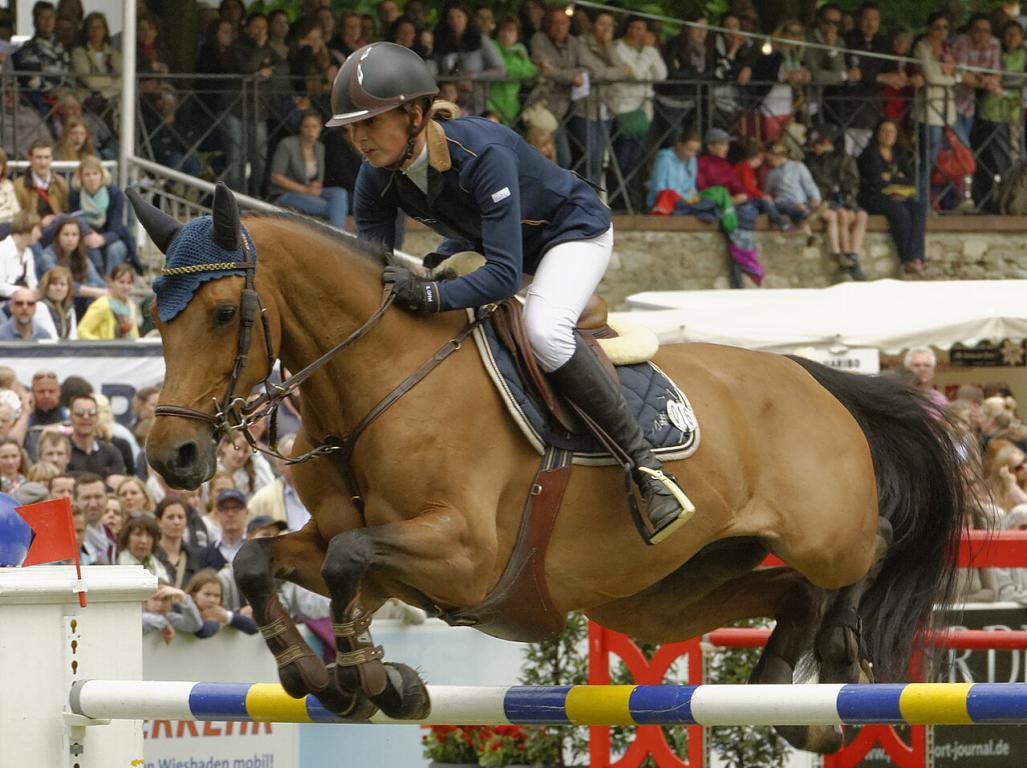
Zangersheide, Katharina Offel on B-Once Z at the Internationalen Pfingstturnier in Wiesbaden 2013. - CC BY-SA 3.0 - Michael Kramer

Zangersheide

History, conformation, temperament, breeding and performance: discover why the Zangersheide is one of the world's most sought-after sport horses.

View profile

Frequently asked questions about Pinto

How can you identify Pinto in a horse?

The shape, size and location of white areas depend on the pattern involved, including tobiano, frame overo, splashed white, sabino and combinations.

Does Pinto change with age or the seasons?

The main pattern is present from birth, although edge roaning, contrast or small spots may change.

Which coats or traits can be confused with Pinto?

Extensive Leopard-complex white can resemble pinto. Borders, skin and associated traits help identify the mechanism.
Is genetic testing necessary to identify Pinto?

Visual examination is sometimes sufficient, but genetic testing can be useful when several coats look similar or when breeding decisions are involved.