Discover the Noriker, an Austrian draft horse known for its varied coats, five sire lines, Alpine history, powerful build and versatile uses.
By the Chevaux du Monde editorial team · Published on · Updated on
Type: Draft Horse
Continent: Europe
Country: Austria
Weight: 650 – 850 kg
Height: 155 – 165 cm
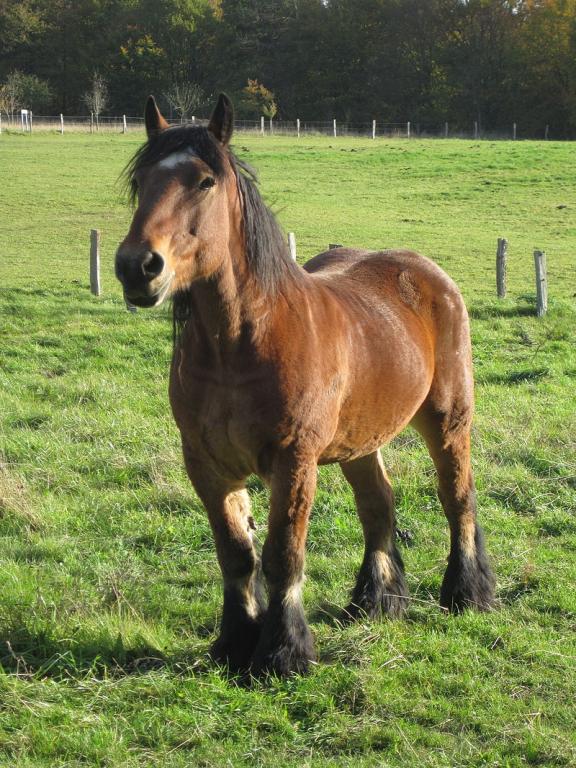
The Noriker is a medium-heavy Austrian draft breed developed in the mountainous regions of the Central Alps. Its heartland is particularly associated with the federal state of Salzburg and the Pinzgau district, although its historical breeding area also includes Carinthia, Tyrol and other Alpine territories.
The breed was selected to work on steep terrain, transport loads and perform agricultural and forestry tasks. Its balance, strength and sure-footed movement were shaped by these mountainous conditions.
The Noriker name is generally linked to Noricum, an ancient Roman province that covered part of modern Austria and neighbouring territories. This etymology does not, however, demonstrate that the present population descends directly and unchanged from Roman-era horses.
The historical name Pinzgauer also remains associated with the breed, referring to one of its principal breeding areas.
The Noriker is primarily bred in Austria. Salzburg, Carinthia, Tyrol, Styria, Upper Austria and Lower Austria maintain registered populations and organisations involved in the breeding programme.
Mountain regions continue to play an important role in the breed’s management. Some young horses spend part of the year on Alpine pastures, although this system must be adapted to their age, body condition and the available forage resources.
The breed is also maintained in Italy, particularly in South Tyrol and parts of the northeast, as well as in Germany, Slovenia and several other European countries. Foreign populations may follow separate national regulations while referring to the Austrian Noriker type and bloodlines.
Outside its historic region, the Noriker remains relatively uncommon compared with the major international draft breeds.


The Noriker population is organised around five paternal lines: Vulkan, Nero, Diamant, Schaunitz and Elmar. Every registered male belongs genealogically to one of these lines.
Their representation is unequal. The Vulkan line is widely distributed, while some of the other lines have smaller populations. Maintaining each of them is therefore an important part of preserving the breed’s genetic diversity.
Genetic preservation does not depend solely on the five sire lines. Maternal families, relationship coefficients and the frequency with which each breeding animal is used must also be considered when planning matings.
Excessive use of a small number of successful stallions can gradually reduce diversity even when all five paternal lines remain nominally represented.
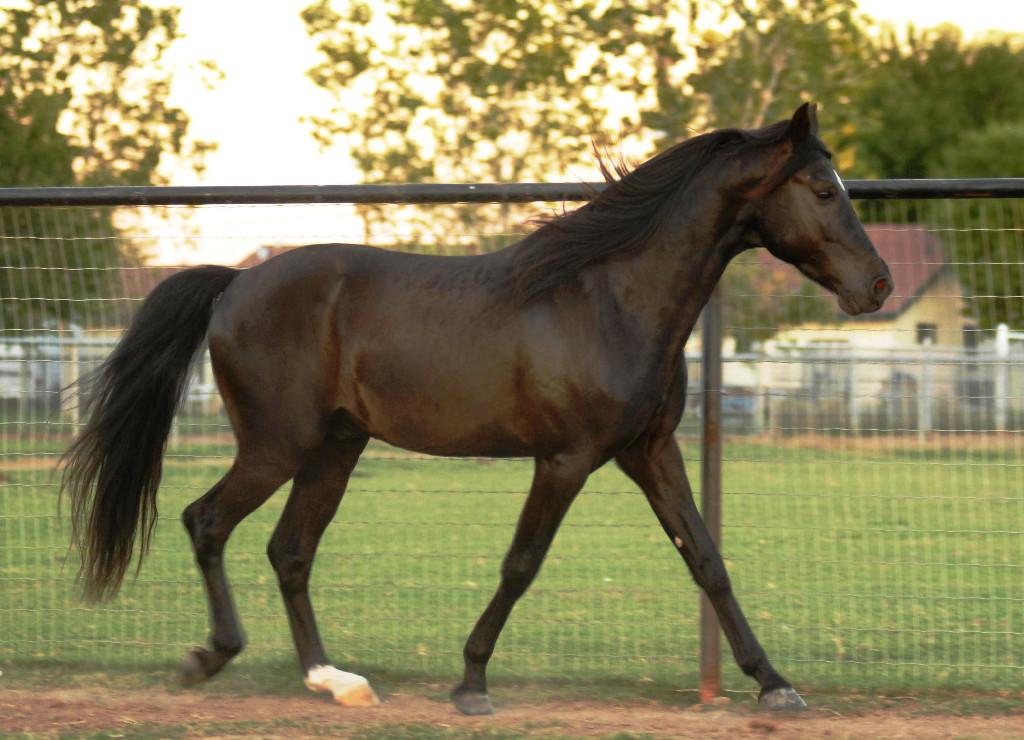
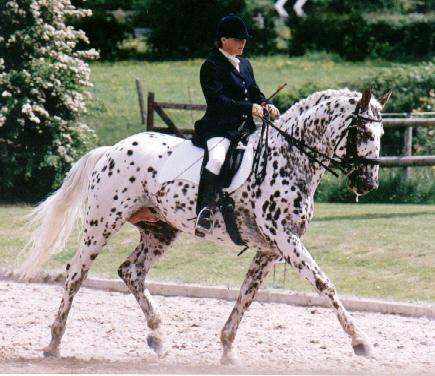
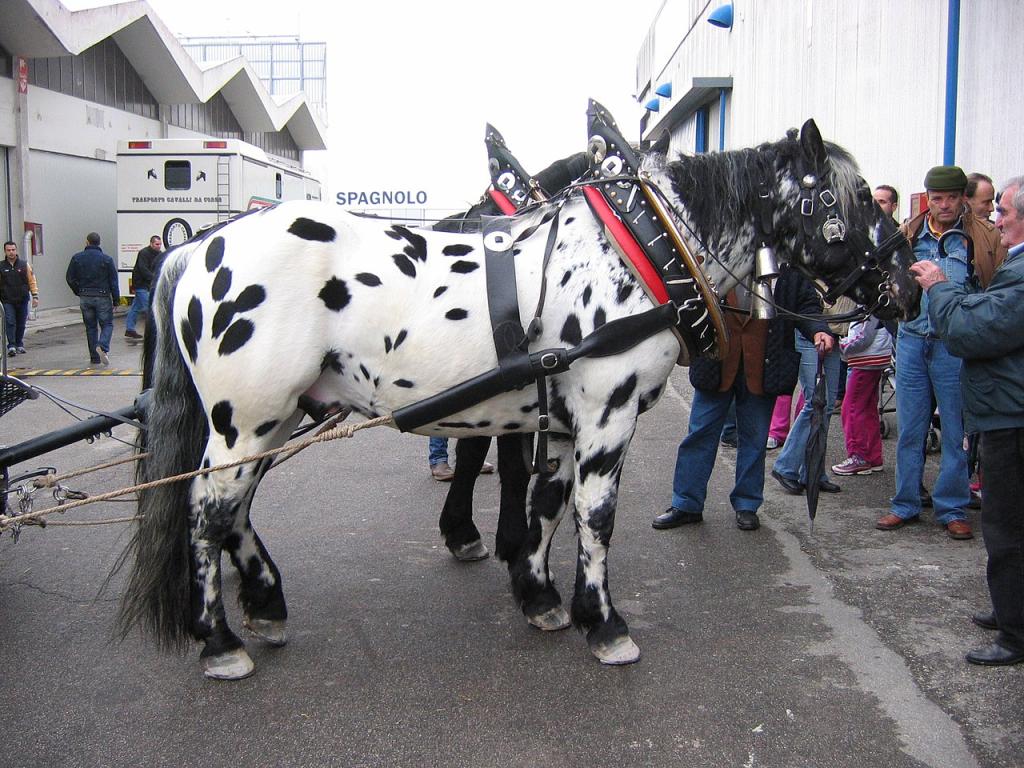
The Noriker is distinguished by the variety of its coat colours and patterns. Chestnut, bay and black occur alongside roan, pinto and leopard-patterned horses traditionally described as Tiger in German-speaking breeding communities.
The Elmar line is particularly associated with spotted Norikers, although preserving a coat pattern cannot replace the management of the breed’s complete genetic heritage.
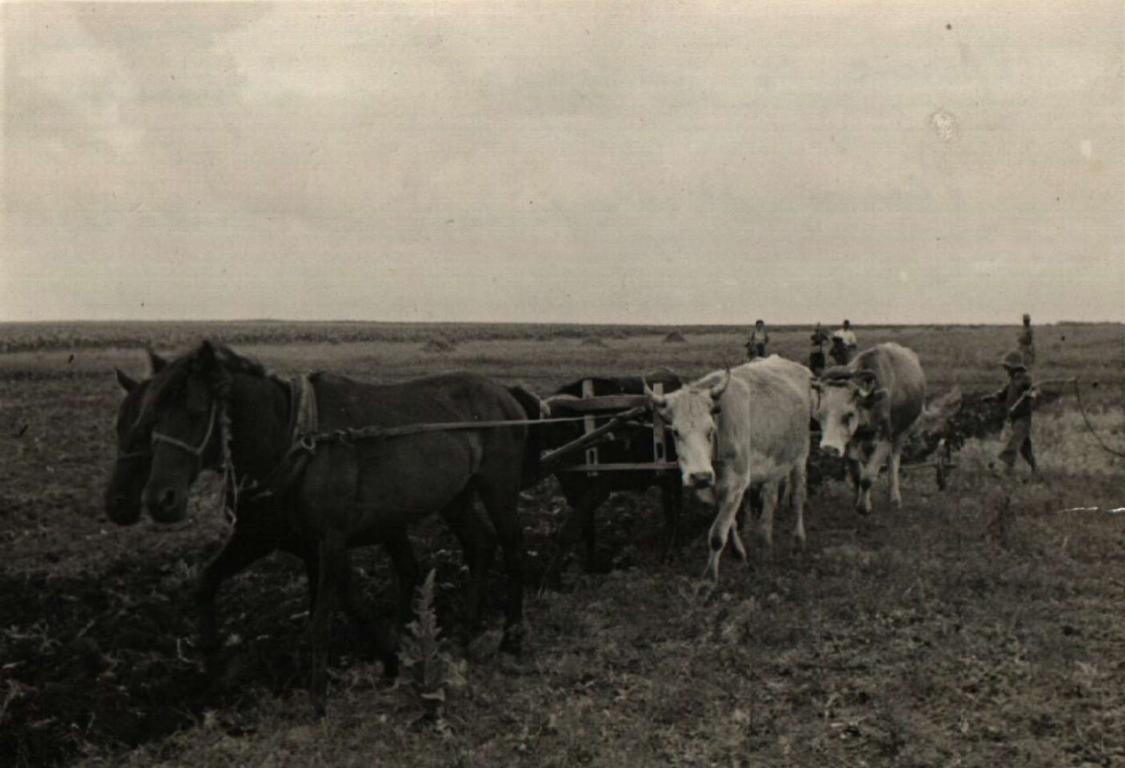
Alpine communities historically depended on horses for agriculture, forestry and the transport of goods. These animals needed sufficient power to pull loads while remaining balanced and mobile on steep roads.
The Noriker developed within this environment. Its history is connected with the commercial routes crossing the Alps, particularly between territories that now form Austria and northern Italy.
Breeding regulations have been documented in the territory of Salzburg since the sixteenth century. They demonstrate an early intention to supervise the reproduction of local horses, but do not mean that the modern standard already existed in its current form.
Over the centuries, outside breeding animals were introduced according to the objectives of breeders and authorities. The population was gradually consolidated as a recognisable Alpine draft horse.
The five present paternal lines were established around the foundation stallions of the Vulkan, Nero, Diamant, Schaunitz and Elmar lines. Pedigree recording made it possible to trace their distribution and structure the breeding programme.
The Noriker should therefore not be presented as a population that has remained genetically unchanged since antiquity. It is the result of a long breeding history, earlier crosses, functional selection and genealogical management.
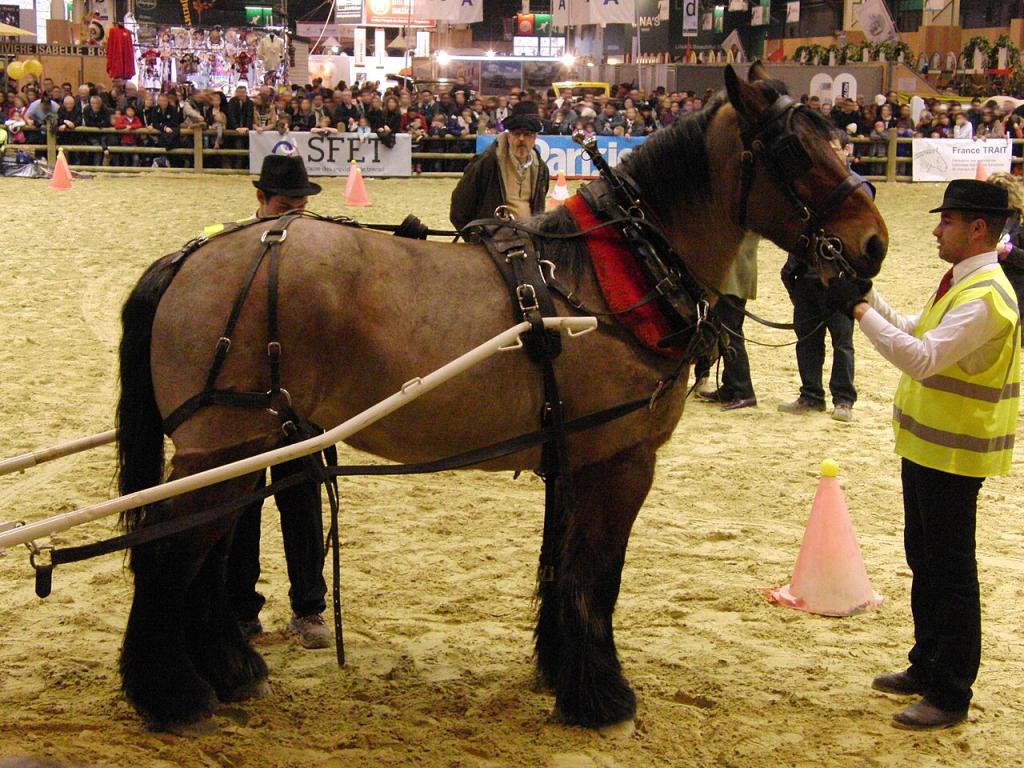
The mechanisation of agriculture and transport greatly reduced demand for draft horses during the twentieth century. The Noriker subsequently found new roles in recreational driving, specialised forestry work, traditional events, equestrian tourism and leisure riding.
The breeding programme seeks a horse that is balanced, willing, attentive and reliable, capable of working in draft, driving or riding. Calm behaviour should not exclude the energy required for movement and sustained effort.
Its considerable strength nevertheless requires consistent training. A heavy horse that has received insufficient handling or poor education can become difficult to control even when its breed is generally described as manageable.
Temperament also depends on the individual, bloodline, education, living conditions, selection and the experience of the driver or rider. Suitability for a particular activity must be assessed horse by horse.
Historical selection favoured balance, sure-footedness and the ability to maintain regular movement across varied terrain. These qualities remain valuable for driving, forestry work and certain leisure activities.
The Noriker’s future depends on preserving its five sire lines, varied maternal families and different coat patterns while avoiding excessive genetic concentration around the most popular breeding animals.
Maintaining practical uses in driving, forestry, agriculture, tourism and leisure supports continued functional selection. A working breed cannot be preserved sustainably through appearance or heritage value alone.
Breeding programmes must also consider health, fertility, limb conformation, temperament, movement and suitability for contemporary uses. Pedigree monitoring and cooperation between regional breeding organisations remain essential.
Available evidence does not identify a disease that is universal or exclusive to the Noriker. Health management must be adapted to the individual horse, its bloodline, living conditions and use.
As with other draft horses, body-condition monitoring, dietary quality and adjustment of workload to body weight are important. Excessively energy-rich feeding combined with insufficient activity may encourage weight gain, but this does not constitute a disorder specific to every Noriker.
Veterinary monitoring, dental care, hoof maintenance, parasite management and assessment of the musculoskeletal system remain essential. For horses used in draft work, correctly fitted harness, progressive conditioning and ground conditions also influence injury prevention.
Natural, slow, and very regular gait. The Noriker has a broad, steady, and sure-footed walk, well suited for rough or uneven terrain.
Lively and elastic, with strong hindquarter engagement. Despite its massive build, the Noriker shows good extension and fluidity in the trot.
The canter is rarely used in this breed, but when seen (e.g., at liberty), it is smooth, rounded, and well-cadenced.
Born in 1887
Founding stallion of the Vulkan lineage, the most widespread today. Sought after for his strength, docility, and harmonious conformation.
Born in 1900
Ancestor of the Nero lineage, known for producing horses with strong backs, remarkable movement, and excellent work aptitude.
Born in 1903
Key representative of the Diamant lineage, appreciated for his medium size and lively temperament, ideal for Alpine work.
Born in 1896
Founding stallion of the Schaunitz lineage, known for passing on a more energetic temperament and dynamic musculature.
Born in 1896
Founder of the Elmar lineage, associated with the breed’s distinctive spotted coats. A major contributor to the genetic diversity of the Noriker.
Discover one of the oldest draft horse breeds in Europe! These colorful horses will take us on rides, country rides, and even play in the wild! Join me on a journey to southern Bavaria and learn about the breed with the Bavarian Mammut Instagram stars!