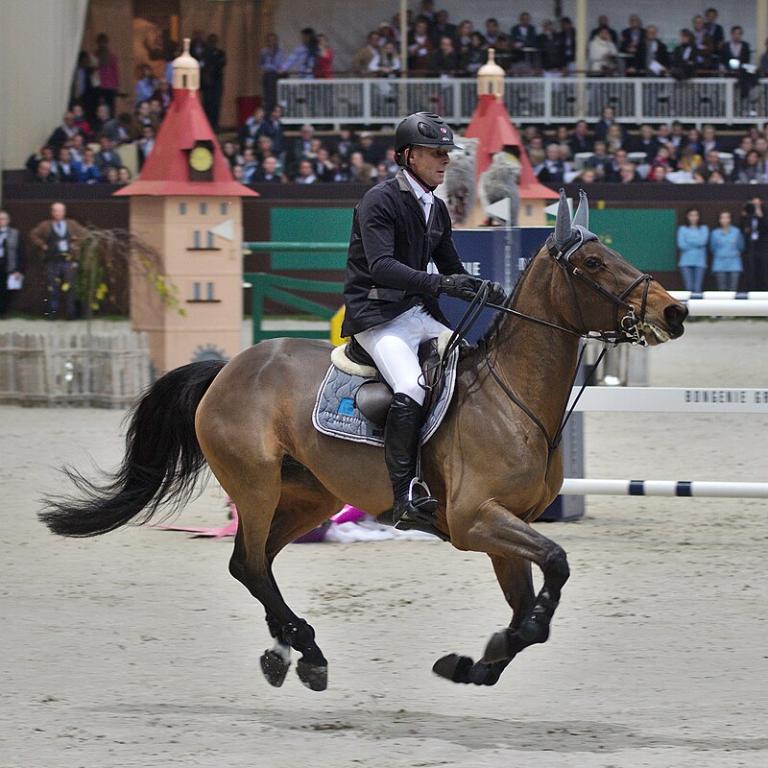
Versatile, athletic and high-performing, the American Warmblood excels in equestrian sports. Discover its origins, temperament and strengths.
By the Chevaux du Monde editorial team · Published on · Updated on

Type: Riding Horse
Continent: America
Country: United States
Weight: 500 – 700 kg
Height: 155 – 178 cm
The American Warmblood is a modern sport horse developed in the United States during the second half of the 20th century. Unlike most traditional breeds, it does not descend from a single foundation population but rather from a breeding program focused on athletic performance, conformation quality, and sporting ability.
American breeders used horses from several renowned European studbooks, including the Hanoverian, Holsteiner, Trakehner, Oldenburg, Selle Français, and the Thoroughbred. The goal was to produce horses capable of excelling in modern Olympic equestrian disciplines.
The American Warmblood is registered through organizations such as the American Warmblood Registry (AWR) and the American Warmblood Society (AWS). These organizations prioritize conformation, movement quality, temperament, and performance rather than strict adherence to a closed bloodline.
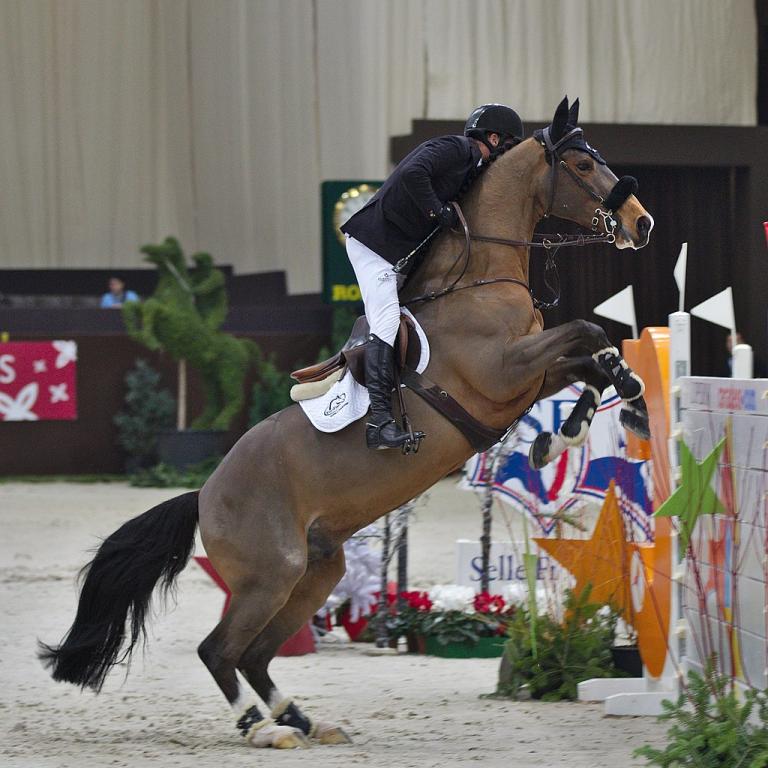
Thanks to this results-oriented selection process, the American Warmblood is now recognized for its versatility in dressage, show jumping, eventing, and other equestrian disciplines. It represents the American adaptation of the European warmblood concept, with a strong emphasis on functionality, athleticism, and sport performance.
The American Warmblood is primarily bred in the United States, where it was developed to meet the demands of modern equestrian sport. Breeding operations are found throughout many regions of the country, with a particularly strong presence in areas that have a long-standing equestrian tradition.
The main breeding centers are located in states such as Florida, Kentucky, California, Virginia, Pennsylvania, and Texas. These regions offer extensive equestrian infrastructure, large pasturelands, and access to numerous sport horse competitions.
Although the breed is primarily associated with the United States, some American Warmbloods are also bred in Canada, where sport horse disciplines continue to grow in popularity. Genetic exchanges between North American breeders are relatively common.
The American Warmblood can also be found in other countries, particularly among riders involved in Olympic equestrian disciplines. However, its breeding population remains much smaller internationally than that of major European studbooks such as the Hanoverian, Oldenburg, or KWPN.
American Warmblood breeding programs are generally established in regions with easy access to dressage, show jumping, and eventing competitions. Breeding decisions are strongly focused on sport performance, rather than the production of leisure or working horses.


The American Warmblood holds a unique position in American horse breeding as a performance-oriented sport horse registry. Its primary goal is to produce horses capable of excelling in dressage, show jumping, and eventing by combining the qualities of various European and North American bloodlines.
Unlike many breeds with a closed studbook, the American Warmblood is selected based on conformation, movement quality, temperament, athletic ability, and competition results. This approach allows breeders to incorporate individuals from several recognized sport horse breeds in order to continuously improve the athletic qualities of the population.
American Warmblood breeding programs focus on enhancing traits such as movement elasticity, jumping ability, balance, power, rideability, and a cooperative temperament. This selective breeding helps develop horses suited to the demands of modern equestrian sport.
One of the American Warmblood's greatest genetic strengths lies in its relatively open registry, which allows for greater genetic diversity than is found in some closed studbook populations. This diversity helps reduce the risks associated with excessive inbreeding while encouraging the introduction of new athletic qualities.
The American Warmblood contributes to the development of a sport horse specifically adapted to the needs of North American riders. Its breeding philosophy has helped improve the quality of sport horses bred in the United States and has enhanced their competitiveness on the international stage.
The American Warmblood is a relatively recent sport horse population compared to the major European breeds. Its development began primarily during the second half of the 20th century, when American riders sought horses capable of competing with the best European sport horses in Olympic equestrian disciplines.
To achieve this goal, American breeders imported numerous breeding horses from prestigious studbooks such as the Hanoverian, Holsteiner, Trakehner, Oldenburg, KWPN, and Selle Français. These horses contributed desirable qualities including quality movement, jumping ability, balance, and a cooperative temperament.
Unlike traditional breeds based on a specific genealogical origin, the American Warmblood was developed through a performance-based breeding philosophy. Registries emphasize conformation, athletic ability, character, and competition results rather than membership in a closed bloodline.
To support this breeding approach, several organizations were established, including the American Warmblood Registry (AWR) and the American Warmblood Society (AWS). These registries introduced inspections, breeding evaluations, and selection criteria designed to improve the quality of sport horses bred in the United States.
Over the decades, the American Warmblood has gradually gained recognition in disciplines such as dressage, show jumping, and eventing. Although it remains less well known than some major European studbooks, it continues to attract riders seeking high-quality sport horses bred in North America.
Today, the American Warmblood continues to evolve through the regular introduction of new sport horse bloodlines and a rigorous performance-based selection process. This approach helps maintain a population suited to the demands of modern equestrian sport while preserving valuable genetic diversity.
The American Warmblood is generally valued for its balanced temperament, willingness to work, and ability to form a strong partnership with its rider. Breeding programs place significant emphasis on character in order to produce horses suitable for both competitive sport and amateur riders.
Horses registered as American Warmbloods are often described as intelligent, attentive, and quick to learn. These qualities make them particularly well suited to demanding disciplines such as dressage, show jumping, and eventing.
The American Warmblood typically demonstrates a strong work ethic, along with motivation, focus, and a willingness to perform under saddle. These traits are especially valuable in disciplines that require precision, consistency, and responsiveness to rider aids.
Thanks to the diversity of bloodlines within the population, the American Warmblood often displays a strong ability to adapt to different environments, training methods, and rider skill levels. It can be found working successfully with both amateur riders and experienced competitors.
Like many modern sport horses, the American Warmblood may exhibit a certain degree of sensitivity and excellent responsiveness to rider aids. While this trait can enhance athletic performance, it also requires consistent training and a trusting relationship between horse and rider.
The combination of a cooperative temperament, intelligence, and athletic ability makes the American Warmblood a highly regarded horse across a wide range of equestrian disciplines. Its behavior is generally considered one of its greatest strengths in modern sport horse breeding.
The American Warmblood benefits from the growing interest among riders in horses capable of excelling across multiple equestrian disciplines. Its breeding philosophy, focused on performance, temperament, and versatility, aligns well with current trends in the sport horse market.
American Warmblood registries continue to follow a breeding strategy based on sporting results, quality of movement, and athletic ability. This approach should allow the population to keep evolving in response to the needs of modern equestrian sport and the demands of international competition.
The future of the American Warmblood will also depend on its ability to distinguish itself from well-established European studbooks such as the KWPN, Hanoverian, Oldenburg, and Holsteiner. These populations still dominate many of the world's top dressage and show jumping competitions.
The relatively open nature of its registries provides an important advantage for the breed's future. This genetic diversity allows breeders to regularly introduce new high-performing bloodlines while reducing some of the risks associated with overly restrictive breeding practices.
Although the American Warmblood remains less well known than several major European sport horse breeds, its presence continues to grow in North American competitions. The ongoing improvement of breeding stock and the increasing athletic quality of the population may further enhance its reputation in the coming years.
The outlook for the American Warmblood is generally positive. Its focus on performance, genetic flexibility, and adaptation to the needs of modern riders should allow it to maintain and potentially expand its role within North American sport horse breeding.
The American Warmblood is generally considered a sport horse population with good overall health. Breeding programs place emphasis on conformation quality, athletic performance, and suitability for a long sporting career, helping to maintain a high level of soundness and functionality.
Because the American Warmblood originates from numerous European and North American sport horse bloodlines, there is no single genetic disorder specifically associated with the breed. However, certain hereditary conditions found within some of its foundation breeds may occasionally occur within the population.
Like many sport horses, the American Warmblood may be susceptible to conditions affecting the joints, tendons, and ligaments, particularly when competing in demanding disciplines such as show jumping, high-level dressage, or eventing.
Breeders and registry organizations place significant emphasis on veterinary evaluations and the careful selection of breeding stock. Lameness examinations, radiographic screening, and performance assessments help reduce the transmission of traits that could negatively impact a horse's athletic career.
Thanks to its relatively open registry, the American Warmblood generally benefits from greater genetic diversity than some closed studbook populations. This diversity helps reduce the risks associated with inbreeding and contributes to the overall health of the population.
As with any athletic horse, a balanced diet, progressive training, regular hoof care, and appropriate veterinary supervision play essential roles in preventing injuries and maintaining long-term performance.