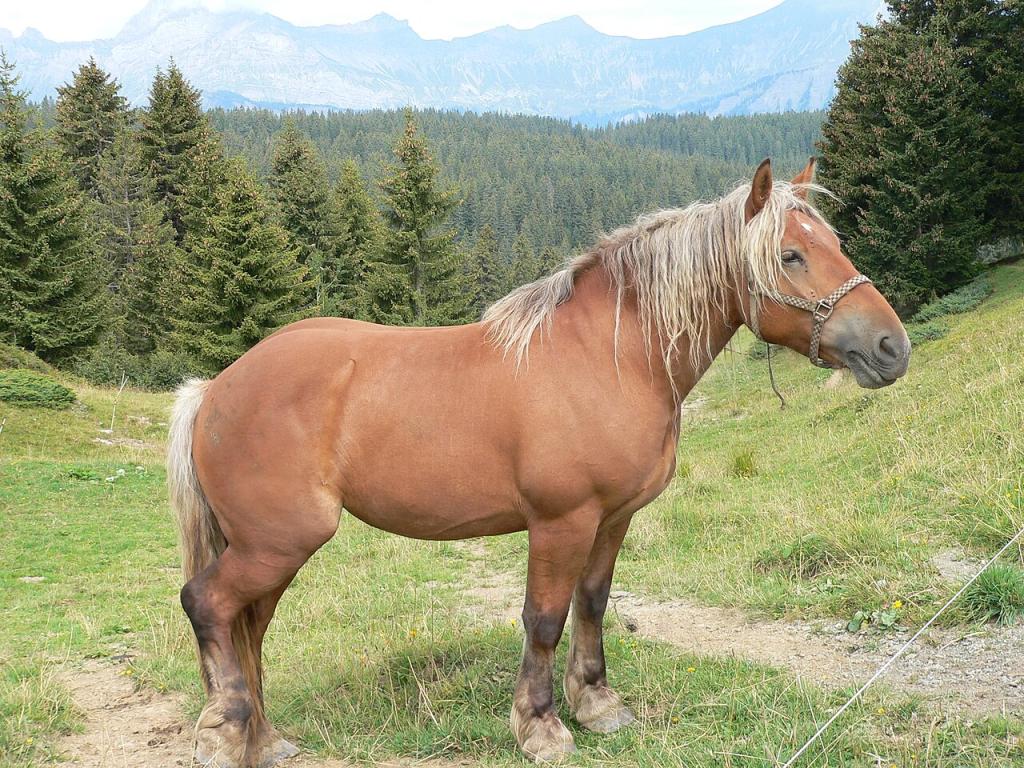
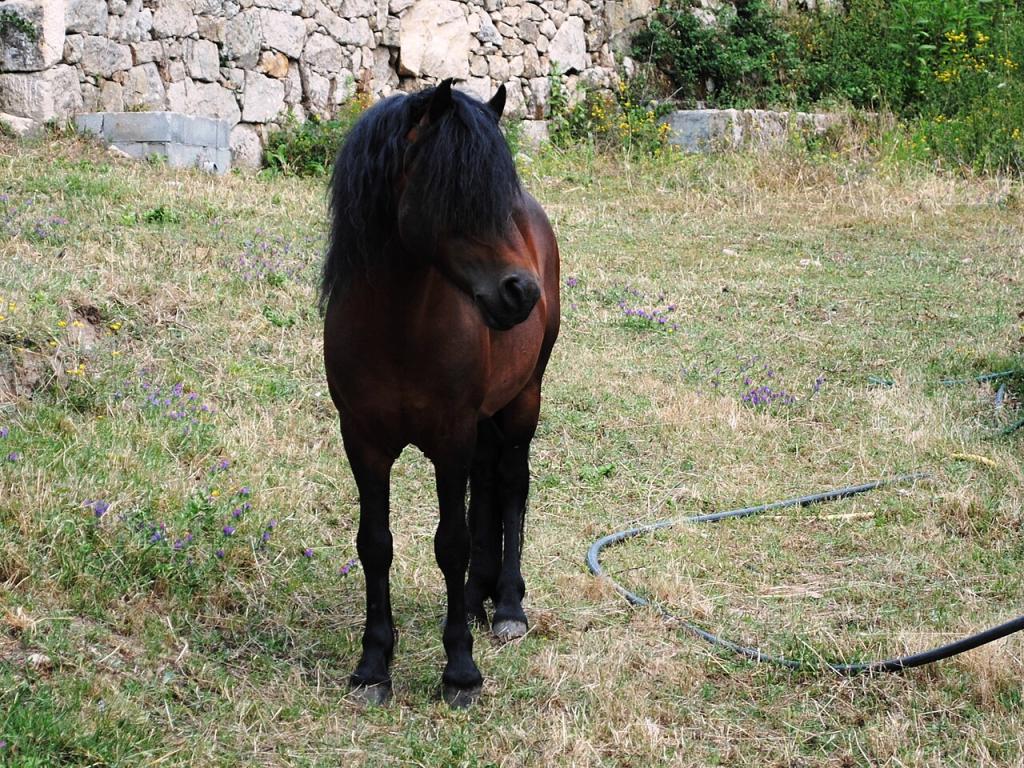
Discover the Cleveland Bay, a rare and elegant English horse breed renowned for its endurance, prestigious carriage-driving abilities, and unique history.
By the Chevaux du Monde editorial team · Published on · Updated on
Type: Riding Horse
Continent: Europe
Country: United Kingdom
Weight: 550 – 700 kg
Height: 163 – 168 cm
The Cleveland Bay is an ancient horse breed originating from the Cleveland region of North Yorkshire, England. Its history dates back to the Middle Ages, when local merchants relied on sturdy pack horses known as Chapman Horses to transport goods throughout the country.
During the seventeenth and eighteenth centuries, these native horses were crossed with Andalusian horses, Barbs, and other oriental horses imported into Great Britain. These crosses produced a horse that combined strength, endurance, and elegance, making it well suited for transportation, carriage driving, and riding.
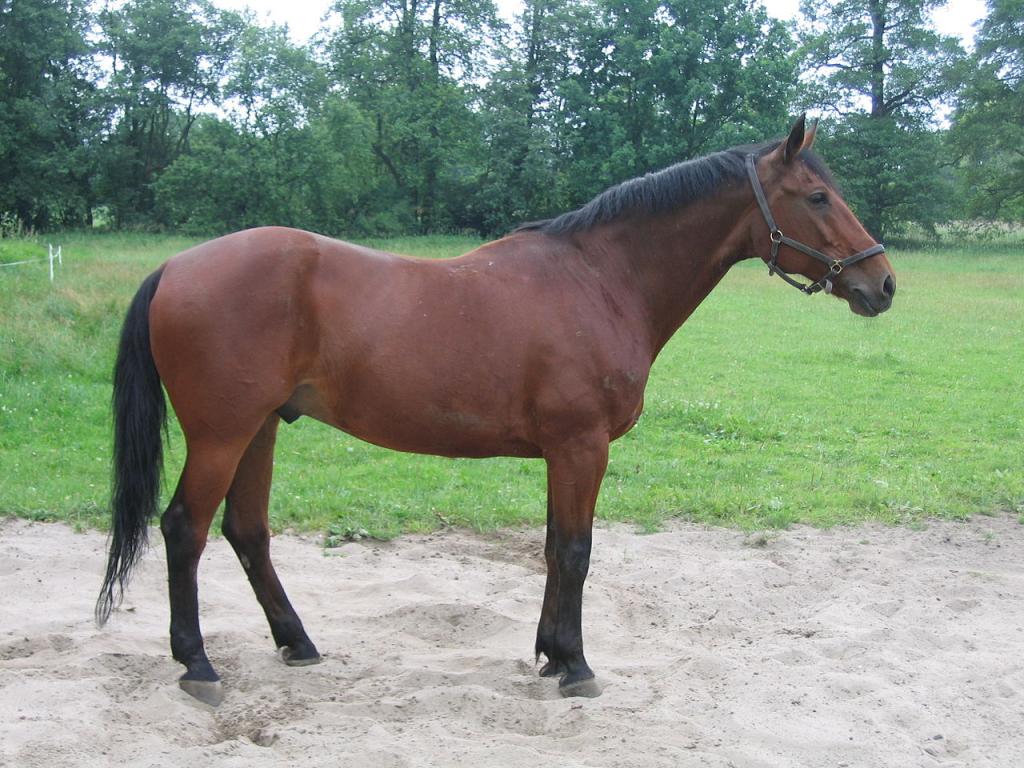
The Cleveland Bay is considered the oldest English horse breed still existing in a form close to its historical type. Its uniform bay coat, solid build, and reliable temperament contributed to its popularity among the British aristocracy and within transportation services.
Thanks to its strength, stamina, and versatility, the Cleveland Bay contributed to the development of several modern British sport horse breeds. It was notably used to improve bloodlines intended for carriage driving and sport riding.
During the twentieth century, mechanisation led to a significant decline in the breed's population. Today, the Cleveland Bay is regarded as a rare breed and is the focus of conservation programmes aimed at preserving this valuable British genetic and cultural heritage.
The United Kingdom remains the primary breeding area for the Cleveland Bay. The breed is historically associated with the Cleveland region of North Yorkshire, where it developed over many centuries. Numerous British breeders are actively involved in the preservation and promotion of this rare breed.
The Cleveland Bay is also found in the United States and Canada, where several breeders contribute to the breed's conservation. Dedicated breed associations monitor bloodlines and encourage the breeding of horses that meet the standards of the stud book.
The breed was exported to Australia and New Zealand, where it is primarily bred for carriage driving, leisure riding, and genetic conservation. Although populations remain relatively small, they play an important role in maintaining the global genetic diversity of the Cleveland Bay.
Small populations of Cleveland Bays can also be found in several European countries, particularly Germany, the Netherlands, and other nations interested in preserving heritage horse breeds. However, these breeding populations remain significantly smaller than those in the United Kingdom.
Unlike many modern sport horse breeds, the Cleveland Bay is now bred primarily with a focus on genetic preservation, the promotion of British equine heritage, and the maintenance of its traditional qualities. Breeders frequently collaborate on an international scale to help safeguard the genetic diversity of this rare breed.


The Cleveland Bay occupies an important place in the world's equine genetic heritage due to its antiquity and the preservation of characteristics that have been selectively bred over several centuries. It is one of the oldest British horse breeds still in existence and represents a distinct genetic lineage among riding and carriage horses.
The breed has played a significant role in the development of several British sport horse breeds. Breeders have used the Cleveland Bay to pass on qualities such as strong bone structure, power, endurance, a balanced temperament, and an aptitude for carriage driving. These characteristics have contributed to the improvement of various bloodlines intended for sport riding and work.
Due to its relatively limited population, the Cleveland Bay now represents a valuable genetic resource. Conservation programmes established by breed societies aim to preserve the remaining genetic diversity while reducing the risks associated with inbreeding. Protecting this breed therefore contributes to maintaining biodiversity within domestic horse populations.
The Cleveland Bay is recognised for passing on several qualities highly valued by breeders, including longevity, a robust constitution, sound limbs, a strong work ethic, and a cooperative temperament. These strengths explain its historical use in a variety of breeding programmes.
Beyond its sporting and functional qualities, the Cleveland Bay is of major importance for the conservation of historic horse breeds. Maintaining the breed helps preserve a unique genetic heritage developed under specific historical conditions and ensures the transmission of characteristics that may prove valuable in future equine breeding programmes.
The history of the Cleveland Bay traces its roots to northeastern England, particularly the Cleveland region of Yorkshire. Its ancestors were pack horses known as Chapman Horses, used by travelling merchants to transport goods throughout the country. These horses were renowned for their endurance, hardiness, and ability to cover long distances on often challenging roads.
From the sixteenth and seventeenth centuries onward, English breeders crossed local horses with Andalusian horses, Barbs, and other horses imported from Europe and North Africa. These influences refined the breed while preserving its strength and stamina. The result was an elegant, athletic, and versatile horse capable of both pulling carriages and carrying a rider.
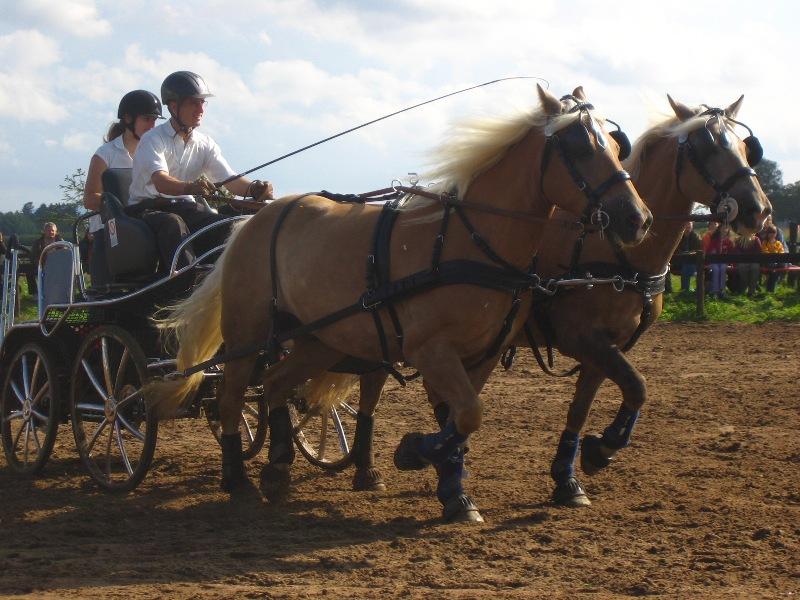
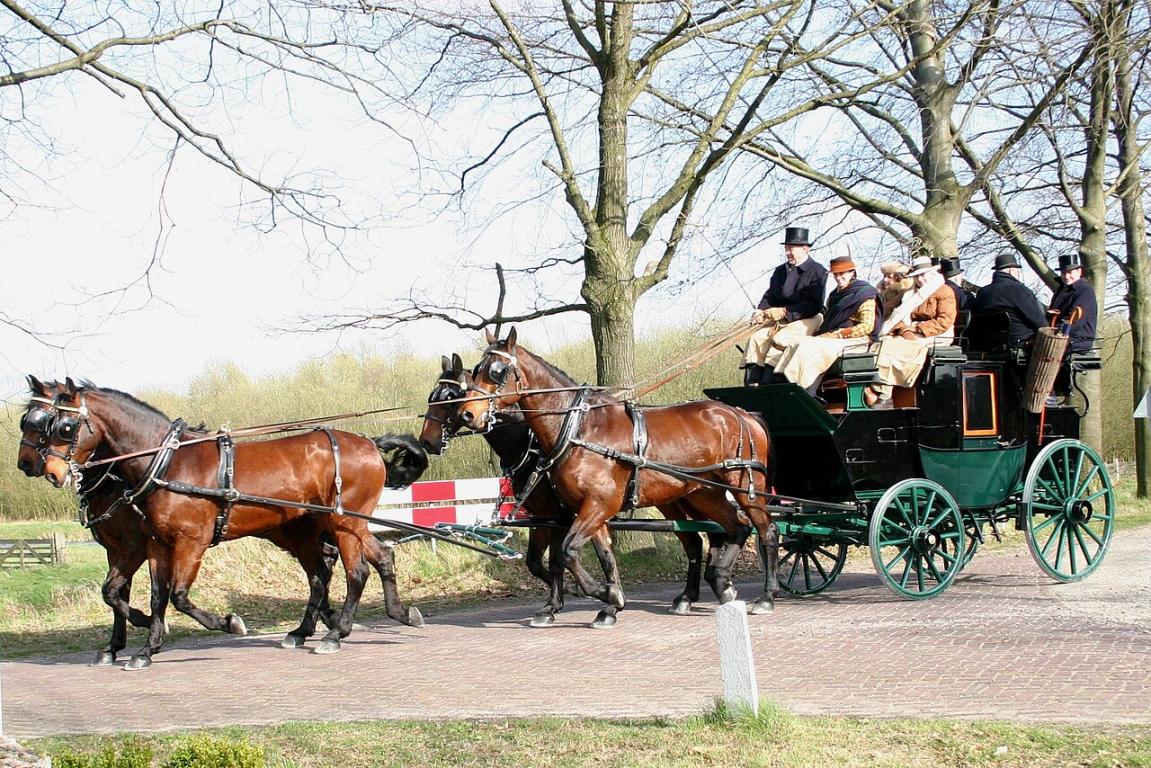
During the eighteenth century, the Cleveland Bay became one of the most highly regarded carriage horses in Great Britain. Its power, endurance, and distinctive bay coat made it a preferred choice for stagecoaches, prestigious carriages, and commercial transport. It gradually gained both national and international recognition.
As the breed's popularity grew and the need to preserve its characteristics became increasingly important, the Cleveland Bay Horse Society was established in 1884. The same year saw the publication of the breed's first official stud book, making the Cleveland Bay one of the best-documented British horse breeds of its time.
Throughout the nineteenth century and the early twentieth century, the Cleveland Bay was widely used in British breeding programmes. It contributed to the development of several sport horses and carriage horses thanks to its soundness, reliable temperament, and strength.
The arrival of motor vehicles during the twentieth century led to a significant decline in demand for carriage horses. Like many working breeds, the Cleveland Bay experienced a sharp reduction in numbers. Following the Second World War, the breed came close to extinction due to the limited number of breeding animals remaining.
In response to this critical situation, breeders and specialised organisations established conservation programmes to protect the breed. Support from the British Royal Family, particularly through the Royal Mews, also helped maintain interest in the breed and preserve important bloodlines.
Today, the Cleveland Bay remains a rare breed, but it is recognised in several countries around the world. Conservation efforts undertaken over recent decades have helped stabilise its population and preserve this valuable part of British equine heritage. The breed continues to be appreciated for its versatility, elegance, and historical significance.
The Cleveland Bay is widely recognised for its calm, steady, and balanced temperament. For centuries, the breed was selected to work alongside humans in both transportation and prestigious carriage driving, helping to develop a reliable and cooperative character.
The Cleveland Bay possesses a strong work ethic and is generally willing, attentive, and diligent in its tasks. It is appreciated for its ability to learn quickly and for its consistency in effort, qualities that have contributed to its reputation across a wide range of equestrian disciplines.
The breed is often described as intelligent and highly responsive to human guidance. Cleveland Bays typically understand expectations quickly and respond well to training based on trust, consistency, and clear communication.
Historically used for long-distance travel and carriage work, the Cleveland Bay developed a courageous temperament and strong emotional stability. It is generally not easily startled and tends to remain calm when faced with unfamiliar or demanding situations.
The Cleveland Bay usually forms positive relationships with both humans and other horses. Its sociable nature facilitates integration into various environments and makes it suitable for a wide range of activities, from leisure riding to competition.
Thanks to its stable temperament and willingness to cooperate, the Cleveland Bay can suit a variety of riders and drivers. However, like any large and powerful horse, it benefits from appropriate training and consistent handling in order to fully express its qualities.
One of the breed's most admired characteristics is its ability to combine considerable physical strength with a gentle and cooperative temperament. This combination largely explains its historical popularity in prestigious carriage driving and its continued appeal among enthusiasts of heritage horse breeds.
The main challenge facing the future of the Cleveland Bay is the preservation of its population and genetic diversity. Considered a rare breed on a global scale, it benefits from conservation programmes led by breed societies, organisations dedicated to protecting heritage breeds, and numerous passionate breeders.
Stud books and breed organisations place significant emphasis on managing bloodlines to reduce the risks associated with inbreeding. The use of modern genetic analysis tools and international cooperation between breeders should help maintain a healthier and more genetically diverse population in the coming decades.
Several countries have seen renewed interest in historic and heritage horse breeds. This trend could support the development of the Cleveland Bay among riders and enthusiasts who wish to preserve horses with a strong identity, a rich history, and well-established traditional qualities.
Thanks to its versatility, balanced temperament, robustness, and suitability for both carriage driving and riding, the Cleveland Bay retains qualities that are valued across many equestrian disciplines. These characteristics may help sustain its appeal among breeders and horse owners in the future.
Despite these encouraging prospects, it is unlikely that the Cleveland Bay will return to the population levels it enjoyed before the mechanisation of transportation. Its future is more likely to depend on sustainable growth, breed conservation, and the promotion of its valuable genetic heritage rather than rapid expansion.
In the long term, the Cleveland Bay is expected to continue playing an important role in preserving the genetic diversity of domestic horse populations. Conserving this breed helps safeguard historical and functional characteristics that may remain valuable for future equine breeding programmes.
The Cleveland Bay is generally regarded as a robust, hardy, and long-lived breed. Selected for centuries for work, transportation, and carriage driving, it possesses a strong constitution and good physical resilience when provided with appropriate care, a balanced diet, and regular veterinary supervision.
Due to its relatively small population, the Cleveland Bay has more limited genetic diversity than many more widespread horse breeds. Breed organisations therefore closely monitor breeding programmes in order to reduce the risks associated with inbreeding and to preserve the overall health of the population.
Like many large sport and working horses, the Cleveland Bay may occasionally be affected by certain musculoskeletal disorders. Breeders pay particular attention to limb conformation, joint strength, and the harmonious development of the skeleton in order to reduce the risk of locomotor problems.
Horses used intensively in carriage driving, eventing, dressage, or other sporting disciplines may be exposed to injuries affecting the tendons, ligaments, joints, or back, as is the case with most sport and working horse breeds.
The Cleveland Bay generally has a good ability to maintain its body condition. However, appropriate management of nutrition and exercise is recommended to prevent issues related to excess weight, which can increase stress on the joints and limbs.
Current breed conservation programmes rely on rigorous veterinary monitoring, pedigree controls, and responsible breeding management. These measures help maintain a generally healthy population while preserving the functional qualities that have made the Cleveland Bay renowned throughout its history.