Discover the Cape Horse, an extinct South African riding horse whose bloodlines contributed to several breeds adapted to southern Africa.
By the Chevaux du Monde editorial team · Published on · Updated on
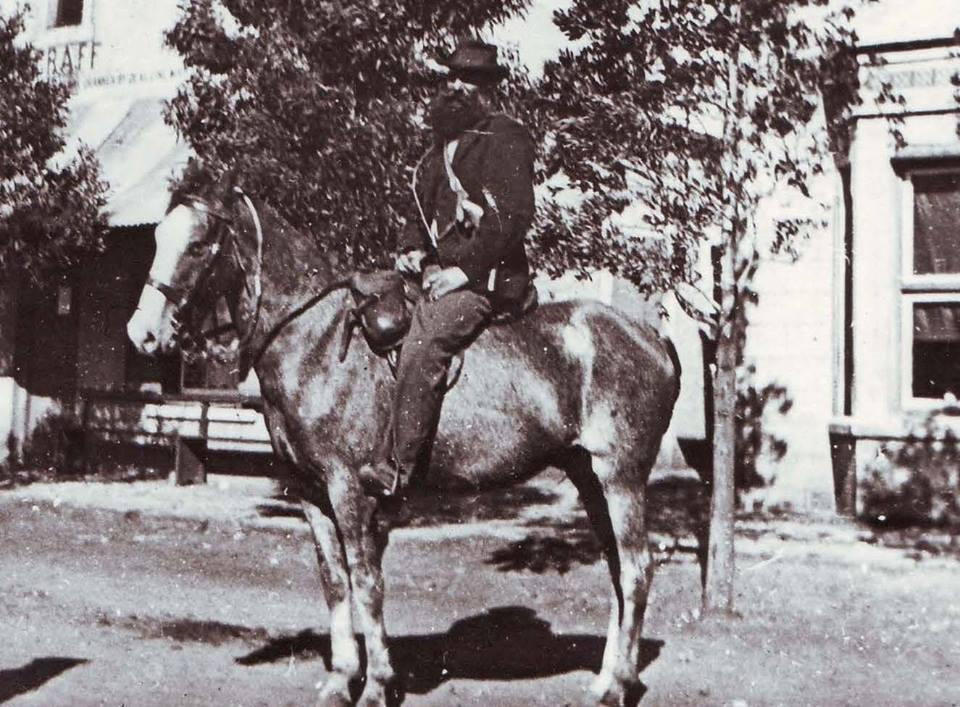
Type: Riding Horse
Continent: Africa
Country: South Africa
The Cape Horse developed in the Dutch Cape Colony from horses imported into southern Africa from the seventeenth century onward. No domestic horses were present in the region before animals were introduced by European settlers.
The earliest horses principally came from Java. Their exact ancestry is imperfectly documented, although historical sources mention Oriental influences, particularly Arabian and Barb ancestry. Other horses were subsequently imported from Persia, Mauritius, South America and Europe.
Locally bred animals were progressively selected for travel, work and life under South African conditions. The population developed into a recognizable regional type rather than a breed governed by a modern stud book.
The Cape Horse initially developed around the colonial settlements of the Cape in southern present-day South Africa. As horse breeding expanded and people moved inland, its descendants spread across southern Africa.
These horses accompanied farmers, travelers and combatants over long distances. Some were also exported for use as riding horses and military remounts.
There is no recognized breeding population of the original Cape Horse today. During the nineteenth and early twentieth centuries, the population was transformed through crossbreeding, changes in breeding practices, disease and losses associated with armed conflicts.
Its legacy survives particularly in the Basuto, Nooitgedacht and several populations grouped under the Boerperd name. These modern breeds should not, however, be presented as genetically unchanged Cape Horses.


The Cape Horse holds an important place in the genetic history of horses in southern Africa. The population established at the Cape supplied some of the horses subsequently bred in different regions of South Africa and Lesotho.
Its influence is notably reported in the development of the Basuto, Nooitgedacht, Boerperd, Namaqua Pony and Cape Harness Horse. Several of these populations later received additional influences and followed distinct breeding programs.
The absence of a continuous historical stud book and the succession of crossbreeding programs prevent the Cape Horse’s precise genetic contribution to modern breeds from being measured. Modern pedigrees, colonial records and genetic studies of descendant populations allow only part of that history to be reconstructed.
The Cape Horse should therefore be regarded as a historic foundation population, not as a breed that remains available for purebred conservation.
The Dutch East India Company introduced horses into the Cape Colony from the 1650s onward. Records document several shipments from Java, followed by the arrival of animals from regions including Persia and Mauritius.
The precise numbers and ancestry of the earliest horses vary between historical accounts. It is nevertheless established that these imports formed the foundation of the Cape’s developing horse population.
During the eighteenth century, local breeding produced a small to medium-sized riding horse valued for its endurance, constitution and working ability. Further imports gradually altered the population, including South American horses and later Thoroughbreds.
The term Cape Horse described a relatively broad regional type. It could coexist with horses bred for harness work without the Cape riding horse and the Cape Harness Horse necessarily constituting the same population.
The Cape Horse was used for transportation, livestock management, agricultural activities and military operations. Its mobility and adaptation to the territory gave it an important role in colonial expansion and in the history of rural communities across southern Africa.
During the nineteenth century, crossbreeding with various imported breeds became increasingly common. Epidemics, military losses and changes in breeding practices also reduced the older populations.
The Boer Wars, fought between 1880 and 1902, caused the deaths of large numbers of horses. The original type eventually disappeared or was absorbed into newer populations. Later breeding programs involving the Boerperd and Nooitgedacht sought to preserve or recreate some of the qualities attributed to the older South African horses.
Historical accounts describe the Cape Horse as a willing, enduring and generally steady mount valued for travel, rural work and military service. Its ability to cover difficult terrain was particularly appreciated.
These descriptions are based on historical observations and do not represent a modern behavioral assessment. Because the population is extinct, the actual uniformity of its temperament cannot be verified.
As with any horse, behavior would have varied according to the individual, ancestry, breeding conditions, lifestyle, training and the experience of the rider or handler.
Because the Cape Horse is extinct in its historical form, its direct conservation is no longer possible. Its legacy can nevertheless be studied through archives, early equestrian literature and the South African breeds that partially descend from it.
The conservation of the Nooitgedacht, Basuto and different Boerperd populations helps preserve part of this heritage. Any attempt to recreate the Cape Horse from descendant breeds would, however, produce a newly selected population rather than restore the original historic horse.
No hereditary predisposition specific to the Cape Horse has been documented using modern veterinary methods. The population disappeared before the establishment of health and genetic monitoring comparable to that used for modern breeds.
Historical sources emphasize its constitution and adaptation to local conditions, but this reputation for hardiness does not mean that it was protected from disease, parasites, malnutrition or injury.
Horse populations in southern Africa were notably affected by African horse sickness and other epidemics. However, no evidence allows a particular resistance to be attributed to the Cape Horse or a specific genetic disorder to be associated with it.