Why is the Karachai considered one of the finest mountain horses? Discover its history, temperament, characteristics, and uses.
By the Chevaux du Monde editorial team · Published on · Updated on
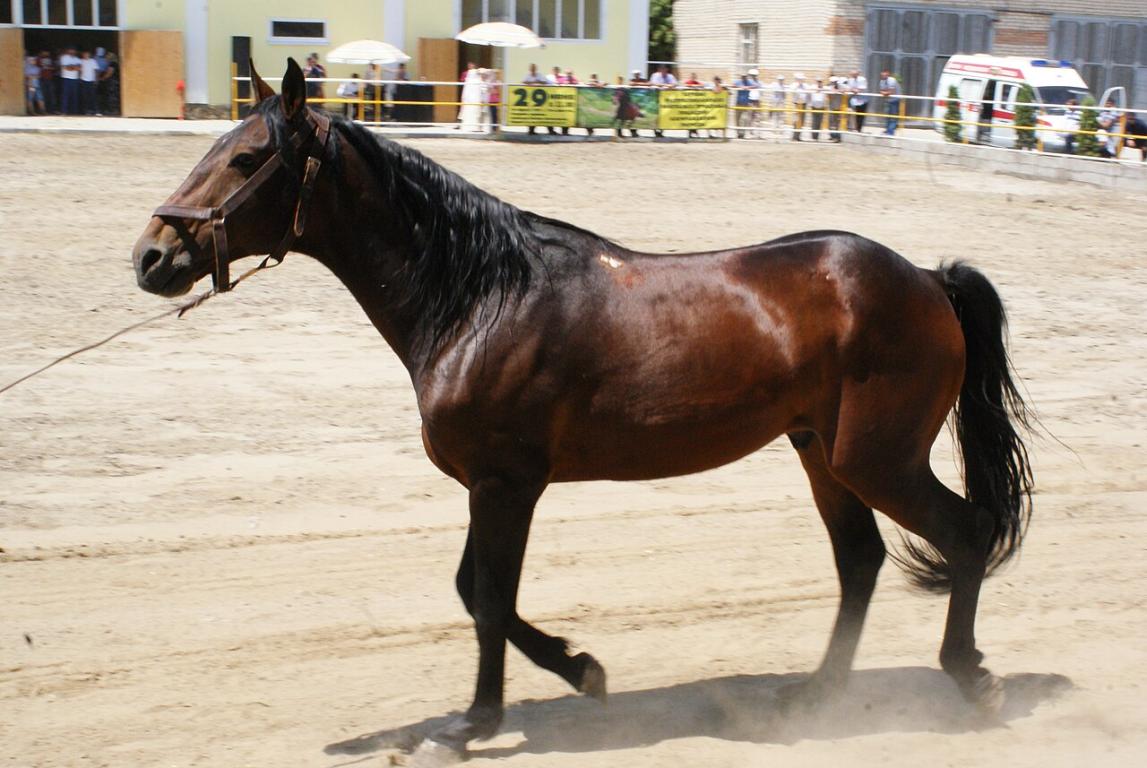
Type: Riding Horse
Continent: Europe
Country: Russia
Weight: 400 – 550 kg
Height: 145 – 155 cm
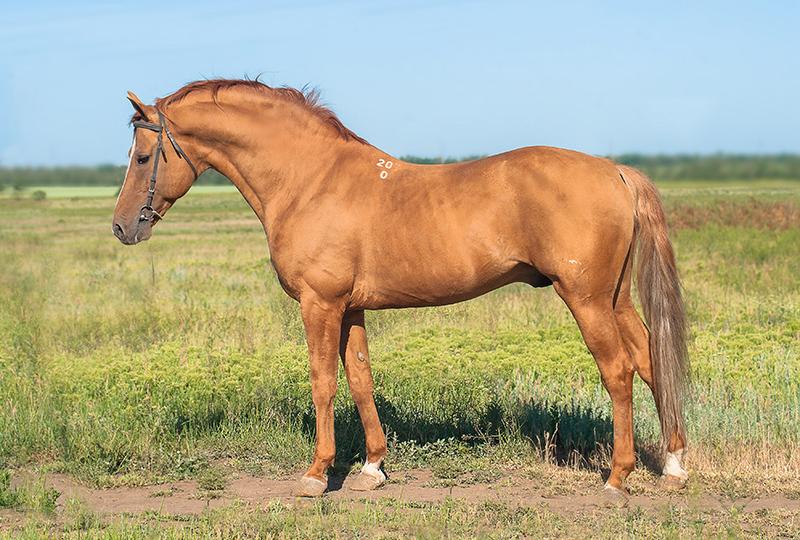
The Karachai is an ancient mountain horse breed originating from the Republic of Karachay-Cherkessia, located in the northern Caucasus region of Russia. Developed over centuries by the Karachay people, this horse was selectively bred for its ability to thrive in a challenging mountainous environment characterized by steep terrain, harsh climatic conditions, and long distances.
The breed has earned a reputation for its hardiness, endurance, sure-footedness, and resilience. Traditionally used for transportation, pack work, mountain travel, and the daily needs of local communities, the Karachai is now recognized as one of the principal native horse breeds of the Caucasus and an important part of the region's cultural heritage.
The Karachai is primarily bred in the Republic of Karachay-Cherkessia, located in the northern Caucasus region of southern Russia. This mountainous area is the breed's historical homeland and remains its principal breeding center today. Horses traditionally graze in high-altitude pastures and mountain valleys that have played a significant role in shaping the breed's characteristics.
Karachai breeding is also found in several neighboring areas of the North Caucasus, particularly in regions where natural conditions are similar to those of its homeland. Steep terrain, vast mountain pastures, and sometimes harsh climatic conditions help preserve the breed's traditional qualities.
The Karachai is commonly raised under extensive or semi-extensive management systems. Large portions of the population spend much of the year grazing in mountain pastures, sometimes at high elevations. This traditional breeding method helps maintain the breed's characteristic hardiness, endurance, and resilience.
Although the Karachai is well known for its qualities, its breeding population remains largely concentrated within the Russian Caucasus. A small number of breeding programs exist in other parts of Russia and occasionally in neighboring countries, but the vast majority of the world's Karachai horses are still found within their native region.


The Karachai is one of the principal native horse breeds of the Caucasus. Selected over centuries in a demanding mountainous environment, it possesses highly valued genetic traits such as hardiness, endurance, resistance to harsh climatic conditions, and exceptional sure-footedness. These qualities make it an important genetic resource for the preservation of horses adapted to rugged terrain.
Over time, the breed has developed an outstanding ability to adapt to mountainous regions where food resources may be limited and weather conditions severe. This natural and human selection process has preserved valuable traits related to efficient feed utilization, physical resilience, and longevity, qualities that have become relatively uncommon in some modern horse populations.
The Karachai plays an important role in maintaining the genetic diversity of domestic horses. Preserving the breed helps safeguard genes associated with endurance, hardiness, and adaptation to mountainous environments. This diversity is an asset for the conservation of the world's equine heritage and reduces reliance on a limited number of international bloodlines.
The Karachai's qualities of resilience, strong limbs, endurance, and working ability have occasionally been sought in breeding programs aimed at developing horses suited to difficult environments. Although its international influence remains more limited than that of some major sport horse breeds, its natural abilities continue to be appreciated in mountainous regions of the Caucasus.
Breeders and conservation organizations place great importance on preserving the Karachai in order to maintain its historical characteristics and unique genetic heritage. Protecting this breed helps safeguard an equine population that has retained many valuable functional traits developed through centuries of selection.
The Karachai is a horse breed originating from the region of Karachay-Cherkessia in the northern Caucasus. Its development is closely linked to the Karachay people, who bred these horses for centuries in a particularly demanding mountain environment. Breeders gradually selected animals capable of covering long distances across steep terrain while enduring harsh climatic conditions.
Unlike many breeds developed primarily for speed or appearance, the Karachai was selected above all for its functional qualities. The strongest, most enduring, and sure-footed horses were favored for breeding. This selective process produced a breed particularly well suited for transportation, pack work, and travel throughout the mountainous regions of the Caucasus.
For generations, the Karachai played a major role in the daily lives of the people of the Caucasus. It was used for transporting people and goods, supporting pastoral activities, traveling between valleys and high-altitude areas, and fulfilling military needs. Its toughness and ability to navigate difficult terrain made it an indispensable companion for local populations.
The history of the Karachai was profoundly affected by the political events of the twentieth century. In 1943, during the Soviet era, the Karachay people were deported to Central Asia. Following this deportation, the breed temporarily lost its official name and was administratively merged with the Kabarda horse population, another Caucasian breed with similar characteristics. This situation weakened the distinct identity of the Karachai breed.
In the following decades, Russian breeders and specialists continued their efforts to preserve the unique characteristics of the Karachai. Through studies and breeding programs, the breed gradually regained official recognition as distinct from the Kabarda. This recognition helped revive conservation efforts and promote the breed's unique qualities.
Today, the Karachai remains one of the principal horse breeds of the North Caucasus. It is valued for its endurance, hardiness, sure-footedness, and excellent adaptation to mountainous terrain. Modern breeding programs aim to preserve its historical qualities while ensuring the long-term survival of its unique genetic heritage.
The Karachai is widely known for its calm, thoughtful, and steady character. Developed over centuries in the mountains of the Caucasus, it was selected to work closely with humans in sometimes challenging conditions. This selection favored reliable horses capable of remaining composed when faced with natural obstacles and unexpected situations.
Accustomed to steep terrain, long distances, and demanding climatic conditions, the Karachai demonstrates remarkable courage and endurance. It is capable of sustaining prolonged effort while remaining willing and consistent in its work, which explains its reputation as a particularly dependable mountain horse.
One of the breed's most valued behavioral traits is its excellent sense of balance and natural caution on difficult terrain. The Karachai typically assesses its surroundings carefully and rarely acts recklessly when traveling along steep or uneven mountain paths.
The Karachai is recognized for its practical intelligence and adaptability. It generally learns tasks quickly and can adjust to a variety of lifestyles, whether engaged in traditional mountain work, trail riding, or leisure riding activities.
When properly trained and socialized, the Karachai often develops a trusting relationship with its rider. Its cooperative temperament and willingness to work make it well suited to a variety of outdoor disciplines, particularly trail riding and equestrian tourism.
Although energetic and capable of significant physical effort, the Karachai is not generally considered nervous or difficult to handle. It combines liveliness, calmness, and reliability, a balance that is especially valued in mountain horse breeds.
The future of the Karachai is closely tied to the conservation efforts carried out by breeders and breeding organizations in the North Caucasus. Although its population is smaller than that of many international sport horse breeds, the Karachai is receiving growing attention as an important component of regional equine genetic heritage and as a breed uniquely adapted to mountainous environments.
As more riders seek versatile, resilient, and low-maintenance horses, the Karachai's natural qualities are attracting increasing interest. Its hardiness, endurance, ability to navigate difficult terrain, and balanced temperament make it well suited to trail riding, equestrian tourism, and outdoor recreational activities.
The Caucasus region is gradually expanding activities related to mountain tourism and the exploration of natural landscapes. Perfectly adapted to these environments, the Karachai could see increased use in trail riding and horse trekking operations, contributing to the breed's economic value and long-term sustainability.
Like many local breeds, the Karachai faces the challenge of maintaining sufficient genetic diversity. Breeding programs and careful management of bloodlines play a vital role in preventing genetic erosion while preserving the breed's traditional qualities and historical characteristics.
Despite its many strengths, the Karachai remains relatively unknown outside its native region. Greater promotion of the breed, increased cooperation among breeders, and improved international visibility could support its expansion while strengthening ongoing conservation efforts.
The Karachai is considered a particularly robust horse breed. Developed over centuries in the mountains of the Caucasus, it was shaped by demanding natural conditions that favored the most resilient individuals. This selection process helped create a breed renowned for its longevity, physical toughness, and ability to thrive in challenging environments.
Thanks to its adaptation to high-altitude pastures and the significant climatic variations of the Caucasus, the Karachai generally demonstrates excellent tolerance to cold weather, harsh conditions, and rugged terrain. This natural resilience is one of the breed's greatest strengths.
To date, no major inherited genetic disease has been specifically associated with the Karachai in scientific literature or known breeding programs. The breed has historically been selected for functionality and survival rather than appearance, which has likely contributed to preserving its overall soundness and hardiness.
Like all horse breeds, the Karachai may be affected by conditions involving the tendons, ligaments, or joints, particularly when subjected to intensive work or prolonged physical exertion. Appropriate management of training, hoof care, and nutrition generally helps reduce these risks.
Although the breed maintains a relatively stable population within its native region, breeders strive to preserve sufficient genetic diversity in order to minimize the risks associated with inbreeding. Careful management of breeding lines contributes to maintaining the overall health and vitality of the population.
The Karachai performs at its best when provided with regular exercise, access to pasture, and a diet suited to its needs. As with all horses, proper veterinary, dental, and parasite care remains essential for maintaining good health and physical condition.