The Ase Català is one of the world's largest donkey breeds. Discover its origin, temperament, history and unique characteristics.
By the Chevaux du Monde editorial team · Published on · Updated on
Type: Donkey
Weight: 3350 – 500 kg
Height: 135 – 160 cm
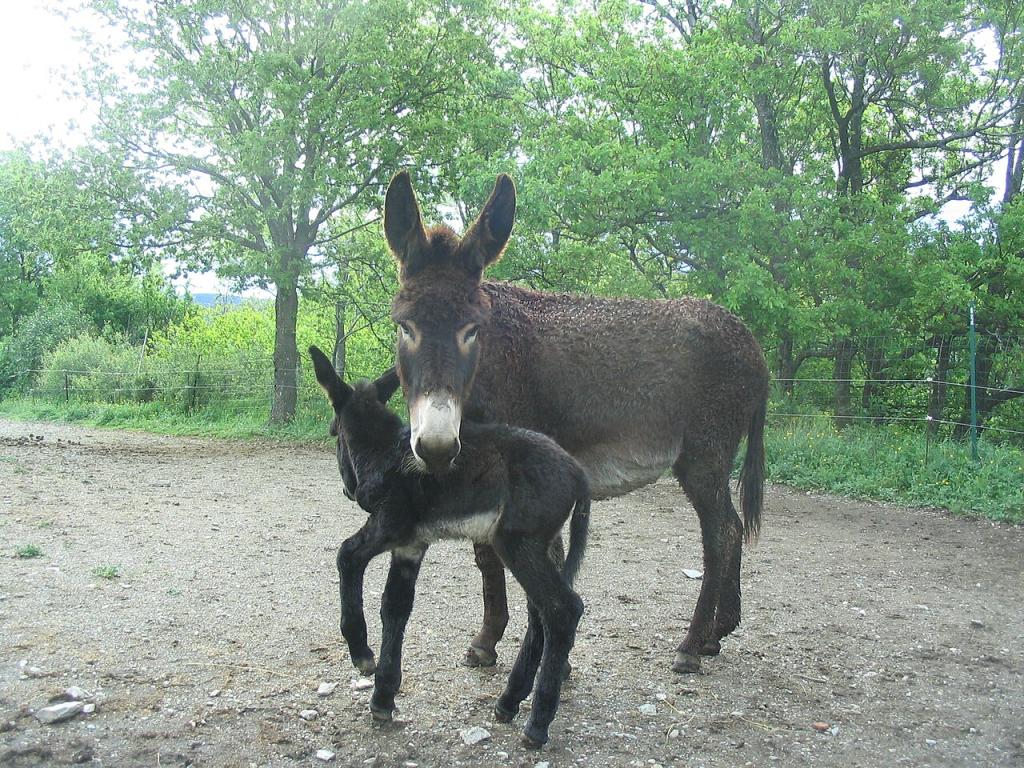
The Ase Català (Equus asinus var. catalana) is a donkey breed native to Catalonia, in northeastern Spain. Developed over several centuries in the Catalan countryside, it is particularly associated with the provinces of Girona, Barcelona and Lleida, where it long supported traditional agricultural activities.
Thanks to its large size, strength and endurance, the Ase Català was widely used for draft work, carrying loads and driving. It also played an important role in the production of mules, which were highly valued for their working abilities in Spain and many other countries.
During the 20th century, the mechanization of agriculture led to a significant decline in the breed's population. Today, the Ase Català is regarded as a symbol of Catalan rural heritage. It benefits from conservation programs aimed at preserving both its genetic qualities and its cultural significance.
The Ase Català is primarily bred in Catalonia, in northeastern Spain. Its historic homeland includes the provinces of Girona, Barcelona, Lleida and Tarragona, where the breed has been established for centuries.
The breed is mainly raised on farms and in rural areas composed of plains, hills and mountainous regions. Its hardiness allows it to adapt to a wide range of environments and the region's climatic conditions.
Although its main breeding population remains in Catalonia, the Ase Català is also found in a small number of breeding programs in other parts of Spain and, more occasionally, in other countries through conservation and breeding initiatives.


The Ase Català is one of the main native donkey breeds of the Iberian Peninsula. Its conservation helps preserve the genetic diversity of European donkey populations, several of which have experienced significant declines in recent decades.
The Ase Català has long been recognized for its role as a breeding sire in the production of mules. Males of the breed were highly valued for passing on their large size, strength and endurance to hybrids produced by crossing them with mares.
The breed is supported by a studbook and breeding and conservation programs designed to preserve its genetic diversity. These initiatives help reduce genetic erosion and ensure the long-term survival of this emblematic Catalan breed.
The exact origins of the Ase Català are not precisely known. The breed developed over centuries in Catalonia, in northeastern Spain, where it was selected to meet the needs of agriculture and rural transport.
For many generations, the Ase Català was highly valued as a breeding sire for producing mules. Males of the breed were renowned for transmitting their large size, strength and endurance, producing working mules that were highly appreciated.
During the 20th century, the mechanization of agriculture caused a significant decline in the breed's population. In response, conservation, breeding and studbook management programs were established to preserve this important component of Catalonia's genetic and cultural heritage.
The Ase Català is known for its calm, gentle and steady temperament. When properly trained and socialized, it generally develops a trusting relationship with people.
Like most donkeys, it displays considerable intelligence and a thoughtful nature. It is also recognized for its willingness to work, learning ability and natural caution when facing unfamiliar situations.
Accustomed to agricultural work and carrying loads, the Ase Català is appreciated for its strength, endurance and consistent working ability. Its calm temperament also makes it suitable for leisure activities, driving and animal-assisted therapy.
The future of the Ase Català depends above all on preserving its population and maintaining its genetic diversity. Like many native donkey breeds, it continues to face challenges linked to the declining number of breeders and changes in agricultural practices.
Breeding, conservation and promotion programs are helping to secure the breed's future. Public awareness initiatives and support for breeders also contribute to increasing its visibility and long-term preservation.
Beyond its historical role as a working animal, the Ase Català is now increasingly valued in rural tourism, animal-assisted activities, driving and heritage conservation. These new uses offer encouraging prospects for the future of this emblematic Catalan breed.
The Ase Català is considered a hardy and resilient breed, having been selected for agricultural work over many centuries. No breed-specific hereditary genetic disorders are widely documented.
Like all donkeys, its health relies on an appropriate diet, regular hoof care, veterinary monitoring and effective parasite control. Particular attention should be paid to preventing obesity, as donkeys are naturally efficient at utilizing feed.
Although generally robust, the Ase Català may be affected by common equine health issues, including hoof problems, internal parasites and certain infectious diseases. Regular preventive care is usually sufficient to maintain its health and longevity.