Origin, temperament, morphology, history and conservation: discover everything you need to know about the Miranda Donkey, one of Portugal's iconic donkey breeds.
By the Chevaux du Monde editorial team · Published on · Updated on
Type: Donkey
Continent: Europe
Country: Portugal
Weight: 250 – 350 kg
Height: 120 – 135 cm
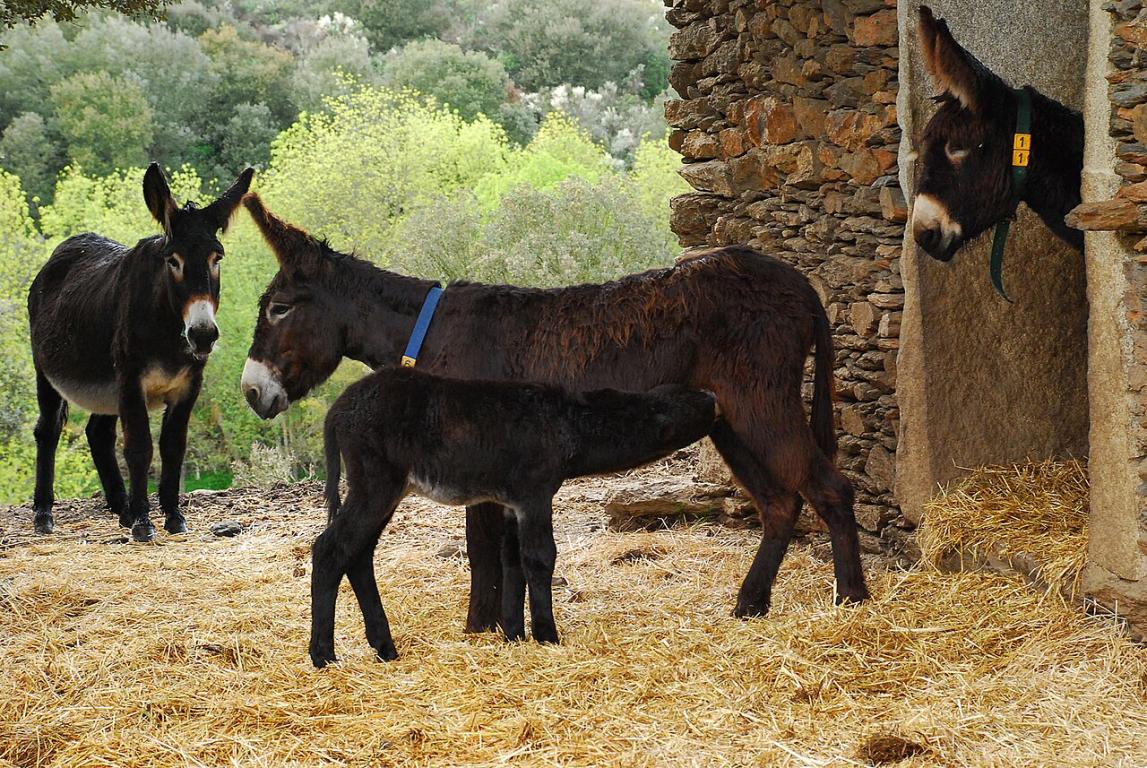
The Miranda Donkey is a donkey breed native to the Terra de Miranda region, around Miranda do Douro, in the Bragança District of northeastern Portugal. This historic area of Trás-os-Montes is known for its plateaus, rugged terrain and contrasting climate, all of which have played an important role in shaping the breed.
For centuries, the Miranda Donkey assisted farmers with their daily work. Its strength, endurance and sure-footedness made it particularly well suited for carrying loads, draft work and travelling across difficult terrain where machinery could not easily operate.
With the mechanization of agriculture, the breed's population declined significantly. Today, the Miranda Donkey is regarded as an important part of Portugal's genetic and cultural heritage. It is the focus of conservation programs aimed at preserving both the breed and the traditional breeding practices associated with it.
The Miranda Donkey is primarily bred in the Terra de Miranda region, around Miranda do Douro, in the Bragança District of northeastern Portugal. This area forms part of the historic Trás-os-Montes region, where the breed has been established for centuries.
The breed is mainly found on family farms and in rural areas characterized by plateaus, valleys and rugged landscapes. These conditions have contributed to the selection of hardy animals well adapted to demanding environments.
Although a small number of breeders can be found in other parts of Portugal and occasionally abroad through conservation initiatives, the breed's main breeding population remains concentrated in its historic homeland in northeastern Portugal.


The Miranda Donkey is one of Portugal's main native donkey breeds. Preserving the breed helps maintain the genetic diversity of donkey populations across the Iberian Peninsula, where several local breeds now have reduced population sizes.
Over generations, the breed has been selected for its hardiness, endurance, resilience, and ability to thrive in mountainous terrain and the climatic conditions of northeastern Portugal. These traits make it an excellent example of how local breeds adapt to their environment.
The Miranda Donkey is managed through a studbook and benefits from breeding and conservation programs designed to preserve its genetic diversity. These initiatives aim to reduce genetic erosion and ensure the long-term survival of this important heritage breed.
The exact origins of the Miranda Donkey are not precisely known. The breed developed over centuries in the Terra de Miranda region of northeastern Portugal, where it was shaped by the needs of rural communities and the natural conditions of the area.
For many generations, the Miranda Donkey played a vital role on farms. It was used for draft work, carrying loads, and travelling through mountainous areas, where its strength and endurance were especially valued.
During the 20th century, the mechanization of agriculture led to a significant decline in the breed's population. In response, registration, breeding and conservation programs were established to preserve this valuable genetic and cultural heritage, notably through the creation of a studbook and the involvement of specialized organizations.
The Miranda Donkey is known for its calm, gentle and patient temperament. When properly handled and socialized, it generally develops a strong relationship with people.
Like many donkeys, it displays considerable intelligence and a thoughtful nature. Its natural caution allows it to assess situations before acting, a valuable trait when travelling across difficult terrain.
Accustomed to agricultural work and carrying loads, the Miranda Donkey is recognized for its strength, endurance and ability to work consistently. Its steady temperament also makes it well suited to animal-assisted activities and leisure purposes.
The future of the Miranda Donkey depends primarily on preserving its population and maintaining its genetic diversity. Like many native donkey breeds, it continues to face challenges linked to the declining number of breeders and changing agricultural practices.
Conservation, breeding and public awareness initiatives are helping to increase the breed's visibility. Its use in rural tourism, animal-assisted activities and heritage promotion also contributes to its long-term preservation.
The breed's future depends on the continuation of breeding programs and the commitment of breeders and conservation organizations. Preserving the Miranda Donkey is important for safeguarding Portugal's rural heritage and domestic biodiversity.
The Miranda Donkey is considered a hardy and resilient breed, having been selected over centuries to work in the sometimes challenging conditions of northeastern Portugal. There are no widely documented hereditary genetic disorders specifically associated with the breed.
Like all donkeys, its health depends primarily on an appropriate diet, regular hoof care, veterinary monitoring, and effective parasite control. Particular attention should be given to preventing obesity, as donkeys are naturally efficient at utilizing feed.
Although generally robust, the Miranda Donkey may be affected by common equine health issues, including hoof problems, internal parasites, and certain infectious diseases. Regular preventive care is usually sufficient to maintain its health and longevity.