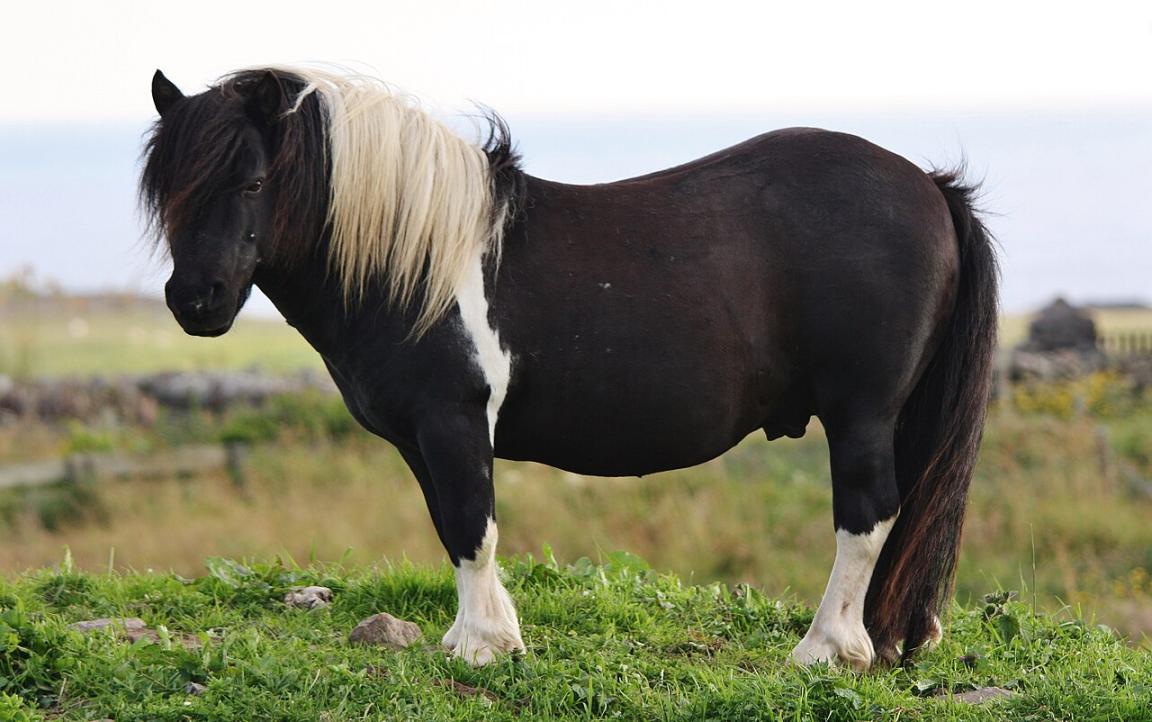
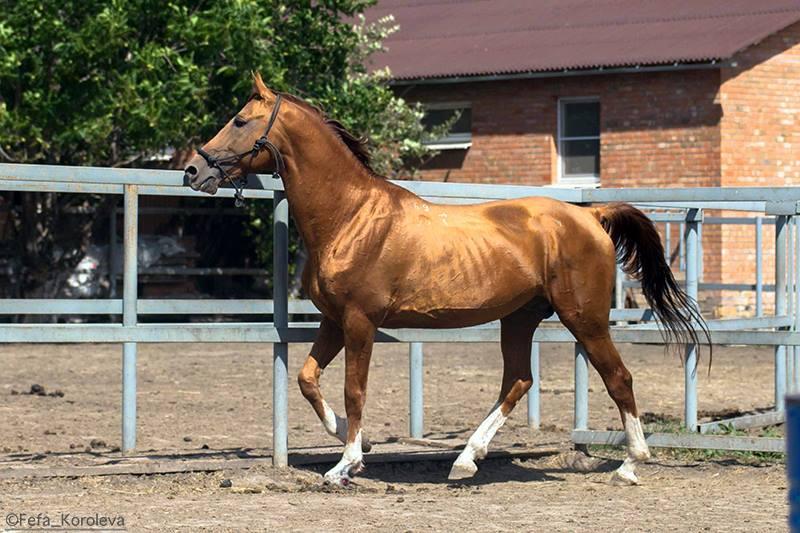
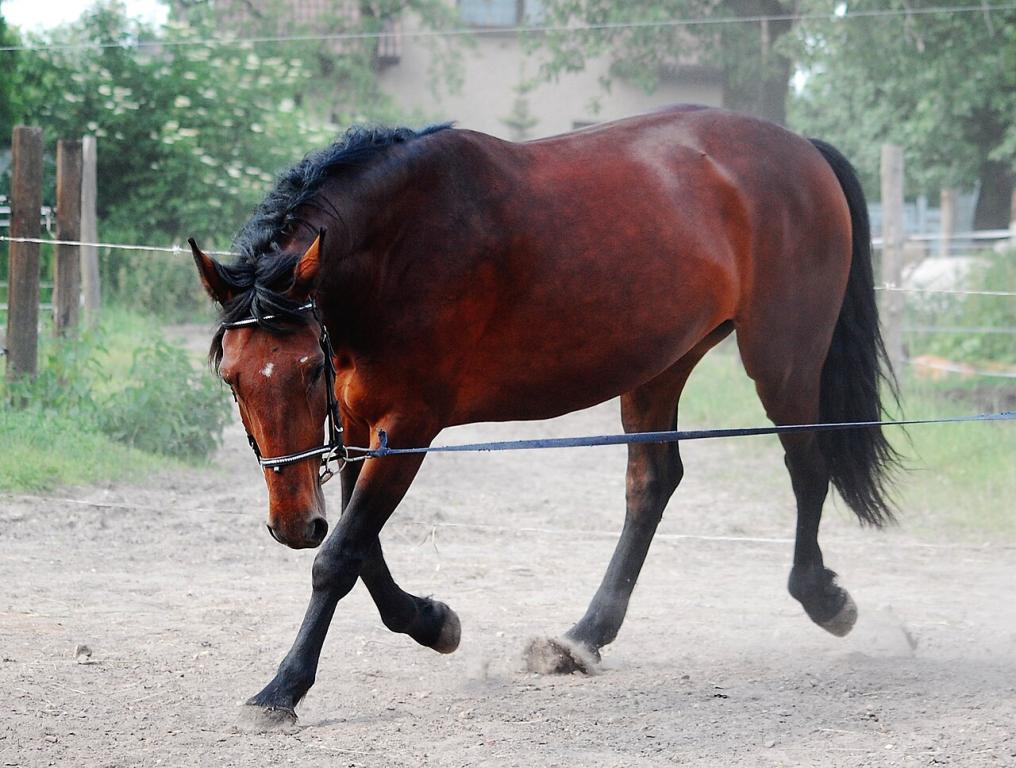
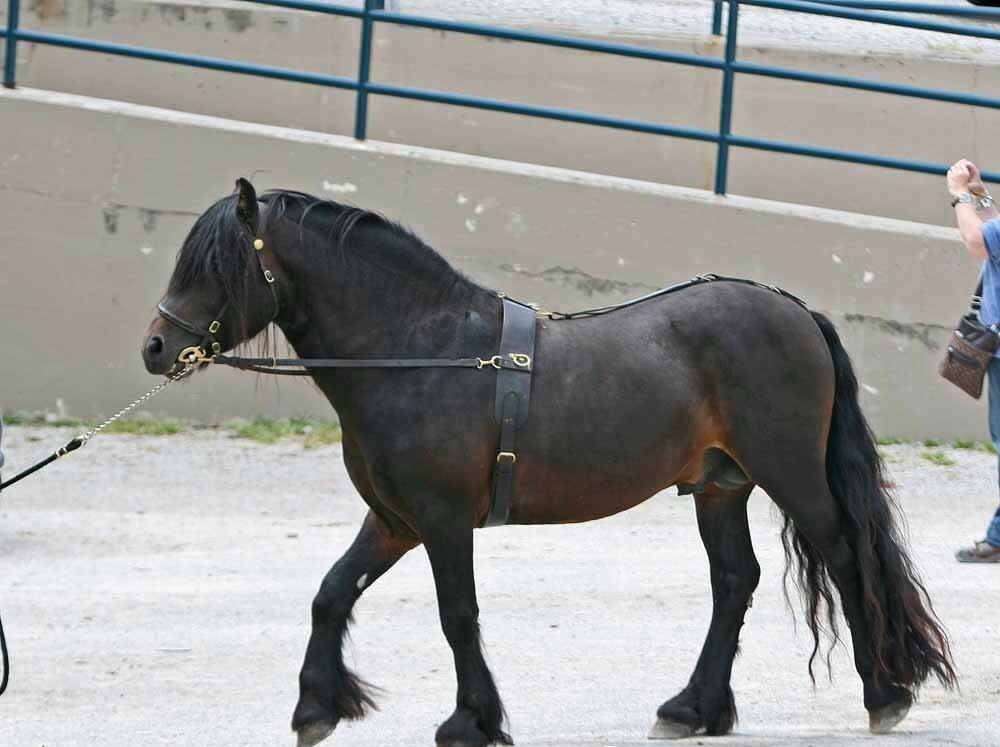
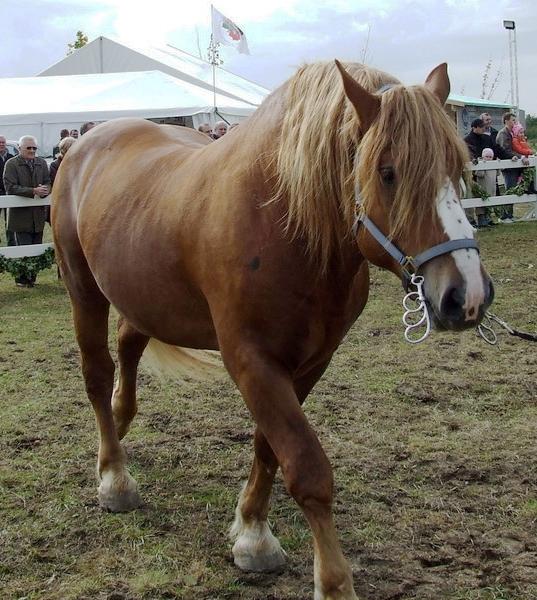
Discover the French Saddle Pony, a versatile sport pony prized for show jumping, dressage and eventing.
By the Chevaux du Monde editorial team · Published on · Updated on

The French Saddle Pony, also known as the PFS, is a French breed whose development began during the 1960s. The first mares used to establish this population were small ponies found mainly in Mayenne and the Pays de la Loire, as well as in Normandy and Brittany.
These mares were crossed with stallions from several breeds, particularly the Connemara, New Forest, Welsh and Arabian. Other pony breeds were later introduced into the breeding programme. These diverse origins explain why the PFS has a less uniform conformation than older breeds with more closed studbooks.
The aim of these crosses was to produce a high-performing, versatile saddle pony suited to young riders. Selective breeding gradually shaped its conformation towards that of a small sport horse, particularly suited to show jumping, dressage and eventing.
The French National Saddle Pony Association, founded in 1969, helped organise and develop the breeding programme. The population was initially registered under the name Poney de Croisement, meaning “Crossbred Pony”. Its studbook was established in 1972, before the official name Poney Français de Selle was adopted in 1991.
Breeding of the French Saddle Pony initially developed in western France, particularly in Mayenne, the Pays de la Loire, Normandy and Brittany. These regions were home to the small pony mares used in the early crosses that founded the breed.
As pony riding and competitions for young riders developed, PFS breeding gradually spread throughout France. The breed is therefore no longer confined to a strictly defined breeding area within its historic region of origin.
Breeding farms are particularly common in regions where sport horse and sport pony breeding is well established. Selection is based notably on performance in show jumping, dressage and eventing, encouraging the breed’s presence around France’s main competition and young-pony development centres.
The French Saddle Pony also has a degree of international distribution, particularly through the export of breeding stock and competition ponies. However, the breed remains primarily associated with France, where its studbook and breeding programme are managed.
The French Saddle Pony has particular genetic importance because of its multi-breed origins. It was developed notably by crossing French pony mares with Connemara, New Forest, Welsh and Arabian breeding stock. This process brought together qualities sought after in a sport pony within a single population.
The breeding programme primarily aims to strengthen the abilities required for show jumping, dressage and eventing. Breeding stock is selected to improve movement, balance, jumping ability, conformation and athletic aptitude, while retaining a size suitable for young riders.
Under certain conditions, the studbook allows breeding animals from other recognised breeds to be used. These bloodlines can introduce new qualities or improve particular characteristics without completely closing the population. The PFS therefore continues to develop through an open but regulated breeding programme, rather than through the preservation of a strictly closed, ancient breed type.
Its diverse origins are an asset, but they must be carefully managed to prevent the excessive use of the same stallions and an increase in inbreeding. Monitoring pedigrees, performance records and breeding animals helps preserve sufficient genetic diversity while gradually making the breed’s sport-pony type more consistent.
The French Saddle Pony primarily contributes to the development of competition ponies in France. However, it should not be credited with any major, clearly documented influence on the creation of other breeds. Its genetic importance lies above all in its ability to combine several bloodlines to produce a high-performing and versatile French sport pony.
The history of the French Saddle Pony began during the 1960s, when French breeders sought to produce a pony suited to the growing popularity of competitive riding among young riders. Small pony mares bred mainly in Mayenne, Normandy and Brittany were crossed with Connemara, New Forest, Welsh and Arabian stallions.
The Association Nationale du Poney Français de Selle, or ANPFS, was founded in 1969 to organise these crosses, guide selection and promote the new population. At that time, it had not yet adopted its current name: the resulting animals were grouped under the designation Poney de Croisement, meaning “Crossbred Pony”.
The Poney de Croisement studbook was established in 1972. This made it possible to register ponies, trace their pedigrees and progressively organise the breeding programme. Unlike ancient breeds formed around a relatively stable traditional type, this population was developed from the outset through selective crossbreeding for sporting improvement.
In 1991, the name Poney de Croisement was replaced by Poney Français de Selle. This change reflected the emergence of a distinct population selected in France and its development towards the model of a small sport horse, rather than that of a traditional hardy pony.
Over successive generations, selection increasingly focused on performance in show jumping, dressage and eventing. Competition results, movement, conformation and suitability for young riders gradually became central criteria in the selection of breeding stock.
The PFS remains a relatively recent breed with diverse origins and conformation. Its studbook still permits certain controlled introductions of outside bloodlines, allowing breeders to continue improving its sporting qualities. Its history is therefore defined less by the preservation of an ancient type than by the ongoing development of a high-performing and versatile French competition pony.
The French Saddle Pony is valued for its good temperament and suitability for young riders. From the breed’s beginnings, selection aimed to produce a willing, responsive and sufficiently reliable pony for children’s riding.
The PFS should display energy, responsiveness and willingness to work. Its sporting orientation also requires courage, confidence and a good capacity for learning, particularly in show jumping, dressage and eventing.
Its manoeuvrability and versatility allow it to perform both in riding schools and in competition. Depending on its training and individual temperament, it may suit a range of riders, from children learning to ride to experienced young competitors.
Because the PFS was developed through crossbreeding involving several breeds, its temperament is not completely uniform. Some individuals are calm and straightforward, while others may be more sensitive, energetic or demanding. Temperament therefore depends greatly on bloodlines, upbringing, level of training and living conditions.
Being registered as a PFS does not automatically mean that an individual pony will be suitable for a beginner. Competition ponies may be highly spirited and require experienced guidance. Matching the pony’s temperament and experience to the rider’s ability remains essential.
The future of the French Saddle Pony remains closely linked to the development of a high-performing sport pony for young riders. Selection is likely to continue prioritising movement, balance, conformation, jumping ability and aptitude for show jumping, dressage and eventing.
Thanks to its relatively open studbook, the PFS can benefit from controlled introductions of outside bloodlines. These crosses can bring new sporting qualities and gradually improve consistency within the breed while preserving the genetic diversity that remains one of its distinctive features.
One of the main challenges will be to maintain sufficient genetic diversity while continuing to improve sporting performance. Monitoring pedigrees, inbreeding levels and the use of breeding animals will be essential to prevent the population from becoming overly concentrated around a small number of highly sought-after stallions.
Although competition remains central, the breed’s future will also depend on its ability to retain versatile, functional ponies suited to young riders. Temperament, rideability, health and long-term athletic soundness are important criteria for avoiding selection based exclusively on competition results.
The performances achieved by certain PFS ponies may increase the breed’s recognition and commercial appeal outside France. Further international development remains possible within the competition pony sector, although it would be premature to predict significant expansion without reliable data on exports and populations bred abroad.
The French Saddle Pony is not associated with a single hereditary disease systematically affecting the entire breed. However, its highly diverse genetic background may introduce certain mutations found in its foundation bloodlines. The risk should therefore be assessed individually through pedigree analysis and genetic testing.
Testing for type 1 polysaccharide storage myopathy, or PSSM1, is compulsory for all new stallions seeking approval. This genetic disorder affects glycogen storage in the muscles and may cause stiffness, muscular pain, exercise intolerance or episodes resembling exertional rhabdomyolysis, commonly known as “tying-up”. However, this testing requirement does not mean that all PFS ponies are predisposed to the condition or carry the mutation.
Congenital myotonia is also monitored because the New Forest Pony was historically used in the development of the PFS. This recessive disorder causes abnormally prolonged muscle contraction. A healthy carrier shows no symptoms, but mating two carriers may produce an affected foal. Testing is compulsory for stallions with a known carrier among their ancestors within five generations, unless non-transmission of the mutation has already been established.
A positive test result does not automatically exclude a stallion from the studbook. The essential requirement is to know the genetic status of breeding animals and avoid matings that could produce an affected foal. Tests may also be available for other conditions, including hoof wall separation disease (HWSD), but their availability alone does not demonstrate a general predisposition within the PFS breed.
Like any pony used in competition, the PFS should receive progressive training, regular monitoring of the musculoskeletal system, appropriate hoof care and a diet suited to its workload. These precautions relate to its sporting use and do not provide evidence of any inherent weakness affecting the breed.