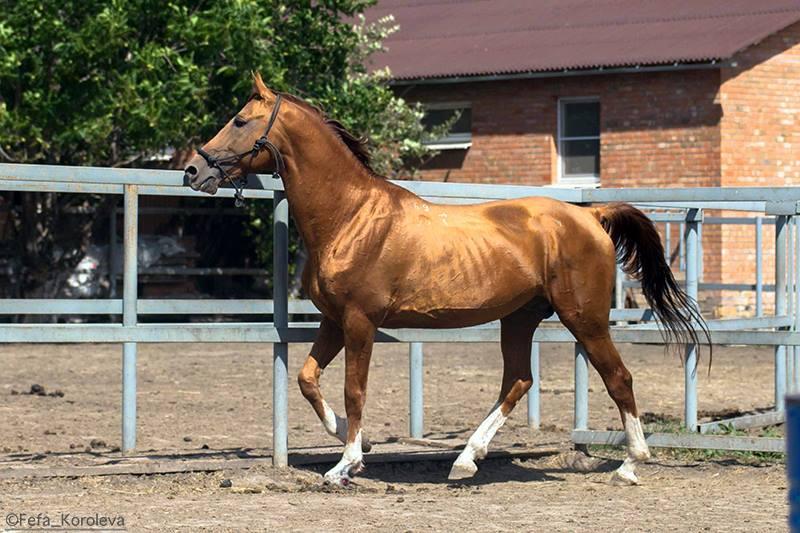
The Albanian Pony is a hardy small horse adapted to the country’s varied terrain. Explore its two types, uses, conformation and conservation.
By the Chevaux du Monde editorial team · Published on · Updated on
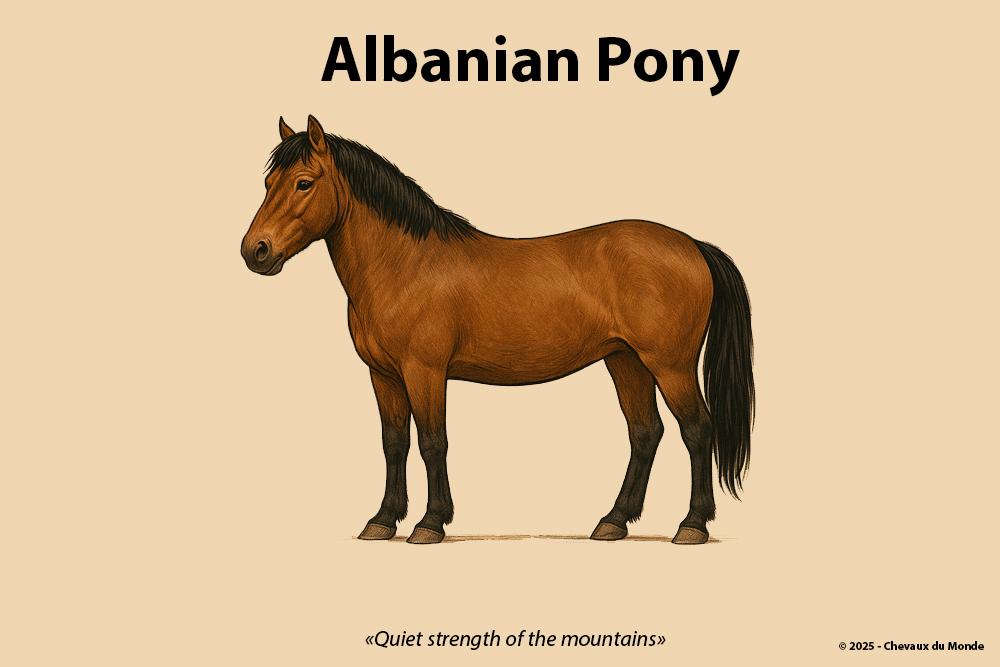
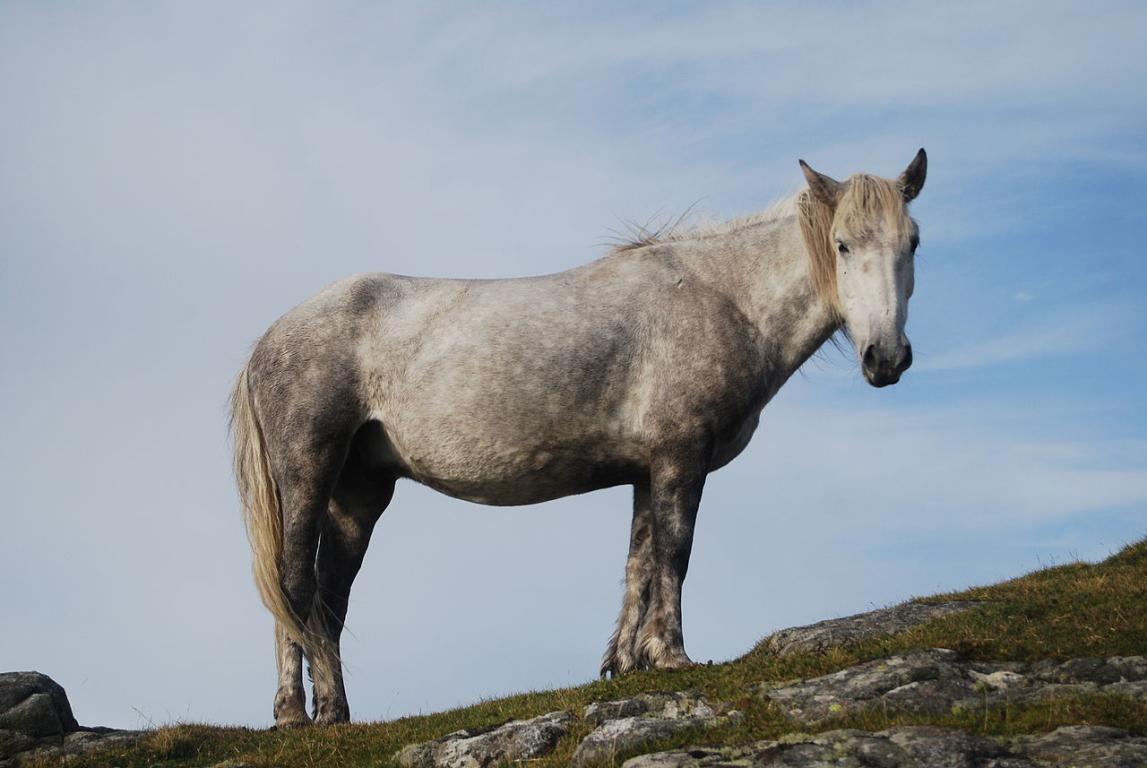
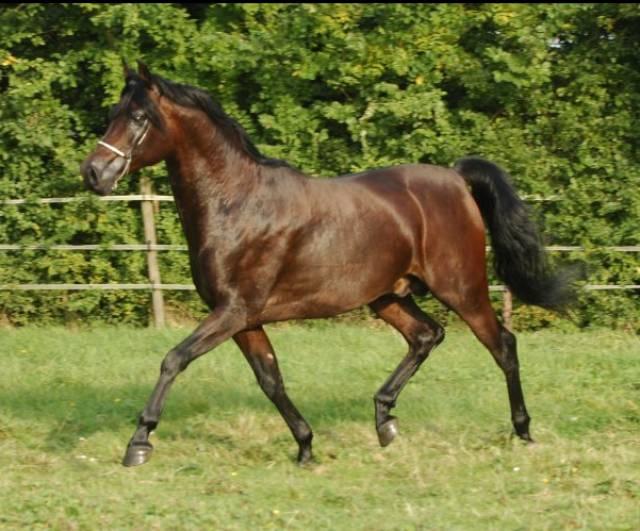
The Albanian Pony, known as Kali shqiptar in Albanian and recorded as Comune in DAD-IS, is a local horse population originating from Albania. It belongs to the wider group of small horses traditionally raised throughout the Balkans.
Zootechnical descriptions traditionally distinguish a smaller Mountain type and a lowland type known as the Myzeqea. The Oklahoma State University breed profile explains that interbreeding between these populations has gradually made the distinction less clear.
Breeding is primarily concentrated in Albania. The Mountain type is associated with rugged upland regions, while the Myzeqea type developed in the lowlands of the region bearing the same name.
The Albanian Pony remains uncommon outside its country of origin. It has neither the international distribution nor the extensive pedigree organization of the major European breeds. In the FAO’s DAD-IS database, the local Albanian population is recorded under the name Comune.


The Albanian Pony forms part of the equine heritage of the Balkans. Its importance lies in its historical adaptation to local conditions and in the preservation of a horse population shaped by agricultural work and travel across varied terrain.
Available records mainly describe its conformation, traditional uses and status as a local population. They do not provide sufficiently detailed genomic characterization to measure its diversity accurately or establish its relationships with other Balkan horses. Conservation measures should therefore avoid reducing the remaining diversity before it has been properly studied.
The Albanian Pony developed as a versatile working animal used for transport, pack work, driving and various agricultural tasks. Its small size and practical build met the needs of both mountainous regions and cultivated lowlands.
Zootechnical sources report the use of Arabian horses in crossbreeding programmes from the beginning of the twentieth century. Haflinger and Nonius horses were later introduced, particularly to increase size and working ability. These crosses, together with exchanges between Mountain and lowland horses, contributed to making the boundaries between the historical types less distinct.
Before agricultural mechanization became widespread, horses played an important role in transport and everyday work in Albania. Changes in rural practices reduced this economic function, increasing the present need for updated monitoring of the population.
Available descriptions present the Albanian Pony as a hardy horse with stamina and a willingness to work. These qualities are consistent with its historical use for transport, driving and agricultural tasks, although they are mainly based on breed descriptions rather than standardized behavioural studies.
Behaviour also depends on the individual, its training, living conditions, previous experiences, selection and the experience of its rider or driver. Belonging to this population does not guarantee docility or suitability for inexperienced handlers.
Preserving the Albanian Pony requires recent population surveys, better identification of breeding animals and characterization of its two historical types. Older assessments are not sufficient to determine the population’s current status with certainty. Maintaining its rural roles, together with appropriate development of driving and light working uses, may support conservation without artificially transforming it into a specialized sport breed.
Available scientific data do not identify any specific inherited predisposition that is solidly documented in the Albanian Pony. This absence of reported conditions does not demonstrate that the population is free from genetic risks, as it remains poorly studied. As with every equine, veterinary care, parasite control, dental care, hoof maintenance, appropriate nutrition and a suitable workload remain essential.
- Walk: Steady, energetic, and very stable on uneven ground.
- Trot: Active, slightly short but well sustained, with a good rhythm.
- Canter: Rarely used, not very extended but well-balanced over short distances.
- Note: Some individuals display a naturally elevated gait, close to an amble, which provides greater rider comfort over long distances. However, this remains rare and is not standardized.