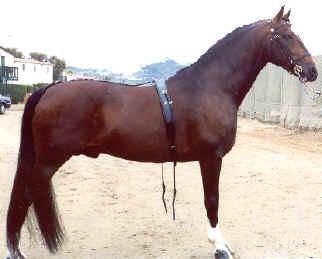
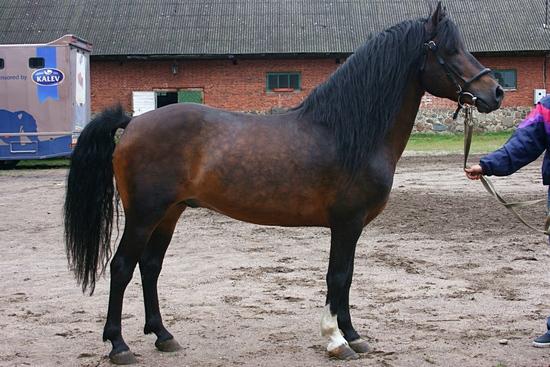
Why is the Kabardian considered one of the world's finest mountain horses? Discover its history, temperament, conformation, and uses.
By the Chevaux du Monde editorial team · Published on · Updated on
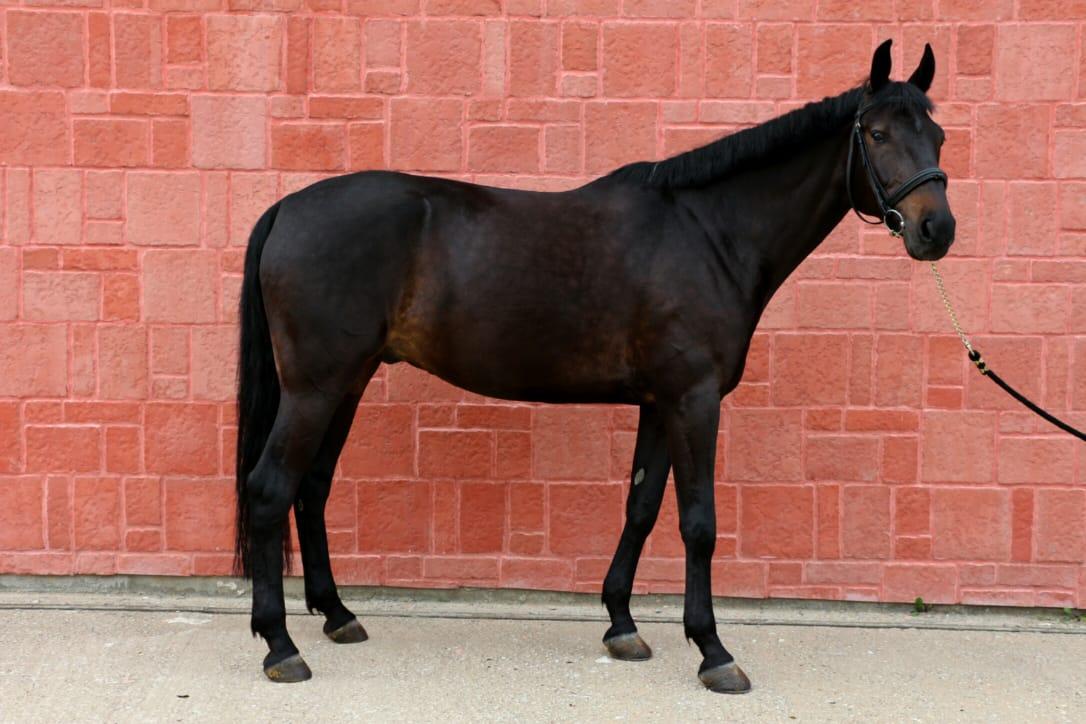
Type: Riding Horse
Continent: Europe
Country: Russia
Weight: 400 – 500 kg
Height: 145 – 155 cm
Name: Stud Book of the Kabardian Horse
Founded: 1935
The Kabardian is an ancient horse breed originating from the mountains of the North Caucasus, primarily in present-day Kabardino-Balkaria, Russia. Developed over several centuries by the Kabardian people, it is believed to have resulted from crosses between local mountain horses and Oriental breeds such as the Arabian, Karabakh, and Turkmen horses.
Selected in a demanding mountainous environment, the Kabardian gained an outstanding reputation for its endurance, hardiness, sure-footedness, and ability to travel long distances across difficult terrain. For centuries, it was used for transportation, military travel, and caravan routes through the mountain passes of the Caucasus.
The Kabardian is primarily bred in the North Caucasus, particularly in Kabardino-Balkaria, which is considered the historical homeland of the breed. This mountainous region of the Russian Federation has played a major role in shaping the breed's renowned hardiness, endurance, and sure-footedness.
The breed is also found in several neighboring regions of the Caucasus, including Karachay-Cherkessia, North Ossetia, and other mountainous areas of southern Russia. The similar geographical conditions of these territories have helped support the spread and preservation of the breed over the centuries.
The Kabardian is traditionally raised in mountainous areas, high plateaus, and foothill regions, where it can fully express its natural abilities. Breeding systems generally favor extensive management practices that allow horses to develop their physical resilience, agility, and ability to travel efficiently across difficult terrain.
Although some breeding programs exist in other parts of Russia and, more rarely, in a few European countries, the Kabardian remains a relatively uncommon breed outside the Caucasus. The majority of the world's population is still concentrated within its native range, where conservation and breeding programs help maintain its traditional characteristics.


The Kabardian represents a valuable genetic resource among the mountain horse breeds of Eurasia. Selected for centuries under the demanding conditions of the Caucasus, it possesses rare qualities such as exceptional sure-footedness, remarkable endurance, strong resistance to harsh climatic conditions, and an outstanding ability to navigate steep and rugged terrain.
The breed is particularly valued for its ability to pass on traits such as hardiness, efficient use of limited feed resources, physical resilience, and longevity. These characteristics have attracted interest in breeding programs seeking horses capable of working and performing in challenging environments while maintaining good overall health.
The Kabardian played an important role in the development of the Anglo-Kabardian, a breed created through crosses between the Kabardian and the Thoroughbred. The objective was to combine the speed and athletic qualities of the Thoroughbred with the endurance, strength, and mountain aptitude of the Kabardian. This contribution highlights the breed's recognized genetic value in equine improvement programs.
The Kabardian also represents an important part of the equine genetic heritage of the Caucasus. Preserving the breed helps maintain unique adaptations that developed over centuries within a specific mountainous environment. This genetic diversity is particularly valuable at a time when many local horse breeds are experiencing population declines.
Thanks to its distinctive characteristics and ancient history, the Kabardian contributes to the preservation of global equine genetic biodiversity. Maintaining the breed helps safeguard genes associated with endurance, resilience, and adaptation to difficult environments, which may remain valuable for future breeding and conservation programs.
The Kabardian is one of the oldest horse breeds of the North Caucasus. Its development is closely linked to the Kabardian people, a horse-oriented culture established in present-day Kabardino-Balkaria. For centuries, these breeders selected horses capable of surviving and working in a challenging mountain environment characterized by steep terrain, harsh winters, and long distances.
Throughout its history, the Kabardian likely benefited from genetic contributions from several Oriental horse breeds. Arabian, Turkmen, Persian, and Karabakh horses are believed to have contributed to the improvement of the local stock. These crosses helped strengthen endurance, hardiness, and movement quality while preserving the breed's exceptional adaptation to the mountains of the Caucasus.
For centuries, the Kabardian played a vital role in the daily lives of local populations. Used as a riding horse, pack horse, and means of transportation, it enabled people to cross mountain passes and travel long distances under demanding conditions. Its reputation as a reliable and tireless horse gradually spread far beyond its native homeland.
The qualities of the Kabardian were also recognized in military contexts. Its endurance, courage, and ability to travel across difficult terrain made it a valued mount among Caucasian horsemen as well as certain units of the Russian Empire. For a long time, the breed was regarded as one of the finest mountain horses in the region.
During the twentieth century, Soviet authorities undertook efforts to organize and standardize the breed's development. The Kabardian Stud Book was officially opened in 1935, allowing more rigorous pedigree tracking and structured breeding selection. This period helped establish the modern characteristics of the breed while preserving its traditional qualities.
To produce faster horses while retaining the Kabardian's hardiness, crosses with the Thoroughbred were carried out during the twentieth century. These breeding programs led to the creation of the Anglo-Kabardian, a distinct breed combining the athletic abilities of the Thoroughbred with the mountain qualities of the Kabardian.
Today, the Kabardian remains one of the emblematic horse breeds of the Caucasus. Although its population is smaller than that of many international sport horse breeds, it continues to be actively bred in its native homeland. Its qualities of hardiness, endurance, sure-footedness, and adaptation to mountainous terrain remain highly valued.
The Kabardian is generally recognized for its calm, steady, and well-balanced character. Selected over centuries to accompany the peoples of the Caucasus through challenging environments, it has developed strong emotional stability and an ability to remain composed when faced with new or stressful situations.
The breed is renowned for its intelligence and analytical mindset. Accustomed to navigating narrow and sometimes dangerous mountain trails, the Kabardian has learned to assess its surroundings with caution. This quality often results in thoughtful behavior rather than impulsive reactions.
One of the most valued behavioral traits of the Kabardian is its remarkable sure-footedness. Even on steep or rugged terrain, it displays caution and generally chooses its footing carefully. This ability is closely linked to the breed's long history of development in the mountains of the Caucasus.
The Kabardian is known for its stamina and willingness to work. It is capable of covering long distances while maintaining both energy and motivation. This physical endurance is usually accompanied by strong mental resilience, making it a reliable companion for extended trail rides and expeditions.
Although it can display a certain degree of independence in some situations, the Kabardian often develops a strong relationship of trust with its rider. It responds particularly well to consistent and respectful training methods, typically showing a cooperative and willing attitude.
Thanks to its stable temperament, natural caution, and hardiness, the Kabardian is especially appreciated for trail riding, trekking, and other outdoor equestrian activities. Its dependable behavior is one of the main reasons for its reputation as an outstanding mountain horse.
The Kabardian remains a relatively small horse breed on a global scale. Like many regional breeds, its future largely depends on conservation efforts carried out by breeders, breeding organizations, and local authorities to preserve its historical characteristics and genetic diversity.
Changes in modern equestrian practices have led to renewed interest in horses known for their hardiness, endurance, and ability to thrive under extensive management conditions. Thanks to these qualities, the Kabardian possesses traits that appeal to many trail riders, endurance competitors, and equestrian tourism enthusiasts.
The Kabardian's natural qualities, particularly its sure-footedness, balance, and stamina, could support its continued development in outdoor riding disciplines. The breed is especially well suited to activities that involve covering long distances across varied and sometimes challenging terrain.
One of the main challenges facing the breed is maintaining sufficient genetic diversity. Breeding programs aim to preserve the Kabardian's traditional characteristics while reducing the risks associated with a limited population size. This work is essential to ensuring the breed's long-term survival.
The Kabardian represents an important part of the cultural and equestrian heritage of the Caucasus. Promoting its history, abilities, and role in local traditions could help increase awareness of the breed and encourage its continued breeding in the future.
Although the Kabardian is unlikely to become a widely distributed international breed, its unique qualities as a mountain horse, combined with its hardiness and adaptation to difficult environments, provide encouraging prospects in the fields of trail riding, endurance riding, and the preservation of traditional heritage breeds.
The Kabardian is considered a particularly hardy and resilient horse breed. Selected over centuries in the often demanding conditions of the Caucasus, it has developed an excellent ability to adapt to climatic variations, rugged terrain, and sometimes limited food resources. This natural selection has contributed to its overall strength and longevity.
Thanks to its traditional mountain breeding and a selection process strongly focused on endurance and survival, the Kabardian generally shows good resistance to many common equine health issues. Its robust constitution and exceptionally strong hooves are major advantages for work and travel across difficult terrain.
Like all horse breeds, the Kabardian can be affected by certain locomotor conditions. Horses used intensively for trail riding, endurance competitions, or demanding work may be exposed to injuries involving tendons, ligaments, or joints. Appropriate training management, hoof care, and conditioning generally help reduce these risks.
Although the breed maintains a relatively stable population within its native region, its numbers remain modest compared to those of major international breeds. Breeding programs therefore place particular emphasis on maintaining sufficient genetic diversity in order to reduce the risks associated with inbreeding and preserve the overall health of the population.
At present, no specific inherited genetic disorder is widely recognized as being strongly associated with the Kabardian in the available scientific and equine literature. The breed generally enjoys a reputation as a healthy, robust, and well-adapted horse suited to its traditional environment.