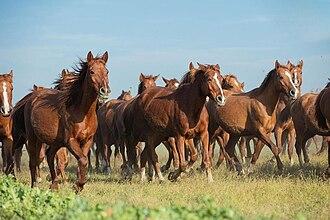
Württemberg – Elegant and sporty breed, ideal for dressage, jumping and driving.
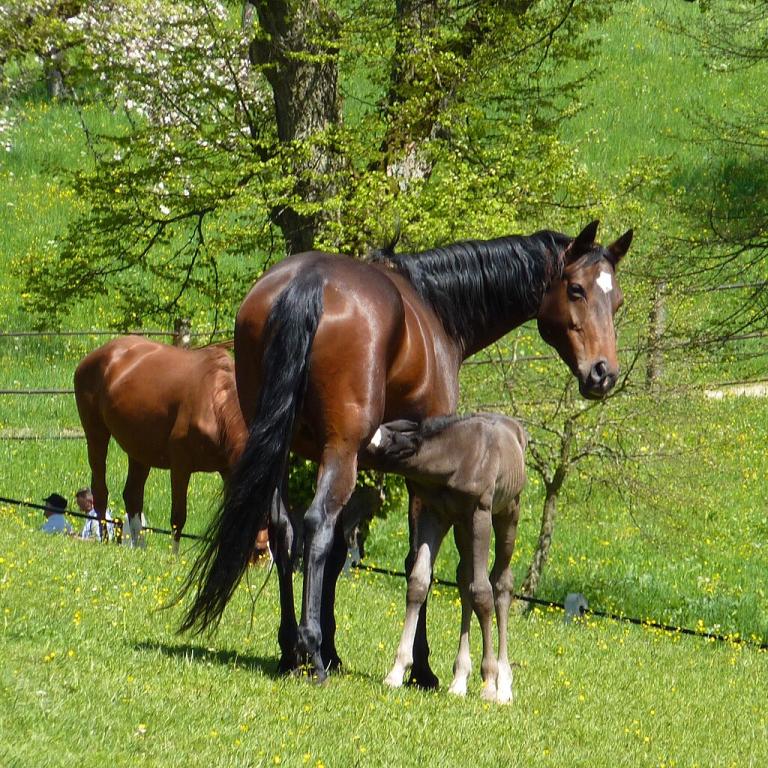
Type: Riding Horse
Continent: Europe
Country: Germany
Weight: 400 – 650 kg
Height: 160 – 175 cm
Name: Pferdezuchtverband Baden‑Württemberg e.V. (DSP depuis 2014)
Founded: 1985
The Württemberg Horse, commonly known as the Württemberger, originates from the Baden-Württemberg region in southwestern Germany. Its development is closely linked to the Marbach State Stud, founded in 1552, making it one of the oldest continuously operating state studs in Europe.
This region, located at the intersection of Germanic and Swiss influences, has long been a major center of horse breeding. Early development involved crossings between:
With the decline of agricultural and military uses, the breed was progressively refined into a sport horse through the introduction of:
Today, the Württemberger represents a German zootechnical synthesis, combining versatility, elegance, and athletic performance.
The Württemberger is primarily bred in Baden-Württemberg, with a central role played by the Marbach State Stud, located in the Swabian Jura (Schwäbische Alb).
Key areas include:
Through its integration into the DSP, breeding is also present in:
Breeding is now well-organized but remains strongly connected to its historical roots, ensuring genetic continuity and cultural heritage.


The Württemberger plays an important genetic role within German sport horse breeding. Since 2014, it has been integrated into the Deutsches Sportpferd (DSP), which объединяет several regional stud-books.
This structure promotes:
Certain stallions have significantly shaped the breed, including:
They contributed to improving:
The Württemberger is known for transmitting:
Its genetics contribute to strengthening DSP bloodlines while preserving functional traits, particularly through the rare Altwürttemberger lines.
The history of the Württemberger begins with the founding of the Marbach State Stud in 1552 by Duke Christoph of Württemberg.
From the 16th to the 19th century, it was a multi-purpose horse used for:
In 1895, an official stud-book was established, defining a rustic and versatile warmblood type.
After World War II, breeding shifted toward sport. Two key stallions:
The integration into the Deutsches Sportpferd marked a new phase of:
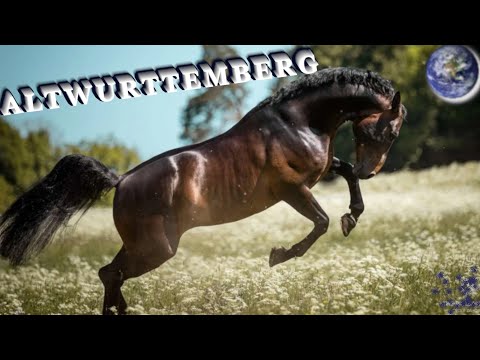
A traditional type, the Altwürttemberger, still exists but is now rare and preserved for genetic and historical conservation.
The Württemberger combines:
It is suitable for both:
Thanks to its integration into the Deutsches Sportpferd, the Württemberger enjoys increasing recognition in Europe.
Breeding objectives focus on producing horses that are:
The Altwürttemberger, a more rustic and traditional type, is currently critically endangered. Conservation programs—especially at the Marbach State Stud—aim to preserve this genetic heritage.
Integration into the DSP encourages:
Beyond high-level sport, the Württemberger is increasingly used for:
The Württemberger is considered a healthy and robust breed, supported by structured breeding programs. It shows good longevity and durability, particularly in sport.
The average life expectancy is between 25 and 30 years, which is typical for warmblood sport horses.
Its sport career can last many years, provided:
Like many sport horses, some vulnerabilities may occur:
The breed generally has a balanced metabolism but requires:
Health issues are usually linked to:
Within the Deutsches Sportpferd framework, strict selection and monitoring help maintain a high overall health standard.
- Walk: A natural four-beat gait, wide, regular, and well-cadenced. The Wurttemberger engages the hindquarters effectively, resulting in a fluid walk that is highly rated in dressage.
- Trot: A two-beat, symmetrical gait, supple and with good suspension. It is distinguished by its natural bounce and expression, making it ideal for dressage and driving.
- Canter: A three-beat gait with a moment of suspension. The Wurttemberger shows a balanced, fluid, and energetic canter, capable of collecting and extending according to the demands of jumping or dressage.
Born on 01/01/2001
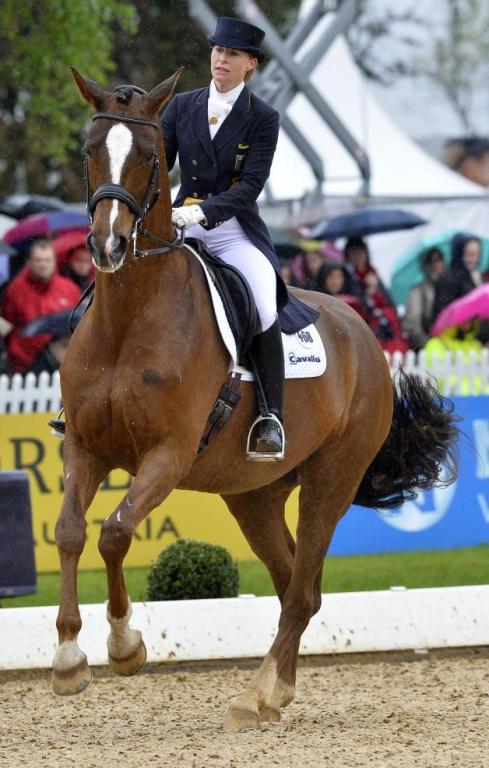
Talented Grand Prix dressage mare, ridden by Nadine Capellmann (Germany). She represented Germany in international competitions, earning multiple top placings in CDI 4★ and 5★ events, notably in Munich-Riem.
Girasol is renowned for her expressive gaits, suppleness, and powerful mind.
Born on 01/01/2014
German Dressage Champion in 2020 in the 6-year-old category at the Bundeschampionate, ridden by Jessica Lynn Thomas. Widely praised for his rhythmic trot and steadily improving temperament.
Born on 01/01/2006
Approved stallion, scored 7.96 in dressage and 7.63 in show jumping during his 30-day test in 2009. Competed at Petit Tour level (Prix St Georges) between 2011 and 2019.

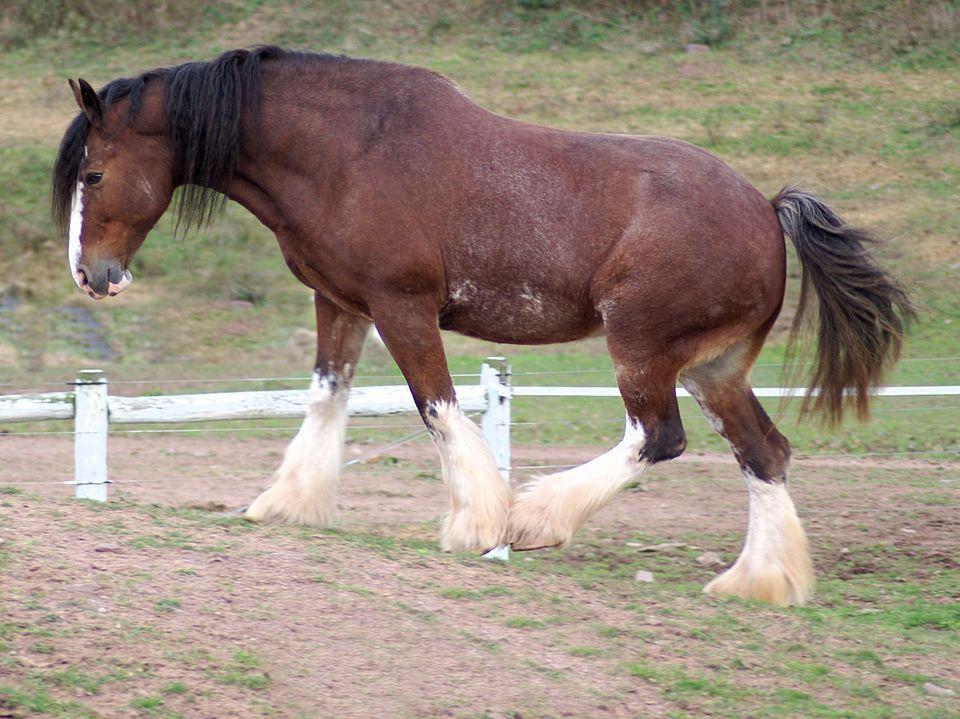
The Wuerttemberg is one of Germany’s most historic breeds, since the Marbach Stud, where it was first developed, has been producing quality horses since the sixteenth century. The original, or old type of Wuerttemberg was a strong cob-like horse, capable of performing a wide range of tasks. They are now very rare, and people who buy a Wuerttemberg are helping to maintain an important part of Germany’s equine history. Few examples today exist of the old type, and so it has become increasingly difficult to find anyone who will sell a Wuerttemberg of this kind. Possibly interest will grow as more people discover the friendly nature and reliability of a more traditional style of horse.