The Caspian is a rare horse breed from Iran. Discover its fascinating history, temperament, athletic abilities, and ancient origins.
By the Chevaux du Monde editorial team · Published on · Updated on
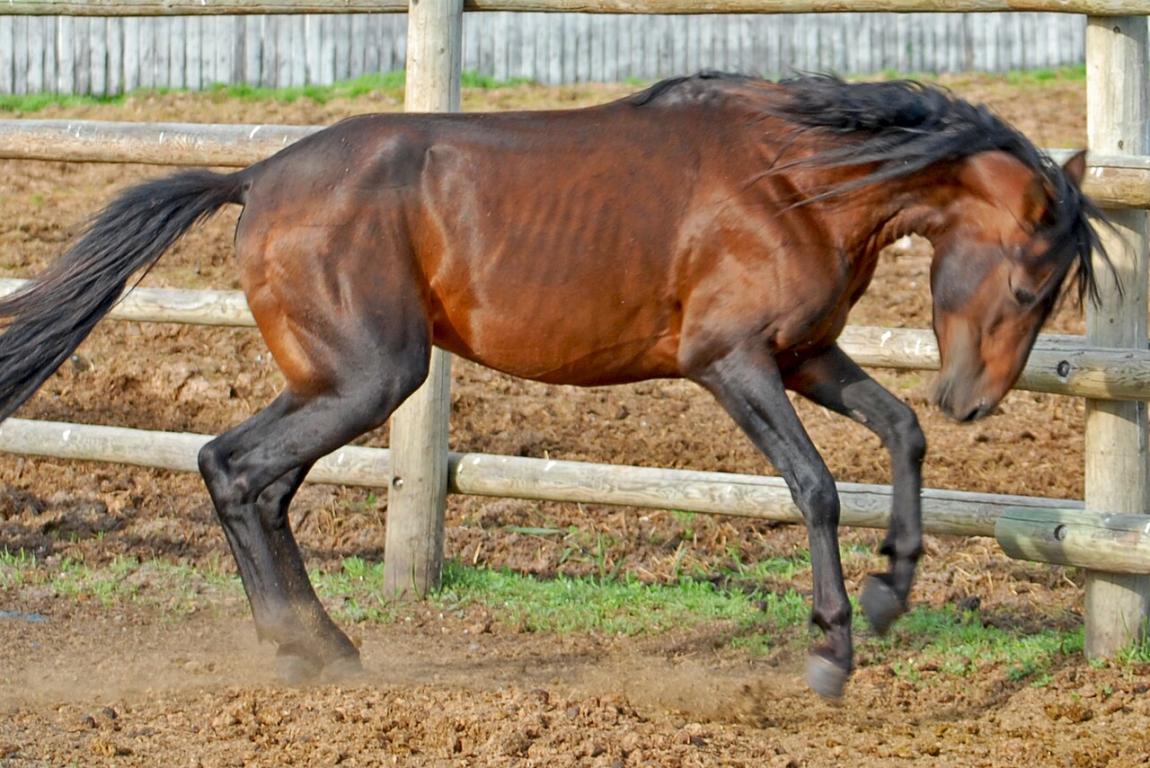
Type: Riding Horse
Continent: Asia
Country: Iran
Weight: 180 – 320 kg
Height: 100 – 122 cm
The Caspian is an ancient horse breed originating from northern Iran, particularly the regions bordering the Caspian Sea. Long believed to be extinct, it was rediscovered in the 1960s by the American horse breeder Louise Firouz.
Archaeological and historical research suggests that the Caspian may descend from small horses that lived in ancient Persia several millennia ago. Its refined morphology and certain distinctive anatomical features have led several specialists to consider it one of the oldest known equine lineages. Today, the breed is raised in several countries but remains rare on a global scale.
The Caspian originated in northern Iran, particularly in the regions bordering the Caspian Sea. Its historical homeland is located mainly in the provinces of Mazandaran, Gilan, and Golestan, where it was traditionally bred in diverse environments including plains, forests, and mountainous areas.
Although the breed remained rare throughout much of the 20th century, conservation programs have helped maintain breeding populations in Iran. The country remains one of the principal centers for the breeding and preservation of the Caspian today.
Since its rediscovery in the 1960s, the Caspian has been exported to several countries to ensure its preservation. Breeding programs can be found in the United Kingdom, the United States, Australia, New Zealand, and several European countries. These programs contribute to maintaining the breed's genetic diversity.
Despite its international distribution, the Caspian remains a rare breed with relatively limited numbers. Breeding operations are generally specialized and actively participate in conservation efforts aimed at preserving this ancient equine lineage.


The Caspian holds particular genetic importance due to its presumed ancient origins and its unique morphological characteristics. Many researchers consider this breed to be one of the oldest surviving equine lineages, giving it considerable value for the study of the evolution of the domestic horse.
The Caspian's genetics are distinguished by the presence of certain unusual anatomical traits that are rarely found in modern horses, particularly within the skeletal structure. These distinctive features have attracted the interest of numerous scientists since the breed's rediscovery in the 20th century and contribute to its importance in research on the origins of domestic equids.
The Caspian is appreciated for passing on qualities such as intelligence, agility, endurance, hardiness, and a cooperative temperament. These traits make it particularly well suited for young riders and for various equestrian disciplines adapted to its size.
Due to its limited population size, the Caspian is regarded as a valuable reservoir of genetic diversity. Preserving this breed helps maintain the world's equine heritage and safeguards an ancient lineage whose loss would represent a significant setback for both horse breeding and scientific research.
Archaeological discoveries in Iran have uncovered the remains of small horses displaying characteristics similar to those of the modern Caspian. Several researchers believe that these horses may have been used by Persian elites for transportation, ceremonial purposes, and light carriage work. However, some aspects of this ancestry remain debated within the scientific community.
Over the centuries, invasions, crossbreeding, and changes in breeding practices led to a decline in Caspian numbers. By the early 20th century, the breed was generally considered extinct and was no longer recognized among officially documented horse populations.
In the 1960s, the American horse breeder Louise Firouz, living in Iran, discovered several small horses in villages of northern Iran that closely matched historical descriptions of the breed. Convinced of their significance, she began an extensive program of selection, preservation, and breed development.
Following this rediscovery, breeding programs were established to safeguard the breed. Horses were exported to the United Kingdom, the United States, Australia, and other countries to create breeding populations and reduce the risk of extinction.
Today, the Caspian remains a rare breed, but conservation efforts undertaken since its rediscovery have ensured its survival. It is valued for its exceptional history, elegance, and heritage significance, while continuing to attract the interest of researchers studying the origins of the domestic horse.
The Caspian is renowned for its intelligence, quick thinking, and strong learning ability. It is generally curious about its surroundings and enjoys interacting with people, which often makes training and education easier.
Despite its small size, the Caspian possesses a dynamic and willing character. It is commonly described as an energetic, alert, and responsive horse while maintaining good emotional balance when properly trained and handled.
This breed is often appreciated for its gentle nature and willingness to work with its rider or driver. The Caspian generally responds well to training methods based on consistency, patience, and positive reinforcement.
Thanks to its generally reliable temperament and modest size, the Caspian is frequently used to introduce children and teenagers to horseback riding. Its intelligence and sensitivity allow young riders to develop their equestrian skills quickly.
The Caspian combines a pleasant temperament with strong athletic abilities. Its agility, endurance, and enthusiasm for work enable it to excel in a variety of equestrian disciplines, including dressage, show jumping, driving, and leisure riding.
The future of the Caspian depends largely on the conservation efforts carried out by breed associations and dedicated breeders. Due to its relatively small population, maintaining sufficient genetic diversity remains a priority to ensure the breed's long-term survival.
The Caspian is attracting increasing attention from enthusiasts of ancient horse breeds and from programs dedicated to preserving equine genetic heritage. Its remarkable history and its potential connection to some of the earliest domestic horse lineages enhance its appeal among both breeders and researchers.
Thanks to its combination of small size, athletic ability, and intelligence, the Caspian has significant potential for youth riding programs. This versatility could help increase its popularity in certain countries and equestrian communities.
Collaboration among breeders in Iran, Europe, North America, and Oceania helps improve pedigree management and reduce the risks associated with inbreeding. These international programs play a vital role in the breed's long-term preservation.
Despite these encouraging prospects, the Caspian remains a rare breed worldwide. Its future development will depend largely on the continuation of specialized breeding programs, increased public awareness, and the ongoing conservation efforts that have been in place since its rediscovery during the 20th century.
The Caspian is generally regarded as a hardy, resilient, and long-lived breed. Its natural selection over several centuries in the regions of northern Iran favored horses capable of adapting to a variety of environmental conditions while maintaining good overall health.
To date, no major hereditary genetic disease has been clearly identified as being specifically associated with the Caspian in scientific literature or major breeding programs. Breed organizations nevertheless pay close attention to pedigree management in order to preserve the overall health of the population.
Due to its relatively limited population size, preserving genetic diversity remains an important challenge for the breed. Breeders and breed associations work to reduce the risks associated with inbreeding through careful management of international breeding programs.
Like all horses, the Caspian may be affected by conditions involving the joints, tendons, or ligaments, particularly in individuals that regularly participate in athletic activities. A balanced diet, appropriate training, and regular veterinary care help reduce these risks.
Although generally robust, the Caspian benefits from appropriate management practices, including dental care, regular hoof maintenance, parasite control, and a balanced diet. These measures help preserve the breed's health and well-being throughout its life.