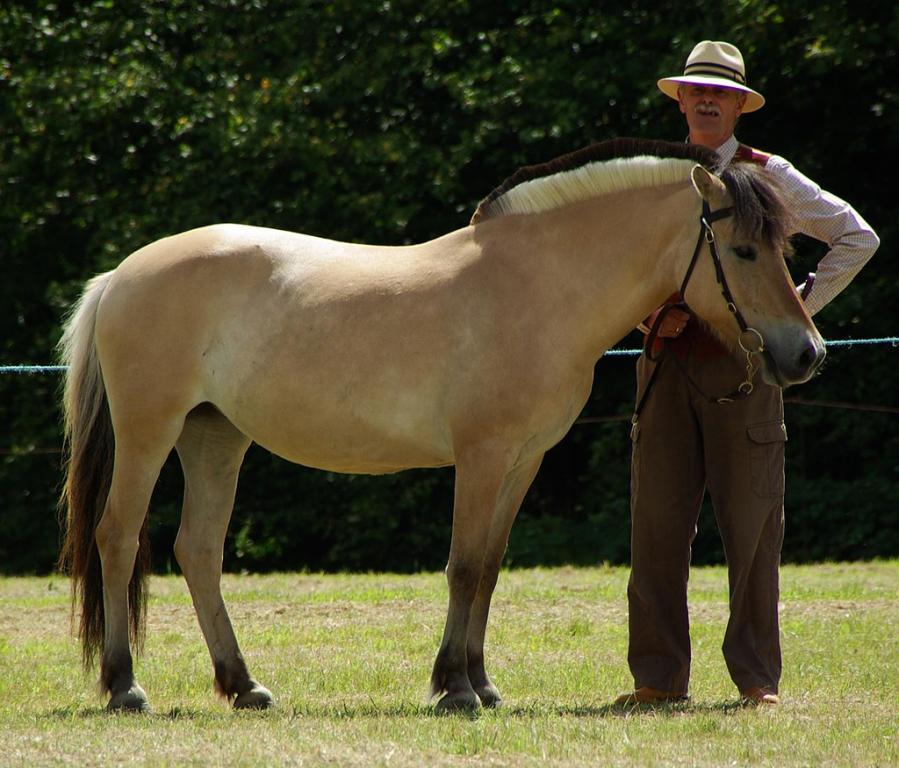
Discover the Fell Pony, a British pony renowned for its hardiness, calm temperament, endurance, and talents in driving and trail riding.
By the Chevaux du Monde editorial team · Published on · Updated on
Type: Pony
Continent: Europe
Country: United Kingdom
Weight: 350 – 500 kg
Height: 132 – 142 cm
The Fell Pony originates from the mountainous regions of northwestern England, primarily in the county of Cumbria, including the areas of the Pennines and the Lake District. Its ancestors are believed to descend from the small Celtic horses that inhabited the British Isles since ancient times, later influenced by horses introduced by the Romans and by various Nordic pony populations.
Historically, the Fell Pony was used as a pack horse to transport goods across the rugged terrain of northern England. It played an essential role in the trade of wool, ore, and slate, thanks to its ability to travel long distances over difficult and often mountainous routes.
Natural and human selection in this demanding environment helped develop a breed renowned for its hardiness, endurance, sure-footedness, frugality, and exceptional versatility. These qualities continue to make the Fell Pony a highly valued breed for trail riding, carriage driving, and leisure riding today.
The primary breeding region of the Fell Pony is located in Cumbria, in northwestern England. This area includes the mountainous landscapes of the Pennines and the Lake District, where the breed developed over several centuries under demanding natural conditions.
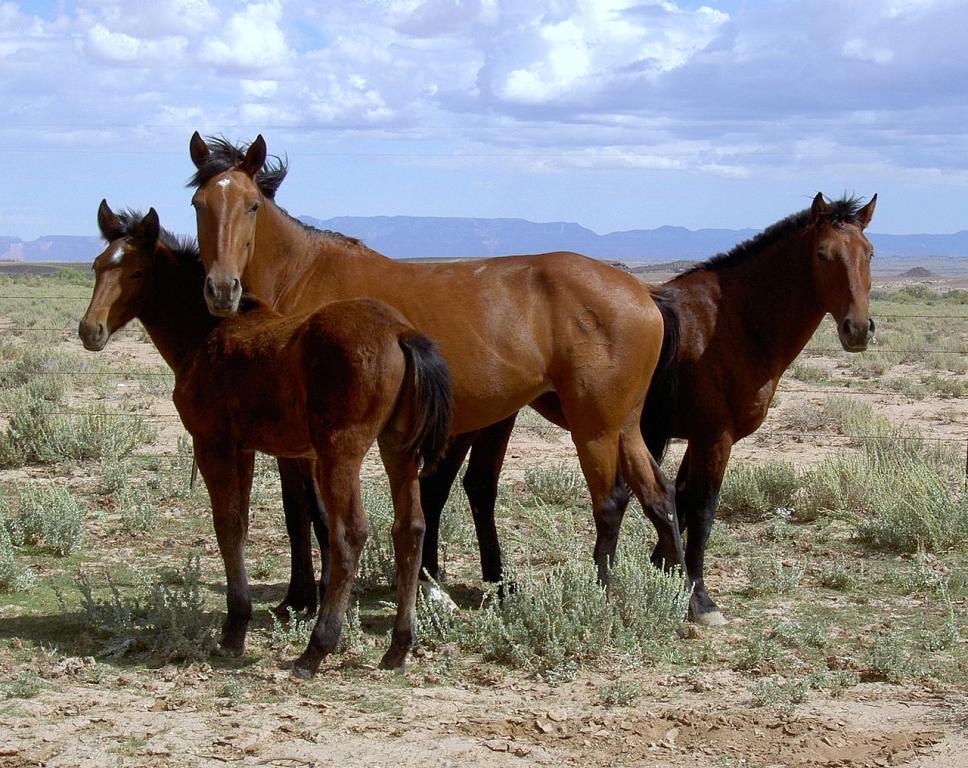
Traditionally, Fell Ponies are raised on moorlands, hills, and upland pastures characterized by a wet, windy, and sometimes harsh climate. These environmental conditions have helped shape the breed's renowned hardiness, resilience, and exceptional adaptability.
Although its historical homeland remains northern England, the Fell Pony is now bred in many parts of the United Kingdom, including Scotland, Wales, and other English counties. Breeders strive to preserve the breed's traditional characteristics while also meeting the modern demands of riding and driving disciplines.
The Fell Pony can also be found in several countries outside the United Kingdom, including the United States, Canada, Germany, the Netherlands, France, Belgium, Australia, and New Zealand. However, the vast majority of the global population remains concentrated in the United Kingdom, where the principal breeding programs and the original stud book are located.
A significant portion of modern breeding efforts is dedicated to preserving the historic qualities of the Fell Pony, particularly its hardiness, calm temperament, sure-footedness, endurance, and ability to thrive in extensive management systems similar to those of its native environment.


The Fell Pony represents an important genetic resource among the native horse breeds of the United Kingdom. Developed through centuries of selection in the mountainous regions of northern England, it has retained many valuable traditional characteristics, including hardiness, endurance, resistance to harsh weather conditions, and the ability to thrive on challenging terrain.
The Fell Pony is one of the native British breeds whose conservation contributes to maintaining global equine genetic diversity. Although its population is currently relatively stable, the breed remains less widespread than many modern sport horse breeds. Breeding programs therefore place significant emphasis on preserving genetic variability and limiting inbreeding.
Over the centuries, the Fell Pony has been selected primarily for functionality, soundness, and working ability rather than purely aesthetic traits. This selection has helped preserve valuable qualities such as exceptionally strong hooves, good fertility, excellent longevity, and a remarkable ability to adapt to a variety of environments.
The genetic heritage of the Fell Pony is of particular interest in programs aimed at preserving and promoting hardy native breeds. Its natural ability to live outdoors year-round, its efficient use of available forage, and its balanced temperament make it an excellent example of a breed suited to extensive and sustainable management systems.
Unlike some breeds that have played a major role in the development of modern sport horses, the Fell Pony has had a relatively limited genetic influence outside the British Isles. Today, its greatest value lies in preserving increasingly rare ancestral traits, including resilience, versatility, sure-footedness, and exceptional working ability.
The Fell Pony is one of the oldest native pony breeds of Great Britain. Its origins date back many centuries in the mountainous regions of northern England, particularly in Cumbria and the Pennines. The breed is believed to descend from the small Celtic horses that inhabited the British Isles before the arrival of the Romans, later influenced by various horse populations throughout history.
During the Roman occupation of Britain, horses introduced by the Roman armies may have contributed to the development of local equine populations. Later, trade exchanges and Nordic invasions likely brought additional genetic influences. Despite these external contributions, the Fell Pony retained its character as a hardy mountain pony, perfectly adapted to the demanding conditions of northern Britain.
For several centuries, the Fell Pony played a vital role in the local economy. It was primarily used as a pack horse, transporting goods across the mountains and valleys of northern England. Trains of ponies carried commodities such as wool, iron ore, coal, copper, and slate along routes that were often difficult to access.
Harsh climatic conditions, rugged terrain, and long journeys favored the selection of the most enduring, resilient, and sure-footed individuals. This combination of natural and human selection gradually shaped the modern Fell Pony, a breed renowned for its strength, hardiness, and reliable temperament.
As agriculture and transportation evolved in the early twentieth century, breeders took steps to preserve the breed. In 1918, the Fell Pony Society was established to create an official stud book, define breed standards, and oversee breeding programs.
Like many working horse breeds, the Fell Pony experienced a decline in numbers during the twentieth century as mechanization reduced the need for working animals. Thanks to the efforts of dedicated breeders and breed organizations, the population was successfully preserved. Conservation programs helped prevent a severe decline and safeguarded the breed's genetic diversity.
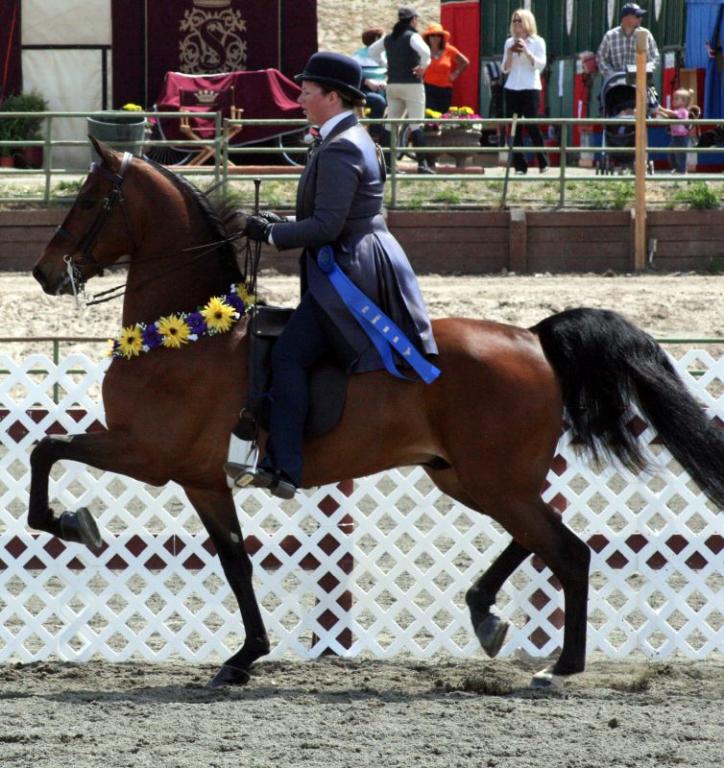
Today, the Fell Pony is widely used for trail riding, driving, leisure riding, TREC, and a variety of family-oriented equestrian activities. Its rich history, versatility, and hardiness continue to attract riders and breeders both within the United Kingdom and around the world.
The Fell Pony is renowned for its calm nature, emotional stability, and generally easy-going temperament. Selected over generations to work closely with humans in sometimes challenging conditions, it is highly valued for its reliability and composed behavior.
This breed is distinguished by its intelligence, strong learning ability, and natural common sense. The Fell Pony typically understands what is expected of it quickly and adapts well to a wide variety of situations when provided with consistent training.
Historically used as a pack horse in the mountains of northern England, the Fell Pony developed a temperament characterized by courage, endurance, and a strong work ethic. It often demonstrates a willingness to perform assigned tasks and possesses a remarkable ability to persevere through demanding conditions.
The Fell Pony is well known for its natural caution and exceptional sure-footedness, particularly on difficult terrain. This behavioral trait complements its physical abilities and helps explain its popularity in trail riding and driving.
Thanks to its generally gentle, patient, and cooperative nature, the Fell Pony is suitable for both beginner riders and more experienced equestrians. It is frequently used in leisure riding, family activities, and certain forms of equine-assisted therapy and education.
Like many hardy native breeds, the Fell Pony possesses a degree of independence and may occasionally show initiative. However, it is rarely regarded as difficult or confrontational. With respectful and consistent handling, it generally becomes a dependable and enjoyable partner.
Traditionally raised in herds under extensive management systems, the Fell Pony generally displays good social behavior with other horses. It adapts well to life on pasture as well as to more modern management and housing conditions.
The future of the Fell Pony depends primarily on the preservation of its genetic heritage and traditional characteristics. Although the breed is not currently considered critically endangered, its population remains relatively small compared to major modern sport horse breeds. Breed organizations therefore continue their efforts to maintain a healthy and genetically diverse population.
Changes in equestrian practices have led to increasing interest in breeds known for their hardiness, easy management, and versatility. In this context, the Fell Pony enjoys a positive reputation thanks to its ability to live outdoors, its modest feeding requirements, and its dependable temperament.
The qualities of the Fell Pony align closely with the expectations of riders seeking a safe and versatile partner. Its use in trail riding, driving, TREC, leisure riding, and certain forms of equine-assisted activities helps sustain interest in the breed among a wide range of horse enthusiasts.
One of the main challenges facing the breed is the management of genetic diversity. Breed societies and breeders work actively to limit inbreeding and preserve a broad range of bloodlines in order to ensure the long-term health and viability of the population.
While the United Kingdom remains the breed's primary breeding center, the Fell Pony is gradually gaining recognition in several countries across Europe, North America, and Oceania. This international expansion helps secure the future of the breed by broadening its base of breeders and owners.
As concerns about sustainability, animal welfare, and extensive grazing management continue to grow, the Fell Pony possesses several valuable advantages. Its natural hardiness, longevity, and ability to thrive on challenging landscapes may increase its importance in conservation grazing projects, landscape management programs, and sustainable livestock systems.
The Fell Pony is considered a particularly hardy, resilient, and long-lived breed. Developed under the often challenging conditions of northern England, it has been selected for centuries for its ability to survive and work on rugged terrain with sometimes limited resources. This selection process has helped preserve exceptional overall soundness and durability.
Thanks to its origins in the mountainous regions of Cumbria and the Pennines, the Fell Pony generally demonstrates excellent tolerance to cold weather, rain, and difficult climatic conditions. Its thick winter coat allows it to live outdoors for much of the year when suitable shelter is available.
Compared with some more specialized breeds, the Fell Pony has relatively few widely recognized inherited genetic disorders. Nevertheless, breeding programs place considerable emphasis on monitoring the health of breeding stock in order to maintain the overall genetic quality of the population.
The principal genetic disorder identified in the breed is Fell Pony Foal Immunodeficiency Syndrome (FIS). This inherited recessive disease causes a severe deficiency of the immune system in affected foals, leaving them extremely vulnerable to infections. Today, genetic testing allows breeders to identify carriers and avoid at-risk matings.
Like several breeds with relatively limited populations, the Fell Pony is carefully monitored for genetic diversity. Breed societies and breeders work to minimize the risks associated with inbreeding in order to preserve the long-term health and viability of the breed.
The Fell Pony is highly efficient at utilizing available feed. While this trait has historically been advantageous, it can also predispose the breed to obesity when provided with overly rich diets or insufficient exercise. Appropriate pasture management and feeding practices are generally recommended to reduce the risk of metabolic disorders and laminitis.
When provided with a balanced diet, regular veterinary care, and appropriate management, the Fell Pony is known for its excellent longevity, good fertility, and ability to remain active and productive for many years.