Why is the Tushetian Horse so valued in the Caucasus Mountains? Discover its history, temperament, and unique qualities.
By the Chevaux du Monde editorial team · Published on · Updated on
Type: Riding Horse
Continent: Europe
Country: Georgia
Weight: 300 – 400 kg
Height: 134 – 150 cm
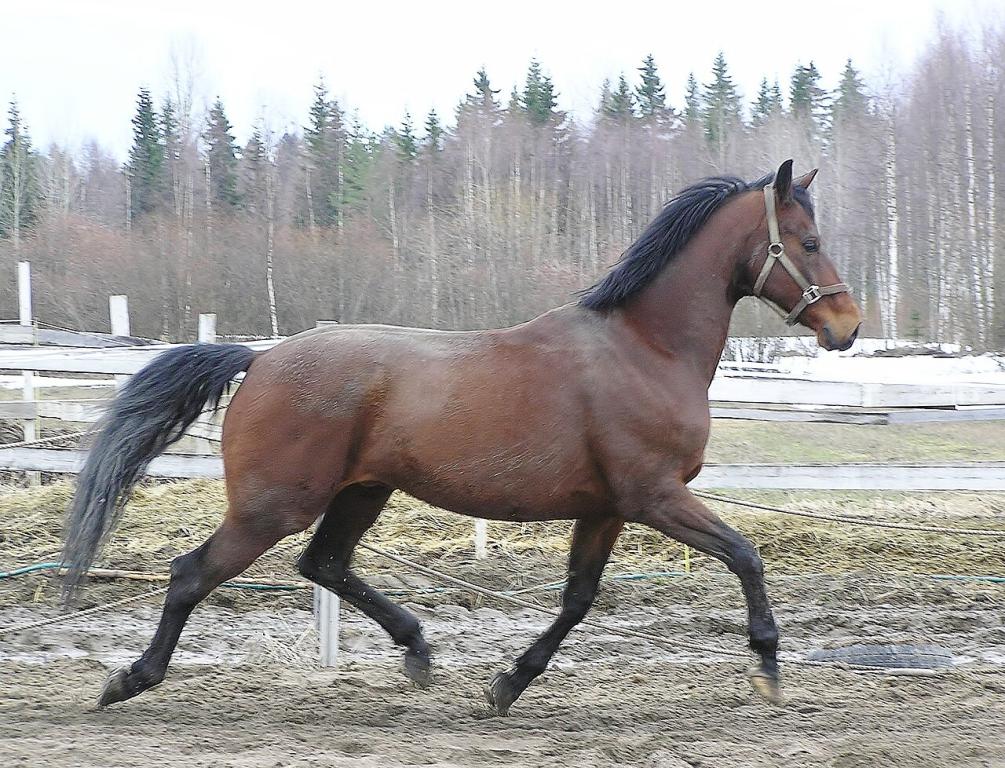
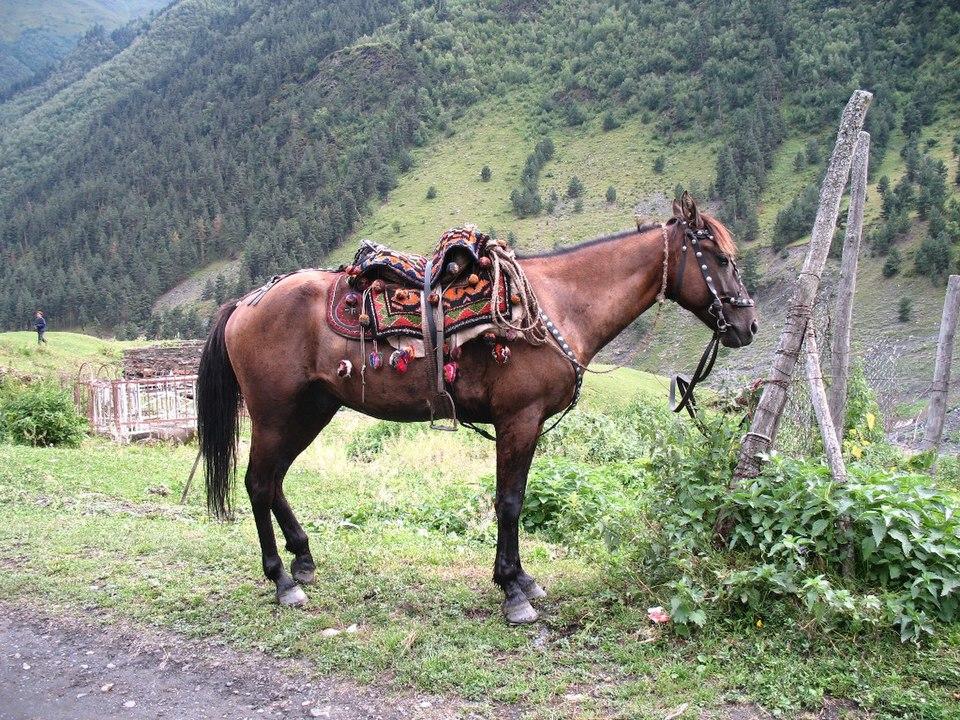
The Tushetian Horse (Georgian: თუშური ცხენი, Tushuri Tskheni) is a breed of small riding horse originating from the mountainous region of Tusheti, located in northeastern Georgia, in the heart of the Caucasus Mountains.
Developed in an isolated environment characterized by steep valleys, high mountain passes, and sometimes harsh climatic conditions, this breed was selected over centuries for its hardiness, endurance, agility, and sure-footedness. These qualities enabled it to travel long distances along difficult trails while carrying riders or loads.
The Tushetian Horse is closely associated with the Tush people, a community of shepherds and livestock breeders traditionally living in the mountains of Tusheti. For generations, these horses played an essential role in local daily life, serving as transportation, helping supervise livestock, and carrying goods between isolated villages throughout the Caucasus.
Thanks to their ability to navigate rugged terrain where modern vehicles often struggle, Tushetian Horses have retained an important place in some rural areas of Georgia.
The geographic isolation of Tusheti contributed to the development of a horse exceptionally well adapted to its environment. The Tushetian Horse possesses great physical stamina, good longevity, and strong hooves, allowing it to move efficiently across rocky trails and steep slopes.
Even today, this breed is regarded as one of the most representative mountain horses of Georgia and remains an important part of the country's equestrian heritage.
The Tushetian Horse is primarily bred in the region of Tusheti, a mountainous area located in northeastern Georgia, within the Caucasus Mountains. This isolated region is characterized by deep valleys, high plateaus, and mountain passes that have strongly influenced the development of the breed.
Although Tusheti remains its historical homeland, Tushetian Horses can also be found in other parts of Georgia, particularly through seasonal transhumance practiced by some breeders. Horses are traditionally moved between mountain pastures during summer and lower-altitude areas during winter.
Historically, the Tushetian Horse has been raised under extensive management systems, spending much of the year outdoors. This traditional approach has helped preserve the breed's qualities of hardiness, endurance, and resistance.


The Tushetian Horse represents a valuable genetic resource among the horse breeds of the Caucasus. Selected for centuries in the mountains of Tusheti, it possesses rare qualities such as hardiness, excellent endurance, resistance to harsh climatic conditions, and a remarkable ability to travel across rugged terrain.
Due to its relatively limited population and restricted geographic distribution, the Tushetian Horse forms an important part of Georgia's equine genetic heritage. Preserving the breed helps maintain the genetic diversity of domestic horses and safeguards adaptations that have developed specifically in the mountainous environment of the Caucasus.
Although the Tushetian Horse is rarely used in international breed improvement programs, its qualities of resilience, efficient feed utilization, longevity, and sure-footedness may be valuable for the conservation of mountain horses and for studying natural adaptations to challenging environments.
The Tushetian Horse is an ancient horse breed originating from the region of Tusheti in northeastern Georgia. Its history is closely connected to that of the mountain communities of the Caucasus, which bred these horses for centuries to meet the demands of transportation and pastoral life in a challenging environment.
Unlike many modern breeds created through organized breeding programs, the Tushetian Horse developed primarily through natural selection and the practical needs of local breeders. Horses that were the most resilient, enduring, and sure-footed on steep terrain were favored for breeding, gradually shaping the characteristics of the breed.
Throughout its history, the Tushetian Horse likely received influences from various horses originating in the Caucasus and neighboring regions. Historical crossbreeding with oriental horses is often mentioned by historians and specialists of Georgian horse breeds, although the exact extent of this influence remains uncertain.
For generations, the Tushetian Horse was indispensable to the daily lives of the people of Tusheti. It was used for transporting people and goods, managing livestock, and traveling across mountain passes linking the region's valleys.
The arrival of motorized vehicles and changing rural lifestyles reduced some of the breed's traditional uses. Nevertheless, the Tushetian Horse has been preserved in several parts of Georgia thanks to its remarkable adaptation to the Caucasus Mountains and its importance within the country's equestrian heritage.
The Tushetian Horse is known for its calm, balanced, and docile temperament. Selected for generations to accompany the mountain communities of Tusheti, it needed to remain manageable and dependable under demanding conditions.
This breed is recognized for its stamina, patience, and ability to work over long distances without showing excessive fatigue. These qualities were essential for mountain travel and carrying loads across difficult terrain.
The Tushetian Horse demonstrates considerable courage when facing natural obstacles and possesses exceptional sure-footedness. This confidence allows it to move comfortably along narrow, rocky, and uneven mountain paths.
Accustomed to living in a harsh mountain environment, the Tushetian Horse is generally regarded as hardy, resilient, and capable of adapting to a wide variety of living conditions. This adaptability has contributed to its longevity in rural Georgian regions.
The Tushetian Horse remains a relatively rare breed whose future largely depends on conservation efforts undertaken in Georgia. Like many local mountain breeds, it faces challenges linked to the decline of traditional breeding practices and the evolution of transportation methods, which have reduced some of its historical uses.
Growing interest in preserving local domestic breeds may help ensure the survival of the Tushetian Horse. The breed represents an important component of Georgia's cultural and genetic heritage, particularly because of its exceptional adaptation to the mountainous conditions of the Caucasus.
The breed's hardiness, endurance, and sure-footedness make it well suited to equestrian tourism, mountain trekking, and outdoor recreational activities. These sectors may help support the breed's future development.
The main challenge remains maintaining a population large enough to preserve genetic diversity. Monitoring population numbers and promoting awareness of the Tushetian Horse among breeders and the public will be essential to ensuring its long-term survival.
The Tushetian Horse is generally regarded as a hardy and resilient breed, developed over centuries under the demanding conditions of the Caucasus Mountains. Natural selection in a challenging environment favored individuals capable of coping with climatic variations, rugged terrain, and year-round outdoor living.
To date, no major genetic predisposition or hereditary disease specific to the Tushetian Horse is widely documented in the available sources. As with all horse breeds, individual health depends on breeding quality, nutrition, veterinary care, and management practices.
Because the breed's population remains relatively limited, maintaining adequate genetic diversity is an important long-term conservation objective. Responsible breeding management helps preserve the overall vigor and health of the population.