White spotting pattern

Tobiano

Illustration of Tobiano coming soon

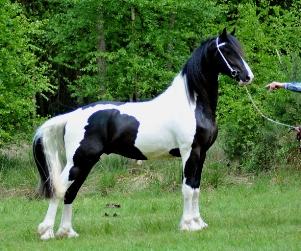
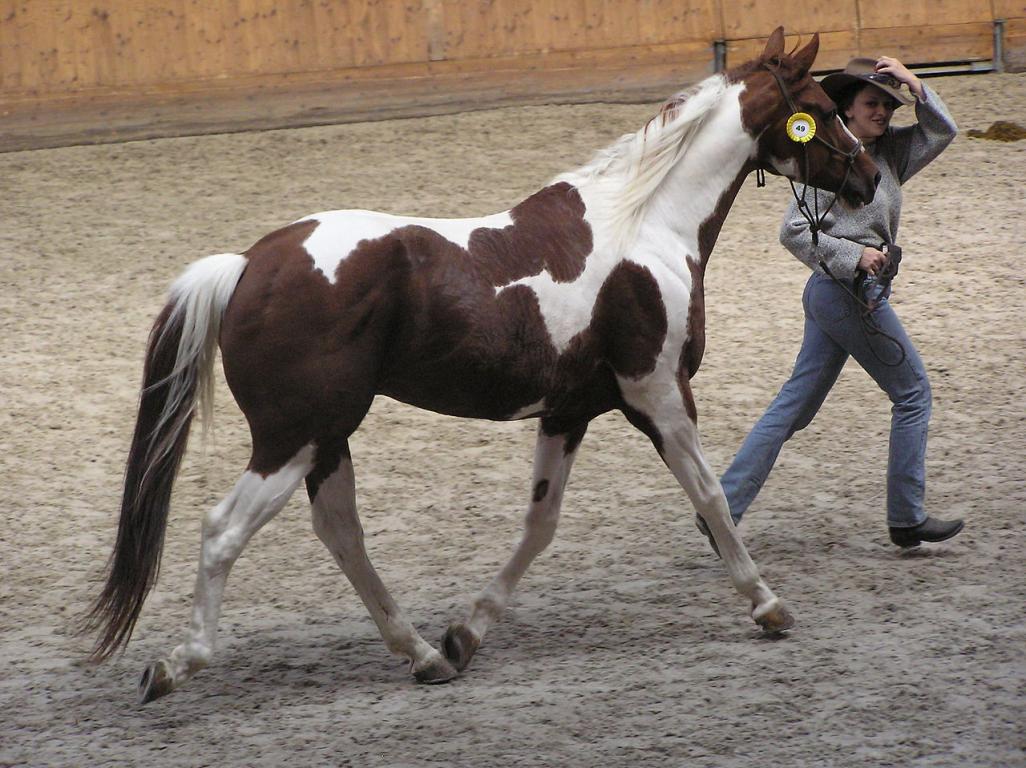
Tobiano is a dominant white pattern producing large, often regular white areas that usually cross the topline.

Category
White spotting pattern
Family
Tobiano
Related breeds
16 associated breeds

A pattern with large, regular white areas that usually cross the topline, often accompanied by white legs.

How can you identify Tobiano?

The legs are frequently white, borders tend to be smooth, and the head often carries ordinary non-pinto facial markings.

  • White usually crosses the topline
  • Legs often white
  • Borders tend to be regular
  • Head often remains mostly colored

Genetic origin and mechanism

Tobiano is associated with a chromosomal inversion affecting regulation in the KIT region and can overlay any base color.

Development and variations

The pattern is visible from birth and remains stable, although small spots or roaned areas may appear.

Possible confusions

Pattern combinations can alter its typical appearance. A tobiano horse may also carry sabino, splashed white or frame overo.
Horse breeds associated with Tobiano

Explore the profiles of breeds in which this coat or trait is present or documented.

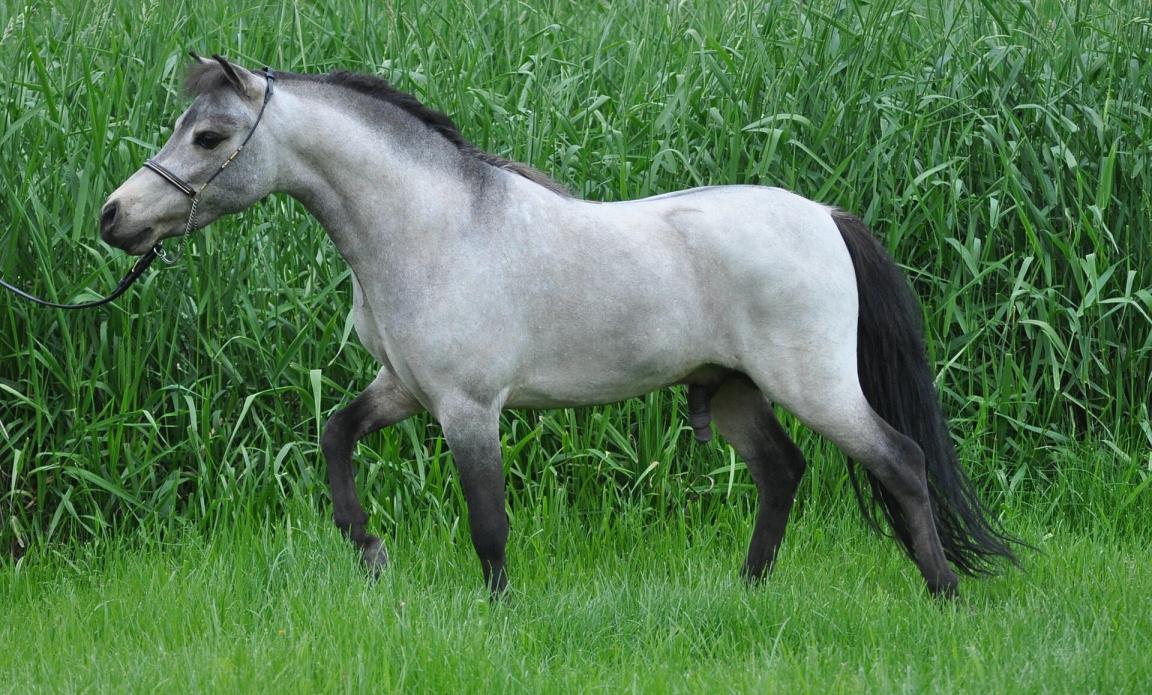
American Miniature Horse - CC BY 3.0 - Larrywalmart

American Miniature

Discover the American Miniature Horse, an elegant and intelligent miniature horse under 86 cm tall, admired for its beauty and gentle temperament.

View profile
American Paint Horse - CC BY-SA 3.0 - Karakal

American Paint Horse

The Paint Horse, an American breed recognized for its pinto coat and versatility, excels in western riding, leisure, and competitions.

View profile
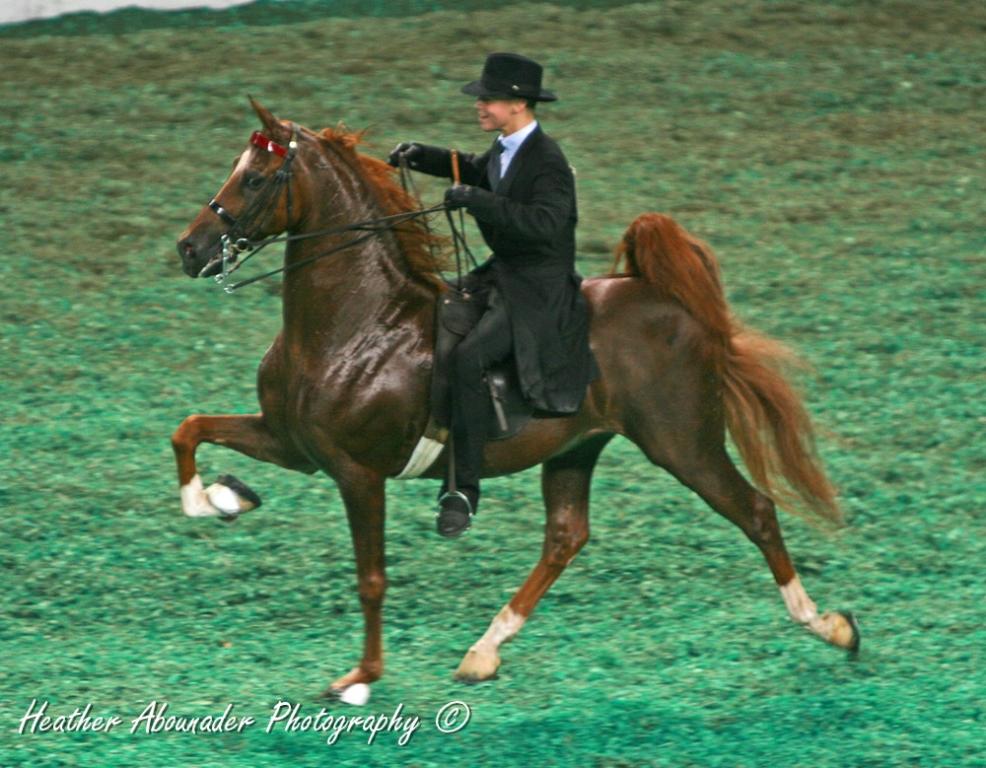
American Saddlebred practicing the rack. - CC BY 2.0 - Heather Moreton

American Saddlebred

Discover the American Saddlebred, an elegant and expressive saddle horse, famous for its high-stepping gaits and iconic role in equestrian shows.

View profile
Image coming soon

Australian Riding Pony

Discover the Australian Riding Pony, an elegant pony standing 127 to 147 cm and around 275 kg, prized in Australia for leisure riding and competition thanks to its beauty and balan ...

View profile
Barock Pinto - CC BY-SA 4.0 - Terezahnykova

Barock Pinto

The Barock Pinto is a horse bred from the crossing of the Friesian and piebald horses. Elegant, powerful and colorful, it excels in driving, dressage and show.

View profile
 Cape horse in the early 20th century, before 1914 - Public domain

Cape Horse

Discover the story of the Cape Horse, a South African breed now extinct, used for work and war during the 17th to 19th centuries.

View profile
One of the first thoroughbred stallions Colorado Ranger - CC BY-SA 3.0 - Seerig

Colorado Ranger

Discover the Colorado Ranger, an American horse known for its versatility, strength, and the refined elegance inherited from its Arabian and Quarter Horse ancestry.

View profile
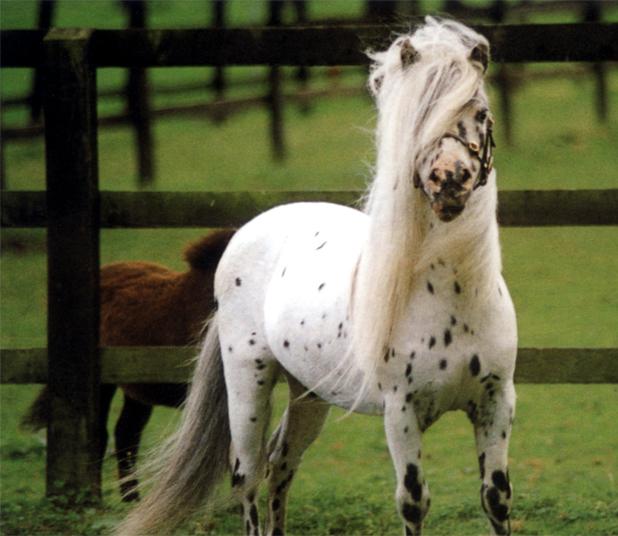
Falabella with the Spotted Coat - Captain E H Eckholdt — Susan Eckholdt - www.falabellahorses.com

Falabella

Discover the Falabella, one of the smallest horse breeds in the world: docile, elegant, hardy, and native to Argentina. Used in driving and equine therapy.

View profile
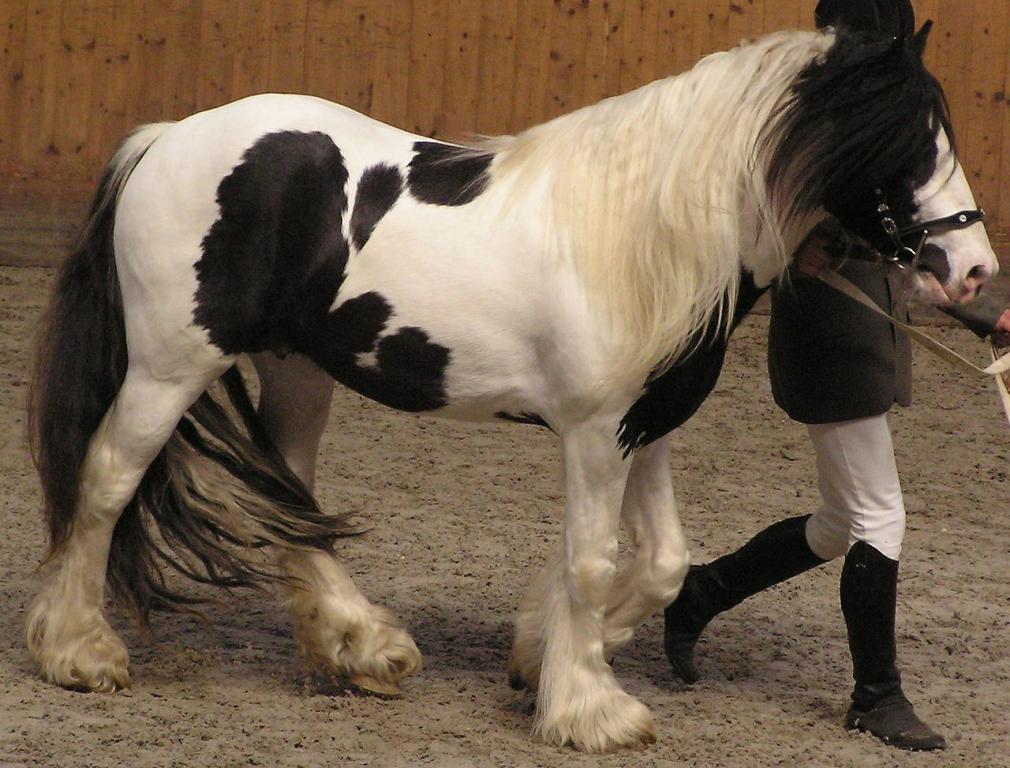
 A model of a piebald Irish Cob with its characteristic abundant mane, at a show in Prague, Czech Republic. - CC BY-SA 3.0 - Karakal

Gypsy Cob – Irish Cob – Gypsy Vanner (Tinker)

Why is the Irish Cob so loved? Gentle, hardy and versatile, this horse with abundant feathering is ideal for riding and driving.

View profile
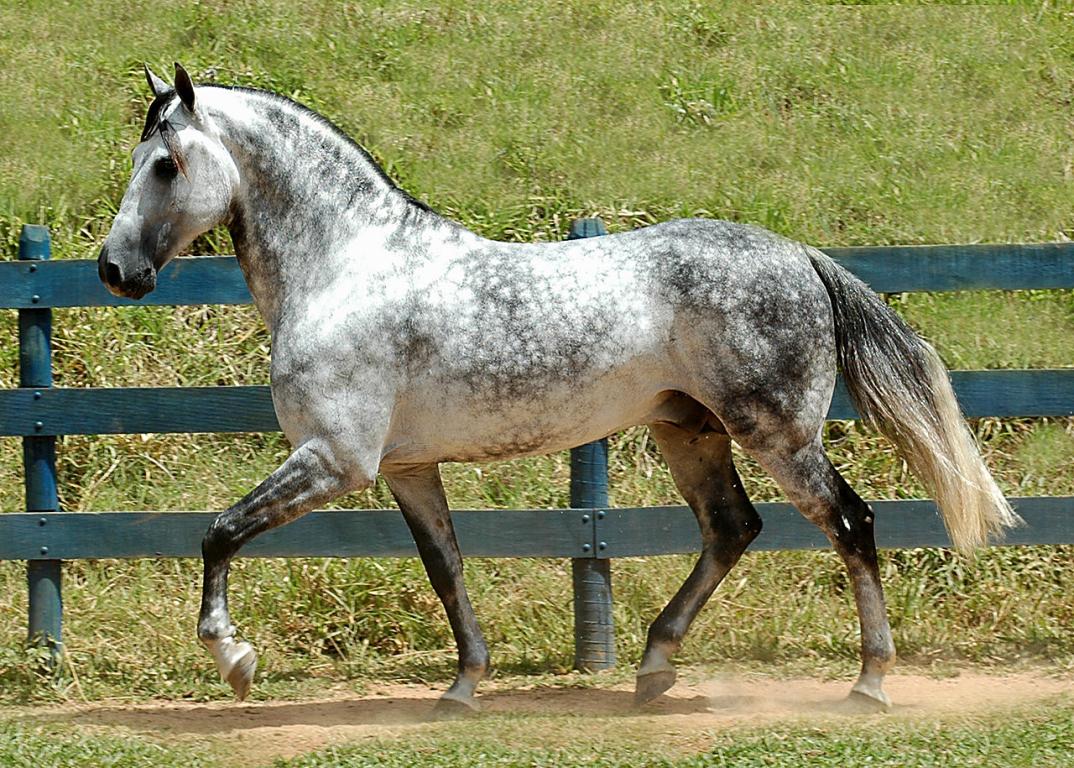
 Júpiter Quitumba, Brazilian national champion in 2002 - CC BY-SA 2.5 - Fábio Vidigal

Mangalarga Marchador

Discover the Mangalarga Marchador, a Brazilian horse renowned for its smooth gaits, elegance, and exceptional endurance.

View profile
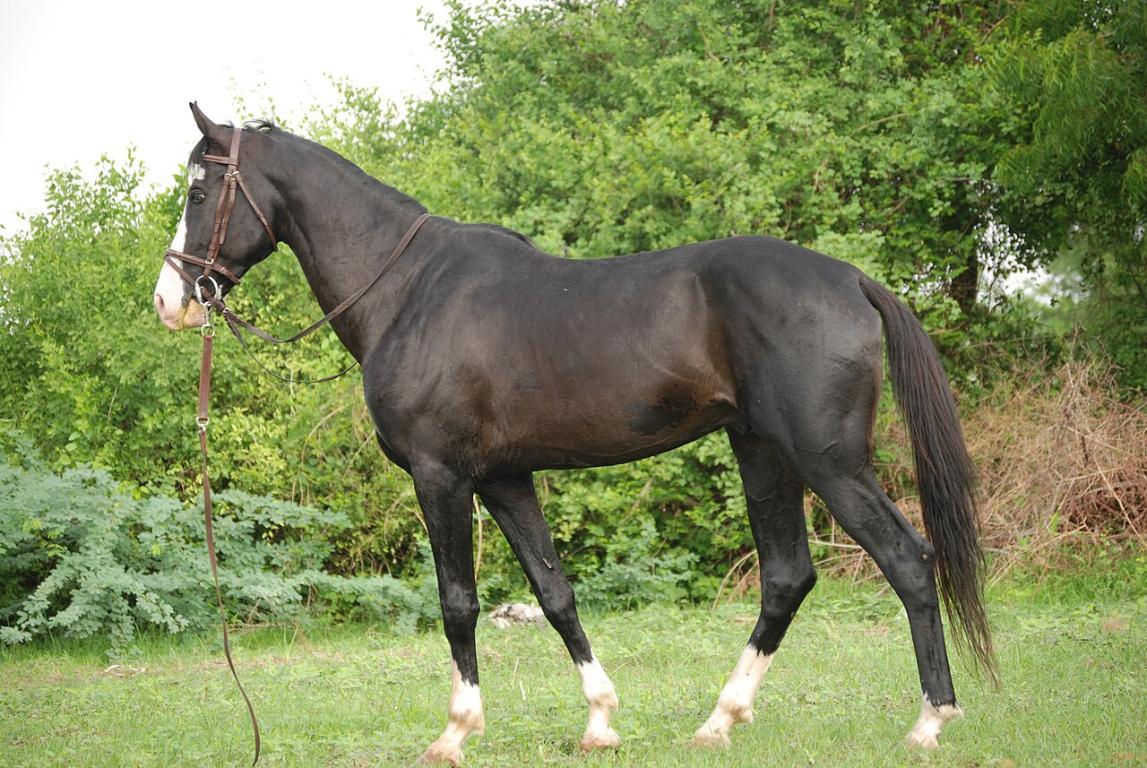
Humayun, Marwari stallion - Public domain - Virendra.kankariya

Marwari

Marwari, a saddle horse from India known for its inward-curving ears, endurance, and graceful appearance.

View profile
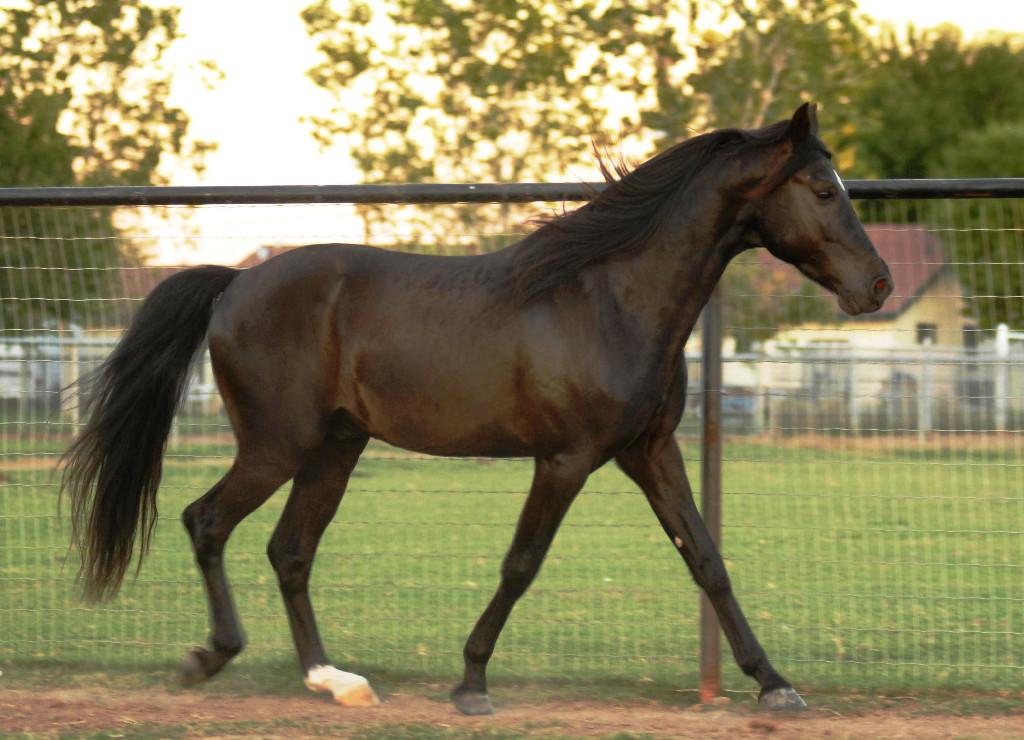
Quick Trigger, licorice-black Missouri Foxtrotter stallion - CC BY-SA 3.0 - Kayla Oakes

Missouri Fox Trotter

Why is the Missouri Fox Trotter so comfortable? Discover this smooth gaited horse, perfect for trail riding and western riding.

View profile
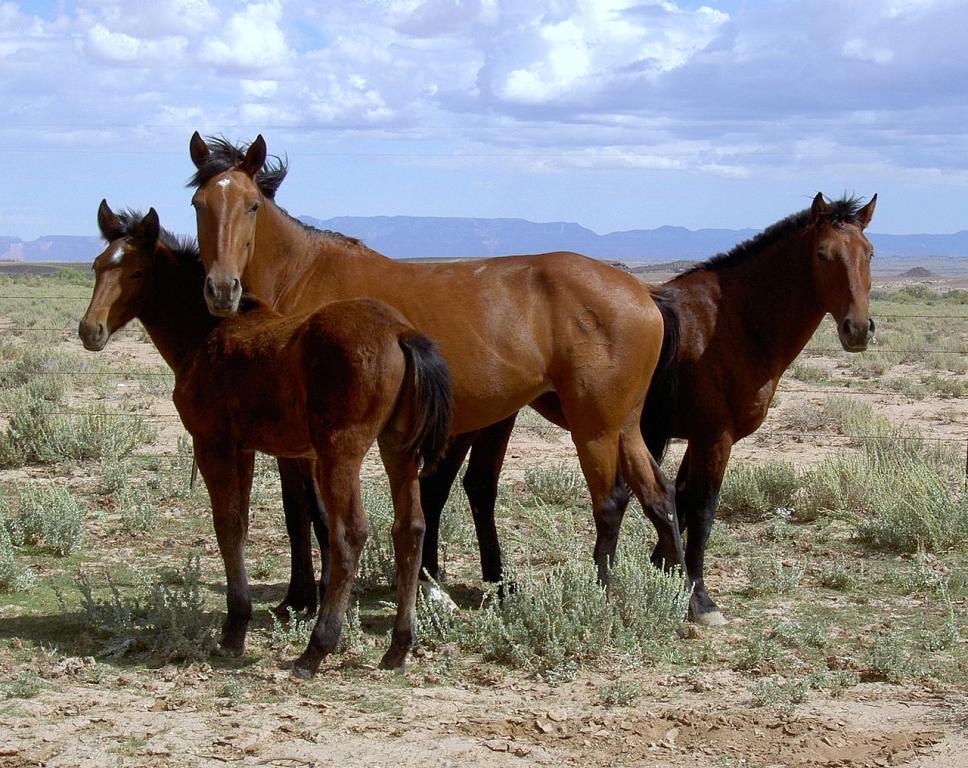
Mustangs in Arizona. - CC BY 2.0 - John Harwood

Mustang

Discover the Mustang, America’s wild horse, a symbol of freedom and endurance, still roaming across the Western United States.

View profile
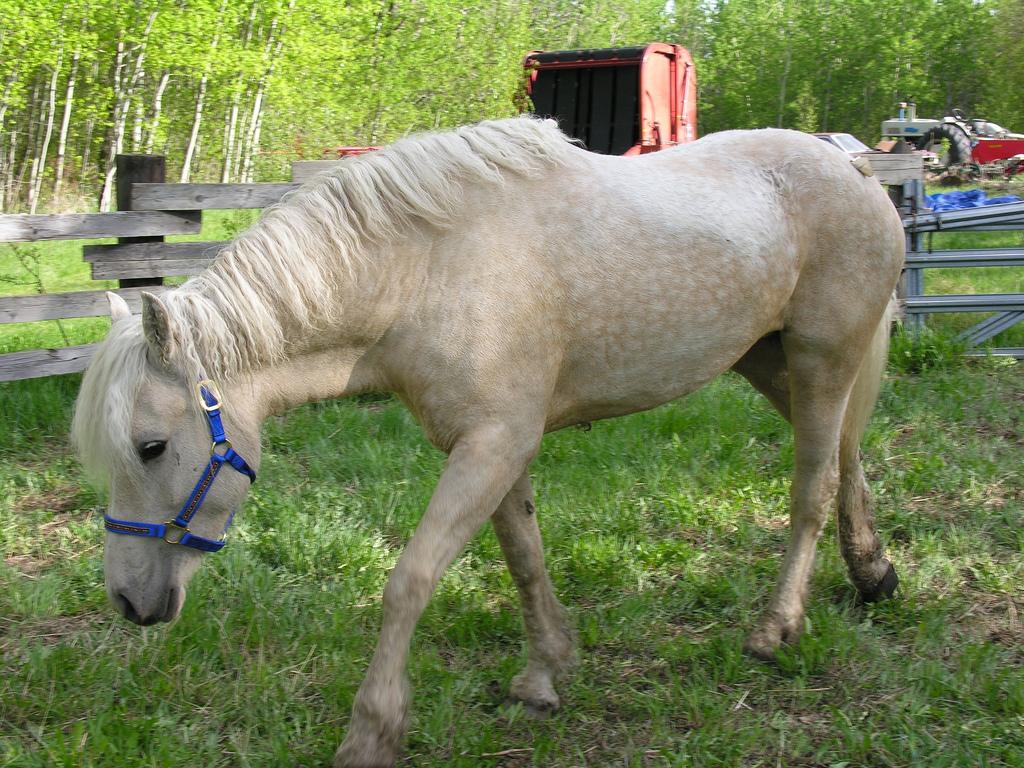
 Curly horse in palomino dress. - CC BY-SA 2.0 - Ron Manke

North American Curly Horse

Discover the North American Curly Horse, a hardy and hypoallergenic breed known for its unique curly coat, intelligence, and gentle temperament.

View profile
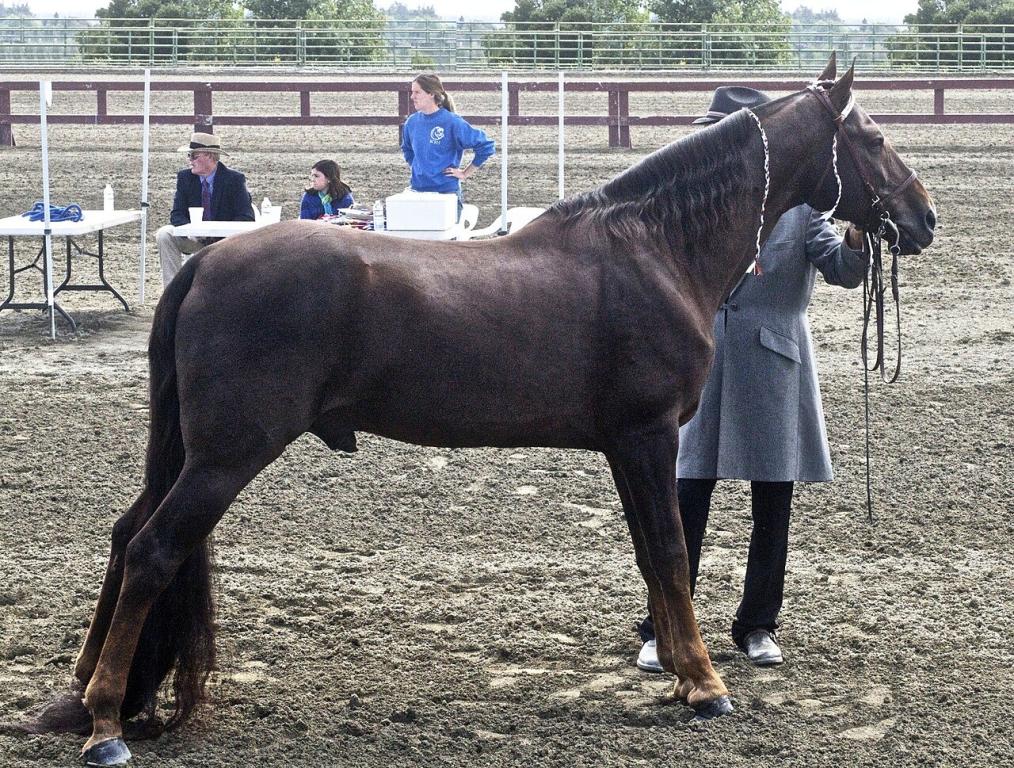
Tennessee Walker horse model - CC BY 2.0 - Just chaos

Tennessee Walking Horse

Discover the Tennessee Walking Horse, an American breed renowned for its smooth gaits, natural elegance, and calm temperament.

View profile
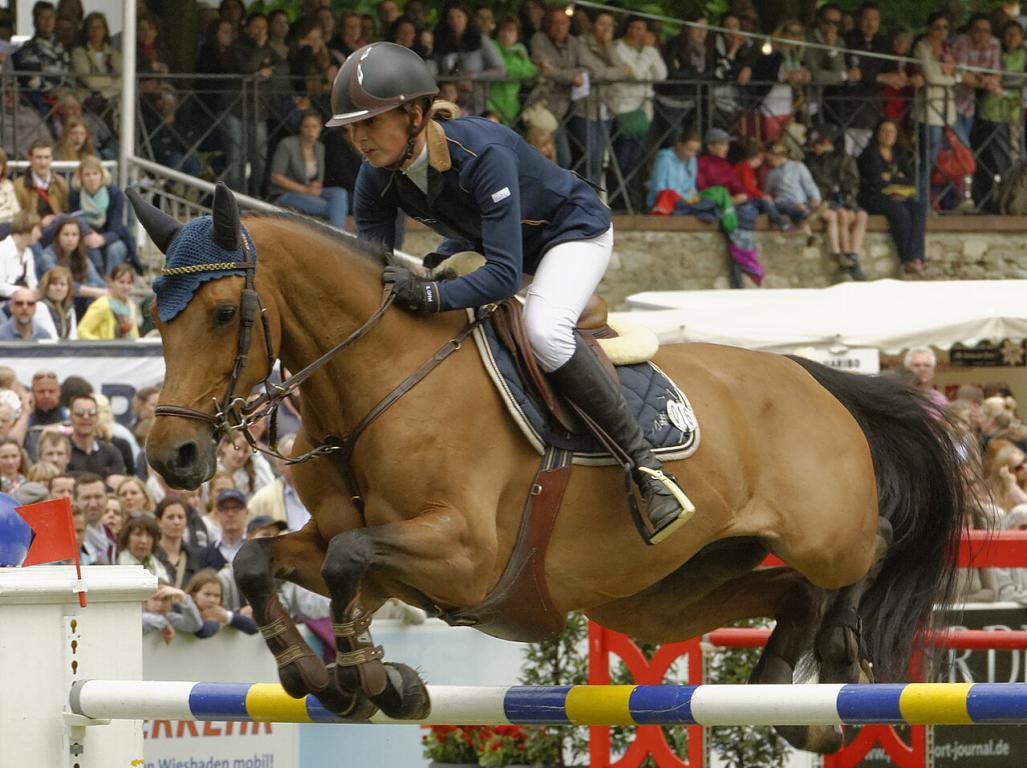
Zangersheide, Katharina Offel on B-Once Z at the Internationalen Pfingstturnier in Wiesbaden 2013. - CC BY-SA 3.0 - Michael Kramer

Zangersheide

History, conformation, temperament, breeding and performance: discover why the Zangersheide is one of the world's most sought-after sport horses.

View profile

Frequently asked questions about Tobiano

How can you identify Tobiano in a horse?

The legs are frequently white, borders tend to be smooth, and the head often carries ordinary non-pinto facial markings.

Does Tobiano change with age or the seasons?

The pattern is visible from birth and remains stable, although small spots or roaned areas may appear.

Which coats or traits can be confused with Tobiano?

Pattern combinations can alter its typical appearance. A tobiano horse may also carry sabino, splashed white or frame overo.
Is genetic testing necessary to identify Tobiano?

Visual examination is sometimes sufficient, but genetic testing can be useful when several coats look similar or when breeding decisions are involved.