Elegant, comfortable, and renowned for its natural gaits, the Paso Fino captivates riders around the world. Discover this fascinating breed.
By the Chevaux du Monde editorial team · Published on · Updated on
Type: Gaited Horse
Continent: America
Country: Colombia
Weight: 320 – 450 kg
Height: 132 – 152 cm
The Paso Fino descends from horses introduced to Latin America by Spanish conquistadors during the 15th and 16th centuries. Its ancestors included Andalusian, Barb, and Spanish Jennet horses, which were renowned for their elegance, endurance, and comfortable gaits.
Over the centuries, breeders throughout Latin America selectively bred horses displaying the smoothest, most regular, and most comfortable gaits. This careful selection gradually produced a breed specialized in natural four-beat gaits, a characteristic that still distinguishes the Paso Fino from most other horse breeds today.
The Paso Fino developed particularly in Colombia, Puerto Rico, the Dominican Republic, and several regions of the Caribbean. Each of these areas contributed to the evolution of the breed while preserving the fundamental qualities for which it is known today.
Thanks to its exceptional riding comfort, pleasant temperament, and natural elegance, the Paso Fino has steadily gained international recognition. Today, it is bred in many countries and remains one of the world's most renowned gaited horse breeds.
The Paso Fino is historically associated with several regions of Latin America, where it developed from horses introduced by the Spanish during the colonial period. The breed's traditional breeding areas are primarily located in Colombia, Puerto Rico, the Dominican Republic, and various regions of the Caribbean.
Colombia is now considered one of the principal homelands of the modern Paso Fino. The breed is raised in numerous regions of the country, particularly in the departments of Antioquia, Cundinamarca, Valle del Cauca, and Quindío. Colombian breeders have played a major role in the selection and international promotion of the breed.
In Puerto Rico, the Paso Fino is an important part of the local equestrian heritage. Puerto Rican breeders developed their own breeding traditions, helping to preserve the breed's historic qualities and promote competitions showcasing the characteristic gaits of the Paso Fino.
During the 20th century, the breed spread widely across several countries in the Americas, particularly the United States, where it now benefits from a large network of breeders and breed associations. Breeding populations are also found in Venezuela, Panama, Costa Rica, and other countries throughout Central and South America.
Although most Paso Finos remain concentrated on the American continent, the breed is now raised in several countries across Europe and other parts of the world. Its comfortable gait, pleasant temperament, and unique natural gaits continue to attract growing interest among leisure and trail riders.


The Paso Fino represents a particularly valuable genetic resource for the preservation and transmission of natural four-beat gaits. For centuries, breeders have selected horses capable of producing exceptionally smooth, regular, and comfortable gaits without requiring specialized training. This characteristic is now one of the breed's most distinctive genetic traits.
The Paso Fino retains part of the genetic heritage of the horses introduced to the Americas by the Spanish from the 16th century onward. As such, it serves as a living representative of certain bloodlines descended from ancient Andalusian, Barb, and Spanish Jennet horses, many of whose original characteristics have disappeared or evolved in other equine populations.
The breed plays an important role in preserving the genetic diversity of gaited horses. Genetic studies have identified variants of the DMRT3 gene, which is often associated with the ability to perform specialized gaits in several gaited horse breeds around the world. The Paso Fino therefore serves as an important reference for the study and conservation of these unique locomotor abilities.
Thanks to its relatively independent development in Latin America, the Paso Fino contributes valuable genetic diversity to the population of riding horses. Preserving the breed helps maintain a distinct genetic heritage characterized by endurance, hardiness, and riding comfort.
Although the Paso Fino is primarily bred as a pure breed, some of its qualities, including its comfortable gaits, endurance, docile temperament, and resilience, have occasionally attracted interest in crossbreeding programs aimed at producing particularly comfortable and versatile leisure or trail horses.
The history of the Paso Fino began with the arrival of Spanish horses in the Americas at the end of the 15th century. During the voyages of Christopher Columbus and the Spanish conquistadors, horses descended from Andalusian, Barb, and Spanish Jennet bloodlines were introduced to the Caribbean and the American continent. These horses already possessed particularly comfortable gaits that would later influence the development of the breed.
Over the following centuries, breeders throughout Latin America selected horses with the smoothest, most regular, and most comfortable gaits. This selection process took place primarily in Colombia, Puerto Rico, the Dominican Republic, and other regions of the Caribbean. Gradually, a distinct type of horse emerged, characterized by its natural four-beat gaits.
Before the advent of modern transportation, the Paso Fino was highly valued for long-distance travel on horseback. Its exceptionally comfortable gait allowed riders to cover great distances while minimizing fatigue. This quality greatly contributed to its popularity among landowners, merchants, and travelers.
During the 20th century, Paso Fino breeding gradually became more structured through the establishment of breed associations and studbooks. Breed standards were created to preserve the historical characteristics of the Paso Fino, particularly the quality of its gaits, its conformation, and its temperament.
From the second half of the 20th century onward, the Paso Fino began to spread beyond its regions of origin. The United States quickly became one of the breed's main centers for breeding and promotion. Today, the Paso Fino is recognized in many countries and remains one of the world's most famous gaited horse breeds.
Today, the Paso Fino is regarded as one of the leading references among gaited horse breeds worldwide. Its history reflects centuries of selective breeding aimed at producing an elegant, enduring, and exceptionally comfortable horse, qualities that continue to make it highly valued by riders around the globe.
The Paso Fino is widely known for its docile temperament, willingness to work with humans, and strong sense of cooperation. It is often attentive to its rider and enjoys regular interaction, which contributes to its popularity among many equestrians.
Despite its calm nature, the Paso Fino possesses considerable natural energy. It is generally described as alert, responsive, and enthusiastic, while maintaining a sound and balanced mind. This combination makes it enjoyable to ride for both leisure activities and gait exhibitions.
The breed is known for its sensitivity and its ability to respond quickly to a rider's requests. This quality often facilitates training and allows for precise responses to subtle aids when the horse is properly educated.
Thanks to its stable temperament and comfortable gaits, the Paso Fino is particularly appreciated for trail riding and long-distance outings. It typically demonstrates endurance, calmness, and a strong ability to adapt to different environments.
Many breeders and owners describe the Paso Fino as an affectionate, curious, and sociable horse. It often develops a close bond with its owner and enjoys regular contact with people.
For centuries, selective breeding focused not only on gaits but also on behavior. Breeders favored horses that remained comfortable, reliable, and pleasant to handle in everyday situations, contributing to the balanced temperament that characterizes the breed today.
The Paso Fino enjoys lasting popularity thanks to its exceptional riding comfort, pleasant temperament, and unique natural gaits. At a time when many riders are looking for versatile and comfortable horses for leisure riding and trail riding, the breed possesses significant qualities that help maintain its appeal.
Although most of the breed's population remains concentrated in Latin America and the United States, the Paso Fino continues to gain recognition in other parts of the world. New breeding programs regularly emerge in Europe and in several countries where interest in gaited horses is steadily increasing.
One of the main challenges for the future of the Paso Fino is preserving the characteristics that have made the breed famous, particularly the quality of its natural gaits, elegance, hardiness, and sound temperament. Breed associations and breeders pay close attention to maintaining these qualities when selecting breeding stock.
As with many specialized breeds, maintaining genetic diversity remains an important concern. Breeding organizations work to limit the risks associated with inbreeding while preserving a healthy and sufficiently diverse population to ensure the breed's long-term sustainability.
Growing interest in gaited horse breeds may support the future development of the Paso Fino. Its ability to provide an exceptionally smooth and comfortable ride gives it a distinctive advantage in the modern equestrian world, particularly for trail riding, leisure riding, and riders seeking greater comfort over long distances.
The Paso Fino is generally considered a hardy, enduring, and long-lived breed. Selected over several centuries for transportation and long-distance travel, it possesses a strong constitution when provided with a balanced diet, regular exercise, and appropriate veterinary care.
Although the breed is now widely distributed across several countries, breeding organizations place significant emphasis on maintaining genetic diversity. Careful management of breeding programs helps reduce the risks associated with inbreeding and contributes to preserving the overall health of the population.
As with many riding horse breeds, some individuals may experience issues affecting the musculoskeletal system, particularly in cases of intensive training or poor conformation. Breeders pay close attention to the quality of the limbs, joints, and hooves in order to preserve the breed's renowned movement and soundness.
Horses used intensively may be exposed to injuries affecting the tendons, ligaments, joints, or muscles. Proper management of training, recovery, and physical conditioning generally helps reduce these risks.
Like all horse breeds, the health of the Paso Fino relies heavily on regular preventive care, including veterinary monitoring, parasite control, dental care, hoof trimming or shoeing, and nutrition adapted to the horse's level of activity.
At present, no major inherited genetic disease is universally recognized as being specifically associated with the Paso Fino across the breed as a whole. Health concerns are primarily related to conditions commonly found in riding horses rather than to a distinctive breed-specific genetic disorder.
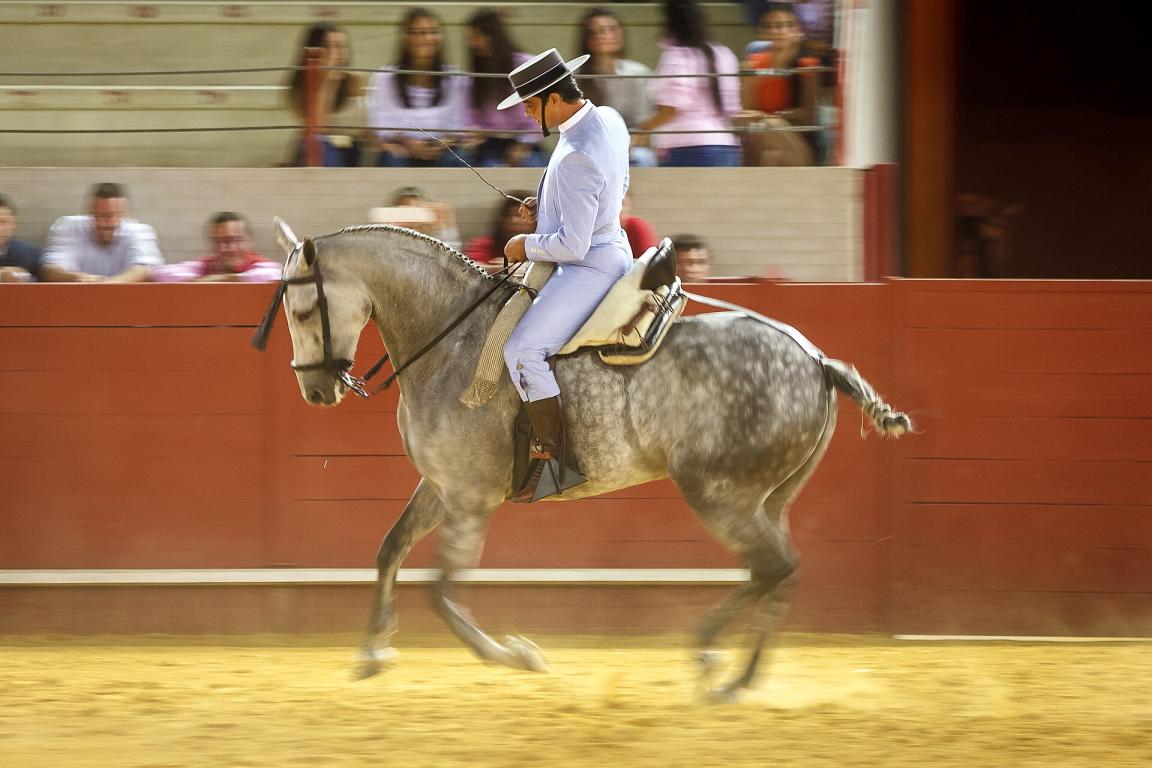
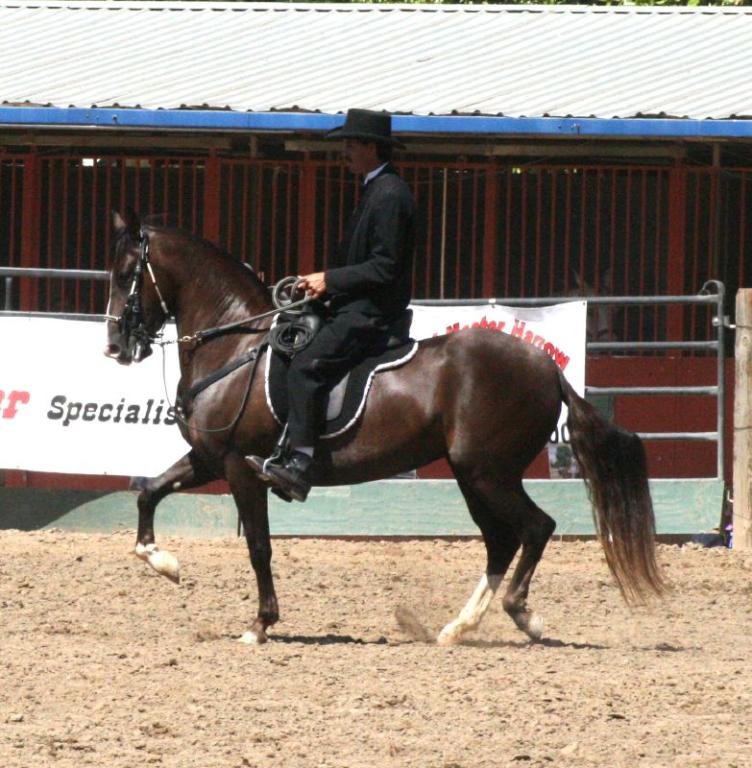
The Paso Fino is an exceptionally smooth and regular natural four-beat gait. Each hoof strikes the ground independently in a rapid and even rhythm, producing very little vertical movement for the rider. This gait is the most distinctive and emblematic characteristic of the breed.
The Paso Corto is an intermediate four-beat gait used for everyday travel and long-distance riding. Faster than the traditional Paso Fino gait while remaining extremely comfortable, it allows the horse to maintain a steady pace without excessively tiring either the horse or the rider.
The Paso Largo is the fastest gait performed by the Paso Fino. Like the breed's other characteristic gaits, it is executed in a four-beat rhythm, allowing the horse to cover more ground while maintaining the smoothness and comfort for which the breed is renowned.