Darkening modifier

Sooty

Illustration of Sooty coming soon

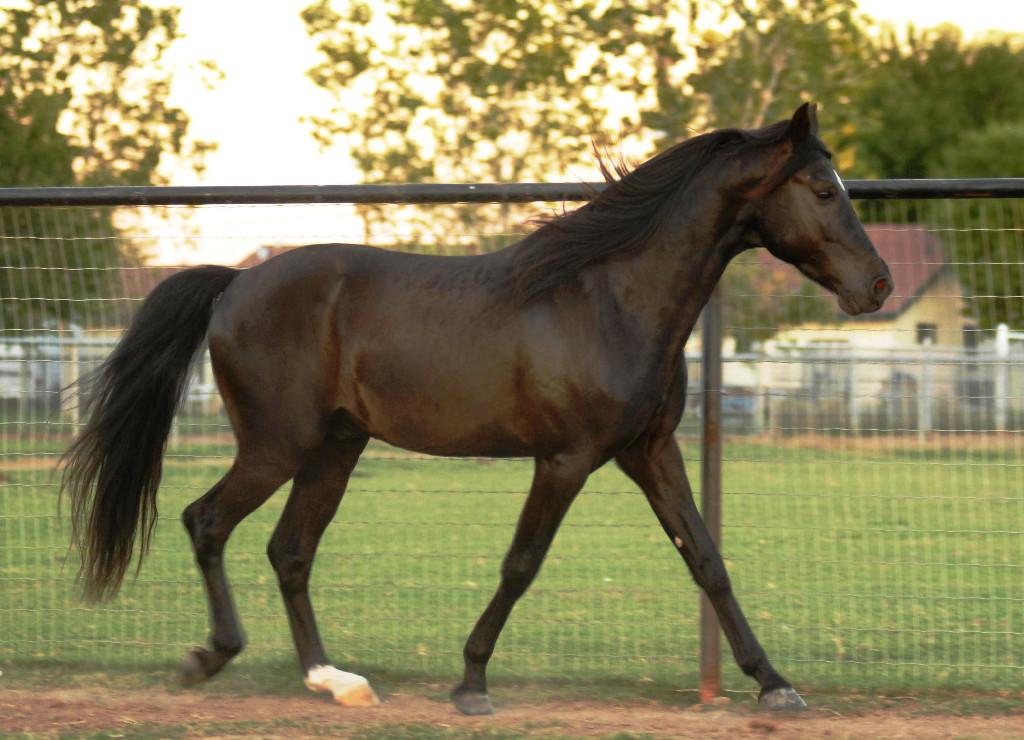
Sooty describes dark hairs mixed into a coat, especially over the upper body. It is not an independent base coat.

Category
Darkening modifier
Family
Dark shading
Related breeds
8 associated breeds

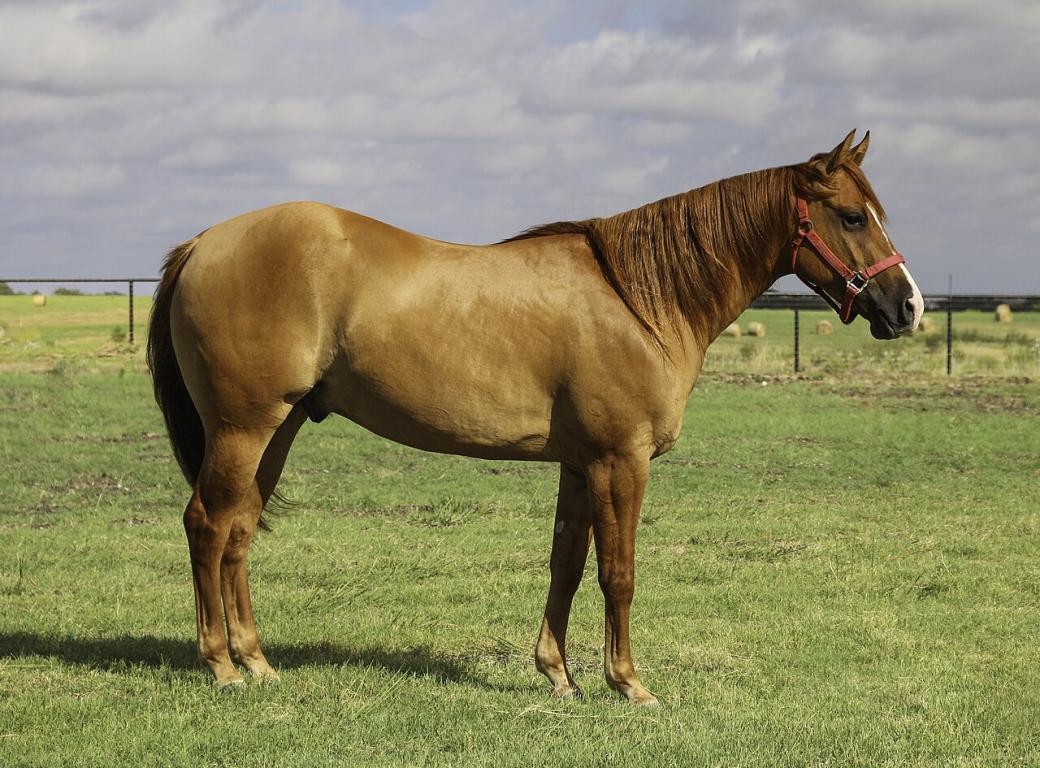
Dark hairs mixed into the coat, giving a shaded effect on back/flanks.

How can you identify Sooty?

A dark mantle or shaded areas appear over the back, neck, croup and flanks. Reverse dappling may be visible.

  • Dark hairs overlay the coat
  • Back and upper body are darkest
  • Intensity may change seasonally
  • Underlying base color remains visible

Genetic origin and mechanism

The exact genetic basis of sooty in horses remains poorly characterized and may involve several factors.

Development and variations

Shading can strengthen or weaken with age and season, making a single photograph unreliable.

Possible confusions

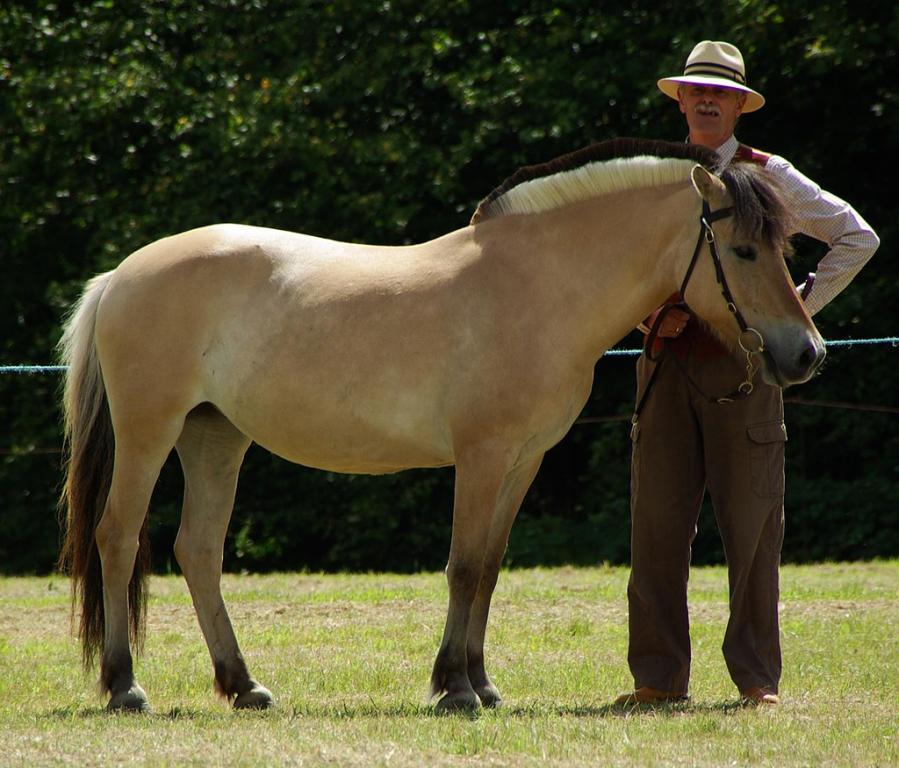
Strong sooty may make palomino look brown, buckskin look wolf-colored, or chestnut appear nearly black.
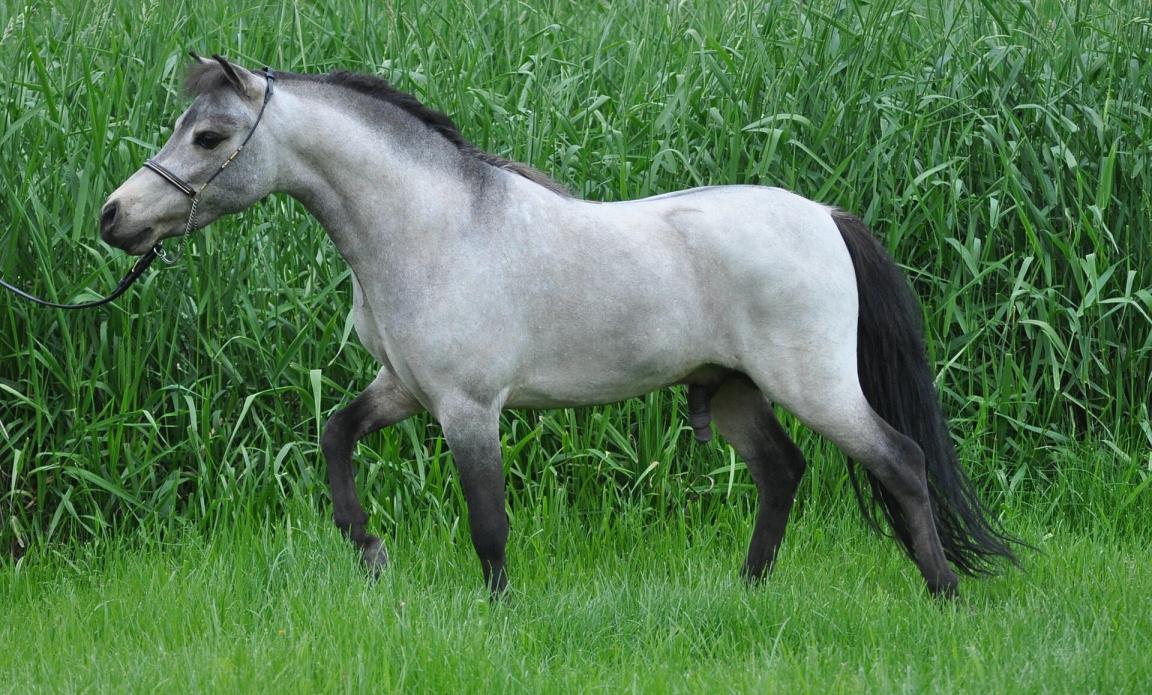
Horse breeds associated with Sooty

Explore the profiles of breeds in which this coat or trait is present or documented.

Frequently asked questions about Sooty

How can you identify Sooty in a horse?

A dark mantle or shaded areas appear over the back, neck, croup and flanks. Reverse dappling may be visible.

Does Sooty change with age or the seasons?

Shading can strengthen or weaken with age and season, making a single photograph unreliable.

Which coats or traits can be confused with Sooty?

Strong sooty may make palomino look brown, buckskin look wolf-colored, or chestnut appear nearly black.
Is genetic testing necessary to identify Sooty?

Visual examination is sometimes sufficient, but genetic testing can be useful when several coats look similar or when breeding decisions are involved.