Diluted coat

Silver bay

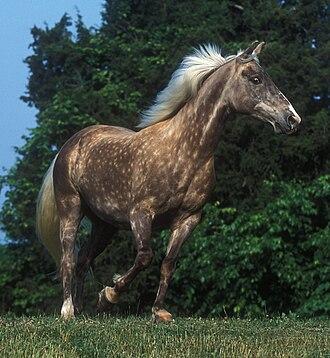
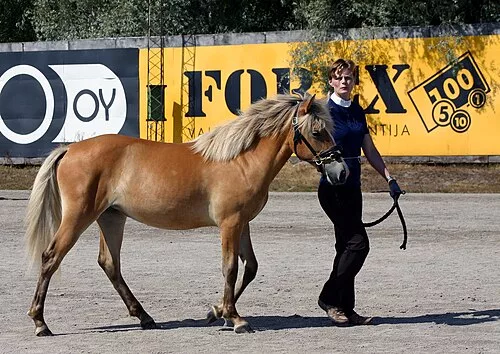
Silver bay horse with a brown coat, lightened mane and tail, and brownish or grayish points
Example of a silver bay horse, with a mane and tail lightened by the silver gene.

Silver bay is a bay coat in which the Silver variant lightens black pigment. The red body is largely preserved while the mane, tail and formerly black points become lighter.

Category
Diluted coat
Family
Silver dilution on a bay base
Related breeds
9 associated breeds

A bay coat affected by the silver gene, with a lightened mane and tail and points that may appear brown or grayish rather than black.

How can you identify Silver bay?

The mane and tail may be blond, silver or grayish, and the legs may appear chocolate or gray-brown. The body retains a bay tone.

  • Bay-colored body
  • Strongly lightened mane and tail
  • Chocolate or grayish points
  • Ordinary black bay points are absent

Genetic origin and mechanism

The dominant Silver variant involving PMEL primarily affects black eumelanin. It is visible in the black areas of bay but may be hidden in chestnut horses.

Development and variations

Mane and leg color can change with age and season, making young horses difficult to classify by appearance alone.

Possible confusions

It may resemble flaxen chestnut, light bay or a mealy coat. Lightened points derived from genetically black areas are an important clue.
Horse breeds associated with Silver bay

Explore the profiles of breeds in which this coat or trait is present or documented.

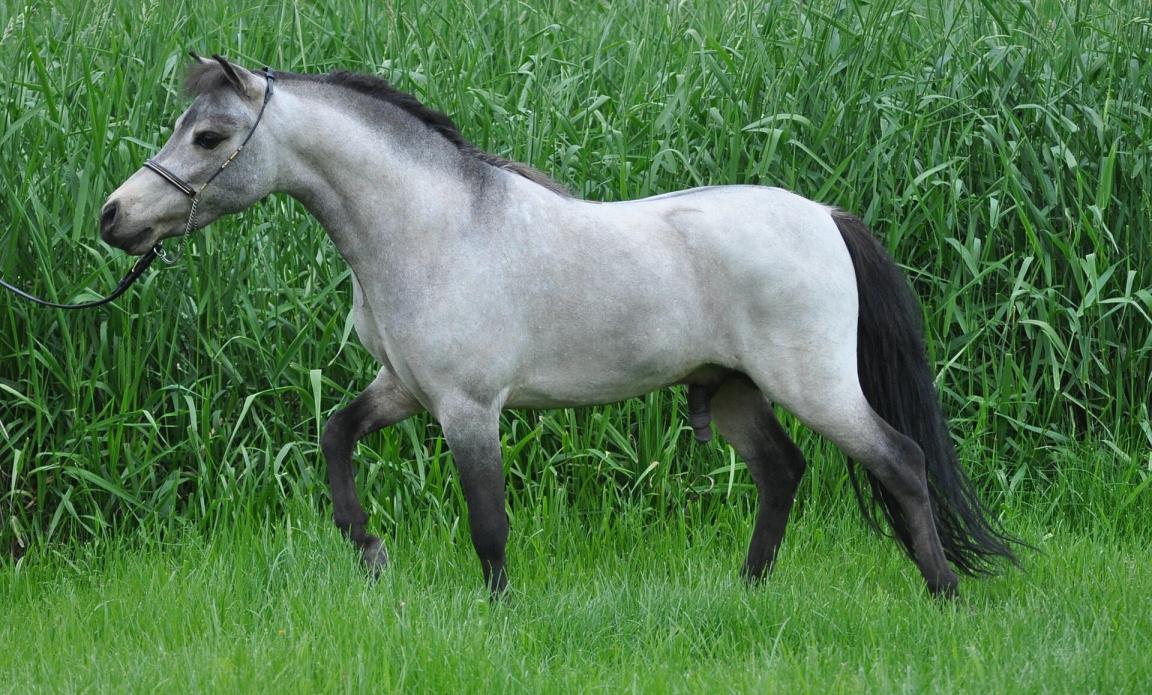
American Miniature Horse - CC BY 3.0 - Larrywalmart

American Miniature

Discover the American Miniature Horse, an elegant and intelligent miniature horse under 86 cm tall, admired for its beauty and gentle temperament.

View profile
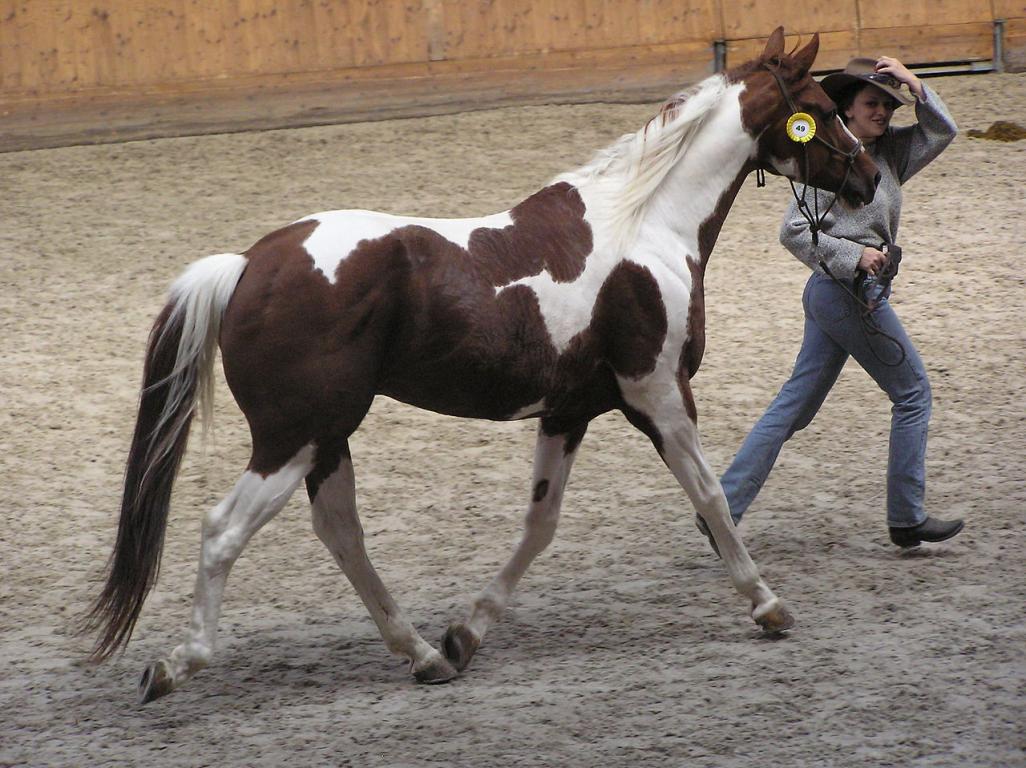
American Paint Horse - CC BY-SA 3.0 - Karakal

American Paint Horse

The Paint Horse, an American breed recognized for its pinto coat and versatility, excels in western riding, leisure, and competitions.

View profile
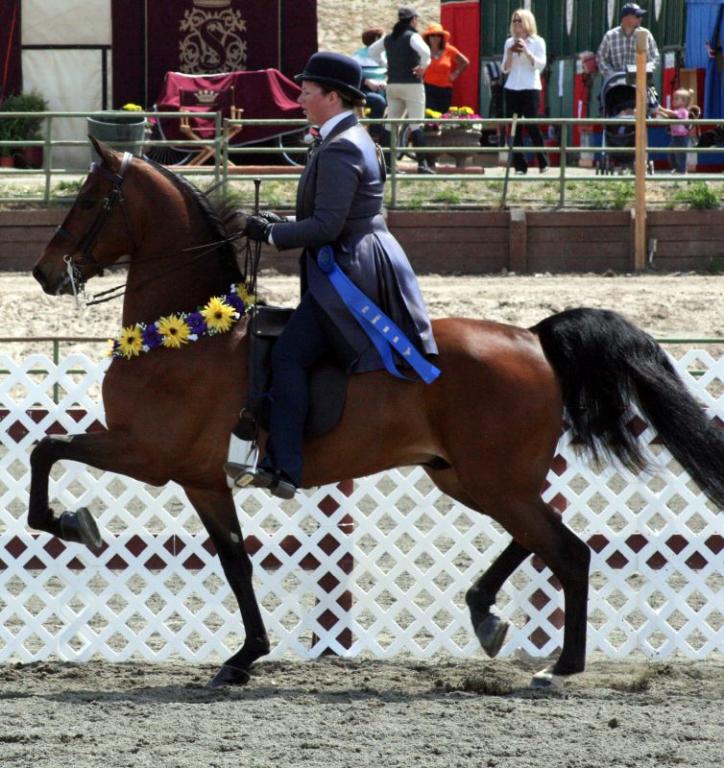
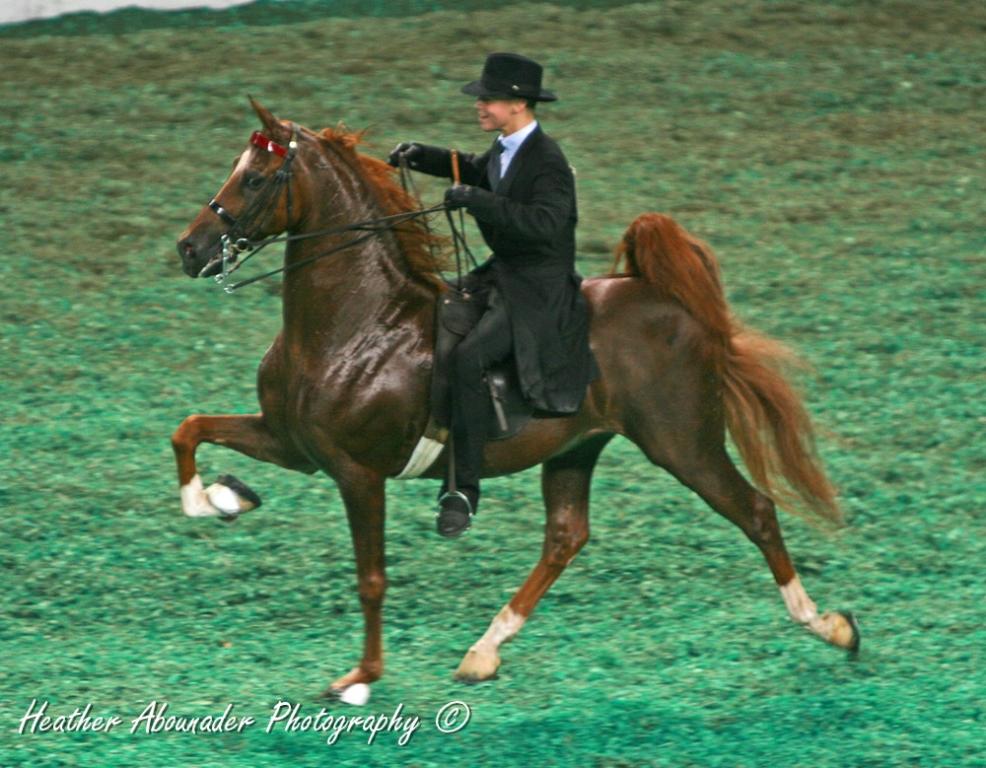
American Saddlebred practicing the rack. - CC BY 2.0 - Heather Moreton

American Saddlebred

Discover the American Saddlebred, an elegant and expressive saddle horse, famous for its high-stepping gaits and iconic role in equestrian shows.

View profile
Image coming soon

Czech Sport Pony – Český sportovní pony

Discover the Czech Sport Pony, a versatile and athletic breed, ideal for children’s riding and pony sport competitions.

View profile
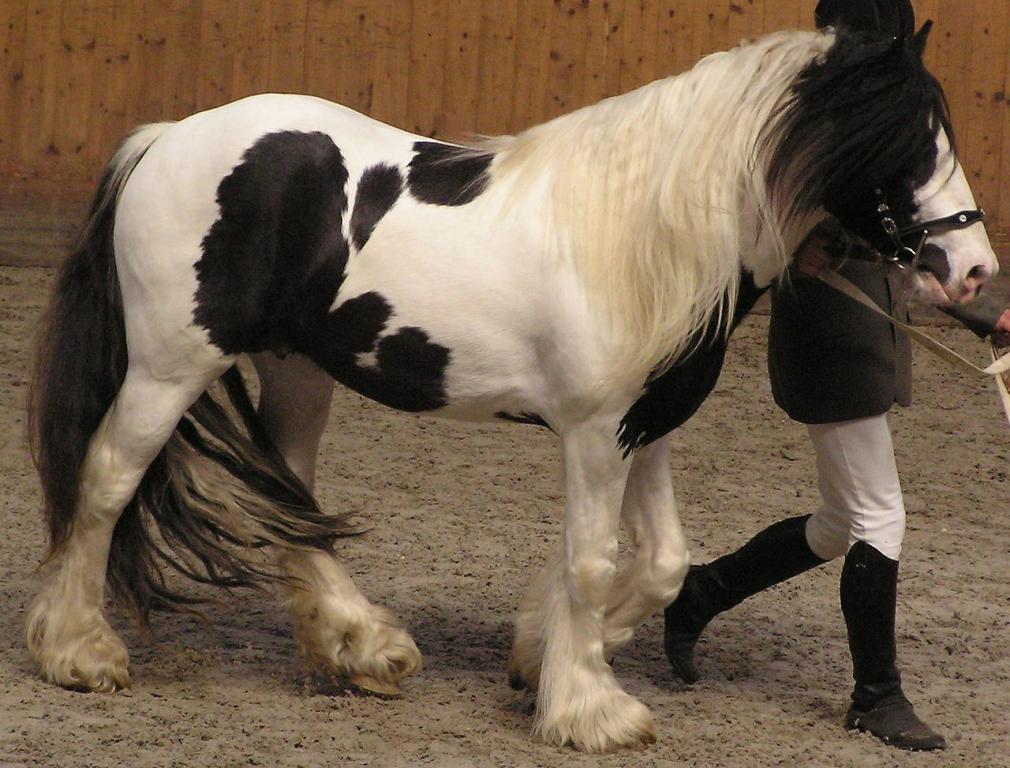
 A model of a piebald Irish Cob with its characteristic abundant mane, at a show in Prague, Czech Republic. - CC BY-SA 3.0 - Karakal

Gypsy Cob – Irish Cob – Gypsy Vanner (Tinker)

Why is the Irish Cob so loved? Gentle, hardy and versatile, this horse with abundant feathering is ideal for riding and driving.

View profile
Kentucky Mountain Saddle Horse, three-year-old mare, conformation - CC BY 3.0 - Kittymama

Kentucky Mountain Saddle Horse

Discover the Kentucky Mountain Saddle Horse, an American breed renowned for its exceptionally smooth gait, gentle temperament, and versatility.

View profile
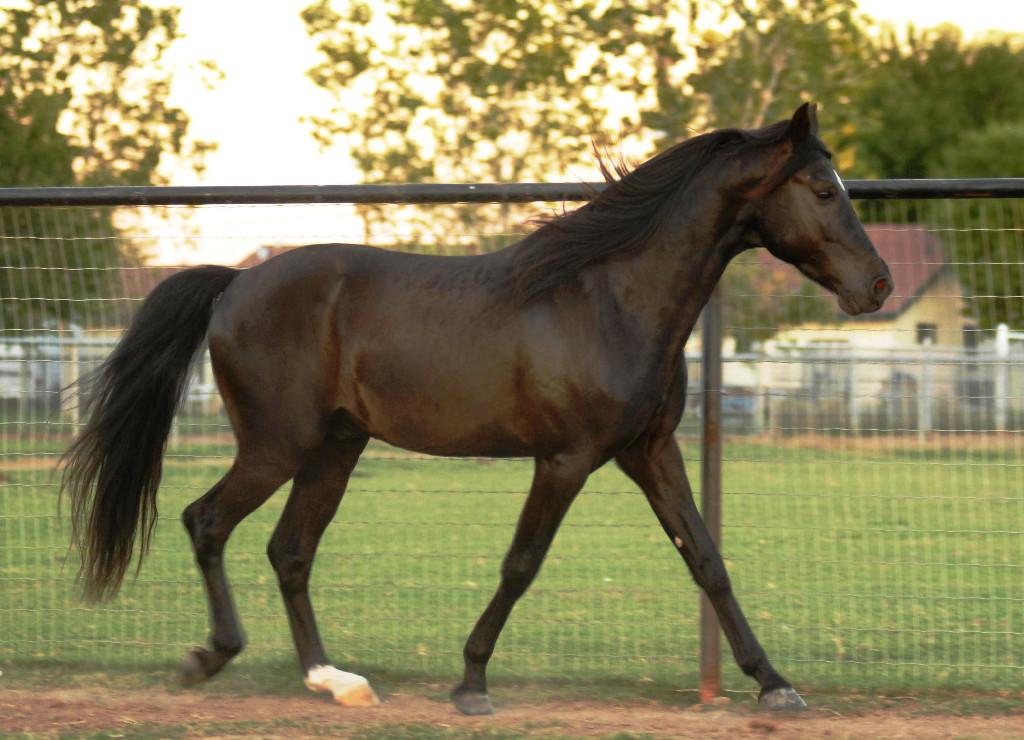
Quick Trigger, licorice-black Missouri Foxtrotter stallion - CC BY-SA 3.0 - Kayla Oakes

Missouri Fox Trotter

Why is the Missouri Fox Trotter so comfortable? Discover this smooth gaited horse, perfect for trail riding and western riding.

View profile
Morgan mounted during a show - CC BY 2.0 - Just chaos

Morgan

Discover the Morgan horse, an American breed renowned for its elegance, strength, and versatility, descended from the legendary stallion Figure.

View profile
Rocky Mountain Horse - CC BY 2.0

Rocky Mountain Horse

Discover the Rocky Mountain Horse, an American breed renowned for its smooth gait, gentle temperament, and distinctive chocolate-colored coat.

View profile

Frequently asked questions about Silver bay

How can you identify Silver bay in a horse?

The mane and tail may be blond, silver or grayish, and the legs may appear chocolate or gray-brown. The body retains a bay tone.

Does Silver bay change with age or the seasons?

Mane and leg color can change with age and season, making young horses difficult to classify by appearance alone.

Which coats or traits can be confused with Silver bay?

It may resemble flaxen chestnut, light bay or a mealy coat. Lightened points derived from genetically black areas are an important clue.
Is genetic testing necessary to identify Silver bay?

Visual examination is sometimes sufficient, but genetic testing can be useful when several coats look similar or when breeding decisions are involved.