Depigmentation present from birth

White

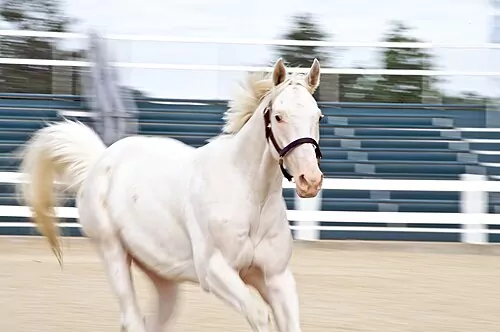
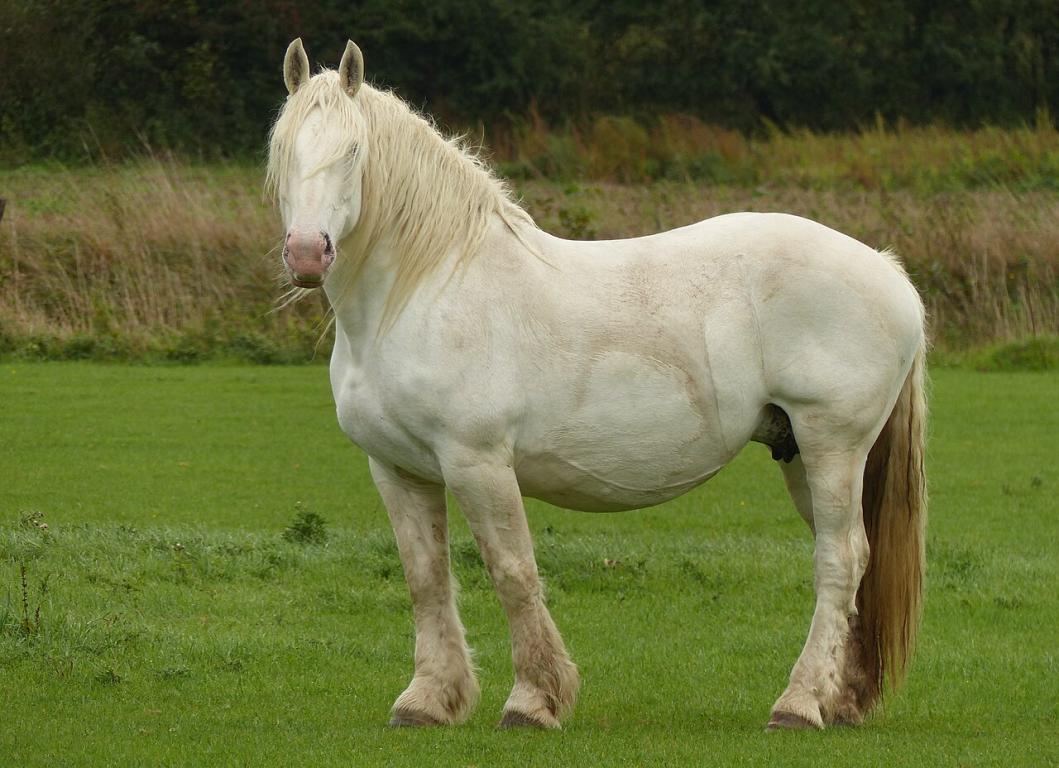
White horse with an entirely white coat and pink skin visible around the eyes and muzzle
Example of a white horse, white from birth and generally associated with pink skin.

A truly white horse is born with white hair and usually pink skin. This differs from gray, in which a horse is born colored and progressively develops white hairs.

Category
Depigmentation present from birth
Family
White phenotypes
Related breeds
9 associated breeds

A completely white coat present from birth, generally associated with pink skin. It differs from gray, which lightens progressively with age.

How can you identify White?

The coat is white from birth, the skin is extensively unpigmented, and the eyes are often brown but may be blue depending on the mechanism involved.

  • White coat from birth
  • Mostly pink skin
  • No progressive whitening from a dark birth coat
  • Eye color varies with the mechanism

Genetic origin and mechanism

Several variants can produce white or nearly white phenotypes, particularly in the KIT region. Not every white horse should therefore be assigned to one mutation.

Development and variations

Unlike gray, the horse does not progressively change from a colored birth coat to white, although small pigmented areas may remain.

Possible confusions

The main confusion is a very light gray horse. Skin color around the eyes and muzzle, together with the birth color, helps separate them.

Horse breeds associated with White

Explore the profiles of breeds in which this coat or trait is present or documented.

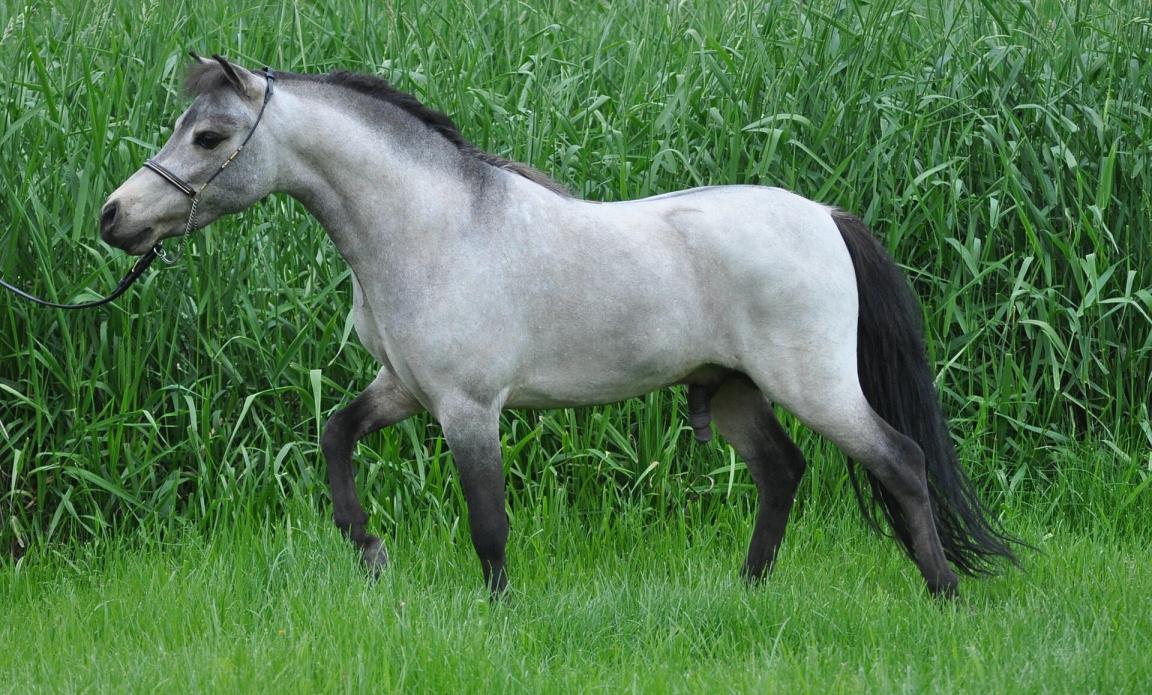
American Miniature Horse - CC BY 3.0 - Larrywalmart

American Miniature

Discover the American Miniature Horse, an elegant and intelligent miniature horse under 86 cm tall, admired for its beauty and gentle temperament.

View profile
Grey Persian Arabian horse at a parade in Nishapur - CC0 - Sonia Sevilla

Arabe Persan - Pur-sang Arabe d’Iran

Discover the Persian Arabian horse, a living treasure of Iran: unique beauty, exceptional resilience, and a major influence on the world’s greatest breeds.

View profile
Image coming soon

Australian Riding Pony

Discover the Australian Riding Pony, an elegant pony standing 127 to 147 cm and around 275 kg, prized in Australia for leisure riding and competition thanks to its beauty and balan ...

View profile
Grey Boulonnais broodmare, in Samer - CC BY-SA 4.0 - Amélie Tsaag Valren

Boulonnais

Discover the Boulonnais horse, a powerful, elegant and gentle French draft breed from the northern coast of France.

View profile
Image coming soon

Calabrese horse

Discover the Calabrese horse, an Italian breed from Calabria, admired for its elegance, agility, and qualities in sport and traditional riding.

View profile
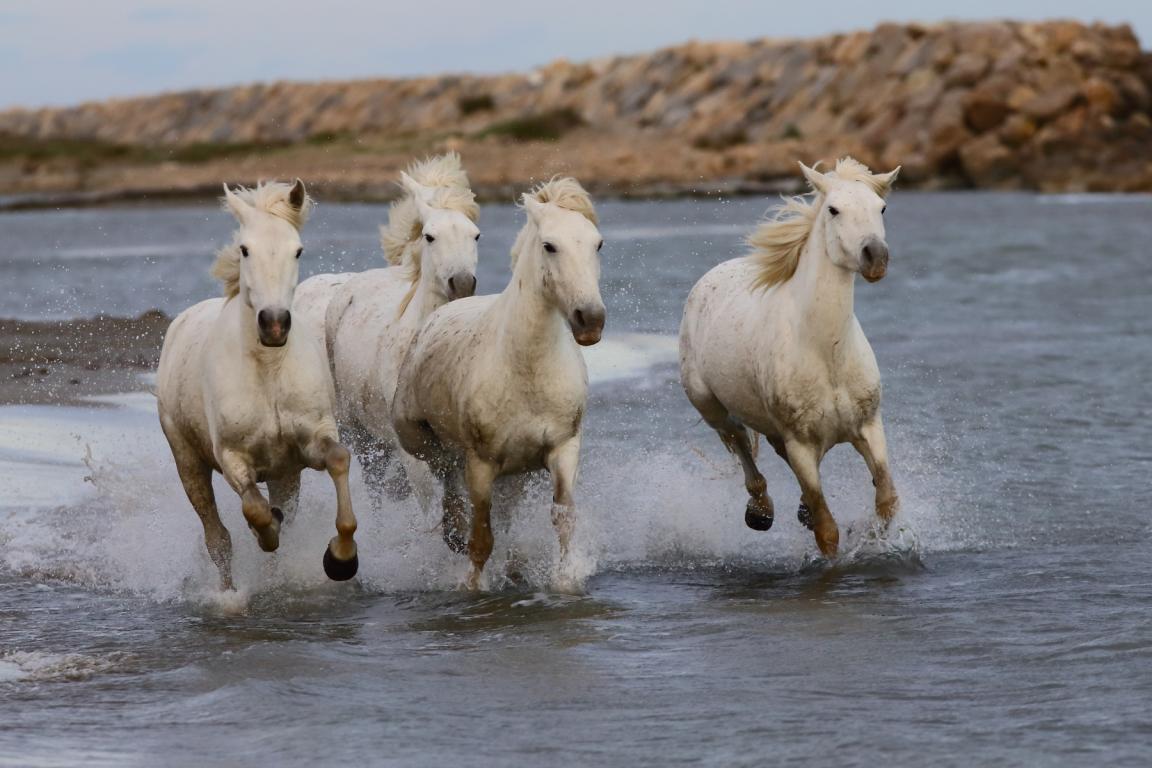
Presentation of these magnificent horses, symbols of the Camargue and pride of the guardians in the marshes - CC BY-SA 4.0 - Rambouil jean

Camargue Horse

The Camargue, the "white horse of the sea", is born dark and slowly turns grey. Raised semi-wild in the Rhône delta marshes, it's the legendary mount of the Camargue guardians.

View profile
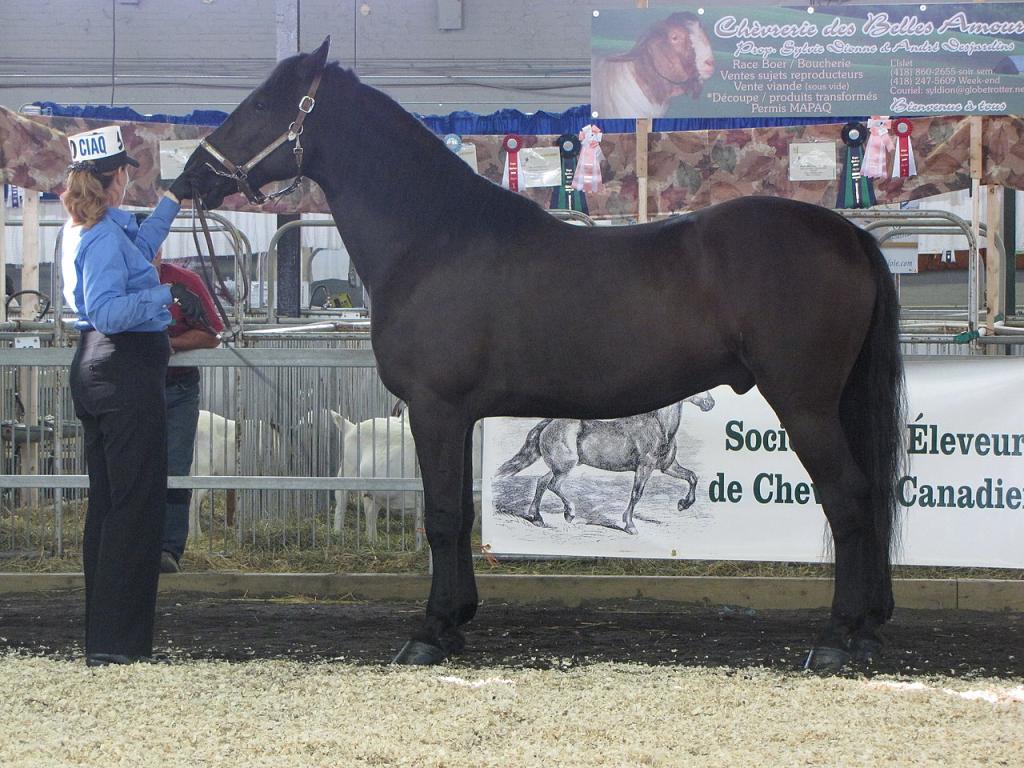
 Judging a Canadian horse at Expo Québec, in 2009. - CC BY 3.0 - busand2003

Canadian Horse

Why is the Canadian horse so special? Strong, versatile and gentle, discover this iconic Quebec breed and its many qualities.

View profile
Image coming soon

Czech Sport Pony – Český sportovní pony

Discover the Czech Sport Pony, a versatile and athletic breed, ideal for children’s riding and pony sport competitions.

View profile
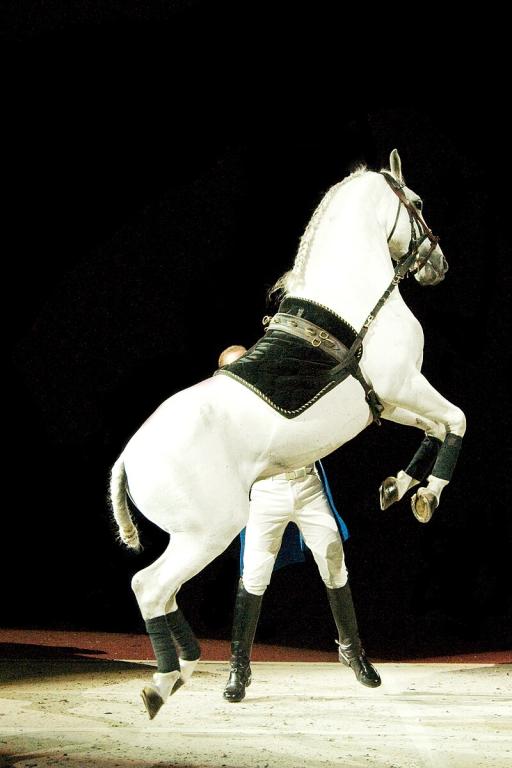
Lipizzaner performing a high aria - CC BY 2.0 - Tom Hammer

Lipizzan

The Lipizzan fascinates with its white coat, natural grace and mastery of classical dressage. The legendary horse of the Spanish Riding School of Vienna.

View profile

Frequently asked questions about White

How can you identify White in a horse?

The coat is white from birth, the skin is extensively unpigmented, and the eyes are often brown but may be blue depending on the mechanism involved.

Does White change with age or the seasons?

Unlike gray, the horse does not progressively change from a colored birth coat to white, although small pigmented areas may remain.

Which coats or traits can be confused with White?

The main confusion is a very light gray horse. Skin color around the eyes and muzzle, together with the birth color, helps separate them.
Is genetic testing necessary to identify White?

Visual examination is sometimes sufficient, but genetic testing can be useful when several coats look similar or when breeding decisions are involved.