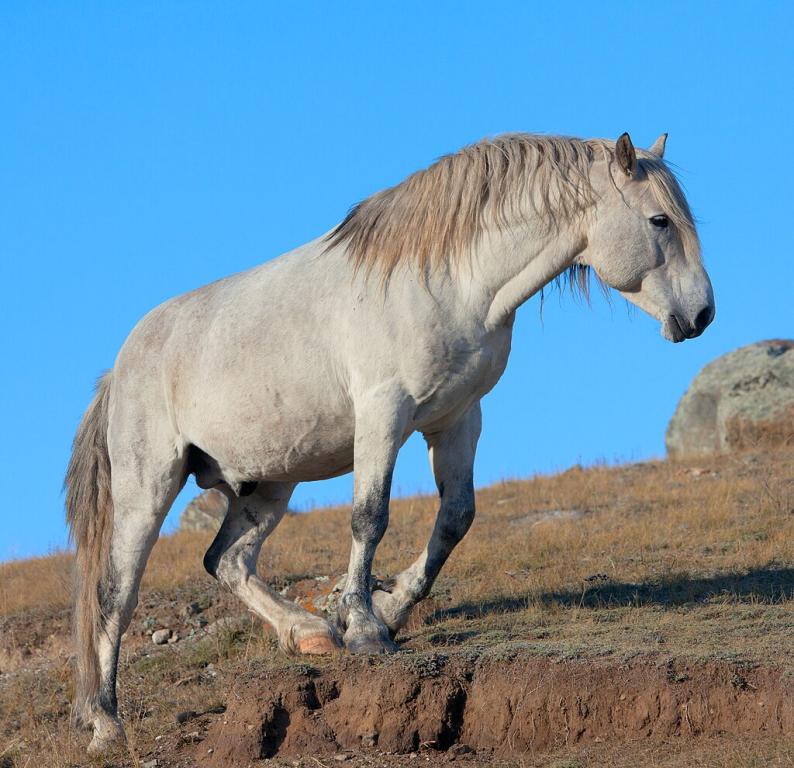
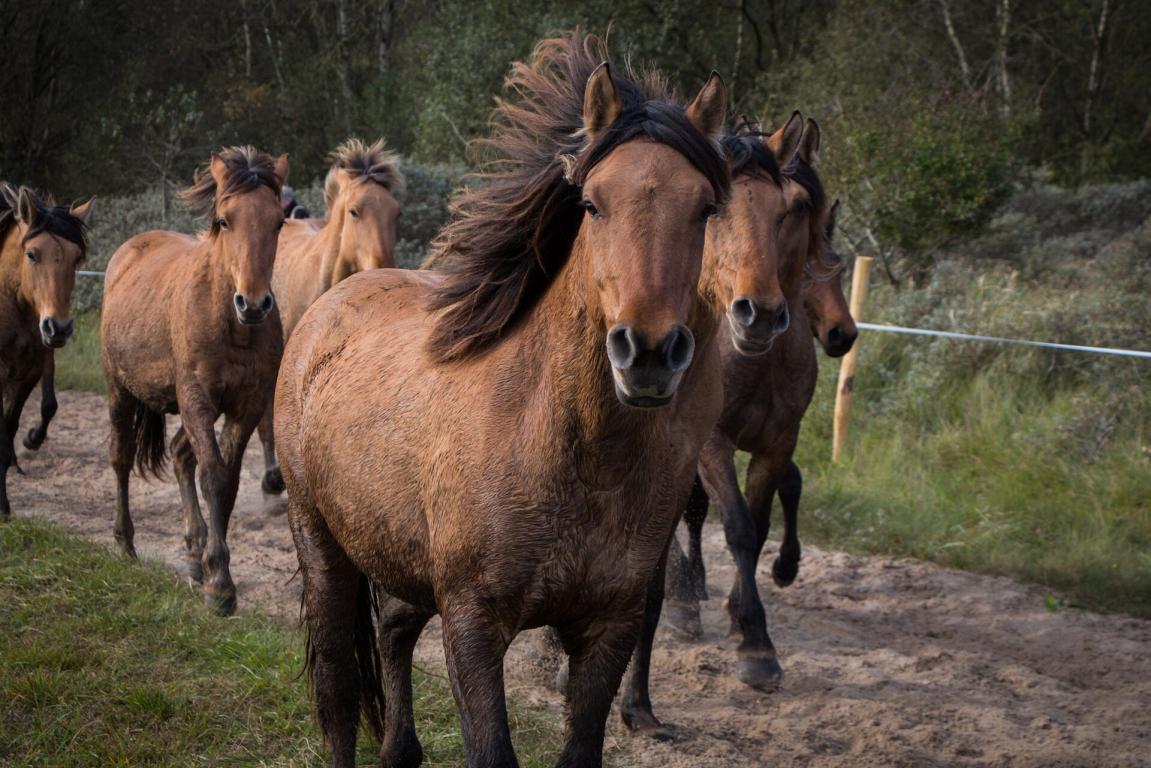
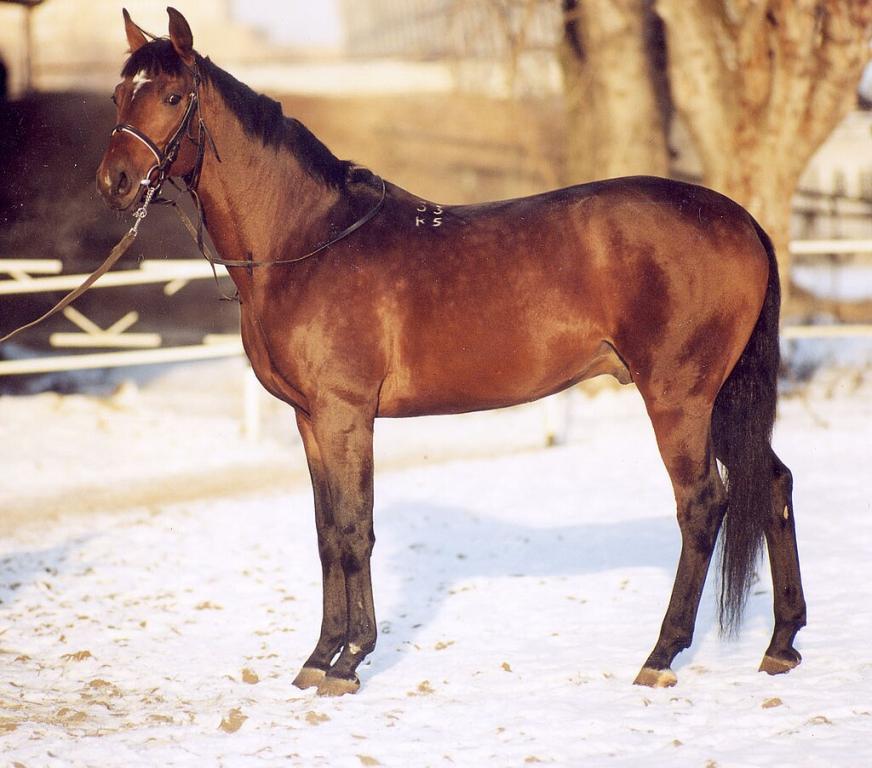
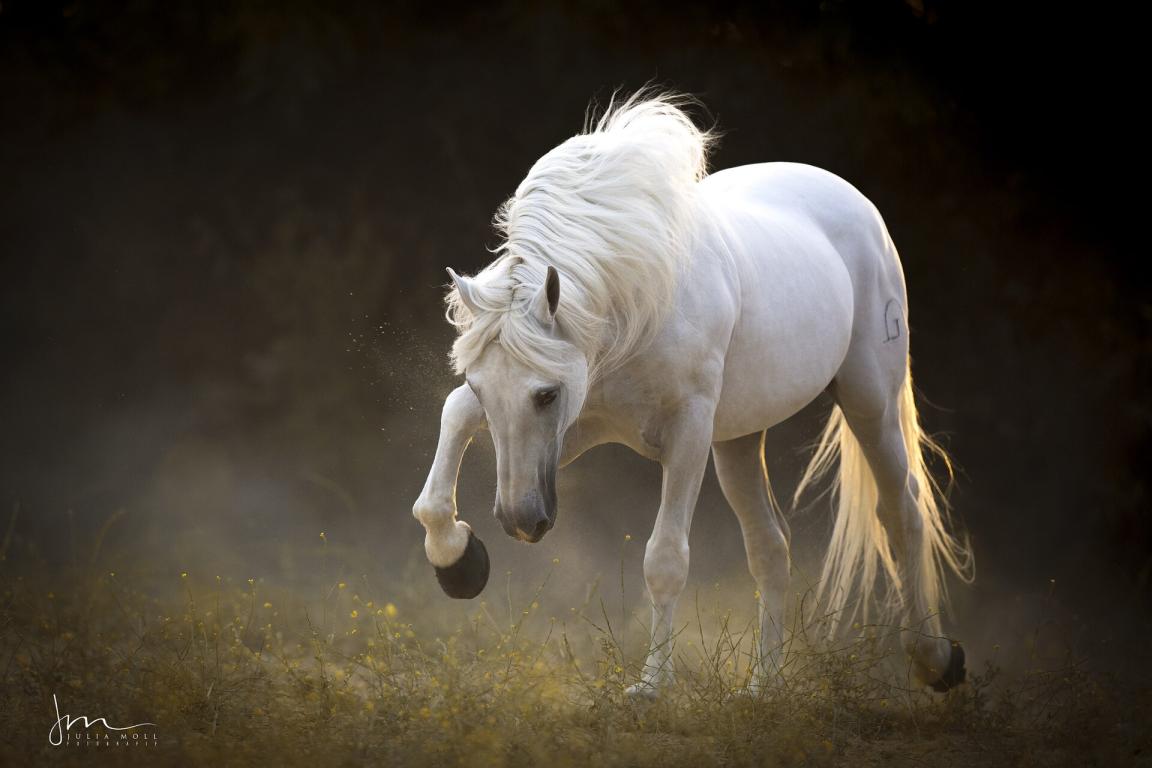
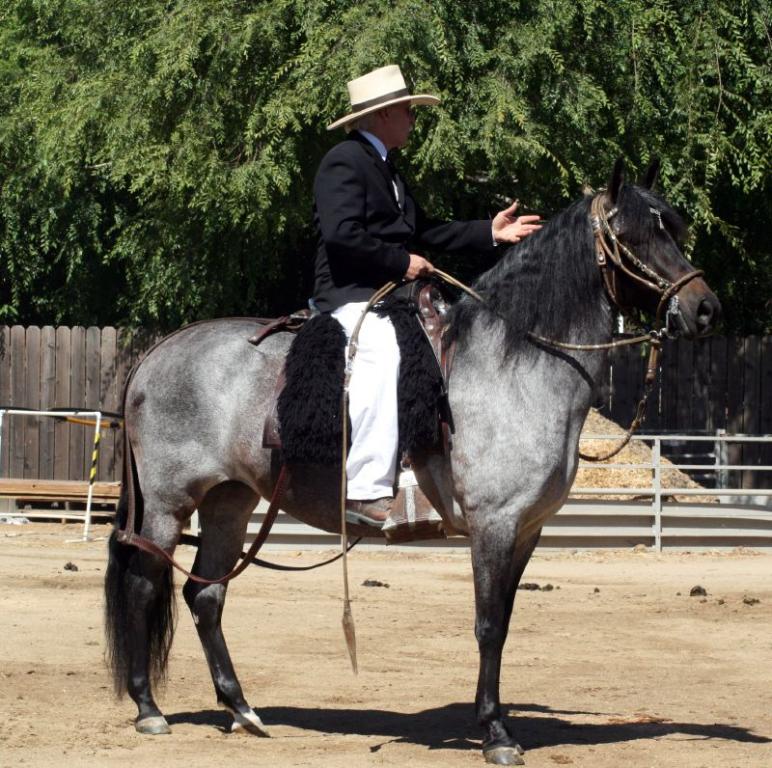
Originating from Shaanxi, the Guanzhong horse is a powerful breed long used for agricultural work and transport in China.
By the Chevaux du Monde editorial team · Published on · Updated on
Type: Riding Horse
Continent: Asia
Country: China
Weight: 380 – 430 kg
Height: 148 – 150 cm
The Guanzhong horse originates from the Guanzhong Basin, a vast fertile plain located in Shaanxi Province, in central China. This region is structured around the Wei River valley, which crosses a landscape dominated by rich agricultural plains and highly productive loess soils.
The climate is continental, characterized by hot, humid summers and cold, dry winters. These natural conditions have favored the development of a robust and enduring horse capable of adapting to significant climatic variations. Over time, this equine population proved particularly well suited to agricultural work, long-distance travel, and the daily tasks of rural Chinese communities.
The Guanzhong region is considered one of the main cradles of Chinese civilization. Several major imperial capitals were established there, including Xi’an, formerly known as Chang’an, one of the largest metropolitan centers of the ancient world.
Within this historical context, local horses played an essential role in the economic and political life of the region. They were used in particular for:
Unlike the prestigious horses reserved for the court or for warfare, the Guanzhong horse was primarily a utilitarian horse, closely linked to rural activities. It represented an indispensable element in the economic and logistical organization of agricultural societies.
In local culture, the Guanzhong horse has traditionally been regarded as a peasant horse, raised within small family farms.
It is associated with several important values in rural society:
The animal was fully integrated into traditional agricultural cycles, participating in plowing, transport of harvests, and activities related to rural markets. In this region, the horse was therefore perceived less as a symbol of prestige and more as an essential working companion in the daily life of farming communities.
Despite the transformations of horse breeding during the 20th century, the Guanzhong horse has retained a relatively ancient identity. It has been less influenced by intensive modern crossbreeding than some other equine populations.
As a result, it still shows genetic characteristics close to those of traditional agricultural horses from northern and central China, making it today a living witness to historical Chinese agrarian systems.
This geographical and cultural origin gives the breed a significant heritage value, explaining the growing interest in conservation programs, cultural heritage initiatives, and educational projects related to traditional rural horse cultures.
The traditional breeding area of the Guanzhong horse is located in the Guanzhong Basin, in central Shaanxi Province, China. This region is structured around the Wei River valley, which crosses a vast agricultural plain historically known for its high productivity.
The main areas associated with the presence of the breed include:
This environment of fertile plains and intensive agricultural zones contributed to the development of a robust and enduring horse, well adapted to rural activities.
Outside its main breeding area, equine populations related to the Guanzhong horse can also be found in certain neighboring regions. These horses may originate from crossbreeding or from closely related local populations.
They can be found in particular:
However, these extensions remain limited and are often integrated into local agricultural systems, without a clearly structured breeding framework.
The Guanzhong horse developed in an environment characterized by specific natural conditions:
Within this context, breeding generally follows extensive or semi-extensive systems, with feeding based mainly on local forage and crop residues from cereal production.
Traditionally, the Guanzhong horse is raised in small family farms. Herd sizes remain modest, usually consisting of one to three horses per household.
These animals are used for several utilitarian purposes:
Reproduction usually occurs naturally, and selection relies on empirical criteria, favoring individuals that are robust, docile, and capable of sustained work.
Today, the Guanzhong horse has experienced a significant decline in numbers, mainly due to agricultural mechanization and changes in rural practices.
Nevertheless, the breed still survives:


The Guanzhong horse represents one of the historical genetic foundations of horses in northern and central China. Originating from local populations that were long raised within traditional agricultural systems, it developed with limited intensive artificial selection.
Over the centuries, its characteristics were shaped mainly by the demands of agricultural work and by natural selection linked to environmental conditions. This gradual evolution allowed the breed to retain a functional genetic diversity, which is particularly valuable today, at a time when many horse breeds have become highly standardized through modern breeding practices.
The genetic heritage of the Guanzhong horse is reflected in several qualities typical of rustic indigenous breeds:
These traits are commonly found in traditional equine populations with limited hybridization, which have become increasingly rare as modern breeding has favored specialized and genetically more uniform lines.
Historically, the Guanzhong horse has played an important role in shaping equine populations in Shaanxi and neighboring regions.
In particular, it contributed to:
Its influence is therefore primarily linked to traditional agricultural systems, where reliability and resilience were the main priorities.
Today, the Guanzhong horse has notable scientific and conservation value. It represents in particular:
Preserving these lineages may therefore help maintain useful genetic resources in the face of environmental change.
Despite these qualities, the Guanzhong horse population now faces several risks:
These factors weaken the long-term sustainability of the breed.
The preservation of the Guanzhong horse represents an important challenge for several reasons:
In this respect, the breed can be considered both a genetic and cultural heritage, comparable to historic European peasant horses, whose historical and biological value now justifies dedicated conservation efforts.
The Guanzhong horse traces its roots to the indigenous horse populations of the Guanzhong Basin, a region located in the center of present-day Shaanxi Province and considered one of the oldest agricultural and political centers of China. This vast plain, structured by the Wei River valley (Wei He), is characterized by fertile soils and an environment particularly favorable to agriculture.
As early as the 2nd millennium BCE, horses are documented in this region. They were used for various utilitarian purposes, including:
These local equine populations gradually formed the basis of rustic working horses, well adapted to agricultural plains and regional trade networks.
With the rise of the Qin and Han dynasties, the Guanzhong region gained major political importance when Chang’an (modern Xi’an) became an imperial capital.
In this context, local horses played an important role in the economic and administrative functioning of the empire. They were used particularly for:
Unlike the prestigious war horses imported from the steppes of Central Asia, the Guanzhong horse remained primarily a utilitarian horse, valued for its strength, endurance, and reliability in everyday tasks.
During the Tang, Song, Yuan, and Ming dynasties, the Guanzhong region maintained a strong agricultural tradition. The local horse continued to play an essential role in the rural economy.
During this period, these horses were generally:
They became true subsistence horses, closely connected to the daily life of rural communities in the Guanzhong Basin.
The modern Guanzhong horse took shape in the mid-20th century, during a period of transformation in Chinese agriculture.
In the early 1950s, growing demands for agricultural production and rural transport led authorities to seek a more powerful working horse, capable of pulling heavy loads while maintaining good endurance.
A breeding program was launched at the state stud of Liuling, in Shaanxi Province. The goal was to develop a horse that was:
Initially, crossbreeding was carried out with several breeds imported from the Soviet Union, including:
However, the first results did not fully meet expectations: the horses produced were often too tall and too light, lacking the strength required for heavy agricultural work.
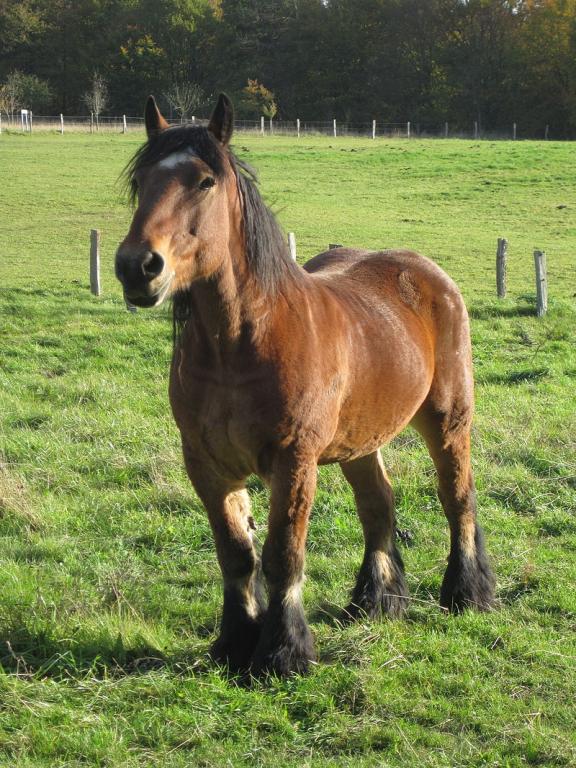
From 1958 onward, breeders introduced Ardennes stallions, a European draft horse breed known for its strength and robustness. These crosses produced horses that were more massive and better suited to agricultural traction, contributing to the formation of the modern type of the Guanzhong horse.
The Liuling stud also played an important role in developing other domestic breeds in the region, including the Guanzhong donkey and the Qinchuang cattle breed.
From the second half of the 20th century, rapid changes in agriculture significantly altered the role of horses.
Several factors affected the situation of the breed:
In the absence of a structured studbook or early official recognition, the genetic identity of the Guanzhong horse gradually became more fragile.
Today, the Guanzhong horse survives mainly as scattered populations, particularly in certain rural areas of Shaanxi Province.
For researchers and specialists in local horse breeds, this population represents:
Local initiatives are beginning to emerge to document, preserve, and promote this breed, particularly through cultural, heritage, and educational projects.
The history of the Guanzhong horse is that of a modest but essential horse, deeply connected to the development of Chinese agricultural civilization. For more than two millennia, it accompanied rural societies in central China, contributing to agricultural work, trade exchanges, and the logistical organization of territories.
Although it remained in the shadow of prestigious war horses and elite breeds, it now stands as a valuable witness to the agrarian and cultural history of China.
The Guanzhong horse is known for its calm, reliable, and docile temperament. This character results from long utilitarian selection within family farms of the Guanzhong Basin, where horses needed to be safe, easy to handle, and capable of working daily.
In general, this horse shows:
These qualities make it a horse particularly well suited to regular tasks and rural environments.
The Guanzhong horse generally maintains a cooperative relationship with humans. Accustomed to living and working close to rural families, it has developed a tolerant and easy-to-manage behavior.
In particular, it shows:
This long-standing proximity to humans explains its reputation as a reliable and approachable horse.
When working, the Guanzhong horse stands out for its consistency and endurance. It does not have an explosive temperament but is willing and steady in its effort.
Its main qualities include:
These characteristics perfectly match the requirements of traditional agricultural work.
Under saddle, the Guanzhong horse is generally appreciated for its emotional stability and predictability.
It often displays:
These qualities make it suitable for simple riding activities focused on leisure or practical use.
Within herds, the Guanzhong horse generally shows a balanced social behavior.
Observations indicate:
This social behavior facilitates its breeding in extensive or semi-extensive systems.
Overall, the Guanzhong horse can be described as:
It also shows a strong ability to adapt to regular working routines, which fits well with traditional agricultural systems.
Thus, the Guanzhong horse represents a trustworthy working companion, particularly suited to traditional agriculture, educational projects, and cultural heritage initiatives.
Today, the Guanzhong horse is experiencing a progressive decline in population numbers. This development is mainly explained by several major transformations in agricultural systems and livestock breeding in China:
Despite these challenges, small population nuclei still survive in certain rural areas of Shaanxi, where traditional farming systems occasionally continue to use horses.
Several realistic avenues could help preserve and promote the Guanzhong horse in the future.
The first priority concerns preserving the genetic heritage of the breed. This could involve:
In some agricultural contexts, the horse could regain a limited but meaningful role, such as:
The Guanzhong horse could also play a role in cultural and tourism initiatives, including:
Such initiatives help transmit the history of rural landscapes and traditional agricultural practices.
Thanks to its generally calm temperament and robust constitution, the Guanzhong horse could also be used for simple and supervised leisure activities, such as:
In the medium term, several initiatives could strengthen the visibility and protection of the breed, including:
In a global context where genetic diversity and agricultural resilience are becoming increasingly important, the Guanzhong horse represents:
The future of the breed therefore depends less on sport performance than on the transmission of an agricultural and cultural heritage, as well as on the preservation of genetic resources adapted to demanding environments.
In this perspective, educational and heritage initiatives focusing on traditional horse breeds can help raise public awareness and support the conservation of the Guanzhong horse.
The Guanzhong horse generally displays robust health, inherited from natural and functional selection in the Guanzhong Basin. It is known for its resistance to climatic constraints and its long working life.
The Guanzhong horse is a healthy, enduring, and resilient horse, well suited to extensive systems, conservation projects, cultural heritage interpretation, and educational presentation, where biological durability is valued more than performance.