Yunnan

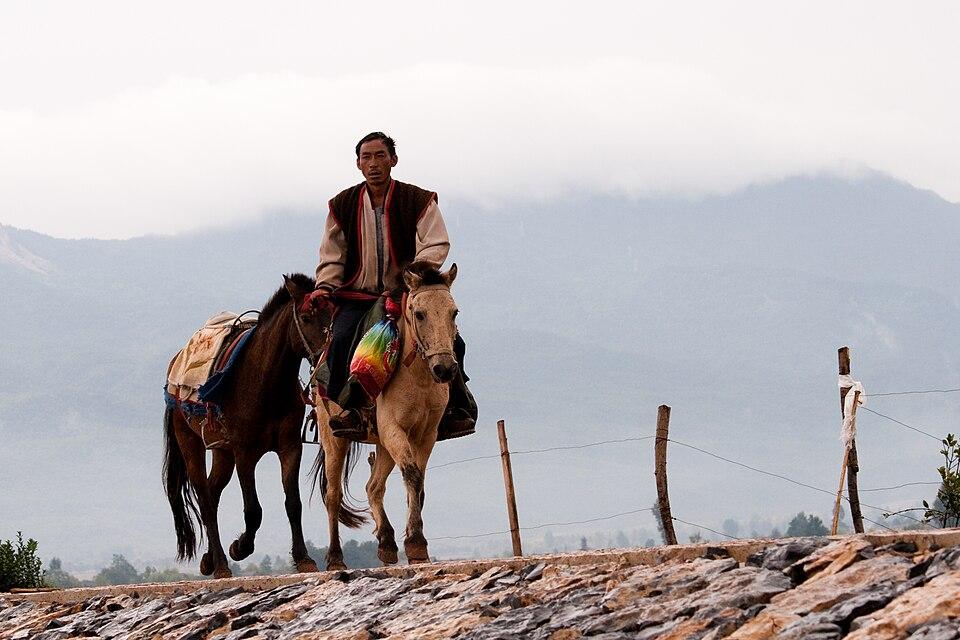
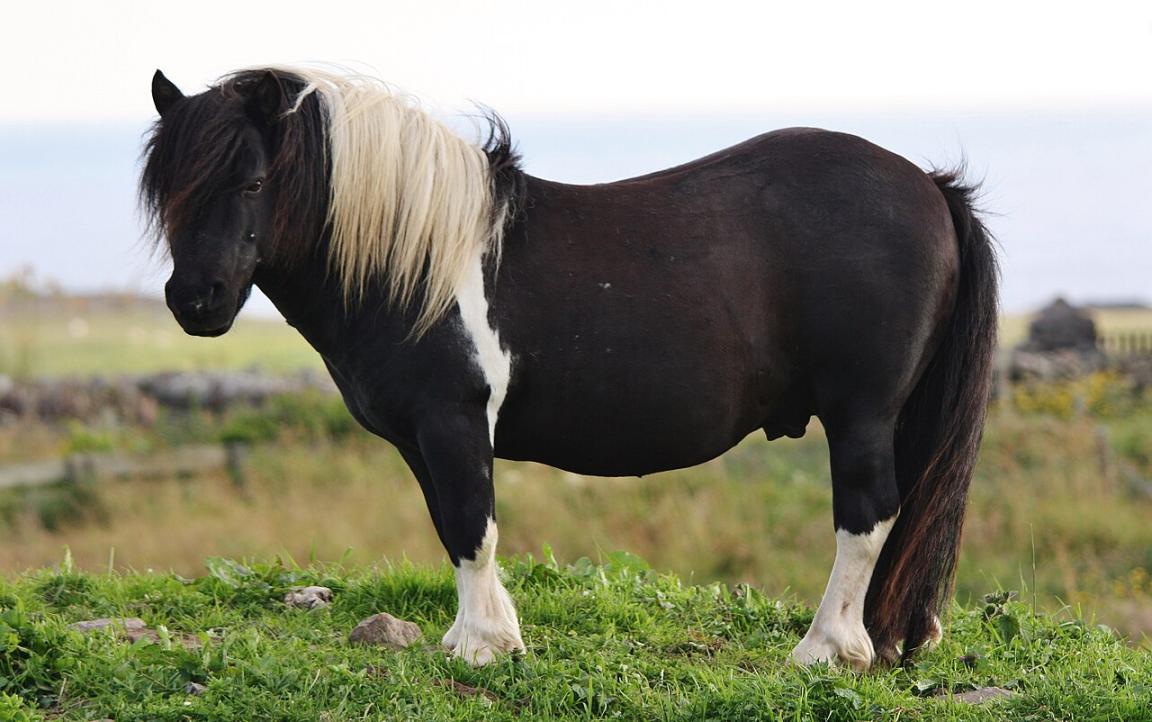
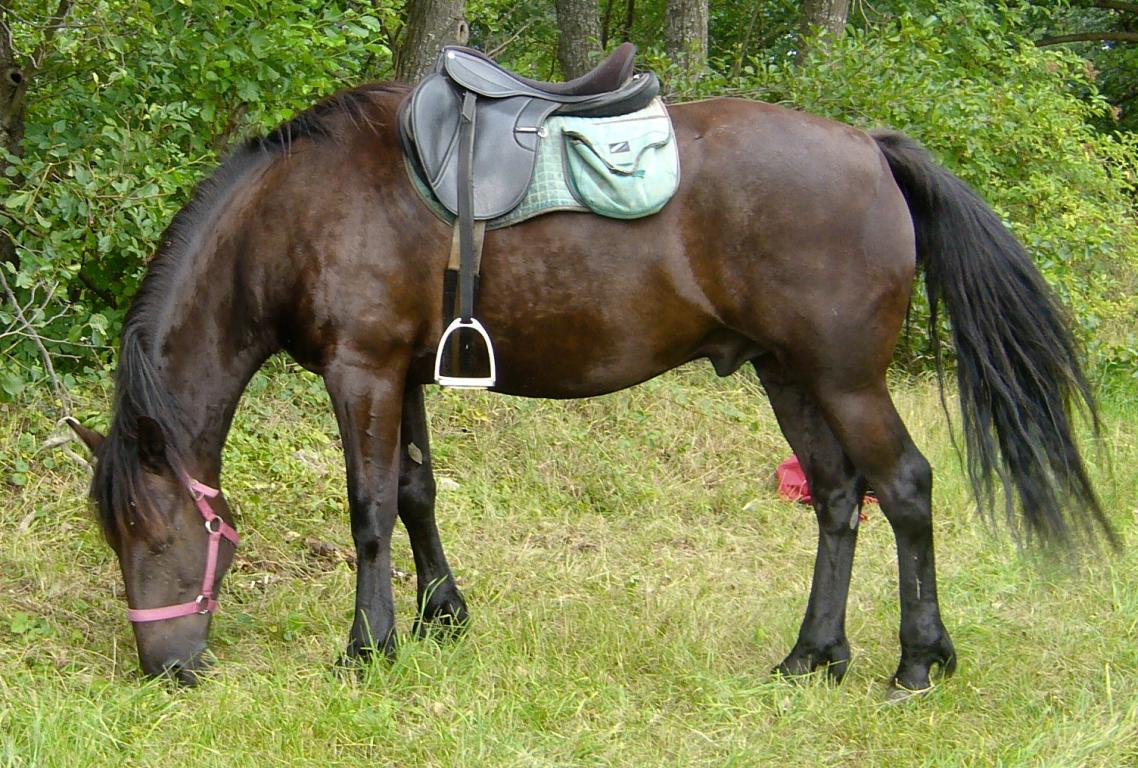
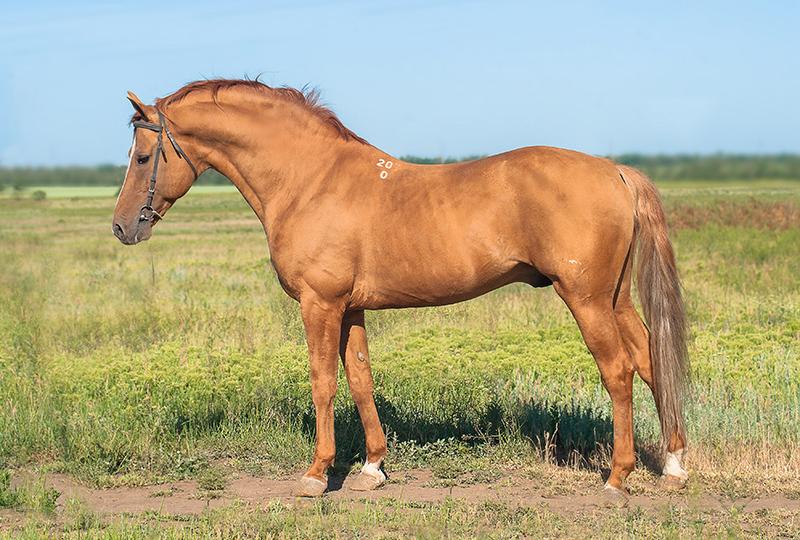
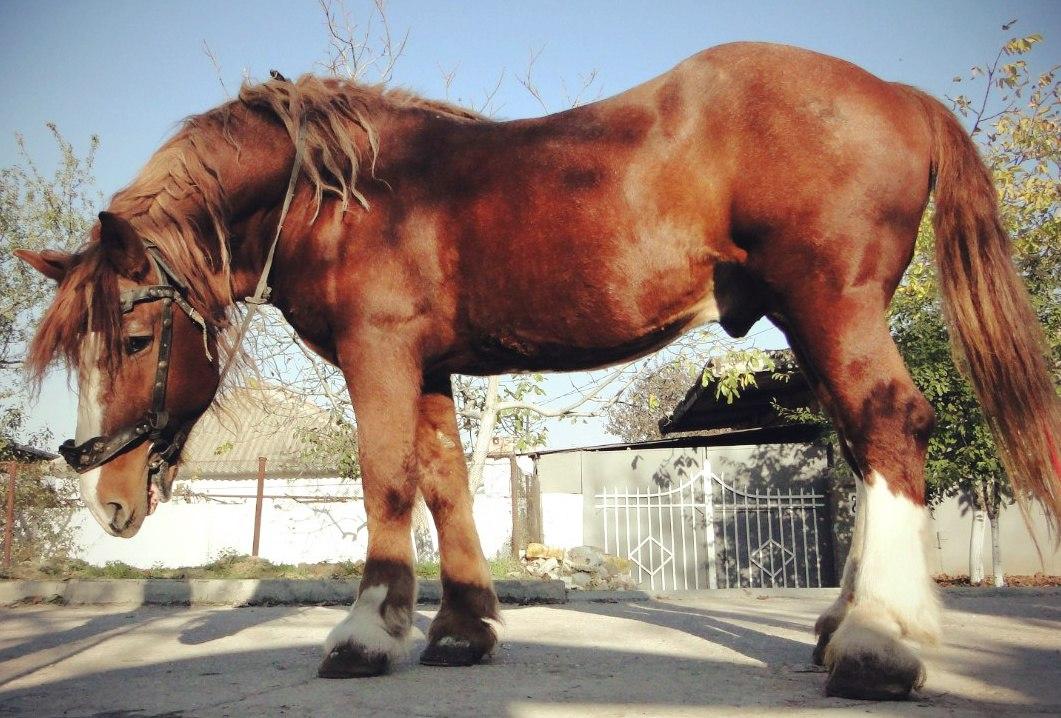
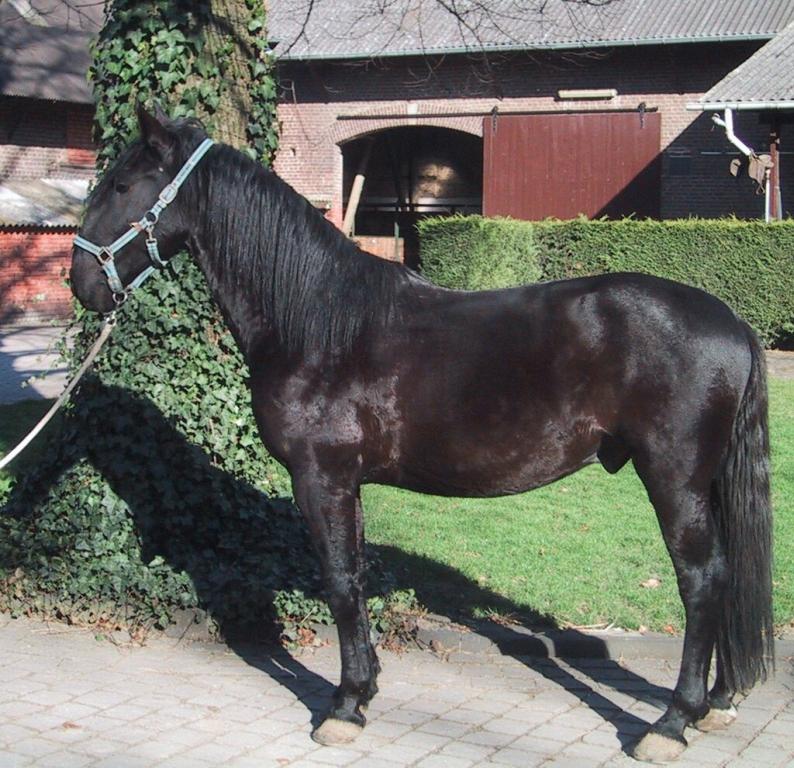
Yunnan Lijiang type pony ridden by a Naxi horse - CC BY 2.0 - Tom Thai
Yunnan Lijiang type pony ridden by a Naxi horse CC BY 2.0 – Tom Thai Source

General Characteristics

Region of Origin

Continent: Asia

Country: China

Measurements

Weight: 250 – 400 kg

Height: 105 – 130 cm

Coat Colors

  • Chestnut / Sorrel : Reddish-brown coat with matching mane and tail; no black.
  • Black : Solid black hair and mane, dark skin.
  • Bay : Brown body, black mane and tail, black lower legs/head.
  • Gray : Born dark and lightens with age; mixed dark and white hairs.
  • Dun / Yellow dun : Pale yellow coat, dark mane/tail, dorsal stripe and leg barring.

Disciplines & Skills

  • Trail Riding
  • Equestrian Show
  • Riding School
  • Draft Work
  • Pack horse / Pack animal

Origin

Geographical Origin

The Yunnan horse originates from Yunnan Province, located in south-western China, a region characterized by:

  • very mountainous terrain,
  • high plateaus often exceeding 2,000 meters in altitude,
  • a contrasting climate, alternating between humid seasons and colder periods at higher elevations.

These natural conditions shaped a rustic equine population, capable of surviving and working in harsh environments with limited resources.


Cultural and Historical Origin

The Yunnan horse has historically been closely associated with rural communities and local ethnic minorities (Yi, Bai, Naxi, Hani, among others), who primarily used it for:

  • transporting goods,
  • travel across steep terrain,
  • subsistence agriculture,
  • regional trade and exchanges.

It played a discreet yet essential role along ancient trade routes, including parts of the Tea Horse Road, which connected Yunnan with Tibet and neighboring regions.


Formation of the Breed

Unlike horse breeds developed through modern selective breeding programs, the Yunnan horse emerged through:

  • natural selection in mountainous environments,
  • locally managed reproduction without strict standardization,
  • gradual adaptation to climatic and topographic constraints.

This slow evolution led to the stabilization of essential functional traits:

  • high endurance,
  • efficient metabolism with limited feed,
  • sure-footedness on unstable terrain,
  • general resistance to common diseases.

Breeding Area

Main Breeding Region

The Yunnan horse is raised almost exclusively in Yunnan Province, in south-western China.

The region is characterized by:

  • high-altitude plateaus (1,800 to over 3,000 meters),
  • rugged mountainous terrain,
  • contrasting climate, with cold winters at altitude and humid summers,
  • vegetation dominated by poor natural grasslands and forest areas.

These conditions favor extensive breeding systems, based on adaptation rather than performance.


Traditional Breeding Zones

Breeding historically occurs in several rural mountainous areas, including:

  • north-western Yunnan, near the Tibetan Plateau,
  • central mountainous regions with fragmented landscapes,
  • isolated valleys in southern and south-eastern Yunnan, where agriculture remains only partially mechanized.

In these areas, the horse is still used for:

  • local transport,
  • light agricultural work,
  • daily travel.

Dominant Breeding System

Breeding is mostly:

  • extensive or semi-extensive,
  • based on local reproduction,
  • with little or no standardized morphological selection.

Horses often live:

  • in small family herds,
  • on natural grazing areas,
  • with limited human intervention.

This system encourages natural selection pressure and maintains rustic characteristics.


Limited Geographic Distribution

The Yunnan horse remains rare outside its native region:

  • scarce beyond south-western China,
  • almost absent from international markets,
  • no structured export programs.

This limited distribution contributes to:

  • preserving its genetic identity,
  • but also demographic vulnerability.


Morphology & Physical Traits

Icon Neck
Neck
Short to medium length. Well set, slightly arched.
Icon Hooves
Hooves
Small, very hard hooves.
Icon Head
Head
Proportionally broad. Straight to slightly concave profile.
Icon Ears
Ears
Short to medium-sized ears, mobile.
Icon Eyes
Eyes
Bright, expressive eyes (good alertness).
Icon Chest
Chest
Deep chest.
Icon Back
Back
Short and strong.
Icon Loin
Loin
Strong loin.
Icon Croup
Croup
Short, slightly sloping, dense musculature.
Icon Forelegs
Forelegs
Short and sturdy limbs. Strong tendons.
Icon Hind legs
Hind legs
Short and sturdy limbs. Strong tendons.
Icon Joints
Joints
Clean and resilient joints.
Icon Bone structure
Bone structure
Dense bone structure ("dry" bone).
Icon Overall silhouette
Overall silhouette
Compact, stocky build with a low center of gravity.

Genetic Importance

Regional Equine Genetic Reservoir

The Yunnan horse, native to Yunnan Province, represents a local genetic reservoir of the mountain horses of south-western China.

Its main value lies in the preservation of ancient traits, largely unaffected by modern industrial or sport-oriented crossbreeding.

Key characteristics include:

  • populations historically geographically isolated,
  • low introgression of foreign bloodlines,
  • functional consistency maintained over generations.

This genetic stability makes it a living witness of regional equine evolution.


Heritable Adaptive Traits

The breed concentrates several inheritable traits closely linked to its native environment:

  • natural endurance at high altitude (gradual cardio-respiratory adaptation),
  • efficient metabolism, functioning well on low-quality feed,
  • strong bone structure and tendons, suited to steep terrain,
  • hard hooves, resistant to wear without artificial hoof selection.

These characteristics are stable, inheritable, and valuable for rusticity breeding programs.


Interest for Breeding and Conservation

The Yunnan horse has strategic value for:

  • preserving Asian equine biodiversity,
  • in-situ conservation programs,

limited and carefully planned crossbreeding programs aiming to:

  • improve environmental resilience,
  • enhance feed efficiency,
  • increase functional longevity in local horse populations.

This horse is not suited for improving modern sport performance (speed, jumping, dressage).

Its value is biological and functional rather than competitive.

History

Ancient Origins and Regional Context

The Yunnan horse belongs to the long history of indigenous horses of south-western China, in a region marked by geographical isolation and cultural diversity.

Unlike the horses of the northern Chinese plains, influenced by Mongolian populations, the Yunnan horse developed in a mountainous and fragmented environment where large-scale horse exchanges were limited.


Role in Trade and Ancient Routes

From antiquity, and particularly during the Chinese medieval period, Yunnan horses were used along regional caravan routes, especially those known as the Tea Horse Road.

They were used for:

  • transporting goods (tea, salt, grains),
  • connections between valleys,
  • trade between Yunnan, Tibet, and neighboring regions.

Their endurance, sure-footedness, and frugal feeding requirements made them essential helpers in these difficult environments.


Utilitarian Selection and Gradual Evolution

For centuries, selection of the Yunnan horse was not guided by aesthetic or military criteria, but by purely functional needs:

  • ability to work on steep terrain,
  • resistance to local diseases,
  • ability to survive with limited resources,
  • calm and reliable temperament.

This empirical selection by rural communities produced a horse functionally homogeneous but morphologically variable, typical of ancient horse populations.

Modern Period and Transformations

From the 20th century onward, several changes influenced the breed:

  • occasional introduction of foreign or regional breeds to increase size or traction ability,
  • gradual mechanization of rural areas,
  • decline of the horse’s role in the local economy,
  • lack of an official stud-book structure.

These factors caused population decline and partial dilution of the original type in some areas.


Contemporary Situation

Today, the Yunnan horse is not internationally recognized as a standardized breed, but rather as a traditional regional horse population.

It survives mainly:

  • in isolated rural areas,
  • within local agricultural and cultural practices,
  • as a living heritage of a disappearing way of life.

Its preservation relies more on cultural transmission than on structured national policies.

Behavior & Character

The Yunnan horse displays a calm, steady, and reliable temperament, shaped by centuries of utilitarian use in mountainous environments.

It was not selected for nervousness or sport reactivity, but for emotional stability and working safety.

Dominant traits include:

  • natural docility,
  • predictable behavior,
  • low reactivity to external stimuli.

Relationship with Humans

This horse develops a functional and pragmatic relationship with humans:

  • cooperation rather than forced submission,
  • good tolerance of basic handling,
  • moderate attachment, without excessive dependence.

It responds well to consistent and calm handling, but tolerates poorly:

  • harsh treatment,
  • overly intensive or modern training methods.

Working Behavior

Historically used for:

  • pack transport,
  • travel in difficult terrain,
  • light agricultural work,

the Yunnan horse is known for:

  • great patience,
  • high mental endurance,
  • ability to maintain effort without stress.

It is especially valued for its sure-footedness and cautious movement in complex terrain.

Social Behavior

Social behavior is generally:

  • balanced,
  • non-conflictual,
  • compatible with life in small mixed herds.

It rarely shows:

  • excessive dominant behavior,
  • intraspecific aggression.

This stability results from a largely extensive lifestyle.


Sensitivity and Behavioral Limits

Realistically:

  • it is not a lively or playful horse,
  • it may appear reserved or distant,
  • has low tolerance for noisy or urban environments,
  • poorly suited to disciplines requiring explosiveness or high reactivity.

Its temperament is perfectly suited to a slow, steady, structured rhythm, but less adapted to intensive modern leisure riding.

Future Perspectives

Current Demographic Trend

The Yunnan horse population is gradually declining, mainly due to:

  • mechanization of rural areas,
  • decline of traditional agricultural uses,
  • rural migration and aging breeders,
  • absence of a structured national breeding program.

This trend is similar to that observed in other indigenous Chinese horse populations, often replaced by machines or standardized breeds.


Conservation Perspectives

The future of the breed largely depends on targeted conservation actions, including:

  • maintaining small local populations in their native environment,
  • provincial conservation programs within Yunnan,
  • increasing recognition of the heritage and genetic value of indigenous horses.

These initiatives remain uneven and strongly dependent on local policies.

Health

General Health Status

The Yunnan horse is generally recognized for its excellent overall health and high functional longevity.

This robustness results from strong natural selection, without intensive veterinary intervention or artificial breeding pressure.

General characteristics include:

  • low incidence of chronic diseases,
  • good resistance to common equine conditions,
  • lifespan often longer than similarly sized horses from modern breeding programs.

Favorable Genetic Predispositions

The breed shows several protective genetic traits related to its native environment:

  • robust immune system, adapted to harsh climates,
  • efficient metabolism, reducing digestive disorders linked to poor nutrition,
  • adaptation to altitude with effective cardio-respiratory function,
  • naturally hard hooves, reducing hoof-related pathologies.


Breeds to discover