Discover the Anglo-Arabian, a French sport horse combining Arabian and Thoroughbred bloodlines: history, conformation, temperament and breeding.
By the Chevaux du Monde editorial team · Published on · Updated on
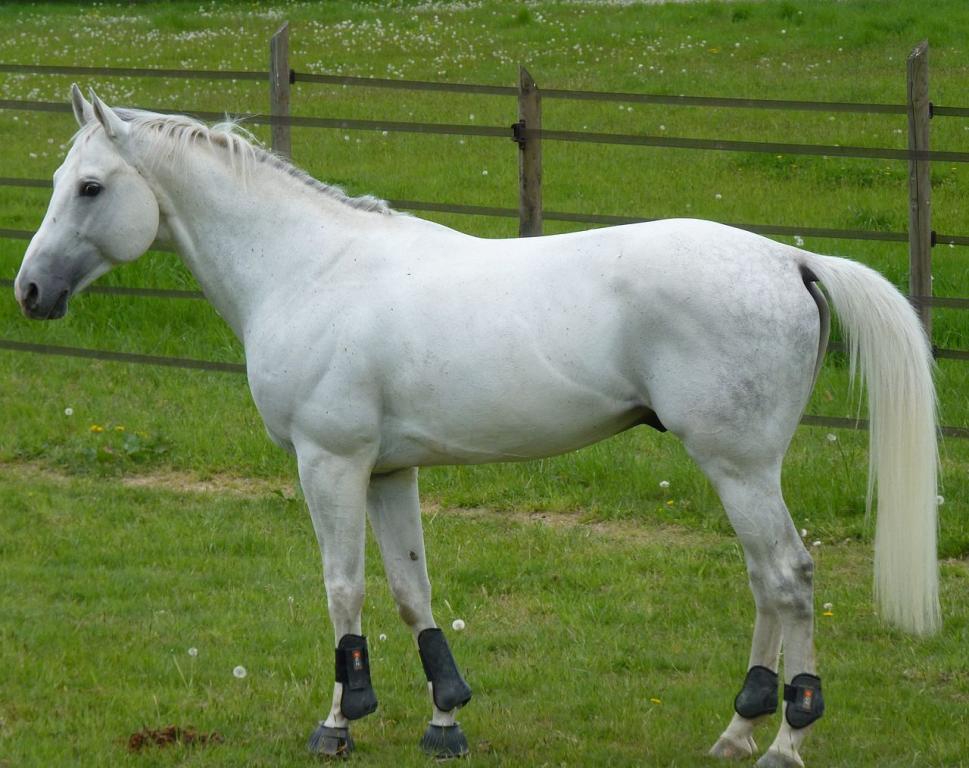
Type: Riding Horse
Continent: Europe
Country: France
Weight: 450 – 550 kg
Height: 158 – 166 cm
The Anglo-Arabian was historically developed by crossing the Arabian horse with the Thoroughbred. Breeders sought to combine the refinement, endurance and efficiency associated with the Arabian with the speed, scope and athletic ability of the Thoroughbred.
Crosses between these two populations have been produced in several countries, but France played a decisive role in establishing the Anglo-Arabian as an organised breed with its own genealogical register.
The breed’s development is particularly associated with southwestern France and the former national studs of Pompadour, Tarbes and Pau. Breeding subsequently spread to other regions while retaining a strong historical presence in Nouvelle-Aquitaine and Occitanie.
The Anglo-Arabian’s traditional heartland lies in southwestern France. The Limousin region, the Pompadour area, the Pyrenees and territories now forming Nouvelle-Aquitaine and Occitanie have historically contained a large proportion of the breed’s farms.
Anglo-Arabians are also bred in other French regions by producers of sport, racing and leisure horses. Breeding shows, young-horse circuits and dedicated competitions contribute to the assessment and promotion of breeding animals.
Anglo-Arabian populations exist in several countries, particularly in Europe and around the Mediterranean. Their genealogical rules and breeding objectives are not necessarily identical to those of the French studbook.
International cooperation includes the exchange of genetic material, comparison of breeding programmes and promotion of the Anglo-Arabian in equestrian sport and racing.


The Anglo-Arabian’s genetic identity is based on the combination of Arabian and Thoroughbred bloodlines. The French genealogical register distinguishes different categories according to ancestry and the proportion of Arabian blood calculated from the pedigree.
This organisation maintains a clearly identified Anglo-Arabian population while recognising the different degrees of crossing permitted by the breeding programme.
Anglo-Arabian breeding animals have been used in the development and improvement of several French saddle-horse populations. Their influence has been sought for endurance, responsiveness, movement, courage and aptitude for eventing.
The influence of an individual breeding animal must nevertheless be assessed from documented pedigrees and progeny quality rather than inferred from breed identity alone.
A reduction in the breeding population may increase genetic concentration around a limited number of stallions and maternal families. Pedigree monitoring, preservation of less represented lines and carefully planned matings are therefore essential.
Selection must balance sporting performance, racing results, conformation, temperament, health and preservation of the breed’s genetic identity.
During the early nineteenth century, the French National Stud administration developed crosses between Arabian horses and Thoroughbreds. The objective was to produce a fast, enduring and refined saddle horse suited to military requirements and emerging sporting activities.
Stallion depots and stud farms in southwestern France played a central role in consolidating these crosses. The Pompadour estate became one of the principal locations associated with Anglo-Arabian breeding and selection.
Pedigree recording and progressively organised selection transformed a cross between two breeds into a reproducible population with its own bloodlines. The Anglo-Arabian name became established during the nineteenth century.
The breed was used for cavalry, riding, hunting and racing. Races reserved for Anglo-Arabians contributed to the selection of speed, endurance and soundness.
As military demand declined, breeding became increasingly directed towards equestrian sport. The Anglo-Arabian proved particularly suited to eventing, which requires speed, endurance, courage, recovery ability and jumping aptitude.
The breed has also produced horses for show jumping, dressage and endurance riding. Some breeding animals entered other sport horse programmes and contributed to Selle Français pedigrees.
The current breeding programme must address several markets, including sport, racing, breeding and leisure riding. This diversity is an asset, but clear genealogical criteria and breeding objectives are required to preserve the breed’s identity.
The Anglo-Arabian is selected for athletic ability, energy and responsiveness to the rider’s aids. Courage, endurance and willingness during exertion are particularly valued in eventing and racing.
This responsiveness may be accompanied by considerable sensitivity. Some individuals require a precise, calm and experienced rider, particularly when they have a high proportion of Thoroughbred or Arabian blood or are trained for competition.
It would nevertheless be inaccurate to describe every Anglo-Arabian as difficult or nervous. Temperament also depends on the individual, its bloodlines and blood percentages, selection, education, living conditions and the rider’s experience.
Consistent handling, progressive training and suitable living conditions help channel the horse’s energy without suppressing its responsiveness. Suitability for a particular rider or discipline must always be assessed individually.
The Anglo-Arabian’s future depends on maintaining sufficient numbers of births, breeding animals and breeders while preserving varied bloodlines. A small population requires careful pedigree management to limit excessive genetic concentration.
Promotion through eventing, show jumping, endurance riding and racing can support the breed. The qualities selected for these disciplines must nevertheless remain compatible with health, sporting longevity, rideability and modern welfare expectations.
Breeding shows, young-horse development circuits and cooperation between French and international organisations remain important for preserving a clear Anglo-Arabian identity in competition with larger sport horse studbooks.
Available evidence does not identify a disease that is specific to every Anglo-Arabian. The diversity of pedigrees, blood percentages and breeding objectives makes it inappropriate to generalise a medical risk to the entire population.
For horses used in sport or racing, musculoskeletal health, recovery and appropriate workload management require particular attention. These considerations arise from athletic use and do not represent systematic disorders specific to the breed.
Veterinary monitoring, progressive conditioning, suitable nutrition, dental care, hoof care and body-condition assessment should be adapted to the individual horse’s age, discipline and workload.
A regular, supple, marching gait with good amplitude. The Anglo-Arab’s walk is clear, free, and active, reflecting its mental responsiveness and natural balance.
A light, energetic, and well-suspended trot with excellent impulsion from the hindquarters. Often highly expressive in Arabian-type individuals, showing good diagonal coordination.
A smooth, rhythmic, uphill canter with natural balance. Highly appreciated in eventing and cross-country, the Anglo-Arab’s canter is long-striding and easily collected.
Born in 1946
One of the most influential founding stallions of the breed, sire of many top-level eventing horses. Left a lasting mark on French breeding thanks to the quality of his offspring — known for their mentality, movement, and endurance.
Born in 1965
Successful in eventing and a key sire during the 1970s and 1980s. Passed on energetic gaits, good balance, and a strong competitive spirit. Prominent in many modern Anglo-Arab bloodlines.
Born in 1985
International eventing winner under Jean-Lou Bigot. Competed in the 1992 Barcelona Olympic Games and secured numerous podium finishes in CCI* competitions.
Born in 2010
European Junior Eventing Champion in 2017. Regularly placed in international CCI2 and CCI3** events. A son of Ténor de la Cour, he represents the continuity of the Anglo-Arab sport lineage.
Through these beautiful testimonies and images, (re)discover the Anglo-Arab breed, a versatile racehorse.
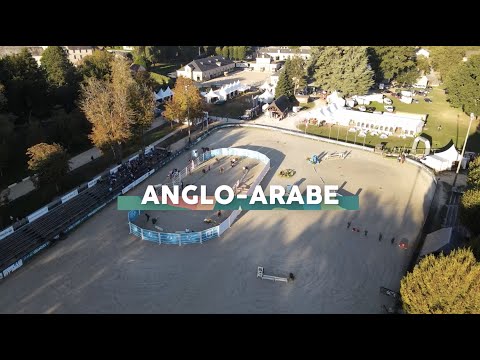
"Beyond the competition, it's important to try to do well and respect them" Meeting Yoann SENUT who presented LOLIPOP DE GAYOT AA on the occasion of the International Anglo-Arab Days France - ANAA 🐴🇫🇷 😊 Transcription
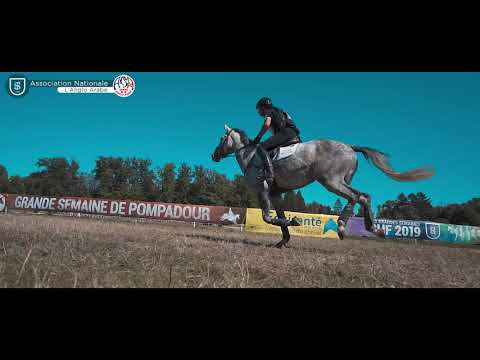
Discover the history, missions, and actions of the ANAA (National Anglo-Arab Association) presented by Alain James, president of the association.