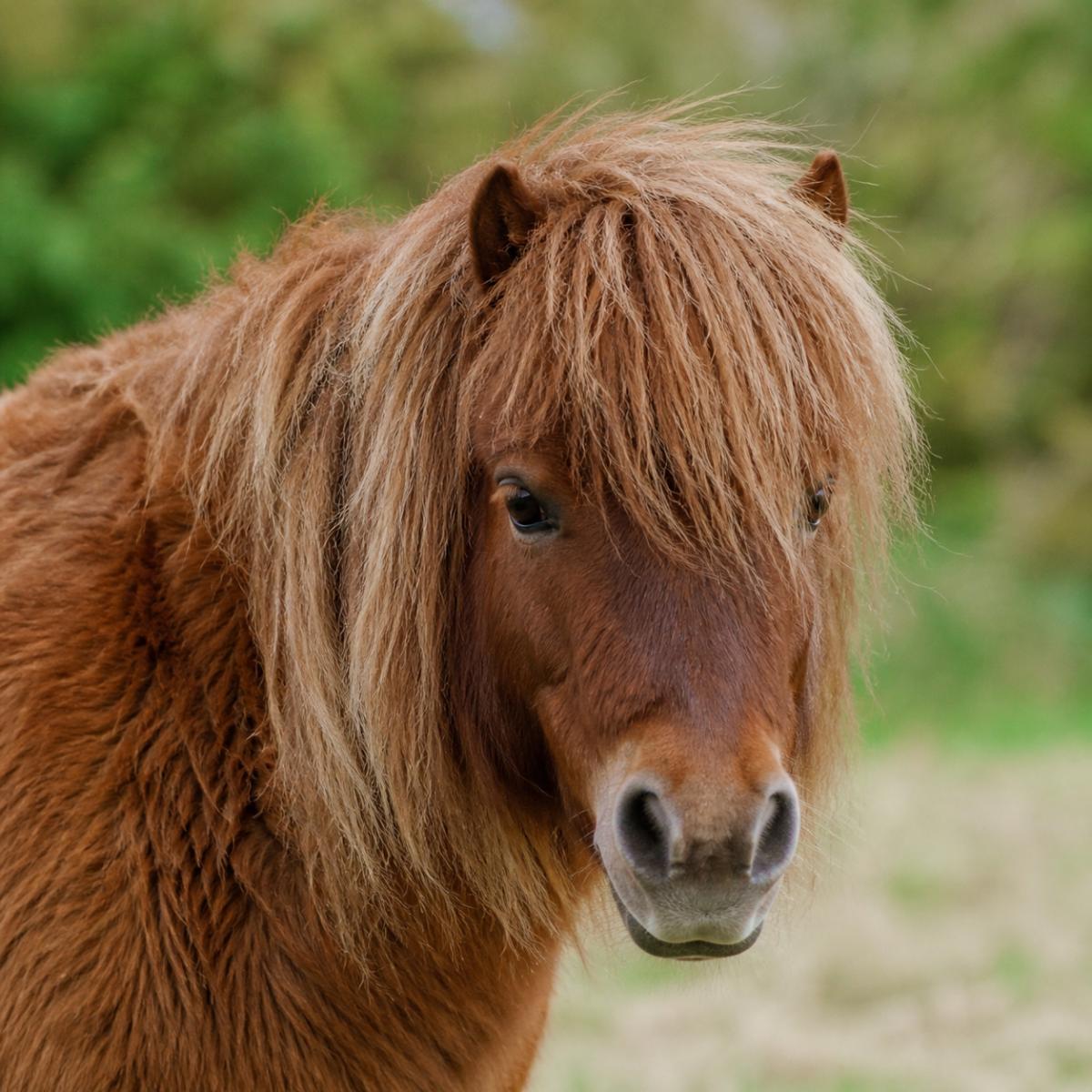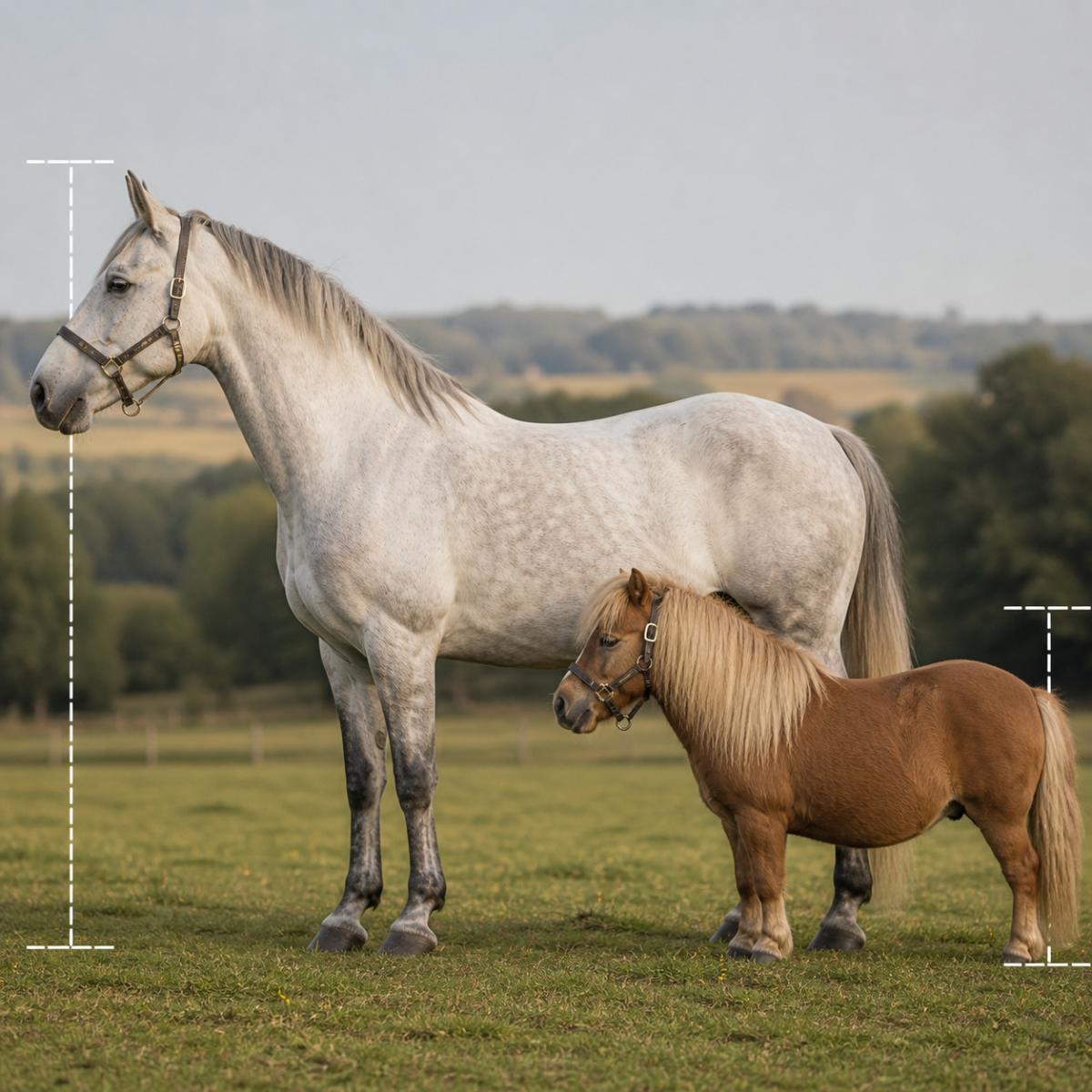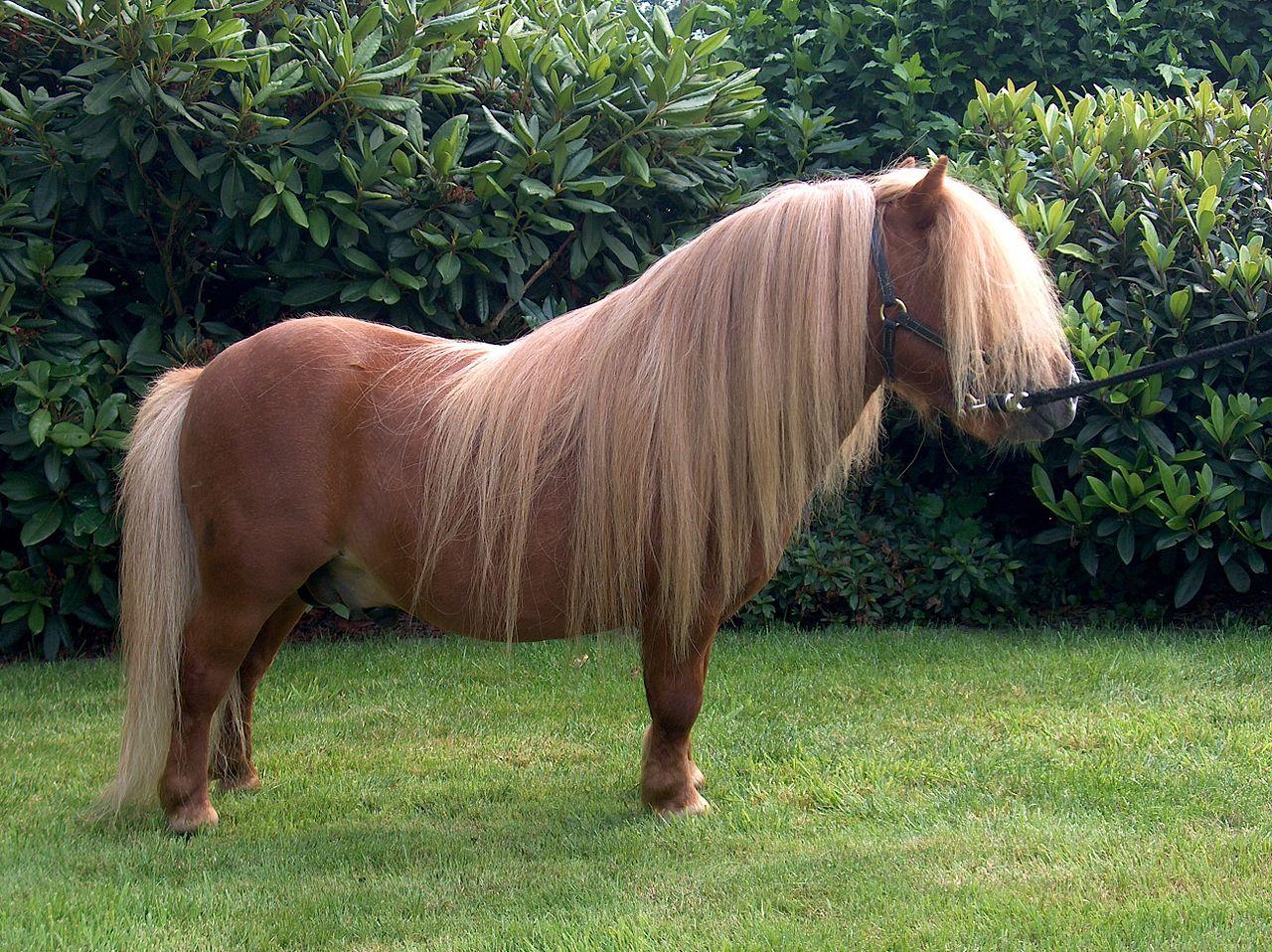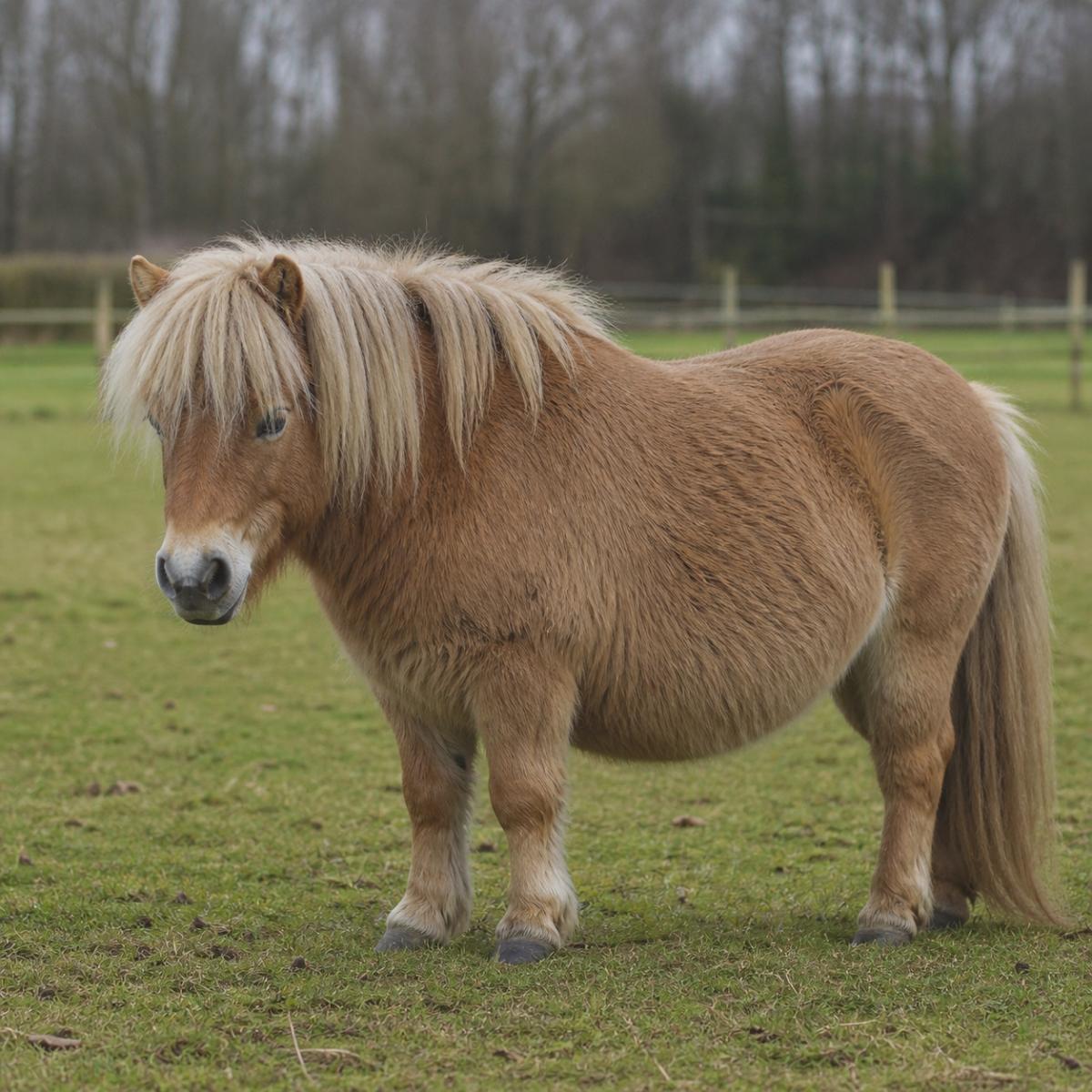
Ponies have a reputation for gaining weight on almost nothing. An ordinary-looking pasture, a few weeks of spring grass or reduced activity can sometimes be enough for a pony to noticeably gain body condition.
This tendency is real in some individuals and populations, but the usual explanation — “ponies evolved in poor environments, so their bodies store every bit of energy they can” — is too simplistic.
Weight gain primarily results from a positive energy balance: over time, the energy supplied by food exceeds the energy used by the body.
Several factors can make this imbalance particularly easy to reach in ponies, however: relatively low energy requirements, prolonged access to abundant grass, limited physical activity, individual or breed-related differences and, in some animals, insulin dysregulation.
The latter is particularly important because the issue then extends beyond body weight: insulin dysregulation is the central feature of equine metabolic syndrome and a major risk factor for endocrinopathic laminitis.
Not all ponies gain weight in the same way
There is no single “pony metabolism.”
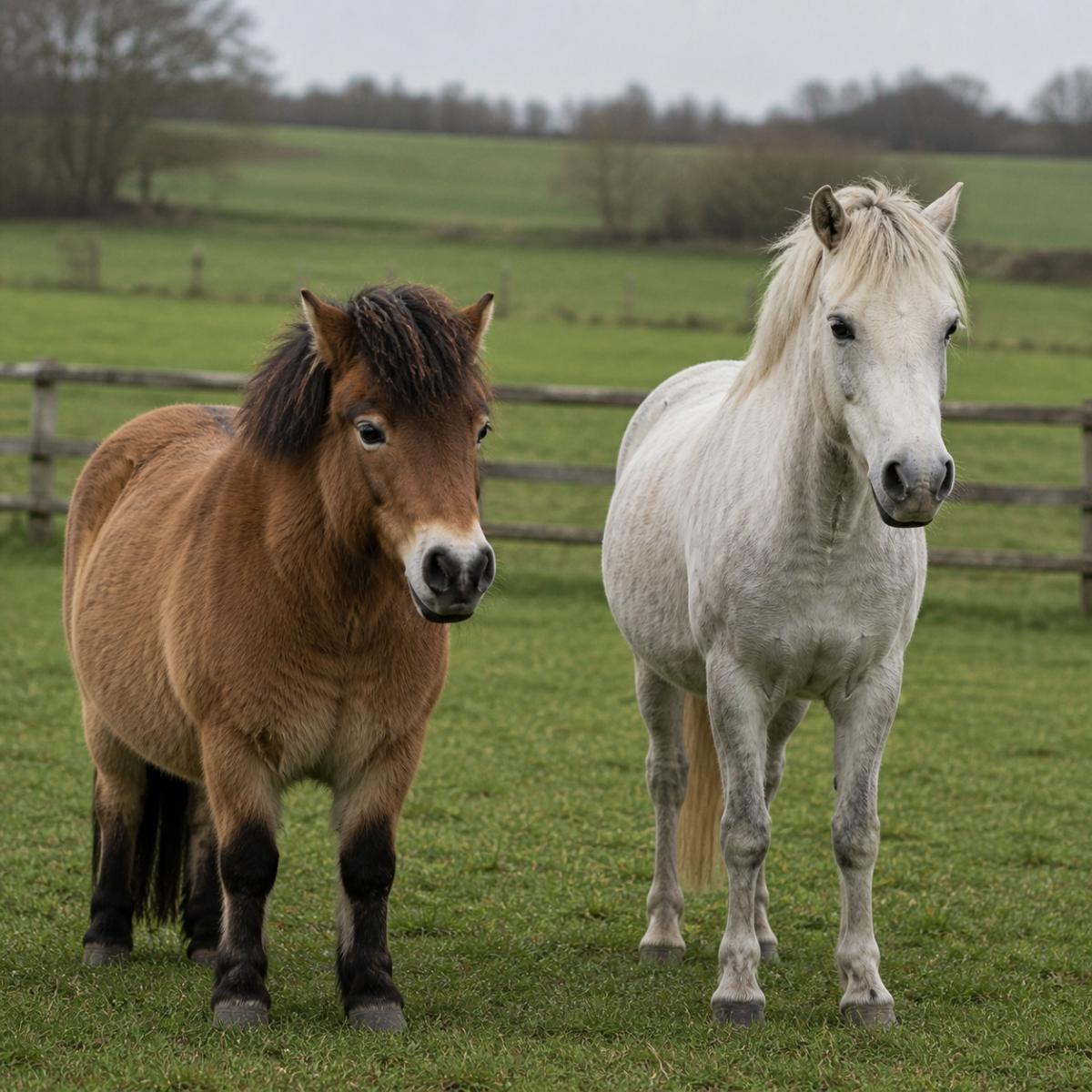
A Shetland, a Welsh, a Connemara Pony, a sport pony and a crossbred pony may have very different characteristics.
Even within the same breed, two ponies kept under similar conditions will not necessarily maintain the same body condition.
Genetics can play a role, but so can:
- age;
- sex;
- physical activity;
- diet;
- initial body condition;
- living conditions;
- endocrine and metabolic status;
- and individual variation.
Some pony populations nevertheless appear to have a greater predisposition to obesity or insulin dysregulation.
An Australian study involving 167 Shetland and Welsh ponies, for example, identified insulin dysregulation in 61% of the ponies studied using dynamic testing. This figure describes that particular population and should obviously not be extrapolated to all ponies. (PubMed — Epidemiological investigation of insulin dysregulation in Shetland and Welsh ponies in Australia)
Hardiness does not explain everything
Ponies from native populations are often described as easy keepers: animals capable of maintaining body condition relatively easily on modest energy intake.
It is tempting to explain this characteristic entirely as an adaptation to historically resource-poor environments.
This hypothesis may be plausible for some populations, but a complex evolutionary history should not be turned into a universal explanation for all ponies.
As discussed in our comparison of hardy ponies and sport ponies, hardiness itself encompasses several characteristics and does not correspond to one universal metabolism.
Research comparing ponies, Standardbreds and Andalusian horses fed the same diets found no significant differences in apparent nutrient digestibility among the groups.
The authors suggested that the tendency of some ponies and other easy keepers to develop greater adiposity may depend on metabolic differences rather than a superior ability to extract nutrients from food. (PubMed — Comparison of Feed Digestibility between Ponies, Standardbreds and Andalusian Horses Fed Three Different Diets)
A pony that gains weight easily does not therefore necessarily “digest” grass much more efficiently than a horse.
Grass can provide a substantial amount of energy
Grass is a perfectly normal food for an equid.
But “natural” does not automatically mean “low in energy.”
A pony with prolonged access to pasture may consume a substantial quantity of dry matter throughout the day.
If this intake consistently provides more energy than the pony expends, the excess gradually promotes the accumulation of body reserves.
This can become particularly noticeable during periods when grass growth and availability increase.
The problem is therefore not simply that the pony “eats too much.”
It is necessary to consider the amount consumed, forage composition, duration of access, energy requirements and physical expenditure together.
Sugars, starch and fructans: what grass actually contains
Carbohydrates in pasture are often reduced to the single word “sugar.”
In equine nutrition, it is useful to distinguish between different non-structural carbohydrates, including simple sugars, starch and fructans.
Their concentrations in plants are not constant.
They vary according to factors such as:
- plant species and variety;
- season;
- temperature;
- sunlight;
- stage of growth;
- water stress;
- fertilization;
- and pasture-management practices.
A review of water- and ethanol-soluble carbohydrates in temperate grasses found that concentrations tend to increase under cool conditions and can vary throughout the day. More importantly, the review emphasizes that many factors interact, making simple rules unreliable. (PubMed — Water- and Ethanol-Soluble Carbohydrates of Temperate Grass Pastures)
Statements such as “grass is always dangerous in the afternoon” or “a cold night automatically makes pasture dangerous” should therefore be treated cautiously.
The problem is not only fructans
For many years, popular explanations of pasture-associated laminitis focused heavily on fructans.
These carbohydrates remain relevant to pasture research and to some experimental models of laminitis, but our understanding of the disease has developed considerably.
In many ponies affected by pasture-associated laminitis, a central issue is now recognized as insulin dysregulation.
The European College of Equine Internal Medicine consensus statement on equine metabolic syndrome identifies insulin dysregulation as its central feature and as a major risk factor for endocrinopathic laminitis. (PubMed — ECEIM consensus statement on equine metabolic syndrome)
Pasture carbohydrates remain important because they can influence metabolic responses and dietary exposure in predisposed animals.
But reducing the mechanism to:
high-fructan grass → laminitis
does not accurately represent current understanding.
Insulin dysregulation changes the issue completely
In an equid with insulin dysregulation, insulin regulation following the consumption of certain feeds is abnormal.
This condition can occur with or without generalized obesity.
That distinction matters because a pony does not need to be extremely overweight to have a metabolic risk.
Prolonged hyperinsulinemia has experimentally induced lamellar lesions and laminitis in ponies, helping to establish the relationship between insulin dysregulation and endocrinopathic laminitis.
Current research also distinguishes this form of laminitis from the mechanisms involved in sepsis-related and supporting-limb laminitis. (PubMed — A review of cellular and molecular mechanisms in endocrinopathic, sepsis-related and supporting limb equine laminitis)
Preventing excessive weight gain in a predisposed pony is therefore much more than a cosmetic concern.
A pony can be metabolically at risk without being extremely obese
Generalized obesity is an important warning sign, but it is not the only feature worth monitoring.
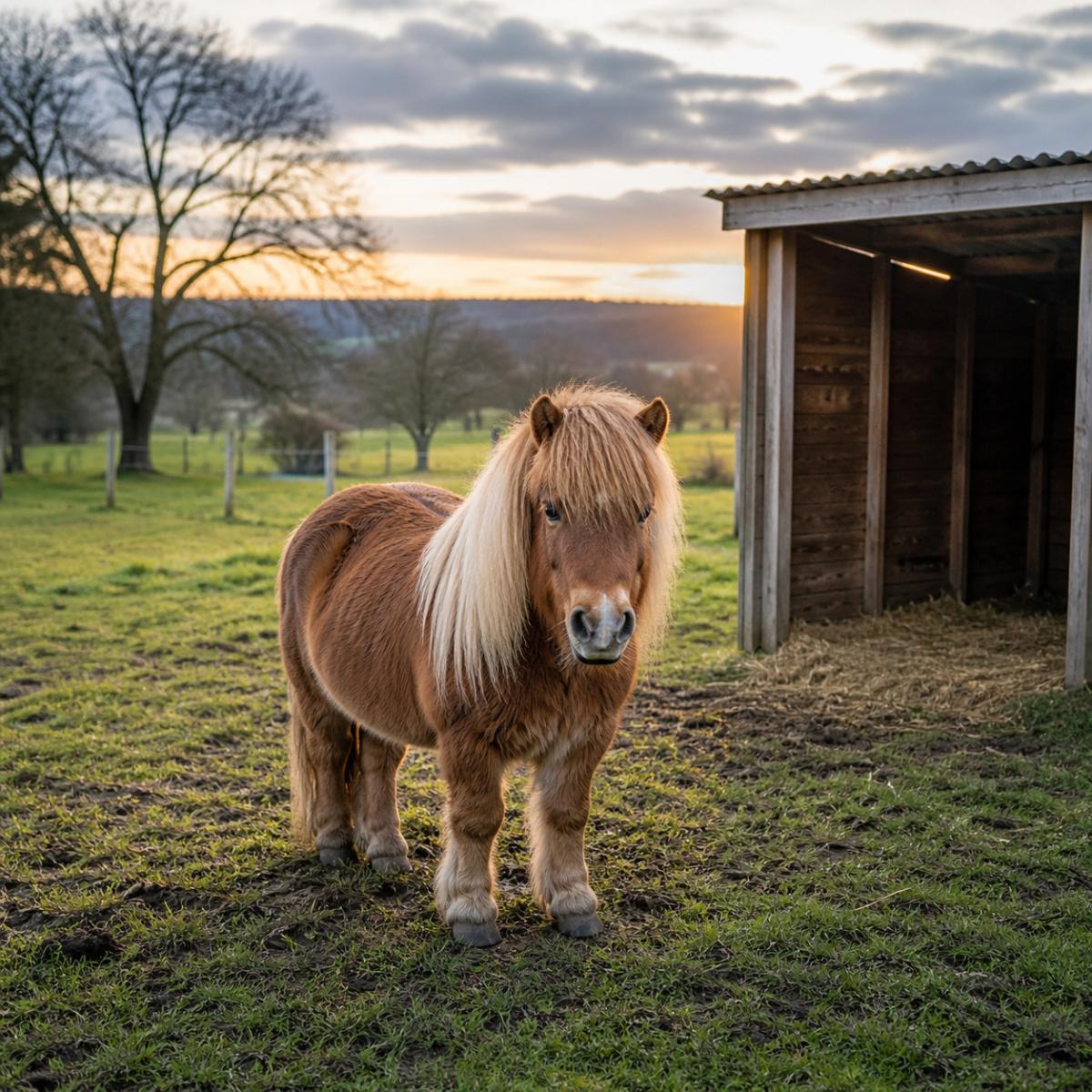
Some equids develop regional fat deposits, particularly along the neck.
The Cresty Neck Score was specifically developed to assess adiposity along the crest of the neck.
A study involving 26 ponies found that neck score was associated with the insulin response following an oral glucose test and that a high score was, within this population, more predictive of insulin dysregulation than overall body condition score. (PubMed — The cresty neck score is an independent predictor of insulin dysregulation in ponies)
A pronounced fatty neck crest should therefore not simply be dismissed as a cosmetic characteristic.
Recognizing gradual weight gain
Slow weight gain can be surprisingly difficult to recognize visually.
When a pony is seen every day, its shape changes gradually and the new appearance can begin to seem normal.
A more structured assessment is therefore useful.
The Body Condition Score (BCS) evaluates body condition by visually assessing and palpating different areas of the body.
The Cresty Neck Score (CNS) complements this by specifically assessing fat deposition along the neck.
Owners can also monitor:
- body weight when a scale is available;
- estimated weight using a weight tape;
- heart girth;
- photographs taken under similar conditions;
- changes in regional fat deposits.
None of these measurements is perfect in isolation.
Their main value lies in allowing changes to be monitored over time.
A round belly does not necessarily mean obesity
Body shape can be misleading.
A large abdomen may be influenced by digestive contents, the volume of forage consumed, abdominal musculature, age or conformation.
Conversely, a pony may carry substantial excess fat without developing a particularly large belly.
This is why body-condition assessment relies more on the location and palpation of fat deposits than simply looking at abdominal width.
Weight and body shape need to be interpreted together.
Why the neck crest deserves particular attention
In some ponies, fat is not distributed uniformly.
Part of it may accumulate along the crest of the neck.
A thickened neck or prominent fatty crest is an example of regional adiposity.
This alone cannot diagnose equine metabolic syndrome.
However, it can be a reason for closer assessment, particularly when associated with weight gain, a history of laminitis or other risk factors.
Diagnosis of insulin dysregulation requires veterinary assessment and, when appropriate, suitable diagnostic testing.
Limited activity can contribute to positive energy balance
A pony living at pasture is not necessarily highly active.
Available space, the location of resources, social group, season and management can substantially influence how much an animal moves.
Two ponies that both “live outside” may therefore have very different activity levels.
When energy expenditure decreases while dietary intake remains high, weight gain becomes more likely.
Exercise can also have beneficial metabolic effects when it is appropriate for the animal's health.
A study involving 24 obese horses and ponies compared dietary restriction alone with the same restriction combined with low-intensity exercise over twelve weeks. The protocol examined the effects of exercise alongside dietary management on weight loss and several metabolic parameters. (PubMed — Influence of dietary restriction and low-intensity exercise on weight loss and insulin sensitivity in obese equids)
Exercise should not, however, be used simply to compensate for a consistently excessive energy intake.
Excess weight and laminitis: a more complex relationship
Simply saying “being overweight causes laminitis” is inaccurate.
Not every obese pony develops laminitis.
Not every pony affected by laminitis is obese.
However, obesity, regional adiposity and insulin dysregulation can be associated, and insulin dysregulation is a major factor in endocrinopathic laminitis.
Risk therefore depends on the pony's metabolic profile, diet, previous history and several other factors.
This distinction matters because it prevents owners from focusing exclusively on outward appearance.
The Connemara provides a useful example
The Connemara Pony is particularly interesting because it combines a reputation for hardiness with considerable sporting ability.
A study conducted in Ireland involving 200 registered Connemara ponies found that 29.5% of the ponies studied had a body condition score of at least 7/9 and that 67.5% showed regional adiposity.
Hyperinsulinemia was confirmed in 16% of the population studied. (PubMed — Obesity and obesity-associated metabolic disease conditions in Connemara ponies in Ireland)
These findings relate to the population examined and obviously do not mean that the same proportions apply to all Connemaras.
They do demonstrate why visible excess weight and metabolic status should be considered both separately and together.
Helping a pony lose weight does not mean suddenly starving it
When a pony is overweight, the solution is not to abruptly remove food.
Equids require a forage intake compatible with their digestive physiology, and dietary restriction must still provide appropriate protein, vitamins, minerals and other essential nutrients.
A review of nutritional management in obese equids emphasizes the importance of maximizing feeding time and avoiding prolonged periods without food, while reducing energy intake sufficiently to achieve gradual weight loss. (PubMed — Nutritional Considerations When Dealing with an Obese Adult Equine)
The appropriate ration depends on body weight, body condition, available forage, activity and the pony's metabolic status.
Substantial dietary restriction should therefore be planned with a veterinarian or suitably qualified equine nutrition professional rather than improvised.
Forage remains the foundation of the diet
Reducing energy intake does not necessarily mean replacing forage with small quantities of concentrated feed.
For most ponies, management instead revolves around an appropriate and controlled forage-based diet.
When necessary, forage analysis can provide more precise information about its nutritional composition.
This is particularly useful for ponies with insulin dysregulation or a history of laminitis, for which the carbohydrate content of forage may become an important consideration.
Forage quantities should also be considered on a dry-matter basis, rather than solely by the weight of the feed as offered.
Pasture management needs to be individualized
For some ponies, unrestricted access to productive pasture makes weight control extremely difficult.
Depending on the circumstances, management strategies may include:
- reducing grazing time or available pasture area;
- using an appropriate restricted paddock;
- carefully using a grazing muzzle;
- providing controlled forage;
- encouraging greater movement;
- or temporarily removing pasture access when metabolic risk justifies it.
There is no universal time of day that guarantees “safe” grass.
Plant carbohydrate concentrations vary according to many environmental factors. (PubMed — Pasture management to minimize the risk of equine laminitis)
For a pony with a previous history of laminitis or diagnosed insulin dysregulation, pasture management should be particularly cautious and individualized.
Exercise can help when it is appropriate
For a healthy pony that is able to exercise, gradually increasing activity can contribute to energy expenditure and improved physical condition.
This does not necessarily require intense training sessions.
Depending on the pony, suitable activity may include:
- walking;
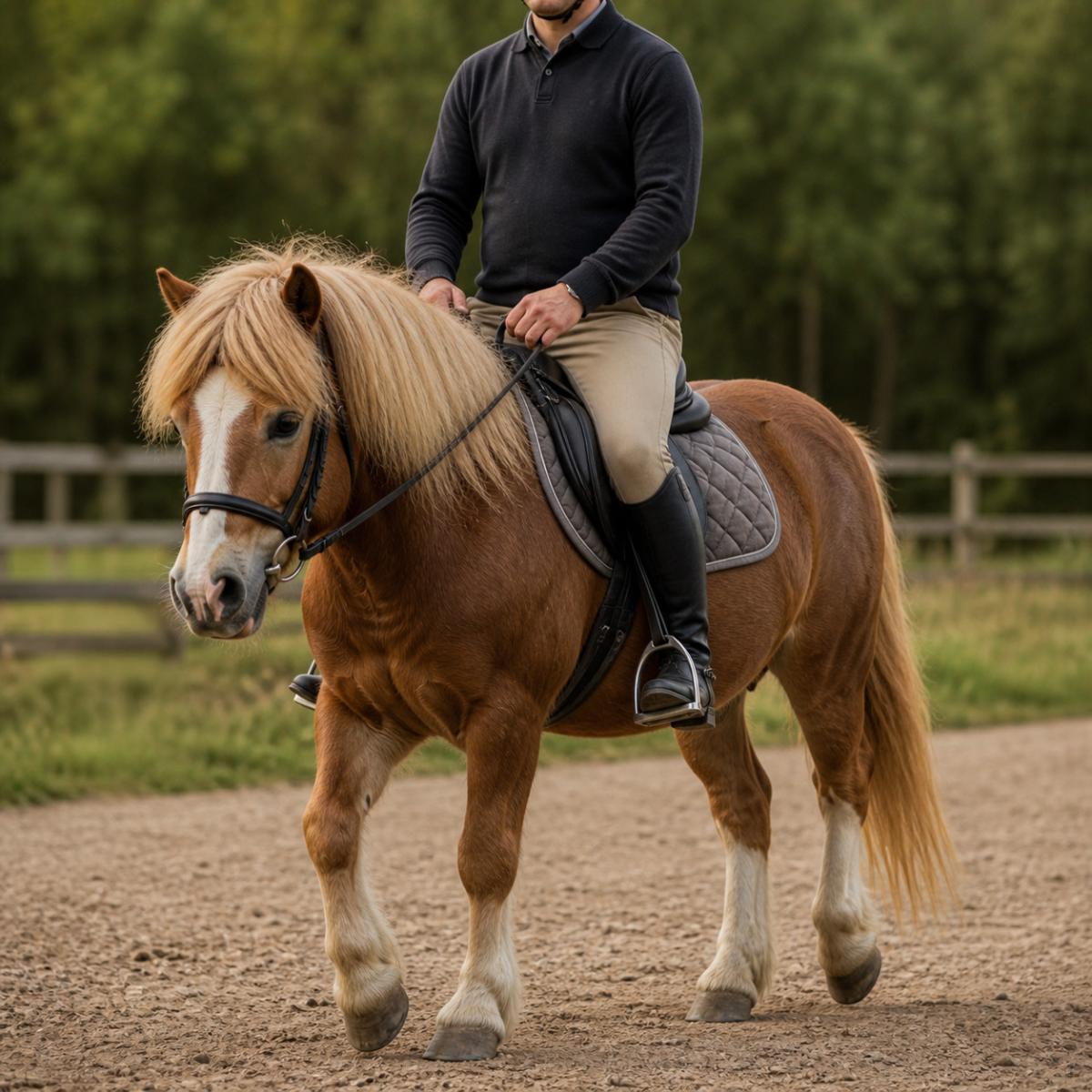
- ridden exercise;
- groundwork;
- hacking;
- movement encouraged through environmental management.
However, a pony with active laminitis should not be forced to walk in order to lose weight.
In that situation, veterinary management of pain and the affected structures of the foot takes priority.
The recommendation to “make the pony move more” is therefore only appropriate when its locomotor and general health allow it.
Weight loss should be monitored
Effective weight management is not assessed over a few days.
The objective is generally a gradual and measurable improvement in body condition without compromising nutritional requirements or welfare.
Monitoring may combine:
- Body Condition Score;
- Cresty Neck Score;
- actual or estimated body weight;
- body measurements;
- regular photographs;
- veterinary monitoring when appropriate.
If a pony does not lose weight despite apparently suitable management, it is worth reassessing the quantity actually consumed, the energy value of the forage, access to other food sources, activity levels and potentially its health status.
When should insulin dysregulation be considered?
Marked adiposity or a prominent neck crest may justify discussing metabolic testing with a veterinarian.
Particular attention may be warranted in a pony:
- with a previous history of laminitis;
- that readily develops regional adiposity;
- with persistent excess weight;
- or with other characteristics associated with increased metabolic risk.
Appearance alone cannot diagnose insulin dysregulation.
Veterinary tests can assess the insulin response when appropriate.
This distinction is essential: body weight can be monitored with observation and measurements, but a metabolic disorder cannot be diagnosed simply by looking at a pony.
Ordinary-looking weight gain can hide a significant health issue
Ponies do not gain weight because they are biologically destined to store everything they eat.
They gain weight when their energy balance consistently favors storage, and some individuals reach that situation much more easily than others.
Modern management can contribute: productive pastures, prolonged access to food and sometimes limited activity can create very different conditions from those historically experienced by some pony populations.
The most important concern arises when adiposity and insulin dysregulation occur together.
At that point, the issue extends far beyond appearance and includes the risk of endocrinopathic laminitis.
Preventing the problem is therefore less about “feeding as little as possible” and more about careful management:
assessing body condition, monitoring changes over time, adapting energy intake, managing pasture, maintaining appropriate activity and investigating possible metabolic problems when the pony's risk profile justifies it.
A round pony is not necessarily a healthy pony — and a well-managed pony does not need to be deprived of food to maintain an appropriate body condition.
Sources and references
- ECEIM — Consensus statement on equine metabolic syndrome
- A review of cellular and molecular mechanisms in endocrinopathic, sepsis-related and supporting limb equine laminitis
- The cresty neck score is an independent predictor of insulin dysregulation in ponies
- Obesity and obesity-associated metabolic disease conditions in Connemara ponies in Ireland
- Epidemiological investigation of insulin dysregulation in Shetland and Welsh ponies in Australia
- Comparison of Feed Digestibility between Ponies, Standardbreds and Andalusian Horses Fed Three Different Diets
- Water- and Ethanol-Soluble Carbohydrates of Temperate Grass Pastures: a Review of Factors Affecting Concentration and Composition
- Pasture management to minimize the risk of equine laminitis
- Influence of dietary restriction and low-intensity exercise on weight loss and insulin sensitivity in obese equids
- Nutritional Considerations When Dealing with an Obese Adult Equine