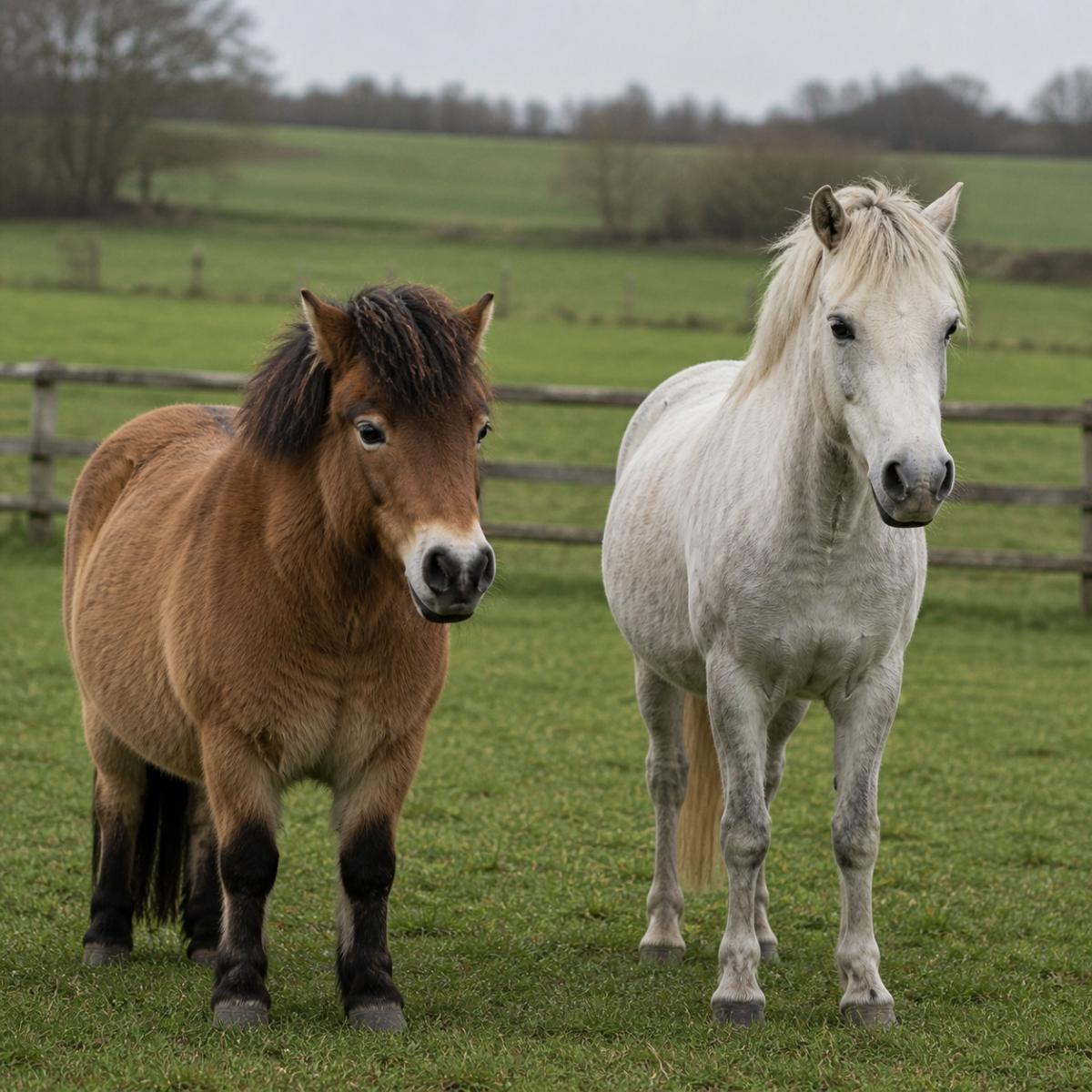
A reputation for stubborn ponies that is often misunderstood
Ponies have long carried the image of being stubborn, sometimes difficult, especially in the minds of beginner riders. However, this term is largely inaccurate.
What is often perceived as stubbornness is actually an ability to analyze a situation. Where some horses respond immediately, ponies take the time to understand what is being asked of them. If the request is unclear, inconsistent, or poorly communicated, they may simply choose not to respond.
This behavior is not a flaw. It is a form of behavioral intelligence.
A natural heritage that explains their character
An adaptation to harsh living conditions
Most pony breeds developed in regions where resources were limited. In these environments, survival required a careful use of energy, the ability to avoid unnecessary or risky situations, and a strong sense of initiative.
A pony that refuses to move forward or hesitates is not “throwing a tantrum.” It is applying a simple logic: evaluate before acting.
Greater independence than horses
Compared to many horses bred for docility, ponies retain a strong sense of independence. They do not follow blindly. They make decisions.
This ability is often misinterpreted as unwillingness.
An exceptional memory that works both ways
Ponies have a highly effective memory, which directly influences their behavior.
They remember negative experiences
A poorly applied correction, a stressful situation, or a misunderstanding can be remembered for a long time. The pony may then develop avoidance behaviors.
They quickly learn how to avoid effort
On the other hand, if they discover a flaw in human communication, they remember it immediately. A pony that has managed to avoid an exercise will tend to repeat that behavior.
This is not random cleverness, but a simple logic: optimize effort.
The central role of humans in this behavior
In most cases, the issue does not come from the pony.
A pony described as “stubborn” is often faced with unclear requests, inconsistent rules, or a lack of consistency in responses.
On the contrary, with clear and consistent communication, a pony becomes reliable, attentive, and particularly pleasant to work with.
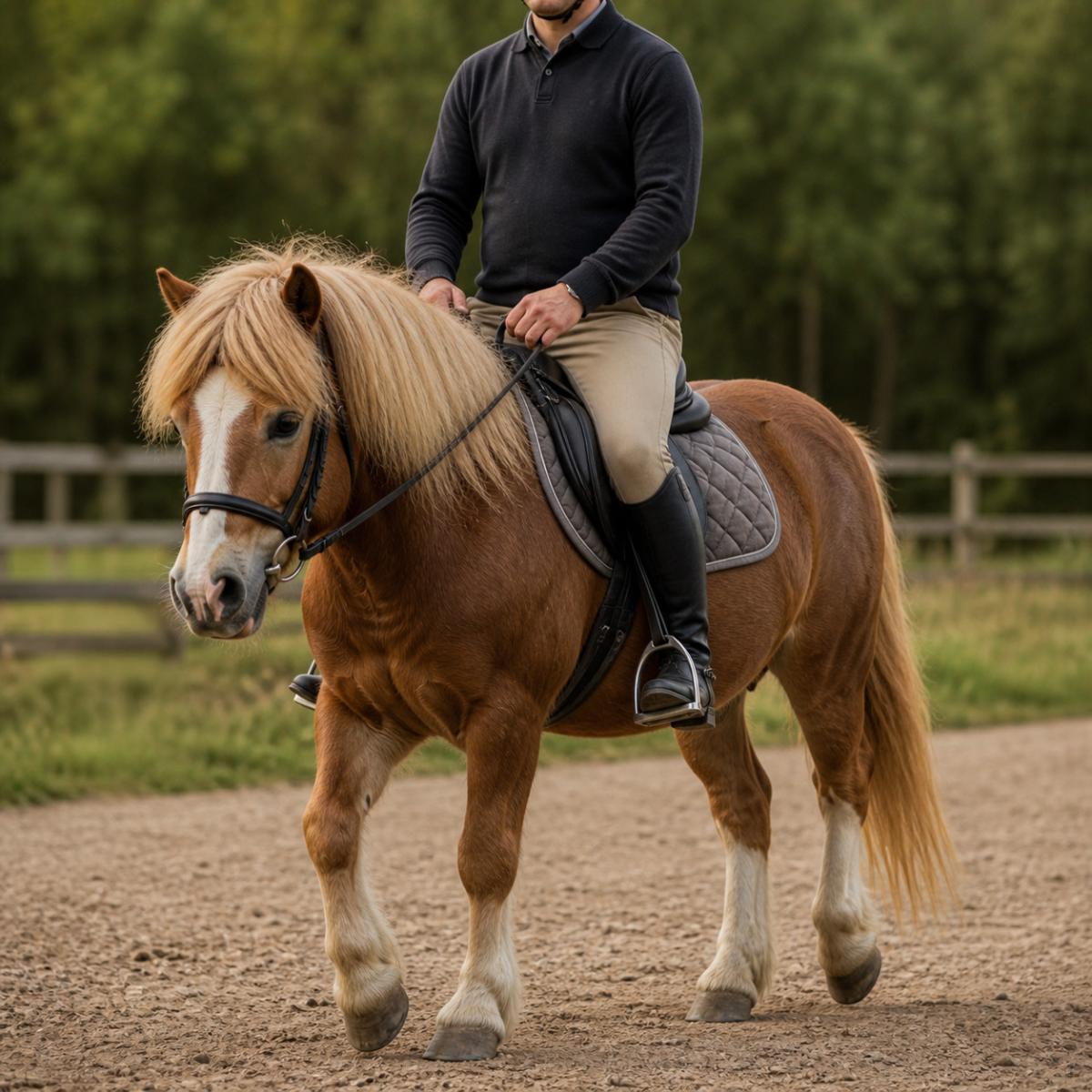
In other words, a pony is an excellent reflection of the rider’s skill level.
Why ponies are also so adorable
Although their character can be surprising, both their appearance and behavior largely explain their popularity.
An appearance that encourages attachment
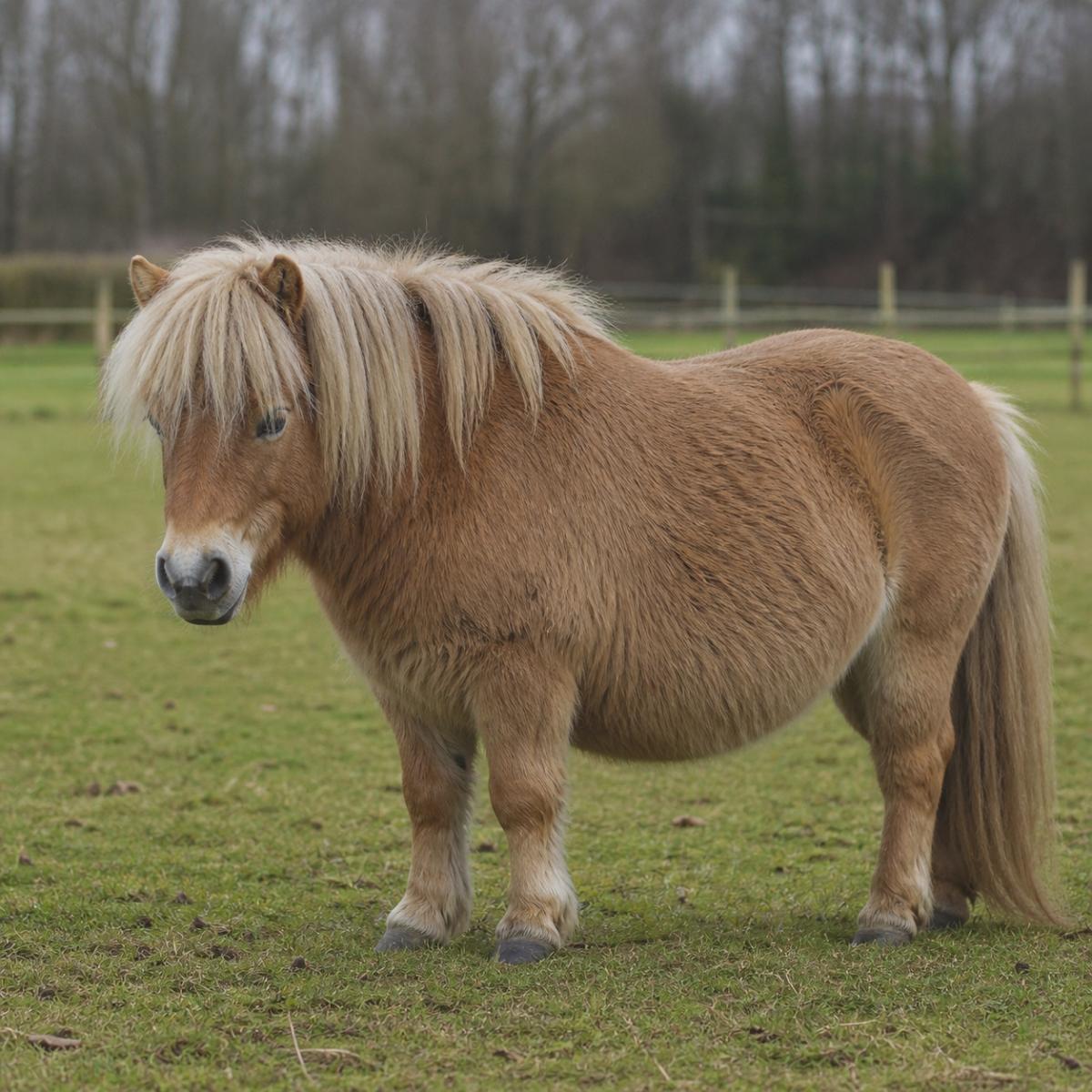
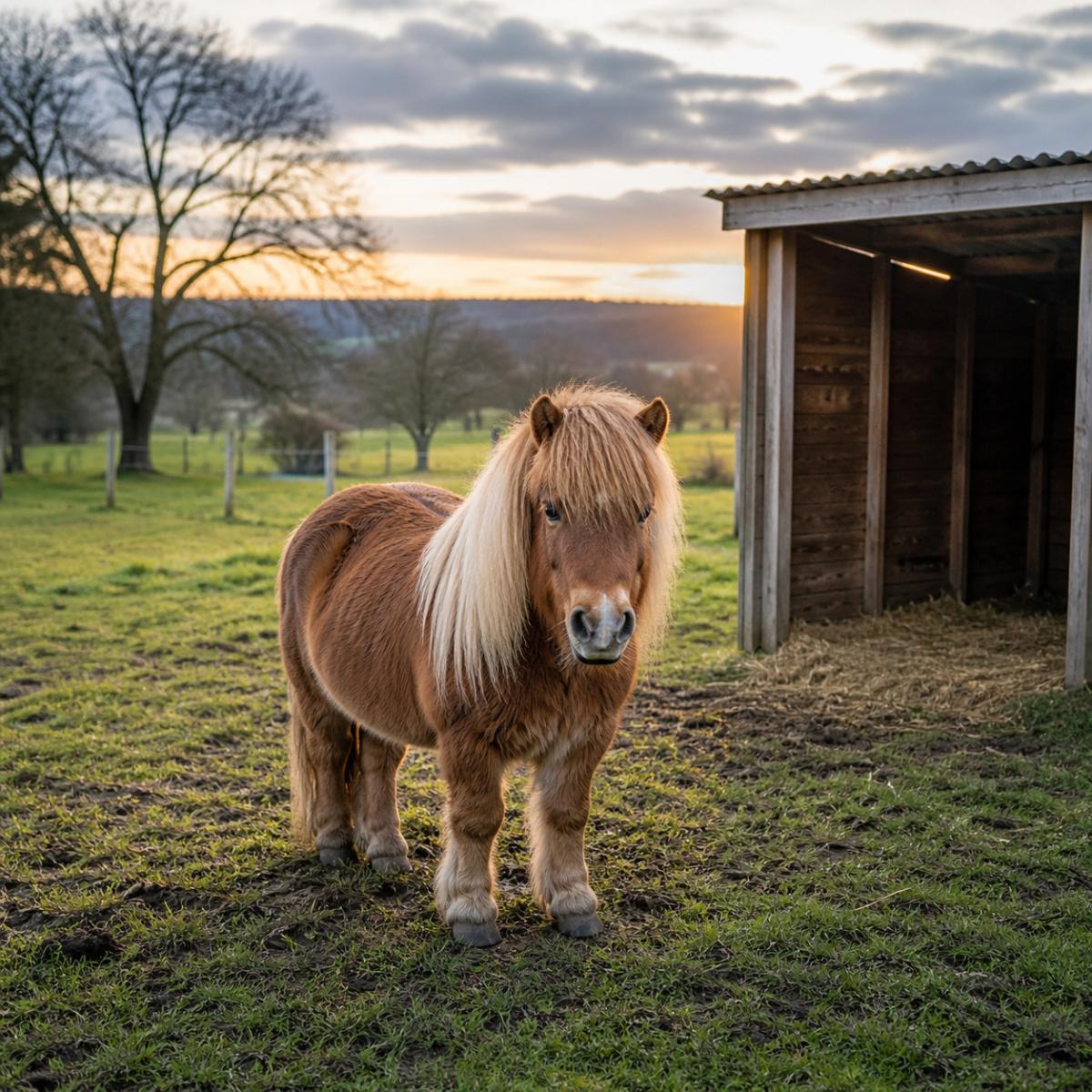
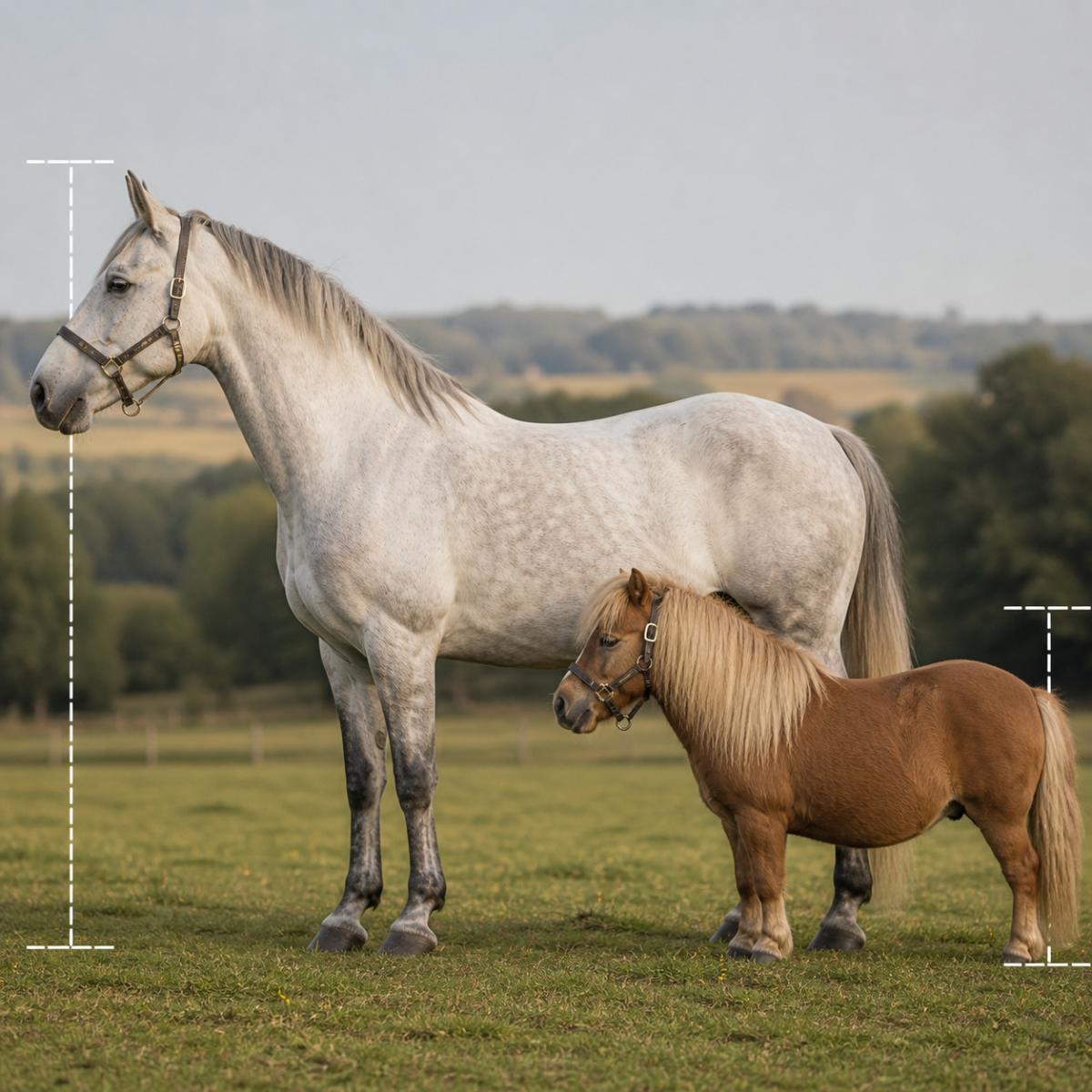
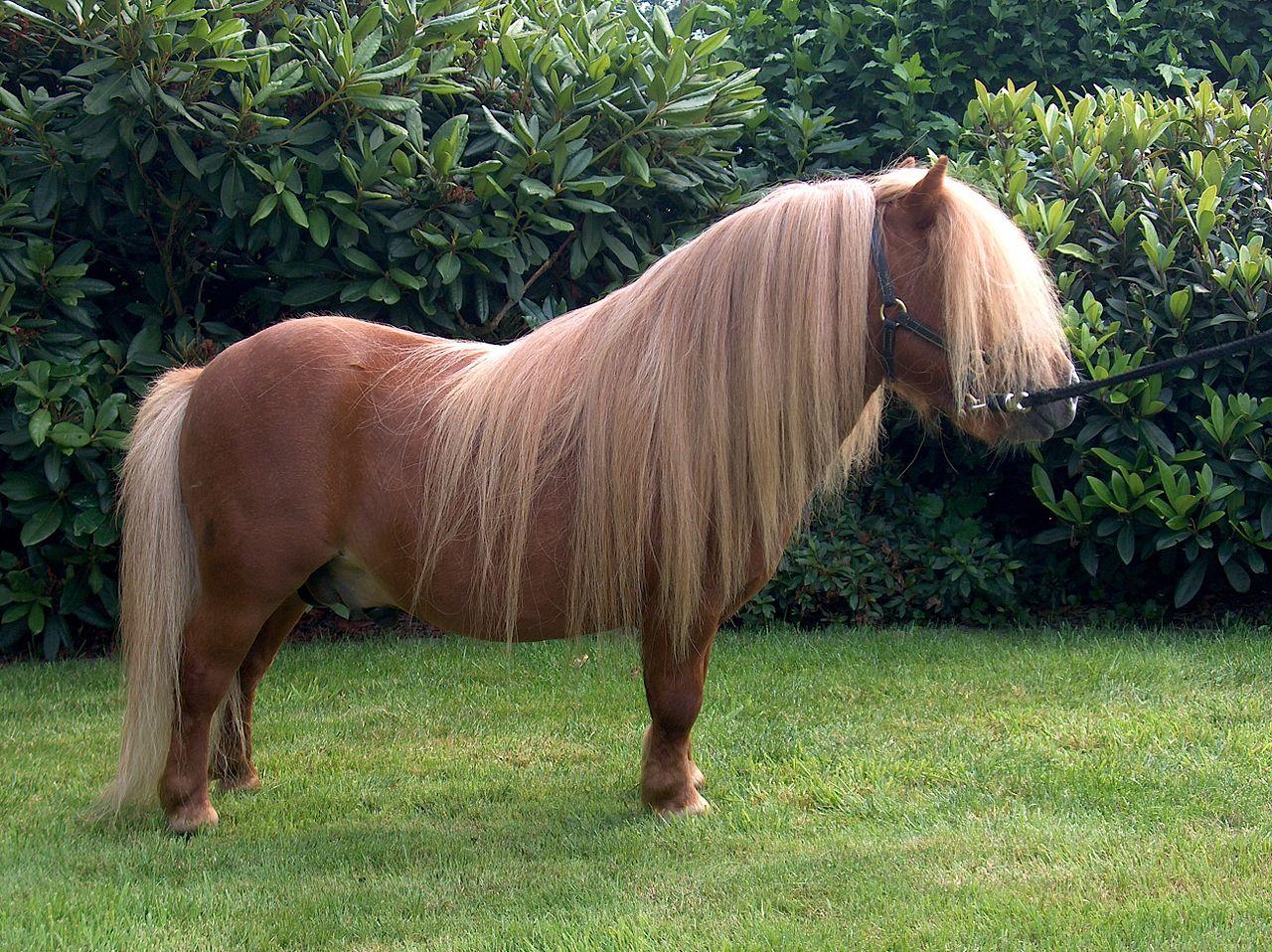
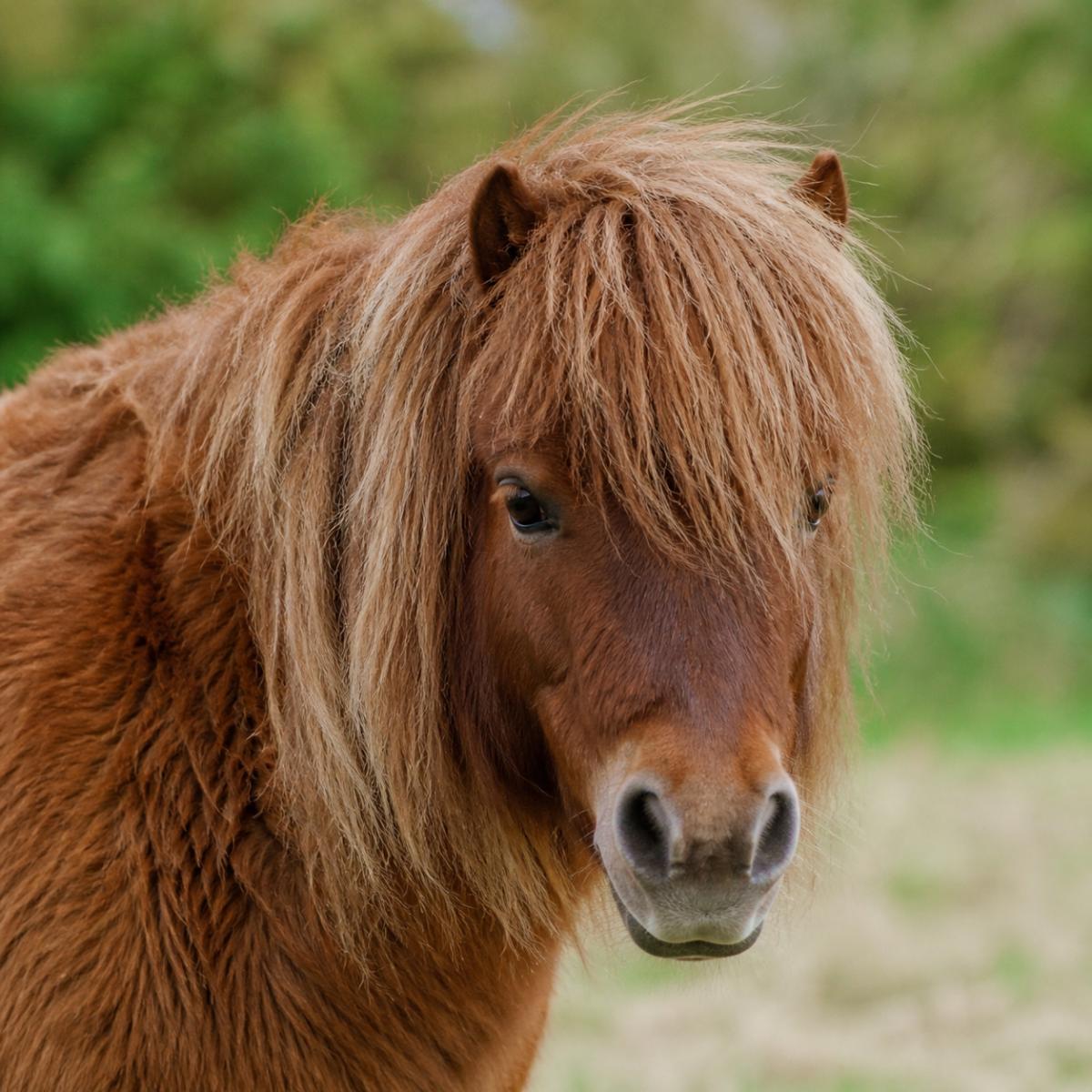
Ponies display physical traits that naturally create a sense of attachment. Their small size, expressive eyes, and proportions similar to young animals make them immediately appealing.
A behavior close to humans
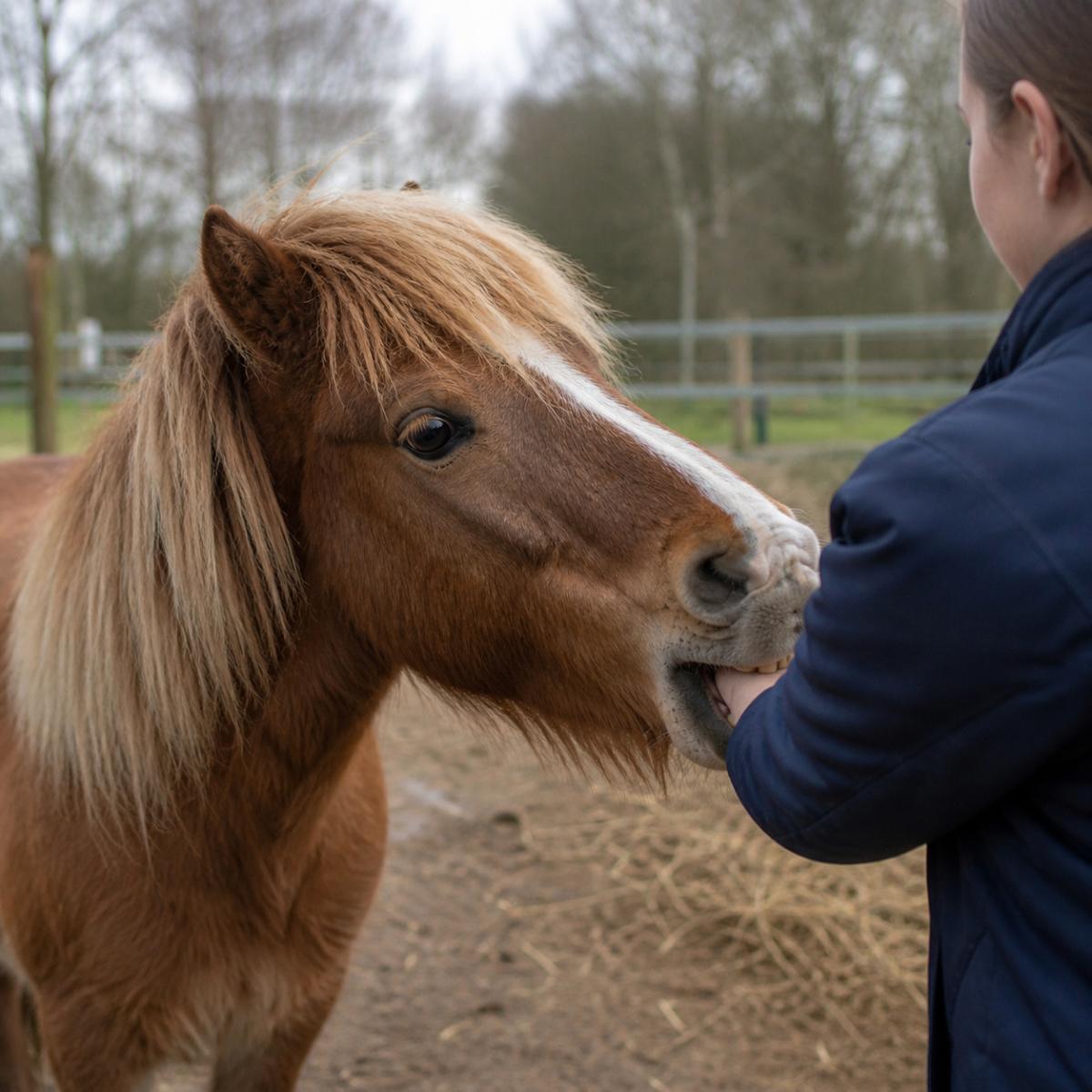
They are often curious, interactive, and responsive to their environment. This combination creates a strong bond, especially with children, who see them as both companions and partners.
Conclusion
Ponies are not stubborn by nature. They are intelligent, independent, and consistent in their reactions.
What may be perceived as a flaw is actually a demanding quality: they require clear and fair communication. This is precisely what makes them more complex, but also far more interesting than their reputation suggests.