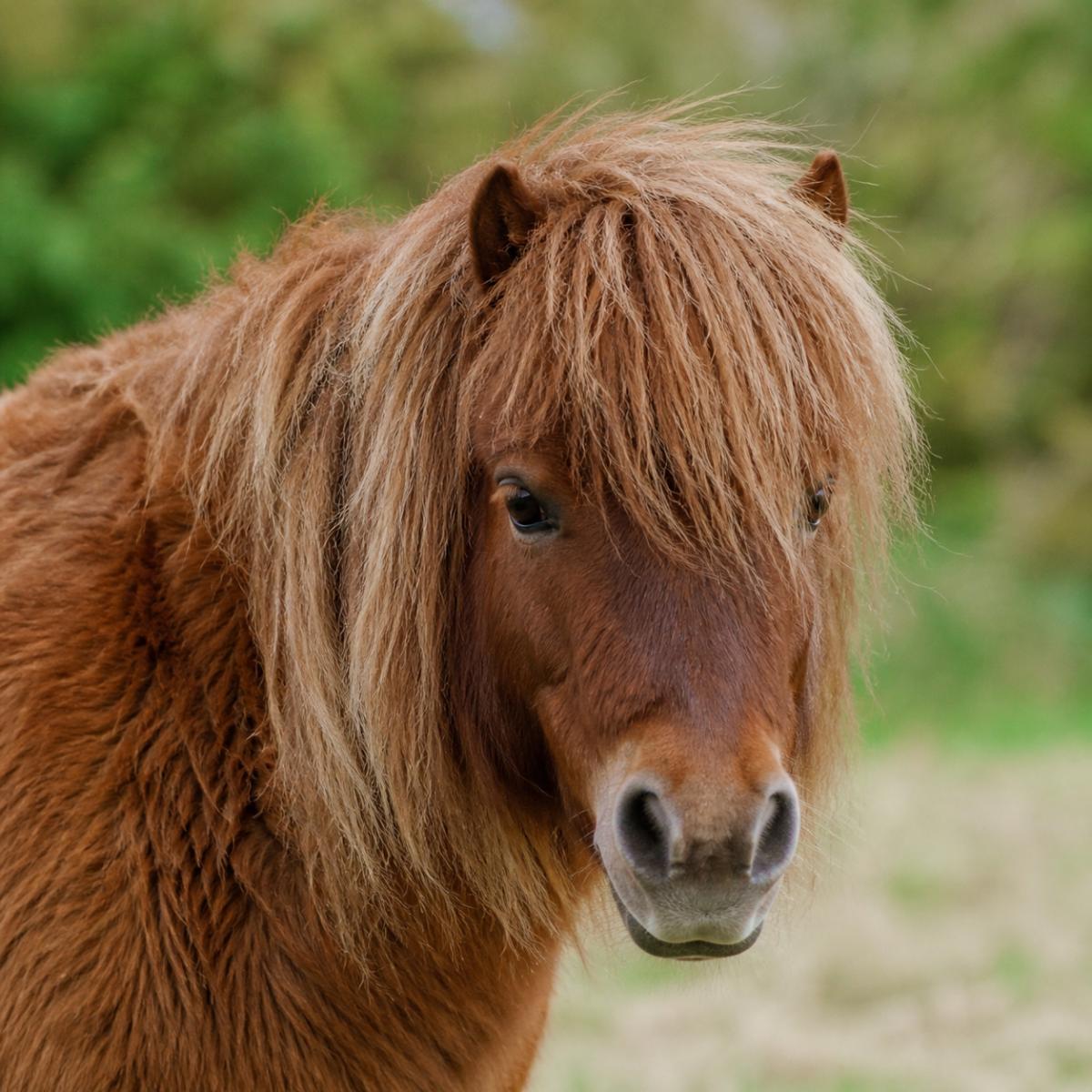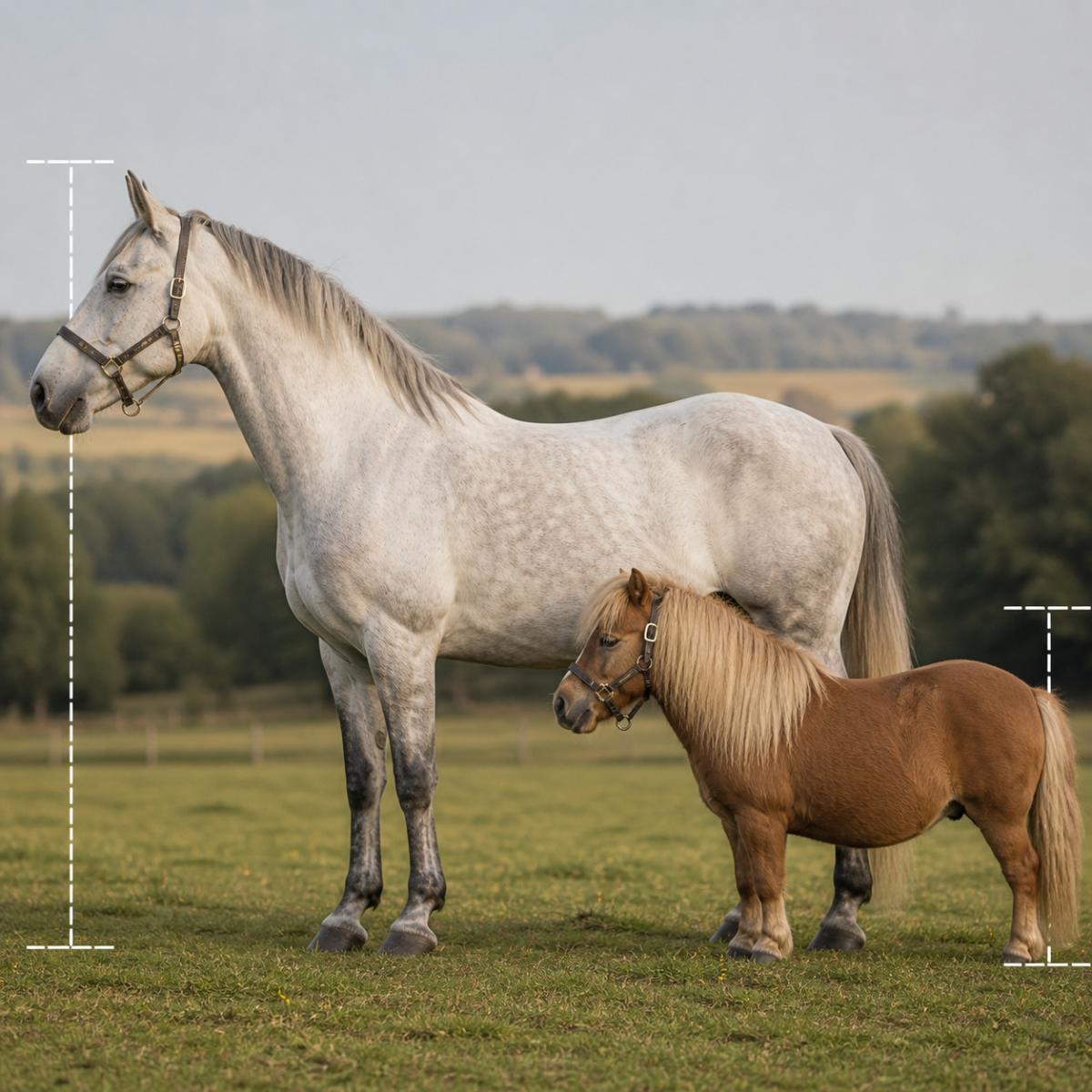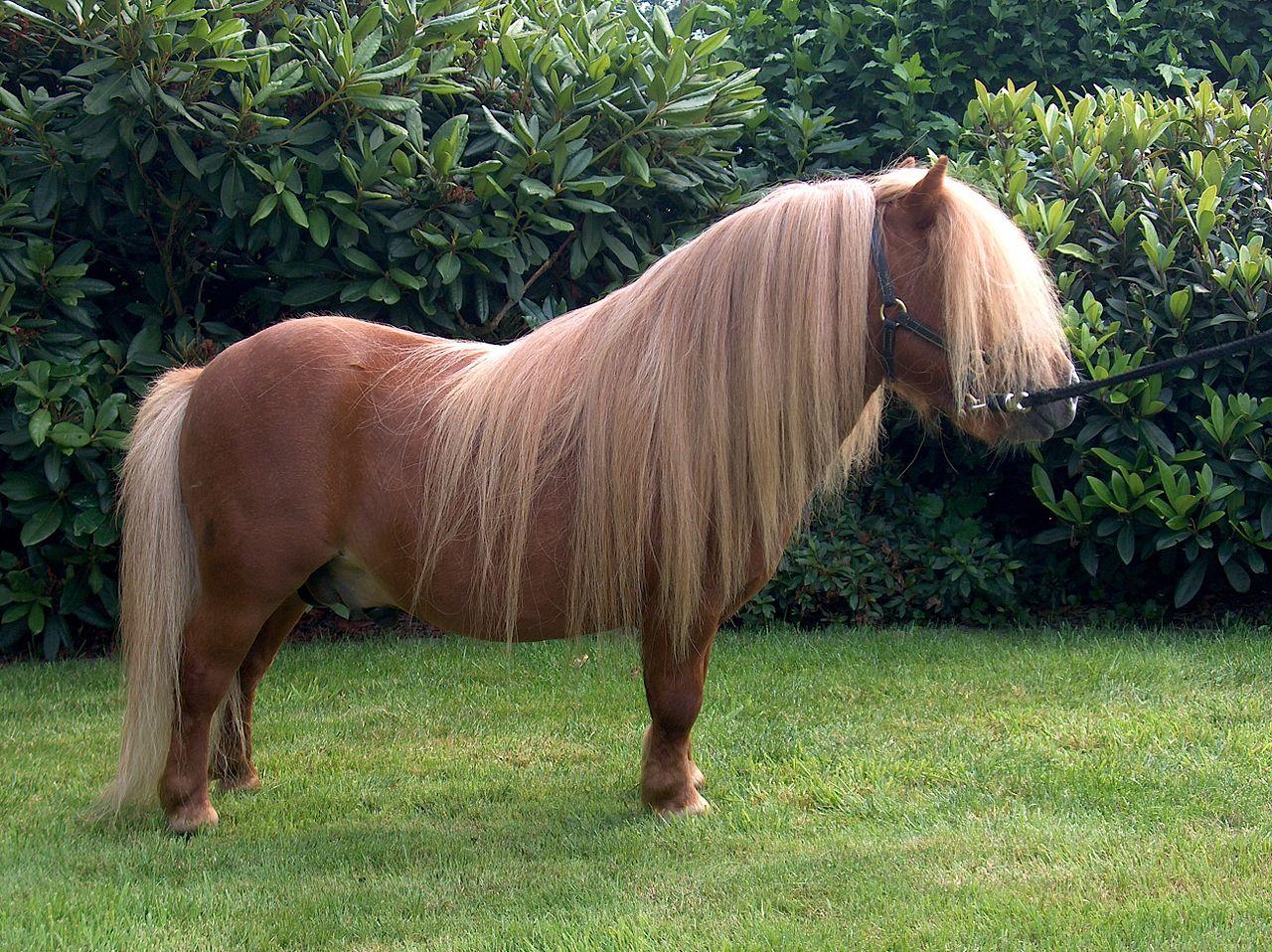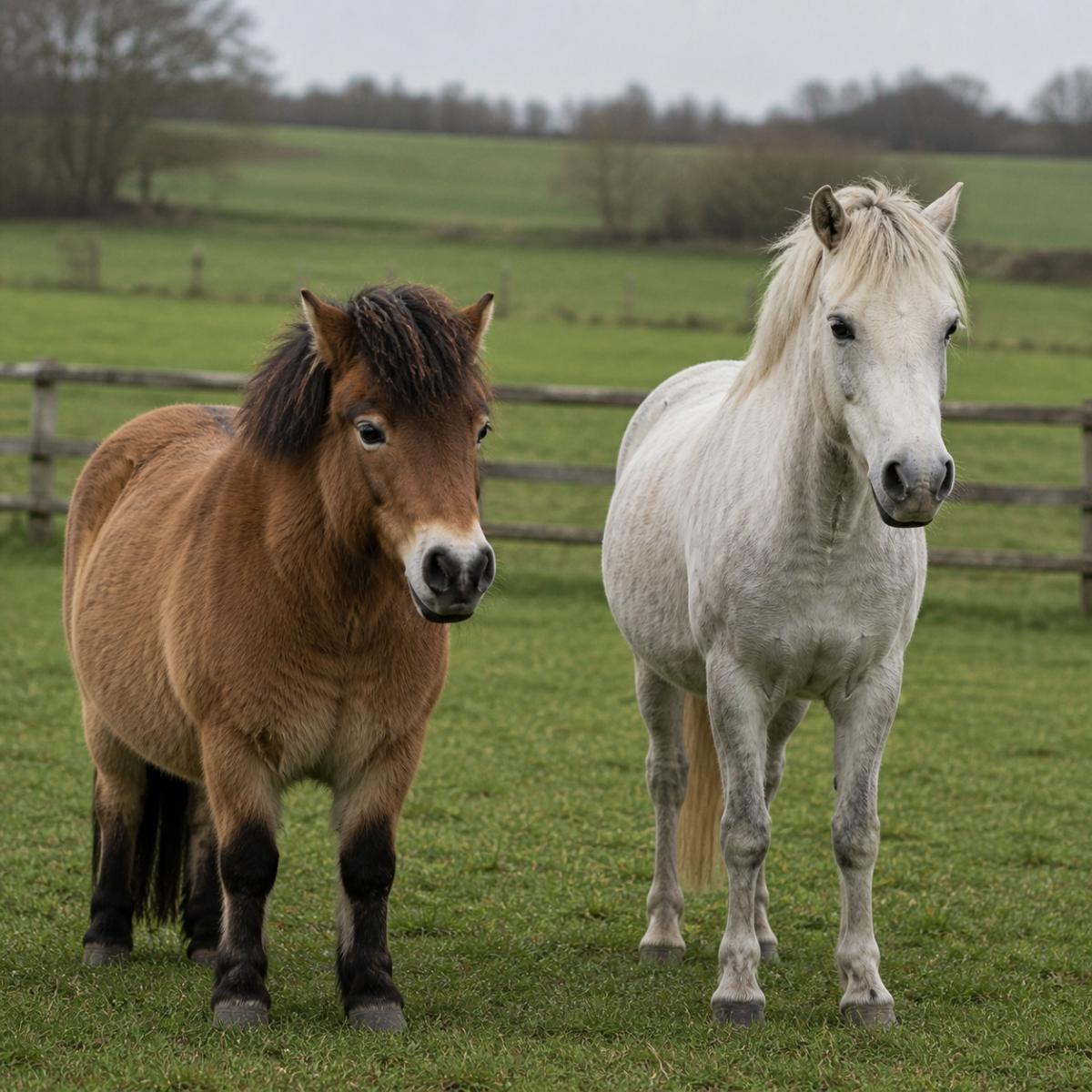
The terms “hardy pony” and “sport pony” can easily give the impression that they describe two clearly separate categories: on one side, a tough, undemanding pony adapted to outdoor living; on the other, a more athletic pony selected for show jumping, dressage or eventing.
This distinction is convenient, but it does not really correspond to two biological categories.
A pony can come from a population historically adapted to demanding environmental conditions while also possessing excellent sporting abilities. Conversely, belonging to a breed selected for sport does not automatically make a pony fragile or unable to live outdoors.
The Connemara Pony illustrates this blurred boundary particularly well: a native Irish pony associated with a challenging Atlantic environment, it has also become an internationally recognized sport pony.
The real difference therefore lies less in the labels “hardy” and “sport” than in the history of the population, breeding objectives, individual characteristics and intended use.
“Hardy pony” is not an official category
In animal breeding, hardiness generally describes an animal's ability to adapt to its environment and maintain satisfactory function under potentially challenging conditions.
When applied to ponies, the term is often used for populations historically developed in regions where climate, terrain or seasonal food availability exerted significant environmental pressure.
This includes some breeds originating from:
- moorlands;
- mountainous regions;
- islands;
- cold or windy areas;
- or environments where food resources can vary considerably throughout the year.
However, “hardy pony” is not an officially defined zoological or sporting category.
Two breeds described as hardy can have very different conformations, metabolisms, histories and abilities.
The term should therefore be understood as a functional description rather than an absolute classification.
The sport pony is primarily the result of a breeding objective
The expression sport pony follows a different logic.
It generally refers to a pony bred or selected with sporting use in mind, particularly for:
- show jumping;
- eventing;
- dressage;
- hunter classes;
- or other pony competitions.
Selection may consider movement, balance, jumping ability, conformation, performance, pedigree and various criteria established by breeding organizations.
The French Saddle Pony — Poney Français de Selle (PFS) provides an especially interesting example.
The breed developed through crosses between French pony mares and various stallions, including Connemara, New Forest, Welsh and Arabian horses, with other European bloodlines subsequently contributing to its development.
The Association Nationale du Poney Français de Selle explicitly describes its modern breeding objective as the production of ponies intended primarily for sporting use.
Its breeding program incorporates performance evaluation as well as conformation and movement assessments.
A “sport pony” is therefore defined less by the environment in which its ancestors developed than by the objectives toward which breeding is directed.
Hardiness and sporting ability can exist in the same pony
This is probably the most important distinction.
Hardiness and athletic performance are not opposite ends of the same scale.
They are different sets of characteristics.
A pony may be adapted to relatively extensive outdoor living while also possessing the locomotor and athletic abilities required for competition.
The Connemara Pony provides a good example, but the principle extends well beyond this breed.
The French Saddle Pony itself was historically developed using several pony breeds, some of which are traditionally regarded as hardy.
There is therefore no point at which a pony automatically stops being hardy simply because it becomes successful in sport.
Conformation does not always separate the two
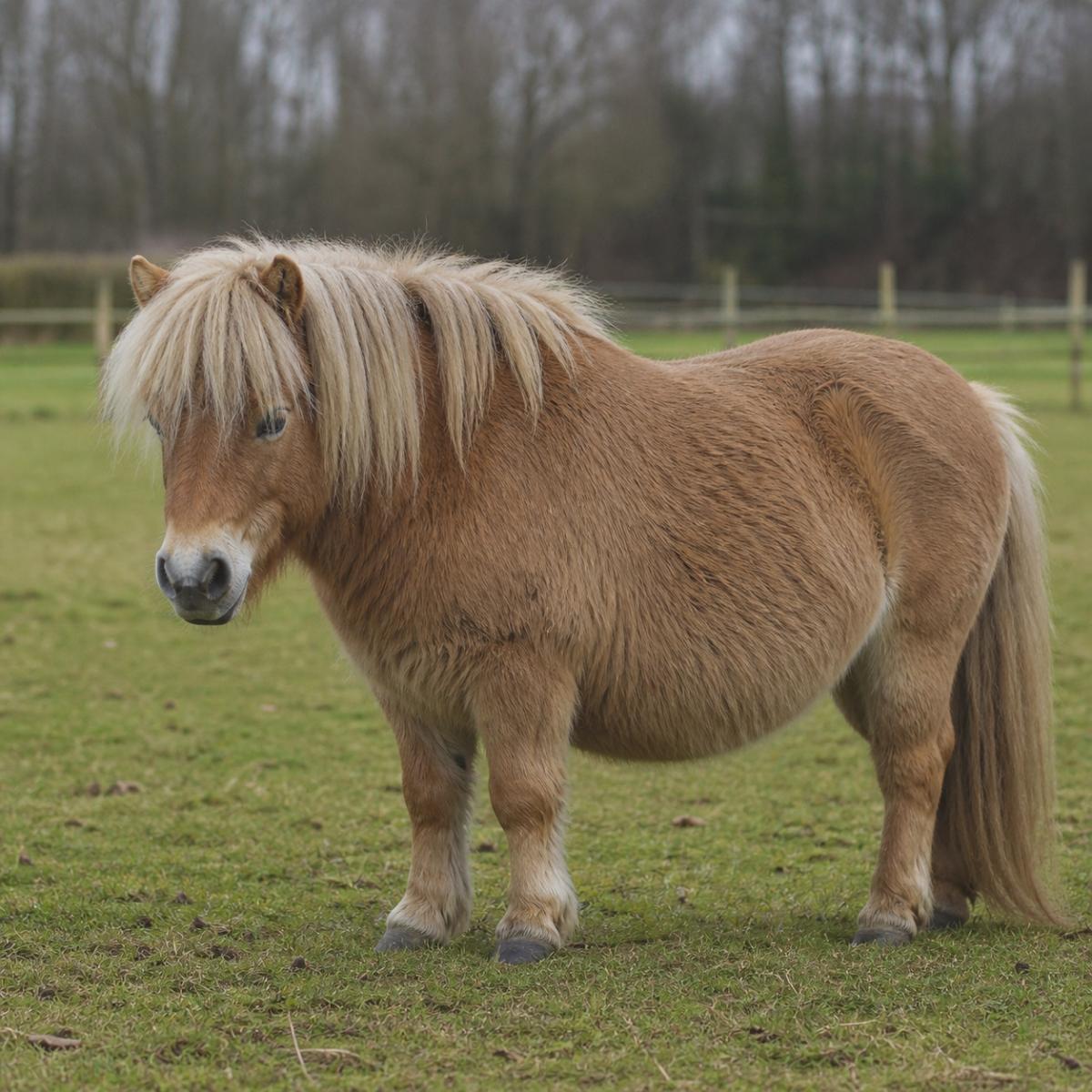
The stereotypical hardy pony is usually imagined as:
- compact;
- relatively broad;
- substantial in bone;
- deep-bodied;
- and capable of developing a heavy winter coat.
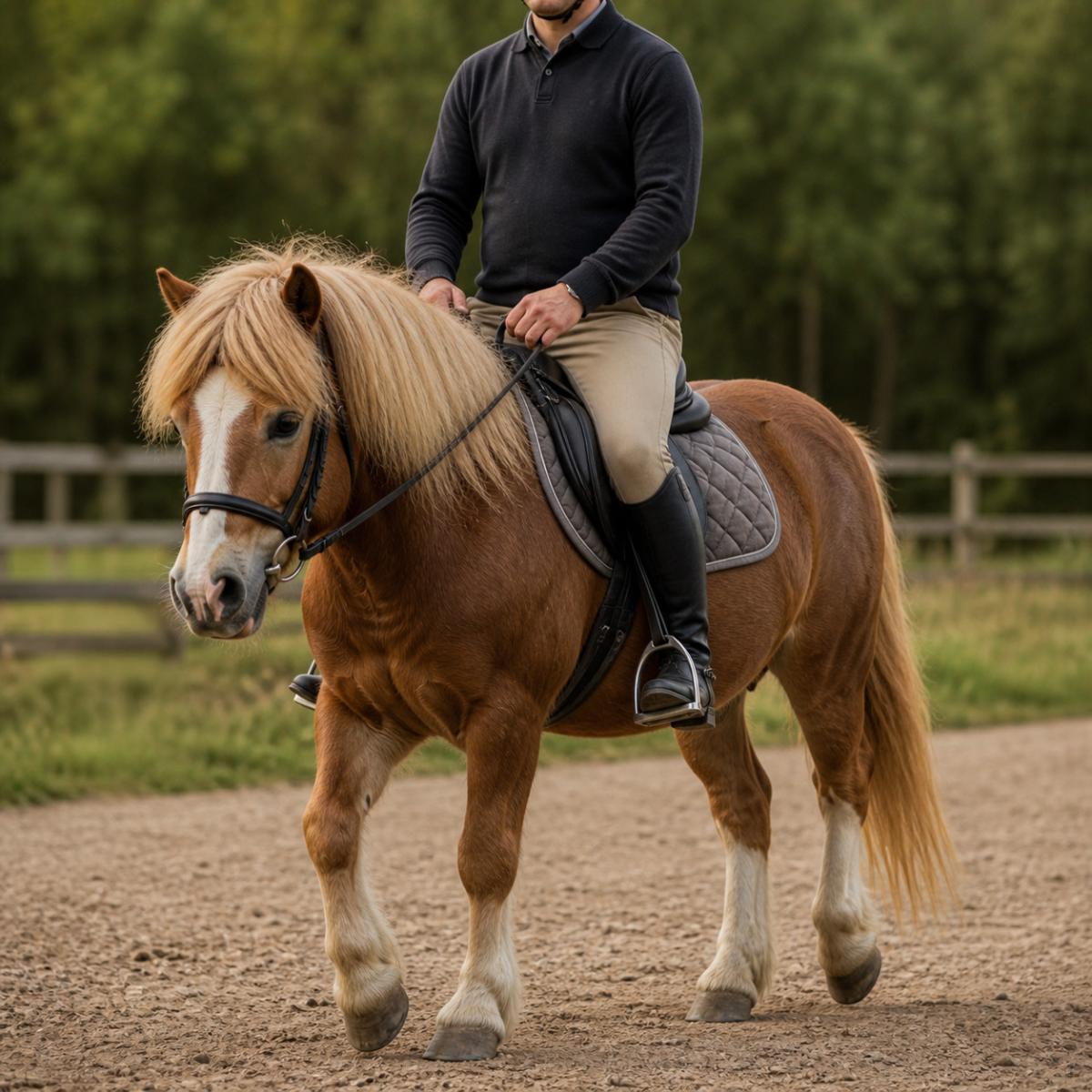
The sport pony, by contrast, is often imagined as a more refined “small horse,” lighter and closer in appearance to European sport horses.
Such tendencies may indeed occur in certain populations.
They cannot, however, be used to classify every pony accurately.
Conformation depends on breed, bloodline, sex, age, selection and the individual animal.
More importantly, there is no single sport-pony conformation.
A pony intended for show jumping is not necessarily selected according to exactly the same criteria as one intended for dressage or eventing.
Simply describing a sport pony as “more athletic” therefore tells us relatively little about the specific traits being selected.
A sport pony does not necessarily have more expressive or longer gaits
Greater stride length or expression may be desirable in some breeding programs, but neither characteristic alone defines a good sport pony.
Depending on the discipline, desirable qualities may include:
- balance;
- quality and regularity of the gaits;
- jumping technique;
- trajectory over fences;
- ability to adjust stride length;
- responsiveness;
- coordination;
- or the ability to maintain performance under a rider.
Breeding organizations may also evaluate young ponies through conformation, movement and free-jumping assessments.
The French Saddle Pony breeding program illustrates this structured approach, focusing on observable characteristics and performance rather than simply producing an animal that looks like a miniature sport horse.
Hardiness does not mean a pony digests everything more efficiently
The idea of a pony capable of “living on almost nothing” is deeply rooted in equestrian culture.
The physiological reality is more interesting.
A study comparing ponies, Standardbreds and Andalusian horses fed different diets found no significant difference in apparent nutrient digestibility among the groups when they received the same diets under the same conditions.
The researchers suggested that the tendency of some ponies and other easy keepers to accumulate more body fat may depend more on metabolic differences than on superior digestive efficiency. (PubMed — Comparison of Feed Digestibility between Ponies, Standardbreds and Andalusian Horses Fed Three Different Diets)
It is therefore too simplistic to say that a hardy pony simply “gets more out of its food.”
Adaptation to sparse resources can become problematic in a rich environment
This is one of the most important paradoxes of hardiness.
Characteristics that may be advantageous in an environment where energy availability varies substantially can become difficult to manage when a pony has constant access to rich pasture and energy-dense feed.
Some ponies are particularly susceptible to excess adiposity and insulin dysregulation, an important component of equine metabolic syndrome and a major risk factor for endocrinopathic laminitis.
The European College of Equine Internal Medicine consensus statement identifies insulin dysregulation as the key feature of equine metabolic syndrome associated with an increased risk of endocrinopathic laminitis. (PubMed — ECEIM consensus statement on equine metabolic syndrome)
Hardiness therefore does not mean “no need to monitor the diet.”
For some individuals, it may instead make careful management of energy intake particularly important.
The Connemara illustrates this paradox particularly well
The Connemara Pony is especially interesting because it combines the two worlds that are so often treated as opposites.
It comes from a native Irish population associated with the mountainous, coastal and rocky environment of western Ireland, while the modern breed has also developed a strong reputation in sport.
But its image as both a hardy and athletic pony should not obscure metabolic considerations.
A study involving 200 registered Connemara ponies in Ireland found that approximately 29.5% of the ponies studied had a body condition score of at least 7/9, while 67.5% showed regional adiposity.
Hyperinsulinemia was confirmed in 16% of the animals studied, and the authors concluded that adiposity, laminitis and metabolic abnormalities were common within the population examined. (PubMed — Obesity and obesity-associated metabolic disease conditions in Connemara ponies in Ireland)
These figures should not be extrapolated to every Connemara worldwide.
They do, however, demonstrate why “hardy” should never be interpreted as “easy to feed without careful management.”
Native ponies do not all respond in the same way
Even among populations commonly described as hardy or native, important breed and individual differences can exist.
Research has identified breed differences in insulin responses and insulin sensitivity.
Studies involving British native ponies, as well as Shetland and Welsh populations, also demonstrate the importance of factors such as body condition, age and adiposity when assessing metabolic risk.
It is therefore better to avoid a simple equation such as:
hardy pony = slow metabolism.
The reality is considerably more complex and depends on both the population and the individual.
“Strong hooves” are not an automatic consequence of hardiness
Hardy ponies are also frequently described as naturally possessing exceptionally strong feet.
Some populations historically raised on particular terrain may indeed display useful hoof characteristics.
But hoof quality depends on many factors, including:
- genetics;
- conformation;
- environment;
- moisture;
- nutrition;
- activity;
- disease;
- trimming and hoof care.
It would therefore be unwise to assume that a pony requires less hoof care simply because its breed is regarded as hardy.
A pony living outdoors throughout the year remains an equine requiring regular monitoring of its feet and locomotion.
Temperament does not follow a hardy-versus-sport divide
It is equally tempting to contrast an “independent and energy-conserving” hardy pony with a “sensitive and responsive” sport pony.
These descriptions may fit some individuals.
They are not sufficiently reliable to characterize two entire categories.
Behavior can be influenced by:
- genetic factors;
- socialization;
- early experiences;
- living conditions;
- education;
- training;
- emotional state;
- and sometimes pain or discomfort.
Sport breeding may indeed incorporate behavioral criteria because a competition pony needs to be trainable and rideable within its intended context.
But this does not mean that all sport ponies are more sensitive or that all hardy ponies are more independent.
A hardy pony is not necessarily a beginner's pony
This is a common misconception.
Physical robustness and ease under saddle are two different things.
A pony capable of thriving under relatively extensive conditions may still be energetic, assertive, inexperienced or simply unsuitable for a beginner.
Conversely, a pony from sport bloodlines may make an excellent schoolmaster if it has the necessary experience, education and temperament.
When choosing a pony for a child or beginner rider, it is generally more useful to consider:
- its actual experience;
- level of training;
- behavior in different situations;
- physical condition;
- suitability for the rider's size and ability;
- and quality of supervision.
Hardiness is not a level of training.
A sport pony is not necessarily more difficult
The opposite misconception is to assume that a pony selected for competition must be highly energetic or suitable only for an experienced rider.
Again, this depends on the individual and the discipline.
An experienced sport pony may be extremely well trained and have considerable competition experience.
Some can accompany young riders through several stages of their development.
Others are indeed more technical or sensitive.
The label “sport pony” primarily tells us about breeding and intended use, not the minimum skill level required from the rider.
Sport does not necessarily mean living in a stable
A competition pony can benefit greatly from a lifestyle that includes turnout, grazing and social contact.
Conversely, outdoor living is not reserved for hardy breeds.
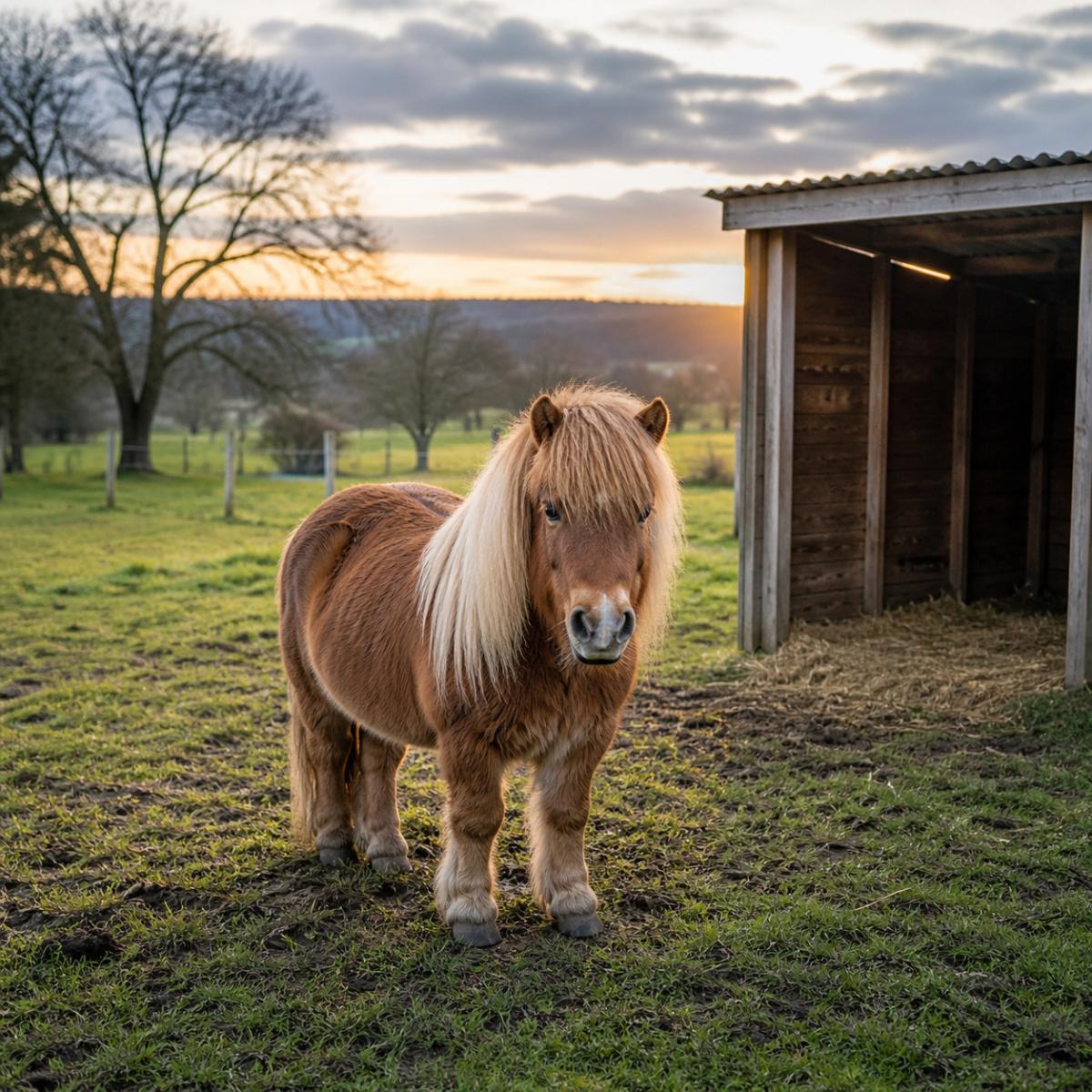
A pony's ability to live outdoors depends on many factors, including climate, shelter, forage availability, health, age, acclimatization, group management and individual needs.
Living conditions should therefore not be determined solely by whether a pony is labelled “hardy” or “sport.”
The fundamental needs of horses and ponies remain those of equids, regardless of their competition level.
Does a sport pony require more maintenance?
Not necessarily more fundamental care.
All ponies require appropriate nutrition, hoof care, veterinary attention when needed and properly fitted equipment.
What changes with athletic activity is primarily the need to adapt management to the workload.
A pony competing regularly may require particular attention to:
- body condition;
- nutrition relative to energy expenditure;
- training program;
- recovery;
- locomotor health;
- saddle fit;
- and changes in physical condition.
This principle is not unique to sport ponies: it applies to any equine athlete.
A hardy pony does not necessarily have simpler management
The equation “hardy pony = easy to keep” can be particularly misleading.
A pony that maintains body condition extremely easily may require more restrictive nutritional management than an equine with higher energy requirements.
Management may need to include monitoring:
- quantity and quality of pasture;
- weight and body condition score;
- regional fat deposits;
- physical activity;
- and, in some at-risk individuals, metabolic status.
Recent research involving UK native-breed ponies has further demonstrated associations between pasture consumption, obesity and markers related to insulin dysregulation. (PubMed — Effects of pasture consumption and obesity on insulin dysregulation and adiponectin concentrations in UK native-breed ponies)
“Hardy” therefore does not necessarily mean less management. It may mean different management.
Choosing a pony for recreational riding
For recreational riding, the label itself ultimately matters relatively little.
A pony from a native breed may be an excellent partner.
A pony from sport-oriented breeding may be equally suitable.
The choice should instead consider:
- rider size;
- rider experience;
- the pony's actual temperament;
- previous training and experience;
- health;
- intended activities;
- available living conditions;
- and the budget available for its care.
Choosing a pony solely because it has a reputation for hardiness can mean overlooking much more important factors.
Choosing a pony for competition
When the objective becomes competitive, selection becomes increasingly relevant.
At higher levels of show jumping, dressage or eventing, particular physical and technical abilities become increasingly important.
A sport-oriented breeding program allows breeders to select breeding animals over multiple generations and accumulate information about their performance and that of their offspring.
The French Saddle Pony provides a particularly good example in France: its breeding program incorporates performance testing and evaluation of young ponies, with an explicitly sporting orientation.
This does not guarantee that an individual pony will perform successfully.
Selection primarily increases the likelihood of finding particular desired abilities within a population.
The Connemara shows why the opposition does not really work
If every breed had to be placed in only one category, the Connemara Pony would quickly become a problem.
Should it be considered hardy because of its history and native environment?
Or a sport pony because of its modern use?
The answer is that both dimensions can coexist.
This is precisely why it is more useful to discuss characteristics and breeding orientation than two mutually exclusive categories.
A pony does not cease to belong to a historically hardy population because several generations have been selected for sport.
And a sport breeding program can itself incorporate ponies from populations with a long history of environmental adaptation.
Two profiles that can overlap
The distinction between a hardy pony and a sport pony therefore exists, but not as a sharp boundary.
Hardiness primarily concerns adaptation to an environment and particular living conditions.
The concept of a sport pony refers more to selection for particular athletic abilities and equestrian uses.
These two dimensions can occur in the same animal.
A pony can be both hardy and athletic.
A sport pony can live outdoors.
A hardy pony may require particularly careful nutritional management.
A pony from a native population can compete successfully at a high level.
Conversely, no sport pedigree guarantees performance, and no reputation for hardiness guarantees health, temperament or ease of management.
When choosing a pony, the most useful question is therefore probably not:
“Is it a hardy pony or a sport pony?”
but rather:
“What are the characteristics of this individual, and do they match the intended use and the living conditions I can provide?”
This approach moves beyond labels and considers the pony for what it actually is: an individual from a particular population and breeding history, with its own abilities, needs and limitations.
Sources and references
- ANPFS — The French Saddle Pony: origins, morphology and uses
- ANPFS — French Saddle Pony conformation, movement and breeding program
- PubMed — Comparison of Feed Digestibility between Ponies, Standardbreds and Andalusian Horses Fed Three Different Diets
- PubMed — ECEIM consensus statement on equine metabolic syndrome
- PubMed — Obesity and obesity-associated metabolic disease conditions in Connemara ponies in Ireland
- PubMed — Breed differences in insulin sensitivity and insulinemic responses to oral glucose in horses and ponies
- PubMed — Effects of pasture consumption and obesity on insulin dysregulation and adiponectin concentrations in UK native-breed ponies