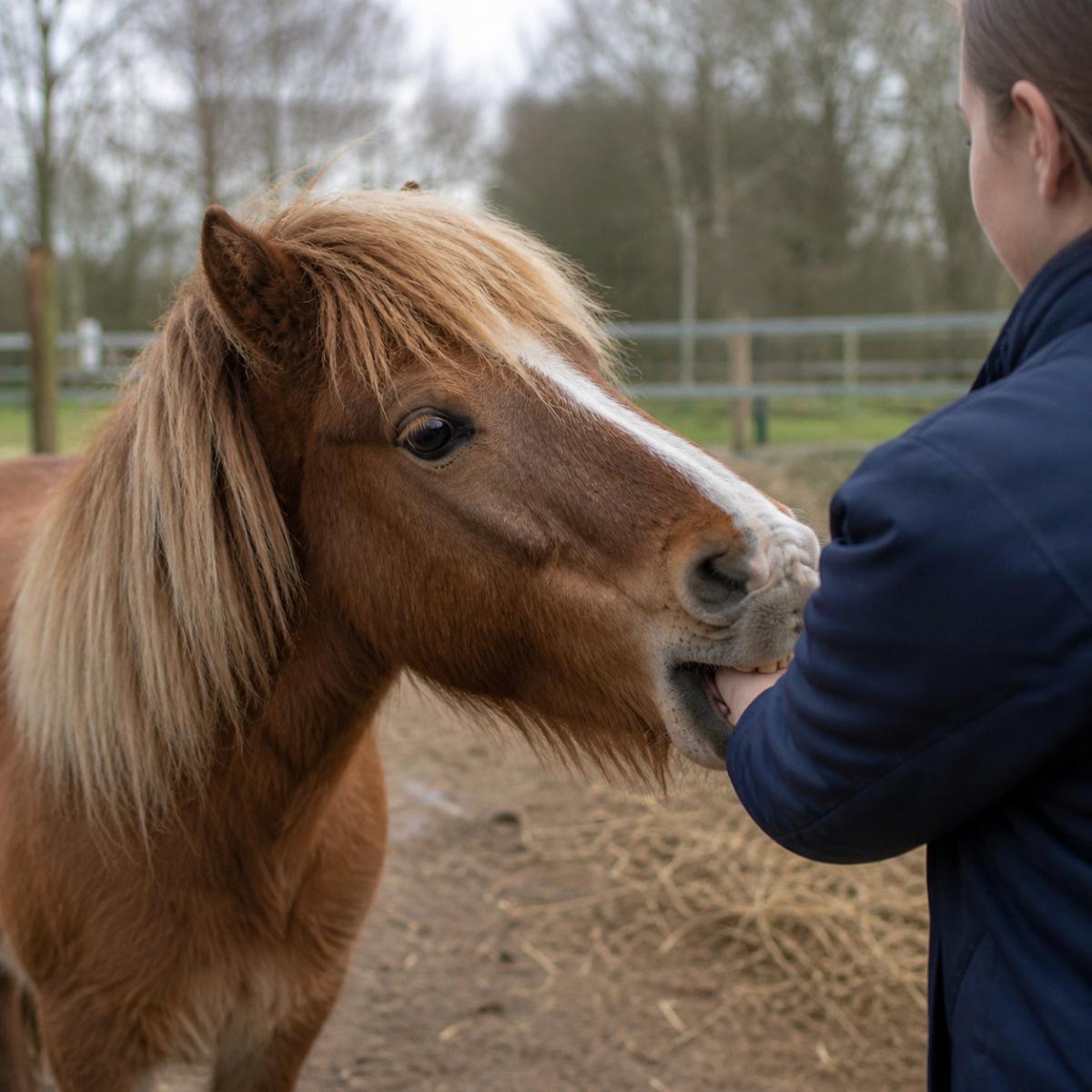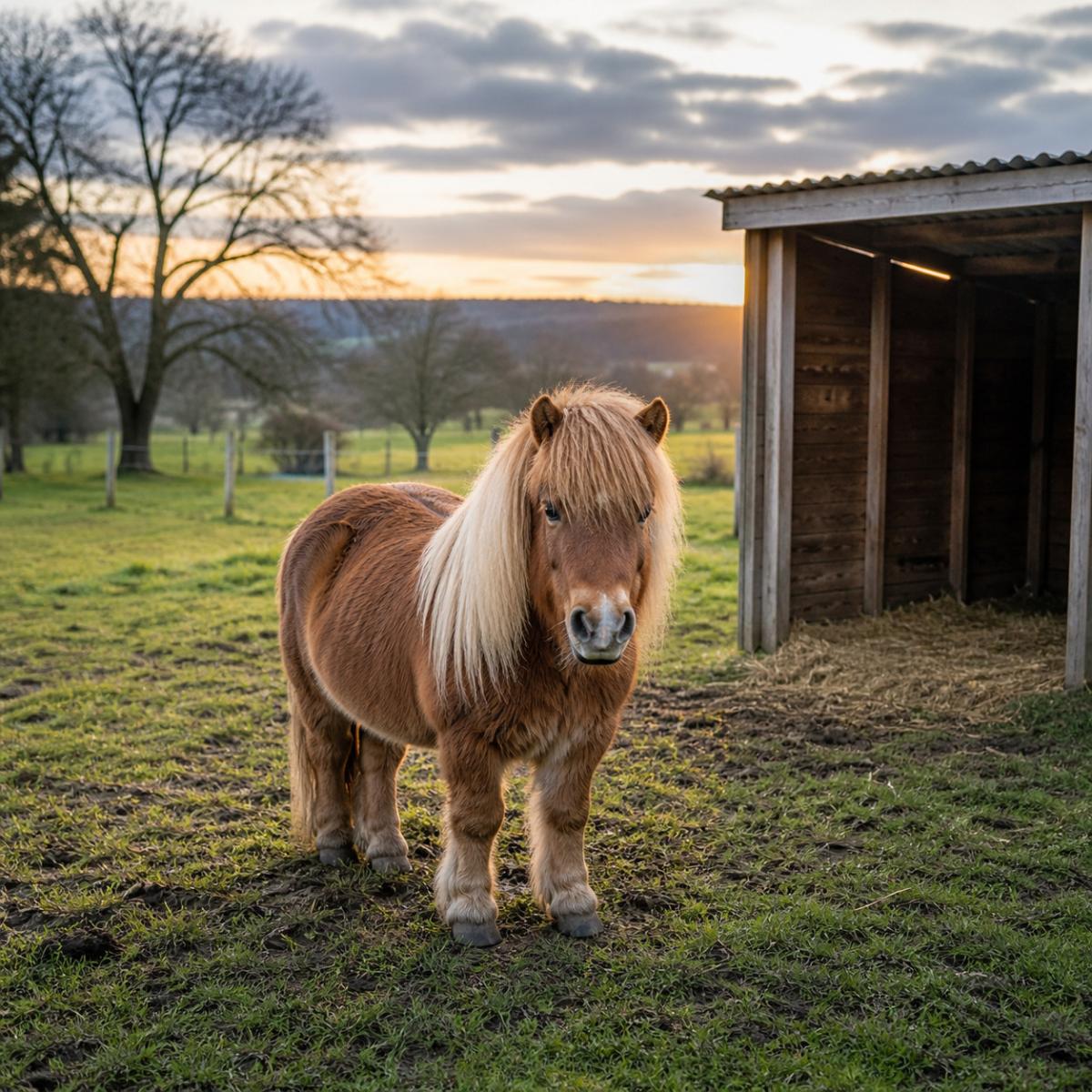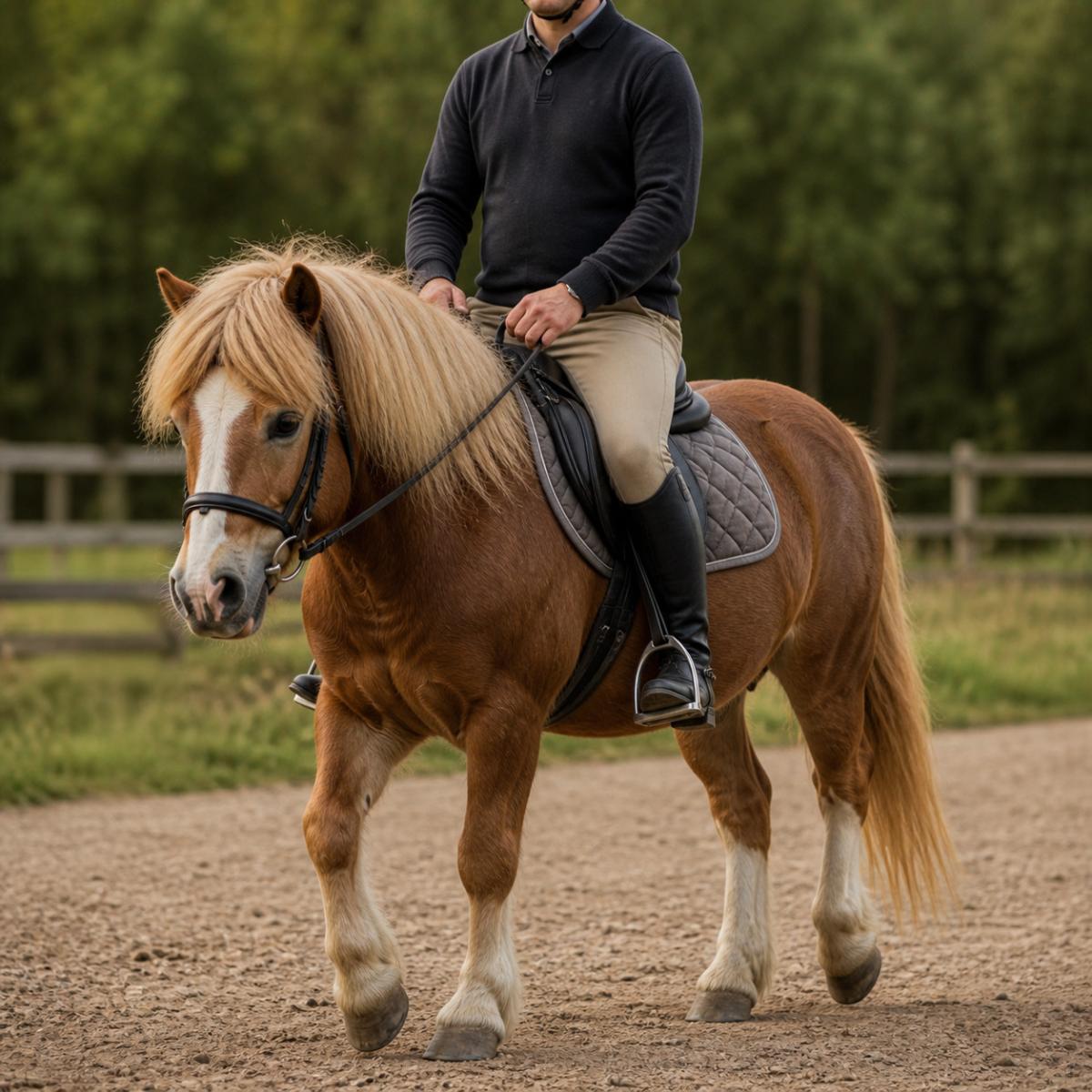
The idea that ponies are mounts exclusively for children is misleading.
Many ponies are large, strong and well-trained enough to carry adults comfortably. Conversely, some adult-pony combinations are unsuitable, even when the rider does not appear particularly heavy.
The difficulty lies in the question itself:
how much weight can a pony carry?
It would be convenient to give a single number. However, current scientific evidence does not establish a universal weight limit that applies to every equid.
Rider weight matters, but it needs to be considered alongside the pony's weight and conformation, musculature, body condition, age, fitness, soundness, saddle fit, rider balance, and the duration and intensity of exercise.
A pony is not simply a small, fragile horse
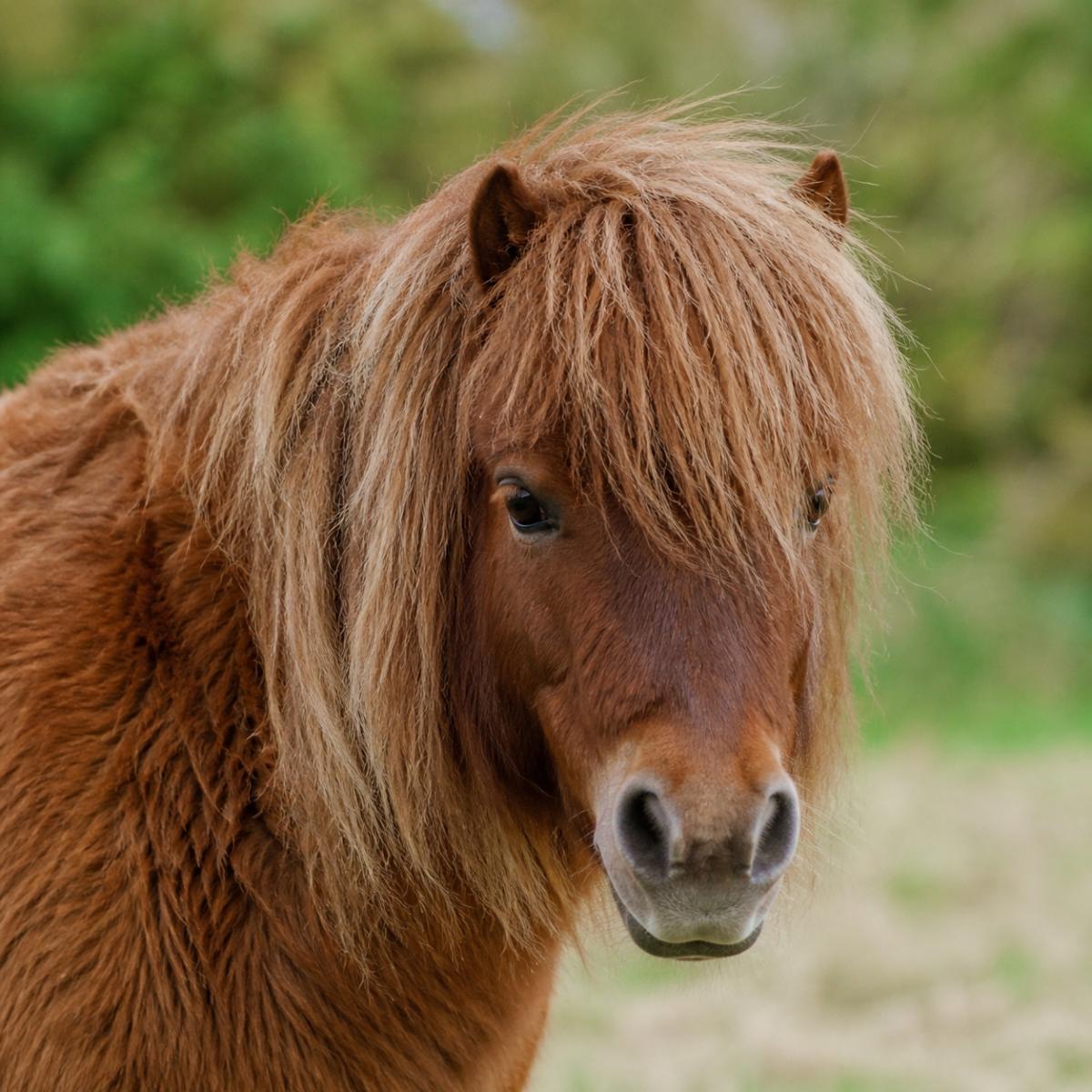
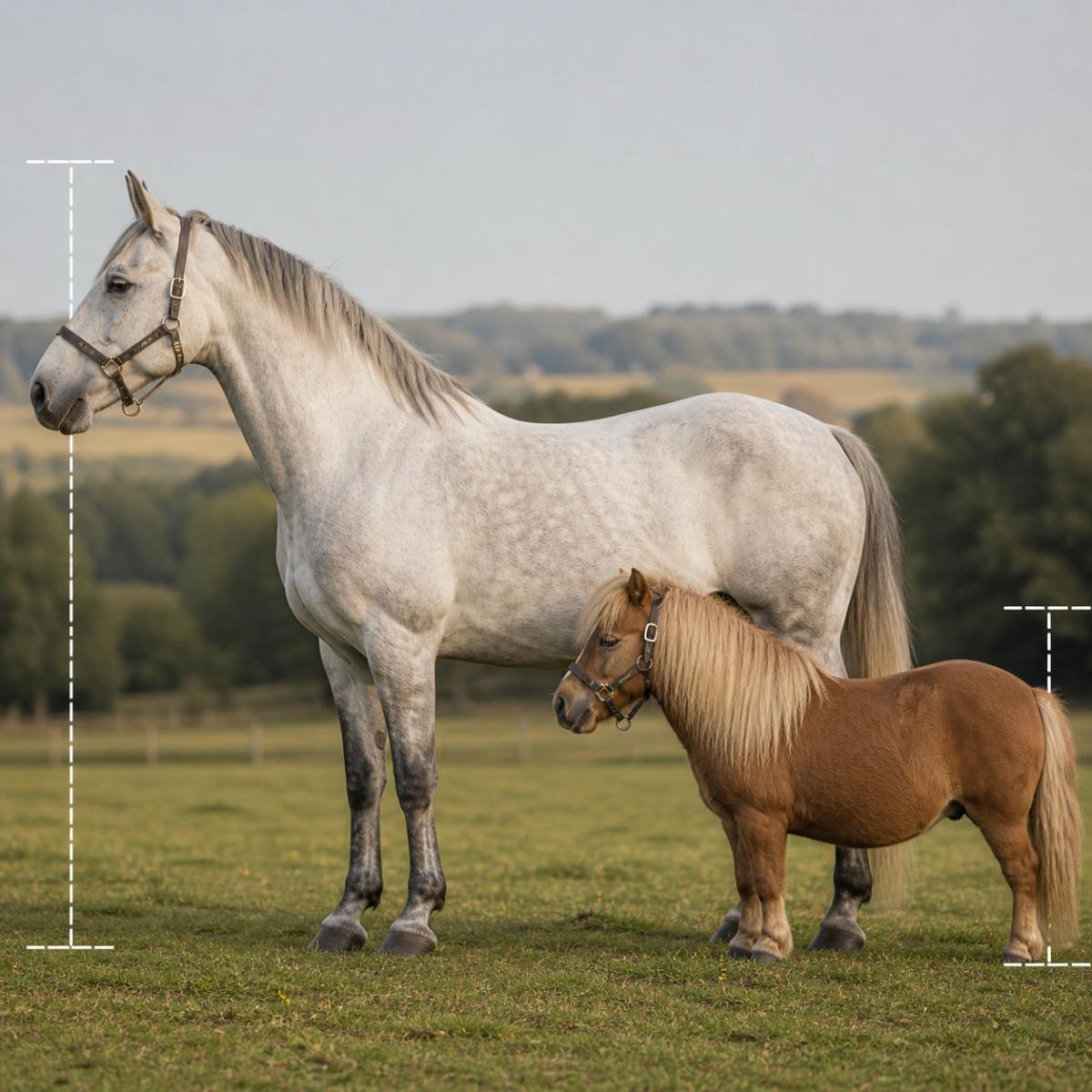
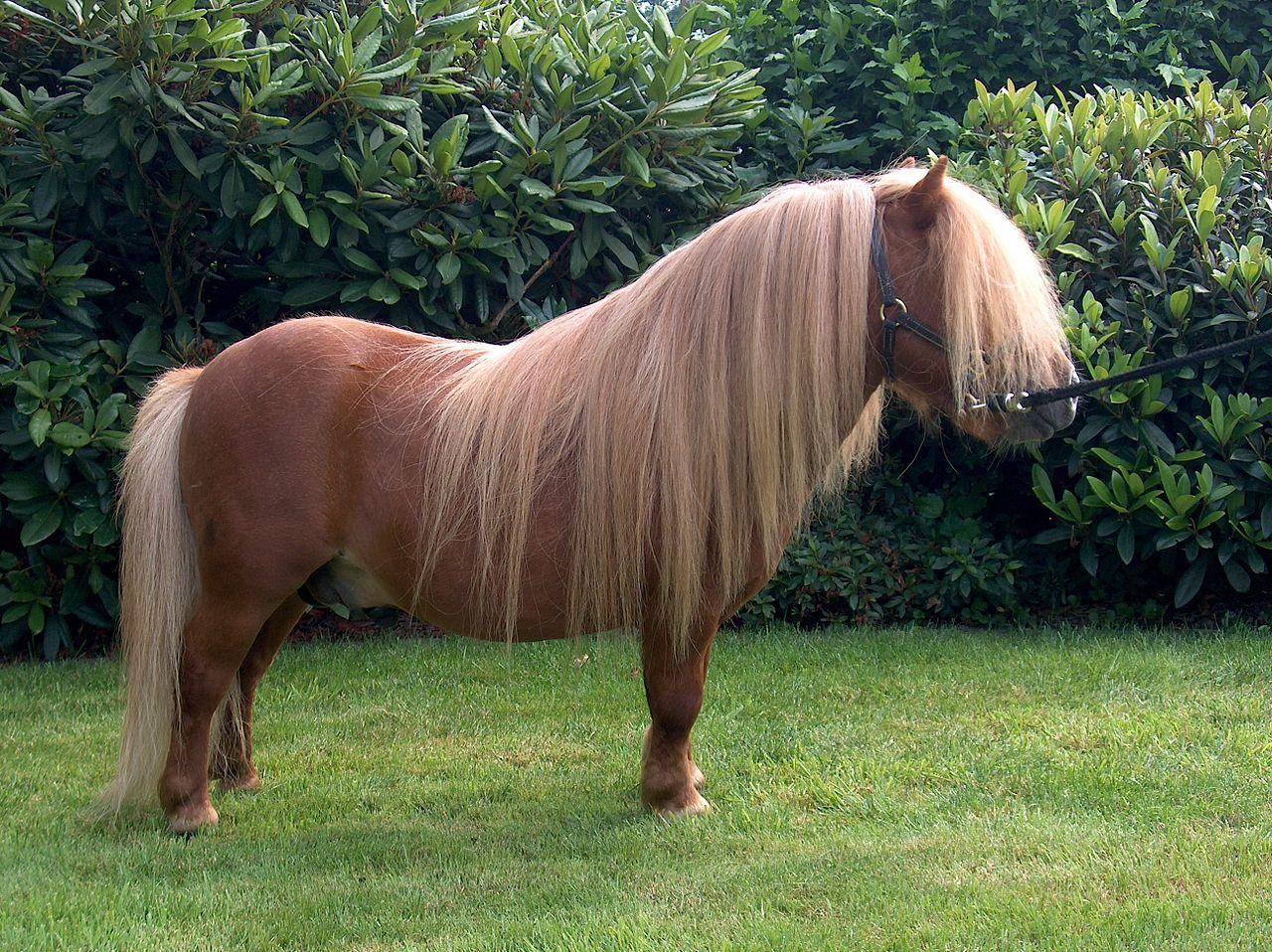
The term “pony” is primarily based on height classification and does not directly tell us how much weight an individual can comfortably carry.
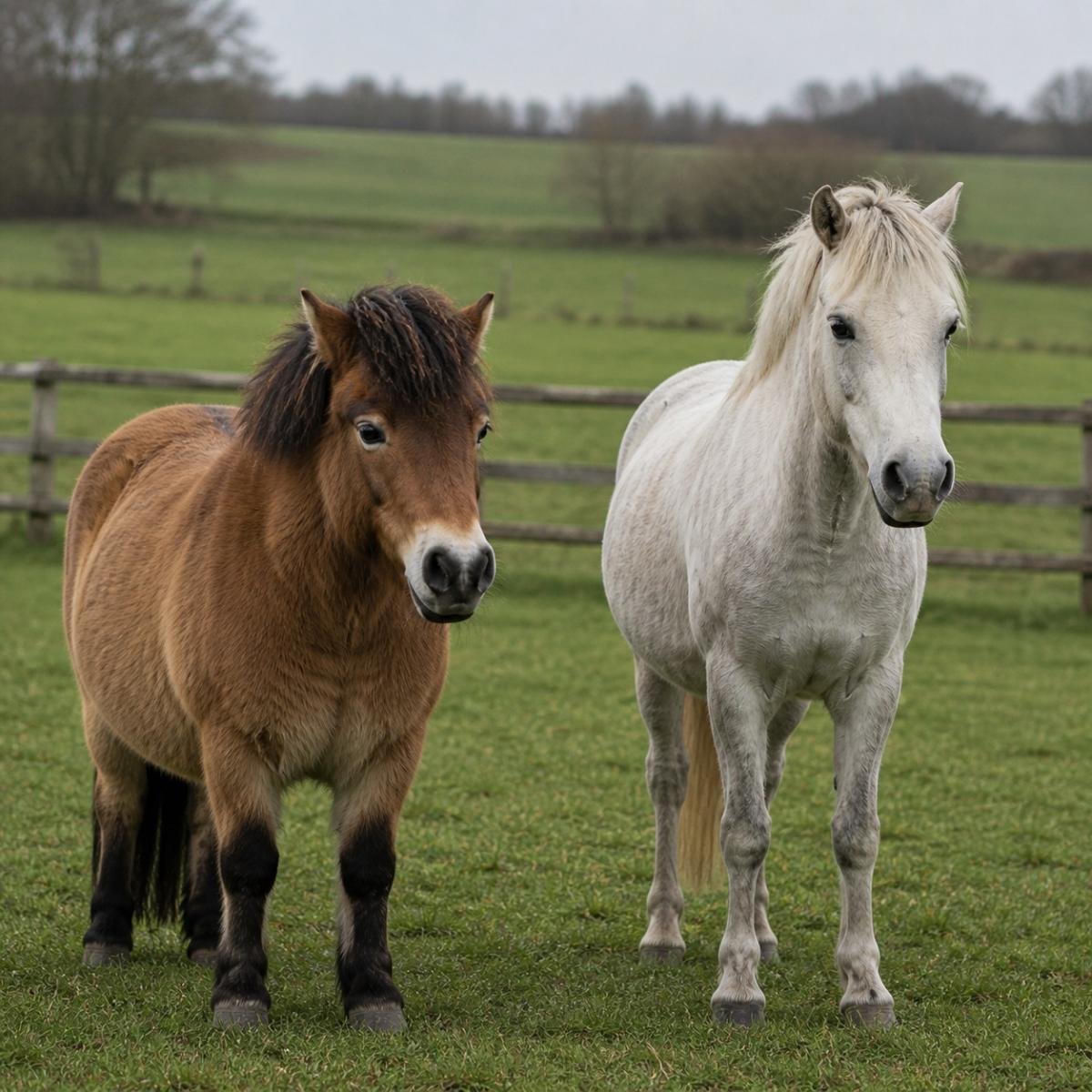
Two ponies of the same height can have very different builds.
One may have a relatively broad body, substantial bone and well-developed musculature, while another may be considerably lighter and narrower.
There is also an enormous difference between a small Shetland and a large Connemara Pony, even though both are classified as ponies.
Height at the withers alone therefore cannot determine whether a pony is suitable for an adult rider.
Is the 20% rule scientific?
One of the most commonly repeated recommendations states that a horse or pony can carry approximately 20% of its own body weight.
According to this rule, a 400 kg equid could carry 80 kg.
The calculation is appealing because it is simple.
However, 20% is not a universal physiological threshold established by scientific research.
There is currently insufficient evidence to claim that an equid is necessarily comfortable at 19% of its body weight and overloaded at 21%.
Available studies have used different horses, riders, protocols and exercise intensities, and their findings are not always consistent.
The proportion of rider weight to equine body weight can therefore be one useful indicator among several, rather than a formula that automatically determines a pony's carrying capacity.
What do studies tell us about rider weight?
A frequently cited pilot study evaluated six horses ridden successively by four riders of different weights.
The rider-to-horse bodyweight ratios were approximately:
- 10 to 11.7% for the light rider;
- 12.8 to 15% for the moderate rider;
- 15.3 to 17.9% for the heavy rider;
- 23.6 to 27.5% for the very heavy rider.
The horses performed a standardized dressage test lasting approximately 30 minutes.
All tests involving riders classified as “heavy” and “very heavy” were stopped according to the study's predetermined criteria, predominantly because temporary lameness developed. The horses subsequently returned to soundness. (Dyson et al. — The influence of rider:horse bodyweight ratio and rider-horse-saddle fit on equine gait and behaviour)
At first glance, these results might appear to provide a precise weight limit.
That would be an overinterpretation.
The study involved only six horses, saddle fit was not ideal in every combination, and differences in rider size and position may also have contributed to the results.
The authors themselves emphasized the need for further research.
Another study produced different results
Another experiment investigated 20 horse-rider combinations.
In this study, riders rode their own horses, with additional weight added to increase rider mass by 15% and then 25%.
Rider-to-horse weight ratios, including equipment, consequently reached approximately 15 to 23%.
During low-intensity dressage exercise, the researchers detected no significant effect of the additional weight on the behavioral parameters, heart rate, salivary cortisol or locomotor symmetry measures examined. (PubMed — Increased Rider Weight Did Not Induce Changes in Behavior and Physiological Parameters in Horses)
This does not demonstrate that a 23% ratio is always acceptable.
The authors specifically noted that their findings applied to low-intensity exercise under the particular conditions of the experiment and should not be extrapolated to other loads or activities.
Comparing these studies mainly demonstrates why current research cannot easily be converted into a universal weight limit.
Rider weight does not act alone
Two riders weighing 70 kg do not necessarily impose exactly the same mechanical demands on a pony.
Their:
- balance;
- coordination;
- stability;
- position;
- experience;
- and ability to follow the pony's movement
can affect how forces are transmitted to the pony's back.
Similarly, carrying a relatively stable load during quiet walking is not mechanically identical to carrying an unbalanced rider during trot.
This does not mean that a skilled rider can make body weight irrelevant.
Mass is still mass.
But total weight alone does not describe how that load acts on the animal.
Equipment needs to be included
When considering the load carried by a pony, the rider is not the only weight on its back.
The calculation should also consider:
- the saddle;
- saddle pad;
- accessories;
- and any additional equipment being carried.
In the study by Dyson and colleagues, saddles, pads and associated equipment already added several kilograms to the total load.
A 65 kg rider does not therefore necessarily represent a total load of 65 kg.
This distinction becomes particularly important with smaller equids because a few additional kilograms represent a greater proportion of their total body weight.
Saddle fit becomes particularly important with an adult rider
A saddle needs to fit the pony, but it also needs to accommodate the rider.
Balancing these two requirements can become difficult with some adult-pony combinations.
A tall adult or someone with long legs may require a sufficiently large seat to maintain an appropriate position.
But the back of a small pony provides limited space for a saddle.
Choosing a saddle that is too long simply to accommodate the rider can therefore create another problem.
Conversely, placing an adult in a saddle that is too small can alter rider position and pressure distribution.
A pilot study examining rider size and saddle fit found that rider morphology and saddle fit can influence forces and pressure distribution beneath the saddle. (Roost et al. — The effects of rider size and saddle fit for horse and rider on forces and pressure distribution under saddles)
The suitability of an adult-pony combination cannot therefore be assessed with a scale alone.
The pony's conformation matters
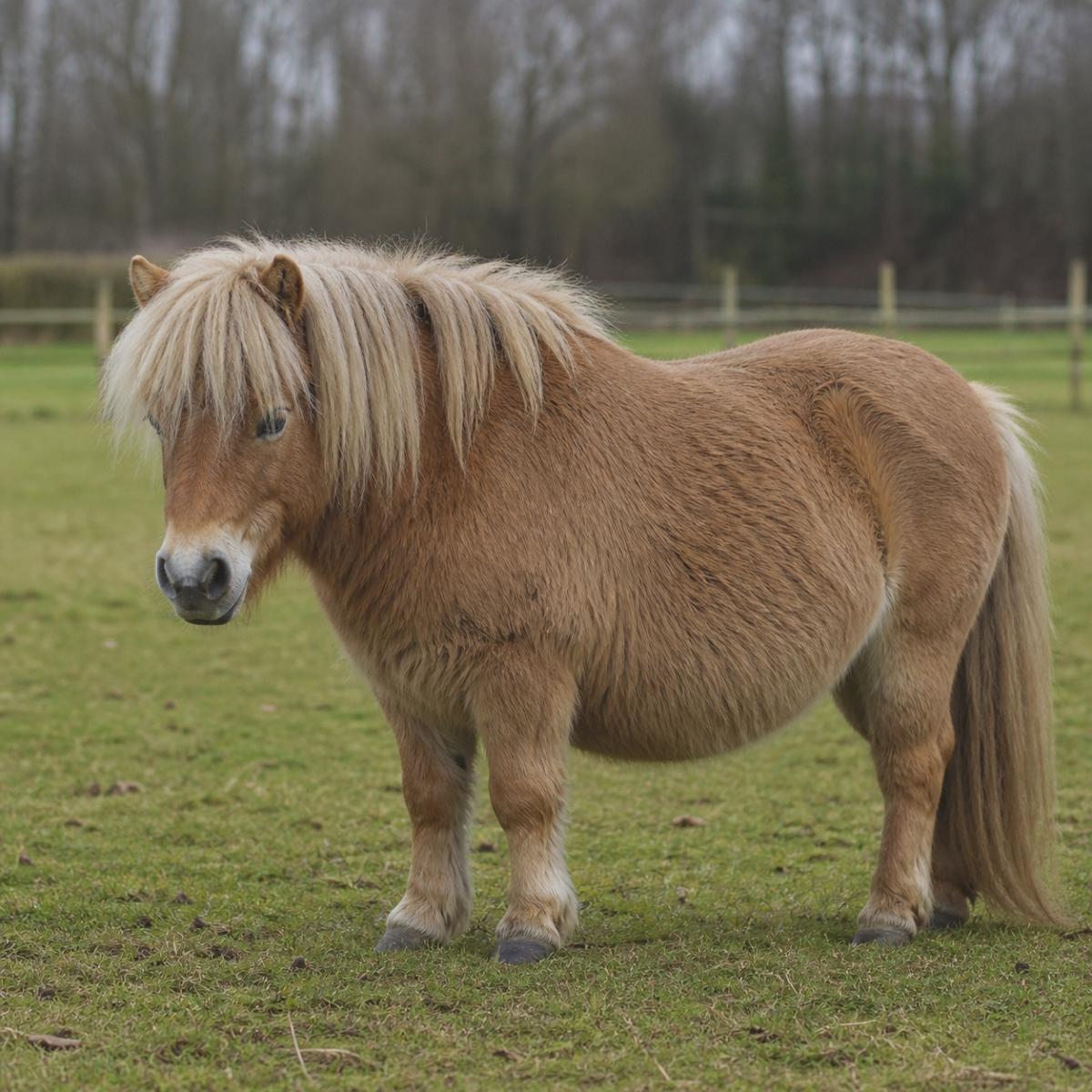
Body weight is useful information, but two ponies weighing exactly the same amount may have different physical capacities.
Factors to consider include:
- conformation;
- musculature;
- width and shape of the back;
- physical development;
- locomotor soundness;
- body condition;
- and training.
It is also important to avoid a misleading line of reasoning:
an overweight pony can carry more because it weighs more.
Additional body fat increases the number on the scale, but it obviously does not produce a proportional increase in muscular or locomotor capacity.
Allowing a pony to become overweight in order to improve its rider-to-pony weight ratio therefore makes no sense.
Musculature matters more than body weight alone
A physically conditioned pony develops musculature appropriate to the work it performs.
This includes structures involved in stabilizing the trunk and producing locomotion.
Conversely, a pony that has been inactive, has lost muscle or is returning to work after a long break should not immediately be expected to perform the same workload as a regularly conditioned individual.
Carrying capacity therefore needs to be considered in the context of the pony's actual training and physical condition.
It is not a fixed characteristic determined once and for all by breed or body weight.
Age also changes the equation
A young pony that is still developing should not be assessed in the same way as a physically mature adult.
Similarly, an ageing pony may gradually develop:
- reduced muscle mass;
- osteoarthritis;
- back problems;
- locomotor difficulties;
- or other health conditions.
A rider-pony combination that worked perfectly for several years may therefore need to be reassessed over time.
Carrying capacity is dynamic rather than permanent.
Duration of exercise matters
Carrying a load for ten minutes at a walk is not equivalent to completing a several-hour trail ride.
As exercise continues, fatigue can affect locomotion and the pony's ability to stabilize its body beneath the load.
It is therefore important to consider:
- duration;
- frequency;
- terrain;
- speed;
- hills and gradients;
- the gaits being used;
- and recovery periods.
A combination that is acceptable for brief, low-intensity activity is not automatically suitable for prolonged or demanding exercise.
The discipline changes the physical demands
Not every equestrian activity produces the same mechanical demands.
A quiet ride predominantly at walk is not equivalent to:
- a jumping session;
- sustained trot and canter work;
- a long trail ride over hilly terrain;
- fast work;
- or repeated sport training.
The workload expected from the pony must therefore form part of the assessment.
The question is not simply:
“Can this pony carry this person?”
but also:
“Can this pony comfortably carry this person for this activity, for this duration and at this frequency?”
Breed does not provide a weight limit in kilograms
Some pony breeds have reputations for strength or hardiness.
It is therefore sometimes claimed that a Connemara, Fjord or cob-type pony “can carry an adult,” whereas a more lightly built pony cannot.
These observations may reflect some average differences in conformation, but they cannot provide a maximum carrying weight for an entire breed.
A Connemara Pony may be a large, athletic pony perfectly suited to an adult rider.
Another individual of the same breed may be smaller, less muscular, older or affected by a locomotor problem.
Breed provides context; it does not replace individual assessment.
Rider height is a different issue from rider weight
A lightweight adult may still be very tall relative to the pony.
That does not automatically mean that the pony is overloaded.
However, a substantial difference in size can make it more difficult to achieve:
- appropriate saddle fit;
- a functional rider position;
- good balance;
- effective use of the legs;
- and sometimes overall stability.
It is therefore useful to distinguish weight from proportions.
An adult may be sufficiently light for a pony while still being too tall for a saddle that fits both pony and rider to be easily found.
The famous “20% rule” can be a warning signal, not permission
In practice, the ratio between total load and pony body weight can be used as an initial screening tool.
Some professional guidance currently refers to ranges around 15 to 20%, while emphasizing the importance of considering workload, age, conformation, topline and the health of the equid as well.
But the percentage should not be interpreted as automatic permission.
Being below 20% does not guarantee that a particular combination is suitable.
Likewise, exceeding an arbitrary percentage slightly does not, by itself, diagnose overloading.
The ratio can draw attention to a potential issue; it cannot replace assessment of the individual pony.
Observing the pony remains essential
A rider-pony combination should not be assessed only before the rider gets on.
What happens during and after exercise also matters.
Changes such as unusual alterations in locomotion, increasing reluctance to move forward, behavioral changes, back sensitivity or unexpectedly difficult recovery deserve attention.
These signs do not necessarily prove that the rider is too heavy.
They can have many different causes.
But they indicate that something involving the pony's physical condition, equipment, workload or rider-pony combination deserves reassessment.
Some ponies can absolutely carry adults
The answer to the original question is therefore yes.
Being an adult is not, in itself, a reason not to ride a pony.
Some larger, properly developed, healthy and conditioned ponies can make excellent mounts for adults.
The term “adult” is itself not particularly informative: two adults might weigh 50 and 100 kg, stand 1.55 m and 1.90 m tall, have completely different riding abilities and participate in entirely different activities.
Likewise, the term “pony” includes an enormous variety of equids.
It is therefore the characteristics of the individual combination, rather than the categories “adult” and “pony,” that need to be assessed.
There is no magic formula for carrying capacity
Research on rider weight highlights one particularly important point: we still do not have a universal threshold that can convert a pony's body weight into a maximum rider weight.
The rider-to-pony weight ratio remains useful information.
But it needs to be interpreted alongside:
- total load, including equipment;
- the pony's conformation;
- body condition;
- musculature;
- fitness;
- age and health;
- rider morphology and balance;
- saddle fit;
- discipline;
- exercise intensity and duration.
The familiar 20% rule can therefore serve as a cautious reference point within a broader assessment, but it should never become an equation such as:
“My pony weighs 400 kg, so it can carry exactly 80 kg.”
A much more useful question is:
can this particular pony comfortably carry this particular rider, with this saddle, for the work being asked of it?
It is that combination — rather than an isolated percentage — that determines whether an adult and a pony are appropriately matched.
Sources and references
- Dyson et al. — The influence of rider:horse bodyweight ratio and rider-horse-saddle fit on equine gait and behaviour: A pilot study
- Christensen et al. — Increased Rider Weight Did Not Induce Changes in Behavior and Physiological Parameters in Horses
- Roost et al. — The effects of rider size and saddle fit for horse and rider on forces and pressure distribution under saddles: A pilot study
- Royal College of Veterinary Surgeons — Riding Establishments Inspectors’ Newsletter, 2025