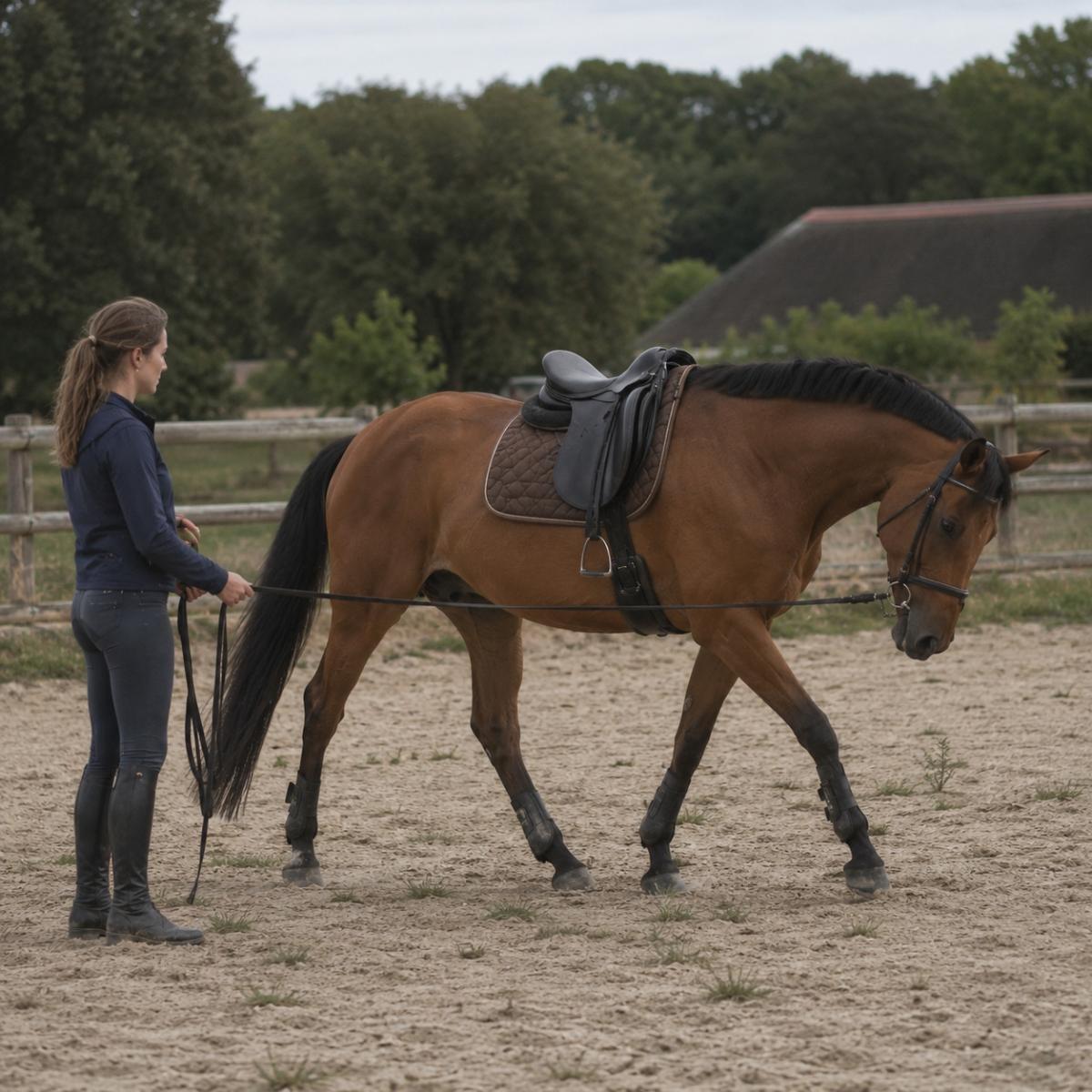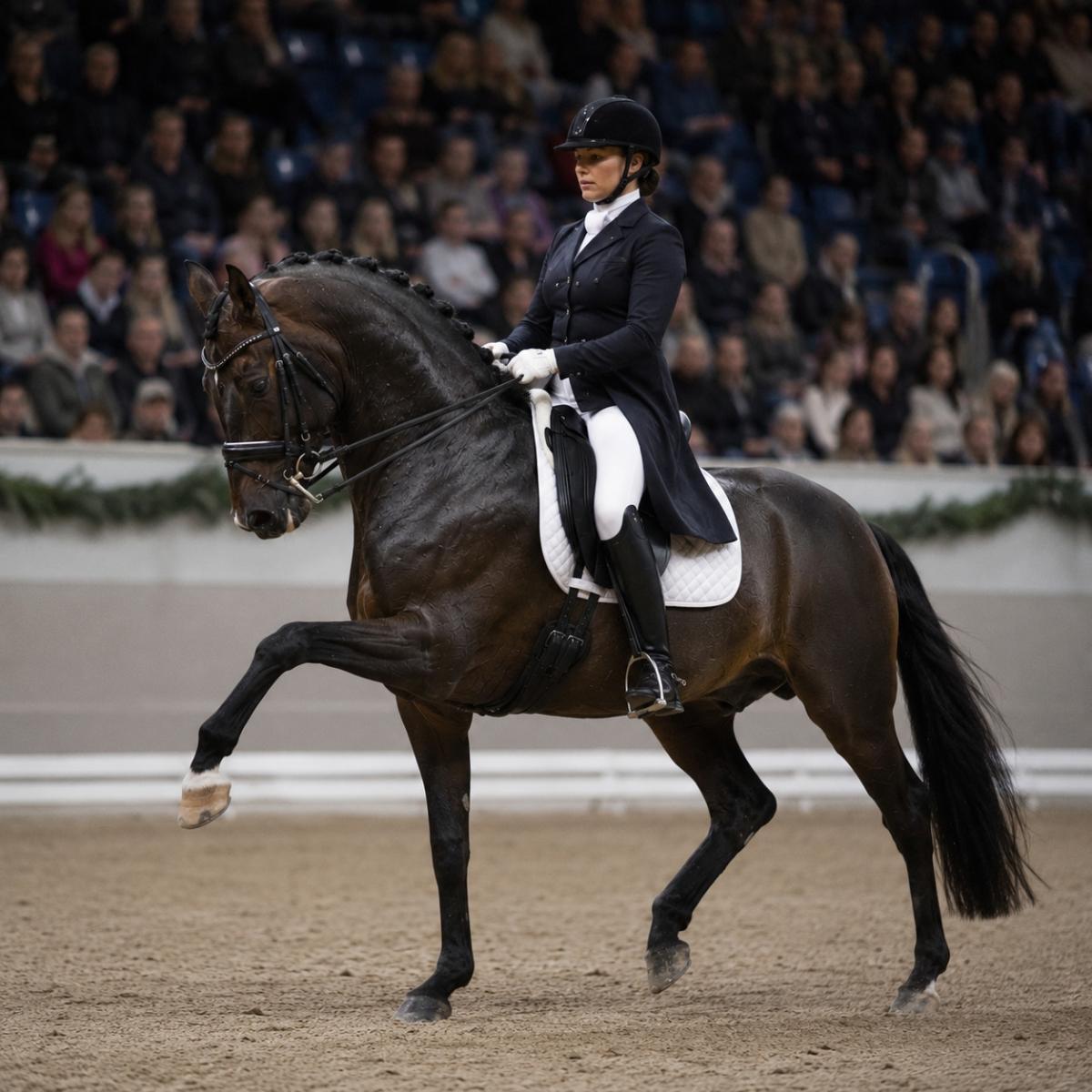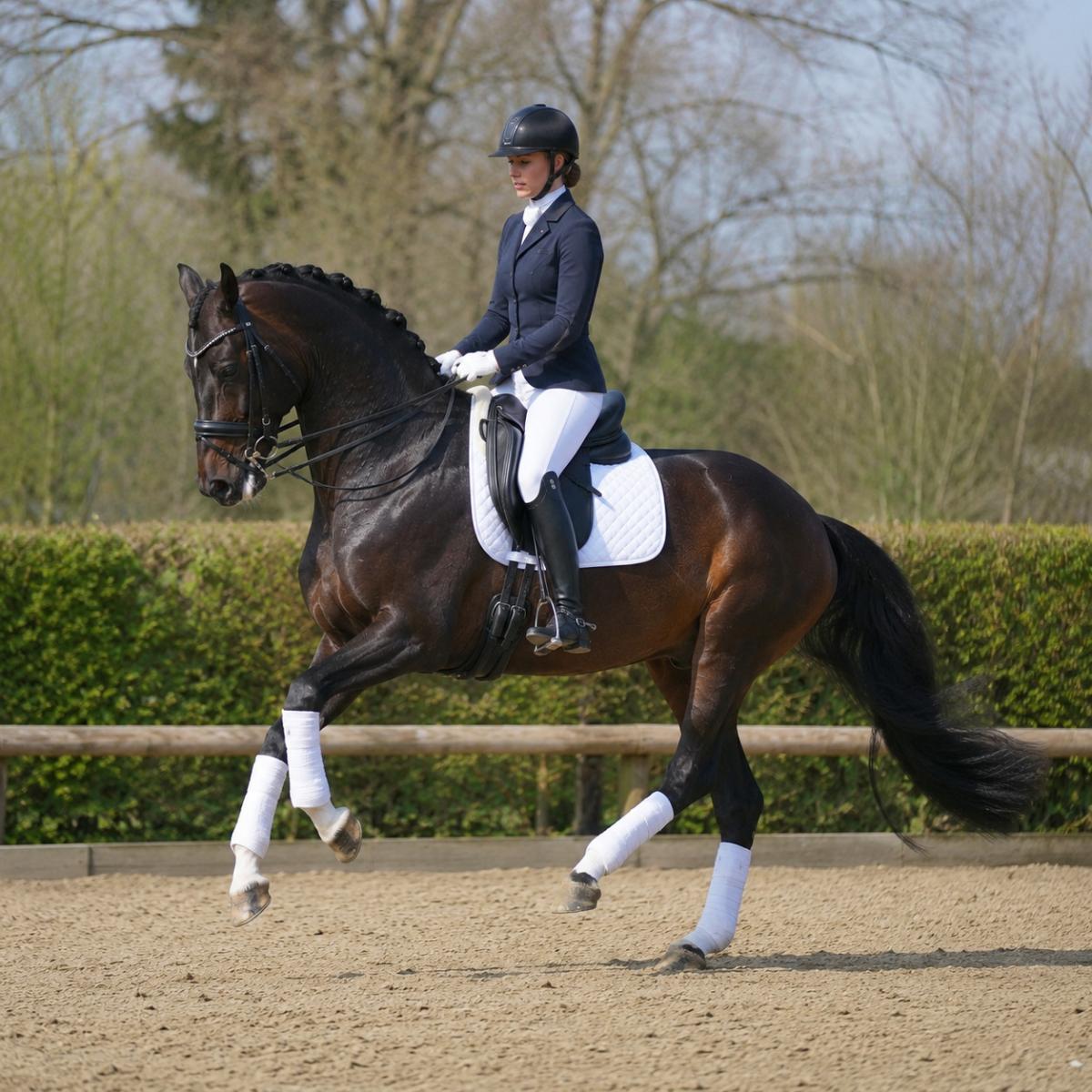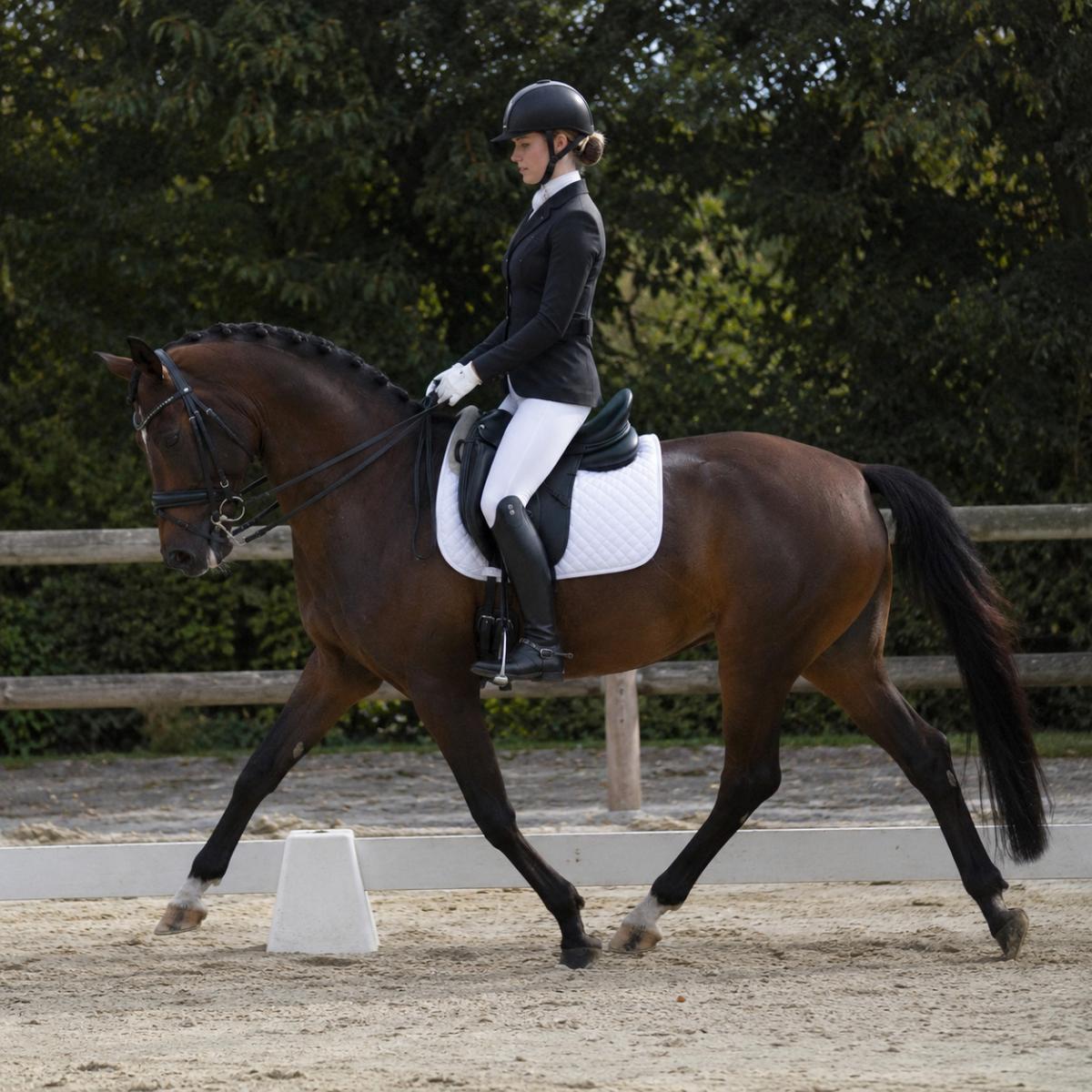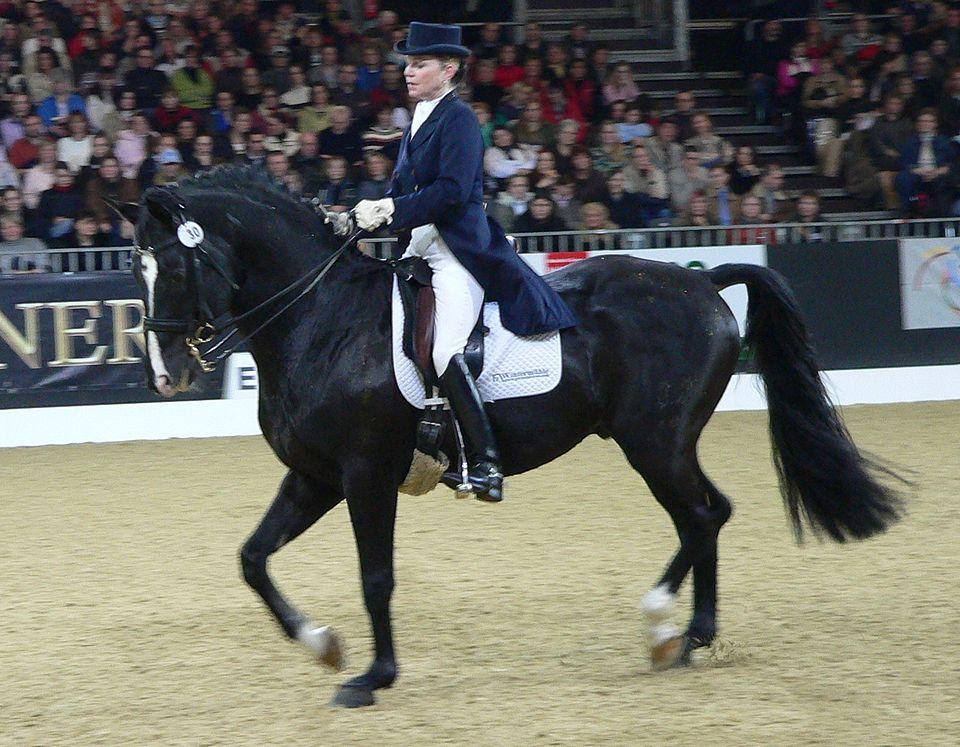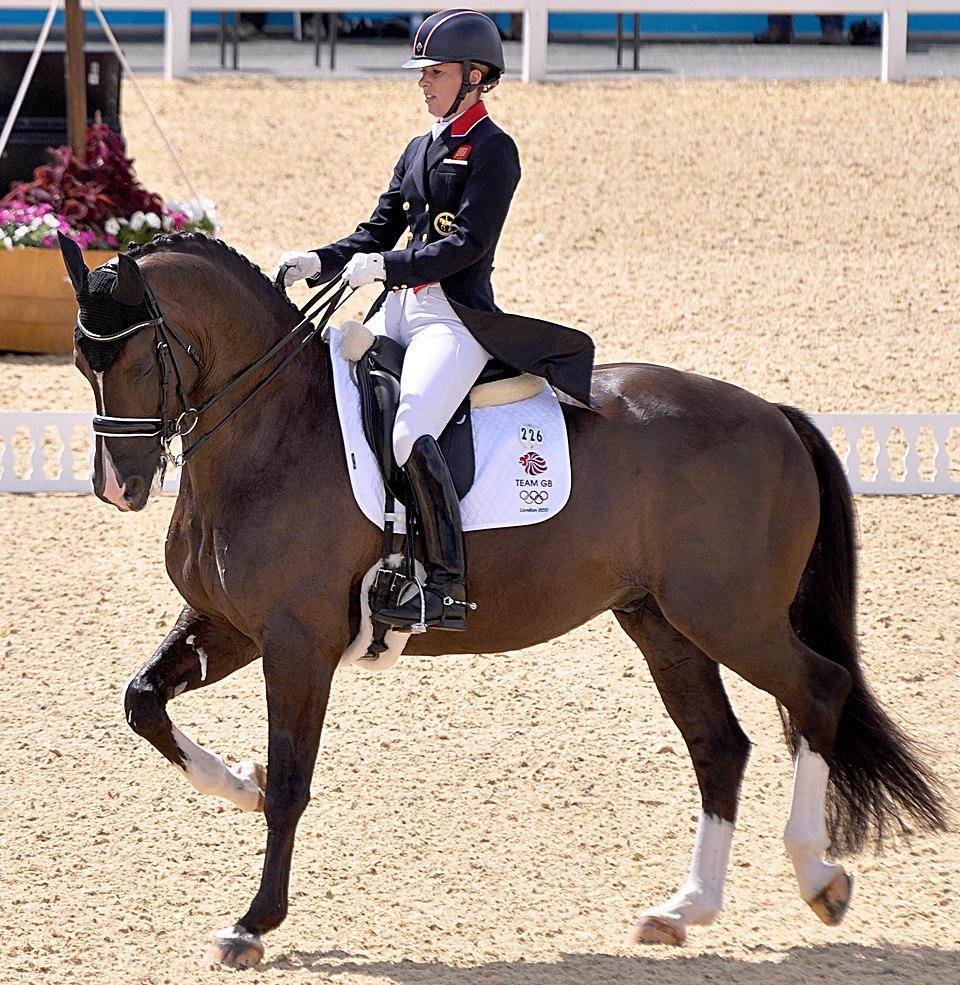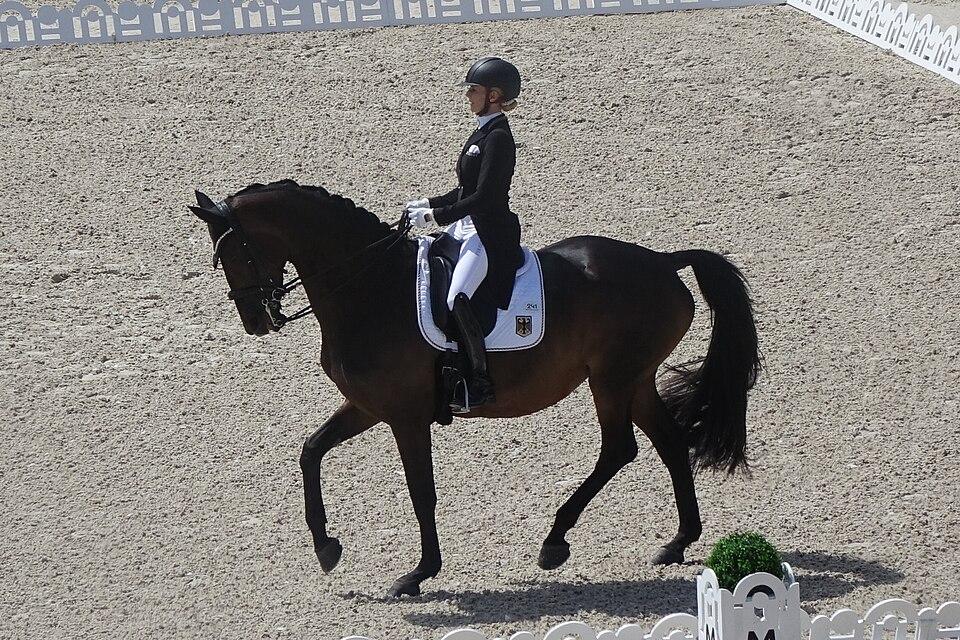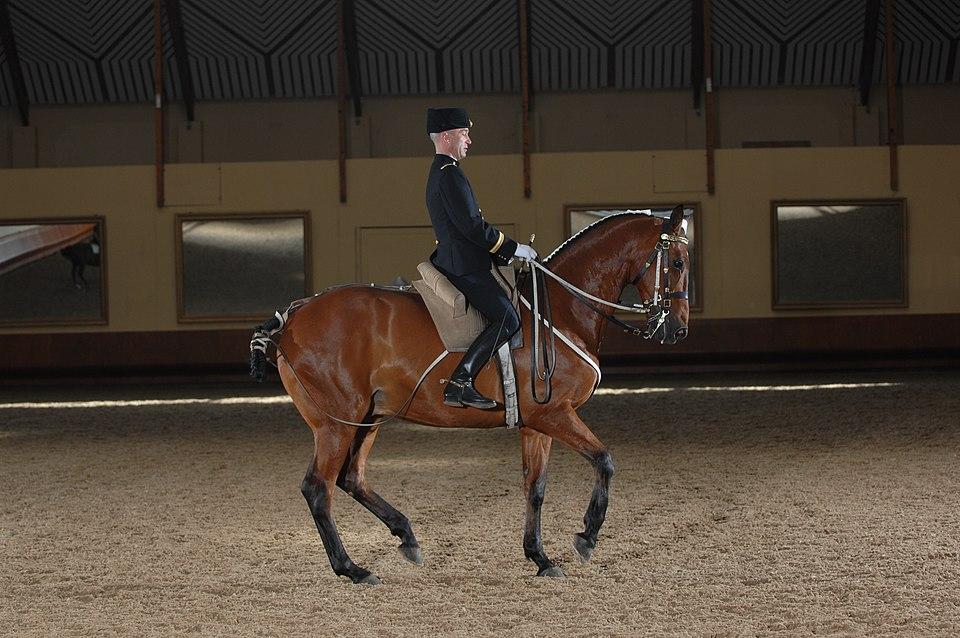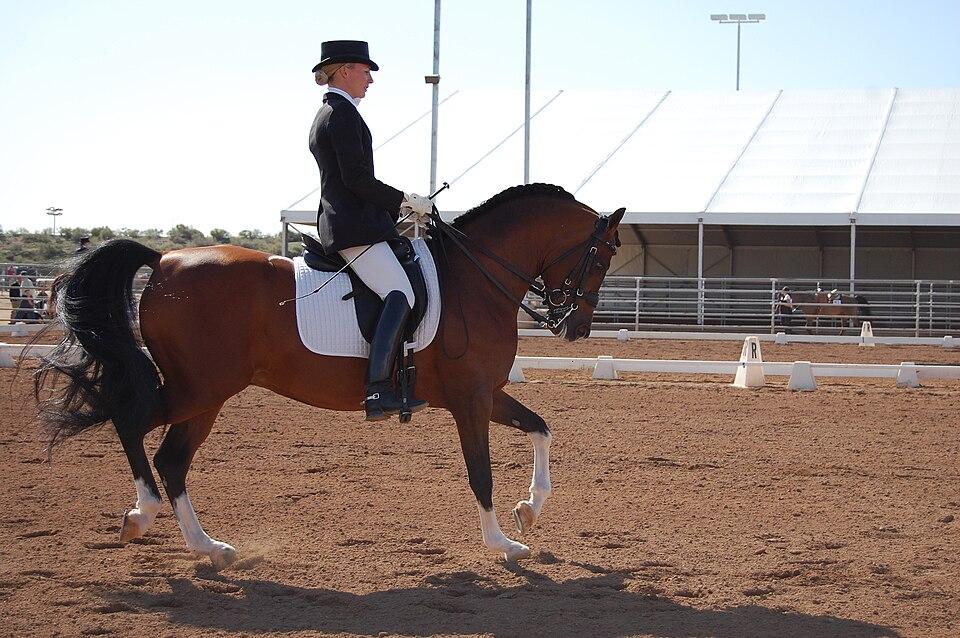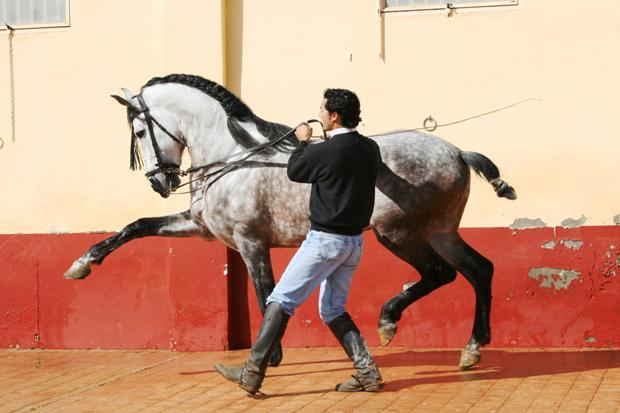
Dressage can create two almost opposite impressions. On one hand, there is the image of an athletic horse precisely performing transitions, flying changes, passage or piaffe. On the other, there are images of horses working in highly constrained postures, with open mouths, strongly flexed necks or behaviours interpreted as signs of conflict or discomfort.
In recent years, this second image has become increasingly important in discussions about the welfare of sport horses.
The question “Is dressage bad for horses?” cannot, however, be answered with a simple yes or no.
Dressage encompasses extremely different levels, training methods and workloads. Current scientific evidence also shows that it is necessary to distinguish between the exercise itself, the horse's physical preparation, health, training methods, body posture and the demands of competition.
The more useful question is therefore not simply “Is dressage bad?”, but rather: under what conditions can dressage respect or, conversely, compromise a horse's welfare?

Justin Verboomen and Zonik Plus during a training session at the 2025 European Dressage Championships in France. Photograph by Carlos Hernani Photo, 27 August 2025 — Wikimedia Commons. Licence and reuse conditions: see the original Wikimedia Commons file page.
Dressage genuinely changes the horse's locomotion
Dressage does not affect only the horse's appearance.
As the work becomes increasingly collected, measurable changes occur in locomotion: speed, stride length and duration, joint flexion, back movement and the organisation of limb support can all change.
A study involving six Grand Prix horses, for example, compared in-hand trot, working trot, collected trot, passage and piaffe. As the degree of collection increased, speed and stride length decreased, while stance duration increased. During passage and piaffe, the stifle and hock also showed greater flexion at the beginning of stance. (Holmström, Fredricson & Drevemo)
These adaptations help explain why dressage is often compared to a form of gymnastics.
That comparison should nevertheless be used cautiously.
An exercise is not beneficial simply because it changes the horse's biomechanics. Intensity, repetition, surface, physical condition, health, recovery and the way the exercise is produced also determine its effects.
Collection is not simply about “putting the weight behind”
A traditional explanation of dressage suggests that the horse naturally carries considerable weight on the forehand and that training progressively teaches it to transfer that weight towards the hindquarters.
This representation can be useful for understanding certain equestrian sensations, but it greatly simplifies the actual biomechanics.
Collection involves a reorganisation of locomotion rather than simply shifting weight from one end of the horse to the other.
Research on dressage horses has demonstrated changes in stride length and duration, joint movement and the relative distribution of forces.
Even during piaffe, where the degree of collection is extremely high, measurements of vertical forces show that the forelimbs continue to experience considerable loads. (Clayton & Hobbs)
A collected horse is therefore not simply a horse that “sits on its hindquarters”.
Head and neck position also changes locomotion
The horse's posture is not purely aesthetic.
Experimental studies have shown that different head and neck positions can alter back movement, certain limb parameters and the distribution of forces applied to the ground.
In seven high-level dressage horses working at trot, for example, different imposed head and neck positions produced measurable changes in back and hindlimb kinematics. (Rhodin et al.)
Other research has measured changes in vertical forces and interlimb coordination according to neck position. (Weishaupt et al.)
This does not mean that one particular position is automatically good or bad.
It does, however, show that head and neck posture is never merely decorative: it interacts with the functioning of the rest of the body.
This is also why the appearance of a horse being “on the bit” cannot, by itself, determine the quality of its work.
Hyperflexion is at the centre of many welfare concerns
One of the most important controversies concerns dorsoventral hyperflexion of the neck, often associated in public discussion with the term rollkur.
It involves pronounced flexion in which the horse's nasal plane is positioned substantially behind the vertical.
For many years, studies examining its effects produced varying results depending on experimental protocols, duration, horses studied and the indicators being measured.
The evidence has, however, developed considerably.
A systematic review and meta-analysis published in 2024 analysed 58 peer-reviewed studies concerning hyperflexion of the head and neck.
Among the studies whose conclusions allowed welfare implications to be evaluated, 75% raised welfare concerns regarding horses worked in this posture. The authors also found insufficient consistent evidence of performance benefits to outweigh these concerns. (PubMed – systematic review and meta-analysis)
This synthesis provides a considerably stronger level of evidence than an isolated photograph or individual testimony.
Behind the vertical and hyperflexion are not exactly the same thing
An important distinction is often overlooked.
A horse whose nasal plane momentarily passes behind the vertical is not necessarily being subjected to extreme hyperflexion.
Duration, angle, degree of constraint and the way the position is obtained all matter.
This distinction is particularly important when interpreting photographs or short video clips.
It does not mean, however, that positions behind the vertical are irrelevant to welfare research.
A study involving 171 horses in competition found more conflict behaviours when horses were ridden with their nasal plane behind the vertical than when it was in front of the vertical. In a broader observation of warm-up arenas, 69% of the 355 horses observed were ridden behind the vertical. (Kienapfel et al.)
Another study comparing Grand Prix horses filmed in 1992 and 2008 found that behind-the-vertical positions had become more frequent in several of the movements examined. (PubMed)
These findings do not allow the welfare of an individual horse to be diagnosed from head-neck angle alone, but they help explain why this variable has received considerable scientific attention.
The rules themselves are evolving alongside welfare concerns
The debate is no longer confined to riders, scientists and welfare organisations.
The Fédération Équestre Internationale has included hyperflexion, training methods, bits, double bridles, nosebands and spurs among the subjects addressed by its equine welfare programme.
Its A Good Life for Horses strategy includes actions relating to ethical training methods, hyperflexion/rollkur and recognition of physical and emotional stress in horses. (FEI – Equine Welfare Strategy)
The FEI also intends to incorporate scientific evidence more extensively into the development of its regulations.
The fact that the international governing body itself is specifically addressing these issues demonstrates that welfare concerns are no longer peripheral to equestrian sport.
Do Grand Prix horses necessarily show signs of suffering?
This is where the available data become particularly interesting.
A study published in 2021 applied the Ridden Horse Pain Ethogram (RHpE) to 147 horses competing in nine World Cup Grand Prix dressage competitions.
The ethogram groups several behaviours that can contribute to identifying musculoskeletal pain or discomfort in ridden horses.
Among the behaviours frequently observed were:
- an open mouth with separation of the teeth for at least ten seconds in 68% of horses;
- a head position at least 10° behind the vertical for at least ten seconds in 67%;
- an intense stare for at least five seconds in 30%;
- repeated tail swishing in 29%.
Yet the overall conclusion of the study was considerably more nuanced than this list alone might suggest: the majority of horses appeared to be working comfortably for most of their tests. (Dyson & Pollard)
Horses displaying more behaviours included in the RHpE also tended to receive lower dressage scores, with a moderate negative correlation between the two measures.
This study illustrates why the subject cannot simply be reduced to either “Grand Prix horses are suffering” or “if they can perform, they must be fine”.
A single behaviour is not a diagnosis
An open mouth, a swishing tail or ears momentarily directed backwards cannot, on their own, diagnose pain.
Context and, particularly, the combination and repetition of several behaviours provide much more useful information.
That is precisely the purpose of an ethogram: rather than treating every expression as automatic proof of suffering, it evaluates a group of behaviours according to a reproducible protocol.
Other studies applying the RHpE to Grand Prix competition have found higher scores in some groups and associations with more locomotor abnormalities or lameness. (Dyson et al.)
Behaviour therefore provides important information, but interpreting it requires considerably more rigour than simply looking at a photograph.
Spectacular movement is not necessarily evidence of poor function
Modern dressage horses can display particularly expressive movement.
Genetic selection, conformation, training and physical preparation all contribute to this appearance.
High forelimb elevation or particularly extravagant movement is, however, neither proof of good biomechanics nor proof of mistreatment.
Movements such as passage and piaffe involve measurable and complex locomotor adaptations.
Passage, for example, combines reduced speed, increased stride duration and altered vertical movement of the centre of mass.
Piaffe displays an unusual biomechanical organisation, sufficiently distinctive to be described in the scientific literature as a hybrid gait.
Spectacular appearance alone is therefore insufficient to determine welfare.
The physical demands increase with the level
A horse working on elementary transitions, circles and lateral movements is obviously not subjected to the same demands as one performing sequences of flying changes, pirouettes, passage and piaffe.
Advanced movements require greater coordination and specific physical capacities.
This makes progressive preparation, recovery, physical condition and adapting workload to the individual horse particularly important.
Age alone cannot determine whether a horse is ready for a particular exercise.
Two horses of the same age may have very different levels of development, experience, physical condition and medical history.
The rider and training are an essential part of the equation
Dressage cannot be examined independently of the rider.
The same movements can be prepared and requested in very different ways.
The rider influences rhythm, speed, contact, transitions, head and neck posture and the degree of collection.
Kinematic measurements of high-level dressage riders have also demonstrated that their own movement patterns change according to the degree of collection required from the horse. (PubMed)
The rider's technical ability is therefore not an external detail separate from the horse's biomechanics: horse and rider form an interacting mechanical and behavioural system.
Amateur dressage is not automatically gentler
It would also be misleading to systematically contrast respectful amateur dressage with excessive professional sport.
High-level competition involves substantial physical demands and competitive pressure.
But elite horses may also receive particularly extensive veterinary monitoring, physical conditioning and management.
Conversely, an amateur horse may experience an ill-fitting saddle, undiagnosed lameness, poor rider balance, excess body weight or an inappropriate workload.
Competition level alone therefore cannot determine the level of welfare.
Welfare extends far beyond time spent in the arena
This distinction is fundamental.
Even technically appropriate training represents only part of a horse's life.
Welfare also depends on nutrition, health, environment, opportunities for free movement, social interaction, rest and relationships with humans.
The FEI's current strategy draws on the Five Domains model, which considers nutrition, physical environment, health and physical fitness, behavioural interactions and mental state. (FEI – A Good Life for Horses)
Assessing a horse's welfare solely from an eight-minute dressage test would therefore be insufficient.
Can you recognise an uncomfortable horse?
Some behaviours deserve particular attention when they are repeated, prolonged or occur together, including:
- repeated opening of the mouth;
- repeated tail swishing;
- unusual changes in facial expression;
- ears held backwards;
- locomotor irregularities;
- repeated unrequested changes of gait;
- persistent reluctance to move forward;
- defensive or otherwise unusual reactions.
These observations do not replace a veterinary examination.
They can, however, provide signals that warrant further investigation, particularly when they appear suddenly or repeatedly.
The absence of dramatic resistance is also insufficient to demonstrate that a horse is experiencing no discomfort.
So, is dressage bad for horses?
The available evidence does not support the claim that dressage as a discipline is inherently bad for horses.
Nor does it support the idea that everything described as dressage is necessarily beneficial.
Training genuinely modifies the horse's locomotion. Some adaptations correspond directly to the objectives sought in dressage: control of stride characteristics, balance, coordination and the ability to collect.
But science also documents genuine reasons for concern.
Prolonged hyperflexion now has a sufficiently substantial body of unfavourable evidence that the 2024 systematic review concluded that its welfare costs appear to outweigh any potential performance benefits. Behind-the-vertical positions have been associated with more conflict behaviours in some studies. Behaviours compatible with discomfort are observed even among Grand Prix horses, although the available evidence does not show that all such horses are constantly working in pain.
The dividing line in dressage is therefore less between “good” and “bad” as abstract labels than between practices, workloads and training methods that are more or less compatible with the horse's physical and behavioural capacities.
Spectacular movement proves neither welfare nor suffering.
A better assessment requires a much broader picture: quality of locomotion, absence of pain, behaviour, physical condition, training methods, appropriate workload, recovery and living conditions.
That is probably one of the central challenges facing dressage today: maintaining its sporting and technical ambitions while allowing its practices to evolve as scientific understanding of the horse continues to improve.
Sources and references
- Fédération Équestre Internationale – Equine Welfare Strategy: A Good Life for Horses
- Mellor et al. – Hyperflexing the horse's neck: a systematic review and meta-analysis
- Dyson & Pollard – Application of the Ridden Horse Pain Ethogram to Elite Dressage Horses Competing in World Cup Grand Prix Competitions
- Dyson et al. – Application of the Ridden Horse Pain Ethogram to Grand Prix dressage horses
- Kienapfel et al. – Prevalence of different head-neck positions in horses shown at dressage competitions and their relation to conflict behaviour and performance marks
- Comparison of the head and neck position of elite dressage horses during top-level competitions in 1992 versus 2008
- Rhodin et al. – Effect of different head and neck positions on caudal back and hindlimb kinematics
- Weishaupt et al. – Effect of head and neck position on vertical ground reaction forces and interlimb coordination
- Holmström, Fredricson & Drevemo – Biokinematic effects of collection on the trotting gaits in the elite dressage horse
Image credits
Dressage at the 2025 European Championships
- Subject: Justin Verboomen and Zonik Plus during a training session at the European Dressage Championships
- Photographer: Carlos Hernani Photo
- Date: 27 August 2025
- Source: Wikimedia Commons
- Original file: available at 4,801 × 3,201 pixels from the Wikimedia Commons file page
- Modification: no modification to the original image in this version of the article.