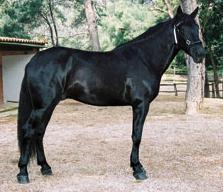
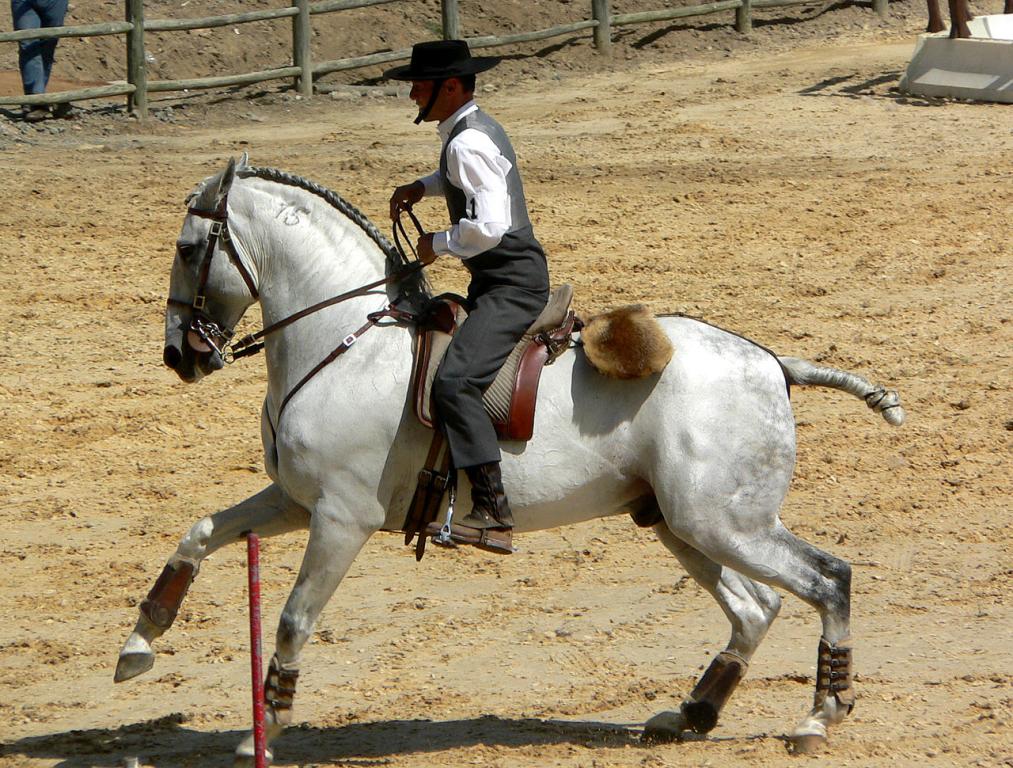
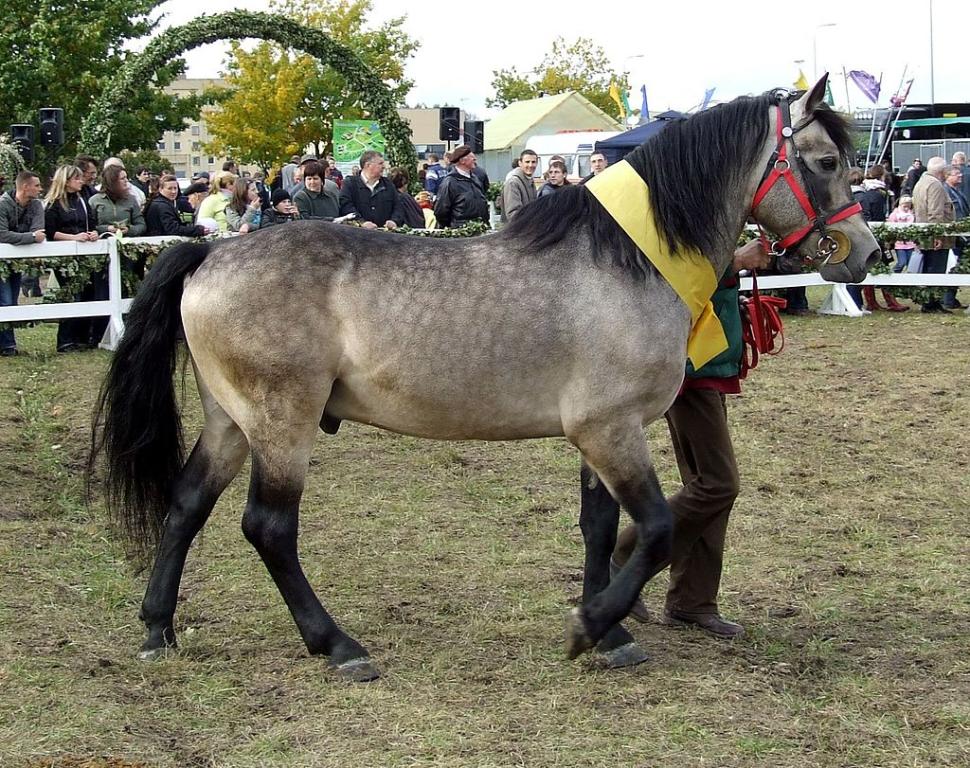
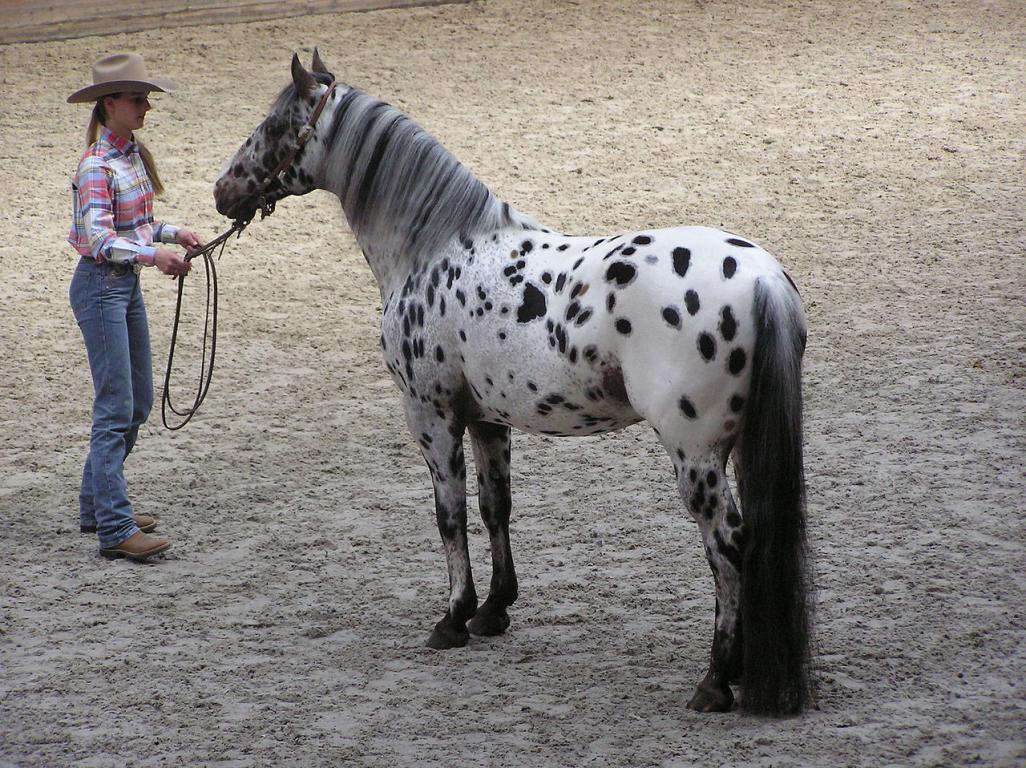
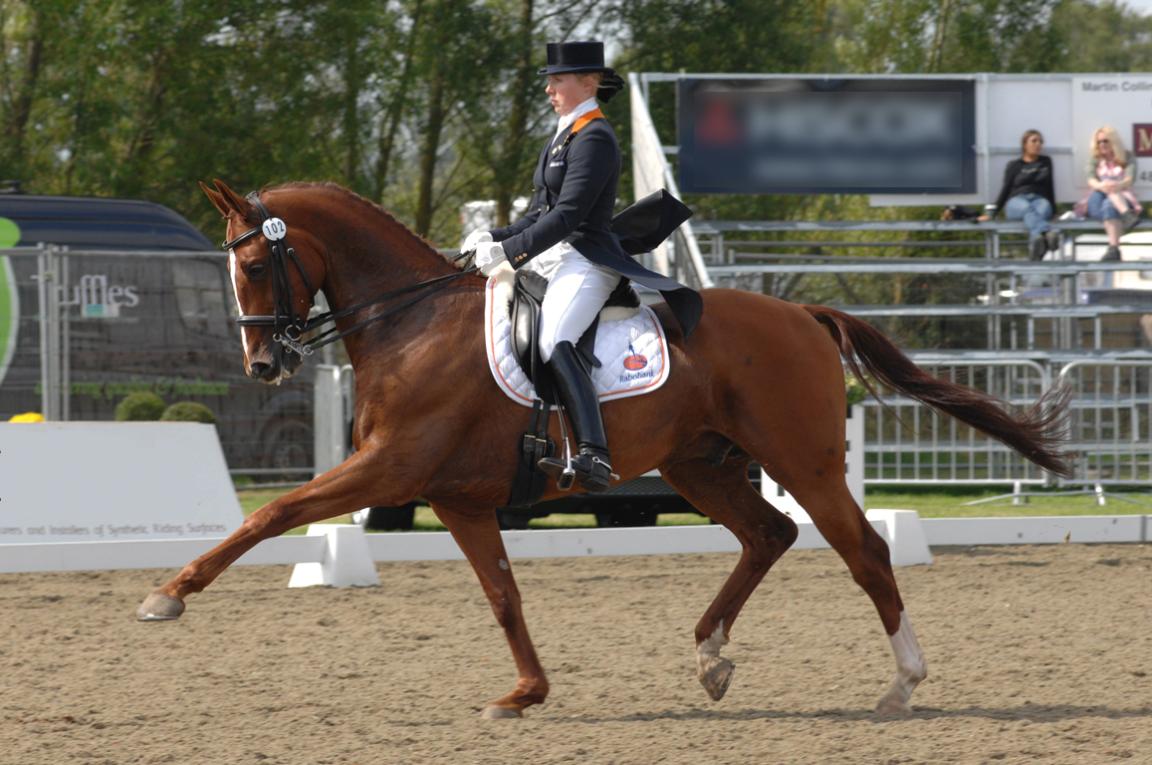
The Bavarian Warmblood, descended from the near-extinct Rottaler, excels in show jumping, dressage and eventing. A top Olympic sport horse bred in Bavaria since 1963.
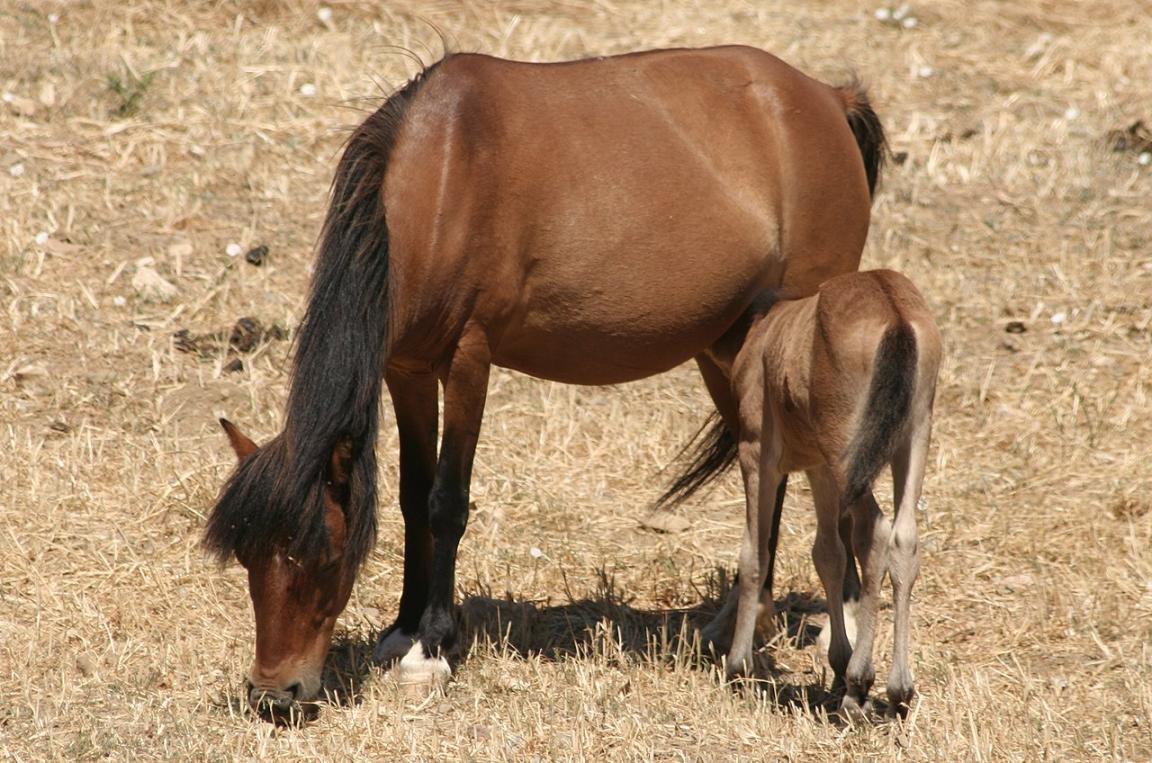
Continent: Europe
Country: Germany
Weight: 700 – 900 kg
Height: 158 – 170 cm
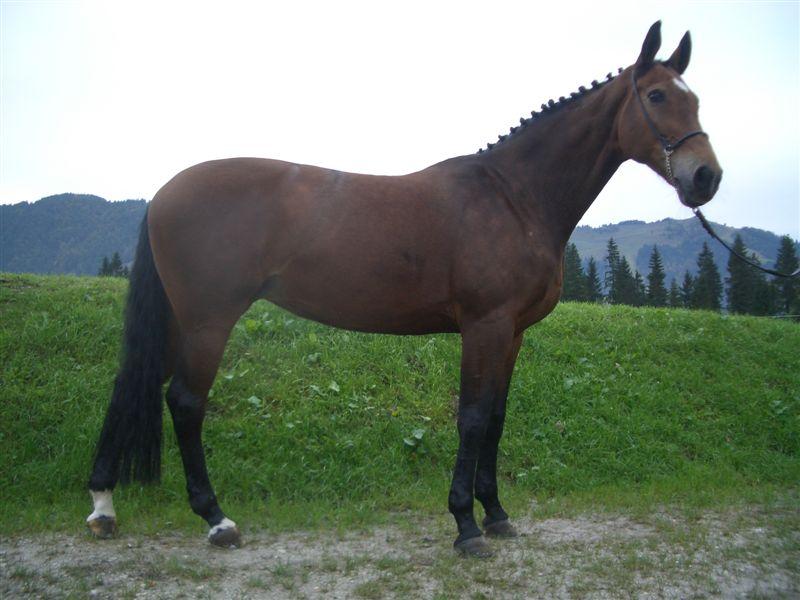
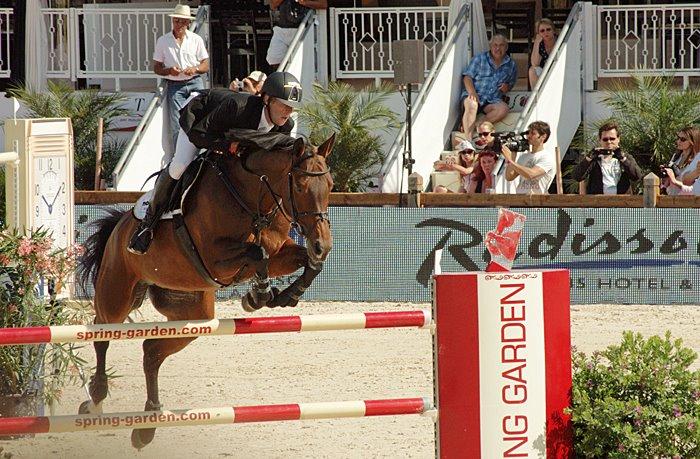
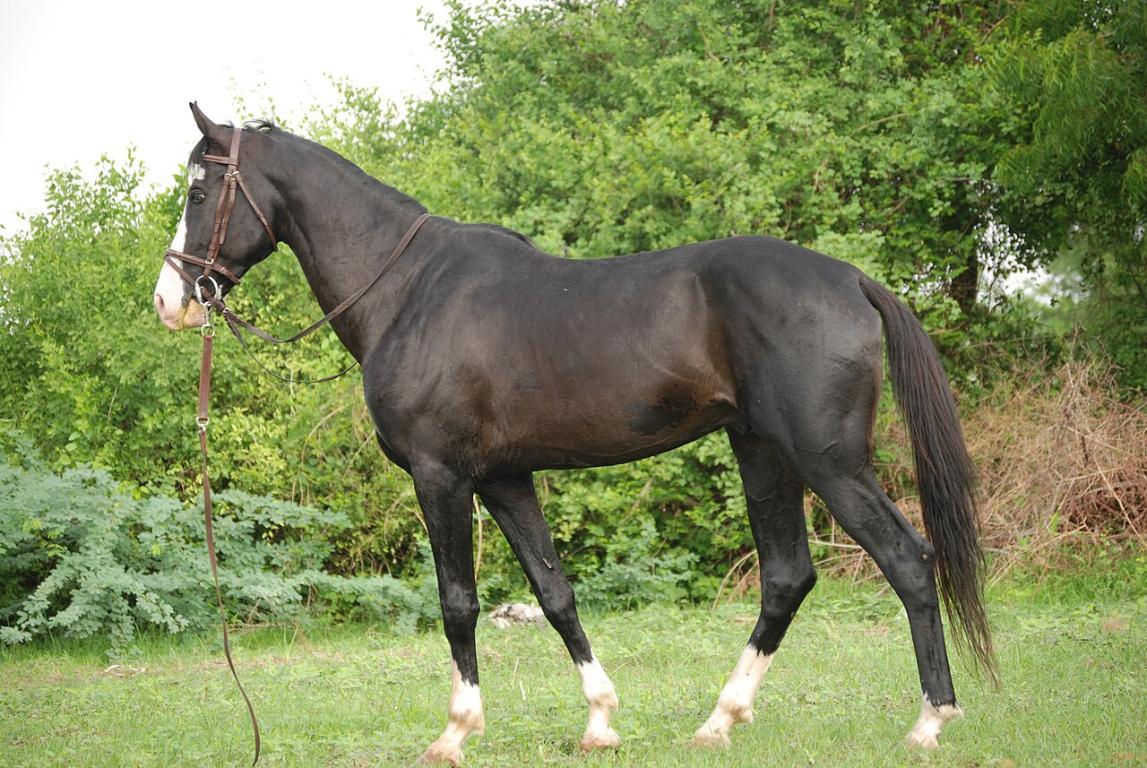
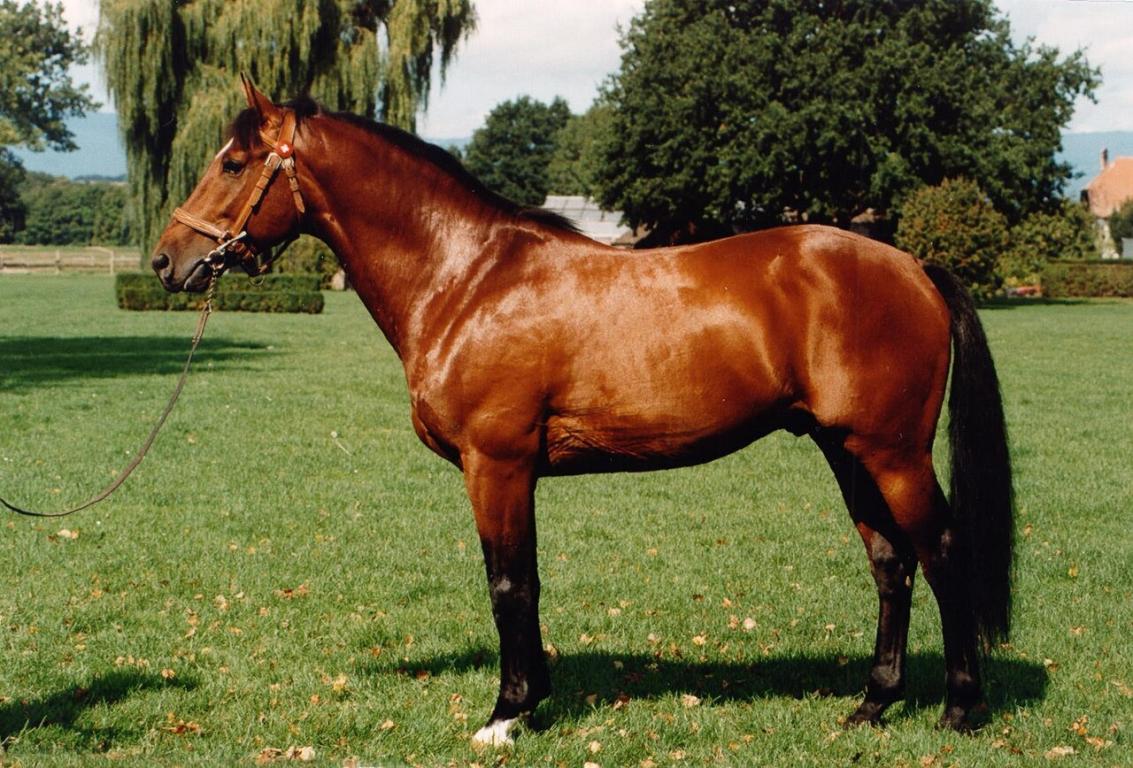
The Bavarian Warmblood, or Bayerisches Warmblut, is a warmblood horse breed originating from the Bavaria region, in southern Germany. This modern breed results from a long process of selective breeding that began in the 19th century, using strong local horses crossed with warmblood types such as the Trakehner, Hanoverian, and occasionally Thoroughbred.
The goal was to produce a versatile horse suitable first for military cavalry, and later for modern equestrian sports. Since 2014, the breed has been organized under its own dedicated studbook. Selection focuses on a harmonious conformation, steady temperament, and excellent aptitude for jumping and dressage, while maintaining a strong connection to the Bavarian equestrian tradition.
The breeding of the Bavarian Warmblood has historically been concentrated in the state of Bavaria, located in southeastern Germany. The main breeding areas are found around cities such as Munich, Augsburg, Rosenheim, and Regensburg, where numerous private studs and stallion stations work in collaboration with the Landesverband Bayerischer Pferdezüchter.
This dense network allows for efficient and locally rooted selection. Today, the breed is beginning to expand into other parts of Germany and neighboring countries such as Austria and Switzerland, while remaining predominantly bred in Bavaria, where it benefits from strong technical support and a rich equestrian culture.


The Bavarian Warmblood plays a significant role in European sport horse breeding, particularly due to its balanced conformation, efficient jumping technique, and reliable temperament. Although it is not as widely distributed as some of the older German studbooks, it actively contributes to the genetic improvement of many sport horse lines, especially in show jumping and dressage.
Its bloodlines include influences from prestigious breeds such as the Hanoverian, Trakehner, and Thoroughbred, making it a valuable warmblood contributor for strengthening or diversifying certain crosses. The Bavarian studbook emphasizes rigorous selection, sound skeletal health, and a steady disposition — all key traits sought after in modern sport horse breeding.
The history of the Bavarian Warmblood dates back to the 19th century, when the region of Bavaria in southern Germany began developing a structured breeding program to produce versatile horses suited for both military cavalry and agricultural work.
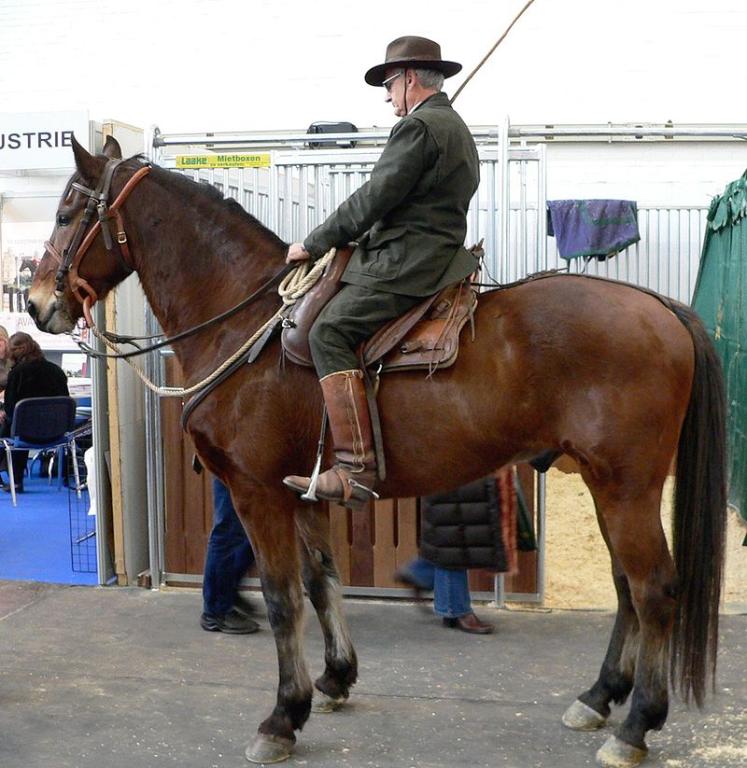
Initially, breeders focused on the Rottaler, a robust and enduring local type, which formed the foundation of the modern Bavarian Warmblood. From the 1960s onward, as agriculture became mechanized and equestrian sports gained popularity, breeders shifted their efforts toward producing more athletic horses, incorporating Trakehner, Hanoverian, and Thoroughbred bloodlines. The Bavarian studbook was officially modernized in 2014, with a clear goal of standardizing selection criteria and strengthening the breed’s international competitiveness. Today, the Bavarian Warmblood is valued for its versatility, mental balance, and sporting potential, while still maintaining strong ties to Bavaria’s equestrian heritage.
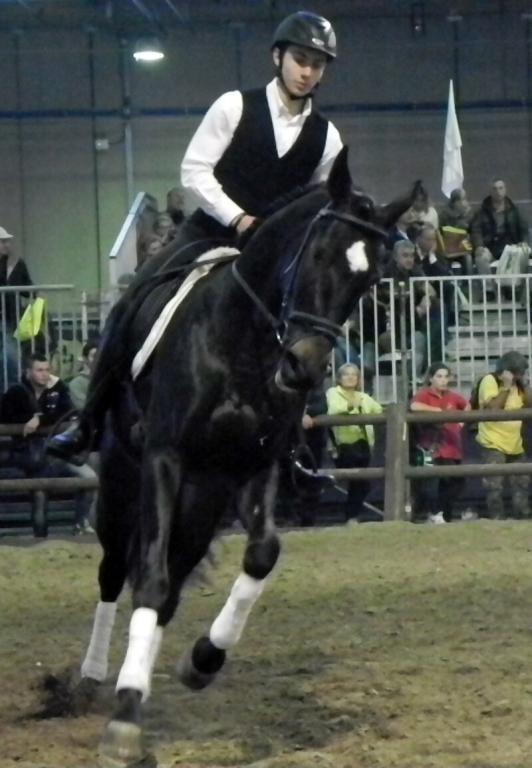
The Bavarian Warmblood is known for its balanced temperament and high reliability, making it a popular choice among both professional riders and demanding amateurs. It stands out for its keen intelligence, willingness to cooperate, and ease of learning — all valuable traits for sport disciplines such as dressage, show jumping, and eventing.
Its temperament is generally calm, yet energetic enough to meet the needs of riders looking for a responsive but manageable horse. When well socialized, it is docile, respectful on the ground, and attentive under saddle. These behavioral qualities are actively selected for in the studbook, to ensure horses that are both pleasant to handle and effective in competition.
The future outlook for the Bavarian Warmblood is generally positive, although it faces strong competition from other German warmblood studbooks. Thanks to a modern breeding strategy focused on sport performance, the breed continues to advance in show jumping, dressage, and eventing disciplines.
The Bavarian studbook emphasizes genetic diversity, mental reliability, and versatility — traits that appeal to both amateur and professional riders. There is also a clear effort to expand internationally, with increased visibility in competitions and growing European partnerships. If this momentum continues, the Bavarian Warmblood could further establish itself as a competitive sport horse, while maintaining its strong regional identity.
The Bavarian Warmblood generally enjoys good overall health, thanks to the strict selection standards enforced by the studbook, which aims to eliminate individuals with hereditary defects or serious joint disorders. However, like many warmblood breeds, it may show a predisposition to osteochondrosis, particularly in young horses undergoing rapid growth.
As a result, special attention is given to balanced growth, nutritional management, and progressive training. Isolated cases of navicular syndrome or Wobbler syndrome have been reported, but remain rare due to veterinary monitoring and radiographic screenings required for studbook admission. Overall, the Bavarian Warmblood is a resilient horse with decent longevity, provided that proper breeding, care, and training practices are followed.
A four-beat gait that is clear, regular, and ground-covering. The Bavarian Warmblood typically shows a fluid, free-moving walk with good hindleg engagement.
A two-beat diagonal gait with suspension. In the Bavarian Warmblood, it is characterized by notable lift, natural impulsion, and consistent elasticity, reflecting its sport-oriented lineage.
A three-beat gait that is forward, balanced, and uphill. The Bavarian Warmblood displays a rhythmic, ground-covering canter, well suited for both jumping and dressage.
Born on 01/01/1993
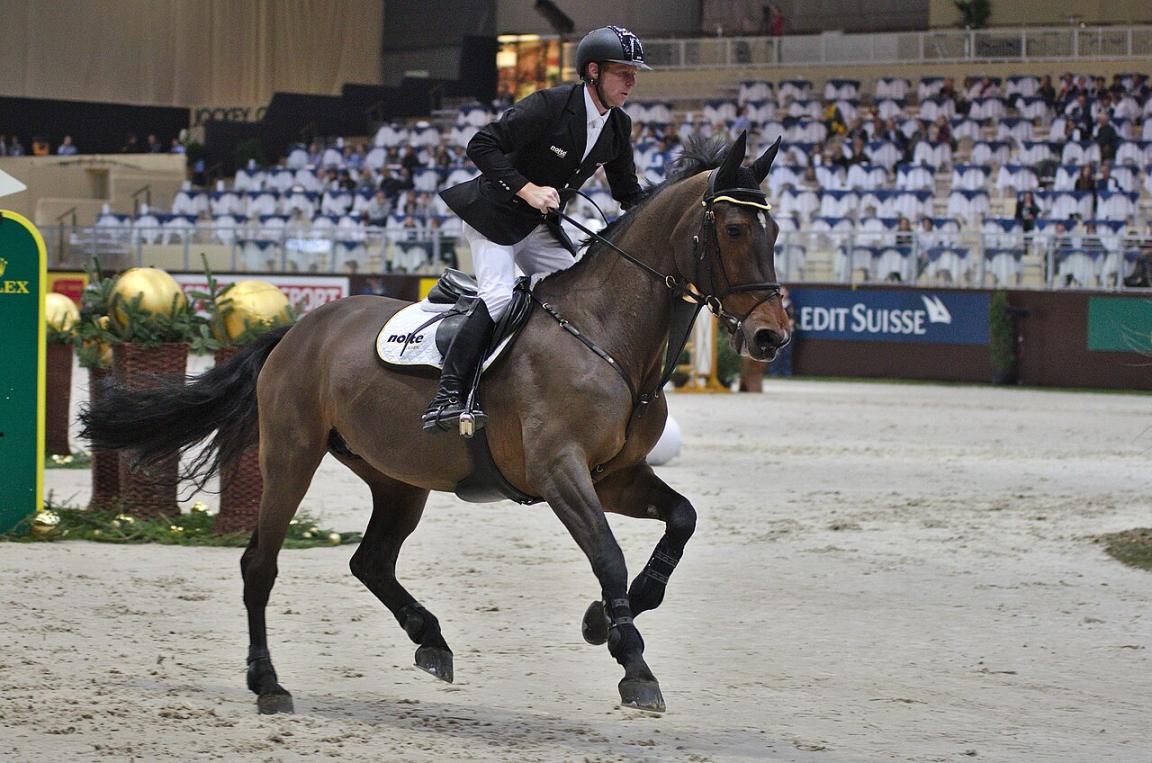
Top-performing show jumping stallion, winner of numerous 1.40 m and 1.50 m classes over more than 11 years. Named "Jumper Sire of the Year" in the USA in 2013.
Born on 01/01/2006
Competed at Grand Prix level in February 2016, then represented Spain at the Rio 2016 Olympic Games, where he placed 5th individually in the freestyle Kur.