The palefrenier-soigneur is one of the pillars of the equestrian world. Present daily alongside horses, they are responsible for their care, comfort and general monitoring. However, this profession is often idealized or misunderstood. Behind the close contact with horses lies a demanding, physical and rigorous job that requires solid skills and real commitment.
What Is the Role of a Palefrenier-Soigneur?
The palefrenier-soigneur mainly works in stables, stud farms, riding schools or professional equestrian facilities. Their role is to ensure the horses’ daily well-being and the smooth operation of the establishment.
Their responsibilities include:
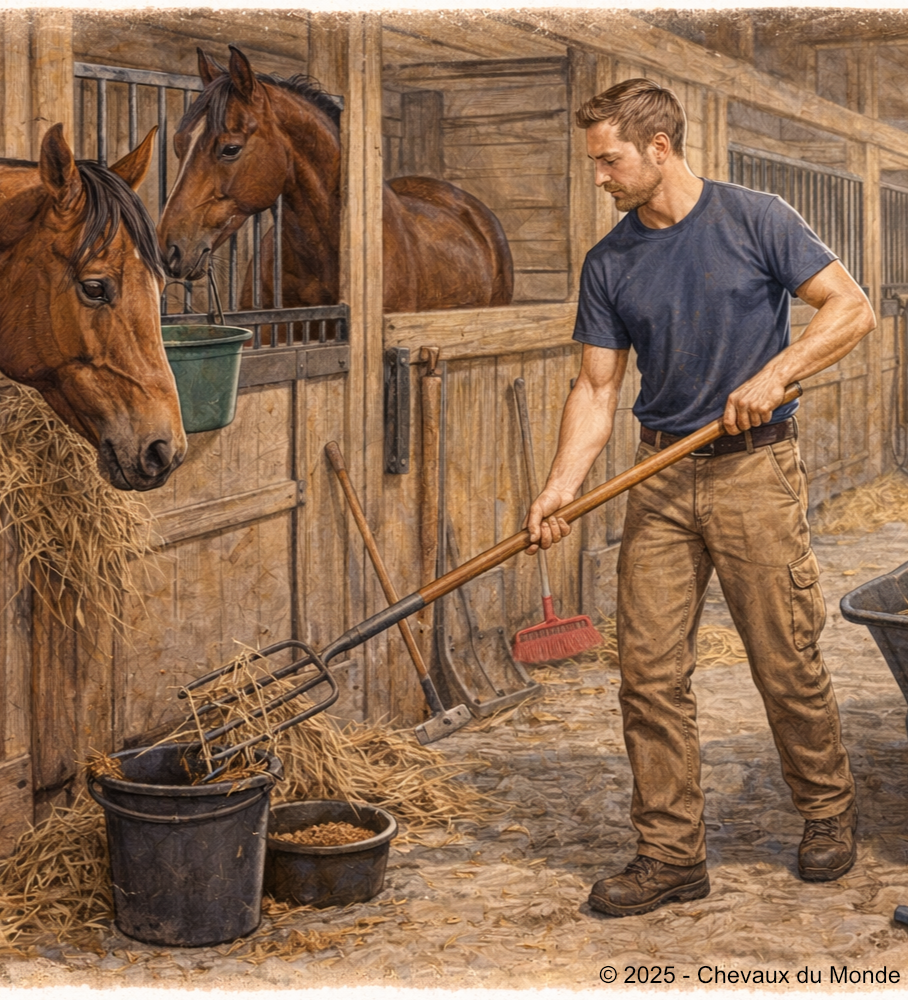
- feeding horses according to established guidelines,
- cleaning stalls and maintaining living areas,
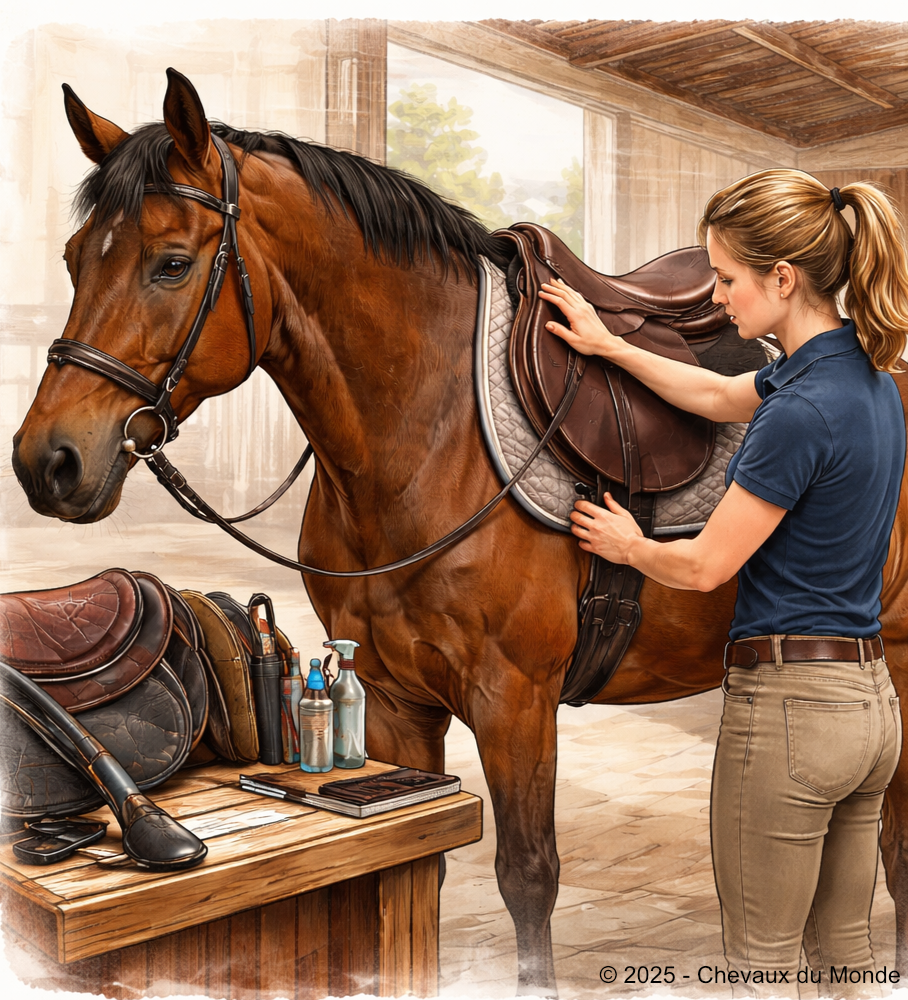
- grooming and providing routine care,
- monitoring the horses’ general health condition,
- reporting any abnormalities (lameness, injuries, behavioral changes),
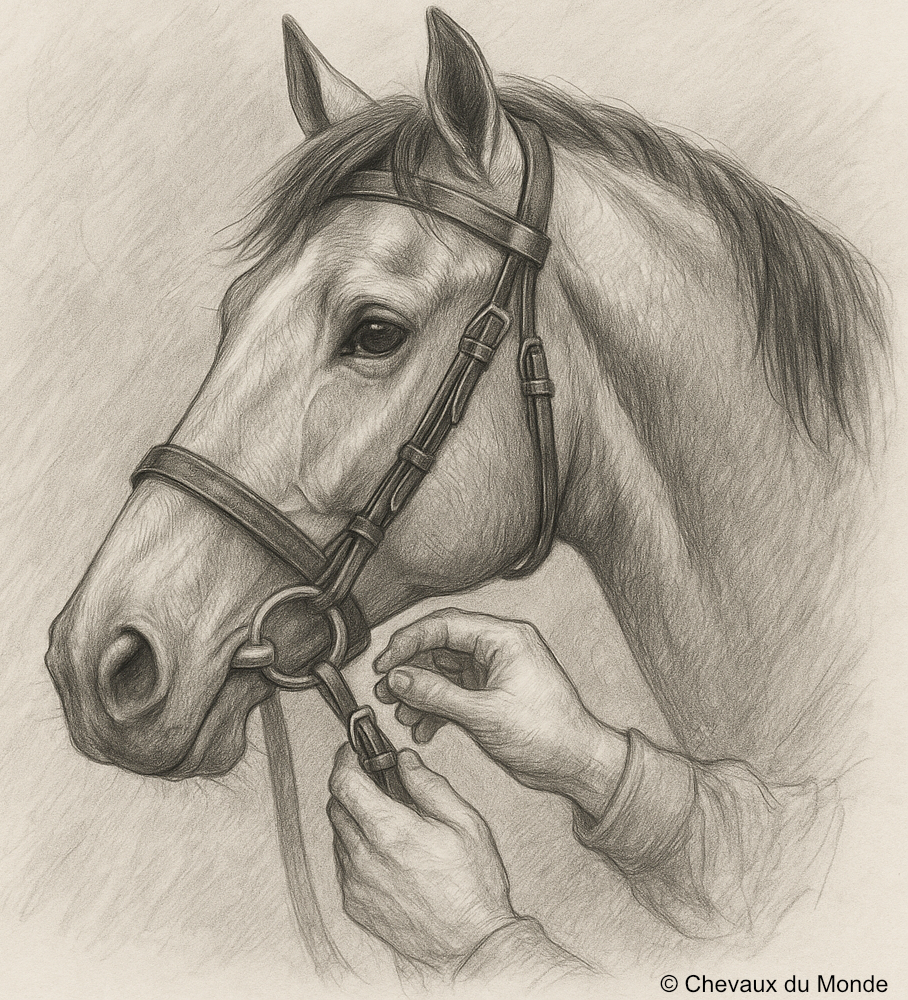
- managing equipment and maintaining clean facilities.
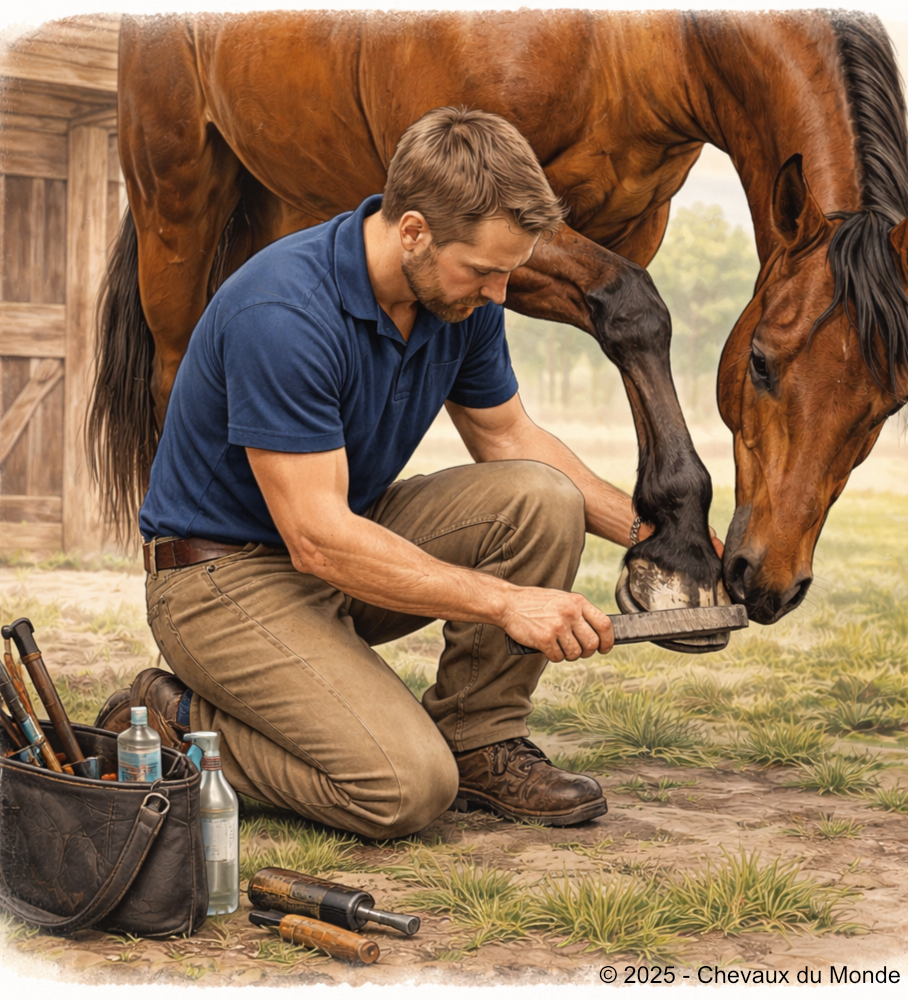
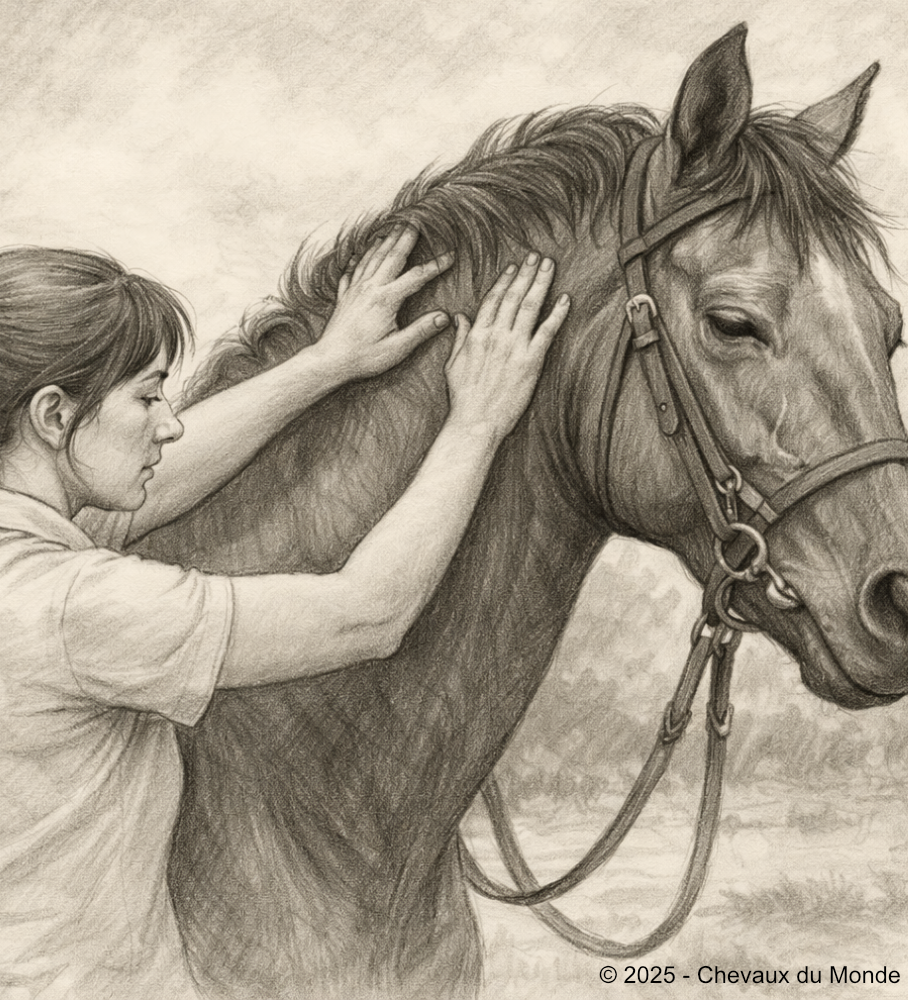
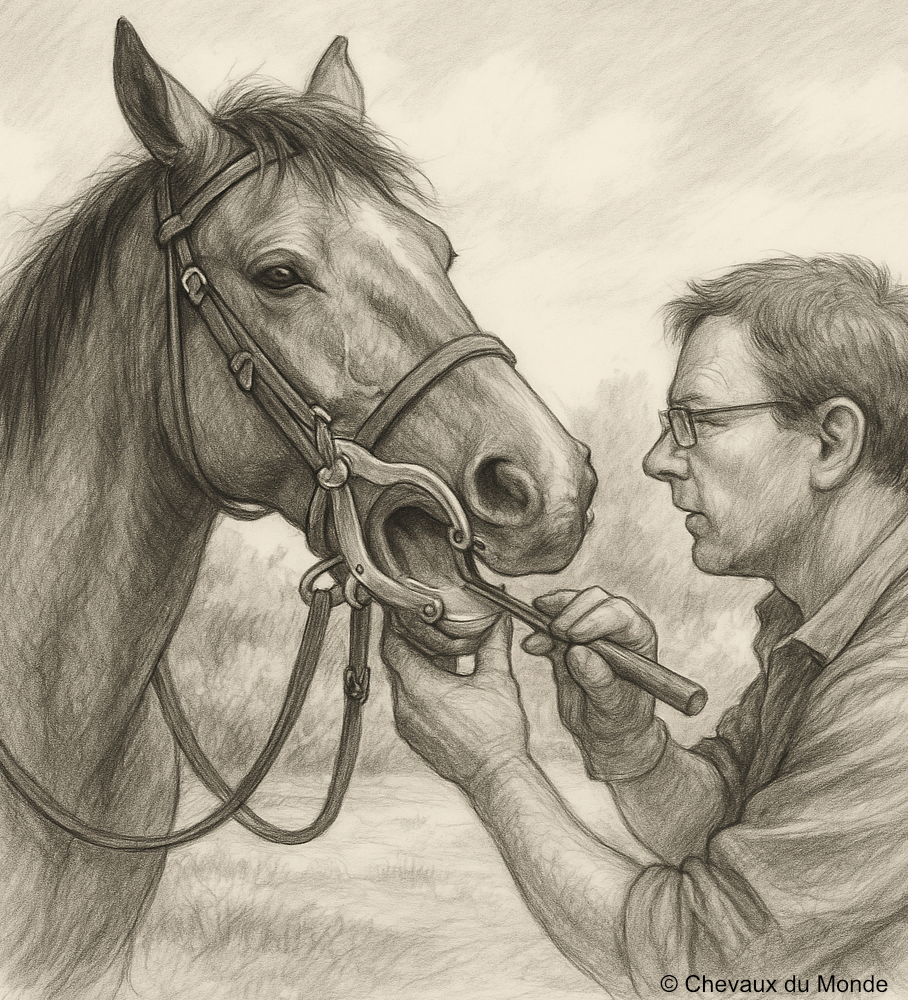
They work closely with veterinarians, farriers, equine osteopaths and stable managers.
Skills Required to Practice This Profession
Being a palefrenier-soigneur goes far beyond simply loving horses. The job requires a wide range of skills.
Technical Skills
- knowledge of equine behavior,
- basic anatomy and routine care skills,
- ability to quickly identify potential problems,
- mastery of safety rules when working around horses.
Physical Skills
- stamina and resistance to fatigue,
- ability to work in all weather conditions,
- frequent handling of heavy loads (hay, bedding, equipment).
Human Skills
- strong observation skills,
- rigor and organization,
- ability to work as part of a team,
- strict adherence to instructions and protocols.
A Typical Day for a Palefrenier-Soigneur
Workdays start early, often at dawn, and follow a precise routine:
- distribution of feed,
- turning horses out or bringing them in,
- stall cleaning,
- grooming, care and monitoring,
- maintenance of equipment and facilities.
Working hours are often long and include weekends and public holidays. Consistency is essential, as horses rely on stable routines.
The Reality on the Ground: A Demanding Job
Contrary to its idealized image, the palefrenier-soigneur profession is:
- physically demanding,
- repetitive,
- exposed to risks (falls, kicks, bites),
- sometimes under-recognized and modestly paid.
It requires strong mental resilience and genuine passion to sustain over time.
Training and Access to the Profession
In France, access to the profession is possible through several training paths:
- CAPA Palefrenier-Soigneur,
- vocational baccalaureate CGEH,
- specialized training programs in riding schools or stud farms.
Field experience remains crucial. Many professionals also learn through apprenticeships and daily practice.
Career Development and Opportunities
With experience, a palefrenier-soigneur may progress to roles such as:
- professional groom,
- stable manager,
- specialized caretaker (reproduction, intensive care),
- or specialize in a specific area.
However, career progression often remains limited without additional training.
Conclusion
The palefrenier-soigneur is an essential contributor to the equestrian world. Their profession is built on observation, rigor and daily commitment to horse care. Far from stereotypes, it is a demanding career that requires solid skills and a true vocation.