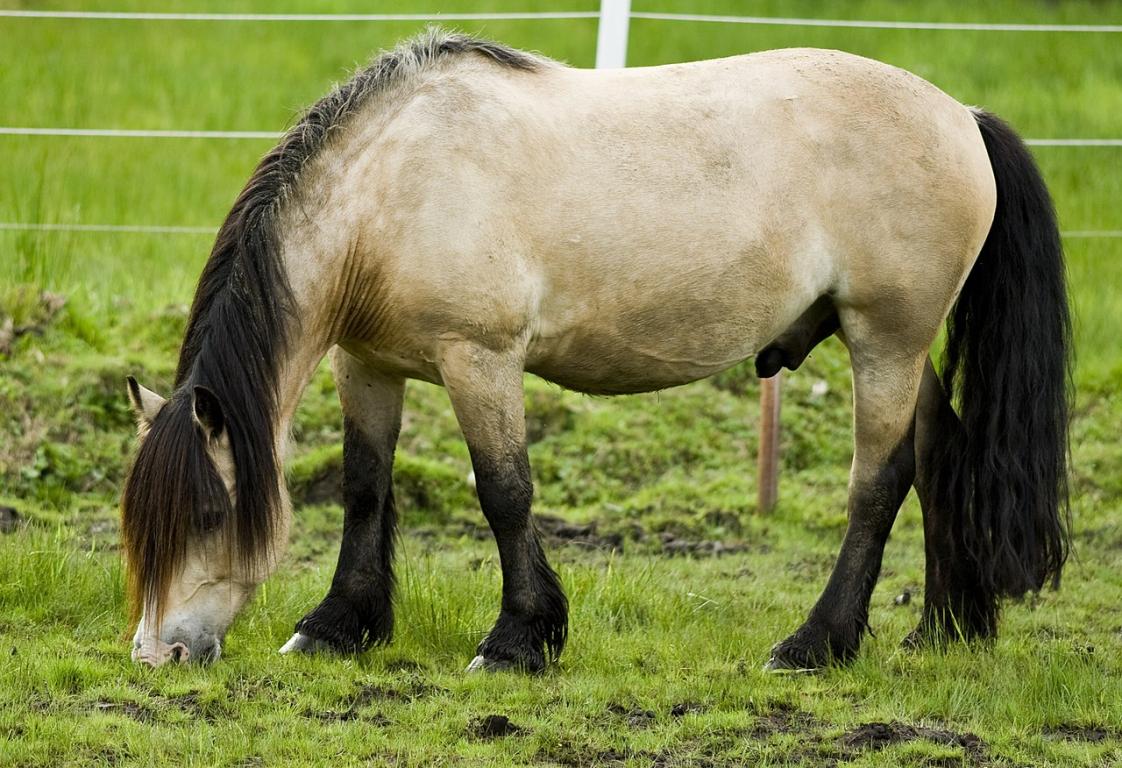
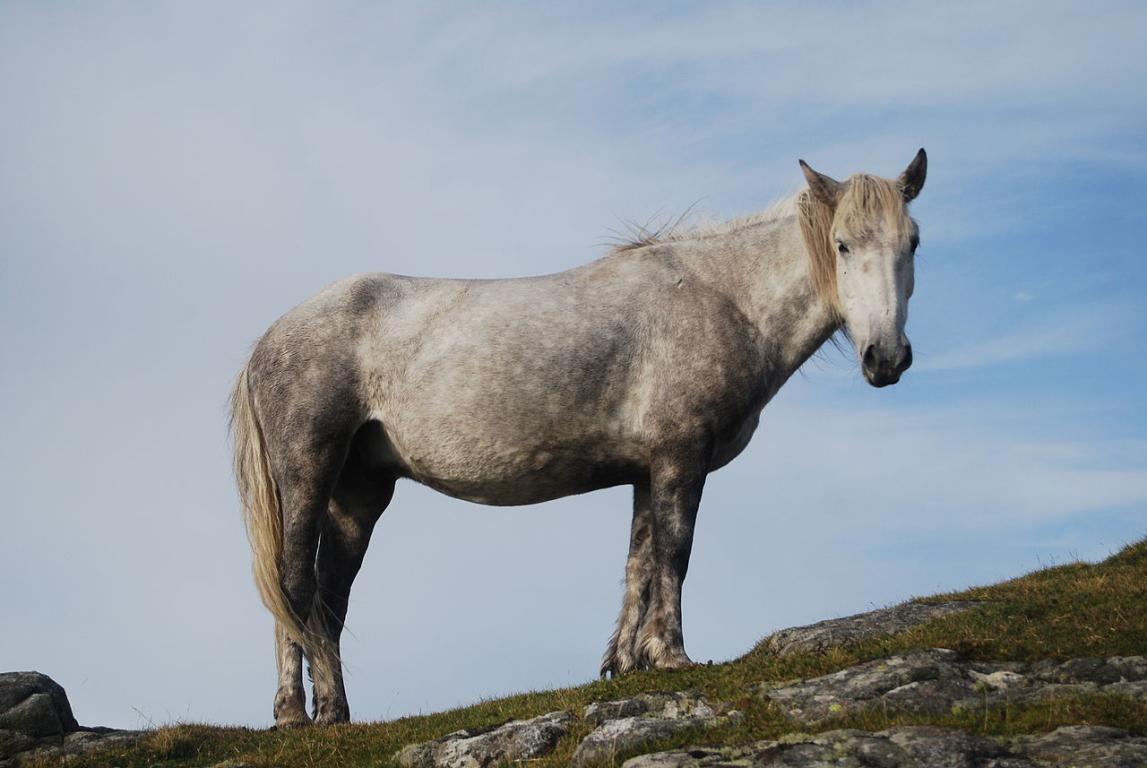
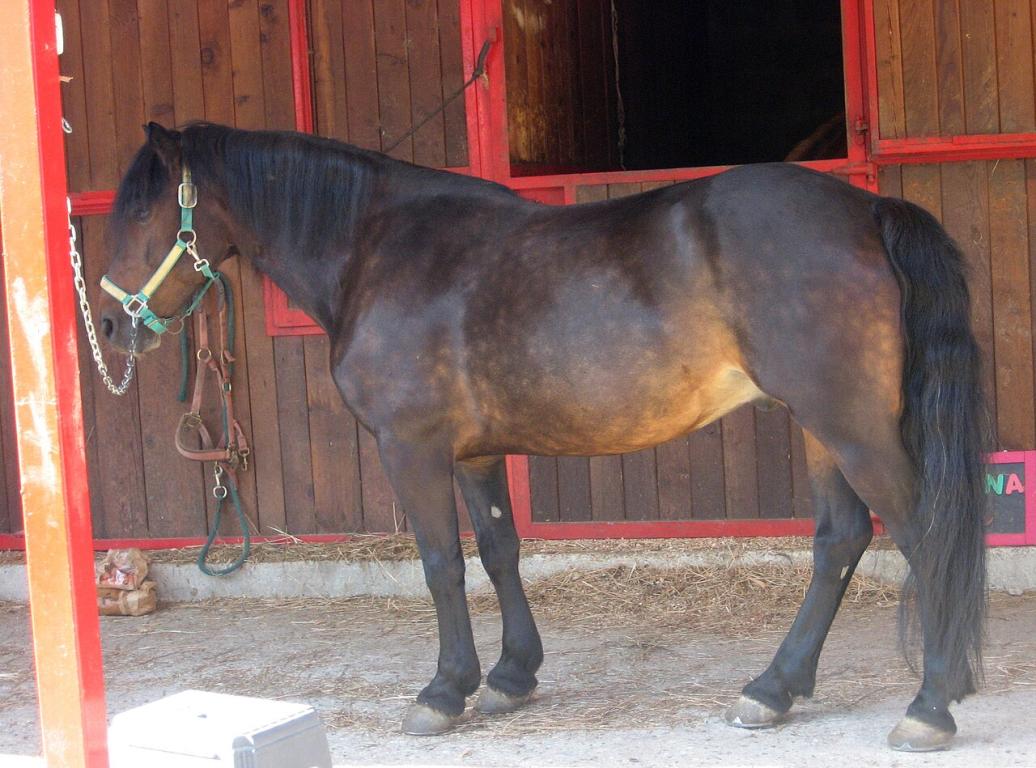
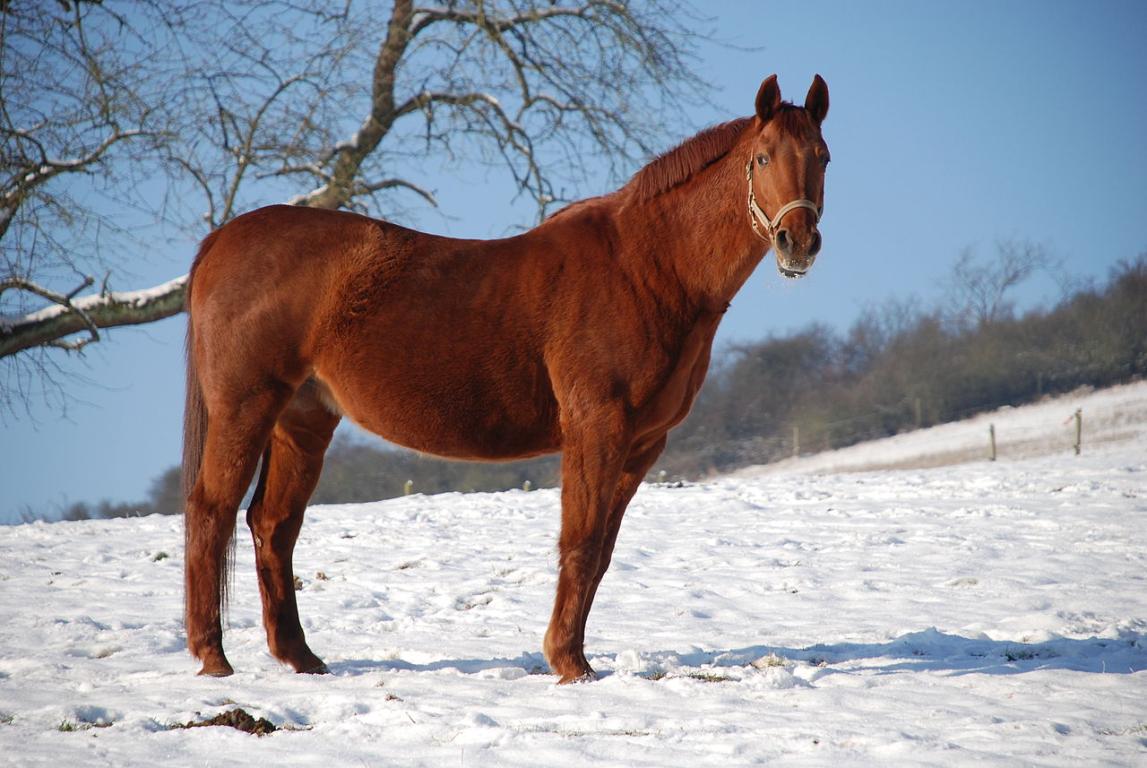
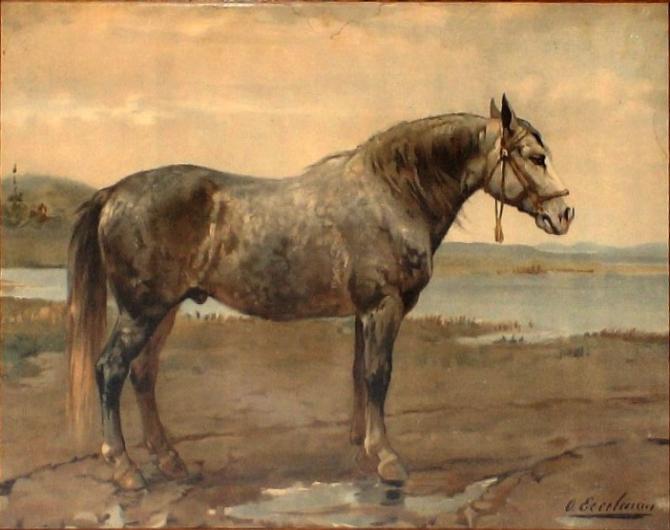
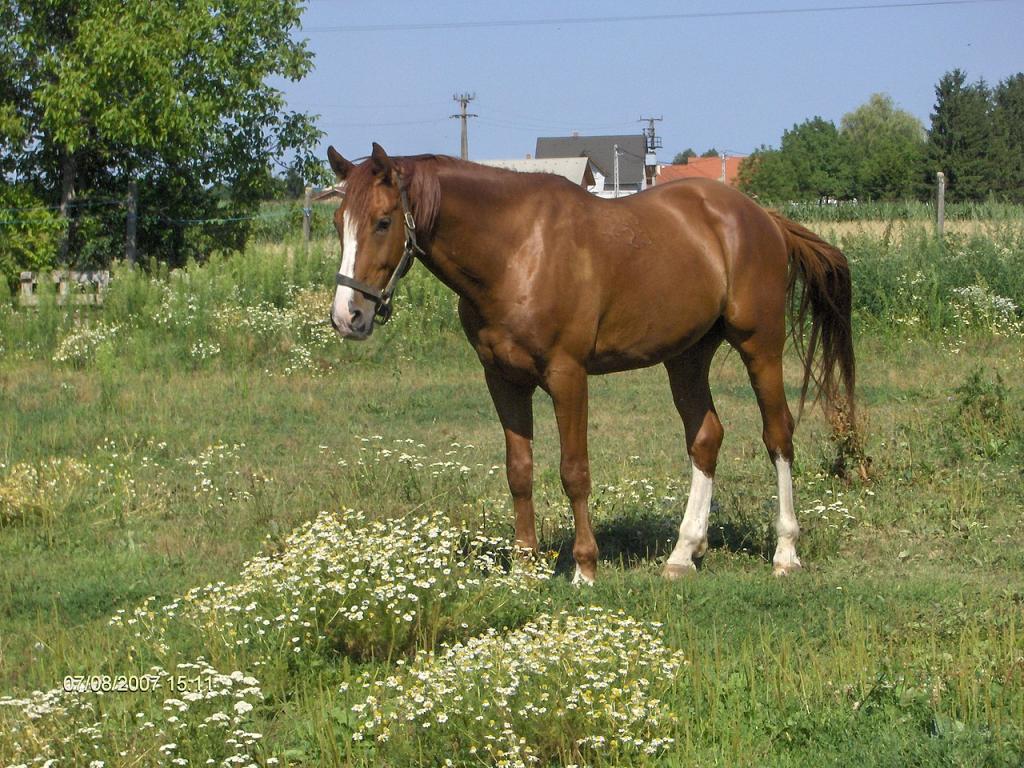
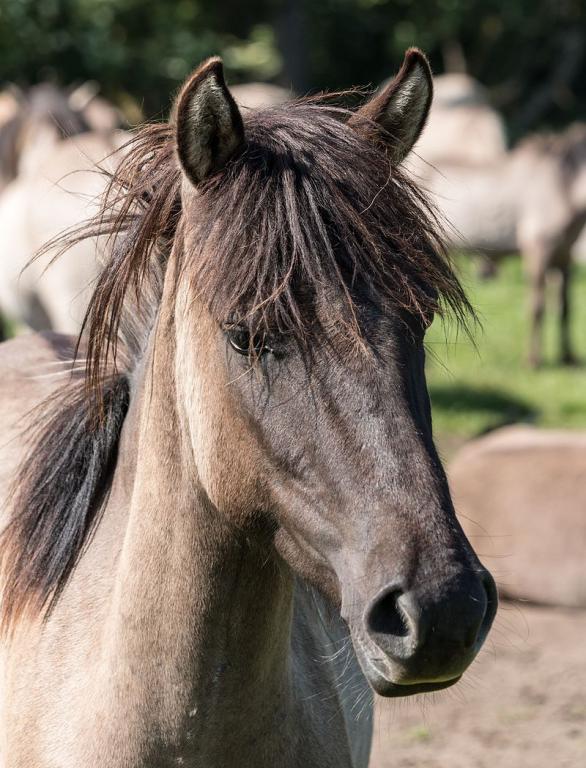
Chinese horse breed from the Tibetan Plateau, the Hequ (Nanfan) is known for its hardiness, endurance, cold resistance, and high-altitude adaptation.
By the Chevaux du Monde editorial team · Published on · Updated on
Type: Pony
Continent: Asia
Country: China
Weight: 300 – 380 kg
Height: 135 – 140 cm
The Hequ (also known as Nanfan) originates from the eastern Tibetan Plateau, more specifically from the Hequ (Maqu) region, located in the Gannan Tibetan Autonomous Prefecture, in the southwest of Gansu Province.
This area is characterized by:
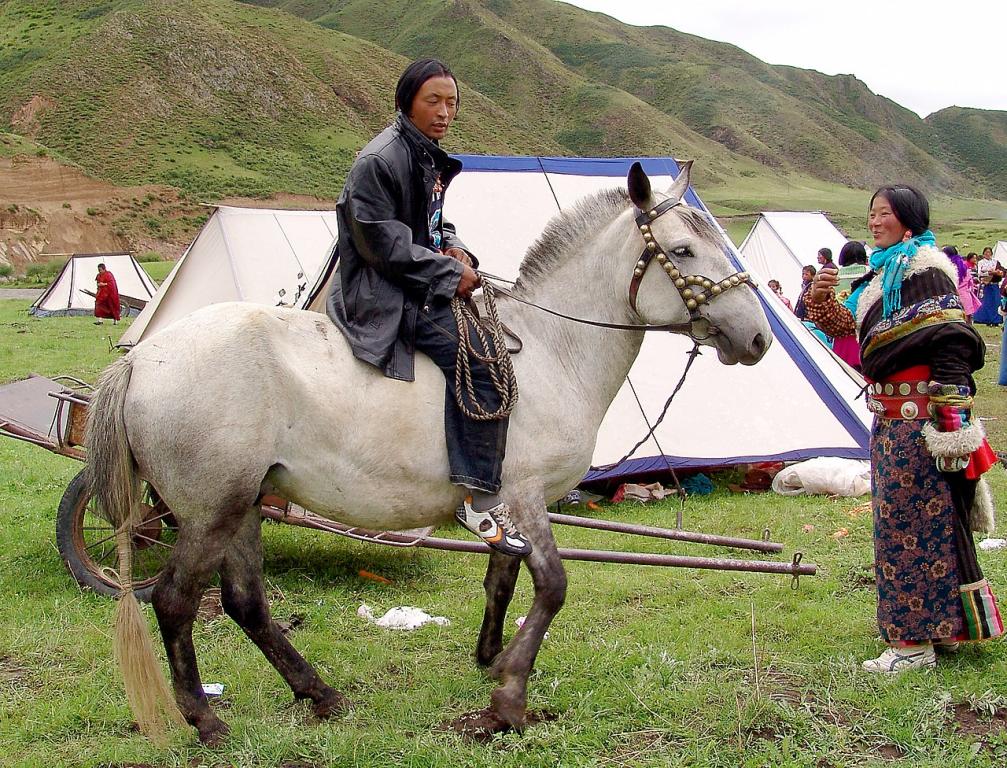
The Hequ has historically been associated with nomadic Tibetan populations, who have used it for centuries for:
The breed was never selected for aesthetic purposes, but strictly for functional traits, based on:
The cradle of the Hequ horse is located in the northeastern Tibetan Plateau, around the first major bend of the Yellow River, with the Maqu County serving as the main reference center.
Historically, Hequ breeding extends across an ecological continuum covering three Chinese provinces:


The Hequ horse belongs to the group of indigenous Chinese mountain breeds that have been preserved in situ for centuries. Only weakly influenced by modern exogenous bloodlines, it represents an ancient genetic reservoir, characteristic of East Asian horses adapted to extreme environments.
The Hequ is a natural model of high-altitude adaptation:
These traits are of significant interest for biological and zootechnical research.
These heritable characteristics make the Hequ a reference breed for sustainable livestock breeding.
The Hequ is regularly included in:
The Hequ horse is among the oldest indigenous equine breeds in China. Its history is inseparable from the northeastern Tibetan Plateau, around the first major bend of the Yellow River. As early as Antiquity, Chinese and Tibetan chronicles mention robust mountain horses, capable of surviving cold, high altitude, and long distances.
The historical core of the breed is located around Maqu County, a natural crossroads between inner China and the high Tibetan plateaus. The alpine steppes and high-altitude pastures imposed severe natural selection, shaping a horse that is compact, enduring, and economical.
For centuries, the Hequ served as:
Its reliability and sure-footedness made it an essential auxiliary of daily life.
The Hequ was used as a light cavalry and messenger horse for:
Its modest size was offset by exceptional resilience and great frugality.
Until the 20th century, the breed was selected without a formal studbook, according to empirical criteria:
This collective selection process made it possible to preserve a stable and ancient genetic heritage.
The Hequ horse displays a calm, steady, and reliable temperament, the result of long-term utilitarian selection in extreme environments.
It is a mentally resilient horse, rarely prone to panic.
The Hequ is not demonstrative, but it inspires constant trust.
It is able to manage its energy over long distances, an essential quality at altitude.
The Hequ horse is known for its excellent overall health and high functional longevity. Its robustness is the result of severe natural selection in cold, dry, and high-altitude environments.
When bred in lowland or humid regions: