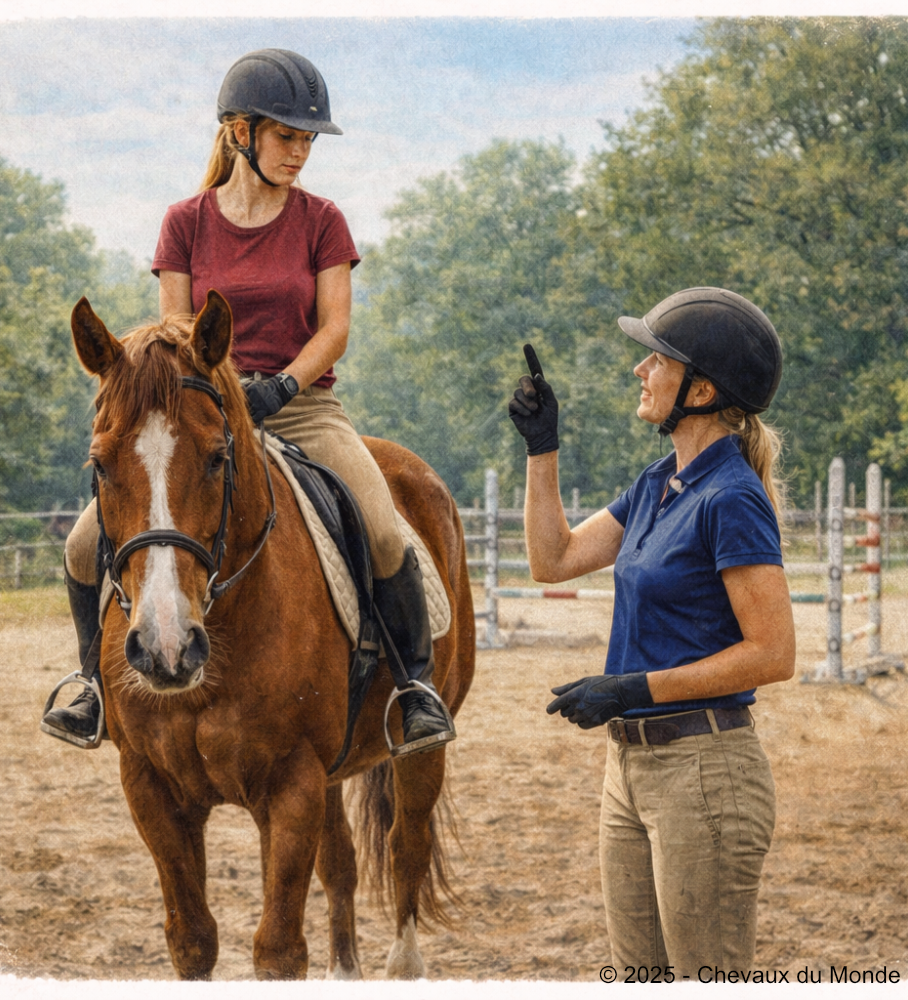
Horse riding is an exciting activity, but it involves working with a powerful and sometimes unpredictable animal. For beginners, understanding and respecting basic safety rules is essential in order to ride confidently and reduce the risk of accidents. Horse riding safety relies above all on common sense, observation and respect for the horse.
Understanding That the Horse Remains an Animal
Even a well-trained horse can react to a noise, a sudden movement or an unfamiliar situation. This is not a matter of distrust, but of understanding that the horse:
- is a flight animal,
- has fast reactions,
- perceives its environment differently from humans.
Accepting this reality helps riders adopt safer and more appropriate behavior.
Wearing Appropriate Equipment
Rider equipment plays a key role in safety.
The Helmet: Essential
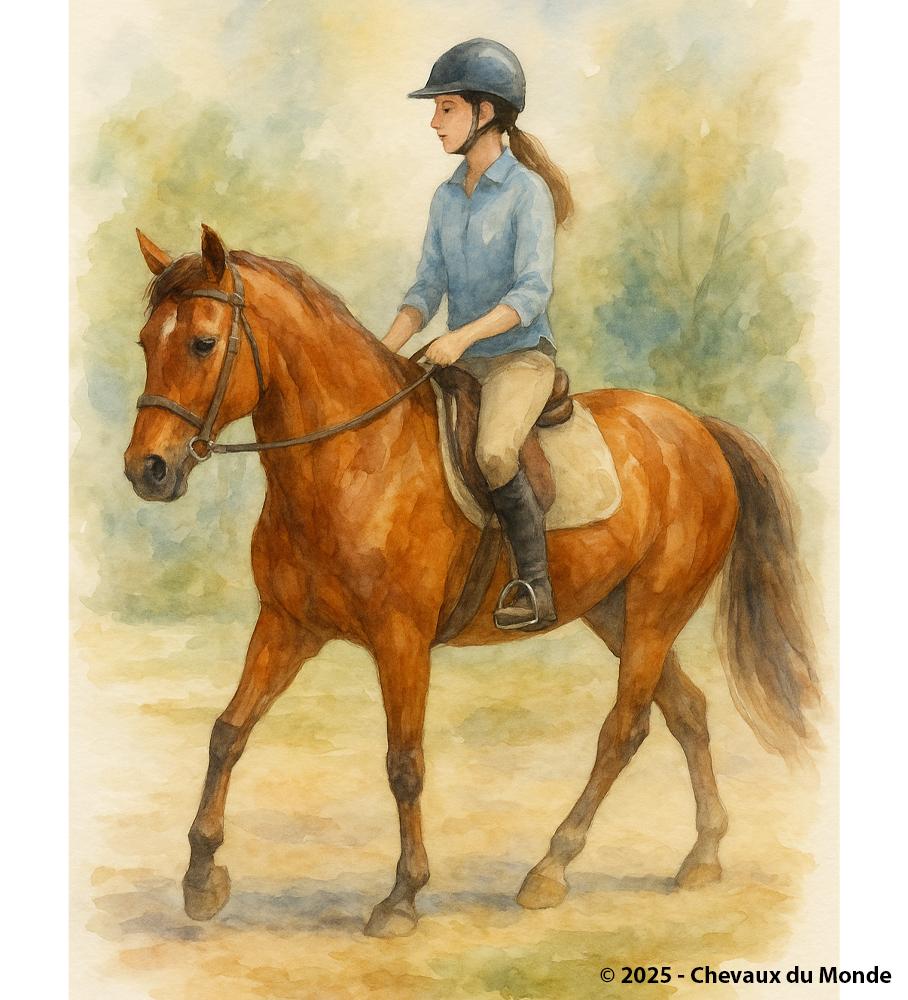
Wearing a helmet is strongly recommended and often mandatory in riding schools. It protects the head in the event of a fall and must:
- be safety certified,
- fit properly,
- be securely fastened.
Footwear and Clothing
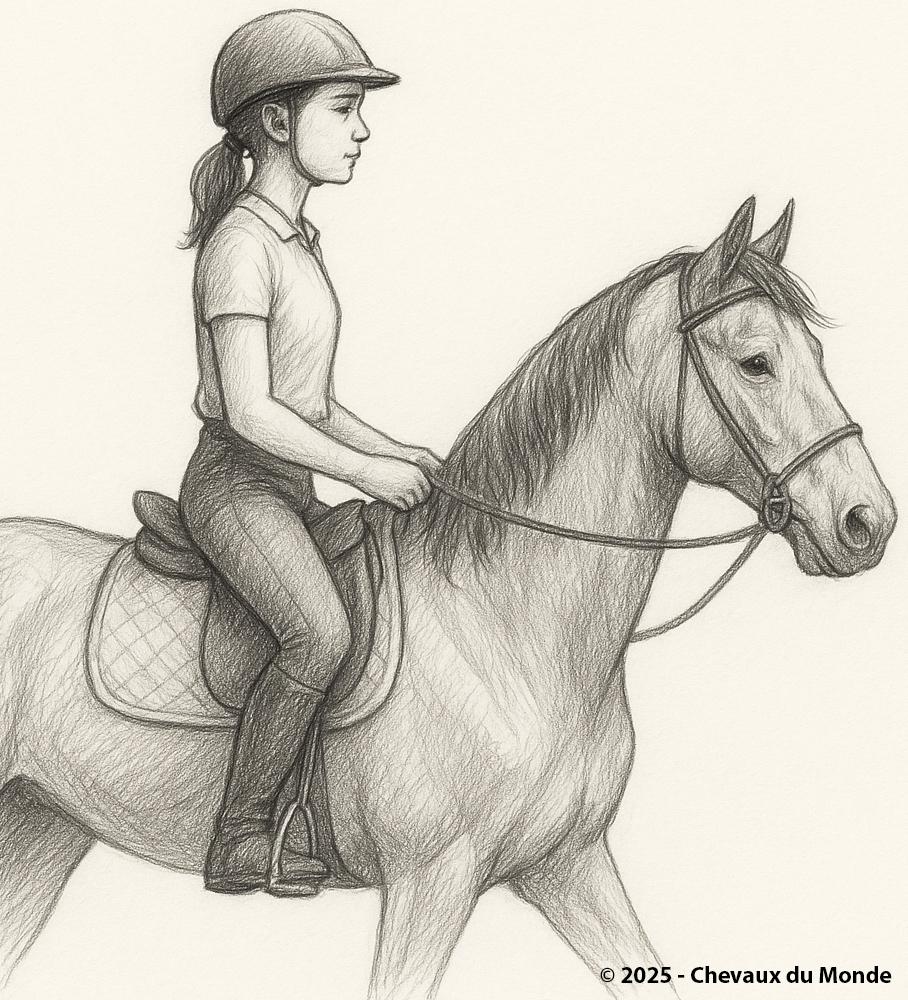
- riding boots or paddock boots with a heel to prevent the foot from slipping through the stirrup,
- riding breeches to reduce friction,
- comfortable clothing that allows freedom of movement.
Adopting Safe Practices on the Ground
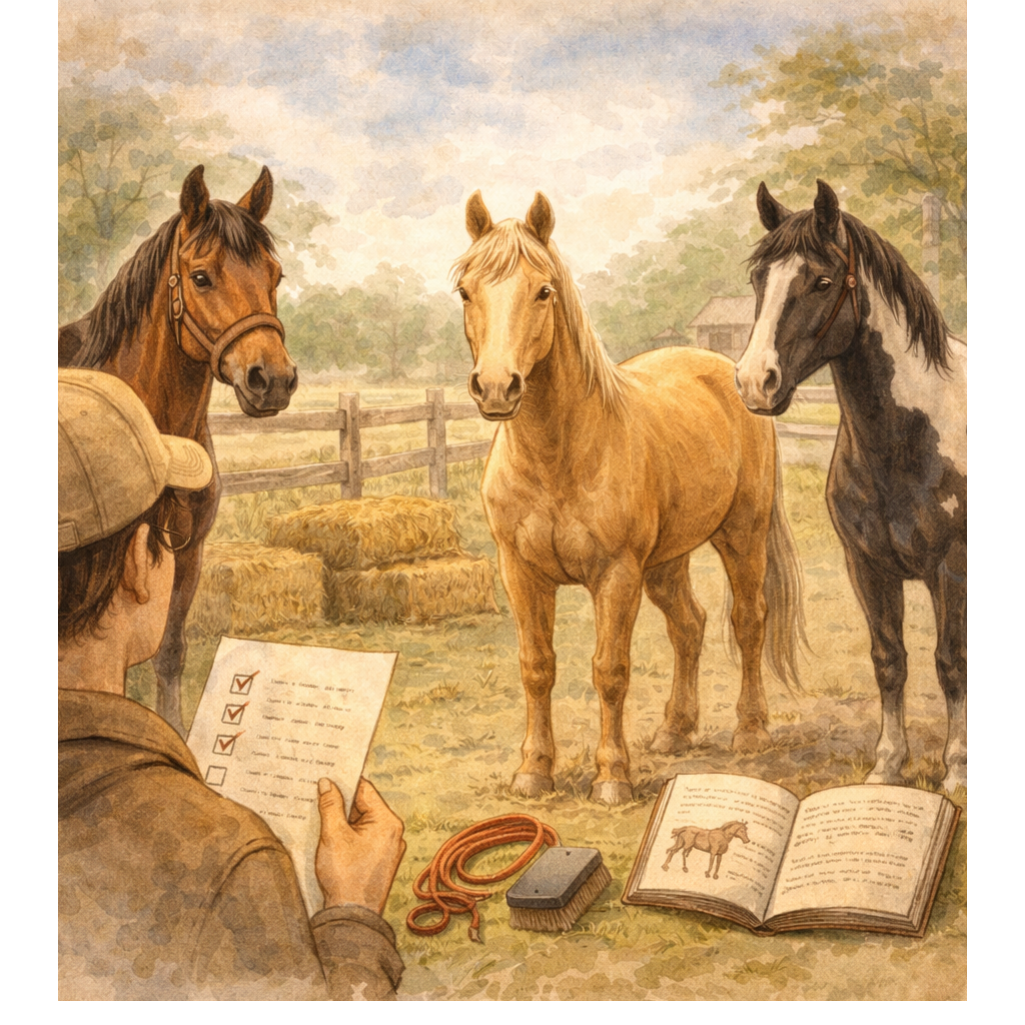
Safety begins on the ground, before mounting the horse.
- always approach the horse calmly,
- speak to the horse to signal your presence,
- avoid walking directly behind the horse without warning,
- keep a safe distance from other horses,
- hold the lead rope correctly, without wrapping it around your hand.
These simple habits prevent many accidents.
Riding in a Supervised Environment
For beginners, it is essential to:
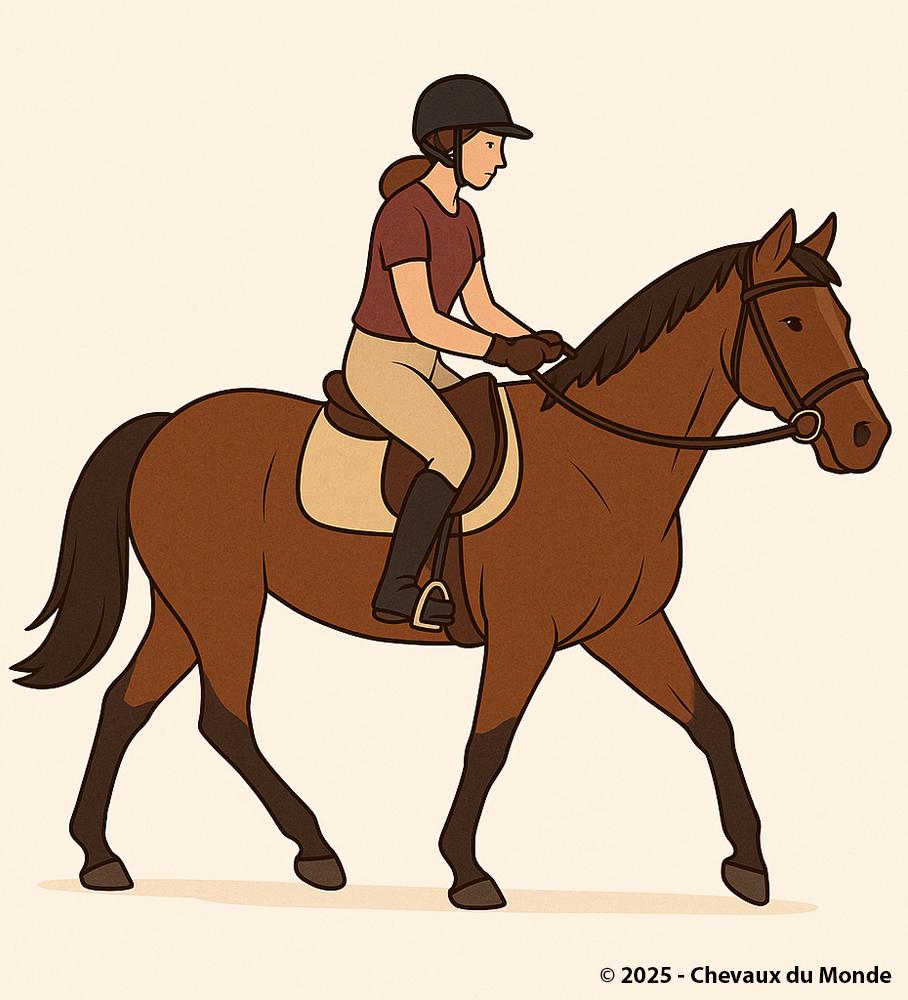
- ride in a secure environment (arena or riding hall),
- be supervised by a qualified instructor,
- use a horse suitable for a beginner’s level.
Avoiding riding alone or in uncontrolled conditions significantly reduces risks.
Listening to Instructions and Respecting Your Limits
One of the main causes of accidents among beginners is trying to progress too quickly.
- follow the instructor’s instructions,
- avoid attempting exercises that are not yet mastered,
- accept moments of doubt or fatigue.
Progress in horse riding happens step by step.
Understanding and Anticipating Horse Behavior
Observing the horse helps anticipate certain reactions:
- pinned or constantly moving ears,
- body tension,
- unusual agitation.
Learning to read these signals greatly improves rider safety.
Falling: How to React Properly
Falling is part of learning, but it must be handled correctly.
- stay calm,
- get up slowly,
- check for pain or injury,
- inform the instructor.
It is important not to remount immediately if pain persists.
Conclusion
Horse riding safety is based on a responsible, progressive and respectful approach to the horse. By adopting good habits from the very beginning, riders significantly reduce risks and can focus on enjoying learning and progressing with confidence.